Riyadh, the dynamic capital of Saudi Arabia, is undergoing an unprecedented transformation, fueled by the ambitious directives of Saudi Vision 2030. This visionary roadmap aims to diversify the economy, enhance public services, and significantly improve the quality of life for its citizens. Central to this monumental endeavor is the development of world-class infrastructure, with government buildings playing a pivotal role. These structures are not merely functional spaces; they are symbols of national progress, efficiency, and aspiration. As we advance towards 2025 and beyond, the architectural design and construction of government buildings in Riyadh must meet exacting standards of compliance, quality, and sustainability. This comprehensive guide provides essential checklists, strategic insights, and expert recommendations to navigate the intricacies of government building architecture in Riyadh, ensuring projects are not only compliant with evolving regulations but are also future-ready, aesthetically superior, and environmentally sustainable.
The complexity of these projects demands a systematic approach. From initial conceptualization to post-occupancy evaluation, every phase requires meticulous planning, stringent quality control, and an unwavering commitment to both local regulations and global best practices. The goal is to create spaces that inspire confidence, foster productivity, and serve the public effectively for generations to come. Partnering with a firm that possesses both extensive international experience and deep local expertise is paramount to achieving these objectives.
The Indispensable Role of Checklists in Riyadh Government Building Projects
In the high-stakes environment of government projects in Riyadh, precision and accountability are non-negotiable. The sheer scale, financial investment, and public scrutiny associated with these developments necessitate a rigorous methodology. This is precisely where comprehensive checklists become an indispensable tool. Far from being mere administrative formalities, thoughtfully designed checklists act as dynamic frameworks that minimize errors, ensure steadfast adherence to an intricate web of regulations, and ultimately pave the way for the delivery of superior results.
Checklists serve multiple critical functions across the entire project lifecycle:
- Risk Mitigation: By systematically verifying compliance with codes, standards, and specifications, checklists proactively identify potential issues before they escalate into costly delays or structural compromises. This foresight is invaluable in large-scale projects.
- Ensuring Consistency and Quality: They establish a baseline for expected performance and quality across all disciplines, ensuring that every element, from structural components to interior finishes, meets predefined benchmarks. This consistency is vital for maintaining the high standards expected of government infrastructure.
- Legal and Regulatory Adherence: The regulatory landscape in Riyadh is dynamic, with new codes and standards continuously being introduced to align with Vision 2030’s objectives. Checklists provide a structured method to confirm that all statutory and regulatory requirements, including those related to health, safety, and environmental protection, are meticulously fulfilled.
- Enhancing Communication and Collaboration: Shared checklists create a common understanding of project requirements and responsibilities among diverse stakeholders, including architects, engineers, contractors, and government agencies. This fosters transparency and improves inter-disciplinary coordination.
- Optimizing Project Efficiency: By streamlining workflows and providing clear guidelines, checklists help teams work more efficiently, reducing rework and improving overall productivity. This directly contributes to on-time and on-budget project delivery.
- Facilitating Documentation and Accountability: Completed checklists provide an auditable trail of due diligence, serving as critical documentation for compliance purposes and establishing clear lines of accountability for all tasks and decisions.
These essential tools should be integrated into every phase of a project, from the initial feasibility studies and design conceptualization to the detailed construction, commissioning, and even post-occupancy support. Their continuous application ensures that the ambitious goals set for Riyadh’s government buildings are met with unwavering precision and excellence.
Key Areas for Government Building Architecture Checklists in Riyadh

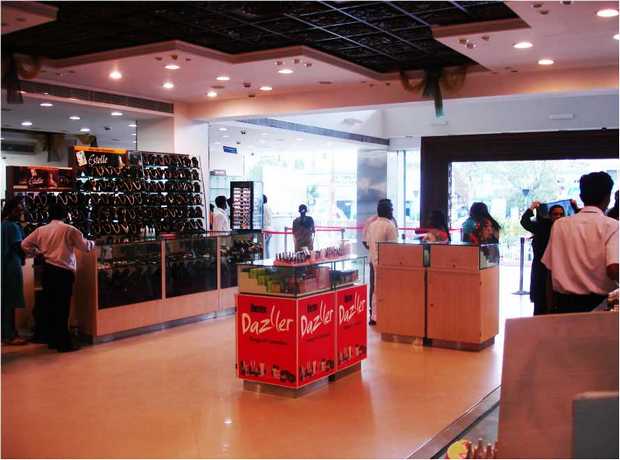
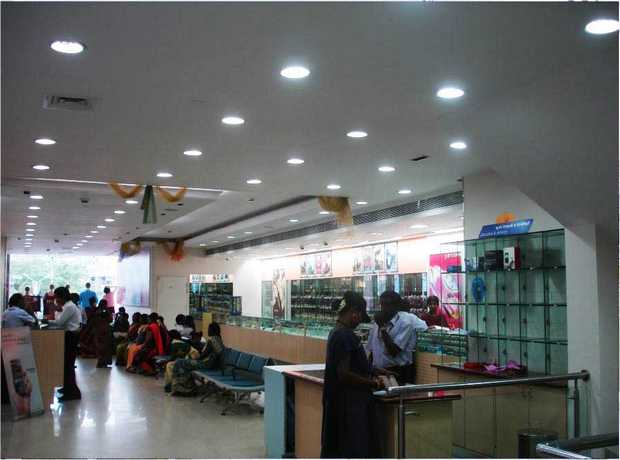
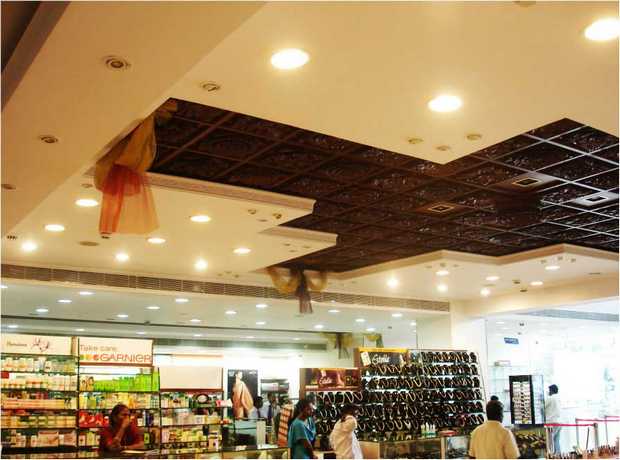
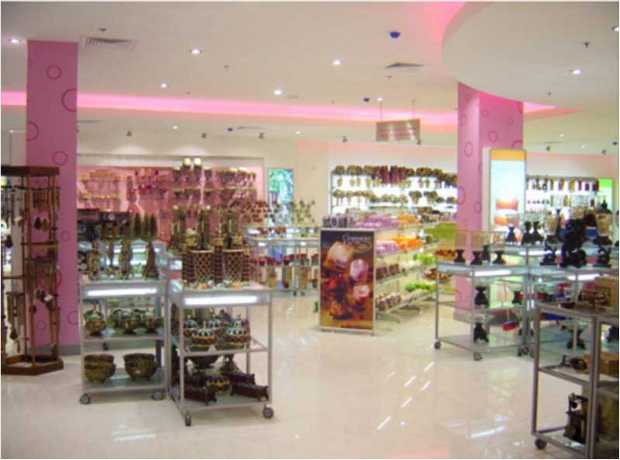
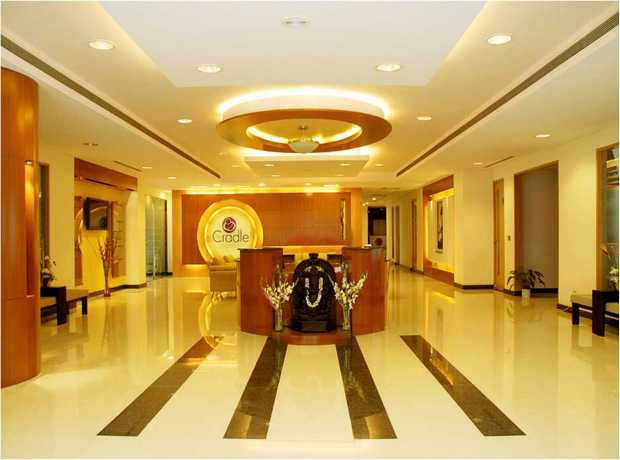
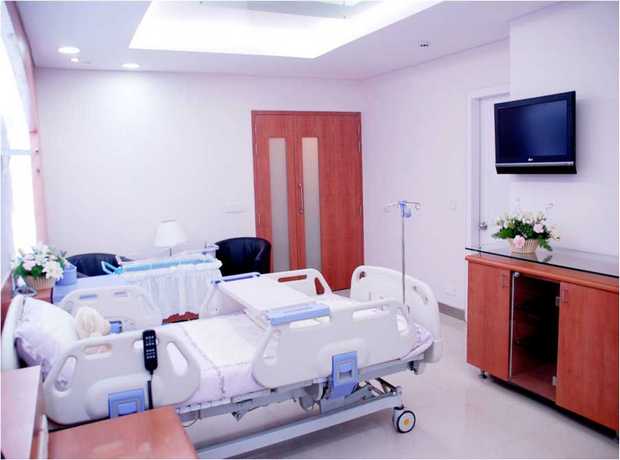
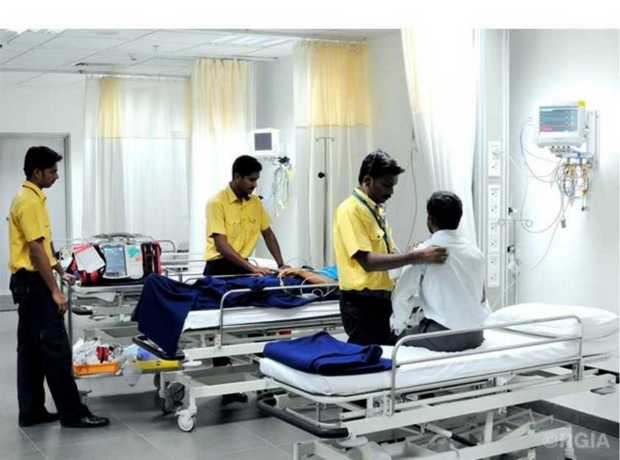
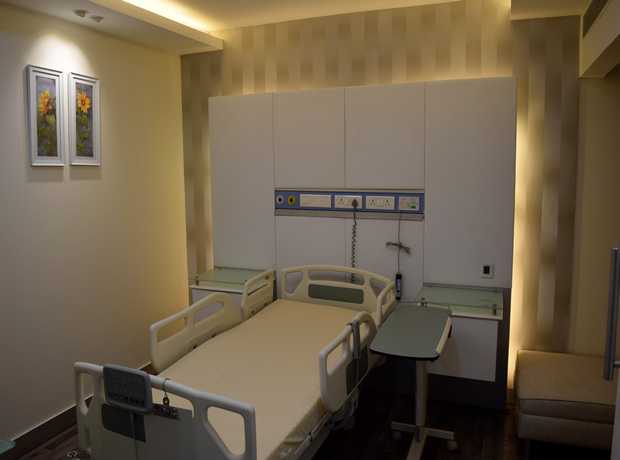
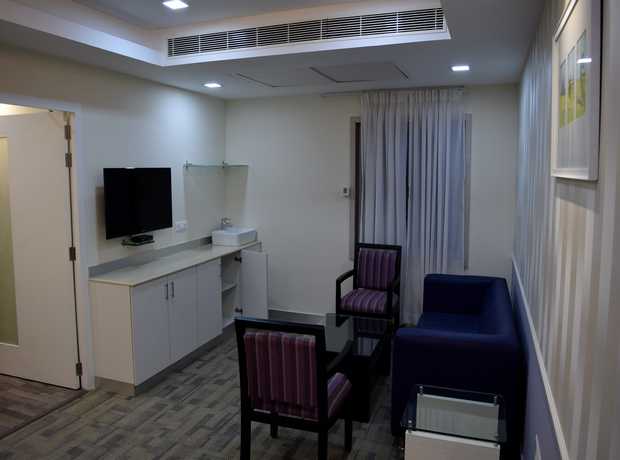

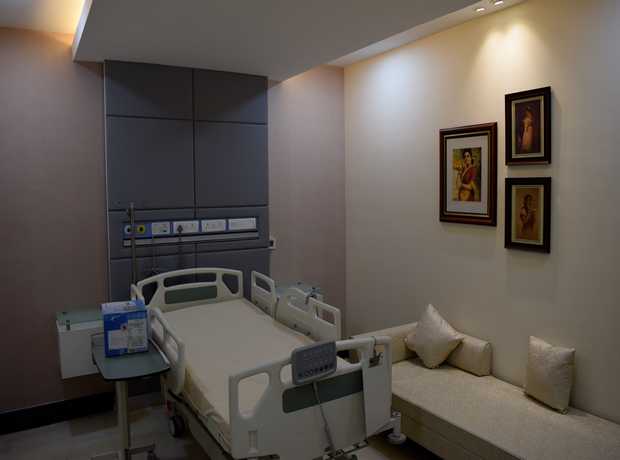
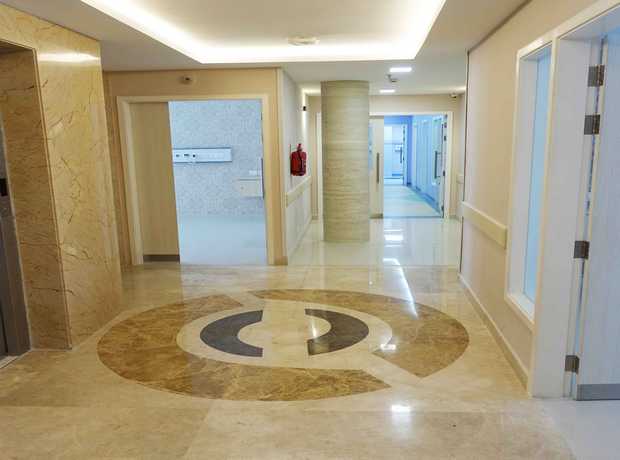
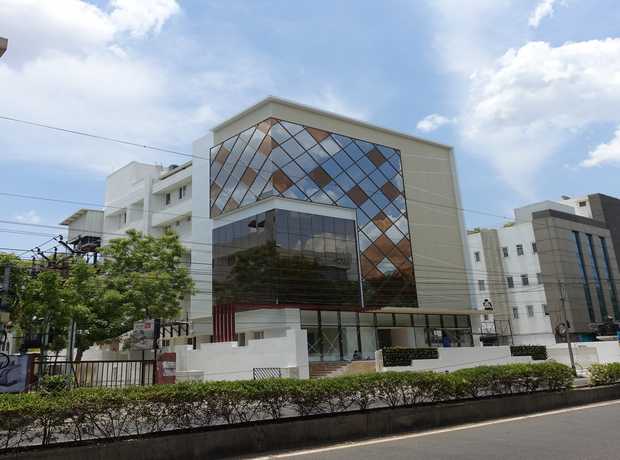
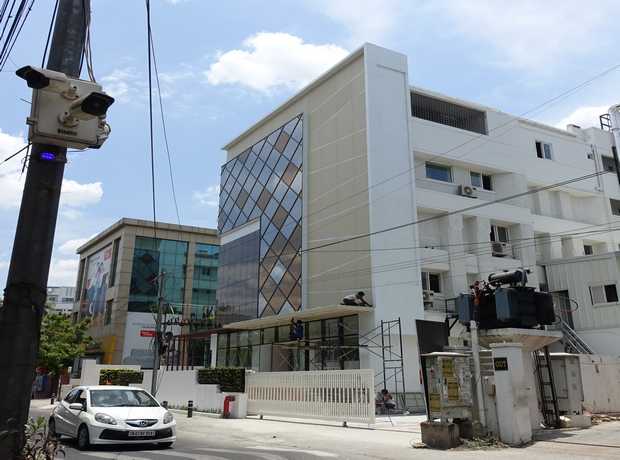
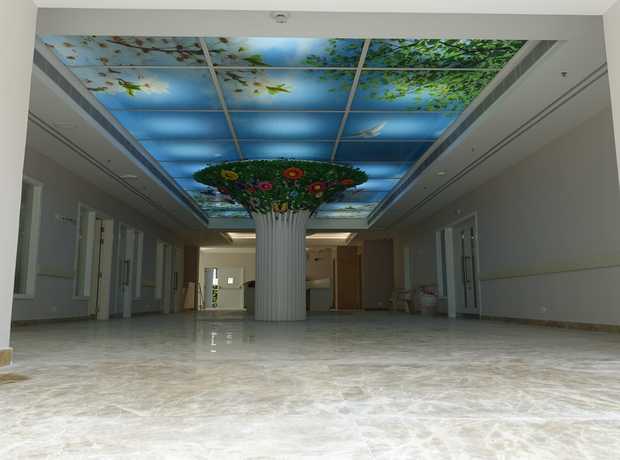
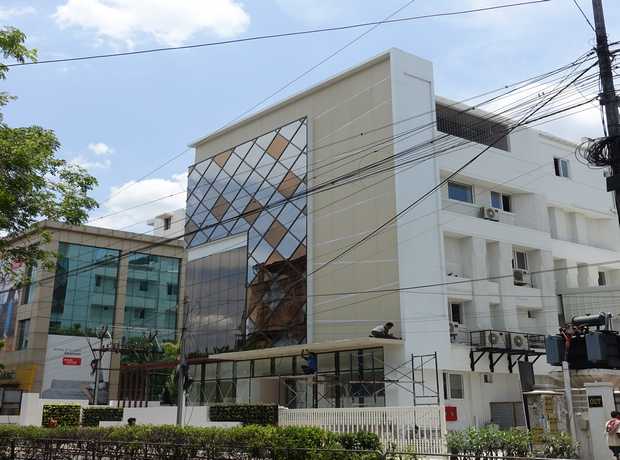
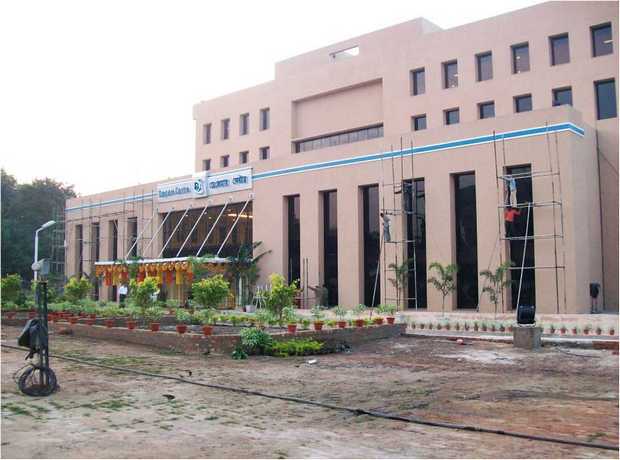
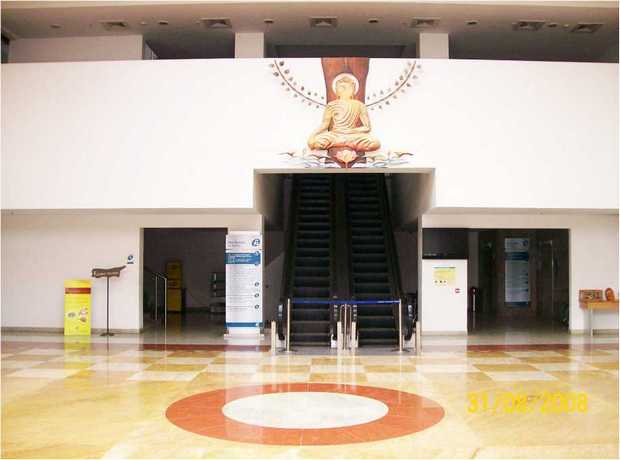
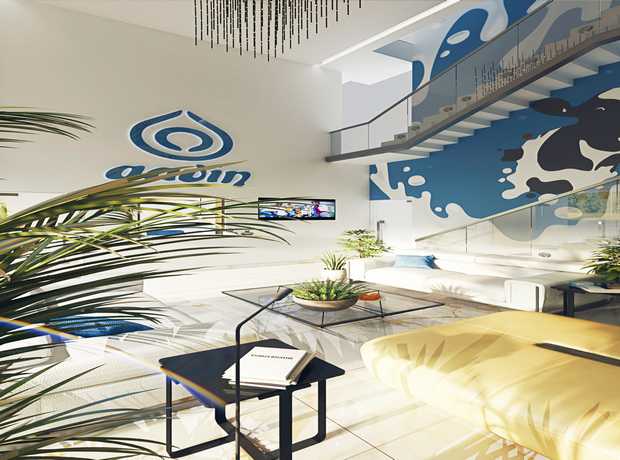
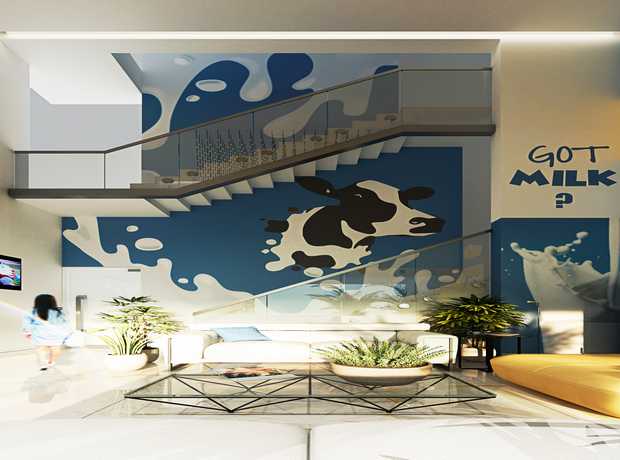
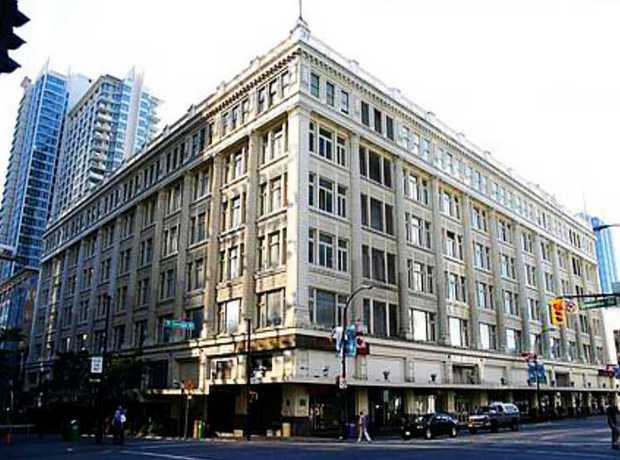
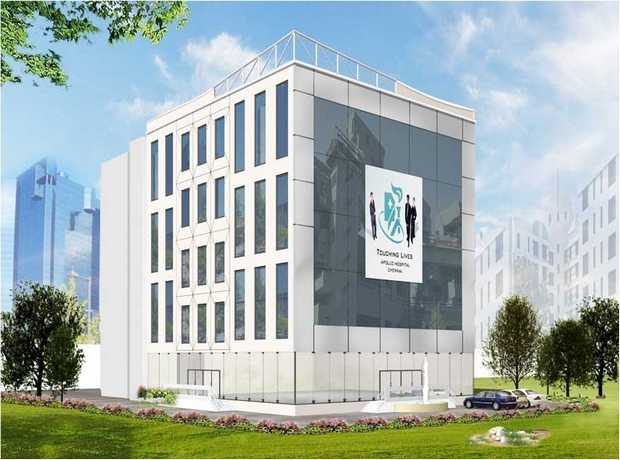
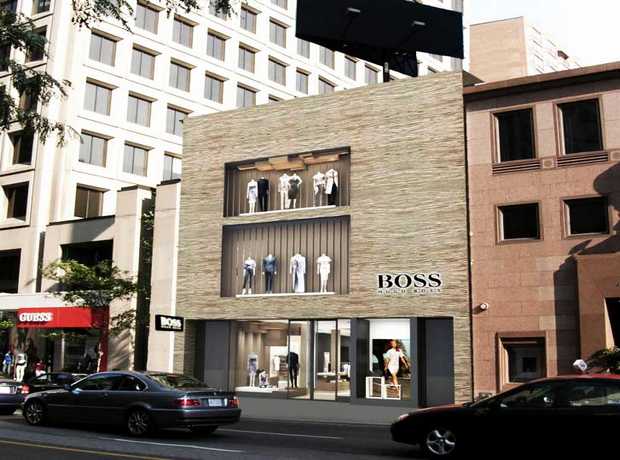
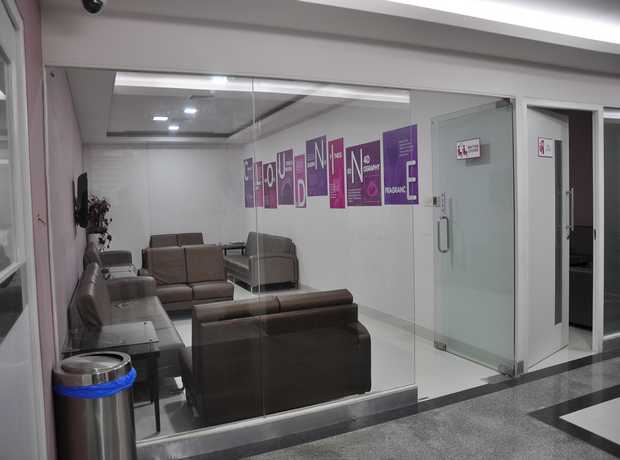
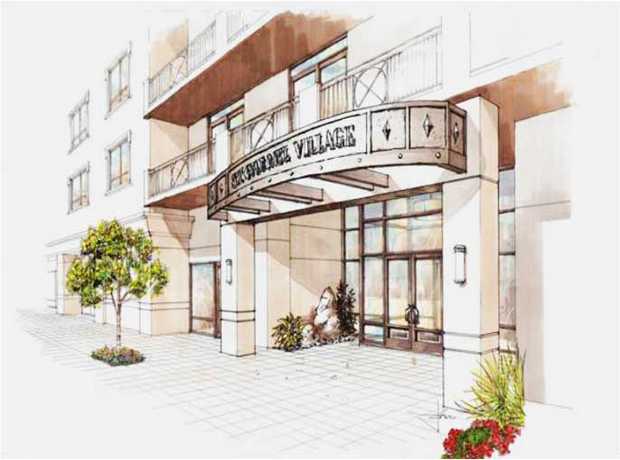
1. Compliance with Riyadh Building Codes and Standards
Navigating the intricate regulatory environment of Riyadh is paramount for any government building project. The Kingdom of Saudi Arabia operates under a comprehensive set of national building codes (SBCs – Saudi Building Codes), which are continually updated to reflect international best practices and the specific local context. These codes encompass a wide array of technical specifications and performance requirements that must be rigorously adhered to.
- Structural Integrity and Safety Regulations: This involves strict adherence to SBC 301 (Structural – Loading and Forces), SBC 302 (Structural – Concrete Structures), SBC 303 (Structural – Masonry Structures), and SBC 304 (Structural – Steel Structures). Checklists must confirm the use of approved materials, proper seismic design considerations given the region’s geological context, and the structural engineer’s certifications at various construction stages. Verification of foundation design, load-bearing capacities, and material strength testing are non-negotiable.
- Fire Safety Standards: Beyond basic fire suppression systems, compliance requires adherence to SBC 801 (Fire Protection), which often references international standards like NFPA (National Fire Protection Association) codes. Checklists should cover fire resistance ratings for materials, proper compartmentation, egress routes, emergency lighting, smoke detection and alarm systems, sprinkler system design, and the accessibility for fire services. Regular drills and maintenance protocols must also be factored into the design and operational planning.
- Accessibility Guidelines for People with Disabilities: Riyadh is committed to creating an inclusive urban environment. This translates into stringent requirements for accessibility, aligned with SBC 401 (Architectural – Accessibility). Checklists must ensure ramps with appropriate slopes, accessible restrooms, widened doorways, tactile paving, Braille signage, elevators with auditory and visual signals, and dedicated parking spaces. The design must seamlessly integrate these features without compromising aesthetic appeal or functional efficiency.
- Energy Efficiency Requirements (Aligned with Saudi Vision 2030): A cornerstone of Vision 2030 is sustainability and reduced carbon footprint. SBC 601 (Energy Conservation) mandates specific standards for building envelopes, HVAC systems, lighting efficiency, and insulation. Checklists should verify U-values for walls and roofs, solar heat gain coefficients for glazing, efficiency ratings for mechanical equipment, and the integration of smart building management systems (BMS) for optimized energy consumption. The objective is not just to comply, but to exceed minimum requirements where possible, contributing to long-term operational savings and environmental stewardship.
Furthermore, navigating the multi-layered regulatory landscape also involves securing numerous permits and approvals from various governmental bodies, including the Riyadh Municipality, Civil Defense, and utility providers. A robust checklist system ensures that all documentation is accurate, submissions are timely, and potential bottlenecks in the approval process are identified and addressed proactively. Firms with deep local code expertise in Riyadh are essential partners in this complex process. Skydome Designs has a proven track record, having delivered 416+ government building architecture assignments across Riyadh and globally over 12+ years, demonstrating our profound understanding of these critical compliance requirements.
2. Sustainability and Environmental Considerations
Riyadh’s commitment to sustainability is deeply embedded in its urban development agenda, spearheaded by Saudi Vision 2030. Government buildings are expected to lead by example, showcasing innovative solutions for environmental stewardship and resource efficiency. Integrating sustainability goes beyond mere compliance; it’s about creating resilient, resource-efficient, and future-proof assets that contribute positively to the city’s ecological footprint.
- Efficient Water Management Systems: In an arid climate like Riyadh, water conservation is paramount. Checklists should confirm the incorporation of low-flow fixtures, greywater recycling systems for irrigation and toilet flushing, rainwater harvesting where feasible, and smart irrigation systems for landscaping. Verification of water consumption monitoring and leak detection systems is also critical.
- Renewable Energy Sources (Solar Panels, etc.): Leveraging Riyadh’s abundant sunshine, the integration of solar photovoltaic (PV) panels is a key sustainability strategy. Checklists must cover the feasibility analysis for solar installations, panel efficiency, integration with the building’s electrical system, energy storage solutions (batteries), and connection to the grid. Passive solar design principles, such as optimal building orientation and shading, should also be evaluated.
- Sustainable Building Materials: The choice of materials significantly impacts a building’s lifecycle environmental footprint. Checklists should specify the use of locally sourced materials to reduce transportation emissions, materials with high recycled content, rapidly renewable materials, and those with low volatile organic compound (VOC) emissions for improved indoor air quality. Consideration for the material’s durability, recyclability at end-of-life, and ethical sourcing is also crucial.
- Waste Reduction Strategies During Construction and Operation: A comprehensive waste management plan is essential. For construction, this includes strategies for minimizing waste generation, sorting for recycling (concrete, steel, wood, dry wall), and proper disposal of non-recyclable materials. For operations, checklists should cover provisions for waste segregation bins, composting (if applicable), and partnerships with recycling facilities.
- Bioclimatic Design and Climate Resilience: Designing buildings that respond intelligently to Riyadh’s extreme climate is fundamental. This includes optimizing building orientation to minimize solar heat gain, incorporating natural ventilation where appropriate, designing effective shading devices (mashrabiya-inspired elements), and selecting materials with high thermal mass. Furthermore, considerations for dust management, external air quality filtration, and mitigating the urban heat island effect through reflective roofing and green spaces are vital.
By prioritizing sustainability, government buildings in Riyadh can significantly lower lifecycle costs through reduced energy and water consumption, decrease operational expenditure, and enhance their public image as responsible entities. Adherence to sustainability certifications like LEED or the upcoming national Mostadam rating system should be a core consideration. Riyadh is prioritizing sustainability and digital delivery to lower lifecycle costs and align with Saudi Vision 2030, making these considerations central to successful project outcomes.
3. Digital Delivery and BIM-Led Coordination
The digital transformation is reshaping the architecture, engineering, and construction (AEC) industry globally, and Riyadh is at the forefront of this evolution. Building Information Modeling (BIM) is no longer an optional extra but a fundamental methodology transforming project delivery, offering unparalleled levels of precision, collaboration, and efficiency. Its application in government building projects in Riyadh is particularly critical due to the scale, complexity, and long-term asset management requirements.
- BIM Implementation for Design Coordination: Checklists should stipulate the BIM Level (e.g., BIM Level 2 or aspiring to Level 3) for the project, defining the scope and detail of information to be included in the models. This encompasses architectural, structural, MEP (Mechanical, Electrical, Plumbing), and civil models, ensuring they are developed collaboratively from the outset. Early-stage BIM models facilitate better design decisions and optimize spatial arrangements.
- Clash Detection and Resolution: One of BIM’s most immediate and impactful benefits. Regular clash detection sessions using software tools are essential to identify and resolve conflicts between different building systems (e.g., pipes clashing with structural beams, ducts infringing on ceiling space) long before construction begins. Checklists verify the frequency of these reviews, the documentation of clashes, and the resolution workflow, drastically reducing costly on-site rework.
- 4D Scheduling for Project Management: Integrating BIM with project scheduling (the “fourth dimension” – time) allows for a visual simulation of the construction sequence. Checklists ensure that 4D models are created and utilized for progress tracking, identifying potential scheduling conflicts, optimizing resource allocation, and communicating the construction plan clearly to all stakeholders. This proactive approach significantly contributes to on-time project delivery.
- 5D Cost Estimation and Management: The integration of cost data with BIM models (the “fifth dimension”) enables accurate and dynamic cost estimation throughout the project lifecycle. Checklists verify the methodology for quantity take-offs directly from the model, enabling real-time budget tracking, value engineering assessments, and accurate financial forecasting. This transparency is crucial for public-funded projects.
- Digital Asset Management for Post-Construction Maintenance (6D & 7D BIM): Extending BIM’s utility into the operational phase is critical for the long-term efficiency of government buildings. Checklists should outline the requirements for populating BIM models with asset information (manufacturer details, installation dates, maintenance schedules, warranty information). This “as-built” intelligent model then becomes a powerful tool for facility managers (6D for sustainability analysis/performance, 7D for facility management), enabling predictive maintenance, energy optimization, and streamlined repairs, thereby significantly lowering lifecycle costs.
BIM‑led coordination, value engineering, and quality control are tailored to Riyadh’s unique requirements, ensuring that technology serves as a cornerstone for delivering sophisticated, efficient, and sustainable government facilities. Our firm excels in this area, leveraging advanced BIM capabilities to ensure seamless execution and optimal outcomes for every project we undertake.
For a detailed discussion on how BIM can transform your project, contact Skydome Designs today.
4. Interior Design and Space Planning Considerations
Beyond the structural grandeur, the interior environment of a government building profoundly impacts its functionality, public perception, and the well-being and productivity of its occupants. Thoughtful interior design and strategic space planning are vital for creating professional, efficient, and welcoming spaces that reflect the institution’s values and cater to diverse user needs. Partnering with experienced Riyadh interior experts is key to achieving this delicate balance.
Space Planning: Optimizing for Efficiency, Collaboration, and Future Adaptability
Effective space planning is the foundation of a functional government building. Checklists here focus on more than just square footage; they delve into how space supports workflow, encourages collaboration, and adapts to future needs. This includes:
- Functional Zoning: Clear demarcation of public access areas, secure zones, private offices, collaborative workspaces, meeting rooms, and support facilities. Ensuring logical flow and minimizing cross-traffic between sensitive and public areas.
- Workflow Efficiency: Designing layouts that optimize operational processes, reduce travel distances for employees, and provide convenient access to shared resources.
- Flexibility and Adaptability: Incorporating modular design principles, reconfigurable furniture, and flexible infrastructure to allow for future departmental changes, growth, or shifts towards agile and activity-based working models without major renovations. This is crucial for long-term government investments.
- Employee Well-being: Providing adequate natural light, ergonomic furniture, break areas, and spaces for quiet work, recognizing the importance of staff comfort and mental health in enhancing productivity.
- Circulation and Wayfinding: Ensuring clear, intuitive pathways for both staff and visitors, avoiding bottlenecks, especially during peak hours or emergency evacuations.
Acoustics: Ensuring Optimal Sound Control for Productivity and Privacy
Acoustic performance is critical in government buildings, where confidential discussions, focused work, and clear communication are paramount. Checklists for acoustics should cover:
- Sound Isolation: Specifying appropriate STC (Sound Transmission Class) ratings for walls, ceilings, and doors in meeting rooms, private offices, and sensitive areas to prevent sound leakage and ensure privacy.
- Sound Absorption: Incorporating sound-absorbing materials (acoustic panels, carpets, specialized ceiling tiles, upholstered furniture) in open-plan offices, lobbies, and large gathering spaces to reduce reverberation and improve speech intelligibility.
- Noise Control: Mitigating noise from mechanical systems (HVAC, elevators), external traffic, and internal foot traffic through strategic material choices and system design.
- Speech Privacy: Utilizing white noise or sound masking systems in areas requiring heightened confidentiality, such as interview rooms or executive offices.
Interior Design: Creating Professional, Culturally Sensitive, and Sustainable Environments
The aesthetic and material choices in a government building convey its character and professionalism. Checklists for interior design should address:
- Material Selection: Specifying durable, low-maintenance, sustainable, and aesthetically pleasing materials that can withstand high traffic while contributing to a healthy indoor environment (low VOCs). Consideration of local materials and traditional patterns can add cultural relevance.
- Lighting Design: Integrating natural light to reduce energy consumption and improve occupant mood, complemented by efficient LED lighting systems that provide appropriate illumination levels for different tasks and create desired ambiances. Smart lighting controls for energy saving.
- Color Palette and Finishes: Selecting palettes that evoke professionalism, trust, and a sense of national identity, while also considering psychological impacts on occupants.
- Cultural Integration: Incorporating elements of Saudi heritage and contemporary Riyadh design into the interiors, creating spaces that feel authentic and resonate with the local context, yet remain modern and functional.
- Biophilic Design: Integrating natural elements like indoor plants, views to green spaces, and natural patterns to enhance well-being and reduce stress.
Branding & Signage: Implementing Clear and Consistent Wayfinding Systems
Effective signage and consistent branding are essential for intuitive navigation and reinforcing institutional identity. Checklists for this area include:
- Clear Wayfinding: Designing an intuitive signage system that guides visitors and staff efficiently through the building, with clear directories, directional signs, and room identifiers. This is especially important for large, multi-departmental government complexes.
- Multilingual Support: Providing signage in both Arabic and English, or other relevant languages, to cater to a diverse population.
- Consistency: Ensuring all signage adheres to a consistent brand identity, font, color scheme, and graphic standards across the entire facility.
- Digital Signage Integration: Utilizing digital displays for dynamic information, announcements, and interactive maps, which can be updated easily.
- Emergency Egress: Clearly marking emergency exits, assembly points, and evacuation routes as per safety regulations.
Skydome Designs specializes in creating functional, aesthetically pleasing, and culturally appropriate interior spaces for government institutions in Riyadh and beyond. Our team of expert Riyadh interior experts ensures that every detail, from space planning to material selection, contributes to an environment that is both efficient and inspiring. Learn more about our comprehensive interior design solutions.
5. Quality Control and Assurance Across the Project Lifecycle
Delivering a government building of exceptional quality in Riyadh requires more than just good design; it demands a rigorous, continuous quality control (QC) and quality assurance (QA) framework. This framework must be embedded into every phase of the project, from the initial conceptualization to the final handover and beyond, ensuring that every element meets or exceeds specified standards and performs as intended. The aim is to prevent defects, ensure compliance, and guarantee the long-term durability and functionality of the asset.
- Multi-Disciplinary Design Reviews: Quality starts at the design phase. Checklists should mandate comprehensive, multi-disciplinary reviews involving architects, structural engineers, MEP engineers, landscape architects, and interior designers. These reviews ensure that all design elements are coordinated, meet local codes and international standards, and are aligned with the project’s functional and aesthetic objectives. Value engineering should be integrated here to optimize performance and cost without compromising quality.
- Material Testing and Certification: All construction materials must undergo stringent testing to verify their quality, durability, and compliance with specified standards (e.g., ASTM, SASO – Saudi Standards, Metrology and Quality Organization). Checklists should specify the required tests (e.g., concrete strength, steel composition, fire ratings of finishes), the frequency of testing, and the necessary certifications from accredited laboratories. Traceability of materials back to their source is also important.
- Regular Site Inspections and Workmanship Verification: A robust program of regular site inspections by qualified project managers, supervisors, and independent third-party inspectors is crucial. Checklists guide these inspections, covering adherence to approved drawings and specifications, proper installation techniques, safety protocols, and general workmanship quality. Issues must be documented, tracked, and rectified promptly.
- Adherence to International Design Standards with Local Code Expertise in Riyadh: While local Saudi Building Codes (SBCs) are paramount, many government projects in Riyadh also aspire to global benchmarks. Checklists ensure that designs integrate relevant international standards (e.g., ISO, ASHRAE, IBC, ADA) where appropriate, always ensuring these align with or exceed local code requirements. This blend of global excellence and local specificity is a hallmark of high-quality government architecture.
- Commissioning and Performance Testing: Before handover, all building systems (HVAC, electrical, plumbing, security, BMS, fire protection) must be rigorously commissioned and performance-tested to ensure they operate as designed and meet specified efficiency targets. Checklists guide these tests, verify documentation, and confirm that staff are adequately trained for system operation and maintenance.
- Risk Management and Contingency Planning: Quality assurance also involves proactive risk management. Checklists should include identifying potential risks (e.g., supply chain disruptions, unforeseen site conditions, regulatory changes), assessing their impact, and developing contingency plans. This minimizes the likelihood of quality compromises due to unexpected challenges.
Skydome Designs’ commitment to multi‑disciplinary reviews and post‑occupancy support underpins outcomes, ensuring that quality is not just a project phase but an ongoing commitment. Our extensive experience in delivering government projects, with an on-time delivery rate of >98% across 416+ assignments, underscores our expertise in implementing robust QC/QA frameworks tailored to Riyadh’s exacting standards.
6. Security and Safety Protocols for Government Buildings
Beyond basic fire safety, government buildings in Riyadh necessitate a comprehensive and multi-layered approach to security. These facilities often house sensitive data, critical infrastructure, and high-profile personnel, making them potential targets. A robust security and safety protocol is paramount, integrating physical, technological, and operational measures.
- Physical Security Design: Checklists for physical security should cover perimeter control (fences, bollards, hostile vehicle mitigation), hardened building envelopes (blast resistance, reinforced entry points), security setbacks from public roads, and controlled access points. Consideration of CPTED (Crime Prevention Through Environmental Design) principles, using landscaping, lighting, and natural surveillance to deter unauthorized access, is also vital.
- Access Control Systems: Implementing advanced access control systems (ACS) for personnel and visitors, including biometric scanners, smart card readers, turnstiles, and visitor management systems. Checklists ensure the appropriate level of security for different zones within the building, from public lobbies to highly restricted areas, and integrate with emergency lockdown procedures.
- Surveillance and Monitoring: Deploying comprehensive CCTV systems with high-resolution cameras, facial recognition capabilities, and intelligent video analytics for anomaly detection. Integration with a centralized security operations center (SOC) for 24/7 monitoring and rapid response protocols is essential.
- Cybersecurity Integration for Smart Buildings: As government buildings become ‘smarter’ with interconnected IoT devices and BMS, cybersecurity becomes a critical concern. Checklists must address network segmentation, data encryption, intrusion detection systems, and secure remote access protocols to protect against cyber threats targeting building systems.
- Emergency Preparedness and Response: Beyond fire safety, this includes protocols for active shooter situations, natural disasters, and other emergencies. Checklists should cover emergency communication systems, safe rooms, evacuation plans, designated assembly points, and regular training exercises for building occupants and security personnel.
- Visitor Management Systems: Implementing secure systems for visitor registration, badge issuance, escort protocols, and tracking visitor movement within designated public areas.
The design and implementation of these security measures require specialized expertise to balance security needs with public accessibility and architectural aesthetics. Our team collaborates with leading security consultants to integrate state-of-the-art solutions, ensuring that Riyadh’s government buildings are secure, resilient, and safe environments for all.
7. Technological Integration and Smart Building Features
Modern government buildings in Riyadh are increasingly incorporating advanced technologies to enhance operational efficiency, security, and user experience. The concept of a “smart building” is central to Vision 2030’s digital transformation agenda, aiming to create responsive, data-driven environments.
- Integrated Building Management Systems (BMS): A centralized BMS forms the backbone of a smart building, integrating and controlling various systems like HVAC, lighting, power, fire, and security. Checklists ensure comprehensive BMS functionality, including scheduling, fault detection, energy optimization algorithms, and data logging capabilities for continuous performance improvement.
- Internet of Things (IoT) Devices: Deploying a network of IoT sensors for real-time monitoring of occupancy levels, indoor air quality (CO2, VOCs), temperature, humidity, and light levels. This data informs automated adjustments to building systems, optimizing comfort and energy use.
- Smart Lighting Systems: Utilizing intelligent LED lighting with daylight harvesting sensors, occupancy sensors, and individual user controls. This not only saves energy but also enhances occupant well-being by providing adaptable lighting environments.
- Advanced HVAC and Indoor Air Quality (IAQ) Management: Implementing demand-controlled ventilation systems based on occupancy data, high-efficiency filtration systems, and continuous IAQ monitoring to ensure a healthy and comfortable indoor climate.
- Digital Wayfinding and Information Kiosks: Interactive digital screens and kiosks that provide real-time information, maps, directory services, and public announcements, enhancing visitor experience and operational flexibility.
- Integrated Audiovisual (AV) and Communication Systems: State-of-the-art AV equipment in meeting rooms, conference halls, and public spaces, supporting seamless presentations, video conferencing, and public announcements. Checklists ensure system compatibility, reliability, and ease of use.
- Data Analytics and Predictive Maintenance: Leveraging data collected from all integrated systems to perform predictive analytics, identifying potential equipment failures before they occur, optimizing maintenance schedules, and continuously improving building performance and efficiency.
These technological integrations must be carefully planned and executed to ensure seamless operation, scalability, and robust cybersecurity. Our approach to BIM‑led coordination, value engineering, and quality control tailored to Riyadh extends to integrating these complex smart building technologies effectively from the design phase.
8. Cultural Sensitivity and Contextual Design
In a city as culturally rich as Riyadh, the design of government buildings must respectfully acknowledge and integrate local heritage, traditions, and societal values. Architectural excellence in this context means creating structures that are both globally modern and distinctly Saudi.
- Respect for Local Traditions and Aesthetics: Incorporating elements inspired by traditional Saudi architecture, such as geometric patterns, intricate screens (mashrabiya), and thoughtful use of local materials. This can be achieved subtly in facade articulation, interior detailing, and landscaping.
- Climate-Responsive Design: Beyond technical sustainability, this involves applying traditional design principles that have evolved over centuries to cope with the harsh desert climate. Examples include courtyards for passive cooling, heavy mass walls for thermal inertia, and strategically placed openings for natural ventilation while mitigating dust and heat.
- Privacy Considerations: Designing spaces with an understanding of cultural norms regarding privacy, particularly in gender-segregated areas or areas requiring heightened discretion. This impacts space planning, circulation, and visual screening.
- Integration of Islamic Art and Principles: Where appropriate, incorporating Islamic geometric patterns, calligraphy, and principles of unity and balance into the architectural and interior design, reflecting the deep-rooted cultural identity of the Kingdom.
- Creating Inviting Public Spaces: Designing public lobbies and waiting areas that are welcoming, comfortable, and respectful of local hospitality customs, ensuring ample and appropriate seating.
- Consideration of Prayer Facilities: Providing well-designed, accessible, and appropriately oriented prayer rooms (musallahs) for both men and women, with integrated ablution facilities.
By meticulously addressing these cultural and contextual considerations, government buildings in Riyadh can stand as authentic expressions of the city’s identity, garnering public appreciation and reinforcing a sense of pride. Our design philosophy ensures that global design standards are seamlessly blended with local code expertise in Riyadh, resulting in architecture that is both internationally acclaimed and locally resonant.
Choosing the Right Architecture Partner in Riyadh
The success of any government building project hinges critically on the selection of the right architecture firm. This decision is not merely about aesthetic preference but about securing a partner who can navigate the multifaceted challenges and opportunities presented by Riyadh’s unique development landscape. Look for a company that demonstrates a comprehensive understanding of the entire project ecosystem, from regulatory compliance to advanced technological integration.
Key attributes to consider when selecting your architecture partner include:
- Extensive Experience in Government Building Architecture in Riyadh: A proven track record with similar government projects in the region is invaluable. This indicates familiarity with specific procurement processes, security requirements, and the standards of excellence expected by public sector clients.
- A Strong Understanding of Local Regulations and Cultural Sensitivities: Expertise in Saudi Building Codes (SBCs), local planning laws, permit acquisition processes, and a nuanced appreciation for Saudi culture are non-negotiable. This prevents costly delays and ensures designs are culturally appropriate.
- A Proven Track Record of Delivering Projects On Time and Within Budget: Government projects operate under strict deadlines and financial constraints. Look for a firm with robust project management capabilities, efficient workflows, and a history of reliable delivery. This is where real-world metrics like on-time completion rates become critical indicators.
- Expertise in Sustainable Design Principles and Digital Delivery (BIM): As Riyadh champions Vision 2030, architects must demonstrate proficiency in sustainable building practices, energy efficiency, and the implementation of advanced technologies like BIM for optimized project execution and lifecycle management.
- Comprehensive In-House Capabilities: A firm with diverse in-house specialists (architects, structural engineers, MEP, interior designers, landscape architects) can offer integrated solutions, streamline communication, and ensure holistic project coordination.
- Commitment to Quality Control and Post-Occupancy Support: A partner who prioritizes rigorous quality assurance throughout the project and offers support even after completion demonstrates a long-term commitment to the client’s success and the building’s performance.
Skydome Designs stands as a preeminent choice for government building architecture in Riyadh. With a rich legacy spanning 29+ years of experience across India and abroad, we have consistently delivered award-winning, client-focused, and sustainable designs. Our strength lies in our formidable in-house team of architects, healthcare planners, and project managers, who collectively ensure that projects are delivered on-time, on-budget, and to global standards. We are exceptionally proud to have delivered 416+ government building architecture assignments across Riyadh and globally over 12+ years. Our commitment to excellence is reflected in our staggering on‑time delivery rate of >98%, a testament to our meticulous project management and efficient execution. Furthermore, our approach emphasizes multi‑disciplinary reviews and robust post‑occupancy support to underpin outcomes, ensuring the long-term success and optimal performance of every facility.
Our expertise extends to BIM‑led coordination, value engineering, and quality control tailored specifically to Riyadh’s unique requirements. We seamlessly integrate global design standards with local code expertise in Riyadh, ensuring that our designs are not only innovative and aesthetically compelling but also fully compliant and culturally sensitive. This unique blend of international perspective and local acumen makes Skydome Designs the ideal partner for your next government building project.
Ready to elevate your government building project in Riyadh? Contact Skydome Designs today at +91 7299072144 or email us at info@skydomedesigns.com to discuss your project needs and discover how our expertise can bring your vision to life.
FAQ: Government Building Architecture in Riyadh (2025)
What are the key considerations for sustainable government building design in Riyadh in 2025?
Key considerations extend beyond basic compliance to include aggressive targets for energy efficiency, such as implementing advanced building envelopes, high-efficiency HVAC systems, and significant integration of renewable energy sources like solar PV. Water conservation is paramount, necessitating greywater recycling, low-flow fixtures, and smart irrigation. The use of locally sourced, sustainable materials with low embodied carbon, comprehensive waste management plans (both construction and operational), and enhancing indoor environmental quality are also critical. Riyadh is prioritizing sustainability and digital delivery to lower lifecycle costs and align with Saudi Vision 2030, making these aspects fundamental to any successful government project.
How can BIM improve the efficiency of government building projects in Riyadh?
BIM (Building Information Modeling) significantly improves efficiency by fostering better collaboration among all stakeholders, enabling early and comprehensive clash detection, providing accurate cost estimation (5D BIM), and facilitating advanced project scheduling (4D BIM). This leads to a drastic reduction in design errors, minimized on-site rework, and faster, more predictable project delivery. Furthermore, BIM models can be leveraged for 6D (sustainability analysis) and 7D (facility management), creating a ‘digital twin’ for the building’s entire lifecycle, which optimizes long-term operational efficiency and maintenance. BIM‑led coordination, value engineering, and quality control are tailored to Riyadh’s specific needs to maximize these benefits.
What are the common challenges faced during government building construction in Riyadh, and how can they be mitigated?
Common challenges include navigating the continually evolving and complex regulatory landscape of Saudi Building Codes (SBCs) and municipal approvals, managing ambitious project timelines in a rapidly developing city, ensuring stringent quality control across large-scale projects, and adapting designs to Riyadh’s extreme climate conditions. Mitigations involve partnering with architecture firms possessing deep local code expertise and a proven track record, implementing comprehensive digital delivery methods like BIM for enhanced coordination and early clash detection, establishing robust quality assurance programs with multi-disciplinary reviews, and conducting thorough climate analysis for resilient, sustainable designs. Choosing a partner like Skydome Designs with extensive local and international experience is essential for navigating these complexities effectively.
Why is cultural sensitivity important in government building architecture in Riyadh?
Cultural sensitivity is crucial for creating buildings that resonate with the local populace and reflect the values of the Kingdom. It involves incorporating elements of traditional Saudi and Islamic architecture (e.g., geometric patterns, intricate screens, courtyards), considering local social norms regarding privacy and gender segregation in space planning, and ensuring designs are respectful of the local heritage. This approach ensures the buildings are not only functional but also culturally appropriate, fostering a sense of identity and belonging. Our firm ensures that global design standards are seamlessly integrated with local code expertise in Riyadh, yielding designs that are both innovative and deeply rooted in the local context.
How does Skydome Designs ensure timely project delivery for government assignments in Riyadh?
Skydome Designs ensures timely project delivery through a combination of robust project management methodologies, advanced BIM-led coordination, and extensive experience. Our in-house team of multi-disciplinary experts enables streamlined communication and decision-making. We employ detailed 4D scheduling (BIM integrated with timelines) for proactive progress tracking and risk identification. Our proven track record of >98% on-time delivery across 416+ government building architecture assignments globally and in Riyadh over 12+ years is a testament to our commitment to efficiency and meticulous planning. Furthermore, our multi-disciplinary reviews and post-occupancy support ensure continuous quality and performance, minimizing potential delays from rework or unforeseen issues.
Conclusion: Building Riyadh’s Future with Compliance and Quality
Navigating the dynamic and ambitious landscape of government building architecture in Riyadh demands a holistic approach that transcends conventional design and construction paradigms. As the city surges towards the goals of Saudi Vision 2030, every government building project must embody an unwavering commitment to strict regulatory compliance, cutting-edge sustainability, innovative digital delivery, and an uncompromising focus on quality. These structures are more than just physical spaces; they are foundational elements of the nation’s future, designed to serve citizens, enhance efficiency, and symbolize progress.
The strategic implementation of comprehensive checklists, meticulously curated across all project phases, is the most effective way to ensure that these complex projects meet the highest standards. From adhering to the nuanced Saudi Building Codes and integrating advanced sustainable technologies to fostering smart building environments and ensuring culturally sensitive designs, every detail matters. Partnering with a firm that possesses both profound international experience and deep local expertise is not just an advantage; it is an absolute necessity for success in this demanding environment.
Skydome Designs stands as your trusted partner in this transformative journey. Our extensive experience, evidenced by 416+ government building architecture assignments across Riyadh and globally over 12+ years, coupled with an exceptional on‑time delivery rate exceeding 98%, underscores our capacity to deliver excellence. Our expertise in BIM‑led coordination, value engineering, and quality control tailored to Riyadh, combined with our ability to blend global design standards with local code expertise, ensures that your project will be a benchmark for quality, sustainability, and efficiency. We are dedicated to creating government buildings that are not only compliant and resilient but also inspiring and iconic contributions to the modernization of Riyadh.
Ready to transform your vision into an architectural reality that shapes Riyadh’s future? Contact Skydome Designs today at +91 7299072144 or email us at info@skydomedesigns.com for a comprehensive consultation. Let us partner with you to achieve architectural excellence.
About Skydome Designs: Skydome Designs Pvt Ltd is a leading architecture and interior design firm with nearly 30 years of expertise across India and abroad. Specializing in hospital and healthcare interiors, residential, and retail projects, we are renowned for delivering innovative, sustainable, and functional spaces that enhance experiences and operational efficiency. Our in-house team of architects, healthcare planners, and project managers ensures a seamless and integrated approach to every project, guaranteeing global standards of quality and timely delivery. Visit our website to learn more about our portfolio and services.