As Chennai continues its remarkable ascent as a metropolitan and economic powerhouse, its healthcare infrastructure is undergoing a parallel transformation. The demand for advanced, patient-centric facilities is escalating, and at the heart of this evolution lies the intelligent integration of state-of-the-art audio-visual (AV) and digital signage systems. These aren’t mere aesthetic enhancements; they are fundamental components for operational efficiency, enhanced patient experience, and seamless communication in modern healthcare environments. This extensive guide provides a comprehensive, actionable checklist for ensuring unparalleled compliance and uncompromised quality in hospital audio-visual and digital signage setups specifically tailored for Chennai, aligning with the projected standards for 2025 and beyond.
In a city characterized by its rapid pulse and diverse population, the healthcare sector faces unique challenges and opportunities. From bustling emergency rooms to tranquil patient recovery areas, the need for clear, accurate, and timely information is universal. Our insights, drawn from nearly three decades of expertise and a deep understanding of Chennai’s specific context, aim to equip hospital administrators, facility managers, and project developers with the knowledge to implement world-class AV and digital signage solutions. These systems, when properly designed and executed, become the silent navigators, the instant communicators, and the reassuring presence that defines a truly modern hospital.
Why High-Quality Audio-Visual & Digital Signage Matters in Chennai Hospitals
In a bustling city like Chennai, where millions navigate daily life and seek healthcare, efficient and effective communication is not just beneficial—it’s paramount. In the high-stakes environment of the healthcare sector, clear, reliable audio-visual, and digital signage systems are more than just technological additions; they are indispensable tools that play a crucial, multi-faceted role in the patient journey and hospital operations. Their impact extends across every touchpoint, from the moment a patient steps into the facility to their recovery and discharge.
- Improving Patient Experience and Reducing Anxiety: A hospital visit can often be a source of stress and anxiety. Digital signage offers a powerful medium to alleviate these feelings. Clear wayfinding maps, presented in both English and local languages like Tamil, guide patients and visitors effortlessly through complex hospital layouts, reducing frustration and the need to constantly ask for directions. Engaging content, such as health education videos, wellness tips, or calming visuals, can distract patients in waiting areas, making their wait feel shorter and more pleasant. Real-time updates on appointment delays, doctor availability, or queue management systems provide transparency and manage expectations, fostering a sense of control for patients and their families. Furthermore, consistent branding and messaging across all digital displays create a professional and reassuring atmosphere, enhancing trust in the institution.
- Facilitating Wayfinding and Navigation within the Hospital: Modern hospitals are often sprawling complexes with multiple departments, wings, and specialized units. Without intuitive navigation, visitors can easily get lost, leading to delays and increased stress. Digital wayfinding kiosks and strategically placed screens with dynamic maps and directions are invaluable. These systems can even integrate with hospital apps, allowing visitors to scan QR codes for personalized routes to their destination. Beyond simple directions, these systems can highlight amenities like pharmacies, cafeterias, restrooms, and even prayer rooms, catering to the holistic needs of visitors and staff.
- Enhancing Staff Communication and Coordination: Beyond patient-facing applications, AV and digital signage systems are powerful internal communication tools. In operating theaters (OTs), high-definition displays can show patient vitals, medical imaging, or remote consultations, crucial for surgical precision and real-time decision-making. Meeting rooms and auditoriums equipped with advanced AV allow for seamless presentations, training sessions, and inter-departmental collaborations. Digital notice boards in staff areas can display important announcements, shift schedules, policy updates, and training reminders, ensuring all personnel are informed and coordinated, particularly critical during emergencies or major hospital events.
- Delivering Critical Information Quickly and Accurately: In healthcare, seconds can save lives. Digital signage provides an immediate and impactful channel for critical information dissemination. Emergency alerts – such as fire drills, code calls, or lockdown procedures – can be instantly broadcast across all screens, overriding regular content. Information about infectious disease outbreaks, hygiene protocols, or public health campaigns can be updated in real-time, reaching a wide audience quickly. In a city like Chennai, prone to certain seasonal health challenges, the ability to rapidly disseminate public health advisories is invaluable. This capability ensures that both patients and staff are always aware of vital information, contributing significantly to safety and public health initiatives.
In essence, high-quality audio-visual and digital signage in Chennai hospitals are not luxuries but fundamental necessities. They empower hospitals to communicate effectively, operate efficiently, and most importantly, provide a superior, safer, and more reassuring environment for everyone who walks through their doors.
Ready to transform your hospital’s communication? Contact Skydome Designs today for a consultation tailored to Chennai’s unique healthcare landscape. Call us at +91 7299072144 or email us at info@skydomedesigns.com.
Key Checklist Items for Hospital Audio-Visual & Digital Signage Setup in Chennai
The successful implementation of any complex technological system, particularly in a demanding environment like a hospital, hinges on meticulous planning and execution. For audio-visual and digital signage solutions in Chennai’s healthcare facilities, this requires adherence to a structured approach that encompasses every stage, from initial concept to ongoing maintenance. Our extensive experience, having delivered 2395+ hospital audio-visual and digital signage setup assignments across Chennai and globally over 18+ years, has refined this process into a robust checklist ensuring quality, compliance, and optimal performance.












1. Planning & Design Phase
Effective planning is the absolute foundation of a successful audio-visual and digital signage implementation. Skipping this crucial phase inevitably leads to cost overruns, functional deficiencies, and frustrated users. Consider these points with utmost diligence:
- Needs Assessment: This is more than just identifying where screens will go; it’s about understanding the specific communication requirements of each unique space and user group within the hospital.
- Emergency Department (ED): Real-time waiting times, triage information, patient flow updates, critical alerts. Content needs to be concise, clear, and reassuring under stressful circumstances.
- Waiting Areas (OPD, Labs, Radiology): Queue management systems, health education specific to the clinic, entertainment content, patient call systems, doctor schedules.
- Operating Theaters (OTs) & ICUs: Medical-grade displays for patient vitals, imaging, remote surgical assistance, training, and secure, sensitive information display. Strict sterile environment considerations are paramount.
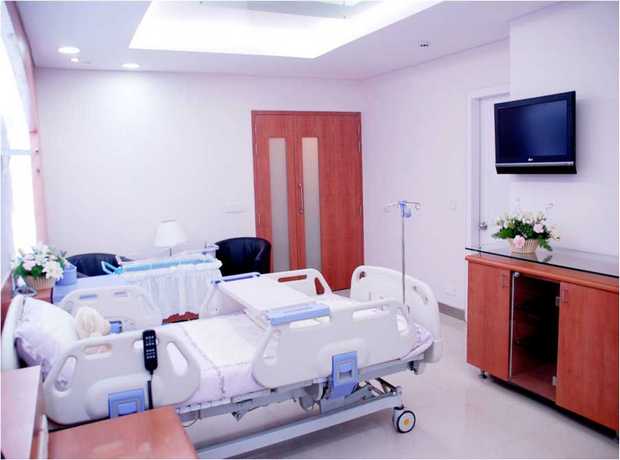
- Patient Rooms: Interactive patient engagement systems, infotainment, access to care plans, meal ordering, room controls, educational content.
- Administrative & Staff Areas: Internal communications, HR announcements, training schedules, performance metrics, emergency protocols for staff.
- Cafeterias & Retail Outlets: Menu boards, promotions, hospital events, general news.
- Wayfinding Hubs: Interactive kiosks, large format displays with dynamic maps and directional arrows, multilingual support for Chennai’s diverse population.
- Conference Rooms & Auditoriums: Integrated presentation systems, video conferencing, sound reinforcement, recording capabilities for medical education and internal meetings.
- BIM-Led Coordination: In modern hospital construction and renovation, Building Information Modeling (BIM) is not just an advantage; it’s a necessity. Utilizing BIM for seamless integration with the existing or planned infrastructure ensures proper space allocation for displays, speakers, cabling pathways, and equipment racks. This minimizes potential conflicts during installation, reduces rework, and optimizes resource allocation. BIM helps visualize the entire system within the building context, allowing for early detection of clashes with structural elements, HVAC ducts, or electrical conduits. For Skydome Designs, BIM-led coordination is a standard practice, ensuring precision and preventing costly surprises, a critical element for projects in a dense urban environment like Chennai. This approach also supports lifecycle management, making future upgrades and maintenance more efficient.
- Value Engineering: Optimizing the design for cost-effectiveness without compromising quality or future scalability is a delicate balance. Value engineering involves identifying the most efficient materials, technologies, and installation methods to achieve the desired outcomes within budget constraints. This doesn’t mean opting for the cheapest solution, but rather the one that provides the best long-term return on investment (ROI) by considering factors like energy efficiency, longevity, maintenance costs, and system flexibility. For example, investing in durable, energy-efficient LED displays might have a higher upfront cost but significantly lower operational costs and a longer lifespan compared to cheaper alternatives. Skydome Designs excels at delivering projects on-budget through intelligent value engineering, ensuring global standards are met with local Chennai considerations.
- Scalability: Technology evolves at a rapid pace, and hospital needs change over time. Planning for future expansion and technology upgrades is crucial to avoid premature obsolescence. This includes designing a robust network infrastructure that can handle increased data traffic, using modular systems that allow for easy addition or replacement of components, and selecting software platforms that can grow with the hospital’s needs. A scalable system ensures that the initial investment remains valuable for years to come, accommodating new services, additional wings, or advancements in AV/digital signage technology without requiring a complete overhaul.
Partner with Skydome Designs for a meticulous planning and design phase that guarantees a future-ready hospital AV and digital signage system in Chennai. Call us at +91 7299072144 to schedule a consultation.
2. Compliance & Regulatory Standards
Adhering to local, national, and international standards is absolutely critical in the healthcare sector, particularly in a city like Chennai with its unique regulatory considerations and a growing emphasis on patient safety and quality. Skydome Designs brings profound local expertise to help you navigate these complexities with confidence, ensuring your setup is not only functional but also fully compliant.
- Local Codes (Chennai & Indian Specific):
- Building Codes: Ensure compliance with the Chennai Metropolitan Development Authority (CMDA) building codes and the National Building Code of India (NBC) for structural integrity, electrical wiring, and fire safety in public and healthcare buildings. All mounting solutions for displays and speakers must meet weight-bearing capacities and seismic resilience requirements relevant to Chennai.
- Electrical Safety: Adherence to the Indian Electricity Rules and standards is paramount. This includes proper grounding, circuit protection, and the use of approved wiring and conduits, especially in sensitive areas like OTs where power fluctuations can have critical consequences.
- Fire Safety: All materials used for cabling, enclosures, and even display casings must meet fire-resistant ratings as per Indian fire safety regulations. Integration with the hospital’s fire alarm system for emergency messaging override is non-negotiable.
- NABH Accreditation: The National Accreditation Board for Hospitals & Healthcare Providers (NABH) sets stringent standards for patient care and facility management in India. Digital signage and AV systems must support these standards by facilitating clear communication, patient safety instructions, and efficient service delivery, contributing positively to accreditation scores.
- Accessibility: Beyond just general good practice, adherence to accessibility standards is a legal and ethical imperative.
- Persons with Disabilities (Equal Opportunities, Protection of Rights and Full Participation) Act, 1995: While older, its principles still guide accessibility. Newer proposed legislation or state-specific guidelines might also apply.
- Visual Accessibility: Digital signage content must use high contrast colors, legible fonts, and appropriate font sizes. Information should be conveyed not just visually but also through audio narration where appropriate, especially for wayfinding kiosks. Content should avoid rapidly flashing lights that could trigger photosensitive epilepsy.
- Auditory Accessibility: Public address systems and interactive kiosks should incorporate hearing loops or induction loops to assist individuals with hearing impairments. Volume levels need to be adjustable and clearly audible without being excessively loud.
- Physical Accessibility: Interactive kiosks should be at an appropriate height for wheelchair users. Touch screens should be responsive to various input methods.
- Safety Standards: Safety is paramount in a hospital, extending beyond just fire and electrical.
- Infection Control: This is critical for hospitals. All equipment, especially touchscreens and interactive kiosks, must be made of materials that are easy to clean and disinfect without degradation. Seamless designs with minimal crevices reduce germ accumulation. Consider antimicrobial coatings for high-touch surfaces. In OTs, only medical-grade, IP-rated (Ingress Protection) displays and equipment that can withstand rigorous cleaning protocols should be used.
- Secure Mounting: Displays and speakers must be securely mounted to prevent accidental dislodgement, which could cause injury or damage. This is particularly important in high-traffic areas or areas with potential for seismic activity.
- Data Security & Privacy: While AV content might seem benign, any system that integrates with hospital networks or displays patient information must comply with data privacy regulations (e.g., potential future Indian data protection laws, global standards like HIPAA for international patients). Content management systems must have robust security features to prevent unauthorized access or content alteration.
- EMI/RFI Compliance: Ensure that AV equipment does not interfere with sensitive medical devices through electromagnetic interference (EMI) or radio-frequency interference (RFI). Medical-grade equipment often comes with certifications for low EMI/RFI.
Navigating these intricate layers of compliance requires specialized knowledge and experience. Skydome Designs’ in-house team of architects, healthcare planners, and project managers possess the deep understanding of Chennai’s specific needs, combining global design standards with local code expertise. Trust us to ensure your project is compliant, safe, and of the highest quality.
3. Equipment Selection & Installation
Choosing the right equipment and ensuring its proper installation are absolutely crucial for optimal performance, longevity, and return on investment. With a track record of having delivered 2395+ hospital audio-visual and digital signage setup assignments across Chennai and globally over 18+ years, our team at Skydome Designs possesses unparalleled insight into what truly works in demanding healthcare environments. We leverage this experience to select and install systems that are robust, reliable, and perfectly suited to your hospital’s unique requirements.
- Display Selection: Displays are the visual face of your digital signage system. Their selection must be meticulous.
- Brightness & Resolution: Match display brightness to ambient light conditions. High-brightness displays are needed for areas with direct sunlight (e.g., reception near large windows). Resolution (e.g., 4K UHD) should be chosen based on viewing distance and content detail.
- Viewing Angles: Especially important in wide corridors or large waiting areas, ensure displays offer wide viewing angles so content is clear from various perspectives.
- Size & Orientation: Select screen sizes appropriate for the viewing distance and available wall space. Screens can be mounted in landscape or portrait orientation, depending on content and aesthetics.
- Durability & Longevity: Commercial-grade displays are designed for 24/7 operation, offering superior reliability and a longer lifespan than consumer-grade TVs.
- Specialized Displays:
- Medical-Grade Displays: Essential for OTs, ICUs, and diagnostic areas. These are certified for medical use, offer high color accuracy, easy-to-clean surfaces, and are designed to avoid electromagnetic interference with other medical equipment.
- Touchscreen Displays: For interactive wayfinding kiosks or patient engagement systems, ensure robust, responsive touch technology and anti-glare properties.
- Anti-Bacterial/Anti-Microbial Coatings: Consider displays with these coatings for high-traffic, patient-facing areas to aid infection control.
- Audio Systems: Sound is a critical component of communication, whether for paging, emergency alerts, or ambient information.
- Clear & Intelligible Sound: Prioritize systems that deliver crisp, clear audio without distortion, ensuring messages are understood by patients and staff, even in noisy environments.
- Zoned Audio: Implement zoned audio systems to allow different messages or background music (where appropriate) in different areas without causing disturbance. For instance, calming music in waiting areas versus critical announcements in emergency zones.
- Paging & Intercom Integration: Seamlessly integrate with existing hospital paging and intercom systems for unified communication.
- Emergency Override: The audio system must have an emergency override feature to broadcast critical alerts or instructions immediately across all designated zones, linking with fire alarms and other emergency systems.
- Noise Reduction & Sound Masking: In sensitive areas like ICUs or patient recovery rooms, consider sound masking systems to reduce ambient noise and enhance patient comfort, promoting rest and healing.
- Hearing Loop Integration: Ensure compliance with accessibility standards by integrating hearing loops in key public areas to assist individuals with hearing impairments.
- Digital Signage Software (CMS): The content management system (CMS) is the brain behind your digital signage network.
- User-Friendly Interface: Opt for intuitive software that allows hospital staff to easily create, upload, schedule, and manage content without extensive IT training.
- Content Management & Scheduling: Features for dynamic content scheduling, playlist creation, multi-zone layouts, and content approval workflows are essential.
- Emergency Messaging Capabilities: The software must support instant override for emergency alerts, allowing for rapid deployment of critical information.
- Integration Capabilities: Look for software that can integrate with hospital information systems (HIS), queuing systems, weather feeds, news feeds, and even real-time public transport information for patient convenience in Chennai.
- Remote Management & Monitoring: The ability to remotely monitor device health, update content, and troubleshoot issues across the entire network saves time and resources.
- Security Features: Robust security protocols to prevent unauthorized access or malicious content injection are paramount in a healthcare setting.
- Multi-Language Support: Crucial for Chennai, the CMS should support displaying content in multiple languages (e.g., English, Tamil) based on location or demographic.
- Professional Installation: The best equipment is only as good as its installation.
- Qualified Technicians: Engage certified and experienced technicians who understand the specific requirements of hospital environments, including sterile protocols for OTs and minimizing disruption in patient areas.
- Cabling & Wiring: Professional cable management, ensuring clean, organized, and properly labeled wiring that adheres to electrical safety codes and minimizes electromagnetic interference. Use plenum-rated cables where required.
- Power Management: Proper power distribution units (PDUs) and uninterruptible power supplies (UPS) are vital to protect equipment from power surges and ensure continuous operation during brief outages.
- Calibration: Expert calibration of displays for optimal brightness, color accuracy, and consistency across the network. Audio systems require acoustic calibration for optimal sound distribution.
- Network Integration: Seamless integration with the hospital’s existing IT infrastructure, ensuring robust network connectivity for all AV and digital signage components.
- Minimal Disruption: Installation in a live hospital environment requires careful planning to minimize noise, dust, and disruption to ongoing patient care. Skydome Designs excels at executing projects with minimal impact, often scheduling work during off-peak hours.
Our deep expertise, validated by over two decades of successful projects, ensures that every component is meticulously selected and professionally installed, guaranteeing a robust and reliable system for your Chennai hospital. Let Skydome Designs handle the complexities, delivering an AV and digital signage solution that performs flawlessly. Reach out to us at info@skydomedesigns.com for a comprehensive proposal.
4. Content Strategy & Management
The hardware and software are merely tools; the true power of digital signage lies in its content. A well-defined content strategy is paramount for maximizing engagement, conveying critical information effectively, and truly enhancing the hospital experience. In a diverse city like Chennai, tailoring content to the local context and cultural nuances is key.
- Informative Content: This is the bedrock of hospital digital signage, designed to educate and guide.
- Wayfinding Directions: Dynamic maps, directional arrows, and clear text instructions (in English and Tamil) to guide patients and visitors to departments, clinics, restrooms, and amenities. Integration with touchscreens for interactive routing.
- Hospital Services & Specialties: Detailed information about available medical services, specialized clinics, visiting consultants, and hospital facilities like pharmacies, labs, and diagnostic centers.
- Health Tips & Wellness Information: General health advice, seasonal health alerts (e.g., dengue prevention during monsoon in Chennai), nutrition guides, preventive care tips, and common ailment information.
- Appointment & Queue Status: Real-time display of patient queue numbers, doctor availability, estimated waiting times, and appointment reminders. This greatly reduces perceived wait times and patient anxiety.
- Visitor Guidelines: Information on visiting hours, policies regarding children, infection control measures (e.g., hand hygiene instructions), and silent zones.
- Doctor & Staff Profiles: Introduce key medical personnel with their specialties and consulting hours, building trust and familiarity.
- Engaging Content: While informative, content also needs to be visually appealing and hold attention.
- Visuals, Animations & Videos: Utilize high-quality graphics, subtle animations, and short, impactful videos. Avoid overly complex designs that can be distracting.
- Hospital News & Achievements: Showcase recent achievements, new medical technologies, community outreach programs, and patient success stories. This reinforces the hospital’s reputation and builds community trust.
- Patient Testimonials: Short, positive patient testimonials (with consent) can be very impactful and reassuring.
- Wellness & Lifestyle Content: Beyond basic health tips, include content on stress reduction, healthy eating, exercise, and mental well-being, promoting a holistic approach to health.
- Local Cultural Content: In Chennai, consider incorporating local art, cultural events, or historical facts that resonate with the community, creating a more welcoming and familiar environment.
- Emergency Messaging: The system must be capable of delivering critical information instantly and overriding all other content.
- Emergency Alerts: Instant display of fire alarms, code calls (e.g., Code Blue), lockdown procedures, and disaster preparedness instructions.
- Evacuation Routes: Clear, animated evacuation maps and directions during emergencies.
- Public Health Alerts: Rapid dissemination of information regarding infectious disease outbreaks or immediate public health advisories from local authorities.
- Content Scheduling & Dynamic Display: Maximizing relevance through intelligent scheduling.
- Time-Based Scheduling: Schedule content to be displayed at specific times of the day (e.g., breakfast menus in the morning, specific clinic schedules during operational hours).
- Location-Based Scheduling: Tailor content to specific departments or areas (e.g., cardiology tips near the heart institute, pediatric content in the children’s ward).
- Real-Time Updates: Integrate with hospital systems for dynamic updates on doctor availability, waiting times, and urgent announcements.
- Multi-Zone Displays: Divide screens into multiple zones to display different types of content simultaneously (e.g., one zone for wayfinding, another for health tips, a third for news).
- Multilingual Support: Given Chennai’s diverse linguistic landscape, content must be accessible to all.
- Tamil & English: Most essential content should be available in both Tamil and English. Consider other languages prevalent in specific patient demographics if applicable.
- Translation & Cultural Sensitivity: Ensure professional translation and review content for cultural appropriateness before display.
A sophisticated content strategy, seamlessly managed by robust software, transforms digital signage from a passive display into an active, indispensable communication tool. Skydome Designs helps hospitals in Chennai develop compelling content strategies and provides the tools for efficient management. Let’s discuss how to make your hospital’s message heard and seen. Call us today at +91 7299072144.
5. Testing & Quality Control
Installation marks the beginning, not the end, of the implementation process. Thorough testing and rigorous quality control are absolutely essential to ensure that the audio-visual and digital signage systems function precisely as intended, reliably, and optimally over their lifespan. This phase guarantees the seamless operation that patients and staff expect in a world-class healthcare facility.
- System Testing: This comprehensive testing phase verifies the functionality of all individual components and their interaction within the integrated system.
- Component Level Testing: Each display, speaker, media player, and network device is individually tested for proper function, power delivery, and connectivity.
- Network Stability & Performance: Thorough testing of the network infrastructure to ensure robust and stable connectivity for all digital signage devices. This includes bandwidth checks, latency tests, and Wi-Fi signal strength verification in relevant areas.
- Content Playback & Scheduling: Verify that content playlists are running as scheduled, content appears correctly on all designated screens, and real-time updates (e.g., queuing information) are accurately reflected. Check for proper resolution, color, and aspect ratio.
- Audio System Performance: Test sound clarity, volume levels, and coverage in all zones. Verify functionality of paging systems, emergency overrides, and hearing loops. Ensure there are no dead spots or excessive reverberation.
- Interactive Kiosk Functionality: For touchscreens, test touch responsiveness, accuracy, and navigation pathways. Verify all interactive elements and linked information.
- Emergency Override System: Critically, test the emergency messaging override functionality to ensure it activates immediately and correctly across all displays and audio zones when triggered.
- Power Redundancy & UPS: Verify that UPS systems provide backup power as expected and that the system gracefully recovers after power fluctuations.
- User Acceptance Testing (UAT): UAT is a crucial step where the actual end-users – hospital staff – are involved in testing the system. Their feedback is invaluable for ensuring the system meets their practical needs and workflows.
- Involve Diverse Staff: Engage representatives from various departments who will be interacting with the system: receptionists, nurses, doctors, administrative staff, IT personnel, and facility managers.
- Real-World Scenarios: Conduct tests using typical daily operations and potential emergency scenarios. For example, have reception staff try to update patient information or have a nurse simulate an emergency announcement.
- Gather Feedback: Collect structured feedback on ease of use, functionality, content relevance, and any pain points. This feedback is critical for fine-tuning the system before final handover.
- Training & Documentation: During UAT, provide initial training to staff and ensure comprehensive documentation (user manuals, troubleshooting guides) is available.
- Performance Monitoring & Post-Occupancy Support: Quality control extends far beyond initial installation. Continuous monitoring and responsive support are vital for long-term reliability.
- Continuous Monitoring: Implement a system for remote monitoring of all AV and digital signage devices. This allows for proactive identification of issues such as screens going offline, content playback errors, or hardware malfunctions.
- Proactive Maintenance: Schedule regular preventive maintenance checks, including software updates, hardware inspections, cleaning, and recalibration, to extend the system’s lifespan and prevent failures.
- Remote Diagnostics & Troubleshooting: Many issues can be resolved remotely, minimizing downtime and technician visits.
- Service Level Agreements (SLAs): Establish clear SLAs with your service provider for response times, resolution times, and uptime guarantees.
- Reporting & Analytics: Utilize analytics from the CMS to track content performance, engagement levels, and system usage, informing future content strategy and system improvements.
- Post-Occupancy Support: Skydome Designs prides itself on offering exceptional post-occupancy support. This means ongoing assistance, addressing any unforeseen challenges, and providing future-proofing advice long after the initial setup. This commitment ensures the system continues to perform optimally and evolve with the hospital’s needs.
Through stringent testing and dedicated post-occupancy support, Skydome Designs ensures that your hospital’s audio-visual and digital signage investments in Chennai deliver sustained, high-quality performance. Our 99% on-time delivery rate, multi-disciplinary reviews, and post-occupancy support underpin outcomes that are not just functional but truly exceptional. Ensure your system’s flawless operation from day one and beyond. Contact Skydome Designs at info@skydomedesigns.com for unparalleled quality control and support.
Finding the Right Chennai Hospital Audio-Visual & Digital Signage Setup Company
The success of your hospital’s audio-visual and digital signage project in Chennai hinges critically on selecting the right partner. This isn’t just about procuring equipment; it’s about finding a collaborator who understands the intricate demands of healthcare environments, the regulatory landscape of Chennai, and has the expertise to deliver a system that truly enhances patient care and operational efficiency. Look for a Chennai hospital audio-visual and digital signage setup company that embodies these crucial characteristics:
- Proven Experience in Healthcare Environments:
- Specialized Portfolio: The company should have a demonstrable track record of successfully implementing AV and digital signage solutions specifically in hospitals, clinics, or other healthcare facilities. Ask for case studies and references from similar projects in Chennai or India.
- Understanding of Unique Challenges: Healthcare settings have unique requirements, including infection control protocols, strict safety regulations, the need for minimal disruption during installation, and an understanding of patient and staff workflows. The chosen company must demonstrate this specific domain knowledge.
- Technology Adaptability: Healthcare technology evolves rapidly. A proven company will show expertise in integrating the latest medical-grade displays, specialized audio solutions, and interactive patient systems.
- A Strong Understanding of Regulatory Requirements:
- Local Code Expertise: The partner must be intimately familiar with Chennai Metropolitan Development Authority (CMDA) building codes, National Building Code of India (NBC), and local fire safety regulations that apply to healthcare facilities.
- NABH Compliance: Knowledge of National Accreditation Board for Hospitals & Healthcare Providers (NABH) standards and how AV/digital signage contributes to meeting these requirements is vital.
- Accessibility & Safety: The company should be proficient in implementing solutions that adhere to accessibility standards for persons with disabilities and incorporate stringent safety measures (electrical, structural, fire).
- Infection Control & EMI/RFI: Understanding of materials suitable for infection control and ensuring equipment doesn’t interfere with sensitive medical devices.
- A Team of Skilled Professionals with Expertise in Audio-Visual Technology and Digital Signage:
- Certified & Experienced Technicians: The installation and support team should comprise certified AV professionals with relevant industry certifications and extensive hands-on experience in complex system integrations.
- Design & Engineering Capabilities: Look for a company with in-house design and engineering teams who can create custom solutions, perform acoustic modeling, and generate detailed technical drawings (including BIM models).
- Software & Content Specialists: Expertise in various digital signage content management systems (CMS) and the ability to advise on content strategy, design, and scheduling.
- Excellent Customer Support and Maintenance Services:
- Comprehensive SLAs: The partner should offer clear Service Level Agreements (SLAs) that define response times, resolution times, and uptime guarantees for ongoing support and maintenance.
- Proactive Monitoring: The ability to remotely monitor system health and proactively address issues before they impact operations.
- Preventive Maintenance: A structured preventive maintenance program to ensure system longevity and optimal performance.
- Rapid Response & Local Presence: In Chennai, a local presence or dedicated rapid response team is invaluable for quick on-site support when needed.
At Skydome Designs, we don’t just meet these criteria; we set the benchmark. We pride ourselves on delivering on-time, on-budget projects to global standards, rigorously tailored to the Chennai context. Our unparalleled experience, reflected in 2395+ hospital audio-visual and digital signage setup assignments delivered across Chennai and globally over 18+ years, stands as a testament to our capabilities. Our 99% on-time delivery rate, multi-disciplinary reviews, and post-occupancy support underpin exceptional outcomes for our clients, ensuring peace of mind and long-term success. Choose a partner that guarantees excellence. Connect with Skydome Designs today for a consultation on your next hospital project in Chennai. Call us at +91 7299072144.
Why Choose Skydome Designs as Your Chennai Hospital Experts?
For nearly 30 years, Skydome Designs Pvt Ltd has been at the forefront of designing and implementing innovative, functional, and compliant spaces, particularly within the demanding healthcare sector. Our extensive journey, rooted deeply in Chennai and extended globally, positions us as the unparalleled expert for your hospital projects, especially when it comes to intricate audio-visual and digital signage integrations. We don’t just install systems; we craft holistic healthcare environments that prioritize patient well-being, operational efficiency, and future adaptability.
Our commitment to excellence is evidenced by our rigorous processes and dedicated in-house expertise:
- Hospital Interior Design: We go beyond aesthetics, focusing on evidence-based design principles to create healing environments. Our expertise covers optimizing patient rooms for comfort and functionality, designing state-of-the-art Intensive Care Units (ICUs) and Operating Theaters (OTs) for maximum efficiency and infection control, meticulously planning laboratory layouts for workflow, and creating welcoming, private consultation areas. Every design decision is made with patient psychology, staff ergonomics, and medical protocols in mind, ensuring a seamless and supportive environment.
- Clinical Planning: Our specialized clinical planners work closely with medical professionals to ensure that every space is designed for optimal patient flow, staff movement, and departmental adjacencies. This ensures efficient and functional spaces that reduce wait times, minimize cross-contamination risks, and improve overall operational efficiency. This critical planning directly informs the placement and type of AV and digital signage solutions required to support these workflows.
- Wayfinding Systems (Integrated): Beyond just digital screens, we engineer comprehensive wayfinding strategies that combine architectural cues, clear signage (static and digital), and intuitive digital maps. Our goal is to create clear and intuitive navigation systems that reduce patient anxiety, enhance visitor experience, and make complex hospital layouts easily understandable for everyone, including those unfamiliar with the local languages or culture. Our digital signage systems are a key component of this integrated approach.
- Healthcare Architecture: As expert healthcare architects, our designs are tailored specifically for healthcare needs. We emphasize sustainable practices, incorporate natural light, optimize air quality, and select materials that contribute to infection control and patient well-being. Our architectural solutions for hospitals are not just visually appealing but are fundamentally designed to support the advanced medical practices and the unique psychological and physical needs of patients and caregivers.
What truly sets Skydome Designs apart for Chennai hospital projects is our unique blend of global insights and local mastery. Our in-house team of architects, healthcare planners, and project managers are not just experts in their fields; they are dedicated to delivering innovative, sustainable, and functional spaces that genuinely enhance patient experience and operational efficiency. We understand the nuances of Chennai’s urban fabric, its cultural sensitivities, and its specific regulatory framework.
Our approach is anchored in BIM-led coordination, value engineering, and stringent quality control, all meticulously tailored to Chennai’s unique environment. This ensures that every project benefits from global best practices while adhering strictly to local codes and conditions. Our commitment to quality is unwavering, and our 99% on-time delivery rate is a testament to our precision and reliability. Furthermore, our multi-disciplinary reviews ensure comprehensive oversight, and our robust post-occupancy support guarantees that your investment continues to deliver value long after installation.
When you choose Skydome Designs, you are choosing a partner with a proven legacy of nearly 30 years, an extensive portfolio of 2395+ hospital AV and digital signage assignments, and an unwavering commitment to excellence. We don’t just build hospitals; we build the future of healthcare communication in Chennai.
Elevate your hospital with cutting-edge audio-visual and digital signage solutions, underpinned by decades of healthcare design expertise. Contact Skydome Designs today for a comprehensive consultation that addresses your specific project needs in Chennai. Call us at +91 7299072144 or email us at info@skydomedesigns.com to begin your journey towards a smarter, more patient-centric healthcare facility.
Conclusion
The journey to implementing high-quality audio-visual and digital signage systems in Chennai hospitals is multifaceted, requiring careful planning, unwavering adherence to stringent regulations, and, most critically, collaboration with experienced professionals. These systems are no longer ancillary technologies; they are integral to creating modern, efficient, and truly patient-centered healthcare environments. From enhancing wayfinding and patient experience to streamlining staff communication and delivering critical emergency information, the strategic integration of AV and digital signage fundamentally transforms a hospital’s operational landscape.
By meticulously following this comprehensive checklist – focusing on robust planning and design, navigating the complexities of local and international compliance, making informed equipment selections, developing a compelling content strategy, and committing to thorough testing and quality control – Chennai hospitals can unlock the full potential of these transformative technologies. This systematic approach ensures not just a successful installation but a sustainable, scalable, and future-proof communication infrastructure.
Choosing the right partner for this endeavor is paramount. With nearly three decades of specialized experience, a legacy of 2395+ successful hospital audio-visual and digital signage setup assignments across Chennai and globally, and an unwavering commitment to excellence, Skydome Designs stands as the industry leader. Our unique blend of global design standards with unparalleled local code expertise in Chennai, coupled with our BIM-led coordination, value engineering, 99% on-time delivery rate, multi-disciplinary reviews, and dedicated post-occupancy support, ensures that your project is not just completed, but perfected. We are dedicated to creating healthcare environments that are both exceptionally efficient and profoundly patient-centered, ensuring every aspect of your AV and digital signage solution is world-class and perfectly suited to the dynamic demands of Chennai’s healthcare sector.
Don’t just meet standards; set them. Partner with Skydome Designs to bring your vision for a technologically advanced and compassionate healthcare facility to life in Chennai.
Frequently Asked Questions (FAQ)
Q: What are the key considerations for hospital audio-visual and digital signage setup in Chennai?
A: Key considerations are extensive and include a deep understanding of compliance with Chennai’s specific building codes (CMDA, NBC), adherence to NABH accreditation standards, stringent infection control protocols (especially for OTs and high-touch areas), and comprehensive accessibility standards (for visual and auditory impairments). Furthermore, careful needs assessment for each department, planning for scalability to accommodate future growth, ensuring electromagnetic compatibility with sensitive medical equipment, and robust data security for patient information are crucial. A local expert like Skydome Designs can navigate these complexities effectively.
Q: How can digital signage improve patient experience in Chennai hospitals?
A: Digital signage significantly enhances patient experience by providing clear, multilingual wayfinding directions, reducing anxiety caused by getting lost. It offers real-time updates on appointment schedules and queue management, minimizing perceived wait times. Engaging health education content, wellness tips, and hospital news can distract and inform patients in waiting areas. Furthermore, displays can offer personalized information, interactive services, and a sense of transparency, fostering a more comfortable, informed, and reassuring environment for patients and their families in Chennai.
Q: What type of content should be displayed on hospital digital signage in Chennai?
A: Content should be a strategic mix of informative, engaging, and critical messaging. This includes dynamic wayfinding maps, doctor schedules, hospital services, and visiting hours. Engaging content could feature health education (e.g., dengue prevention, diabetes management), hospital achievements, patient testimonials, and local community information. Crucially, the system must support immediate emergency alerts and public health advisories. Content should always be culturally sensitive and ideally presented in multiple languages, such as Tamil and English, to cater to Chennai’s diverse population.
Q: How often should hospital digital signage content be updated in Chennai?
A: Content update frequency varies based on its nature. Emergency information must be updated instantly. Real-time data like queue numbers, doctor availability, and weather alerts should be dynamically updated. Health tips, hospital news, and promotional content can be updated daily, weekly, or monthly to keep the displays fresh and relevant. The key is to have a flexible content management system that allows for both immediate and scheduled updates, ensuring that information remains current and impactful to the Chennai audience.
Q: What are the best practices for installing audio-visual systems in Chennai hospital operating theaters (OTs)?
A: Best practices for OTs are highly specialized. They include using only medical-grade, IP-rated (Ingress Protection) displays and equipment that can withstand rigorous cleaning and disinfection without degradation. Systems must be designed for minimal electromagnetic interference (EMI) with sensitive surgical equipment. Integration with surgical cameras, patient vital monitors, and teleconferencing for remote consultations is vital. Cabling must be sterile-compliant and power management robust. Furthermore, the design must account for optimal viewing angles for surgical teams, strict infection control, and ease of maintenance in a sterile environment. Working with experts like Skydome Designs who possess in-depth understanding of OT design and regulations is absolutely crucial for safe and effective implementation.
Ready to elevate your hospital with cutting-edge audio-visual and digital signage solutions, backed by nearly 30 years of expertise and 2395+ successful projects? Contact Skydome Designs today for a consultation that’s tailored to Chennai’s unique healthcare needs! Call us at +91 7299072144 or email us at info@skydomedesigns.com. Your journey towards a smarter, more patient-centric hospital begins here.