As we navigate towards 2025 and beyond, New York continues its strong commitment to sustainability and environmental stewardship. For hospitals, this commitment is not just a regulatory expectation but a critical pathway to financial resilience, operational excellence, and enhanced patient care. Hospitals, by their very nature, are energy-intensive ecosystems, operating non-stop with intricate demands for HVAC, lighting, and specialized medical equipment. Implementing effective hospital energy efficiency solutions in New York has thus become an imperative. This comprehensive 2025 guide delves deep into the strategies, technologies, and expert partnerships required to help New York hospitals drastically reduce their energy footprint, mitigate rising operating costs, and foster a healthier, more sustainable environment for everyone within their walls.
The imperative for energy efficiency in New York hospitals extends beyond mere compliance. It’s about securing a future where healthcare facilities are not only centers of healing but also beacons of environmental responsibility. Every kilowatt-hour saved contributes to cleaner air, reduced carbon emissions, and a more robust local energy grid. Moreover, the financial benefits are substantial and long-lasting, freeing up resources that can be reinvested directly into patient services, staff development, and advanced medical technologies. This guide provides actionable insights for hospital administrators, facility managers, and design professionals seeking to embrace the next generation of sustainable healthcare.
Why Hospital Energy Efficiency Matters More Than Ever in New York
Hospitals are unique in their energy consumption profile. They demand precise climate control, continuous lighting, and uninterrupted power for life-saving equipment, making them among the most energy-intensive buildings per square foot. In New York, with its progressive climate goals and often high energy costs, optimizing energy usage is not just a best practice – it’s a strategic necessity. The state’s ambitious targets, such as the Climate Leadership and Community Protection Act (CLCPA) aiming for 70% renewable electricity by 2030 and a net-zero economy by 2050, place a significant emphasis on reducing building emissions.
Investing in advanced hospital energy efficiency solutions in New York offers a multitude of benefits:
- Significant Cost Savings: Energy costs represent a substantial portion of a hospital’s operating budget. Reductions here directly impact the bottom line, allowing for reinvestment in core healthcare services.
- Environmental Stewardship: Hospitals have a moral and ethical responsibility to minimize their environmental impact. Energy efficiency directly reduces greenhouse gas emissions, contributing to New York’s climate goals and a healthier community.
- Enhanced Patient Comfort and Well-being: Improved building systems, such as advanced HVAC and lighting, can lead to better indoor air quality, more stable temperatures, and optimized lighting conditions, all of which positively affect patient recovery and staff productivity.
- Increased Operational Resilience: Energy-efficient systems often incorporate newer, more reliable technologies, reducing downtime and improving the facility’s ability to withstand external energy shocks.
- Regulatory Compliance and Reputational Gains: Meeting and exceeding state energy codes and sustainability mandates enhances a hospital’s reputation, attracting both top talent and environmentally conscious patients.
- Reduced Lifecycle Costs: While initial investments may be required, choosing energy-efficient equipment and designs often leads to lower maintenance and replacement costs over the lifespan of the facility.
The time to act is now. Hospitals that proactively integrate energy efficiency into their strategic planning will be better positioned for success in New York’s evolving healthcare landscape.
Key Areas for Revolutionizing Hospital Energy Efficiency
Achieving significant energy savings requires a holistic approach, targeting the primary consumers of energy within a hospital. Here are the critical areas offering the most substantial opportunities for improvement:


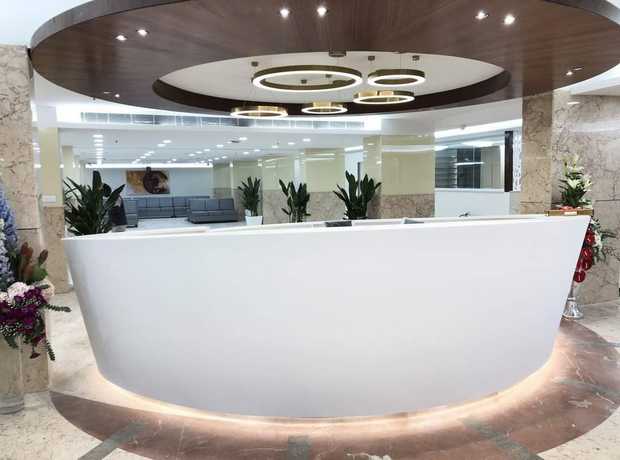

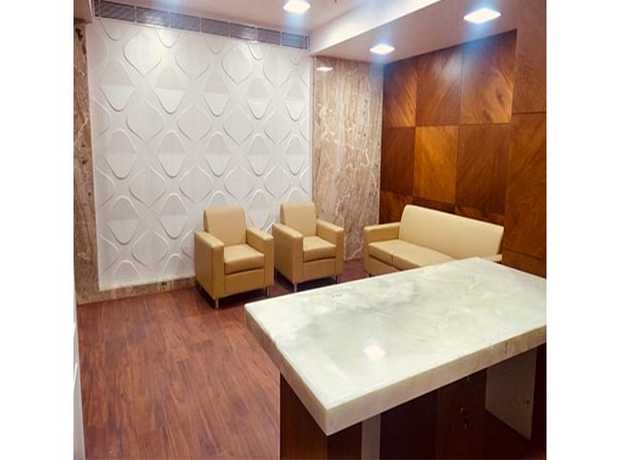
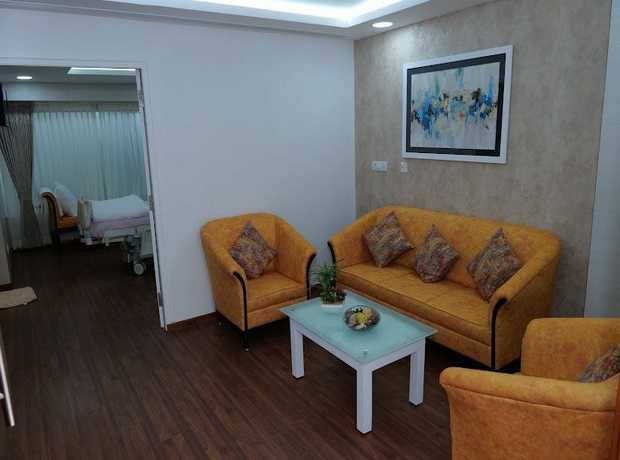






1. Advanced HVAC Systems and Climate Control
HVAC systems typically account for 40-60% of a hospital’s total energy consumption. Upgrading to high-efficiency components and implementing smart control strategies can yield massive savings.
- High-Efficiency Chillers and Boilers: Replacing older, less efficient units with modern, modular systems (e.g., magnetic bearing chillers, condensing boilers) can drastically reduce energy use. Consider variable refrigerant flow (VRF) systems for localized control.
- Optimized Air Handling Units (AHUs): Incorporate variable frequency drives (VFDs) for fans and pumps, demand-controlled ventilation, and energy recovery ventilators (ERVs) or heat recovery ventilators (HRVs) to precondition incoming fresh air using exhaust air.
- Zoning and Controls: Implement advanced zoning to ensure energy is only used where and when needed. Utilize smart thermostats and sensors to monitor occupancy, CO2 levels, and temperature, adjusting HVAC output accordingly.
- Geothermal Systems: Explore ground-source heat pump technology for highly efficient heating and cooling, leveraging the stable temperature of the earth.
- Proactive Maintenance: Regular maintenance, including coil cleaning, filter replacement, and calibration of sensors, ensures systems operate at peak efficiency.
2. Intelligent Lighting Solutions
Lighting is another major energy consumer, operating 24/7 in many hospital areas. Modern lighting technologies and controls offer significant reductions.
- LED Lighting Retrofits: Replacing traditional fluorescent or incandescent fixtures with high-efficiency LED lighting offers immediate and substantial energy savings, along with longer lifespans and reduced maintenance.
- Smart Lighting Controls: Implement occupancy sensors, daylight harvesting systems (which dim artificial lights when natural light is sufficient), and programmable scheduling.
- Human-Centric Lighting (HCL): While improving energy efficiency, HCL systems can also adjust color temperature and intensity throughout the day to support circadian rhythms, improving patient recovery and staff alertness.
- Task Lighting: Utilize task lighting in specific areas (e.g., nurse stations, examination rooms) to reduce the need for high levels of general ambient lighting.
3. Enhanced Building Envelope
The building envelope acts as the hospital’s protective skin. A well-designed and maintained envelope minimizes heat transfer, reducing the load on HVAC systems.
- Superior Insulation: Upgrade wall, roof, and foundation insulation to modern, high-R-value materials. Consider continuous insulation to minimize thermal bridging.
- High-Performance Windows: Install double or triple-pane windows with low-emissivity (Low-E) coatings to reduce heat gain in summer and heat loss in winter. Strategic shading devices can also help.
- Air Sealing: Identify and seal all air leaks in the building envelope to prevent uncontrolled air infiltration and exfiltration, which can significantly impact energy use and indoor air quality.
- Green Roofs and Cool Roofs: Implement cool roof technologies or green roofs to reduce the urban heat island effect and lower the cooling load on the building.
4. Energy-Efficient Medical Equipment
Medical equipment, from MRI machines to patient monitors, consumes a significant amount of energy. Procurement and operational strategies are key.
- Energy Star Certified Equipment: Prioritize purchasing medical devices and office equipment with Energy Star ratings or similar certifications.
- Power Management Protocols: Implement clear policies for powering down or placing equipment in standby mode when not in use, especially during off-peak hours.
- Right-Sizing Equipment: Ensure equipment is appropriately sized for its intended use, avoiding oversized units that consume more power than necessary.
- Centralized Sterilization and Diagnostics: Optimize layouts and workflows to centralize certain high-energy activities, reducing the need for redundant equipment in multiple locations.
5. Integrated Building Management Systems (BMS)
A sophisticated BMS is the brain of an energy-efficient hospital, integrating and controlling various building systems.
- Real-Time Monitoring and Control: A BMS allows for centralized monitoring and control of HVAC, lighting, security, and sometimes even medical gas systems. This enables proactive adjustments and identification of anomalies.
- Data Analytics and Reporting: Collect and analyze energy consumption data to identify trends, pinpoint areas of waste, and verify the effectiveness of energy efficiency measures.
- Predictive Maintenance: Modern BMS systems can use data and AI to predict equipment failures, allowing for maintenance before issues escalate, thus preventing costly downtime and maintaining efficiency.
- Integration with Occupancy Data: Link BMS to occupancy sensors to automatically adjust environmental conditions based on actual usage, rather than fixed schedules.
Strategic Implementation: A Roadmap for Hospital Energy Efficiency in New York
Successfully transitioning to an energy-efficient hospital requires a well-structured and methodical approach. Here’s a strategic roadmap:
1. Conduct a Comprehensive Energy Audit
The foundation of any successful energy efficiency program is a thorough understanding of current energy usage. A professional energy audit pinpoints exactly where energy is being consumed, wasted, and where the greatest savings opportunities lie.
- ASHRAE Levels: Consider different levels of audits (Level I: Walk-through, identifying low-cost measures; Level II: More detailed, including energy calculations and cost-benefit analysis; Level III: Investment-grade audit with detailed engineering analysis).
- Specialized Hospital Expertise: Given the complex nature of hospitals, it’s crucial to engage auditors with specific experience in healthcare facilities. They understand critical environments, infection control requirements, and operational nuances.
- Outcome: The audit report will provide a baseline energy profile, identify specific energy conservation measures (ECMs), estimate potential savings, and outline payback periods.
Actionable CTA: To get started with a precise understanding of your hospital’s energy landscape, contact Skydome Designs. With 29+ years of experience and 2001+ hospital assignments globally and in New York, we leverage our local code expertise to guide you to the right auditing partners and foundational assessments.
2. Develop a Robust Energy Management Plan
Based on the audit findings, a detailed Energy Management Plan (EMP) is essential. This plan acts as your blueprint for action.
- Goal Setting: Define clear, measurable, achievable, relevant, and time-bound (SMART) energy reduction goals (e.g., “Reduce electricity consumption by 15% in two years”).
- Project Prioritization: Rank identified ECMs based on factors like return on investment (ROI), payback period, impact on patient care, ease of implementation, and available budget.
- Timeline and Responsibilities: Assign clear responsibilities for each project and establish realistic timelines for completion.
- Budgeting and Financial Analysis: Develop a detailed budget for each project, including initial costs, operational savings, and lifecycle cost analysis. This is where value engineering plays a crucial role.
- Integration with Hospital Operations: Ensure the EMP aligns with the hospital’s overall strategic goals and operational workflows.
3. Secure Funding and Incentives in New York
New York State is a leader in promoting energy efficiency and offers a wealth of programs and incentives to help offset the costs of upgrades. Navigating these can be complex, but the financial benefits are significant.
- NYSERDA Programs: The New York State Energy Research and Development Authority (NYSERDA) offers various programs specifically for commercial and institutional buildings, including hospitals. These can include grants, rebates for specific equipment (e.g., LED lighting, high-efficiency HVAC), and technical assistance. Programs like the Real Time Energy Management (RTEM) program can support BMS implementation.
- Utility Incentives: Local utility companies (e.g., Con Edison, National Grid) often provide their own rebates and incentives for energy-efficient upgrades.
- Federal Tax Credits: Explore federal incentives such as Section 179D for energy-efficient commercial buildings, which can provide tax deductions for qualifying projects.
- PACE Financing: Property Assessed Clean Energy (PACE) financing allows property owners to fund energy efficiency and renewable energy upgrades through an assessment on their property tax bill.
- Green Bonds and Loans: Investigate specialized green financing options designed for sustainable projects.
Actionable CTA: Maximizing your investment in energy efficiency starts with intelligent financial planning. Skydome Designs has a track record of delivering 2001+ hospital energy efficiency solutions assignments, and our expertise in value engineering and local code navigation for New York projects ensures you make the most of available funding and incentives. Let us help you identify the optimal financial pathways for your project. Contact us today for a consultation.
4. Implement, Monitor, and Continuously Optimize
Once the plan is in place and funding secured, the real work begins. Implementation should be followed by rigorous monitoring and continuous improvement.
- Project Management: Oversee the installation and commissioning of new systems, ensuring they are installed correctly and operate as intended.
- Measurement and Verification (M&V): Crucially, track energy consumption before and after upgrades using standardized M&V protocols to quantify actual savings. This validates your investment and identifies areas for further refinement.
- Ongoing Monitoring: Utilize your BMS for continuous monitoring of energy performance. Set up alerts for anomalies or deviations from expected performance.
- Staff Training and Engagement: Educate hospital staff on the importance of energy efficiency and how their actions (e.g., turning off lights, reporting leaks) contribute to overall savings.
- Continuous Optimization: Energy efficiency is not a one-time project but an ongoing process. Regularly review performance, reassess technologies, and look for new opportunities for improvement.
Actionable CTA: Skydome Designs excels not only in visionary design but also in meticulous project execution. With a 97% on-time delivery rate and robust post-occupancy support, we ensure your energy efficiency solutions are implemented flawlessly and continue to perform optimally long after installation. Partner with us for results that endure. Reach out to our experts to discuss your hospital’s needs.
The Critical Role of Design in Hospital Energy Efficiency
Beyond equipment upgrades, the fundamental design of a hospital profoundly dictates its energy performance. Smart, integrated design principles, implemented from the outset or during renovations, can achieve passive energy savings that are inherently more sustainable and cost-effective over the building’s lifecycle.
Passive Design Strategies
Good design starts with understanding the building’s environment. Principles like:
- Site Orientation: Optimizing building orientation to maximize natural daylighting and minimize solar heat gain.
- Natural Ventilation: Where appropriate and permissible for clinical areas, integrating strategies for natural airflow to reduce mechanical ventilation loads.
- High-Performance Façades: Designing exteriors that effectively manage solar radiation, provide optimal insulation, and integrate natural light.
- Strategic Landscaping: Using trees and vegetation for shading and wind buffering, reducing heat gain and loss.
ICU Layout and Energy Efficiency: A Microcosm of Impact
The Intensive Care Unit (ICU) is one of the most energy-intensive departments due to its critical 24/7 operation, stringent environmental controls (temperature, humidity, air changes), and specialized equipment. An optimized ICU layout, meticulously planned by experts like Skydome Designs, can significantly reduce energy consumption without compromising patient care or infection control.
- Natural Lighting Integration: Maximizing access to natural light for both patients and staff not only reduces artificial lighting needs but also improves patient recovery times and staff well-being, indirectly impacting resource use.
- Efficient HVAC Zoning: Designing the ICU with granular HVAC zoning allows for precise climate control in individual patient rooms or specific care zones, preventing over-conditioning of unoccupied or less critical areas.
- Strategic Equipment Placement: Thoughtful placement of medical equipment can improve workflow, reduce redundant equipment, and optimize power outlet usage, minimizing standby power consumption.
- Ergonomic Design: An ergonomically designed ICU reduces staff fatigue and improves efficiency, meaning fewer errors and potentially optimized equipment usage.
We at Skydome Designs understand that every square foot of an ICU carries immense responsibility. Our expert ICU layout designs focus on energy savings, functionality, and creating an optimal healing environment, adhering to global design standards while respecting local New York codes.
Infection Control and Energy-Efficient Design: A Delicate Balance
Infection control is paramount in hospitals, often requiring high air change rates, specific pressure relationships (positive or negative), and rigorous sterilization. Achieving these critical standards while maintaining energy efficiency is a design challenge that Skydome Designs embraces.
- Optimized HVAC Filtration: Implementing advanced filtration systems (e.g., HEPA filters) where necessary, but also optimizing the airflow design to reduce the burden on filtration and fan energy.
- Smart Pressure Management: Using precise controls and room design to maintain required pressure differentials in isolation rooms or operating theaters with minimal energy leakage.
- Material Selection: Choosing materials that are easy to clean and sanitize can reduce the energy and resource intensity of cleaning protocols. Surfaces that are durable and contribute to indoor air quality also play a role.
- Modular Systems: Designing with modularity in mind allows for easier upgrades and maintenance, ensuring systems operate efficiently over time.
Skydome Designs specializes in creating spaces that prioritize both stringent infection control and remarkable energy efficiency, demonstrating our mastery of the nuanced demands of New York’s healthcare infrastructure.
Wayfinding and Lighting: Guiding with Light, Saving with Strategy
Effective wayfinding is not just about signage; it’s about intuitively guiding patients, visitors, and staff through a complex facility. When integrated with intelligent lighting, it can contribute significantly to energy savings.
- Directional Lighting: Strategically placed and focused lighting can highlight pathways and key destinations, reducing the need for excessive ambient illumination throughout an entire corridor.
- Integrated Digital Systems: Incorporating digital wayfinding kiosks or mobile apps can reduce physical signage, potentially lowering the energy associated with its manufacture and installation, and providing dynamic information.
- Zoned Lighting Controls: Linking lighting zones to wayfinding paths ensures that only necessary areas are illuminated at full power, while less trafficked zones can operate at reduced levels or be off during non-peak hours.
- Natural Light as a Guide: Designing with clear sightlines to exterior windows can naturally guide people through the building, reducing reliance on artificial light.
Let Skydome Designs help you design wayfinding solutions that are not only efficient and aesthetically pleasing but also inherently energy-conscious, enhancing the patient and visitor experience in your New York hospital.
Clinical Planning for Optimized Energy Use
Thoughtful clinical planning goes beyond workflow efficiency; it profoundly impacts energy consumption. By optimizing the placement of departments, equipment, and staff, hospitals can reduce unnecessary energy expenditures.
- Adjacency Planning: Strategically locating interdependent departments (e.g., imaging near emergency, lab near ORs) reduces travel distances for staff and patients, minimizing the need for extensive HVAC and lighting in circulation zones.
- Standardized Room Designs: Where appropriate, standardizing patient rooms or examination spaces can simplify systems design, procurement, and maintenance, leading to more efficient operations.
- Equipment Optimization: Clinical planning helps avoid the duplication of high-energy equipment and ensures that specialized devices are located in areas of highest utilization, reducing idle power consumption.
- Telemedicine Integration: Designing spaces that facilitate telemedicine consultations can reduce the physical footprint required for traditional patient visits, impacting overall building energy loads.
Skydome Designs integrates energy-efficient design principles into every aspect of clinical planning, ensuring your New York hospital operates at peak performance while minimizing its environmental footprint.
Skydome Designs: Your Unrivaled Partner for Hospital Energy Efficiency in New York
Skydome Designs Pvt Ltd is not just an architecture and interior design firm; we are a dedicated partner in crafting the future of healthcare. With nearly 30 years of unwavering experience and a portfolio of 2001+ hospital energy efficiency solutions assignments delivered across New York and globally, our expertise is both profound and proven. We specialize in transforming healthcare spaces, from intricate hospital interior design for patient rooms, ICUs, OTs, labs, and consultation areas, to comprehensive facility planning, all with an inherent focus on optimizing care and energy efficiency.
What sets Skydome Designs apart for your New York hospital project?
- Deep Industry Expertise: We understand the specific and often critical needs of New York hospitals, seamlessly incorporating global design standards with local code expertise. This fusion ensures compliance, innovation, and sustainability.
- Proven Track Record: Our 2001+ assignments are a testament to our capability and reliability. Each project contributes to our unparalleled understanding of diverse healthcare environments and energy challenges.
- Unwavering Reliability: We pride ourselves on a remarkable 97% on-time delivery rate, reflecting our commitment to meticulous planning and execution, ensuring your projects stay on schedule and within budget.
- Holistic Approach: Our services extend beyond initial design. We provide comprehensive solutions including:
- Hospital Interior Design: Creating functional, therapeutic, and energy-efficient spaces that support healing and operational flow.
- Residential Projects: Applying sustainable design principles to create comfortable and efficient living environments.
- Retail & Commercial Design: Optimizing energy usage and enhancing user experience in commercial spaces.
- Interior Solutions: Offering turnkey solutions for space planning, furniture layouts, bespoke fittings, and intelligent lighting integration.
- Advanced Methodologies: We leverage cutting-edge techniques like BIM-led coordination, which provides a digital blueprint for seamless integration, clash detection, and lifecycle management. This leads to more precise execution and significantly reduced lifecycle costs.
- Value Engineering for Maximum Impact: Our rigorous value engineering process ensures that every design decision is optimized for cost-effectiveness and performance, delivering the highest value for your investment in New York’s competitive environment.
- Rigorous Quality Control: Our commitment to excellence is upheld by stringent quality control tailored to the specific needs of New York hospitals, ensuring every detail meets the highest standards.
- Enduring Partnership: Our engagement doesn’t end at project completion. We offer robust multi-disciplinary reviews during the project and dedicated post-occupancy support, ensuring your systems perform as intended and continue to deliver energy savings for years to come.
Your journey to a more energy-efficient and sustainable hospital in New York deserves a partner with deep experience and a proven commitment to excellence. Contact us today at +91 7299072144 or info@skydomedesigns.com to discuss your project and discover how Skydome Designs can transform your vision into an impactful reality.
Conclusion: Investing in a Sustainable Future for New York Healthcare
Implementing advanced hospital energy efficiency solutions in New York is far more than a simple cost-saving exercise; it is a profound investment in a sustainable, resilient, and ethically responsible future for healthcare. By embracing smart design principles, upgrading to cutting-edge equipment, and integrating intelligent energy management practices, New York hospitals can significantly reduce their environmental footprint, enhance operational efficiency, and create healthier, more comfortable environments for patients, staff, and the wider community.
The challenges are real, but so are the opportunities. With a strategic approach, access to available incentives, and the right expert partnership, your hospital can lead the way in sustainable healthcare. Skydome Designs stands ready as your trusted ally, bringing nearly three decades of specialized experience and a track record of over 2000 successful hospital assignments to your project. We offer the local code expertise, BIM-led coordination, and value engineering necessary to deliver solutions that are not only energy-efficient but also perfectly aligned with the unique demands of New York’s healthcare landscape.
Don’t just meet tomorrow’s energy standards – define them. Contact Skydome Designs today to learn more about how our proven solutions and dedicated support can help you navigate this transformative journey and secure a sustainable future for your New York hospital.
FAQ: Hospital Energy Efficiency in New York – Your Questions Answered
Here are some frequently asked questions about hospital energy efficiency in New York, offering deeper insights into common concerns and opportunities:
What are the biggest energy consumers in a hospital, and why?
The biggest energy consumers in a hospital are typically HVAC systems (heating, ventilation, and air conditioning), lighting, and medical equipment. HVAC dominates due to the need for precise temperature and humidity control, high air change rates for infection control, and 24/7 operation. Lighting is critical for safety and care around the clock. Medical equipment requires constant power, often with high demands for diagnostic imaging (MRI, CT) and life support systems.
How can hospitals drastically reduce energy consumption without compromising patient care?
Hospitals can significantly reduce energy consumption by upgrading to energy-efficient equipment (e.g., LED lighting, high-efficiency chillers with VFDs), implementing smart building management systems (BMS) for real-time control, improving building envelope insulation, optimizing natural lighting through design, and implementing rigorous energy management plans. Crucially, these measures are designed to enhance, not compromise, patient care by creating more stable, comfortable, and healthier indoor environments.
What specific incentives and programs are available for energy efficiency upgrades in New York?
New York offers a robust suite of incentives. Key resources include the New York State Energy Research and Development Authority (NYSERDA) which provides grants, rebates, and technical assistance for energy efficiency projects (e.g., Commercial and Industrial Programs, Real Time Energy Management (RTEM) program). Local utility companies (like Con Edison, National Grid, NYSEG, RG&E) also offer various rebates for specific equipment upgrades. Additionally, federal tax credits, like Section 179D for energy-efficient commercial buildings, and Property Assessed Clean Energy (PACE) financing, are viable options. It is highly recommended to contact your local utility or visit the NYSERDA website for the most up-to-date information on available programs tailored to healthcare facilities.
How does hospital design profoundly impact energy efficiency, and what are key design considerations?
Hospital design fundamentally dictates long-term energy performance. Smart design principles, from initial planning, can significantly minimize energy demand. Key considerations include: optimizing building orientation for daylighting and solar gain control, specifying high-performance building envelopes (insulation, windows), integrating natural ventilation where appropriate, zoning HVAC systems for granular control, and designing layouts that minimize travel distances and equipment redundancy. Skydome Designs specializes in integrating these principles, ensuring that energy efficiency is embedded in the very DNA of your hospital’s architecture.
What is BIM (Building Information Modeling) and how does it help with energy efficiency in hospital projects?
BIM (Building Information Modeling) is an intelligent, 3D model-based process that provides architecture, engineering, and construction (AEC) professionals the insight and tools to more efficiently plan, design, construct, and manage buildings and infrastructure. For energy efficiency, BIM helps by:
- Design Optimization: Simulating building performance (energy analysis, daylighting studies) early in the design phase to identify and implement energy-saving measures.
- Clash Detection: Identifying conflicts between different building systems (HVAC, electrical, plumbing) before construction, preventing costly rework and ensuring systems operate efficiently.
- Value Engineering: Facilitating informed decisions about material and system choices based on lifecycle costs and energy performance.
- Data Integration: Providing a comprehensive digital model that can be linked with BMS for asset management, maintenance scheduling, and performance monitoring throughout the building’s lifecycle.
Skydome Designs leverages BIM-led coordination to ensure precision, efficiency, and superior energy performance in all our hospital projects in New York.
What are the benefits of hospital energy efficiency beyond immediate cost savings?
Beyond the direct financial savings, hospitals gain numerous benefits:
- Enhanced Patient Outcomes: Better indoor air quality, stable temperatures, and optimized lighting contribute to a more therapeutic environment, potentially aiding patient recovery.
- Improved Staff Productivity and Retention: A comfortable and well-lit environment reduces staff fatigue and enhances morale, leading to better focus and fewer errors.
- Environmental Stewardship and Public Image: Demonstrating a commitment to sustainability enhances the hospital’s reputation, attracting talent and aligning with community values.
- Increased Resilience: Newer, more efficient systems are often more reliable, contributing to operational continuity during power outages or extreme weather events.
- Compliance and Future-Proofing: Staying ahead of evolving energy codes and regulations ensures long-term compliance and reduces the risk of future costly retrofits.
How long does it typically take to see a return on investment (ROI) for hospital energy efficiency projects?
The ROI for hospital energy efficiency projects can vary widely depending on the specific measures implemented, the age of existing equipment, the cost of energy, and available incentives. However, many projects, especially those involving LED lighting retrofits or HVAC upgrades with high-efficiency components, can see paybacks in the range of 2-7 years. More comprehensive deep energy retrofits might have longer paybacks but offer greater long-term savings and other benefits. A detailed energy audit and lifecycle cost analysis are essential for accurate ROI projections.
Ready to transform your New York hospital into an energy-efficient, sustainable, and future-ready facility? Leverage Skydome Designs’ nearly 30 years of global and New York-specific expertise, 2001+ successful projects, and a 97% on-time delivery rate. Contact Skydome Designs today for a consultation and let us help you achieve your sustainability goals.