London’s healthcare infrastructure is constantly evolving, driven by new investments, technological advancements, and an unwavering commitment to patient care. In this dynamic environment, the foundational elements of a hospital – its flooring and surface solutions – play a far more critical role than often perceived. They are not merely aesthetic choices but are integral to infection control, patient safety, staff efficiency, and the overall healing environment. This comprehensive blog post serves as an invaluable guide, providing a detailed checklist to de-risk your projects and ensure faster, compliant delivery of hospital flooring and surface solutions in London for 2025 and beyond. We will delve deep into the essential considerations for regulatory compliance, uncompromised quality, and paramount patient safety within London’s bustling healthcare facilities.
As London continues to lead in medical innovation and patient-centric care, the demand for cutting-edge, resilient, and hygienic healthcare environments escalates. This necessitates a meticulous approach to every design and construction element, particularly those as fundamental as flooring and surface materials. Our aim is to empower hospital administrators, facility managers, architects, and healthcare developers with the knowledge required to make informed decisions that align with the highest UK and international standards.
Why Quality Hospital Flooring and Surface Solutions Matter in London’s Healthcare Landscape
The unique pressures of London’s urban environment, coupled with the rigorous demands of healthcare delivery, mean that flooring and surface solutions in the city’s hospitals must meet exceptionally stringent requirements. Beyond mere aesthetics, these critical components directly impact several key operational and clinical outcomes:
- Infection Control and Patient Safety: In a city as interconnected as London, hospitals are vigilant against healthcare-associated infections (HAIs). High-quality, seamless, non-porous, and easily sanitizable surfaces are the first line of defense against pathogens like MRSA, C. difficile, and norovirus. Poor quality or improperly installed flooring can harbor bacteria, making effective disinfection challenging and increasing infection risks, directly compromising patient well-being and recovery.
- Operational Efficiency and Staff Well-being: Hospital staff, from doctors and nurses to porters and cleaners, spend countless hours on their feet. Ergonomic flooring with appropriate cushioning can significantly reduce fatigue, musculoskeletal strain, and the risk of slips, trips, and falls, thereby boosting staff morale and productivity. Furthermore, surfaces that are quick and easy to clean reduce operational downtime and optimize cleaning schedules, crucial in fast-paced London hospitals.
- Durability and Long-term Cost-Effectiveness: London hospitals experience immense foot and wheeled traffic (beds, trolleys, equipment). Flooring must withstand heavy wear and tear, chemical spills, and frequent cleaning without degradation. Investing in durable, high-quality materials, while potentially higher upfront, translates into lower lifecycle costs due to reduced repair, replacement, and maintenance requirements. This is particularly vital for public sector investments where budget efficiency is paramount.
- Acoustics and Healing Environment: The incessant noise of a hospital can impede patient recovery and increase stress levels for both patients and staff. Quality flooring materials can significantly absorb sound, contributing to quieter corridors, patient rooms, and waiting areas, fostering a more peaceful and therapeutic environment conducive to healing.
- Accessibility and Mobility: London serves a diverse population, including many with mobility challenges. Flooring must be slip-resistant to prevent falls, have minimal thresholds to allow smooth passage for wheelchairs and mobility aids, and offer appropriate visual contrast for patients with impaired vision, ensuring compliance with accessibility standards.
- Regulatory Compliance and Reputation: Adherence to UK building regulations, NHS guidelines (e.g., Health Technical Memoranda – HTMs), and CQC (Care Quality Commission) standards is non-negotiable. Substandard flooring can lead to non-compliance penalties, operational disruptions, and severe reputational damage.
That’s why working with London hospital experts like Skydome Designs is not just beneficial, but crucial for ensuring that your flooring and surface solutions meet these multifaceted demands, safeguarding both your investment and, most importantly, patient outcomes.
Key Checklist Items for Hospital Flooring & Surface Solutions in London (2025): A Comprehensive Breakdown
Here’s a detailed breakdown of essential checklist items to ensure your hospital flooring and surface solutions in London meet the highest standards, preparing your facility for the challenges and advancements of 2025.










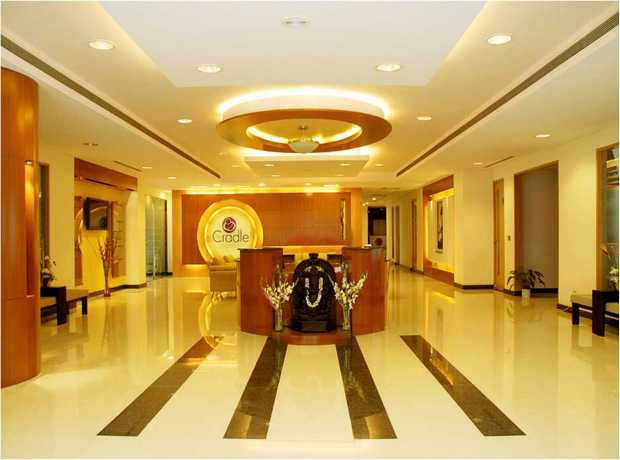
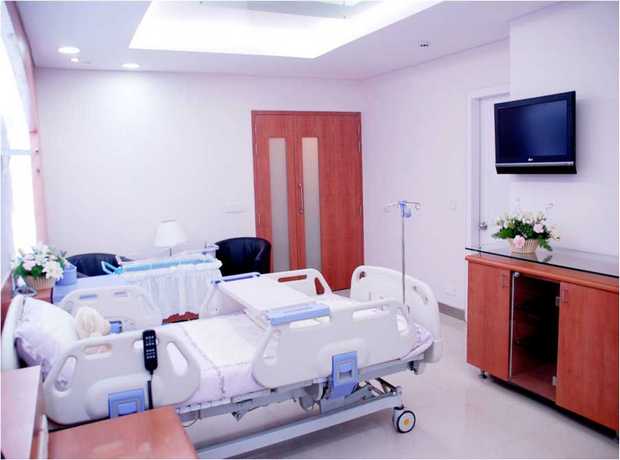
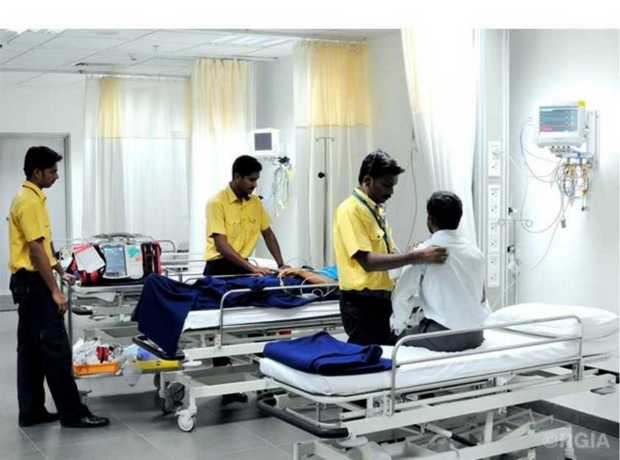
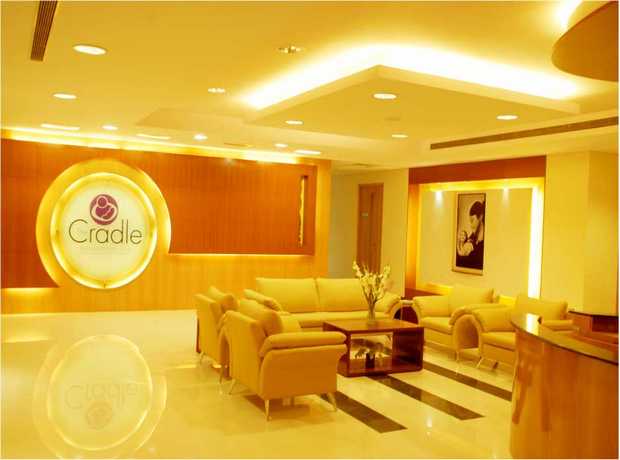
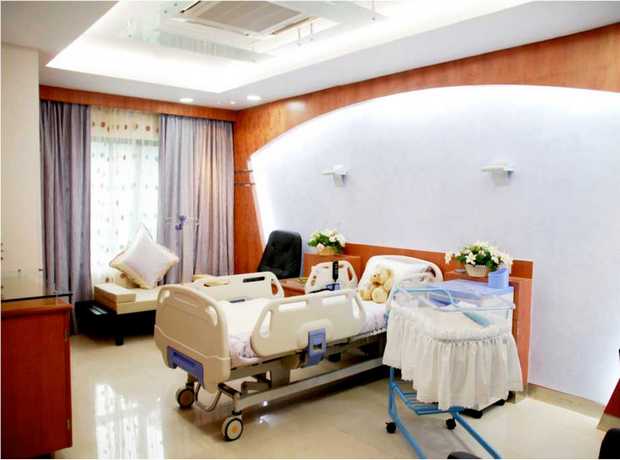
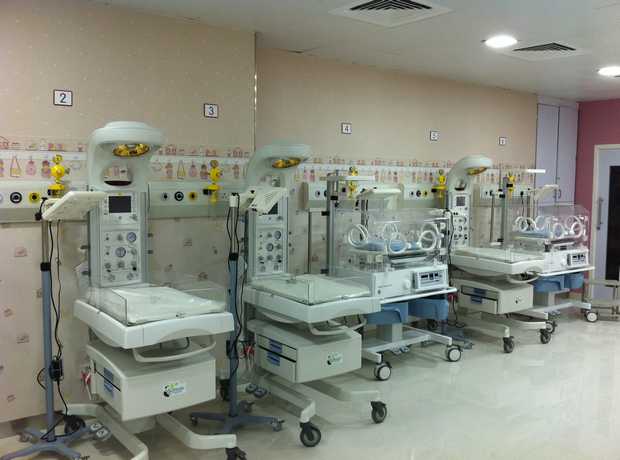
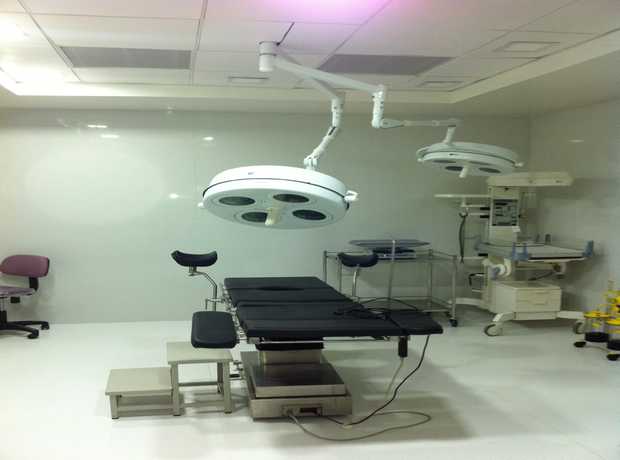
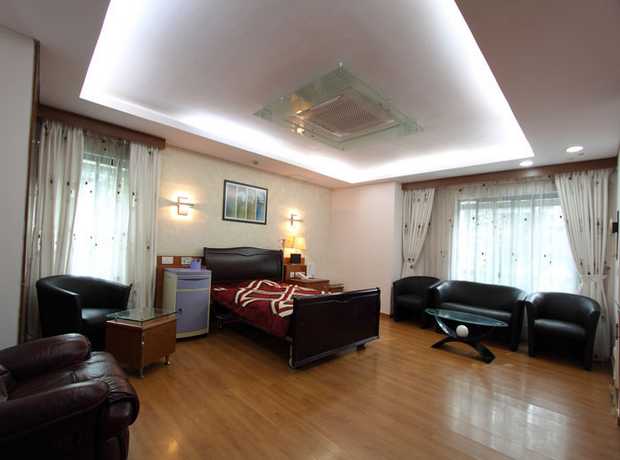
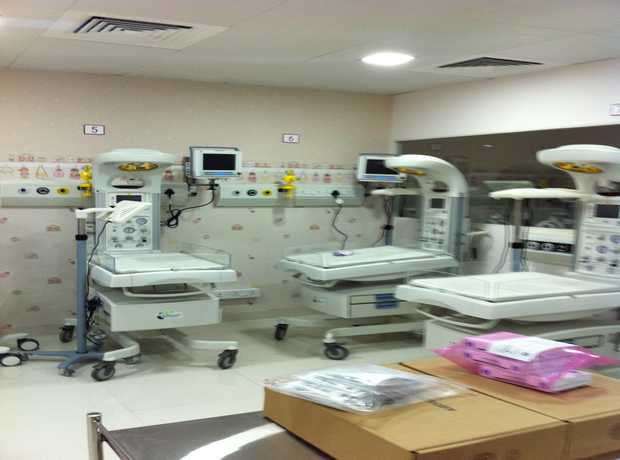
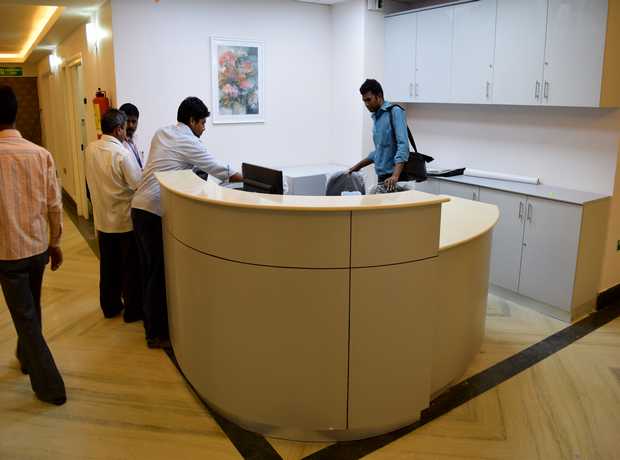
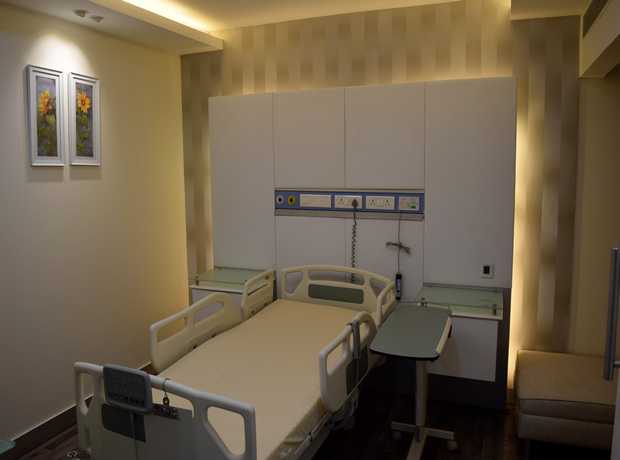
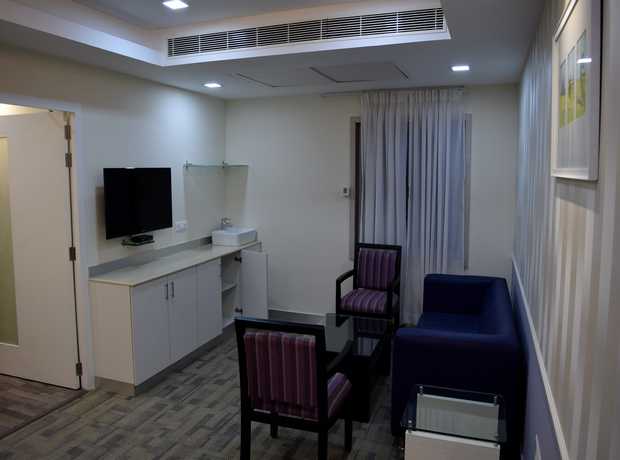

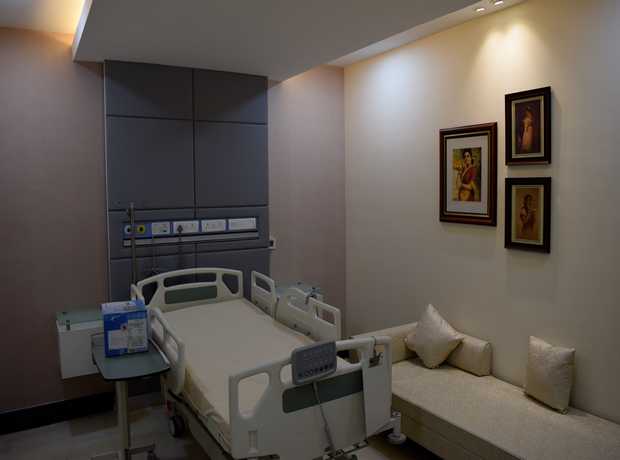
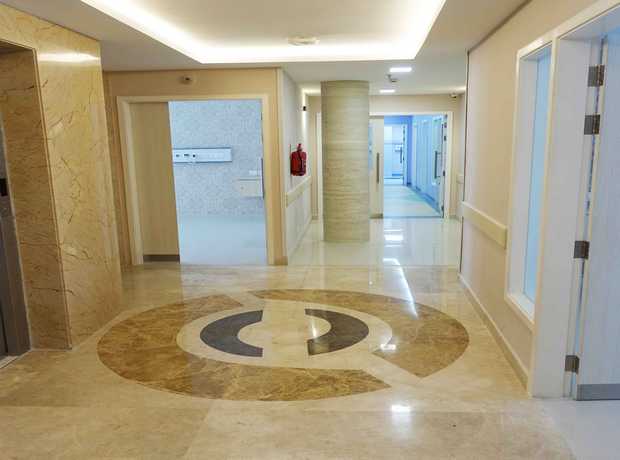
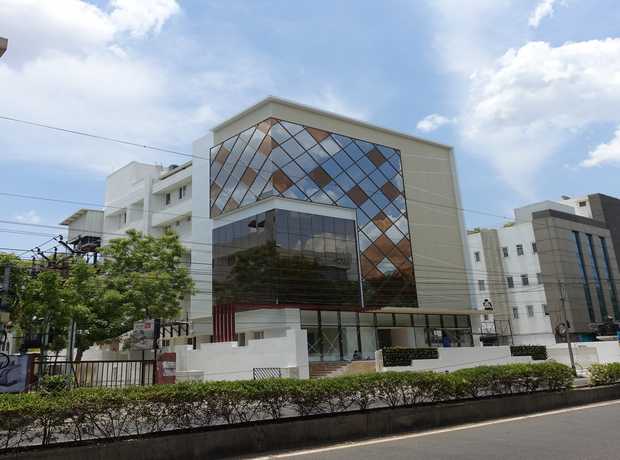









1. Regulatory Compliance: Navigating the UK Landscape
Adhering to UK regulations, NHS guidelines, and relevant international standards is not merely a legal obligation; it is fundamental to the safety and efficacy of any healthcare facility. The complex regulatory framework demands a meticulous approach to material specification and installation.
- Infection Control (HTM 08-01, CQC): Surfaces must be inherently easy to clean, non-porous, and resistant to bacterial and fungal growth. This often necessitates seamless installations, particularly in clinical areas, with coved skirtings that eliminate dirt traps at wall-to-floor junctions. Materials should be able to withstand rigorous cleaning regimes and harsh disinfectants without degrading. Specific guidance from Health Technical Memoranda (HTM) on cleaning and decontamination of environments must be considered, ensuring materials facilitate these protocols.
- Fire Safety (Building Regulations Part B): All materials must meet stringent fire resistance standards, including surface spread of flame and smoke emission. Specific requirements for escape routes, wards, and operating theatres vary. Flooring in corridors and exits, for instance, typically needs to achieve a higher fire-resistant class to ensure safe evacuation. Compliance with relevant sections of the Building Regulations 2010 (as amended) and guidance in Approved Document B is essential.
- Accessibility (Building Regulations Part M, DDA): Flooring must be slip-resistant (especially in wet conditions, requiring a minimum Pendulum Test Value – PTV of 36+), even, and free from significant changes in level or thresholds that could impede mobility aids. Visual contrast between different floor areas or between flooring and walls can assist visually impaired patients in wayfinding, fulfilling the requirements of the Equality Act 2010 (formerly Disability Discrimination Act – DDA).
- Chemical Resistance (ASTM F925): Surfaces in laboratories, operating theatres, pharmacies, and sterilization areas must withstand exposure to a wide array of harsh chemicals, including strong disinfectants, blood, urine, pharmaceuticals, and cytotoxic agents. Materials must not degrade, stain, or become porous when exposed, maintaining their hygienic properties. Testing to standards like ASTM F925 (Standard Test Method for Resistance of Resilient Floor Coverings to Chemical Reagents) is critical.
- Sustainability and Environmental Impact (BREEAM, NHS Net Zero): With the NHS committed to achieving net-zero emissions, flooring choices should align with sustainable practices. This includes specifying materials with low Volatile Organic Compound (VOC) emissions for improved indoor air quality, using recycled content where possible, and selecting products that are recyclable at the end of their lifespan. Projects often seek BREEAM certification, which places specific demands on material selection and environmental performance.
- Noise Reduction (HTM 08-01 Acoustics): While not strictly a regulatory compliance point for all areas, managing noise levels is a key CQC consideration for patient comfort and staff well-being. Flooring can significantly contribute to acoustic comfort by absorbing impact sound.
2. Material Selection: Crafting Durable and Hygienic Environments
Choosing the right materials is a balancing act between durability, hygiene, aesthetics, and specific functional requirements for different hospital zones. London’s hospitals require a nuanced understanding of product performance.
- Vinyl Flooring (PVC): A perennial favorite, vinyl offers exceptional durability, ease of maintenance, and a vast array of designs and colors.
- Homogeneous Vinyl: Consists of a single layer throughout its thickness, providing excellent wear resistance and durability, ideal for high-traffic corridors and patient rooms.
- Heterogeneous Vinyl: Comprises multiple layers, including a wear layer, printed design layer, and backing. Offers more design flexibility and comfort, suitable for administrative areas and waiting rooms.
Benefits include cost-effectiveness, chemical resistance, and the ability to be seamlessly welded for superior infection control. Considerations include the quality of plasticizers for long-term flexibility and indentation resistance.
- Epoxy Flooring: Renowned for its seamless, monolithic finish, epoxy is the go-to choice for sterile environments.
- Ideal for operating theatres, sterile corridors, laboratories, and decontamination units.
- Provides superior chemical resistance, impermeability, and is incredibly easy to clean and disinfect, preventing microbial growth.
- Offers exceptional durability against heavy equipment and traffic.
Considerations include complex, multi-stage installation, rigidity (can be hard on staff’s feet), and the need for a skilled installer.
- Rubber Flooring: Valued for its comfort, acoustic properties, and outstanding slip resistance.
- Provides excellent cushioning underfoot, reducing staff fatigue and offering impact absorption, making it suitable for physiotherapy areas, staff corridors, and pediatric units.
- Excellent sound absorption qualities help reduce ambient noise.
- Naturally slip-resistant, even when wet, significantly enhancing safety.
While initial costs can be higher, its longevity and ergonomic benefits often justify the investment. Requires specific cleaning protocols to maintain its properties.
- Linoleum: An increasingly popular choice for its natural, biodegradable composition and inherent antimicrobial properties.
- Made from natural materials like linseed oil, wood flour, and jute, it contributes to positive indoor air quality (low VOCs).
- Naturally inhibits bacterial growth, making it a hygienic option for patient rooms, administrative areas, and consultation rooms.
- Offers good durability and a warm, natural aesthetic.
Considerations include specific maintenance requirements (e.g., polishing) and slightly less design versatility compared to vinyl.
- Terrazzo: A high-end, extremely durable, and aesthetically versatile option, often used in main entrances, lobbies, and high-prestige public areas.
- Offers exceptional longevity, often outlasting the building itself, and requires minimal maintenance once installed.
- Can be customized with various aggregates and binders to create unique designs.
High initial cost and weight are primary considerations, along with its rigidity and thermal properties (can be cold underfoot).
- Specialized Carpet Tiles: While generally avoided in critical clinical areas, specialized healthcare-grade carpet tiles can be suitable for administrative offices, waiting lounges, and consultation rooms (where clinical hygiene isn’t the primary concern).
- Provides excellent acoustic absorption, warmth, and a more comforting, less institutional feel.
- Must feature antimicrobial treatments, low-pile construction for easy cleaning, and robust stain resistance.
Requires strict cleaning protocols and is unsuitable for areas prone to fluid spills or high infection risk.
- Antimicrobial Coatings and Additives: Regardless of the primary material, incorporating antimicrobial agents (e.g., silver ion technology) into the flooring or as a topcoat can provide an additional layer of protection against microbial growth, complementing rigorous cleaning regimes. These work by disrupting cellular functions of bacteria, significantly reducing their presence on surfaces.
3. Design and Functionality: Enhancing the Healthcare Experience
Effective hospital interior design transcends mere aesthetics; it thoughtfully integrates functionality, human psychology, and operational flow to create spaces that heal, comfort, and enable efficient care delivery.
- Wayfinding: Thoughtful flooring design can be a powerful, intuitive wayfinding tool.
- Use different colors, patterns, or textures to define zones (e.g., bright colors for pediatric wards, calming tones for adult general wards, distinct patterns for main circulation paths).
- Linear patterns can guide movement, while distinct visual cues at decision points (junctions, lift lobbies) can help patients and visitors navigate complex hospital layouts without constant reliance on signage.
- Color contrast is vital for visually impaired individuals.
This reduces stress and anxiety for patients and visitors, and improves operational efficiency by minimizing confusion.
- Acoustics: Noise reduction is critical in hospitals.
- Choose materials with good sound absorption coefficients (NRC) and impact sound insulation (IIC) ratings to mitigate noise from foot traffic, wheeled equipment, and general activity.
- Rubber and specialized resilient vinyls, sometimes with acoustic backings, are excellent for this purpose.
- Quieter environments have been proven to reduce patient stress, improve sleep quality, and enhance staff concentration.
- Ergonomics: Flooring plays a significant role in staff well-being.
- Select flooring that provides a degree of comfort and reduces fatigue for staff who spend long hours on their feet, particularly in operating theatres, nursing stations, and laboratories. Rubber flooring and certain resilient vinyls offer superior ergonomic benefits compared to hard, unforgiving surfaces like epoxy or terrazzo.
- This contributes to reducing musculoskeletal injuries and improving staff retention.
- Aesthetics and Biophilic Design: Creating a welcoming and calming atmosphere is paramount for patient well-being.
- Moving away from stark, clinical aesthetics, modern hospital design embraces natural light, calming color palettes, and biophilic elements (patterns or textures inspired by nature).
- Flooring can contribute by reflecting natural light, featuring biophilic patterns, or using colors that evoke tranquility and comfort, reducing anxiety and promoting a sense of healing.
- A positive aesthetic also boosts staff morale and contributes to the hospital’s public perception.
- Future-Proofing and Modularity: Consider flooring systems that allow for easy repair, replacement, or even integration of future technologies. Modular systems can simplify maintenance and upgrades.
4. Installation and Maintenance: Ensuring Longevity and Performance
Even the highest quality materials will fail prematurely without expert installation and a robust maintenance strategy. This is where attention to detail is paramount.
- Professional Installation: This is non-negotiable. Ensure flooring is installed by qualified, experienced professionals specializing in healthcare environments.
- Key steps include meticulous subfloor preparation (moisture testing, leveling, priming), correct adhesive application, seamless welding (hot or cold welding) to prevent gaps where pathogens can harbor, and precise cove forming.
- Improper installation can lead to bubbling, unevenness, delamination, and compromised hygiene, necessitating costly rework and operational disruption.
- Adherence to manufacturer’s guidelines and industry best practices (e.g., British Standards) is critical.
- Comprehensive Maintenance Plan: Develop and implement a detailed, material-specific maintenance plan that outlines daily, weekly, monthly, and annual cleaning schedules.
- This includes specific instructions on cleaning agents, equipment, and techniques appropriate for each type of flooring.
- Regular maintenance extends the lifespan of the flooring, maintains its aesthetic appeal, and ensures it continues to meet hygiene standards.
- Cleaning Protocols and Training: Implement strict cleaning protocols using approved, healthcare-grade disinfectants.
- Training cleaning staff on proper techniques, dilution ratios, contact times for disinfectants, and the use of appropriate equipment (e.g., auto-scrubbers, wet vacuums) is essential.
- Protocols should cover routine cleaning, spill management, and terminal cleaning procedures for isolation rooms or post-discharge.
- The effectiveness of even the best flooring materials is undermined by inadequate cleaning.
- Post-Occupancy Support: Ensure that the flooring provider offers comprehensive post-installation support, including warranties, maintenance guides, and access to technical assistance for any issues that may arise.
Skydome Designs: Your Partner for Hospital Flooring and Surface Solutions in London
In the complex world of healthcare design and construction, partnering with an experienced and specialized firm is crucial. Skydome Designs Pvt Ltd stands as a leading architecture and interior design firm, exclusively focused on delivering exceptional hospital and healthcare interiors. With nearly 30 years of experience, we pride ourselves on delivering innovative, sustainable, and highly functional spaces that profoundly enhance patient experiences and optimize operational efficiency.
Our deep understanding of the unique challenges and stringent requirements of the healthcare sector, particularly in London, sets us apart. We don’t just design; we create environments that truly heal. Skydome Designs has proudly delivered 1345+ hospital flooring and surface solutions assignments across London and globally over 12+ years. Our commitment to excellence is reflected in our 97% on‑time delivery rate, rigorous multi‑disciplinary reviews, and comprehensive post‑occupancy support that underpins successful outcomes. This track record underscores our capability to handle projects of any scale and complexity, always prioritizing client satisfaction and clinical efficacy.
Our Extensive Expertise
- Hospital Interior Design: From the most critical areas like patient rooms, Intensive Care Units (ICUs), Operating Theatres (OTs), and laboratories, to consultation areas and comprehensive facility planning, we optimize every space for superior patient care, workflow efficiency, and staff comfort. See our proven expertise in ICU layout, where precision and hygiene are paramount, and other critical clinical areas.
- Residential Projects: Our versatility extends to designing comfortable and functional residential spaces, including apartments, luxury condos, senior housing, and community-focused interiors, applying principles of well-being to everyday living.
- Retail & Commercial Design: We also excel in creating engaging and efficient spaces for shopping malls, mixed-use developments, corporate offices, and entertainment centers, understanding the dynamics of public and private interaction.
- Interior Solutions: Our services encompass end-to-end interior solutions, including meticulous space planning, ergonomic furniture layouts, innovative lighting design, and full turnkey interior execution, ensuring a cohesive and integrated final product.
Why Choose Skydome Designs for Your London Hospital Project?
- 29+ Years of Unmatched Experience: Our three decades of experience across India and abroad provide us with an unparalleled depth of knowledge in healthcare infrastructure, anticipating challenges and delivering proven solutions.
- Dedicated In-House Team: We boast a formidable in-house team of highly skilled architects, specialist healthcare architect planners, interior designers, and project managers. This integrated approach ensures seamless communication, consistent quality control, and a unified vision throughout the project lifecycle.
- Award-Winning, Client-Focused, and Sustainable Designs: Our commitment to innovative design has been recognized with numerous awards. We prioritize client vision, ensuring every design is tailor-made, while upholding principles of sustainability to create environmentally responsible and healthy spaces.
- Global Standards, Local Execution: All projects are delivered on-time, on-budget, and to the highest global standards, coupled with a keen understanding of London’s specific regulatory environment and local context.
Consider Skydome Designs your definitive London hospital flooring and surface solutions company, dedicated to turning your vision into a compliant, quality, and future-ready reality.
Considering a new project or an upgrade for your existing facility? Our end‑to‑end delivery for hospital flooring and surface solutions — strategy, design, construction and handover in London ensures a seamless and stress-free process. Work with our award‑winning team, benefit from transparent costs, and stay informed with milestone‑based reporting in London, guaranteeing peace of mind from conception to completion.
FAQ: Hospital Flooring and Surface Solutions in London
What are the key considerations for choosing hospital flooring in London?
Key considerations include stringent infection control capabilities (e.g., seamless, non-porous surfaces), adherence to UK fire safety regulations (Building Regulations Part B), compliance with accessibility standards (Building Regulations Part M for slip resistance and visual contrast), high durability to withstand heavy traffic and equipment, ease of maintenance to ensure ongoing hygiene, and an aesthetic that supports a healing environment. The flooring must meticulously meet UK regulations, NHS guidelines, and CQC standards.
How often should hospital flooring be cleaned and disinfected?
Hospital flooring, especially in high-traffic, clinical, and high-risk infection areas (like OTs, ICUs, and isolation rooms), requires daily, and sometimes more frequent, cleaning and disinfection. Specific cleaning protocols should be implemented based on the type of flooring material, the level of contamination risk in that area, and the hospital’s infection control policies, typically guided by HTM 08-01.
What types of flooring are best for operating theaters in London hospitals?
Epoxy resin flooring is predominantly preferred for operating theaters due to its absolutely seamless, non-porous, highly chemical-resistant, and incredibly easy-to-clean properties. Its monolithic surface prevents microbial harborage, supporting a strictly sterile environment and effectively preventing the spread of infection. High-performance vinyl systems with fully welded seams and coved skirtings are also viable alternatives, provided they meet all critical specifications.
How can wayfinding be incorporated effectively into hospital flooring design?
Wayfinding can be powerfully incorporated by strategically using different flooring colors, patterns, or textures to create visual cues. For example, distinct color paths can guide patients and visitors to specific departments (e.g., radiology vs. outpatient clinics). Varying textures can delineate different zones or indicate approaching points of interest. This visual guidance, combined with clear signage, helps reduce patient anxiety and improve navigational efficiency within complex hospital layouts, particularly for those with cognitive or visual impairments.
What are the latest trends in hospital flooring and surface solutions for 2025?
For 2025, key trends include a greater emphasis on sustainable materials (low VOC, recycled content, recyclable), enhanced antimicrobial technologies (e.g., silver ion additives), biophilic design patterns (incorporating nature-inspired elements to promote healing), modular flooring systems for easier repair and replacement, and the potential integration of smart technologies (e.g., embedded sensors for occupancy or health monitoring, though still nascent for flooring). There’s also a strong move towards creating less institutional, more welcoming and comforting environments.
How do you ensure sustainability in hospital flooring projects?
Ensuring sustainability involves a multi-faceted approach. We prioritize specifying materials with low Volatile Organic Compound (VOC) emissions to improve indoor air quality, using products made from recycled content, and selecting materials that are fully recyclable at the end of their lifecycle. Our design process also considers the long-term durability and ease of maintenance of materials, reducing the need for premature replacement and minimizing waste. We actively seek products with Environmental Product Declarations (EPDs) and certifications like BREEAM or LEED, aligning with the NHS’s net-zero targets.
What is the typical lifespan of hospital flooring and how can it be maximized?
The typical lifespan of hospital flooring varies significantly by material type, traffic levels, and maintenance quality. High-quality vinyl can last 10-20 years, epoxy 15-25 years, and rubber 20-30 years. Terrazzo can last 50+ years. To maximize lifespan, it is crucial to invest in professional installation (including proper subfloor preparation), implement a rigorous and appropriate maintenance plan, promptly address spills and damage, and ensure regular deep cleaning and, for some materials, periodic restoration or re-sealing.
What are the specific considerations for flooring in specialized hospital areas, such as pediatrics or mental health units?
For pediatric units, flooring should be highly durable, easy to clean, and feature vibrant, engaging colors and patterns to create a stimulating yet comforting environment. It should also offer good impact absorption for safety. In mental health units, the focus is on creating a calming, non-institutional atmosphere; flooring should be robust, safe (e.g., anti-ligature surfaces if applicable, no loose elements), and contribute to a homely feel, often with acoustic properties to reduce distress from noise. In both cases, seamless and hygienic properties remain paramount, but the aesthetic and psychological impact of the design are heightened.
End‑to‑end delivery for hospital flooring and surface solutions — strategy, design, construction and handover in London. Our award‑winning team offers transparent costs and milestone‑based reporting in London to keep you informed every step of the way. Contact us today to learn more.
Conclusion
Ensuring absolute compliance, uncompromised quality, and patient-centric design in hospital flooring and surface solutions is not merely an aspiration but a critical imperative for operational excellence and patient safety in London’s healthcare sector. By diligently following this comprehensive checklist and forming a strategic partnership with experienced professionals like Skydome Designs, you are empowered to create a healthcare environment that is not only safe, functional, and aesthetically pleasing but also contributes proactively to healing and well-being.
Our decades of specialized experience, coupled with a deep understanding of London’s unique healthcare demands, position us as your ideal partner. We invite you to leverage our proven track record of 1345+ successful hospital projects, 97% on-time delivery, and our commitment to multi-disciplinary excellence.
Don’t leave your hospital’s foundation to chance. Contact Skydome Designs today for a personalized consultation and allow us to expertly guide you through the complexities of hospital interior design, construction, and compliance. Call +91 7299072144 or email info@skydomedesigns.com to discuss your project.
Learn more about our Hospital Interior Design services and explore our impactful Healthcare Architect projects to see our vision in action.