The healthcare landscape in Nairobi is in a constant state of dynamic evolution, pushing hospitals to relentlessly adapt and innovate to meet the escalating and diversified needs of both patients and dedicated healthcare professionals. As we cast our gaze towards the pivotal year of 2025, a confluence of significant trends is not merely influencing but profoundly shaping the future of hospital refurbishment and modernization in Nairobi. These transformative trends are meticulously designed to foster the creation of environments that are not only supremely efficient and ecologically sustainable but also deeply patient-centric, prioritizing healing, comfort, and well-being above all else. Understanding these shifts is paramount for any healthcare institution in the region aiming to remain competitive, relevant, and capable of delivering world-class care. Let’s embark on a comprehensive exploration of these crucial trends, delving into the intricacies you need to grasp to ensure your facility not only keeps pace but sets new benchmarks for healthcare excellence in the heart of East Africa.
In a rapidly expanding metropolis like Nairobi, where population growth is exponential and healthcare demands are increasingly complex, the need for cutting-edge medical infrastructure cannot be overstated. Modernizing existing facilities and strategically planning for future expansion is no longer a luxury but an absolute necessity. This involves a holistic approach that considers architectural design, technological integration, environmental responsibility, and human-centered experiences. The objective is to transform hospitals from mere treatment centers into genuine healing sanctuaries that support recovery, empower staff, and instill confidence in the communities they serve.
Key Trends Shaping Hospital Refurbishment and Modernization in Nairobi
Nairobi’s vibrant healthcare sector is enthusiastically embracing innovation and strategic foresight to fundamentally enhance patient care delivery and optimize operational efficiency across the board. This forward-thinking approach encompasses a robust and unwavering focus on several foundational pillars, each critical to shaping the next generation of healthcare facilities:
- Sustainability: Moving beyond mere compliance to proactive environmental stewardship and long-term cost reduction.
- Digital Delivery: Leveraging cutting-edge technology to revolutionize patient care, operational workflows, and data management.
- Patient-Centric Design: Placing the patient experience at the absolute core of every design decision, ensuring comfort, dignity, and active participation in their healing journey.
These trends are not isolated; rather, they are intricately interwoven, forming a cohesive strategy for creating healthcare environments that are resilient, adaptable, and truly future-ready. By understanding their synergistic impact, healthcare providers in Nairobi can make informed decisions that will yield lasting benefits for their institutions and the wider community.
Sustainability: Lowering Lifecycle Costs and Embracing Green Practices
The imperative for sustainability in Nairobi‘s urban development, particularly within its critical healthcare infrastructure, has transcended mere trend status to become a core strategic principle driving hospital refurbishment and modernization efforts. This paradigm shift acknowledges that future-ready designs must intrinsically focus on a dual mandate: significantly lowering lifecycle costs while simultaneously minimizing environmental impact. The approach is holistic, meticulously integrating energy-efficient systems, prioritizing the use of sustainable and locally sourced materials, and implementing advanced waste reduction and management strategies. This commitment to green building practices not only delivers substantial long-term operational expense reductions for healthcare providers but also profoundly contributes to regional and global environmental preservation efforts. It’s about building smarter, greener, and more responsibly.


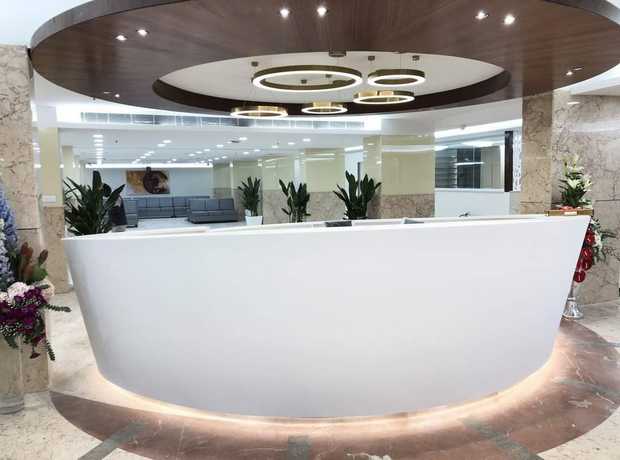
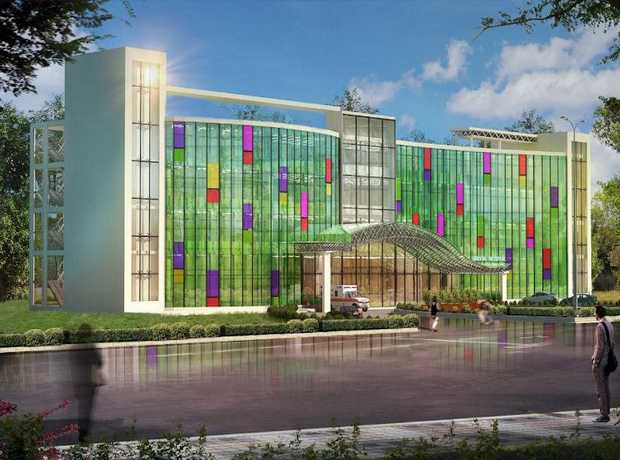
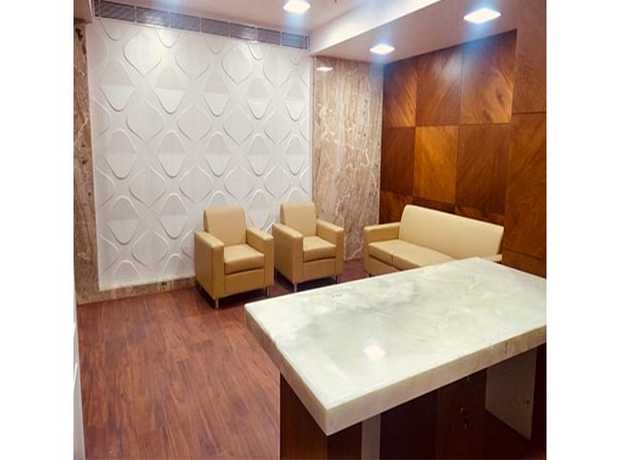
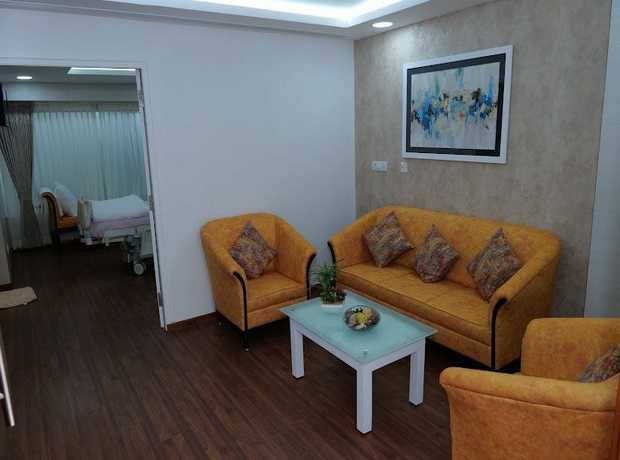





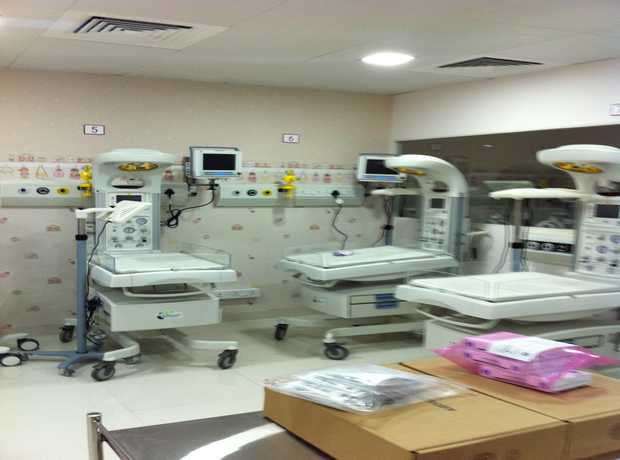
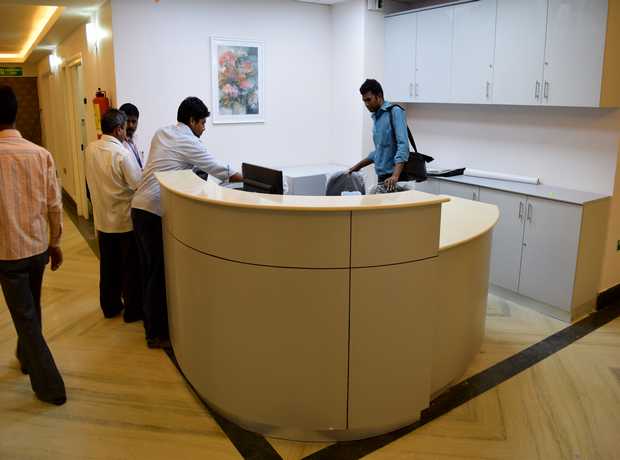
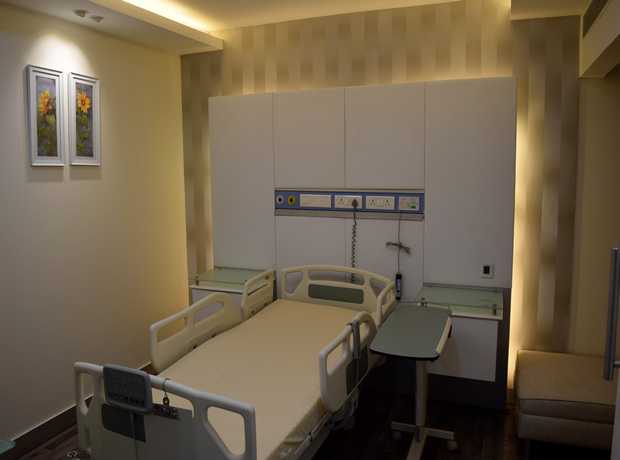
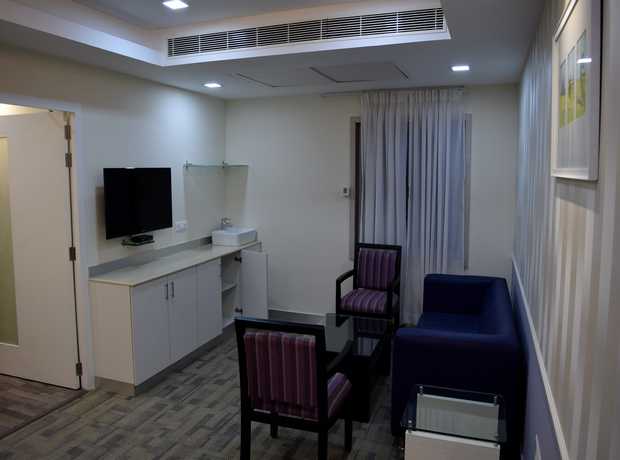

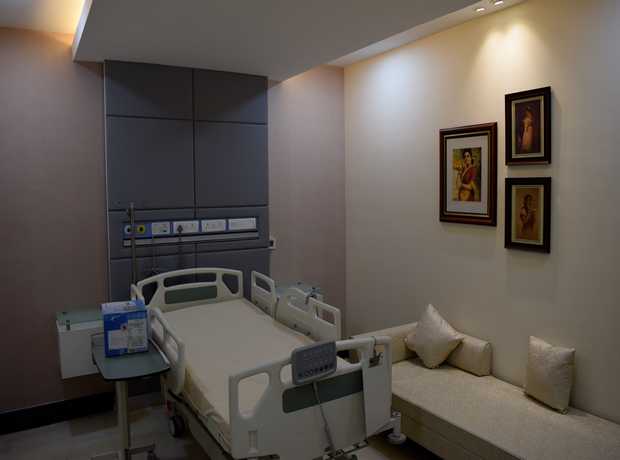
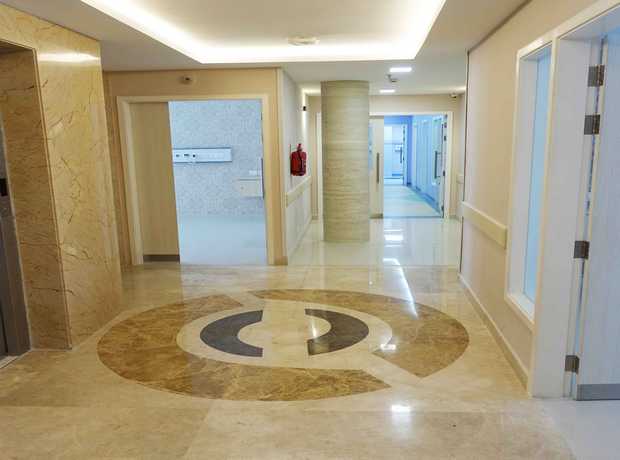
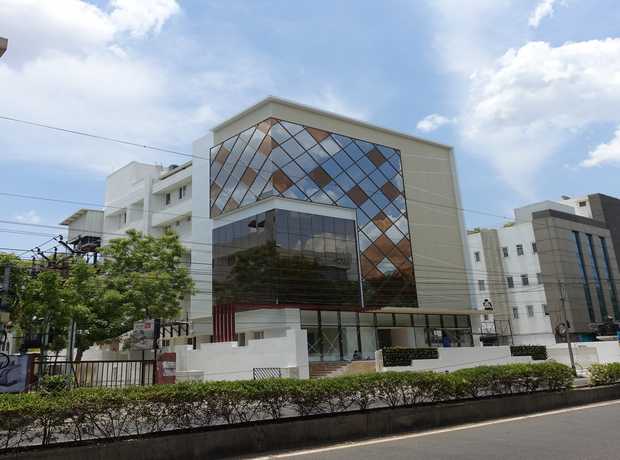
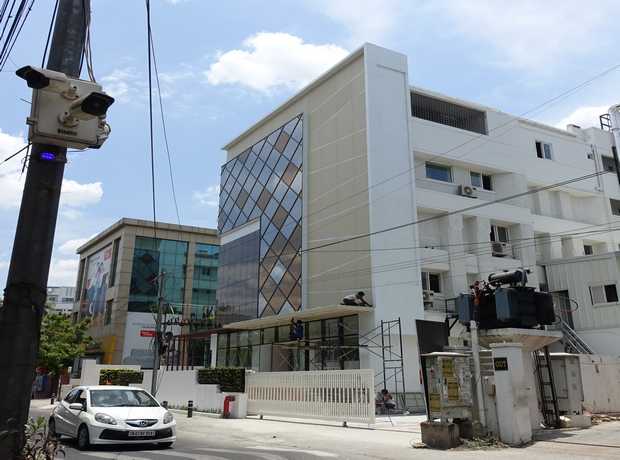
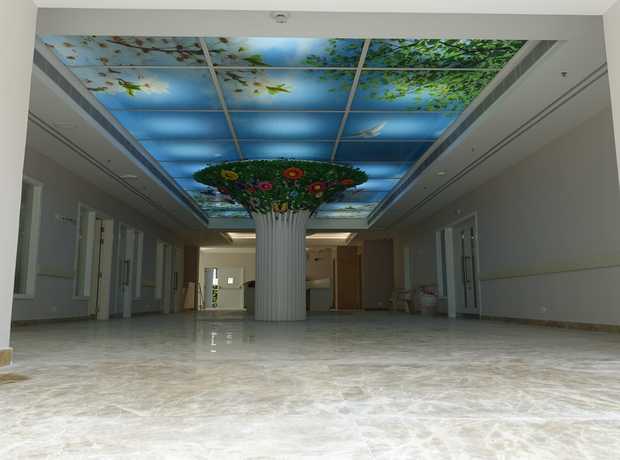
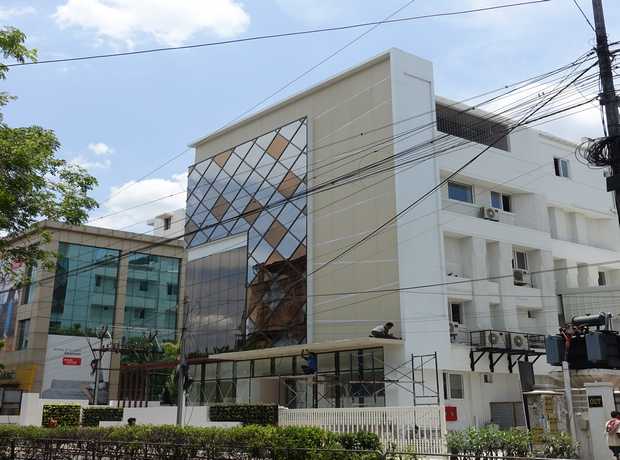
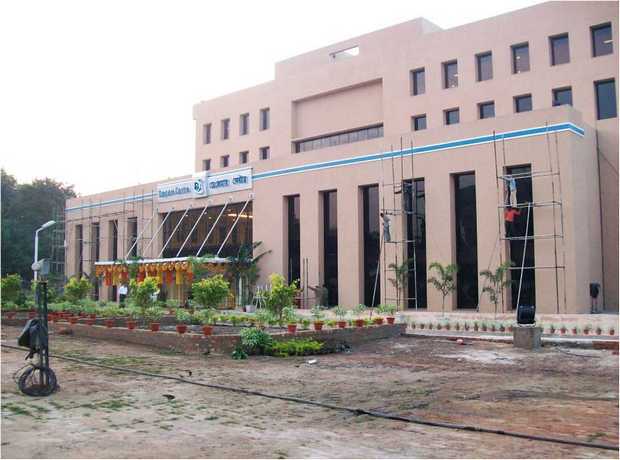
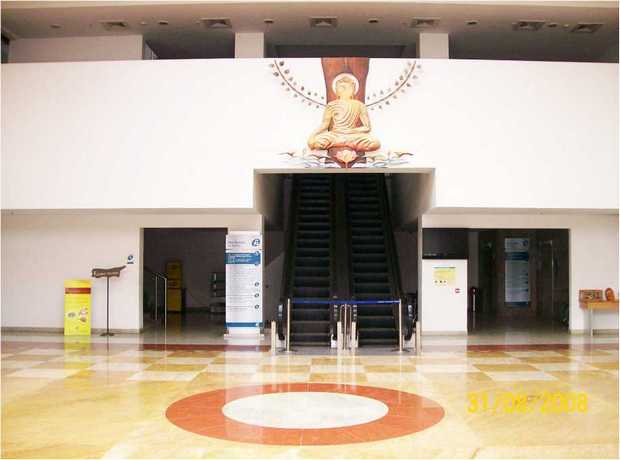

Specific Sustainable Interventions for Nairobi Hospitals:
- Energy Efficiency: Implementing advanced Building Management Systems (BMS) to control HVAC and lighting dynamically. Utilizing high-performance glazing, natural ventilation strategies, and superior insulation to minimize energy loss.
- Renewable Energy Integration: A growing number of Nairobi hospitals are exploring and adopting solar photovoltaic (PV) panels for electricity generation, solar water heating systems, and even geothermal solutions where feasible, significantly reducing reliance on conventional power grids and associated costs.
- Water Conservation: Installing low-flow fixtures, rainwater harvesting systems for non-potable uses like irrigation and flushing, and greywater recycling facilities to drastically cut water consumption – a crucial consideration in an increasingly water-stressed region.
- Sustainable Materials: Prioritizing materials with low embodied energy, recycled content, and local sourcing to reduce transportation emissions. This includes bamboo flooring, recycled steel, low VOC paints, and durable, long-lasting finishes that require less frequent replacement.
- Waste Management: Designing segregated waste disposal systems from the outset, including provisions for hazardous medical waste, general waste, and recycling initiatives. Exploring on-site composting for organic waste and engaging with certified recycling partners.
- Green Spaces and Biophilic Design: Integrating healing gardens, internal courtyards, and ample natural light into design. Biophilic design elements have been proven to enhance patient recovery, reduce stress, and improve staff well-being, aligning sustainability with patient-centric care.
These sustainable choices are not just about environmental responsibility; they are a shrewd economic investment that translates into tangible savings, improved air quality, and a healthier environment for patients and staff. For any hospital refurbishment and modernization in Nairobi, integrating these principles from the conceptual stage is paramount.
Ready to integrate cutting-edge sustainability into your healthcare facility? Contact Skydome Designs today for a consultation. Our 29+ years of expertise ensures your project is both green and cost-effective.
Digital Delivery: Enhancing Efficiency, Patient Care, and Operational Intelligence
The pervasive integration of advanced digital technologies is not merely transforming but fundamentally revolutionizing healthcare delivery across Nairobi. This encompasses the meticulous implementation of sophisticated systems for comprehensive patient management, highly precise diagnostics, and seamless, real-time communication. Beyond direct patient care, digital tools are now indispensable within the intricate design and construction phases of refurbishment projects themselves, significantly enhancing coordination, precision, and overall project efficiency. This relentless focus on digital innovation is unequivocally paramount for successful hospital refurbishment and modernization in Nairobi, enabling facilities to achieve unprecedented levels of operational intelligence and patient satisfaction.
Key Aspects of Digital Delivery in Modern Hospitals:
- Electronic Health Records (EHR) and Hospital Information Systems (HIS): Moving beyond paper, these systems centralize patient data, streamlining admissions, discharges, transfers (ADT), billing, and clinical documentation. They ensure data accuracy, reduce medical errors, and improve care coordination across departments.
- Telemedicine and Remote Monitoring: Enabling virtual consultations, remote diagnostics, and continuous patient monitoring from a distance, extending access to specialist care, reducing patient travel burden, and improving chronic disease management, especially crucial in a region with diverse geographic access challenges.
- Artificial Intelligence (AI) and Machine Learning (ML) in Diagnostics: Leveraging AI for faster and more accurate analysis of medical images (X-rays, MRIs, CT scans), predicting disease progression, and assisting in personalized treatment plans, thereby augmenting the capabilities of Nairobi’s medical professionals.
- Internet of Medical Things (IoMT): Integrating smart medical devices, wearables, and sensors that collect real-time patient data, automatically updating EHRs and alerting staff to critical changes. This enhances proactive care and patient safety.
- Smart Building Management Systems (SBMS): Digitally controlling and optimizing environmental parameters like temperature, humidity, lighting, and air quality throughout the hospital. This improves patient comfort, reduces energy consumption, and provides real-time data for operational adjustments.
- Robotics and Automation: Exploring robotic assistance in surgery (e.g., robotic-assisted minimally invasive surgery), automated medication dispensing systems, and even robotic delivery services for supplies or waste within larger hospital complexes, boosting efficiency and reducing human error.
- Digital Wayfinding and Patient Portals: Interactive digital kiosks and mobile apps that guide patients and visitors through the hospital, coupled with patient portals that allow access to appointments, test results, and educational materials.
The integration of these digital elements is not merely about adopting new gadgets; it is about creating an intelligent, interconnected healthcare ecosystem that improves every facet of hospital operation and patient interaction. Investing in robust digital infrastructure during refurbishment ensures a future-proof facility.
Our expertise includes BIM‑led coordination, crucial for integrating complex digital systems seamlessly into your design. Trust Skydome Designs for your digital-first hospital refurbishment and modernization in Nairobi. Call +91 7299072144 to learn more.
Patient-Centric Design: Redefining the Healing Environment
While sustainability and digital delivery focus on operational and environmental efficiency, patient-centric design stands as the cornerstone of humanizing the healthcare experience. This philosophy moves beyond simply treating illness to creating an environment that actively supports healing, provides comfort, reduces stress, and fosters a sense of dignity for patients and their families. For hospital refurbishment and modernization in Nairobi, this means understanding the local cultural context, family involvement in care, and the psychological impact of design choices.
Core Principles of Patient-Centric Design:
- Natural Light and Views: Maximizing exposure to natural light and providing views of nature has been scientifically proven to reduce recovery times, decrease pain medication reliance, and improve mood. Design should incorporate large windows, skylights, and courtyards, even in critical care areas where feasible.
- Healing Gardens and Green Spaces: Creating accessible outdoor or indoor green spaces offers a therapeutic escape for patients, visitors, and staff. These areas provide opportunities for quiet reflection, gentle exercise, and connection with nature, significantly reducing stress levels.
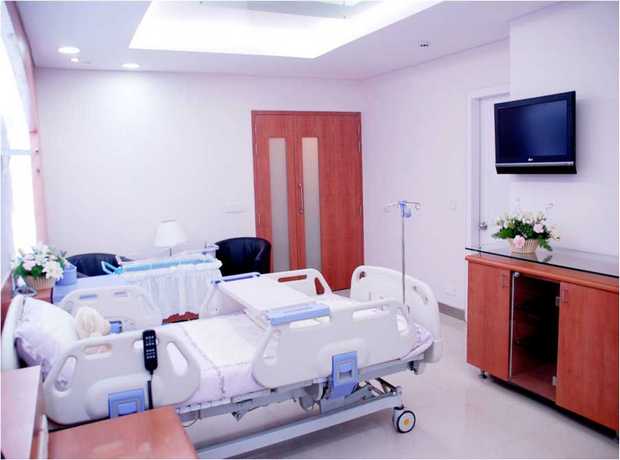
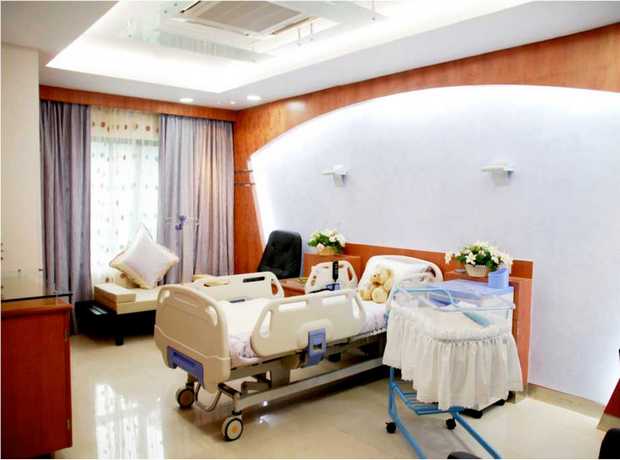
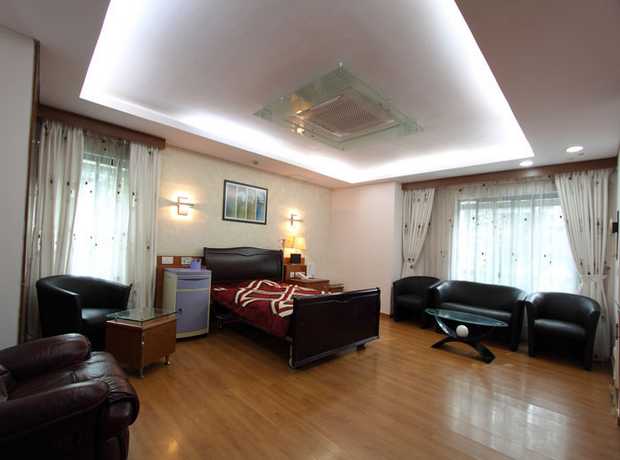
- Private Patient Rooms: While multi-bed wards have been traditional, the trend is strongly towards private patient rooms. These reduce the risk of cross-contamination, provide privacy and dignity, allow for greater family involvement, and offer a quieter environment conducive to rest and recovery.
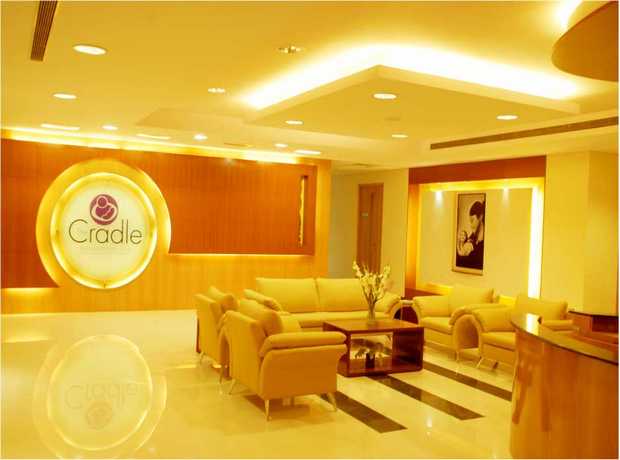
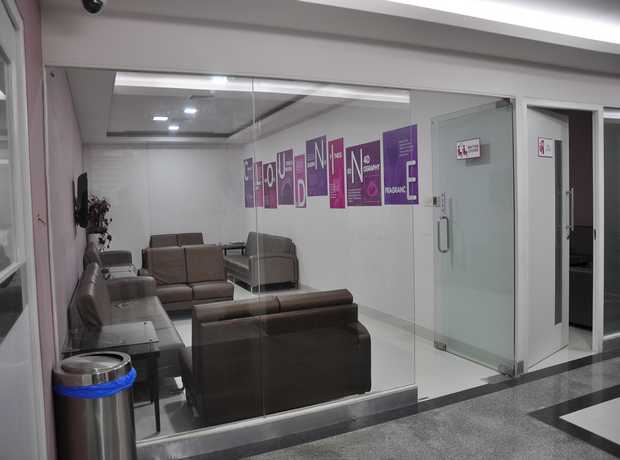
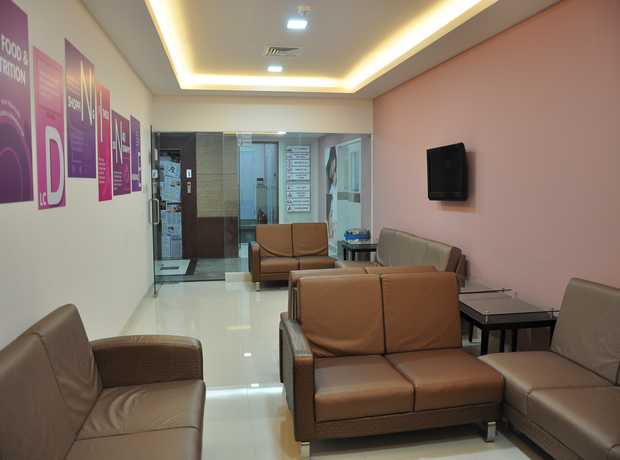
- Comfortable and Welcoming Waiting Areas: Designing waiting rooms that are more akin to hotel lobbies than sterile institutional spaces, featuring comfortable seating, natural materials, calming colors, soft lighting, and amenities like charging stations and Wi-Fi.
- Family Zones: Integrating dedicated spaces within patient rooms or adjacent areas for family members to stay overnight or spend extended periods. This acknowledges the vital role families play in patient support and recovery, particularly in Nairobi’s communal culture.
- Art and Aesthetics: Incorporating local art, murals, and aesthetically pleasing design elements that create a sense of place and distract from the clinical nature of the environment. Art has a powerful impact on mood and well-being.
- Reduced Noise Levels: Utilizing sound-absorbing materials in ceilings, walls, and flooring, and strategic zoning to minimize noise pollution from equipment, foot traffic, and conversations, allowing patients to rest undisturbed.
- Accessibility and Inclusivity: Ensuring all areas are easily accessible for individuals with disabilities, including wide corridors, ramps, accessible restrooms, and clear signage. Considering multilingual signage and culturally appropriate design cues.
Patient-centric design is an investment in human well-being, translating into higher patient satisfaction scores, improved clinical outcomes, and a stronger reputation for the hospital. It’s about creating an environment where healing truly begins.
Skydome Designs prioritizes patient well-being in every project. Let us craft a patient-centric facility for your Nairobi hospital refurbishment and modernization. Email us for an initial consultation.
Essential Elements of Modern Hospital Design
Beyond the overarching trends of sustainability, digital delivery, and patient-centricity, the success of any comprehensive hospital modernization hinges on the meticulous attention paid to several core functional elements. These specific areas are critical because they directly impact patient safety, operational efficiency, and the quality of care delivered. For hospital refurbishment and modernization in Nairobi, these elements must be carefully planned and executed to meet both current needs and future demands.
- ICU Layout Optimization: Crafting critical care spaces for maximum vigilance and efficiency.
- Infection Control Measures: Implementing robust strategies to safeguard against healthcare-associated infections.
- Effective Wayfinding: Designing intuitive navigation systems for stress-free hospital experiences.
- Optimized OT Design: Engineering operating theatres for peak surgical performance and sterility.
- Advanced Imaging & Diagnostics Facilities: Integrating state-of-the-art technology for accurate and rapid diagnosis.
- Outpatient and Ambulatory Care Spaces: Designing efficient and welcoming areas for non-inpatient services.
- Staff Support Zones: Creating dedicated areas to foster staff well-being and productivity.
ICU Layout Optimization for Enhanced Patient Care and Staff Efficiency
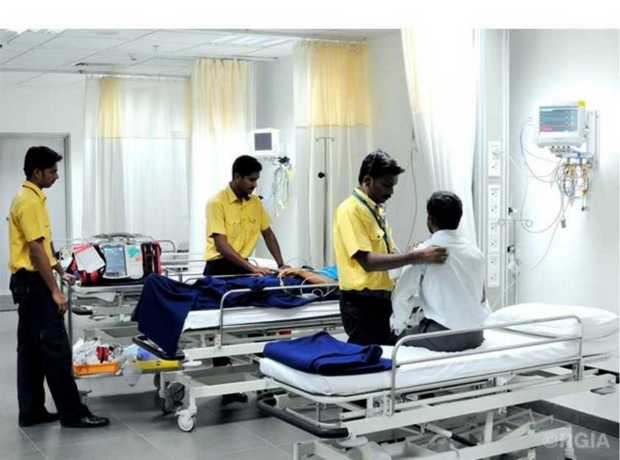
The layout of an Intensive Care Unit (ICU) is unequivocally critical for the provision of optimal patient care and the swift, efficient response of medical staff during emergencies. Modern designs for ICU layout prioritize unobstructed patient visibility from central nursing stations, ensuring continuous monitoring. They meticulously plan for efficient workflow for medical staff, minimizing travel distances and maximizing accessibility to essential equipment and supplies. Furthermore, the integration of advanced medical equipment – from ventilators and dialysis machines to sophisticated patient monitoring systems – is seamlessly incorporated, ensuring that technology supports rather than hinders clinical processes. Proper space planning, ergonomic considerations, and the strategic placement of utilities are absolutely essential for creating an environment that is not only highly functional but also conducive to healing and recovery for the most vulnerable patients. The ultimate goal is to reduce stress for both patients and caregivers, fostering a truly supportive and high-performance critical care environment.
Specific Considerations for ICU Design in Nairobi:
- Clear Sightlines: Designing nurse stations and patient rooms to allow direct visual observation of multiple patients, enhancing rapid response capability.
- Space for Equipment and Personnel: Ensuring ample space around each patient bed for necessary medical equipment, emergency procedures, and the comfortable movement of multiple healthcare providers.
- Patient Privacy and Family Zones: While maintaining visibility, design should also offer patient privacy through adjustable partitions or private rooms. Dedicated family zones within or near the ICU allow loved ones to be present without impeding clinical operations.
- Ergonomics for Staff: Designing workstations, equipment placement, and storage solutions to minimize strain and fatigue for ICU staff, who often work long, demanding shifts.
- Infection Control Integration: Seamlessly incorporating infection control principles into the ICU layout, including dedicated hand hygiene stations, easily cleanable surfaces, and robust air filtration systems.
- Natural Light: Where possible, incorporating natural light into ICU rooms can aid patient orientation, regulate circadian rhythms, and improve overall well-being.
- Zoning for Acuity: Differentiating zones within the ICU for varying levels of patient acuity, allowing for specialized care and resource allocation.
An optimized ICU layout directly contributes to improved patient outcomes, reduced staff stress, and enhanced overall operational efficiency. When undertaking hospital refurbishment and modernization in Nairobi, engaging with specialized design experts for ICU planning is non-negotiable. Consider contacting Nairobi hospital experts like us at Skydome Designs for optimized ICU layouts, backed by nearly three decades of specialized experience.
With 29+ years of expertise and 496+ successful hospital projects, Skydome Designs excels in ICU layout optimization. Ensure your critical care spaces are world-class. Contact us today for expert consultation.
Infection Control: A Top Priority in Modern Hospital Design
Stringent infection control measures are not merely a recommendation but an absolute paramount priority in contemporary hospital design, particularly within the context of hospital refurbishment and modernization in Nairobi. This critical focus encompasses the strategic utilization of antimicrobial materials throughout the facility, the implementation of highly effective and meticulously engineered ventilation systems, and the thoughtful design of spaces that inherently promote ease of cleaning and disinfection. Beyond material and systemic choices, robust hygiene protocols and intelligent layout considerations play a significantly pivotal role in actively minimizing the ever-present risk of healthcare-associated infections (HAIs). In an era where new pathogens can emerge rapidly, designing for superior infection control is an ongoing commitment to patient safety and public health.
Advanced Infection Control Strategies:
- Antimicrobial Surfaces: Utilizing materials infused with silver, copper, or other antimicrobial agents for high-touch surfaces such as doorknobs, bed rails, countertops, and light switches.
- Advanced HVAC Systems with HEPA Filtration: Implementing sophisticated heating, ventilation, and air conditioning (HVAC) systems equipped with High-Efficiency Particulate Air (HEPA) filters to remove airborne pathogens. Designing for positive and negative pressure rooms where necessary (e.g., isolation rooms, operating theaters).
- Seamless and Non-Porous Materials: Specifying flooring, walls, and countertops with seamless, non-porous surfaces that are easy to clean and resist bacterial growth. Avoiding grout lines where possible or using antimicrobial grout.
- Hand Hygiene Stations: Strategically placing accessible handwashing sinks with touchless faucets and hand sanitizer dispensers at every point of care and high-traffic areas.
- Zoning and Segregation: Designing clear zones for clean, sterile, and contaminated areas to prevent cross-contamination. This includes dedicated sterile corridors in operating suites and separate pathways for patient and waste transport.
- Touchless Technology: Integrating touchless features for doors, faucets, light switches, and soap/sanitizer dispensers to reduce contact points.
- Waste Management Protocols: Designing dedicated, easily accessible, and properly ventilated rooms for the segregation and temporary storage of infectious waste, ensuring safe removal.
- UV-C Disinfection: Exploring the use of UV-C light fixtures for automated terminal room disinfection in certain areas, particularly after patient discharge from isolation rooms.
These are critical for any hospital refurbishment and modernization in Nairobi, creating a safer environment for patients, visitors, and healthcare workers, and ultimately contributing to better health outcomes and a more trusted institution.
Ensuring patient safety through rigorous infection control is non-negotiable. Skydome Designs integrates the latest measures into every hospital refurbishment and modernization project in Nairobi. Ask about our cutting-edge solutions when you contact us.
Wayfinding: Creating a User-Friendly and Stress-Reducing Environment
Clear, intuitive, and highly effective wayfinding is an absolutely essential element for helping patients, their worried visitors, and the busy staff navigate the complexities of a hospital environment with utmost ease and minimal stress. It’s more than just signage; it’s an integrated system of cues that guides users seamlessly through the facility. Modern wayfinding strategies incorporate clear and consistently branded signage, intelligently color-coded zones, interactive digital maps, and even mobile applications. These elements, when thoughtfully designed, can significantly enhance the overall experience, reduce anxiety, and improve operational efficiency by minimizing lost individuals and late appointments. Well-planned wayfinding is a testament to a patient-friendly environment that values time and reduces unnecessary cognitive load.
Components of Effective Wayfinding Systems:
- Intuitive Architecture: Designing spaces with clear visual landmarks, distinct departmental entrances, and logical flow that naturally guides people.
- Consistent Signage: Using clear, legible fonts, universal symbols, and consistent placement for all signs (overhead, wall-mounted, directories). Multilingual options should be considered for Nairobi’s diverse population.
- Color-Coding and Zoning: Assigning distinct colors to different departments, floors, or wings, which helps users visually orient themselves and remember directions.
- Numbered and Named Destinations: Clearly numbering floors, rooms, and specific areas, along with easy-to-understand names for clinics and departments.
- Digital Kiosks and Interactive Maps: Providing touch-screen kiosks at key junctions that offer searchable directories, maps, and even directions that can be sent to a mobile device.
- Mobile Apps: Developing hospital-specific apps that offer indoor navigation, appointment reminders, and access to patient portals.
- Psychological Cues: Incorporating elements like natural light sources or distinct architectural features at decision points to aid navigation.
- Staff Training: Ensuring all staff members are well-versed in the hospital layout and can confidently provide directions.
Effective wayfinding not only reduces stress for patients and visitors but also improves staff efficiency by reducing interruptions for directions. It contributes significantly to a positive perception of the hospital and its care quality. Ensure your Nairobi hospital refurbishment and modernization includes a detailed and expertly executed wayfinding strategy to create a truly welcoming and efficient environment.
Don’t let your patients get lost. Skydome Designs integrates intuitive wayfinding into every design. Partner with a company that understands holistic hospital design for your Nairobi hospital refurbishment and modernization. Dial +91 7299072144 now.
OT Design: Optimizing Surgical Spaces for Precision and Safety
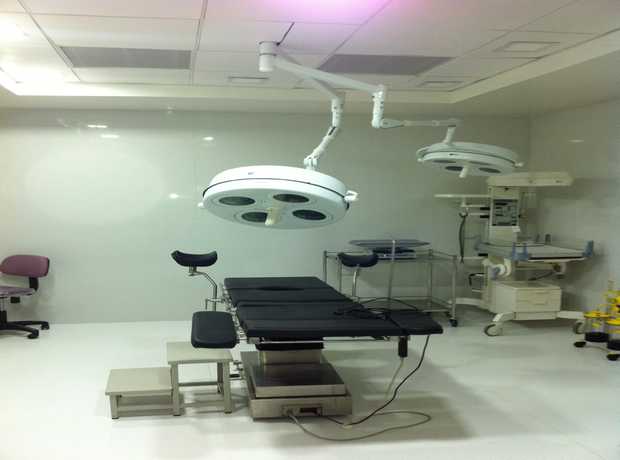
The design of Operating Theaters (OTs) must fundamentally prioritize functionality, paramount efficiency, and unwavering sterility to support complex surgical procedures. Modern OT design seamlessly incorporates advanced lighting systems that minimize shadows and glare, integrated equipment booms that declutter the floor space, and seamless, non-porous surfaces that are easy to clean and disinfect, thereby critically minimizing the risk of infection. Furthermore, ergonomic design principles are applied to ensure that surgical teams can work comfortably and effectively for extended periods, reducing fatigue and enhancing precision. Proper ventilation, maintaining specific air pressure differentials, and controlled air filtration are also critical considerations, safeguarding both patients and staff from airborne contaminants. The goal is to create a state-of-the-art environment where surgical excellence can be consistently achieved with the highest standards of safety.
Key Elements of Modern OT Design:
- Integrated Operating Rooms (IORs): These OTs feature advanced audiovisual equipment, digital imaging, and patient data systems integrated into central control panels, allowing surgeons to manage everything from a sterile field.
- Hybrid Operating Rooms: Combining traditional surgical capabilities with advanced imaging technologies (e.g., angiography, MRI, CT) within the same room. This allows for complex procedures that require real-time imaging, reducing the need to move critically ill patients.
- Modular OT Construction: Utilizing prefabricated, modular components for faster construction, higher quality control, and easier future expansion or modification.
- Advanced Lighting Systems: Incorporating high-intensity, shadowless surgical lights with adjustable color temperature and intensity, often LED-based for energy efficiency and longevity.
- Equipment Booms: Ceiling-mounted arms that hold surgical lights, monitors, and various medical gases/electrical outlets, keeping the floor clear of cables and equipment stands, thus enhancing safety and ease of cleaning.
- Sterile Pathways and Zones: Designing clear segregation between sterile, semi-sterile, and non-sterile areas within the surgical suite to prevent cross-contamination.
- Ergonomics for Surgical Teams: Positioning equipment and control panels at optimal heights and locations to reduce physical strain on surgeons and staff during long procedures.
- Environmental Controls: Implementing sophisticated HVAC systems to maintain precise temperature, humidity, and positive air pressure within OTs, along with high-efficiency air filtration (HEPA filters) to minimize airborne contaminants.
- Seamless and Durable Surfaces: Using non-porous, chemical-resistant materials for walls, floors, and ceilings that are easy to clean and withstand frequent disinfection.
An optimally designed OT is a cornerstone of a modern hospital, enabling advanced surgical care and ensuring patient safety. This intricate design requires specialized expertise that Skydome Designs provides through its 29+ years of experience in healthcare interior design and infrastructure.
Transform your surgical capabilities with expertly designed OTs. Skydome Designs offers unparalleled expertise in OT design, crucial for your hospital refurbishment and modernization in Nairobi. Let’s discuss your specific needs. Email us at info@skydomedesigns.com.
Advanced Imaging & Diagnostics Facilities: The Precision Edge
In the evolving landscape of hospital refurbishment and modernization in Nairobi, integrating cutting-edge imaging and diagnostic facilities is paramount. These departments are the nerve center of accurate diagnosis and effective treatment planning. Modern design focuses on creating spaces that accommodate sophisticated equipment while ensuring patient comfort, safety, and efficient workflow.
Key Aspects of Modern Imaging & Diagnostics Design:
- Equipment Integration: Planning for MRI, CT scanners, PET scans, X-ray, ultrasound, and mammography machines, considering their specific power, shielding, and cooling requirements.
- Patient Comfort: Designing comfortable waiting areas, private changing rooms, and calming environments, especially for procedures that may cause anxiety. Natural light and soothing aesthetics play a crucial role.
- Workflow Optimization: Layouts that minimize patient travel, streamline technician access to equipment, and facilitate rapid image processing and reporting.
- Safety and Shielding: Ensuring proper radiation shielding for X-ray and CT rooms, and magnetic shielding for MRI suites, as per international safety standards.
- Tele-radiology Integration: Designing for seamless digital transmission of images and reports, enabling remote interpretation by specialists, enhancing access to expert diagnostics.
- Future-Proofing: Designing spaces with flexibility to upgrade or replace equipment as technology evolves, without requiring major structural changes.
Investing in advanced diagnostics improves diagnostic accuracy, speeds up treatment, and ultimately enhances patient outcomes. It’s a vital component of a truly modern hospital.
Elevate your hospital’s diagnostic capabilities. Skydome Designs has extensive experience in designing state-of-the-art imaging facilities for Nairobi hospital refurbishment and modernization. Partner with us for precision and efficiency. Reach out to us at +91 7299072144.
Outpatient and Ambulatory Care Spaces: Efficiency and Accessibility
As healthcare shifts towards more preventative and less invasive procedures, the design of outpatient and ambulatory care facilities becomes increasingly important. These spaces must be efficient, accessible, and patient-friendly to manage high volumes while maintaining quality care.
Design Principles for Outpatient and Ambulatory Care:
- Streamlined Patient Flow: Designing clear pathways from arrival to consultation, treatment, and departure, minimizing bottlenecks and wait times.
- Comfortable Waiting and Recovery Areas: Providing diverse seating options, amenities, and semi-private recovery zones for post-procedure care.
- Modular Clinic Rooms: Designing adaptable consultation and examination rooms that can serve multiple specialties, allowing for flexibility in scheduling and resource allocation.
- Easy Access and Parking: Ensuring convenient drop-off points, ample parking, and clear entryways for patients who are often mobile but may have limited mobility.
- Digital Check-in and Information: Integrating kiosks for self-check-in, digital signage for appointment status, and patient education screens.
- Decentralized Services: Potentially incorporating smaller, satellite pharmacies, labs, and imaging stations within the outpatient area to reduce patient movement.
Well-designed outpatient facilities can significantly improve patient satisfaction, reduce operational costs, and increase the hospital’s capacity to serve the community.
Optimize your outpatient services with expert design. Skydome Designs creates efficient and welcoming ambulatory care spaces as part of your Nairobi hospital refurbishment and modernization. Discover our solutions by emailing info@skydomedesigns.com.
Staff Support Zones: Nurturing the Caregivers
The well-being and efficiency of healthcare staff are directly linked to patient outcomes. Modern hospital design, particularly in refurbishment projects, recognizes the critical need for dedicated, comfortable, and functional staff support zones. These areas contribute to staff retention, reduce burnout, and foster a positive work environment.
Key Elements of Staff Support Zone Design:
- Break Rooms and Lounges: Providing inviting spaces for staff to rest, eat, and recharge, featuring comfortable seating, natural light, and amenities like kitchenettes and charging stations.
- Quiet Rooms/Respite Zones: Dedicated areas where staff can find solitude, meditate, or decompress during demanding shifts, promoting mental well-being.
- Locker Rooms and Changing Facilities: Clean, secure, and spacious locker rooms with adequate shower facilities.
- Education and Training Rooms: Flexible spaces equipped with modern technology for ongoing professional development, team meetings, and simulations.
- Decentralized Workstations: Placing smaller, accessible workstations near patient care areas to facilitate documentation and immediate tasks, reducing travel time to central nursing stations.
- Access to Outdoor Spaces: Where possible, direct access to green spaces or outdoor patios for staff to enjoy fresh air and nature.
By investing in staff well-being through thoughtful design, hospitals can cultivate a more productive, engaged, and compassionate workforce, ultimately benefiting patient care. This is a crucial, often overlooked, aspect of hospital refurbishment and modernization in Nairobi.
A happy staff means better patient care. Skydome Designs designs holistic environments, including vital staff support zones, for your Nairobi hospital refurbishment and modernization. Learn more about our comprehensive approach. Call us today.
The Economic Case for Hospital Modernization in Nairobi
Undertaking a comprehensive hospital refurbishment and modernization in Nairobi represents a significant investment, yet the economic benefits far outweigh the initial costs. It’s a strategic move that yields substantial returns in various forms, critical for the long-term viability and growth of any healthcare institution in the region.
Key Economic Benefits:
- Operational Cost Savings:
- Energy Efficiency: As discussed, sustainable designs with advanced HVAC, LED lighting, and renewable energy integration dramatically reduce utility bills.
- Maintenance Reduction: Durable, high-quality materials and smart building systems require less frequent repairs and upkeep.
- Optimized Workflows: Efficient layouts in OTs, ICUs, and diagnostic areas reduce staff travel time, improve productivity, and allow for better patient throughput, directly impacting labor costs.
- Increased Patient Capacity and Revenue:
- Modernized facilities can often accommodate more patients through optimized space utilization, reducing waitlists and increasing revenue streams.
- New specialized departments (e.g., hybrid OTs, advanced imaging) attract a broader patient base and allow for higher-value procedures.
- Enhanced Reputation and Market Share:
- A modern, patient-centric, and technologically advanced hospital attracts more patients, particularly those seeking high-quality care.
- Improved patient satisfaction and outcomes lead to positive word-of-mouth and a stronger market position in Nairobi’s competitive healthcare landscape.
- Ability to attract international patients, contributing to medical tourism.
- Attracting and Retaining Top Talent:
- Healthcare professionals are drawn to modern facilities with state-of-the-art equipment, ergonomic design, and supportive work environments. This reduces recruitment costs and improves staff retention.
- Investments in staff support zones further enhance morale and productivity.
- Compliance and Accreditation:
- Modernization ensures compliance with evolving local health regulations and international accreditation standards (e.g., JCI), which can be crucial for insurance reimbursements and international partnerships.
- Future-Proofing:
- Designing for flexibility and adaptability ensures the hospital remains relevant and functional in the face of future technological advancements or public health crises, protecting the initial investment.
For hospital administrators and stakeholders in Nairobi, understanding these multifaceted economic returns is crucial for justifying and successfully undertaking refurbishment projects. It’s an investment in not just physical infrastructure, but in the future health and financial vitality of the institution.
Skydome Designs delivers not just beautiful spaces, but strategically sound investments. Our BIM-led coordination and value engineering ensures optimal ROI for your Nairobi hospital refurbishment and modernization. Let’s discuss your project’s economic impact. Reach out to us.
Regulatory Landscape and Standards in Nairobi
Navigating the regulatory landscape is a critical aspect of any hospital refurbishment and modernization in Nairobi. Compliance with local building codes, health regulations, and international standards is not just about legal obligation, but also about ensuring safety, quality, and eligibility for various accreditations and funding opportunities.
Key Regulatory Considerations:
- Local Building Codes and Zoning Laws: Adherence to Nairobi County’s specific building regulations, fire safety codes, and urban planning requirements is fundamental. This includes structural integrity, accessibility, and environmental impact assessments.
- Ministry of Health Guidelines: The Kenyan Ministry of Health issues comprehensive guidelines for healthcare facility design, construction, and operation, covering aspects from infection control to patient privacy and equipment standards.
- Environmental Management and Coordination Act (EMCA): Compliance with environmental regulations, particularly concerning waste management (medical waste disposal), air quality, and water usage, is essential for sustainable practices.
- Occupational Safety and Health Act (OSHA): Ensuring a safe working environment for construction workers and, subsequently, for hospital staff, adhering to all safety protocols and ergonomic standards.
- International Accreditation Standards (e.g., JCI): Many modern hospitals in Nairobi aspire to international accreditations like the Joint Commission International (JCI). Designing with JCI standards in mind from the outset can save significant costs and effort later, ensuring global benchmarks for patient safety and quality of care. These standards often influence everything from infection control protocols to wayfinding and emergency preparedness.
- Accessibility Standards: Ensuring that facilities are accessible to persons with disabilities, as per national and international guidelines.
Working with a design and construction partner who is intimately familiar with both the local Kenyan regulatory framework and international best practices is invaluable. This expertise ensures smooth project execution, avoids costly delays, and positions the hospital as a leader in compliant, high-quality care.
Our team at Skydome Designs possesses nearly 30 years of experience navigating complex regulatory environments for healthcare projects globally and in Nairobi. Ensure compliance and excellence for your hospital refurbishment and modernization. Email us today to discuss your project.
Challenges and Solutions in Nairobi Hospital Modernization
While the vision for hospital refurbishment and modernization in Nairobi is inspiring, the execution often comes with its unique set of challenges. Anticipating these obstacles and developing robust solutions is key to successful project delivery.
Common Challenges and Solutions:
- Budget Constraints:
- Challenge: Limited funding often forces compromises on scope or quality.
- Solution: Value engineering from the outset to identify cost-effective materials and construction methods without sacrificing essential quality. Phased construction allows for spreading costs over time. Seeking public-private partnerships or grants can also augment funding.
- Maintaining Operations During Refurbishment:
- Challenge: Hospitals cannot simply shut down during renovation; patient care must continue uninterrupted.
- Solution: Meticulous phased planning and temporary relocations of departments. Implementing stringent noise and dust control measures, clear communication with staff and patients, and scheduling disruptive work during off-peak hours.
- Space Limitations:
- Challenge: Existing hospital sites in urban Nairobi often have limited room for expansion.
- Solution: Creative vertical expansion, optimizing existing footprints through innovative internal layouts, or exploring modular construction for rapid addition of specialized units.
- Sourcing Quality Materials and Skilled Labor:
- Challenge: Ensuring access to high-quality, sustainable materials and a skilled workforce in the local market.
- Solution: Partnering with experienced contractors and suppliers who have established networks. Implementing robust quality control processes and investing in local skills development where necessary.
- Integrating Legacy Systems with New Technology:
- Challenge: Merging old infrastructure (electrical, plumbing, IT) with modern digital systems.
- Solution: Thorough facility assessments and detailed planning for infrastructure upgrades. Utilizing flexible cabling systems and open architecture IT solutions to ensure compatibility and future scalability.
- Regulatory Delays:
- Challenge: Bureaucratic processes for permits and approvals can cause significant project delays.
- Solution: Engaging with regulatory bodies early, submitting comprehensive documentation, and working with consultants who have strong local knowledge and relationships.
Overcoming these challenges requires strategic planning, experienced project management, and a deep understanding of the local context. A seasoned partner like Skydome Designs, with a track record in Nairobi, can effectively navigate these complexities.
With 97% on-time delivery and multi-disciplinary reviews, Skydome Designs is adept at navigating the complexities of Nairobi hospital refurbishment and modernization. Let us transform your challenges into successful outcomes. Call +91 7299072144 for a detailed discussion.
The Role of Technology Beyond Digital Delivery: Smart Infrastructure
Beyond digital delivery focused on patient care and administration, technology plays a pivotal role in creating truly smart and resilient hospital infrastructure. For hospital refurbishment and modernization in Nairobi, this means embedding intelligence into the very fabric of the building to enhance safety, efficiency, and predictive capabilities.
Smart Infrastructure Components:
- Smart Building Management Systems (BMS): Comprehensive systems that monitor and control various building systems like HVAC, lighting, security, and fire alarms from a central platform. This optimizes energy consumption, maintains environmental comfort, and quickly identifies maintenance needs.
- Predictive Maintenance: Utilizing sensors and data analytics within the BMS to predict equipment failures (e.g., HVAC units, elevators, medical gas systems) before they occur. This allows for proactive maintenance, minimizing downtime and costly emergency repairs.
- Advanced Security Systems: Implementing integrated security solutions including CCTV with AI-powered analytics, access control systems (biometric or card-based), intruder detection, and visitor management systems. This ensures the safety of patients, staff, and valuable medical equipment.
- Indoor Air Quality (IAQ) Monitoring: Sensors continuously monitor air parameters like CO2 levels, particulate matter, and volatile organic compounds (VOCs). The BMS can then adjust ventilation systems to maintain optimal IAQ, crucial for infection control and staff/patient well-being.
- Asset Tracking (RTLS): Real-Time Location Systems (RTLS) use tags to track critical assets (e.g., IV pumps, wheelchairs, mobile diagnostic equipment) and even staff/patients within the facility. This improves operational efficiency, reduces equipment loss, and enhances emergency response.
- Data Analytics for Operational Improvement: Collecting and analyzing data from all smart systems to identify patterns, optimize workflows, and make data-driven decisions for continuous improvement in hospital operations and patient care.
Integrating these smart infrastructure elements transforms a hospital into a living, responsive entity, capable of adapting to changing conditions and optimizing its own performance. This is the hallmark of truly future-proof hospital refurbishment and modernization in Nairobi.
Embrace a smarter, more efficient future for your hospital. Skydome Designs integrates advanced smart infrastructure into every Nairobi hospital refurbishment and modernization project. Let’s build intelligently. Get in touch with our experts.
Future-Proofing Hospital Design: Adaptability and Resilience
In a world characterized by rapid technological advancement, evolving healthcare demands, and unforeseen global health crises, future-proofing is an indispensable consideration for any hospital refurbishment and modernization in Nairobi. This involves designing facilities with inherent adaptability, scalability, and resilience to ensure they remain relevant and functional for decades to come.
Key Strategies for Future-Proofing:
- Modular Design: Designing clinical spaces (patient rooms, clinics) using modular components allows for easier reconfigurations, expansion, or conversion of functions as needs change.
- Flexible Infrastructure: Utilizing accessible ceiling plenums, vertical shafts, and flexible utility grids (power, data, medical gases) that can easily accommodate new equipment or re-route services without extensive demolition.
- Universal Design Principles: Creating patient rooms and clinical areas that can flexibly serve various acuities or specialties (e.g., a standard patient room designed to be easily converted to an isolation room or a semi-private room).
- Shell Space Planning: Allocating undeveloped “shell space” within the facility that can be built out in the future for expansion of services like additional OTs, imaging suites, or wards.
- Digital Backbone: Investing in a robust and scalable IT infrastructure that can support future technologies, larger data volumes, and new digital applications without extensive overhaul.
- Pandemic Preparedness: Incorporating design elements that proved crucial during recent pandemics, such as clear zoning for infectious disease control, readily convertible negative pressure rooms, ample hand hygiene stations, and decentralized patient entry points.
- Sustainable Resilience: Integrating renewable energy, water harvesting, and robust backup systems to ensure operational continuity during power outages or water shortages, enhancing self-sufficiency.
By embedding these principles into the design phase, hospitals in Nairobi can create facilities that are not only capable of meeting today’s demands but are also agile enough to adapt to the unknown challenges and opportunities of tomorrow. This strategic foresight maximizes the long-term value of the modernization investment.
Skydome Designs creates adaptable, scalable, and resilient healthcare environments. Future-proof your investment with our expert hospital refurbishment and modernization in Nairobi services. Call +91 7299072144 to discuss your vision.
Choosing the Right Partner for Your Hospital Refurbishment Project in Nairobi
Selecting the right partner is arguably the most crucial decision for the resounding success of your hospital refurbishment and modernization in Nairobi. The sheer complexity, regulatory stringency, and critical importance of healthcare projects demand a partner with not just technical expertise, but also a deep understanding of the unique challenges and opportunities within the Kenyan healthcare landscape. Look for a company that embodies:
- Extensive experience specifically in healthcare design and construction, demonstrating a nuanced understanding of clinical workflows and patient safety requirements.
- A proven track record of successful projects, ideally within Nairobi or similar emerging markets, with demonstrable results.
- A dedicated, multi-disciplinary team of qualified architects, engineers, healthcare planners, and project managers who can provide end-to-end solutions.
- An unwavering commitment to sustainability and innovation, ensuring your facility is future-ready and environmentally responsible.
- A strong emphasis on quality control, value engineering, and transparent communication throughout every phase of the project.
Skydome Designs Pvt Ltd brings nearly 30 years of unparalleled expertise and specialized focus in hospital and healthcare interiors, infrastructure, and comprehensive design solutions. We offer truly end-to-end delivery for hospital refurbishment and modernization – encompassing initial strategy and conceptualization, meticulous design, efficient construction, and seamless handover in Nairobi. Our distinguishing features include cutting-edge BIM‑led coordination, which ensures precision and efficiency, robust value engineering to optimize budgets without compromising quality, and stringent quality control protocols – all meticulously tailored to the specific needs and nuances of the Nairobi market and its discerning healthcare sector. We are not just builders; we are strategic partners in advancing healthcare infrastructure.
Why Choose Skydome Designs for Your Nairobi Project?
With an impressive legacy spanning 29+ years across India and abroad, Skydome Designs consistently delivers innovative, sustainable, and highly functional spaces that transform healthcare environments. Our comprehensive services are meticulously designed to meet the diverse needs of the modern healthcare sector:
- Hospital Interior Design: From critical patient rooms and high-stakes ICUs to advanced OTs, state-of-the-art laboratories, welcoming consultation areas, and holistic facility planning – we create environments that foster healing and efficiency.
- Residential Projects: Our expertise extends to crafting comfortable and aesthetically pleasing residential spaces, including apartments, luxury condos, senior housing, and community-focused interiors, showcasing our versatility.
- Retail & Commercial Design: We design vibrant shopping malls, dynamic mixed-use developments, efficient corporate offices, and engaging entertainment centers, demonstrating our broad design capabilities.
- Interior Solutions: Our offerings encompass precise space planning, thoughtful furniture layouts, intelligent lighting design, and comprehensive turnkey interior execution, ensuring a seamless and integrated project delivery.
We are proud to have delivered 496+ hospital refurbishment and modernization assignments across Nairobi and globally over our 29+ years of dedicated service. Our exemplary on‑time delivery rate of 97%, coupled with rigorous multi‑disciplinary reviews and invaluable post‑occupancy support, consistently underpins successful project outcomes. Our in-house team of highly qualified architects, expert healthcare planners, and seasoned project managers guarantees that every project is delivered punctually, within budget, and to the highest global standards of quality and functionality. As an award-winning, client-focused company, we are passionately dedicated to creating sustainable and impactful designs. Contact us today to discuss your ambitious project and embark on a journey of transformative healthcare modernization.
Ready to transform your healthcare facility in Nairobi into a beacon of modern care? Contact Skydome Designs today for a comprehensive consultation: +91 7299072144 or info@skydomedesigns.com. Let our nearly three decades of specialized expertise guide your project to unparalleled success.
Conclusion
The imperative for hospital refurbishment and modernization in Nairobi is not merely an option but a strategic necessity, driven by an evolving healthcare landscape and the increasing demands for world-class care. The trends shaping this transformation – namely sustainability, advanced digital delivery, and deeply patient-centric design – are converging to create healthcare environments that are not only technologically superior but also profoundly human. By embracing these innovative approaches, hospitals in Nairobi can cultivate spaces that significantly enhance patient care, achieve unparalleled operational efficiency, and substantially reduce long-term costs. Furthermore, incorporating essential elements like optimized ICU layouts, stringent infection control, intuitive wayfinding, and advanced OT design ensures a holistic approach to excellence.
However, navigating the complexities of such extensive projects, including regulatory adherence, budget management, and operational continuity, demands a partner of proven expertise and unwavering commitment. Partnering with an experienced and specialized firm like Skydome Designs ensures a successful project that meets the unique and exacting needs of the Nairobi healthcare landscape. Our nearly three decades of dedicated experience, our impressive track record of 496+ assignments, and our robust methodology encompassing BIM-led coordination, value engineering, and post-occupancy support, position us as the ideal partner to bring your vision to fruition. We are committed to delivering projects on-time, within budget, and to global standards of excellence, transforming your healthcare facility into a resilient, efficient, and truly patient-focused institution.
Don’t let your hospital fall behind. Take the decisive step towards a modern, efficient, and patient-focused healthcare facility in Nairobi. Contact Skydome Designs today to start your transformative journey. Let us build the future of healthcare together.
FAQ: Hospital Refurbishment and Modernization in Nairobi
Here are some frequently asked questions about hospital refurbishment and modernization in Nairobi, providing further clarity and insight for your strategic planning:
What are the absolute key considerations for hospital refurbishment in Nairobi in 2025?
The foremost considerations include integrating robust sustainability practices (energy efficiency, water conservation), leveraging cutting-edge digital technologies (EHR, telemedicine, AI), adopting patient-centric design principles (natural light, privacy, healing gardens), implementing stringent infection control measures, optimizing workflow efficiency (ICU, OT layouts), and ensuring compliance with local and international regulatory standards. A holistic approach that balances functionality, aesthetics, and operational efficiency is crucial. Skydome Designs excels in integrating these complex considerations into actionable, successful plans.
How can I find a reputable hospital refurbishment company in Nairobi that understands local nuances?
To find a truly reputable company, look for those with extensive, demonstrable experience specifically in healthcare design and construction, preferably with a proven track record of successful projects within Nairobi or Kenya. Key indicators include a diverse portfolio of completed healthcare facilities, qualified professionals (architects, engineers, healthcare planners), strong client testimonials, a transparent project methodology (e.g., BIM-led coordination), a commitment to local sourcing where appropriate, and comprehensive post-occupancy support. Skydome Designs, with its 29+ years of experience and 496+ hospital assignments globally and in Nairobi, fits this profile, offering tailored solutions with local understanding.
What are the quantifiable benefits of modernizing a hospital in Nairobi?
The benefits are multi-faceted and quantifiable: improved patient outcomes, enhanced operational efficiency (leading to reduced overheads and increased capacity), significant long-term cost reductions through sustainable practices, increased staff satisfaction and retention (attracting top talent), a stronger brand reputation, higher patient satisfaction scores, and the ability to attract medical tourism. Modernization also ensures compliance with evolving standards, protects against future pandemics, and allows for the integration of advanced medical technologies, ultimately contributing to a more resilient and financially viable institution. Expect improved ROI through these strategic investments.
How much does hospital refurbishment cost in Nairobi, and how can I get an accurate estimate?
The cost of hospital refurbishment in Nairobi is highly variable, depending on numerous factors such as the scope of the project (e.g., specific departments vs. entire facility), the size and age of the facility, the complexity of new technology integration, the quality of materials used, and the desired level of sustainability and design sophistication. To get an accurate estimate, it’s essential to:
- Define your project scope and objectives clearly.
- Engage with specialized design and build companies.
- Request detailed proposals that include preliminary designs, material specifications, and phased cost breakdowns.
- Consider value engineering discussions early in the process.
Contacting Nairobi hospital refurbishment and modernization company, Skydome Designs, for a customized assessment and detailed proposal is an excellent starting point, as we provide transparent pricing and focus on value engineering to optimize your investment.
How long does a typical hospital refurbishment project take in Nairobi, and how can disruption be minimized?
The timeline for a typical hospital refurbishment project in Nairobi varies significantly based on the project’s complexity, size, and the need for continuous hospital operations. Minor departmental upgrades might take a few months, while comprehensive full-facility modernization could extend to several years. To minimize disruption:
- Phased Construction: Execute the project in carefully planned phases, allowing different sections of the hospital to remain operational.
- Temporary Facilities: Set up temporary clinics or wards to relocate services during renovation.
- Off-Peak Scheduling: Schedule noisy or disruptive work during nights, weekends, or holidays.
- Clear Communication: Maintain open and continuous communication with staff, patients, and the public regarding construction schedules and impacts.
- Strict Infection and Dust Control: Implement rigorous measures to prevent construction-related dust and pathogens from affecting operational areas.
We at Skydome Designs pride ourselves on achieving a 97% on-time delivery rate, leveraging meticulous planning and effective project management strategies to ensure minimal disruption and swift completion for your Nairobi hospital refurbishment and modernization.