Bengaluru, often hailed as India’s Silicon Valley, is a dynamic metropolis experiencing unprecedented growth. This rapid expansion fuels a thriving hospitality sector, where hotels cater to a diverse clientele ranging from tech professionals and business travelers to tourists exploring the city’s vibrant culture and burgeoning food scene. In such a competitive and rapidly evolving market, the design of a hotel’s lobby and common areas is no longer just about aesthetics; it is a strategic imperative. These spaces are the welcoming embrace, the functional hub, and often the lasting impression a guest takes away. For 2025 and beyond, a truly exceptional hotel lobby and common area design in Bengaluru must perfectly blend local charm with global standards of luxury and functionality.
At its core, a hotel lobby is far more than a waiting room. It’s a dynamic, multi-functional ecosystem. It serves as the initial point of contact, a social nexus, a potential co-working space, a casual dining spot, and even a retail opportunity. The common areas – including lounges, corridors, business centers, and pre-function spaces – extend this experience, ensuring comfort, convenience, and a sense of place throughout a guest’s stay. This comprehensive guide and checklist are meticulously crafted to help hotel owners, developers, and designers navigate the intricate process of creating outstanding, compliant, and revenue-generating common areas in Bengaluru’s unique market.
Why High-Quality Hotel Lobby and Common Area Design Matters in Bengaluru
In Bengaluru’s fiercely competitive hospitality landscape, where new hotels and boutique establishments emerge regularly, a memorable guest experience is paramount. The lobby and common areas are not merely ancillary spaces; they are central to shaping this experience and influencing guest perception. A thoughtfully conceived and expertly executed design can yield significant advantages:
- Attract and Retain Guests: In an age dominated by visual content and social media, a stunning hotel lobby is an instant draw. Guests are increasingly seeking “instagrammable” moments, and a visually appealing, functional, and comfortable common area significantly influences their choice of accommodation. Beyond initial attraction, a well-designed space enhances comfort and satisfaction, encouraging repeat visits and positive word-of-mouth recommendations – a priceless asset in Bengaluru’s close-knit business and leisure communities. It communicates a commitment to quality and guest comfort that resonates deeply.
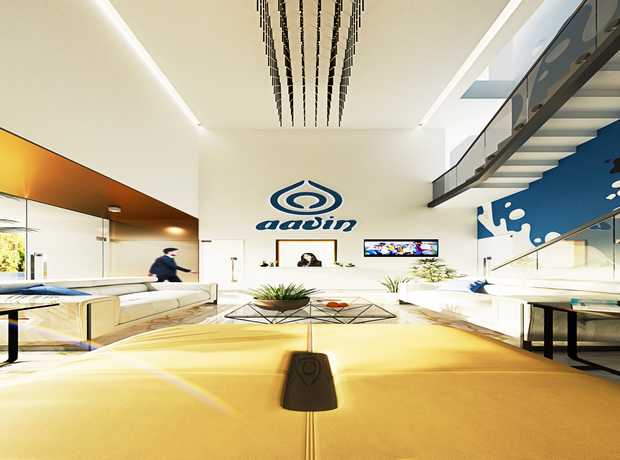
- Enhance Brand Image: The lobby is the physical manifestation of your hotel’s brand identity. It sets the tone and expectations for the entire guest journey. Whether your brand aims for opulent luxury, minimalist chic, vibrant cultural immersion, or cutting-edge modernity, the design of your common areas must authentically reflect this ethos. It’s an opportunity to tell your brand’s story, weaving in elements that speak to your values and target audience. For instance, incorporating local art or traditional motifs can ground a global brand within Bengaluru’s rich cultural tapestry, creating a unique and memorable identity.
- Increase Revenue: A smart design transforms common areas from cost centers into revenue generators. Imagine a lobby that seamlessly integrates a high-end coffee bar, a curated retail pop-up featuring local artisans, or flexible co-working pods equipped with the latest technology. These additions encourage guests to spend more time (and money) within the hotel premises, reducing reliance on external services. Well-designed meeting rooms and versatile pre-function areas can be booked for events, conferences, and private gatherings, tapping into Bengaluru’s vibrant corporate and social event market. By extending dwell time and providing diverse amenities, design directly contributes to the hotel’s bottom line.
- De-risk and Deliver Faster: Professional and comprehensive design, especially through methodologies like Building Information Modeling (BIM), is a powerful de-risking tool. It allows for the anticipation and resolution of potential challenges – from structural conflicts to complex MEP (mechanical, electrical, plumbing) integrations – long before construction begins. This meticulous planning minimizes costly reworks, delays, and budget overruns that are all too common in large-scale construction projects in a bustling city like Bengaluru. A robust design process streamlines procurement, expedites approvals, and ensures a smoother, faster path to project completion and handover. Our experience with BIM‑led coordination, value engineering, and quality control tailored to Bengaluru ensures projects proceed efficiently.
Given these profound benefits, it is unequivocally clear that investing in professional hotel lobby and common area design in Bengaluru is not merely an expense but a strategic, value-adding decision that underpins long-term success and competitiveness.
Comprehensive Checklist for Hotel Lobby and Common Area Design in Bengaluru (2025)
This exhaustive checklist is meticulously structured to cover every critical aspect of hotel lobby and common area design, guiding you from the initial conceptualization stages through to final handover and post-occupancy support. Let’s embark on this detailed journey to ensure excellence in every facet of your project.
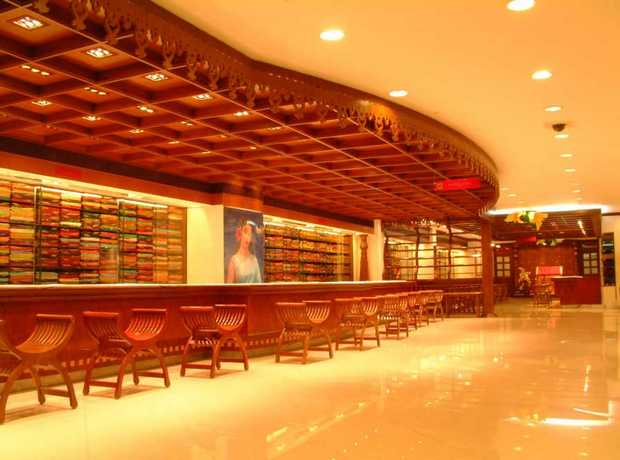
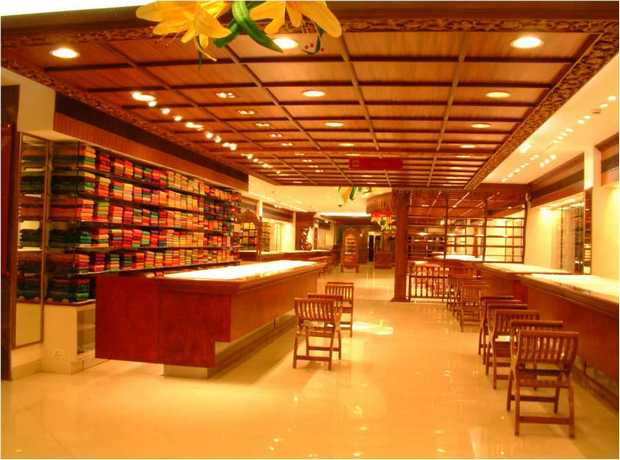
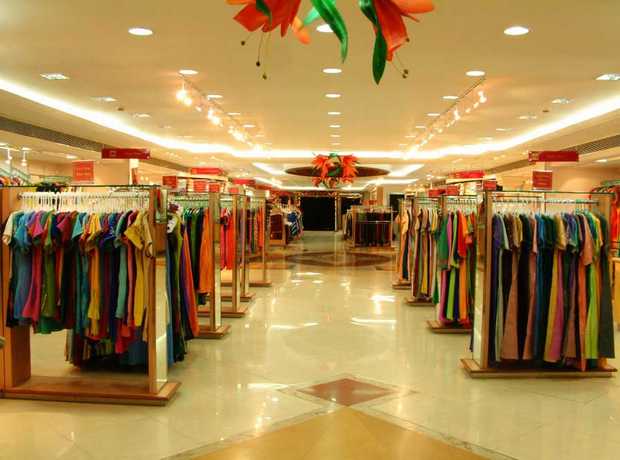
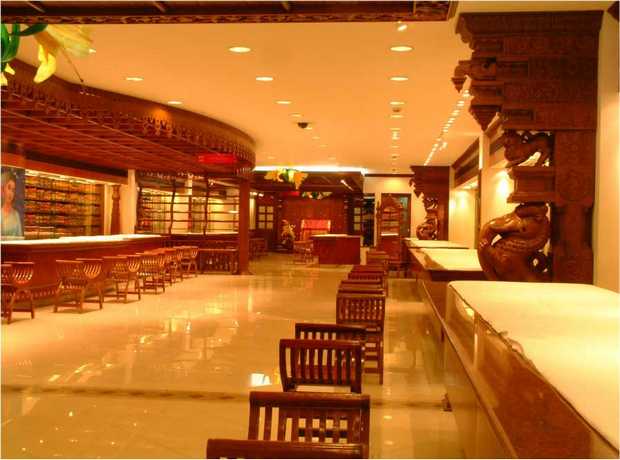
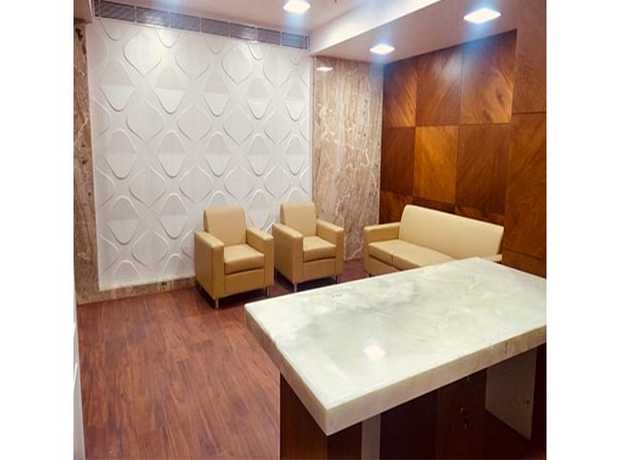
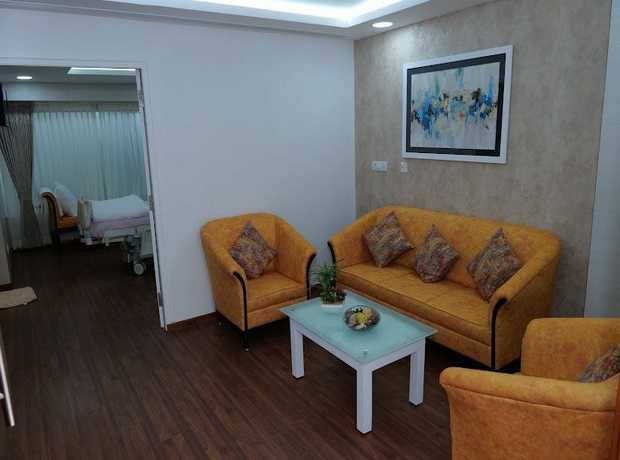
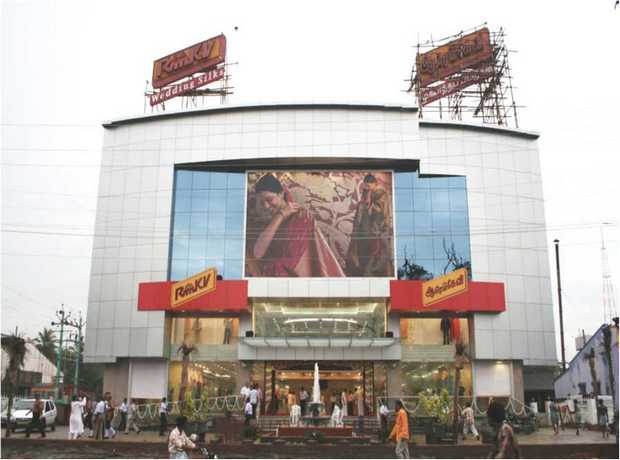
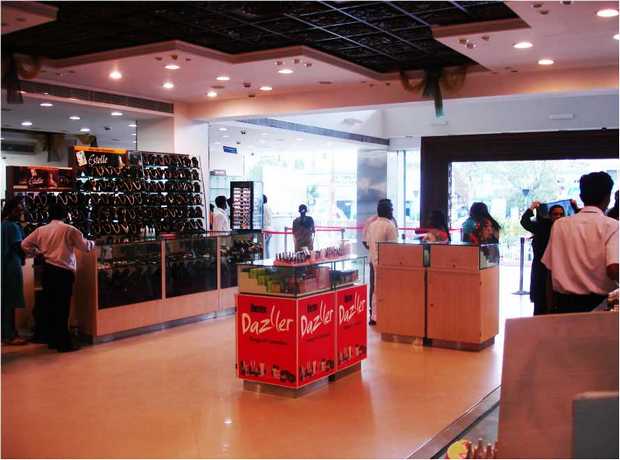
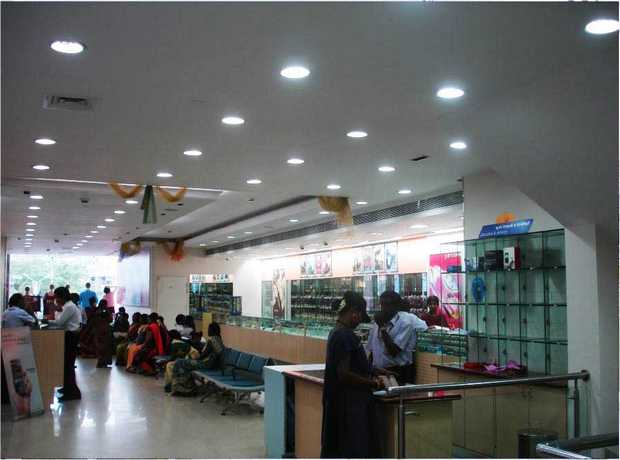
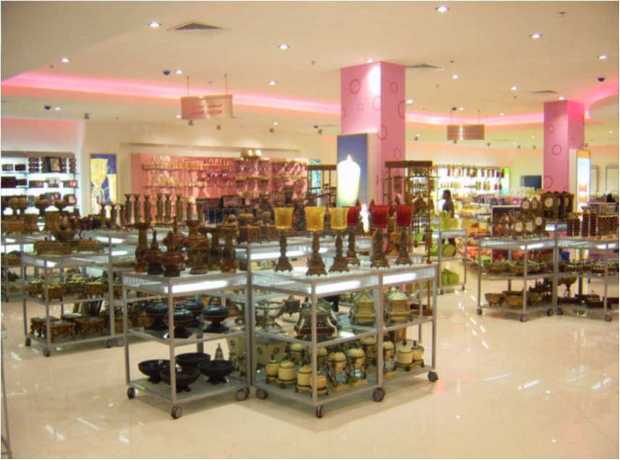
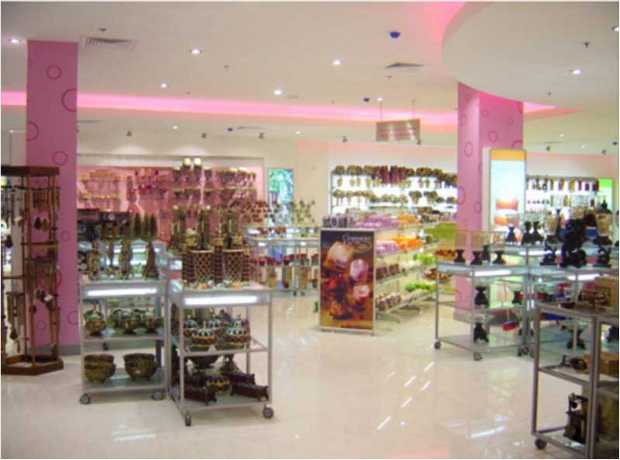
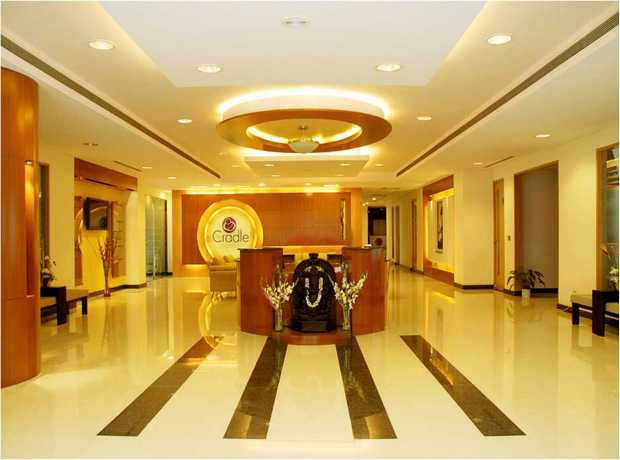
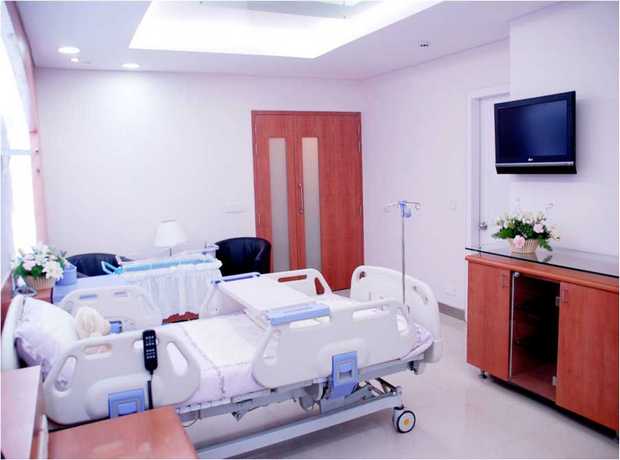
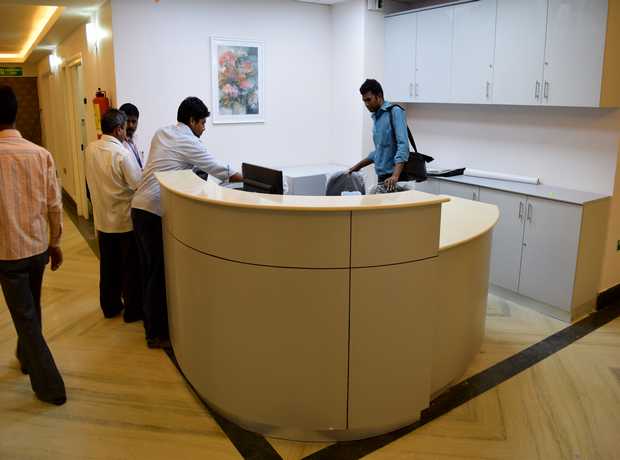
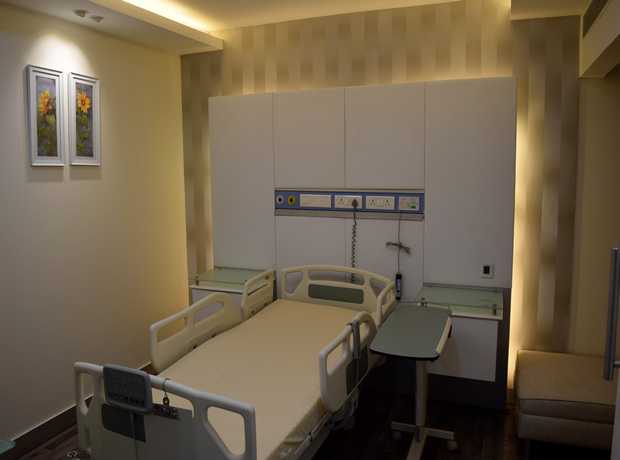
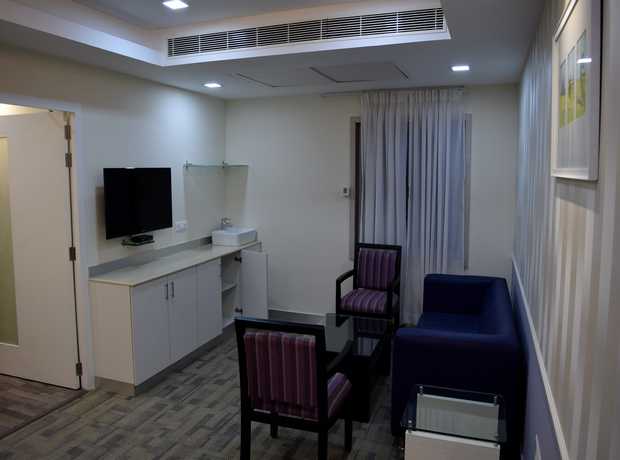

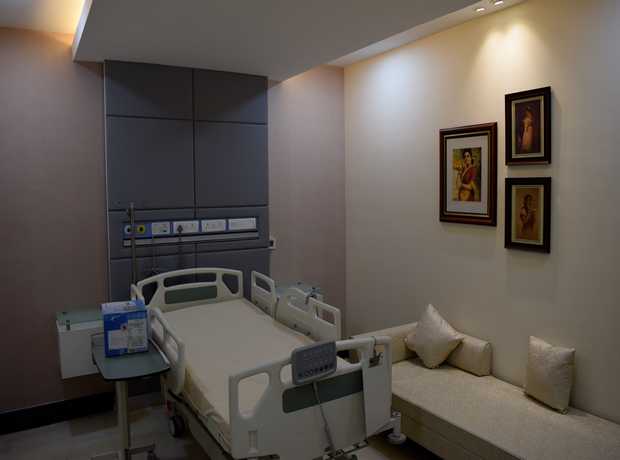
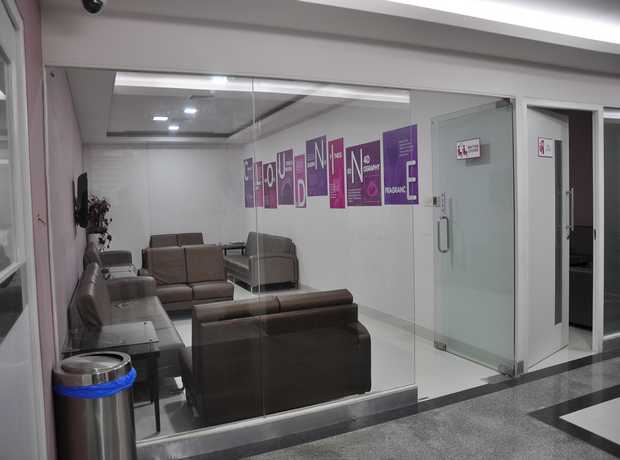
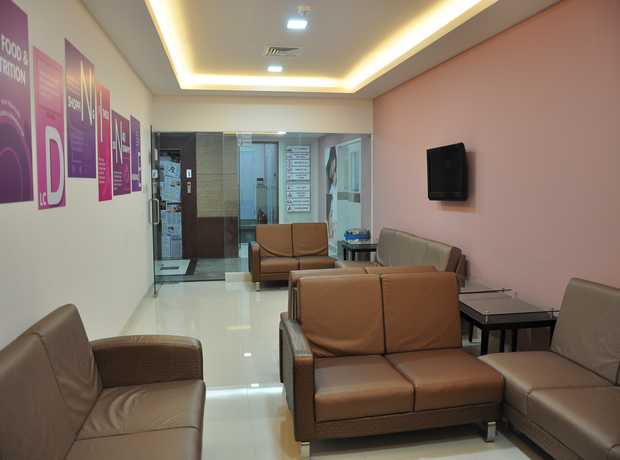
1. Conceptualization and Planning: Laying the Foundation for Success
The initial phase of any design project is arguably the most crucial. It sets the direction, defines the scope, and establishes the parameters for all subsequent stages. Thoughtful planning at this juncture prevents costly revisions and ensures alignment with business objectives.
- Define Target Audience: Who are your ideal guests in Bengaluru? Are they primarily business travelers seeking efficiency and connectivity, luxury tourists desiring bespoke experiences, or families looking for comfort and amenities? Understanding their demographics, psychographics, and specific needs is paramount. This insight informs every design decision, from the choice of furniture and technology to the ambiance and services offered. A hotel catering to tech-savvy millennials might prioritize collaborative workspaces and vibrant social hubs, while one targeting affluent international tourists might emphasize understated luxury and personalized service, perhaps integrating a concierge lounge.
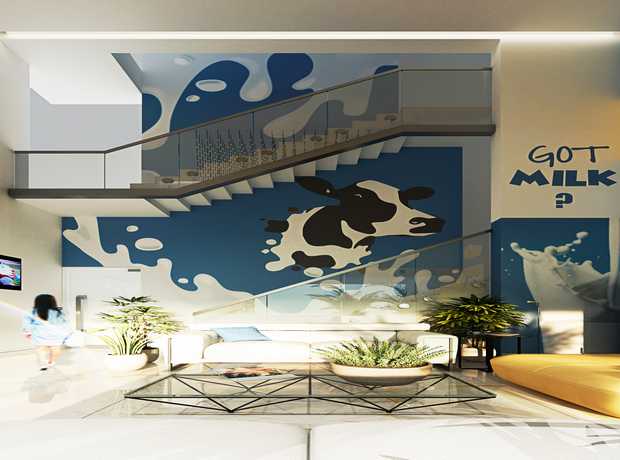
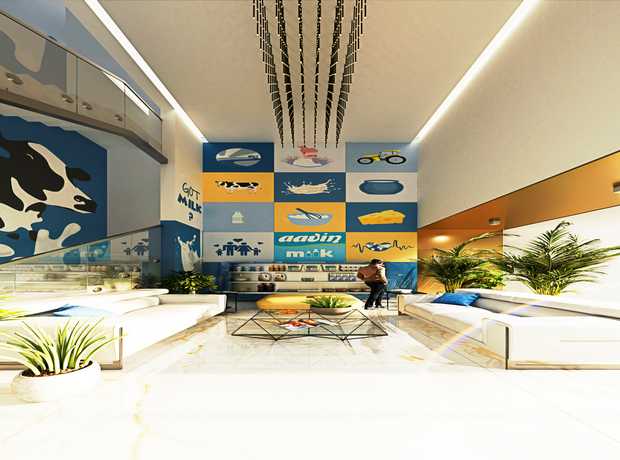
- Establish Design Theme: Develop a cohesive design theme that deeply resonates with your brand identity and appeals to your defined target audience. Consider Bengaluru’s unique cultural tapestry – its garden city aesthetic, its historical palaces, its vibrant street art, or its position as a global tech hub. Can you weave in local elements like traditional Kannada art, indigenous materials, or a biophilic design inspired by its green spaces? A well-executed theme creates a distinctive atmosphere, enhances brand recall, and provides a compelling narrative for your guests. Consistency across all common areas strengthens this theme and provides a seamless guest experience.
- Space Planning: This involves optimizing the physical layout for maximum functionality, seamless guest flow, operational efficiency, and strict adherence to accessibility standards. Key considerations include:
- Zoning: Clearly delineate functional zones such as the reception, concierge desk, main lounge, informal meeting areas, F&B outlets (café, bar), retail spaces, and access points to elevators and other facilities.
- Circulation: Ensure intuitive and unobstructed pathways for guests, staff, and luggage. Avoid bottlenecks and create clear lines of sight.
- Flexibility: Design spaces that can adapt to different uses throughout the day, perhaps transforming a morning breakfast area into an afternoon co-working space or an evening cocktail lounge.
- Back-of-House Integration: Seamlessly integrate necessary operational areas like baggage storage, staff entrances, and service corridors without compromising guest experience.
- Accessibility: From the outset, plan for ramps, wide doorways, accessible restrooms, and clear circulation paths to accommodate guests with diverse mobility needs, in full compliance with local and national regulations.
- Budget Allocation: Develop a realistic and detailed budget encompassing all aspects: design fees, material procurement, construction costs, furniture, fixtures, and equipment (FF&E), technology infrastructure, artwork, and contingency. Early and accurate budgeting is critical for managing expectations and avoiding financial pitfalls. Prioritize elements that offer the highest return on investment or have the greatest impact on guest experience. Consider sustainable materials and energy-efficient systems as long-term cost-savers.
- Regulatory Compliance: This is non-negotiable, especially in a dynamic urban environment like Bengaluru. Ensure absolute adherence to all local building codes (e.g., National Building Code of India, specific BBMP regulations), fire safety norms, seismic safety standards, and accessibility regulations (e.g., Harmonized Guidelines and Standards for Persons with Disabilities). Engaging with local authorities and obtaining all necessary permits and approvals early in the process is crucial to prevent delays and legal complications. Our team possesses the local knowledge necessary to navigate these complexities effectively.
2. Design and Material Selection: Crafting the Guest Experience
Once the conceptual framework is established, the focus shifts to the tangible elements that guests will interact with. Material choices, lighting, and furniture collectively shape the ambiance and functionality of the common areas.
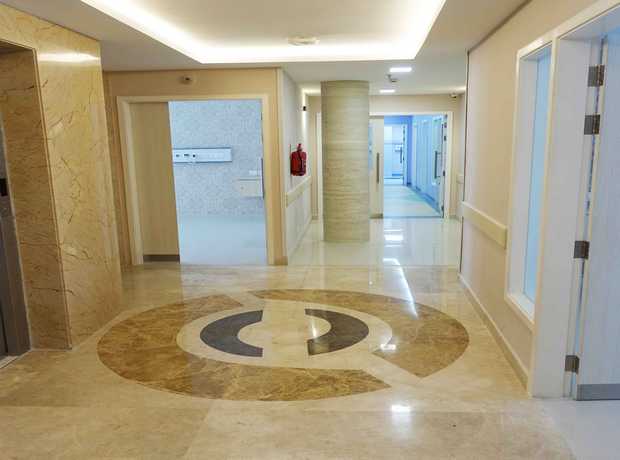
- Flooring: In high-traffic zones like a hotel lobby, durability, ease of maintenance, and aesthetic appeal are paramount. Options range from polished granite and marble, which exude luxury and are highly durable, to engineered wood or high-quality Luxury Vinyl Tile (LVT) for warmth and resilience. Carpet in lounge areas can enhance acoustics and comfort. When selecting, consider local sourcing options within Bengaluru or Karnataka to support the regional economy, reduce transportation costs, and potentially accelerate procurement. Ensure slip resistance and impact absorption where appropriate.
- Lighting: A sophisticated lighting scheme is transformative. It’s not just about illumination but about creating mood, highlighting architectural features, and enhancing safety. Employ a layered approach:
- Ambient Lighting: General illumination, often from recessed fixtures or architectural lighting.
- Accent Lighting: To highlight artwork, architectural details, or specific features.
- Task Lighting: For functional areas like the reception desk, reading nooks, or business centers.
- Decorative Lighting: Chandeliers, pendants, and lamps that serve as focal points.
Prioritize energy-efficient LED lighting and integrate smart controls to adapt to natural daylight and occupancy, significantly reducing energy consumption and operational costs.
- Furniture: Select furniture that is not only stylish and congruent with the design theme but also exceptionally comfortable, durable, and easy to maintain. In a bustling city like Bengaluru, furniture must withstand constant use. Provide a variety of seating options – plush sofas, armchairs, high-backed privacy chairs, and communal tables – to cater to different guest needs, from solo travelers working on laptops to groups socializing. Consider modular pieces for flexibility and bespoke designs to add a unique touch. Ergonomics and material quality are critical for long-term satisfaction.
- Wall Finishes: Walls are canvases for expressing your brand’s aesthetic. Options include durable paints, elegant wallpapers, stone cladding, wooden panels, or integrated art installations. Consider accent walls with unique textures or materials to create focal points. Incorporate vertical gardens or living walls to bring biophilic elements indoors, particularly appealing in the ‘Garden City’ context. Finishes should be selected for durability, ease of cleaning, and their contribution to the overall acoustic and visual comfort of the space.
- Acoustics: In open-plan lobbies and common areas, managing noise is crucial for creating a peaceful and comfortable environment. Hard surfaces can lead to excessive reverberation. Incorporate acoustic solutions such as sound-absorbing ceiling panels, upholstered furniture, strategically placed rugs, acoustic wall treatments, and even well-designed spatial zoning to mitigate noise. This ensures conversations remain private and the general ambiance is conducive to relaxation and productivity.
- Technology Integration: Seamless integration of modern technology is no longer a luxury but a fundamental expectation. Plan for robust, high-speed Wi-Fi connectivity throughout all common areas. Include ample, easily accessible charging stations (USB ports, wireless charging pads) near seating areas. Integrate digital displays for wayfinding, local information, hotel services, and brand messaging. Consider smart check-in kiosks, digital concierge services, and even IoT-enabled climate control for enhanced guest convenience and operational efficiency.
3. Accessibility and Inclusivity: Design for Everyone
Designing for accessibility and inclusivity ensures that all guests, regardless of their physical abilities or age, can navigate and enjoy the hotel’s common areas with ease and dignity. This is a moral imperative and often a legal requirement.
- Ramps and Elevators: Ensure all changes in elevation are addressed with appropriate ramps or accessible elevators. Ramps must comply with specified slopes (e.g., a maximum slope of 1:12), have handrails on both sides, and feature adequate landing areas. Elevators should be sufficiently spacious for wheelchairs, have tactile buttons, audible announcements, and be clearly marked.
- Accessible Restrooms: Provide clearly marked, accessible restrooms equipped with appropriate grab bars, low-level sinks, easy-to-operate fixtures, wider doorways, and emergency call buttons. The layout should allow for easy maneuverability of wheelchairs.
- Clear Signage and Wayfinding: Implement clear, concise, and universally understandable signage throughout the lobby and common areas. This includes tactile and Braille signage where appropriate, high-contrast text and backgrounds, and easily legible fonts. Effective wayfinding design is critical; it reduces stress and empowers guests to navigate independently. Digital wayfinding solutions can complement physical signage, offering interactive maps and multilingual options.
- Assistive Listening Devices: Consider providing assistive listening devices (ALDs) in areas where verbal communication is important, such as the reception desk, business center, or meeting rooms. This enhances the experience for guests with hearing impairments, ensuring they can fully participate and engage.
- Universal Design Principles: Beyond specific features, adopt a universal design philosophy that aims to create spaces usable by the widest range of people possible, without the need for adaptation or specialized design. This includes aspects like intuitive layouts, comfortable heights for counters, and non-glare finishes.
4. Sustainability and Environmental Considerations: Building a Greener Future
Sustainability is no longer a niche concept but a core principle of responsible development, particularly relevant in a rapidly developing city like Bengaluru that faces environmental pressures. Incorporating green practices not only reduces environmental impact but also enhances the hotel’s brand reputation and often leads to long-term operational cost savings.
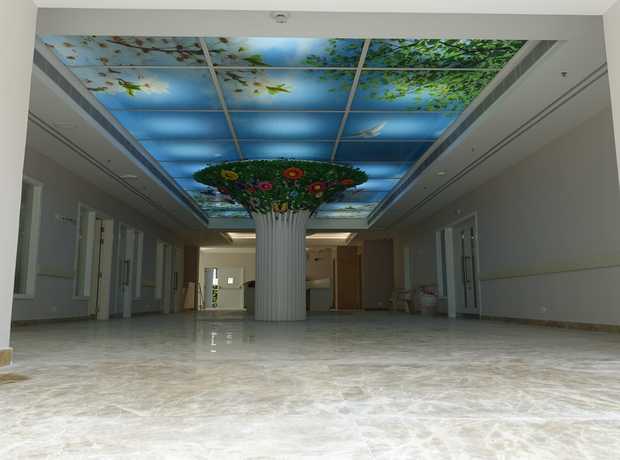
- Energy-Efficient Lighting: Beyond LED lighting, integrate smart lighting controls that dynamically adjust intensity based on natural daylight availability and occupancy. Implement daylight harvesting strategies, maximizing the use of natural light through well-placed windows and skylights, reducing reliance on artificial illumination during the day.
- Water Conservation: Install water-efficient fixtures (low-flow faucets, toilets, and showers) in all restrooms and public areas. Explore advanced systems like greywater recycling for irrigation or toilet flushing, and implement rainwater harvesting mechanisms to supplement non-potable water needs. Consider drought-resistant landscaping for exterior common areas.
- Sustainable Materials: Prioritize materials with a low environmental footprint. This includes locally sourced materials (reducing transportation emissions), materials with high recycled content, rapidly renewable resources (like bamboo or cork), and materials certified for responsible sourcing (e.g., FSC-certified wood). Specify low-VOC (Volatile Organic Compound) paints and finishes to improve indoor air quality, which is crucial for guest and staff health.
- Waste Management: Design integrated and intuitive waste management systems. Provide clearly labeled recycling bins for different waste streams (plastics, paper, glass, organic waste) throughout common areas. Implement composting programs for food waste from F&B outlets and aim to reduce single-use plastics across the property. Partner with local recycling and waste disposal facilities that align with sustainable practices.
- Indoor Air Quality (IAQ): Ensure robust ventilation systems that provide adequate fresh air changes. Utilize air purification systems and specify materials that do not off-gas harmful chemicals, contributing to a healthier environment for guests and staff.
- Green Building Certifications: Consider pursuing green building certifications like LEED (Leadership in Energy and Environmental Design) or IGBC (Indian Green Building Council) certification. These provide a structured framework for sustainable design and construction and offer credible validation of your commitment to environmental stewardship.
5. Project Management and Execution: Bringing the Vision to Life
Even the most brilliant design concept requires rigorous project management and flawless execution to become a reality. This phase ensures that the design vision is translated into a high-quality physical space, on time and within budget, especially crucial for hotel projects in Bengaluru’s competitive market.
- BIM-Led Coordination: Utilize Building Information Modeling (BIM) as the central platform for project coordination. BIM facilitates intelligent 3D modeling, allowing architects, interior designers, structural engineers, and MEP consultants to collaborate seamlessly in a unified digital environment. This proactively identifies and resolves potential clashes (e.g., pipes conflicting with structural beams) before construction begins, saving significant time and cost. Our expertise includes BIM‑led coordination, value engineering, and quality control tailored to Bengaluru, ensuring efficient project delivery from concept to completion.
- Value Engineering: Conduct thorough value engineering exercises throughout the design process. This involves systematically analyzing design components, materials, and construction methods to identify cost-saving opportunities without compromising the desired quality, aesthetics, or functionality. It’s about optimizing value, not simply cutting costs. For example, exploring alternative, equally durable and attractive local materials that are more cost-effective than imported ones.
- Quality Control: Implement rigorous quality control measures at every stage. This includes detailed material specifications, mock-up reviews for critical elements, regular inspections of work-in-progress, and adherence to established quality benchmarks. A strong quality control plan minimizes defects, ensures longevity, and upholds the hotel’s brand standards.
- Regular Site Inspections: Conduct frequent and documented site inspections by the design team and project managers. These inspections verify that construction is proceeding according to approved drawings, specifications, and quality standards. Any deviations or issues are identified and addressed promptly, preventing escalation.
- Communication and Collaboration: Foster open, transparent, and continuous communication among all stakeholders – the client, design team, contractors, vendors, and regulatory bodies. Establish clear channels of communication, regular progress meetings, and detailed reporting to ensure everyone is aligned, informed, and working towards the common goal. This collaborative approach minimizes misunderstandings and streamlines decision-making, ensuring that the end‑to‑end delivery for hotel lobby and common area design — strategy, design, construction and handover in Bengaluru is a smooth and successful process.
Why Choose Skydome Designs for Your Bengaluru Hotel Lobby and Common Area Design Project?
Choosing the right design partner is paramount for the success of your hotel project in Bengaluru. At Skydome Designs Pvt Ltd, we bring nearly 30 years of unparalleled expertise in architecture and interior design to every project. We possess an intimate understanding of the unique dynamics and specific needs of the Bengaluru hospitality market, and we are unwavering in our commitment to delivering innovative, sustainable, and supremely functional spaces that elevate guest experiences and drive commercial success.
Our track record speaks volumes: we have delivered 2038+ hotel lobby and common area design assignments across Bengaluru and globally over 12+ years. On‑time delivery 99%, multi‑disciplinary reviews, and post‑occupancy support underpin outcomes. This extensive experience, combined with a deep understanding of local regulations and global design trends, positions us as the ideal partner for your next project.
What We Offer:
- End-to-End Delivery: From initial strategic planning and conceptual design to meticulous construction oversight and final handover, we provide complete, integrated project management. This holistic approach ensures seamless coordination and accountability across all phases, guaranteeing that your vision is realized exactly as intended.
- Experienced In-House Team: Our strength lies in our multidisciplinary, in-house team comprising highly skilled architects, innovative interior designers, seasoned project managers, and dedicated healthcare planners. This collective expertise, honed over decades, allows us to tackle complex challenges with creative and practical solutions, ensuring every detail is meticulously planned and executed.
- Award-Winning Designs: We are passionate about creating spaces that are not only visually stunning and aesthetically compelling but also exceptionally functional and user-centric. Our commitment to design excellence has earned us industry recognition, reflecting our ability to craft environments that captivate and perform.
- Sustainable Solutions: As advocates for responsible design, we embed sustainable practices into the core of every project. We prioritize eco-friendly materials, energy-efficient systems, and water conservation strategies, aiming to minimize environmental impact while maximizing long-term operational savings for your hotel.
- Proven Track Record: With over 2038+ successful hotel lobby and common area design assignments completed across Bengaluru and worldwide, our portfolio demonstrates our capability to deliver exceptional results consistently. Our experience spans diverse project scales and complexities, affirming our position as a leader in the field.
- On-Time Delivery: We understand the critical importance of timelines in the hospitality industry. Our impressive 99% on-time delivery rate is a testament to our robust project management methodologies, efficient workflow, and proactive problem-solving, ensuring your project opens on schedule.
- Multi-Disciplinary Reviews: Our rigorous internal review process involves expert scrutiny from various disciplines. This comprehensive oversight ensures design integrity, technical feasibility, regulatory compliance, and optimal functionality, leading to a polished and perfected final design.
- Post-Occupancy Support: Our commitment extends beyond project completion. We provide ongoing post-occupancy support, ensuring that your space continues to meet your evolving needs and performs optimally. We are dedicated to your long-term success and satisfaction.
Contact us today to discuss your Bengaluru hotel lobby and common area design project! We are your trusted Bengaluru hotel lobby and common area design company, ready to transform your vision into an unforgettable reality.
Call us at +91 7299072144 or email us at info@skydomedesigns.com.
FAQ: Hotel Lobby and Common Area Design in Bengaluru
Here are some frequently asked questions about hotel lobby and common area design in Bengaluru, offering further insights into key aspects of hospitality design:
What are the key considerations for hotel lobby design in Bengaluru?
Key considerations are multifaceted and include a deep understanding of the specific target audience (e.g., tech professionals, tourists, families), establishing a unique design theme that resonates with both the brand and Bengaluru’s local culture, optimizing space for seamless functionality and guest flow, ensuring robust security measures, and strictly adhering to all local building codes, fire safety regulations, and accessibility standards. Furthermore, integrating smart technology and sustainable practices from the outset is crucial for long-term success in this competitive market.
How can I ensure my hotel lobby design is sustainable?
To ensure a sustainable hotel lobby design, implement a holistic strategy focusing on energy efficiency through LED lighting with smart controls and daylight harvesting; water conservation via low-flow fixtures and potentially greywater recycling; prioritizing the use of sustainable, locally sourced, recycled, and rapidly renewable materials; and incorporating comprehensive waste management and recycling systems. Additionally, ensure excellent indoor air quality through proper ventilation and low-VOC materials. Partnering with a design firm like Skydome Designs that specializes in sustainable practices and green building certifications (like LEED or IGBC) can provide invaluable expertise.
What is the typical cost of designing a hotel lobby in Bengaluru?
The cost of designing a hotel lobby in Bengaluru can vary significantly. It depends on numerous factors, including the size and scale of the lobby and common areas, the complexity and bespoke nature of the design, the quality and type of materials chosen (e.g., imported marble vs. local granite), the extent of technology integration, the scope of services required from the design firm (e.g., conceptual design vs. full turnkey solution), and the overall brand positioning (luxury vs. budget). For an accurate and customized quote tailored to your specific project requirements, it is best to contact Skydome Designs for a detailed consultation.
What are current trends in hotel lobby design in Bengaluru?
Current trends in Bengaluru’s hotel lobby design lean towards hybrid spaces that blend functionality with comfort. This includes more flexible, multi-functional zones that can transform from co-working spaces to social hubs; integration of biophilic design elements like vertical gardens and natural light to create calming environments; an emphasis on local art and craftsmanship to provide a unique sense of place; seamless technology integration for check-in, wayfinding, and connectivity; and a strong focus on sustainability. Personalized guest experiences and immersive design narratives are also gaining prominence.
How does local expertise impact a hotel design project in Bengaluru?
Local expertise is absolutely crucial for hotel design projects in Bengaluru. A firm with local knowledge understands the nuances of the city’s specific building codes, municipal regulations (BBMP), fire safety requirements, and environmental considerations. They are familiar with local material suppliers, skilled artisans, and construction practices, which can lead to cost efficiencies and faster project execution. Moreover, local expertise enables the integration of authentic cultural elements and a design aesthetic that resonates deeply with the local context and target audience, ensuring both compliance and market relevance.
What are the key elements of hospital interior design?
Key elements of hospital interior design are centered on patient well-being, operational efficiency, and stringent safety standards. These include patient-centric design principles that prioritize comfort, privacy, and healing environments; rigorous infection control strategies through material selection and layout; efficient workflow optimization for medical staff; clear and intuitive wayfinding; and creating psychologically supportive spaces that reduce stress for patients, visitors, and staff. As hospital experts, we ensure these elements are thoughtfully integrated.
How important is wayfinding in a hospital setting?
Wayfinding is critically important in a hospital setting. Complex hospital environments can be disorienting and stressful. Effective wayfinding systems – through clear signage, intuitive spatial layouts, visual cues, and even digital tools – enable patients, visitors, and staff to easily navigate to their destinations. This reduces anxiety, saves time, improves patient satisfaction, and enhances operational efficiency by minimizing confusion and delays. As a leading healthcare architect, we place immense importance on intuitive wayfinding in all our healthcare projects, including OT design.
What is the typical timeline for a hotel lobby design project?
The timeline for a hotel lobby design project in Bengaluru can vary widely depending on its scale and complexity. For a renovation of an existing lobby, it might range from 6 to 12 months, including design, approvals, and construction. For a new build or a more extensive redesign, it could be 12 to 24 months or more. This timeline factors in conceptualization, detailed design development, material procurement, regulatory approvals, contractor selection, and the construction and fit-out phases. Engaging a firm like Skydome Designs with a proven 99% on-time delivery rate can significantly help in adhering to project schedules.
Conclusion
Designing a truly successful hotel lobby and common areas in Bengaluru is a multifaceted endeavor that demands careful planning, an unwavering commitment to detail, and a deep understanding of both global design trends and local market nuances. It’s about crafting spaces that are not only visually stunning but also exceptionally functional, compliant with regulations, sustainable, and deeply connected to the guest experience. By meticulously following this comprehensive checklist and forming a strategic partnership with experienced professionals like Skydome Designs, you can confidently create an environment that not only enhances the guest journey but also powerfully strengthens your brand, optimizes operational efficiency, and ultimately drives significant revenue.
As Bengaluru’s hospitality sector continues its ascent, setting new benchmarks in design and guest experience is paramount. We, as hospital experts in creating functional and aesthetically pleasing spaces, understand that attention to detail, innovative solutions, and a guest-centric approach are critical to success.
Ready to transform your hotel lobby and common areas into iconic, revenue-generating spaces in Bengaluru? Contact Skydome Designs today for a personalized consultation. Let our nearly 30 years of expertise and proven track record guide your next project to unparalleled success. Call +91 7299072144 or email info@skydomedesigns.com.
About Skydome Designs Pvt Ltd
Skydome Designs Pvt Ltd is a leading and award-winning architecture and interior design firm in India, boasting nearly three decades of unparalleled expertise. Specializing in highly complex and critical environments such as hospital and healthcare interiors, alongside sophisticated residential, and vibrant retail projects, we deliver innovative, sustainable, and functional spaces that dramatically enhance experiences and optimize operational efficiency. Our commitment to excellence, meticulous attention to detail, and client-centric approach have established us as a trusted partner across diverse sectors.
What We Do
- Hospital Interior Design: From cutting-edge patient rooms, intensive care units (ICUs), and state-of-the-art operation theatres (OTs) to advanced laboratories, comfortable consultation areas, and comprehensive facility planning, we design for optimized patient care and efficient medical workflows. Our expertise as a healthcare architect ensures compliance and innovation in every project.
- Residential Projects: We craft inspiring and comfortable living spaces, including luxurious apartments, exclusive luxury condos, specialized senior housing facilities, and community-focused residential interiors, each tailored to client aspirations and lifestyle needs.
- Retail & Commercial Design: Our portfolio spans from expansive shopping malls and dynamic mixed-use developments to corporate offices and engaging entertainment centers, all designed to maximize engagement, brand presence, and commercial success.
- Interior Solutions: We provide comprehensive interior design solutions, encompassing strategic space planning, elegant furniture layouts, sophisticated lighting design, and full turnkey interior execution, ensuring a seamless journey from concept to reality.
Why Choose Us
- 29+ Years of Expertise: With almost three decades of experience, we bring a wealth of knowledge and insights gained from projects across India and internationally.
- Integrated In-House Team: Our dedicated in-house team of architects, specialized healthcare planners, and experienced project managers collaborate seamlessly, ensuring integrated design and efficient project delivery.
- Award-Winning, Client-Focused, and Sustainable Designs: We are recognized for our innovative, client-centric, and environmentally responsible designs that consistently exceed expectations and deliver exceptional value.
- Global Standards, Local Execution: Our projects are delivered on-time, within budget, and to the highest global standards of quality and functionality, while leveraging local expertise for efficient execution.
📞 Contact: +91 7299072144 | ✉️ Email: info@skydomedesigns.com