As New York City continues its rapid growth and diverse demographic evolution, ensuring robust and comprehensive accessibility in all buildings becomes not just a legal mandate but a fundamental societal imperative. The year 2025 brings with it a renewed focus on stricter codes, heightened user expectations, and a deeper understanding of universal design principles, all of which demand meticulous, timely, and budget-conscious accessibility planning. Building owners, developers, and project managers often grapple with the complexity of these requirements. The looming question is: how can you achieve compliance, foster inclusivity, and create truly accessible environments without incurring prohibitive costs or falling behind schedule?
This comprehensive guide, brought to you by Skydome Designs – a leading name in innovative and accessible interior design and planning – will walk you through proven, actionable strategies for delivering superior accessibility planning for all buildings in New York. Our insights are grounded in nearly three decades of experience, ensuring your projects are not only compliant but also enhance user experience and operational efficiency, all while staying on-time and on-budget.
Understanding the Landscape of Accessibility Planning for All Buildings in New York
The demand for robust accessibility planning for all buildings in New York is surging, propelled by a confluence of evolving federal, state, and local regulations, coupled with an increasing societal awareness of the profound importance of inclusivity. Navigating this intricate web of legal mandates, design specifications, and construction requirements can be a daunting challenge for even the most seasoned professionals. However, with the right expertise and strategic approach, it becomes an opportunity to create spaces that serve everyone. Skydome Designs, leveraging nearly 30 years of unparalleled experience in the New York market and beyond, offers the critical expertise needed to navigate these complexities, creating truly accessible spaces that not only meet stringent legal requirements but also genuinely cater to diverse user needs and aspirations.
The Evolving Regulatory Framework and Its Impact
New York, a global hub, is at the forefront of accessibility legislation. The regulatory landscape includes the foundational Americans with Disabilities Act (ADA), which sets national minimum standards, alongside the specific mandates of the New York State Uniform Fire Prevention and Building Code (NYS UBC) and the New York City Building Code (NYC BC). These local codes often introduce requirements that exceed federal standards, reflecting the city’s commitment to inclusivity. Understanding the nuances of these overlapping regulations – from specific dimensions for ramps and doorways to requirements for visual and tactile signage – is paramount. Ignoring these details can lead to costly redesigns, construction delays, and potential legal challenges, making proactive and expert-led planning an invaluable asset.





Demographic Shifts and the Growing Need for Universal Design
Beyond legal compliance, the increasing demand for accessibility is driven by significant demographic shifts. New York’s population is aging, with a growing number of individuals who may experience age-related mobility or sensory impairments. Furthermore, there is a heightened awareness and advocacy from disability communities, emphasizing the rights and needs of all individuals to access public and private spaces equally. This societal shift is pushing the concept of accessibility planning beyond mere minimum compliance towards universal design – an approach that aims to create environments usable by all people, to the greatest extent possible, without the need for adaptation or specialized design. Embracing universal design from the outset positions buildings for long-term relevance and broad appeal.
Why is Accessibility Planning So Important? Beyond Compliance
While legal mandates like the Americans with Disabilities Act (ADA) and New York’s stringent building codes provide the foundational impetus, the significance of accessibility planning for all buildings in New York extends far beyond mere compliance. It’s an investment in inclusivity, social equity, and the long-term viability and value of a property. Proactive accessibility planning minimizes costly retrofits and future legal complications, but its benefits ripple through communities in myriad ways.
1. Fostering True Inclusivity and Social Equity
At its heart, accessibility planning is about dignity and equality. It ensures that every individual, regardless of their physical or cognitive abilities, can fully utilize, participate in, and enjoy buildings and the services they house. This includes people using wheelchairs, those with visual or hearing impairments, individuals with temporary injuries, parents with strollers, and even delivery personnel navigating a building. When a building is truly accessible, it becomes a space for everyone, dismantling barriers and fostering a more equitable and welcoming society. It acknowledges that disability is not a personal deficit, but often a result of an inaccessible environment.
2. Enhancing User Experience and Broadening Market Reach
An accessible building is inherently a better building for a wider range of users. Thoughtful design that incorporates universal principles enhances the experience for *all* occupants. For businesses, this translates directly into a broader customer base and enhanced employee satisfaction. A retail space with clear pathways, accessible changing rooms, and easy-to-read signage welcomes more shoppers. An office building with inclusive workstations and accessible common areas attracts diverse talent and improves employee retention. In residential contexts, accessible units appeal to a broader market, including families with young children, older adults seeking to age in place, and individuals with disabilities, thereby increasing property value and marketability.
3. Mitigating Legal Risks and Financial Liabilities
Ignoring or inadequately addressing accessibility requirements in New York exposes building owners and developers to significant legal and financial risks. Lawsuits related to ADA non-compliance are common and can result in substantial penalties, legal fees, and mandated retrofits that are often far more expensive than integrating accessibility during initial design and construction. Proactive planning eliminates these potential pitfalls, ensuring peace of mind and protecting your investment. Engaging experts like Skydome Designs ensures that all federal, state, and local codes are meticulously adhered to, significantly reducing the likelihood of future litigation.
4. Boosting Reputation and Brand Value
In today’s socially conscious marketplace, a commitment to accessibility is a powerful differentiator. Companies and property owners known for their inclusive environments gain a positive reputation, attracting tenants, customers, and partners who value social responsibility. This enhances brand image, builds trust, and demonstrates a forward-thinking approach to community engagement. Conversely, buildings perceived as inaccessible can suffer reputational damage, deterring potential users and impacting their long-term success.
5. Cost-Effectiveness Through Proactive Design
While the initial thought of extensive accessibility features might conjure images of increased costs, the reality is that integrating accessibility from the conceptual design phase is almost always more cost-effective than undertaking retrofits later. Retrofitting often involves demolishing existing structures, rerouting utilities, and working around operational constraints, leading to significant disruptions and inflated expenses. By contrast, designing for accessibility from the ground up allows for seamless integration of features, optimizing material use, construction efficiency, and overall project budget. Skydome Designs’ approach, focused on transparent costs and milestone-based reporting, ensures that accessibility is planned efficiently and economically.
Key Strategies for On-Time and On-Budget Accessibility Planning in New York
Delivering successful accessibility planning for all buildings in New York requires a strategic, integrated, and proactive approach. Merely ticking boxes is insufficient; true success lies in seamless integration, foresight, and expert collaboration. Here are key steps to ensure your project stays on track, within budget, and achieves genuine inclusivity:
1. Early Engagement of Experts: The Foundation of Success
The single most critical step in achieving on-time and on-budget accessibility planning is to partner with a qualified New York accessibility planning for all buildings company like Skydome Designs from the absolute outset of your project. This means engaging experts not just during the final review stages, but during conceptualization, feasibility studies, and schematic design. Their involvement at these early phases is invaluable because:
- Proactive Problem Identification: Experienced accessibility consultants can identify potential barriers, code compliance issues, and design challenges long before they become expensive construction problems. This foresight allows for design modifications that are significantly less costly and disruptive than changes during or after construction.
- Cost-Effective Solutions: Early engagement enables the development of integrated, cost-effective accessibility solutions. Instead of adding expensive ramps as an afterthought, an expert can help design a natural grade transition or incorporate an elegant, accessible elevator from day one, often at a lower overall cost. They understand value engineering within an accessibility framework.
- Comprehensive Code Interpretation: New York’s accessibility codes are complex and constantly evolving. Experts possess in-depth knowledge of federal (ADA), state (NYS UBC), and local (NYC BC) requirements, ensuring that all aspects of your design meet or exceed the necessary standards. This prevents costly misinterpretations and ensures long-term compliance.
- Holistic Design Integration: Accessibility should not be an add-on; it should be an integral part of the overall design aesthetic and functionality. Early collaboration ensures that accessible features are seamlessly woven into the architectural and interior design, enhancing the user experience without compromising aesthetics.
Skydome Designs, with a track record of delivering over 2353 accessibility planning assignments across New York and globally over 29+ years, brings this critical early expertise to the table. Our award-winning team provides global design standards with local code expertise in New York, ensuring your project benefits from both innovation and strict adherence to regulations. Contact us today for an initial consultation and let us demonstrate the power of proactive expert engagement!
2. Thorough Assessment and Planning: Laying the Groundwork
Once experts are engaged, the next crucial step is a meticulous and comprehensive assessment of the building’s current state (for renovations) or the proposed design (for new construction). This thorough process forms the bedrock of an effective accessibility plan.
- Detailed Accessibility Audit: For existing buildings, a comprehensive audit by a qualified expert is essential. This involves a systematic review of the entire premises – from site access and parking to entrances, common areas, restrooms, emergency exits, and specific programmatic spaces. The audit identifies existing barriers, assesses their severity, and documents non-compliance issues against applicable codes.
- Understanding Diverse User Needs: True accessibility goes beyond minimum code compliance. It involves understanding the diverse needs of potential users. This might include considerations for individuals with sensory impairments (visual, auditory), cognitive disabilities, mobility challenges, and even temporary conditions. User group consultations, where appropriate, can provide invaluable insights.
- Developing a Detailed Action Plan: Based on the assessment, a clear, prioritized plan of action is developed. This plan outlines specific interventions, design modifications, material selections, and technological integrations required to achieve full accessibility. It should include timelines, responsible parties, and estimated costs for each phase, fostering a structured approach to implementation.
- Leveraging Technology: Modern accessibility planning increasingly utilizes Building Information Modeling (BIM) and other design software. These tools can simulate accessible routes, test clearances, and visualize how proposed changes will function, allowing for iterative design and optimization before construction begins.
3. Clear Scope Definition: Preventing Scope Creep
Ambiguity is the enemy of on-budget and on-time project delivery. Defining the scope of work precisely and comprehensively is non-negotiable for accessibility planning. This involves:
- Specific Deliverables: Clearly outlining all expected deliverables, such as detailed design drawings, specifications, audit reports, compliance certifications, and post-occupancy review plans.
- Defined Timelines and Milestones: Establishing realistic project timelines with clear milestones for each phase of the accessibility planning process, from initial assessment to final review. Skydome Designs offers milestone-based reporting in New York, ensuring transparency and accountability at every stage.
- Roles and Responsibilities: Explicitly assigning roles and responsibilities to all stakeholders – including the client, architects, contractors, and accessibility consultants. This prevents confusion and ensures accountability.
- Change Management Protocol: Establishing a clear process for managing any necessary changes to the scope of work. This ensures that any adjustments are documented, approved, and their impact on budget and timeline is clearly understood and agreed upon, thereby preventing uncontrolled scope creep.
4. Rigorous Budget Management: Fiscal Responsibility
Effective budget management is paramount for any project, and accessibility planning is no exception. It requires a realistic approach and diligent tracking:
- Establish a Realistic Budget: Based on the thorough assessment and clear scope definition, develop a comprehensive budget that accounts for all aspects of accessibility implementation, including design fees, material costs, construction labor, and specialist equipment.
- Transparent Costing: Demand transparent cost breakdowns from all service providers. Skydome Designs is committed to transparent costs, providing clients with clear, detailed financial reporting from the outset.
- Allocate Contingency Funds: Unforeseen challenges can arise in any construction project. Allocating a reasonable contingency fund (typically 10-15% of the total budget) is crucial to absorb unexpected costs without derailing the entire project.
- Life-Cycle Costing: Consider not just the upfront capital costs but also the long-term operational and maintenance costs associated with accessible features. Often, a slightly higher initial investment in durable, high-quality accessible elements can lead to significant savings over the building’s lifespan.
- Value Engineering for Accessibility: Work with your accessibility experts to explore value engineering opportunities. This involves finding equally effective, code-compliant, and often more innovative ways to achieve accessibility goals without compromising quality or safety, thereby optimizing the budget.
5. Seamless Collaboration and Communication: The Project Lifeline
Successful project delivery, especially for complex undertakings like accessibility planning, hinges on open, consistent, and effective communication among all stakeholders:
- Multi-Disciplinary Team Approach: Foster a collaborative environment where architects, interior designers, structural engineers, mechanical engineers, contractors, and accessibility consultants work as a cohesive unit. Skydome Designs emphasizes multi-disciplinary reviews to ensure all facets of the project are coordinated and optimized for accessibility.
- Regular Progress Updates: Implement a schedule for regular meetings and progress updates. This keeps everyone informed, allows for timely problem-solving, and ensures that the project remains aligned with the established timeline and budget.
- Clear Communication Channels: Establish clear protocols for communication, ensuring that information flows efficiently between all parties. This includes documenting decisions, circulating meeting minutes, and using shared project management platforms.
- Stakeholder Engagement: Involve relevant stakeholders, including building management, future tenants, or even representatives from disability advocacy groups, where appropriate. Their input can provide valuable perspectives and ensure the final design truly serves its intended users.
The Skydome Designs Advantage: New York Interior Experts for Comprehensive Accessibility
Skydome Designs stands out as a leading provider of comprehensive New York accessibility planning for all buildings, distinguishing ourselves through an integrated design philosophy that goes far beyond mere compliance. With nearly 30 years of experience cultivated across a diverse portfolio of projects, we offer a truly holistic suite of services. Our approach ensures that accessibility is not an afterthought, but an intrinsic and seamless component of exceptional interior and architectural design, delivering spaces that are not only compliant but also beautiful, functional, and deeply intuitive for all users.
Integrated Design Services for Universal Appeal
- Space Planning: Our expertise in space planning is crucial for accessibility. We meticulously design layouts that ensure ample clear floor space, wide circulation paths, appropriate turning radii, and logical wayfinding. This includes considering optimal placement for accessible features like ramps, elevators, and accessible restrooms, ensuring they are integrated naturally into the flow of the building rather than feeling like additions. Our planning focuses on creating intuitive and comfortable movement for individuals using mobility aids, parents with strollers, and anyone navigating the space.
- Interior Design: Accessibility should never compromise aesthetics. Our award-winning interior design team masterfully blends accessibility requirements with sophisticated design principles. This means selecting finishes, furniture, and fixtures that are not only visually appealing but also meet accessibility standards. For instance, designing visually contrasting elements for wayfinding, selecting furniture with appropriate heights and clearances, or integrating assistive technology subtly into the overall design scheme.
- Materials Selection: The choice of materials profoundly impacts accessibility. We carefully select materials for flooring, walls, and surfaces that meet safety and accessibility criteria. This includes slip-resistant flooring, non-glare finishes, durable surfaces that can withstand heavy use from mobility devices, and materials that contribute to optimal acoustics. Our knowledge extends to specifying materials that are easy to maintain and contribute to a healthy indoor environment for all occupants.
- Acoustics: Often overlooked in basic accessibility planning, acoustics play a vital role, especially for individuals with hearing impairments or those sensitive to noise. We design for optimal acoustic comfort by specifying sound-absorbing materials, strategically placing sound barriers, and considering noise reduction in busy areas. This ensures that communication is clear, and the environment is comfortable for everyone, including those using hearing aids or cochlear implants, or individuals with sensory processing differences.
- Branding & Signage: Effective branding and signage are fundamental to accessible wayfinding. Our team designs signage that is not only consistent with your brand identity but also meets ADA and local code requirements for size, contrast, font, and tactile elements (Braille and raised characters). We ensure that key information is conveyed clearly and intuitively, guiding users effortlessly through the space and enhancing their sense of independence and security.
Our award-winning team combines extensive global design standards with unparalleled local code expertise in New York. This unique blend allows us to create innovative, inclusive, and compliant spaces that are truly transformative. We are not just designers; we are problem-solvers dedicated to enhancing the human experience within the built environment.
Navigating New York’s Accessibility Codes: A Deep Dive
Understanding and rigorously adhering to New York’s intricate accessibility codes is not merely paramount; it is the absolute bedrock of successful, compliant, and defensible accessibility planning. These codes are dynamic, comprehensive, and cover virtually every aspect of building design and construction, ensuring that spaces are usable by people with a wide range of abilities. Staying up-to-date with the latest code revisions, interpretations, and enforcement practices is an ongoing challenge that demands specialized expertise. Skydome Designs’ team of experts are not just well-versed in these regulations; they are actively engaged in understanding their nuances, enabling us to implement solutions that are both stringently compliant and aesthetically integrated.
The Multi-Layered Regulatory Landscape
New York’s accessibility requirements stem from a combination of federal, state, and local statutes:
- The Americans with Disabilities Act (ADA): This federal civil rights law prohibits discrimination based on disability. Title III of the ADA specifically mandates accessibility in public accommodations and commercial facilities, setting minimum standards for design and construction. While federal, its enforcement and interpretation significantly influence state and local codes.
- New York State Uniform Fire Prevention and Building Code (NYS UBC): The NYS UBC incorporates the specific requirements of the ADA and often expands upon them. It provides detailed technical specifications for accessible design elements that apply throughout Newg York State.
- New York City Building Code (NYC BC): As a special jurisdiction, New York City has its own comprehensive Building Code, which frequently includes more stringent or specific accessibility requirements than the state or federal mandates. This includes unique provisions related to existing buildings, specific occupancy types, and detailed dimensional requirements pertinent to high-density urban environments.
Navigating these overlapping and sometimes diverging requirements demands a deep understanding. For instance, a doorway might meet ADA width requirements, but fail to meet a more restrictive NYC BC standard for clear opening space or maneuvering clearances for a specific building type.
Key Areas of Accessibility Code Coverage
The codes detail specific requirements across numerous building elements, ensuring comprehensive accessibility:
- Accessible Routes: This fundamental concept ensures that a continuous, unobstructed path connects all accessible elements and spaces within a building and site. It dictates minimum widths, clear floor areas, slope requirements for ramps, and specifications for ramps, elevators, and detectable warnings at hazardous vehicle areas.
- Ramps and Elevators: Detailed specifications for ramp slopes, landings, handrails, edge protection, and surface finishes are critical. Similarly, elevators must meet stringent requirements for cab size, door operation, controls (including Braille and tactile identification), and emergency communication systems. For buildings where an elevator is not required, accessible means of egress are paramount.
- Accessible Restrooms: These are among the most frequently accessed and therefore most heavily scrutinized accessible features. Codes dictate the number of accessible fixtures, turning space within the restroom, clear floor space at fixtures, grab bar placement and strength, dispenser heights, and faucet controls, ensuring usability for a wide range of individuals.
- Entrances and Egress: All public entrances must be accessible, and the codes dictate clear door widths, maneuvering clearances at doors, accessible hardware, and power-assisted door requirements. Furthermore, accessible means of egress (paths to safety during emergencies) must be provided, often requiring accessible areas of refuge or dedicated evacuation procedures.
- Signage and Wayfinding: Visual, tactile, and auditory information is crucial. Codes specify requirements for permanent room identification signage (including Braille and raised characters), directional signage, accessible parking signage, and emergency exit signs. Contrast, character height, and placement are all rigorously defined to assist individuals with visual impairments.
- Clear Floor Space and Reach Ranges: These requirements ensure that fixtures, controls, and amenities are within reach and usable by individuals in wheelchairs or with limited dexterity. This applies to everything from light switches and thermostats to drinking fountains and service counters.
- Hearing Accessibility: Provisions for hearing-impaired individuals include visual alarms, assistive listening systems (ALS) in assembly areas, and requirements for telecommunication devices (TDDs/TTYs).
- Parking and Drop-Off Areas: Codes dictate the number, size, and location of accessible parking spaces, access aisles, and accessible passenger loading zones, including proper signage.
The sheer volume and specificity of these regulations highlight the necessity of expert guidance. Skydome Designs’ team stays current with every amendment and interpretation, proactively integrating these requirements into every design. Our experience allows us to implement solutions that are not only compliant but also elegantly integrated into the overall aesthetic and functionality of the building, avoiding the “institutional” look often associated with poorly executed accessibility features.
Why Choose Skydome Designs for Your Accessibility Planning Needs?
When it comes to accessibility planning for all buildings in New York, choosing the right partner is paramount. Skydome Designs offers a distinct advantage, built on a foundation of extensive experience, proven reliability, and a commitment to excellence that consistently delivers superior outcomes. We don’t just meet codes; we enhance the built environment for everyone.
Unparalleled Experience and Proven Track Record
- Delivered 2353+ accessibility planning for all buildings assignments across New York and globally over 29+ years. This quantitative track record speaks volumes about our expertise and capacity. Our vast portfolio encompasses diverse building types – from commercial offices and retail spaces to healthcare facilities, educational institutions, and residential complexes – each with its unique accessibility challenges and opportunities. This breadth of experience means we’ve encountered and successfully navigated virtually every conceivable scenario, providing you with confidence and peace of mind.
- On‑time delivery >98%. We understand that project delays translate directly into increased costs and lost opportunities. Our commitment to punctuality is unwavering, supported by robust project management methodologies, proactive problem-solving, and a dedicated team. When we commit to a timeline, you can trust us to deliver, allowing your project to stay on schedule and within budget.
Comprehensive and Client-Centric Approach
- Multi‑disciplinary reviews. Our integrated approach ensures that accessibility is not siloed but woven into every fabric of the design process. Our team conducts thorough multi-disciplinary reviews involving architects, interior designers, engineers, and accessibility specialists. This collaborative scrutiny guarantees that all aspects of the design are coordinated, optimized for accessibility, and free from potential conflicts or oversights.
- Post‑occupancy support underpin outcomes. Our commitment extends beyond project completion. We believe in the long-term success of your accessible spaces. Our post-occupancy support ensures that the implemented solutions are performing as intended, gather user feedback, and make any necessary minor adjustments, contributing to continuous improvement and ultimate satisfaction.
- Award‑winning team. Our designs are not just compliant; they are recognized for their excellence. Our award-winning team brings a blend of creativity, technical expertise, and a deep understanding of human-centered design principles. This means your accessible spaces will be aesthetically pleasing, highly functional, and genuinely welcoming.
- Transparent costs. We believe in complete financial clarity. Our cost proposals are detailed and transparent, ensuring you understand exactly what you are paying for at every stage of the project. This commitment to honesty fosters trust and allows for effective budget management without hidden surprises.
- Milestone‑based reporting in New York. To maintain rigorous oversight and communication, we provide milestone-based reporting tailored to your project in New York. This structured reporting keeps you fully informed of progress, budget adherence, and any critical junctures, enabling timely decision-making and ensuring the project remains on track.
- Global design standards with local code expertise in New York. We combine the best practices and innovative ideas from global design trends with an unparalleled, in-depth understanding of New York’s specific federal, state, and city accessibility codes. This unique dual perspective ensures that your building is not only compliant with all local regulations but also embodies leading-edge design thinking for universal accessibility.
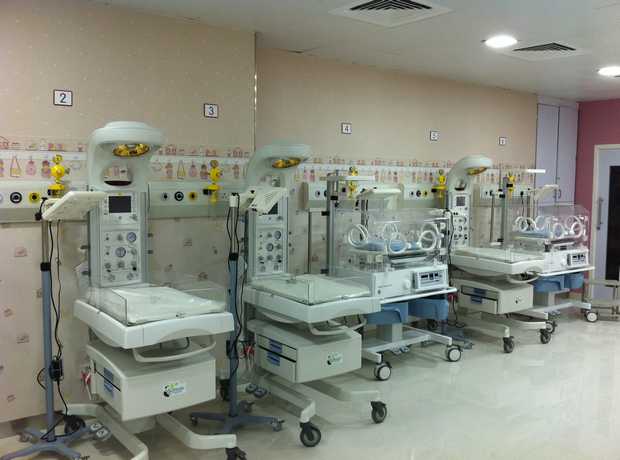
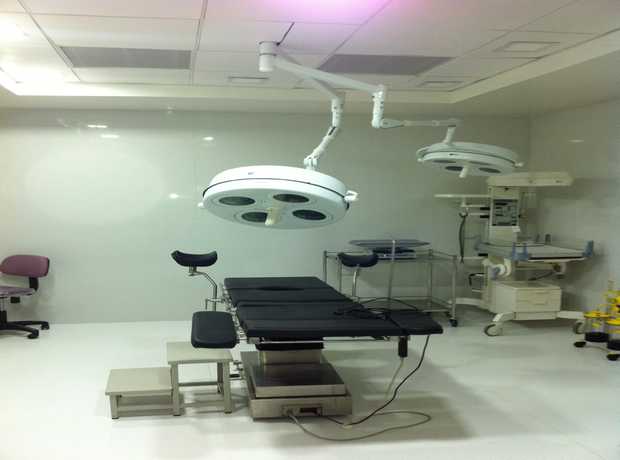
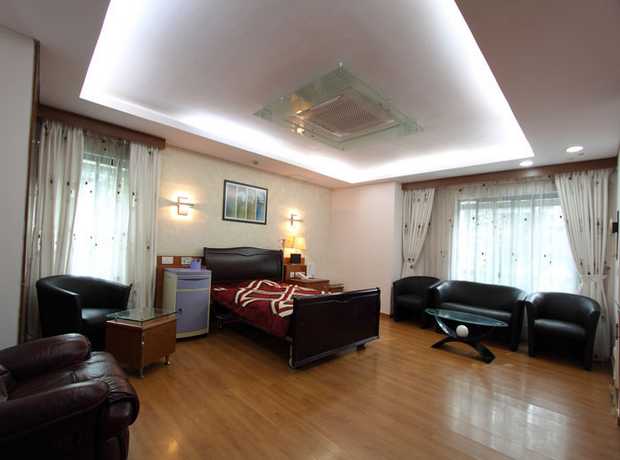
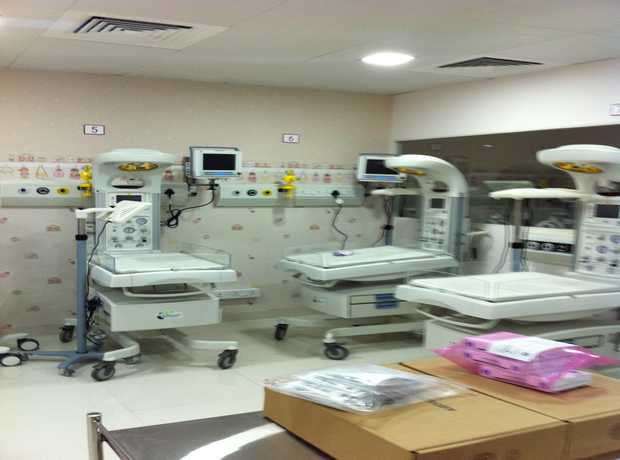
Our commitment to creating functional, sustainable, and inclusive spaces goes beyond meeting minimum requirements. We strive to enhance user experience, improve operational efficiency, and contribute to a more accessible and equitable New York. Learn more about our hospital interior design expertise, where accessibility is particularly critical.
The Evolution of Accessibility Design: From Compliance to Universal Inclusivity
The journey of accessibility design has evolved significantly over the past decades, transitioning from a reactive, compliance-focused approach to a proactive, universally inclusive philosophy. Understanding this evolution is key to appreciating the depth and breadth of modern accessibility planning.
From Medical Model to Social Model of Disability
Historically, disability was often viewed through a “medical model,” focusing on individual impairment and the need for medical intervention. This led to accessibility being seen as a specialized, separate provision for a minority. The shift to a “social model of disability” fundamentally changed this perspective, recognizing that disability is often caused by societal barriers and inaccessible environments, rather than inherent individual limitations. This paradigm shift catalyzed the move towards removing these barriers through design.
Compliance-Driven Design: The Initial Phase
Early accessibility efforts were largely compliance-driven, spurred by landmark legislation like the ADA. The primary goal was to meet minimum legal requirements to avoid discrimination lawsuits. While crucial for establishing baseline standards, this approach sometimes led to “add-on” accessibility features (e.g., a ramp tacked onto a grand entrance) that felt separate from the main design, sometimes even stigmatizing, and not always fully integrated or intuitive.
Universal Design: Designing for All
The concept of Universal Design emerged as a powerful response to the limitations of mere compliance. Coined by architect Ronald Mace, Universal Design advocates for “the design of products and environments to be usable by all people, to the greatest extent possible, without the need for adaptation or specialized design.” Its seven principles—equitable use, flexibility in use, simple and intuitive use, perceptible information, tolerance for error, low physical effort, and size and space for approach and use—guide designers to create environments that inherently serve a diverse population. This shifts the focus from “special needs” to “inclusive needs,” benefiting everyone from parents with strollers to travelers with luggage, and seniors. Universal Design principles are at the core of Skydome Designs’ approach, ensuring our projects serve the widest possible audience gracefully and effectively.
Inclusive Design: Beyond the Physical
Building upon Universal Design, Inclusive Design takes an even broader view, emphasizing the active involvement of diverse users in the design process and considering a wider spectrum of human diversity, including cognitive, sensory, and social factors. It recognizes that “one size fits all” is not always achievable, and that design solutions must often be flexible and adaptable. Inclusive design also acknowledges that an accessible building needs to create an emotionally comfortable and psychologically safe environment, not just a physically navigable one. This holistic perspective is what truly distinguishes leading accessibility planning today.
Common Pitfalls to Avoid in Accessibility Planning
Even with the best intentions, accessibility planning can stumble if common pitfalls are not recognized and actively avoided. Being aware of these challenges is as crucial as knowing the best strategies for success.
1. Delaying Accessibility Considerations
Pitfall: Treating accessibility as an afterthought, to be addressed once the primary design is complete or during the construction phase.
Impact: This is perhaps the most significant and costly mistake. Late integration often leads to expensive retrofits, compromises in design aesthetics, construction delays, and disputes. It’s far more challenging and costly to carve out space for a ramp or widen a doorway once the structural shell is in place.
Solution: Engage accessibility experts like Skydome Designs from the earliest conceptual and schematic design phases. Our multi-disciplinary reviews ensure accessibility is an integral part of the initial vision, saving time and money.
2. Insufficient Budget Allocation
Pitfall: Underestimating the costs associated with comprehensive accessibility features, or cutting accessibility budgets during value engineering without expert consultation.
Impact: Leads to incomplete compliance, compromises in quality, or necessitates costly budget reallocations later in the project. It can also result in an “add-on” look rather than integrated design.
Solution: Develop a realistic budget with contingency funds, informed by expert accessibility consultants from the outset. Skydome Designs offers transparent costs and helps integrate accessibility features economically and effectively.
3. Lack of Detailed Knowledge of Local Codes
Pitfall: Relying solely on federal ADA guidelines, or misinterpreting the specific, often more stringent, requirements of New York State and New York City Building Codes.
Impact: Can result in non-compliance that only becomes apparent during inspections, leading to fines, stop-work orders, and mandatory re-designs or retrofits.
Solution: Partner with a firm that possesses deep local code expertise, such as Skydome Designs. Our team ensures your project meets all federal, state, and local requirements meticulously.
4. Poor Communication and Collaboration
Pitfall: Lack of clear communication between the client, architects, contractors, and accessibility consultants; or working in silos without regular, integrated reviews.
Impact: Misunderstandings, conflicting instructions, missed opportunities for integrated design, and ultimately, design flaws or construction errors that impact accessibility.
Solution: Implement robust communication protocols and foster a collaborative environment. Skydome Designs emphasizes strong communication and milestone-based reporting to keep all stakeholders aligned and informed.
5. Focusing Only on Physical Mobility
Pitfall: Designing only for physical mobility impairments, while neglecting visual, auditory, cognitive, or sensory disabilities.
Impact: While physically navigable, the building may still present significant barriers for a large segment of the population, failing to achieve true inclusivity.
Solution: Embrace a holistic Universal Design approach that considers a wide spectrum of human abilities and needs, addressing sensory, cognitive, and social accessibility, as championed by Skydome Designs in our comprehensive planning.
6. Insufficient Contractor Expertise
Pitfall: Assuming all contractors have adequate knowledge and experience in accessible construction, particularly for complex features.
Impact: Improper installation, deviation from specifications, or a lack of understanding of the intent behind accessibility features, leading to non-compliance or compromised functionality.
Solution: Ensure that contractors are vetted for their experience in accessible construction and that ongoing oversight and quality control by accessibility experts are maintained throughout the construction phase.
7. Neglecting Maintenance and Post-Occupancy Reviews
Pitfall: Believing that once a building is built to code, accessibility is a one-time issue, and neglecting ongoing maintenance or post-occupancy assessments.
Impact: Accessible features can degrade over time due to wear and tear, or new barriers might emerge with changes in furniture layouts or building usage, leading to eventual non-compliance or reduced usability.
Solution: Plan for ongoing maintenance of accessible features and implement post-occupancy support, which Skydome Designs proudly offers, to ensure continued functionality and address any evolving needs.
Future Trends in Accessibility Planning for All Buildings in New York
The field of accessibility planning is continuously evolving, driven by technological advancements, deepening understanding of human diversity, and a global push for more equitable societies. New York, as a trendsetter, will likely embrace many of these future trends, further solidifying its commitment to inclusivity.
1. Smart Building Technology for Personalized Accessibility
The integration of smart building technologies holds immense potential for personalized accessibility. Imagine buildings that adapt to individual user needs:
- Automated Doorways and Navigation: Proximity sensors and smart apps could automatically open doors for users, or guide individuals with visual impairments through a building using haptic feedback or audio cues.
- Personalized Environments: Smart controls could allow users to adjust lighting, temperature, or even soundscapes to their preferences, catering to individuals with sensory sensitivities.
- Voice-Activated Controls: Voice commands for elevators, lighting, and environmental systems will become standard, greatly benefiting individuals with limited mobility or dexterity.
2. Data-Driven Design and Predictive Analytics
Future accessibility planning will increasingly leverage data analytics. Building usage data can inform design decisions, identifying high-traffic accessible routes, underutilized accessible features, or common pain points. Predictive analytics could even anticipate future accessibility needs based on demographic shifts or public health trends, allowing for proactive adaptations in building design.
3. Augmented Reality (AR) and Virtual Reality (VR) for Design Validation
AR and VR technologies are already being used in design visualization, but their role in accessibility planning will expand dramatically. Designers and end-users with disabilities could virtually “experience” a proposed building design, identifying potential barriers or areas for improvement long before construction begins. This immersive validation process can ensure more effective and truly user-centric designs.
4. Biometric Authentication and Seamless Access
Biometric systems (facial recognition, fingerprint scans) could provide seamless, touchless access for authorized individuals, reducing physical barriers and improving security for everyone, especially those with limited hand dexterity or mobility challenges.
5. Emphasis on Neurodiversity and Cognitive Accessibility
Beyond physical and sensory impairments, future accessibility planning will place a greater emphasis on neurodiversity and cognitive accessibility. This includes designing spaces that minimize sensory overload for individuals with autism spectrum disorder, providing clear and intuitive wayfinding for those with cognitive impairments, and creating quiet zones for focus. Design elements like acoustics, lighting, material textures, and spatial organization will be carefully calibrated to support a wider range of cognitive functions.
6. Circular Economy Principles in Accessible Design
The intersection of sustainability and accessibility will become more pronounced. Designing accessible elements with materials that are recycled, recyclable, or sustainably sourced will be key. Furthermore, “design for disassembly” principles can allow accessible features to be easily adapted or updated as needs evolve, promoting resource efficiency.
7. Micro-Accessibility and Public Realm Integration
Accessibility will extend beyond the building’s walls to the broader urban fabric. “Micro-accessibility” will focus on granular details in the public realm – accessible street furniture, intelligent crosswalks, tactile paving at specific points, and integrated public transit access – ensuring a continuous accessible journey from doorstep to destination.
Skydome Designs is committed to staying at the forefront of these emerging trends, continuously integrating innovative technologies and evolving design philosophies into our accessibility planning services. Our goal is to ensure that buildings in New York are not just compliant for today, but future-ready for tomorrow’s diverse inhabitants.
FAQ: Accessibility Planning in New York
What is accessibility planning in building design?
Accessibility planning in building design is the systematic process of designing and constructing or renovating spaces to be usable by people with a wide range of abilities, including those with physical, sensory, and cognitive disabilities. This comprehensive approach ensures that everyone can access, navigate, and utilize buildings independently and safely. It encompasses considerations for elements such as ramps, elevators, accessible restrooms, clear pathways, appropriate signage, emergency egress, and technology integration to meet federal, state, and local codes like the ADA and New York’s specific building regulations.
How much does accessibility planning cost in New York?
The cost of accessibility planning in New York is highly variable and depends on numerous factors, including the scope of the project (new construction vs. renovation), the size and complexity of the building, its current condition, the specific accessibility challenges identified, and the extent of design and construction required. Early engagement of experts can significantly reduce overall costs by preventing expensive retrofits. Skydome Designs offers transparent costs and milestone-based reporting in New York, providing personalized quotes tailored to your specific needs after a thorough initial consultation. We focus on value engineering to deliver cost-effective and compliant solutions.
What are the key accessibility requirements for buildings in New York?
Key accessibility requirements for buildings in New York are dictated by a multi-layered regulatory framework. This includes the federal Americans with Disabilities Act (ADA), which sets national minimum standards, the New York State Uniform Fire Prevention and Building Code (NYS UBC), and the New York City Building Code (NYC BC), which often include more stringent local requirements. These codes cover a vast array of building design elements, such as accessible entrances and exits, minimum clear widths for doors and pathways, ramp slopes and dimensions, elevator specifications, accessible restrooms (including grab bars, clear floor space, and fixture heights), accessible parking spaces, tactile and visual signage, emergency communication systems, and fire alarms. Compliance with all these layers of regulation is essential.
How can I ensure my building project meets accessibility standards in New York?
The most effective way to ensure your building project meets and often exceeds accessibility standards in New York is to engage a qualified and experienced New York accessibility planning for all buildings company like Skydome Designs from the earliest stages of your project. We can conduct comprehensive accessibility audits, develop detailed, code-compliant design plans, provide value engineering for accessibility, and oversee the implementation of accessibility features throughout the construction process. Our team’s deep understanding of local codes, combined with global design standards and proactive project management, ensures your project is delivered on-time, on-budget, and fully compliant, minimizing risks and maximizing inclusivity. We have a >98% on-time delivery record and over 29 years of experience.
What is Universal Design, and how does Skydome Designs incorporate it?
Universal Design is a philosophy that aims to create products and environments usable by all people, to the greatest extent possible, without the need for adaptation or specialized design. It goes beyond minimum compliance to create inherently intuitive, equitable, and flexible spaces that benefit everyone, regardless of age, ability, or status. Skydome Designs incorporates Universal Design principles by integrating accessibility seamlessly into the core design from day one. This means considering equitable use, flexibility, simple and intuitive navigation, perceptible information, tolerance for error, low physical effort, and appropriate size and space for approach and use in all our space planning, interior design, materials selection, acoustics, and signage solutions, ensuring a truly inclusive and enhanced experience for every user.
Does Skydome Designs offer post-occupancy support for accessibility features?
Yes, absolutely. Skydome Designs believes that successful accessibility planning extends beyond the initial construction. We offer robust post-occupancy support to ensure that all implemented accessibility features continue to function optimally and meet the evolving needs of building users. This support can include performance evaluations, addressing any minor adjustments or user feedback, and providing guidance on ongoing maintenance to preserve the long-term functionality and compliance of your accessible spaces. Our commitment to post-occupancy support is a testament to our dedication to delivering lasting, positive outcomes for our clients.
Conclusion
Delivering truly effective, compliant, and inclusive accessibility planning for all buildings in New York, while adhering to stringent timelines and budgets, demands a strategic approach underpinned by deep expertise and unwavering commitment. It is a journey that requires foresight, meticulous planning, and a profound understanding of both the regulatory landscape and the diverse needs of all users. By partnering with Skydome Designs, you are choosing a leader with nearly three decades of proven experience, an award-winning team, and a track record of successfully delivering over 2353 accessibility planning assignments across New York and globally, with an astounding >98% on-time delivery rate.
Our commitment to transparent costs, milestone-based reporting, multi-disciplinary reviews, and comprehensive post-occupancy support ensures that your project not only meets all federal, state, and local regulatory requirements but also enhances user experience, fosters true inclusivity, and contributes to the long-term value and operational efficiency of your property. We combine global design standards with unparalleled local code expertise in New York, creating spaces that are both innovative and impeccably compliant. Let us transform your vision into an accessible, beautiful, and highly functional reality, demonstrating how proactive accessibility planning is a powerful investment in a more equitable and successful future for New York City.
Don’t delay – secure your project’s success and contribute to a more accessible New York. Contact Skydome Designs today to discuss your project and receive a customized solution tailored to your specific needs. Call us at +91 7299072144 or email us at info@skydomedesigns.com. Let us help you create accessible, inclusive, and future-ready spaces in New York.