Toronto, a bustling metropolis and one of North America’s fastest-growing cities, is a beacon of urban development. Its skyline is continuously evolving, a testament to its dynamic construction industry. However, this rapid growth comes with significant challenges: escalating land costs, complex regulatory frameworks, stringent building codes, and ever-increasing expectations from clients and end-users. In this high-stakes environment, the successful delivery of construction projects hinges on two critical pillars: meticulous cost estimation and strategic value engineering.
For 2025 and beyond, merely completing a project in Toronto is not enough. Success is defined by delivering projects on-time and within budget, without compromising on quality or functionality. This comprehensive guide delves into the intricate world of cost estimation and value engineering, offering actionable insights, proven strategies, and a clear pathway to navigate Toronto’s unique construction landscape. Learn how to optimize your construction process, mitigate risks, and maximize returns by partnering with the right Toronto construction experts.
The Growing Need for Cost Estimation and Value Engineering in Toronto’s Dynamic Market
Toronto’s construction sector is characterized by immense pressure. The city’s population continues to swell, driving demand for new residential, commercial, and institutional infrastructure. This relentless pace exacerbates issues such as:
- Escalating Costs: Land acquisition, material prices, and skilled labor wages are consistently on the rise, making accurate initial forecasting more challenging than ever.
- Complex Regulatory Environment: Toronto has intricate zoning bylaws, development charges, environmental regulations, and building codes that require expert navigation. Non-compliance or delays in approvals can lead to significant cost overruns and project delays.
- Sustainability Mandates: With a global push towards greener construction, Toronto projects are increasingly expected to incorporate sustainable design and materials, which can impact upfront costs but offer long-term operational savings.
- Technological Integration: Modern projects demand advanced technologies, from smart building systems to complex infrastructure, requiring specialized expertise in design and implementation.
In this context, robust cost estimation and value engineering in Toronto are not just beneficial; they are absolutely essential. They serve as the critical tools that allow stakeholders to make informed decisions, optimize resource allocation, and ensure financial viability and project success.
Understanding the Core Principles: Cost Estimation and Value Engineering Defined
Before diving into strategies, it’s crucial to have a crystal-clear understanding of what these two disciplines entail and how they complement each other.



What is Cost Estimation?
Cost estimation is the scientific art of predicting the expenses required to complete a project. It is more than just guessing; it’s a systematic process involving detailed analysis and forecasting of all direct and indirect costs associated with a construction endeavor. An accurate cost estimate forms the bedrock for:
- Budgeting and Financial Planning: Providing a realistic financial framework for investors, lenders, and project owners.
- Feasibility Studies: Determining if a project is financially viable before significant resources are committed.
- Bid Preparation: Enabling contractors to submit competitive and profitable bids.
- Resource Allocation: Guiding decisions on material procurement, labor scheduling, and equipment deployment.
- Risk Assessment: Identifying potential financial vulnerabilities and allocating contingencies.
In Toronto, accurate cost estimation must account for local market fluctuations, specific labor agreements, intricate permit fees, and the availability of specialized materials. It often involves leveraging historical data, current market intelligence, expert consultation, and sophisticated software tools.
What is Value Engineering?
Value engineering (VE) is a systematic, multi-disciplinary approach aimed at improving the “value” of a project. Value, in this context, is defined as the ratio of function to cost. The primary goal of VE is to identify and eliminate unnecessary costs without compromising the project’s essential functions, performance, quality, or reliability. It’s not about cutting corners; it’s about optimizing solutions.
The VE process typically involves a structured workshop where a diverse team of experts scrutinizes various aspects of a project. They ask critical questions: “What is this item for?”, “What else could do the job?”, “What would that alternative cost?”. This leads to:
- Cost Reduction: Identifying more efficient materials, construction methods, or design alternatives.
- Performance Enhancement: Discovering ways to improve functionality, durability, or user experience.
- Schedule Optimization: Streamlining processes to reduce project timelines.
- Quality Improvement: Ensuring that selected alternatives meet or exceed quality standards.
- Lifecycle Cost Reduction: Considering long-term operational and maintenance costs in addition to initial capital expenditure.
For projects in Toronto, value engineering is crucial for optimizing resource allocation, maximizing return on investment, and navigating the high-cost environment while delivering superior projects. It helps find smart solutions for energy efficiency, space utilization, and material sourcing that align with local regulations and market expectations.
The Synergistic Relationship
Cost estimation and value engineering are not isolated processes; they are deeply intertwined. An initial cost estimate provides the baseline against which VE efforts are measured. VE then refines the project scope and design, leading to revised, optimized cost estimates. Together, they form a powerful tandem ensuring projects are not only financially feasible but also deliver maximum value for every dollar spent.
Key Strategies for On-Time and On-Budget Delivery in Toronto’s Construction Landscape
To successfully navigate Toronto’s competitive construction market and deliver projects on time and within budget for 2025, a multi-faceted approach incorporating the following strategies is indispensable:
1. Early and Rigorous Cost Estimation
The earlier a detailed and accurate cost estimate is developed, the better. Conceptual estimates during the feasibility stage help shape the project scope. As design progresses, preliminary and then detailed estimates provide increasing levels of accuracy. This requires:
- Comprehensive Data Collection: Utilizing up-to-date historical project data, current market prices for materials and labor in Toronto, and intelligence on supplier availability.
- Multi-Disciplinary Input: Involving architects, engineers (MEP, structural), contractors, and specialized consultants from the outset to capture all potential costs.
- Realistic Contingency Planning: Allocating a realistic contingency budget for unforeseen issues, which are particularly common in complex urban developments in Toronto.
- Scenario Planning: Developing estimates for various project scenarios to understand the financial implications of different design choices or market conditions.
- Lifecycle Costing: Looking beyond initial capital costs to consider operational, maintenance, and end-of-life costs, especially relevant for sustainable building design.
An accurate early estimate empowers stakeholders to make informed decisions, avoid scope creep, and secure financing more effectively.
2. Robust Project Management and Communication
Effective project management is the glue that holds all aspects of a construction project together. In Toronto, where multiple stakeholders, complex logistics, and tight schedules are the norm, an experienced project manager is vital:
- Clear Scope Definition: Ensuring all parties have a unified understanding of project goals, deliverables, and constraints.
- Detailed Scheduling: Developing realistic timelines with critical path analysis, milestone tracking, and resource leveling.
- Proactive Communication: Facilitating regular meetings, clear reporting, and transparent communication channels among owners, designers, contractors, and local authorities.
- Stakeholder Management: Effectively managing expectations and resolving conflicts among diverse project participants.
- Change Order Management: Implementing a structured process for evaluating, approving, and costing any changes to the project scope to prevent budget overruns.
A skilled project manager acts as the central orchestrator, ensuring that every piece of the puzzle fits together seamlessly to achieve on-time and on-budget delivery.
3. Leveraging Building Information Modeling (BIM) for Enhanced Efficiency
BIM (Building Information Modeling) is no longer a luxury but a necessity for large-scale and complex projects, especially in a sophisticated market like Toronto. It transforms the traditional fragmented design and construction process into an integrated, collaborative workflow. BIM facilitates:
- 3D Visualization and Design Review: Allowing all stakeholders to visualize the project in detail, identify design flaws early, and make informed decisions.
- Clash Detection: Automatically identifying conflicts between different building systems (e.g., HVAC ducts clashing with structural beams) before construction begins, significantly reducing rework and delays.
- Accurate Quantity Takeoffs (5D BIM): Generating precise material quantities directly from the model, leading to highly accurate cost estimates and procurement, minimizing waste.
- 4D BIM for Scheduling: Linking the 3D model with project schedules to visualize construction sequencing, identify potential bottlenecks, and optimize timelines.
- Improved Coordination: Enhancing collaboration among architects, engineers, contractors, and owners through a shared, centralized model.
- Lifecycle Management (6D and 7D BIM): Integrating sustainability analysis and facility management data into the model for long-term operational efficiency.
By leveraging BIM, Toronto projects can significantly minimize errors, reduce rework, accelerate schedules, and most importantly, stay on or even under budget. Learn more about the comprehensive benefits of BIM technology.
4. Strategic Value Engineering Workshops
Value engineering is most effective when conducted as structured workshops during the early design phases. These workshops bring together a diverse team, often independent of the original design team, to brainstorm and evaluate alternatives. Key aspects include:
- Functional Analysis: Deconstructing project components to understand their essential functions.
- Creative Idea Generation: Brainstorming alternative ways to achieve those functions more efficiently.
- Evaluation and Selection: Systematically analyzing alternatives based on cost, performance, quality, and risk.
- Recommendation Development: Presenting well-researched and documented proposals to the client.
Successful VE workshops in Toronto might focus on optimizing building envelope performance for energy efficiency in varying climates, exploring modular construction methods for faster assembly, or redesigning MEP systems for lower operational costs. The goal is always to deliver the required function at the lowest lifecycle cost without sacrificing quality or utility.
5. Proactive Risk Management
The Toronto construction market is fraught with potential risks, from unforeseen site conditions and material shortages to regulatory changes and labor disputes. A comprehensive risk management plan is crucial:
- Risk Identification: Systematically identifying all potential risks – technical, financial, environmental, legal, operational, and external.
- Risk Analysis: Assessing the probability and impact of each identified risk.
- Risk Response Planning: Developing strategies to avoid, mitigate, transfer, or accept risks. This might include insurance, contractual clauses, alternative design solutions, or contingency plans.
- Risk Monitoring and Control: Continuously tracking identified risks, identifying new ones, and evaluating the effectiveness of response strategies throughout the project lifecycle.
By proactively managing risks, projects in Toronto can minimize the likelihood of delays and cost overruns, ensuring smoother execution.
6. Partnering with Local Toronto Construction Experts
The intricacies of Toronto’s construction environment – from specific city bylaws and provincial regulations to local labor market dynamics, preferred suppliers, and unique environmental considerations – demand localized expertise. Partnering with Toronto construction experts who possess in-depth knowledge of these nuances is paramount. They can provide:
- Regulatory Navigation: Guiding through complex permitting processes and ensuring compliance with local building codes, zoning bylaws, and environmental regulations.
- Market Intelligence: Offering insights into local material costs, labor availability and rates, and subcontractor performance.
- Established Relationships: Leveraging existing relationships with local authorities, suppliers, and skilled trades.
- Understanding of Local Challenges: Addressing specific challenges like limited site access in dense urban areas, harsh winter weather conditions, and urban development pressures.
Such local insight is invaluable for developing accurate estimates, implementing effective value engineering strategies, and avoiding costly missteps.
Choosing the Right Toronto Construction Experts: A Critical Decision
The success of your project in Toronto hinges significantly on the expertise and reliability of your chosen partners. When evaluating potential firms for cost estimation, value engineering, and overall project delivery, look for the following key indicators:
- Proven Track Record: Seek firms with a demonstrable history of delivering projects on time and within budget specifically in Toronto or similar complex urban environments. Ask for references and case studies that highlight their success in navigating local challenges.
- Comprehensive Expertise: Ensure they possess in-depth knowledge across all critical disciplines, including MEP services, structural engineering, architectural design, and civil engineering. Integrated expertise leads to more cohesive and efficient project solutions.
- Technological Proficiency: Verify their proficiency with advanced tools like BIM, project management software, and cost estimating platforms. A commitment to cutting-edge technology indicates a proactive approach to efficiency and accuracy.
- Understanding of Local Codes and Regulations: This is non-negotiable. The firm must have an intimate understanding of Toronto’s specific building codes, municipal bylaws, provincial regulations, and permitting processes to prevent delays and ensure compliance.
- Client-Centric Approach: Look for a partner who prioritizes clear communication, understands your vision, and is committed to delivering maximum value for your investment.
- Sustainability Focus: In today’s market, expertise in sustainable design and construction practices is a significant advantage, helping you meet environmental goals and often resulting in long-term cost savings.
By carefully vetting your construction partners, you lay a strong foundation for project success.
The Role of Skydome Designs in Cost Estimation and Value Engineering for Toronto Projects
For nearly three decades, Skydome Designs Pvt Ltd has established itself as a leader in architecture, interior design, and specialized construction consulting. Our extensive experience, combined with a forward-thinking approach, makes us an ideal partner for cost estimation and value engineering in Toronto. We don’t just design; we strategize, optimize, and execute to ensure your project achieves its full potential – on time and on budget.
Skydome Designs brings a unique blend of global design standards and deep local code expertise to the Toronto market. Our methodology is built on a foundation of rigorous analysis, innovative problem-solving, and client collaboration. We understand that every project is unique, and our tailored solutions are designed to address your specific needs and challenges within the Toronto context.
How Skydome Designs Delivers Value:
- Holistic Approach: We integrate cost estimation and value engineering throughout the entire project lifecycle, from conceptualization to post-occupancy support.
- BIM-Led Coordination: Our advanced BIM capabilities are central to our process. We leverage 5D BIM for precise cost management and 4D BIM for optimized scheduling, ensuring early clash detection, accurate quantity take-offs, and seamless coordination across all disciplines. This proactive approach significantly reduces errors, rework, and associated costs.
- Expert Value Engineering Workshops: We facilitate structured VE workshops with a multi-disciplinary team, identifying innovative alternatives and cost-saving opportunities without compromising quality or functional requirements. Our focus is on long-term value, including operational efficiencies and lifecycle costs.
- Unmatched Experience: We are proud to state that Skydome Designs has delivered 967+ cost estimation and value engineering assignments across Toronto and globally over 12+ years. This extensive portfolio demonstrates our profound understanding of diverse project types and market conditions.
- Exceptional On-Time Delivery: Our commitment to efficiency is reflected in our remarkable track record: an on-time delivery rate exceeding 98%. This precision is a direct result of our robust project management, meticulous planning, and proactive risk mitigation strategies.
- Multi-Disciplinary Reviews: Our in-house team of architects, healthcare planners, structural engineers, and MEP specialists conducts thorough multi-disciplinary reviews, ensuring comprehensive oversight and identifying potential issues before they escalate.
- Post-Occupancy Support: We believe in supporting our clients beyond project completion. Our post-occupancy support ensures that the building performs as designed, providing data for continuous improvement and maximizing long-term operational efficiency.
Our Specialized Services and Their Impact in Toronto:
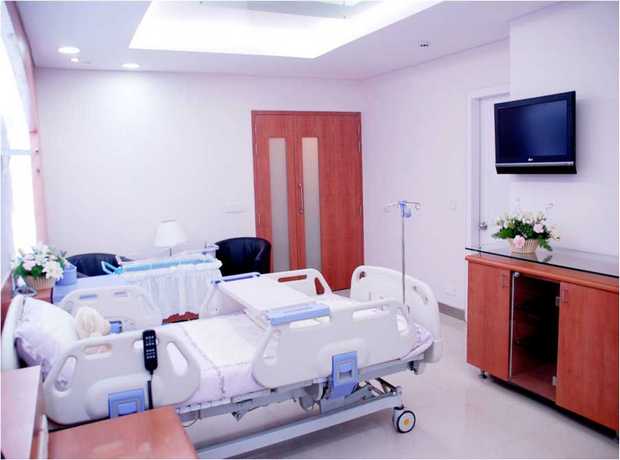
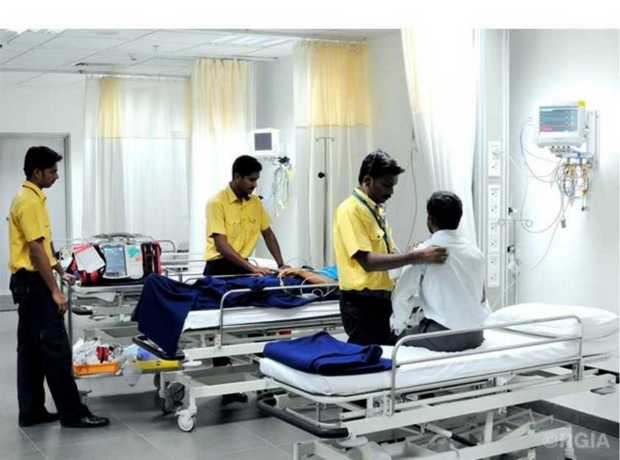
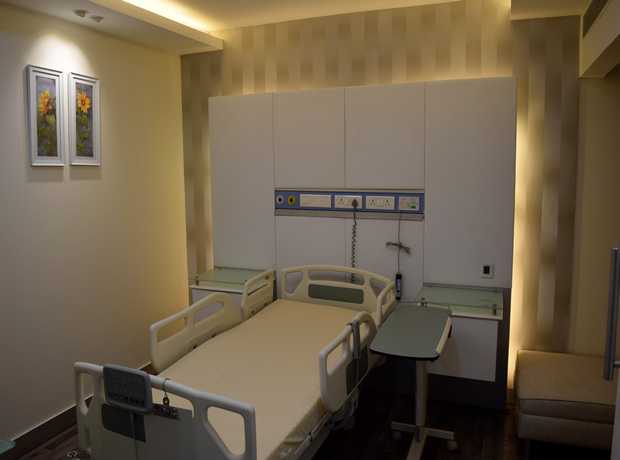
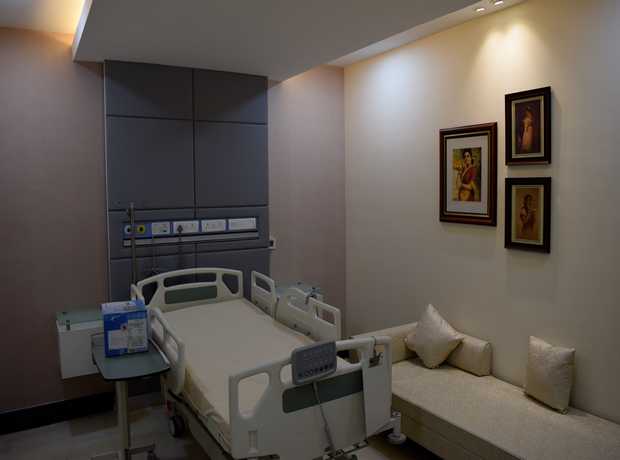
- Hospital Interior Design: We optimize patient rooms, ICUs, operating theatres, labs, and consultation areas for efficient care delivery, patient comfort, and staff workflow. Our CE/VE in healthcare projects focuses on durable, hygienic materials, energy-efficient MEP systems, and flexible layouts that can adapt to future medical advancements, all while adhering to stringent healthcare regulations in Toronto.
- Residential Projects: For apartments, luxury condos, and senior housing, we create community-focused interiors that balance aesthetics, functionality, and cost-effectiveness. Our CE/VE ensures optimal space planning, material selection for longevity and low maintenance, and integration of smart home technologies for enhanced living experiences in high-density Toronto developments.
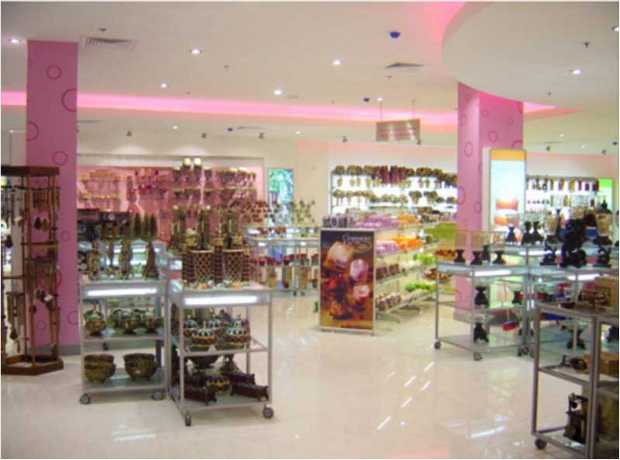
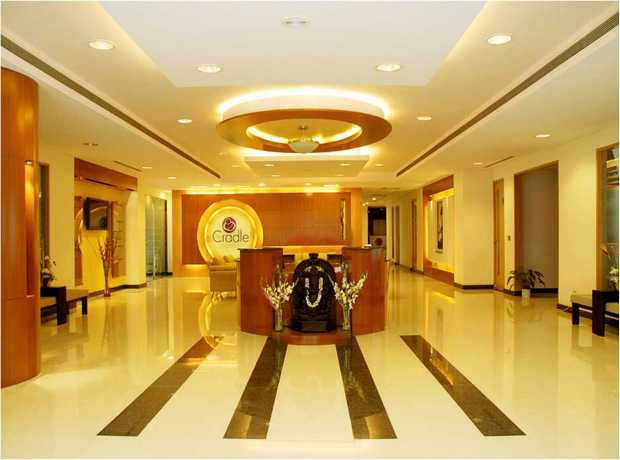
- Retail & Commercial Design: From shopping malls and mixed-use developments to corporate offices and entertainment centers, we design spaces that attract, engage, and perform. Our CE/VE in commercial projects focuses on maximizing retail efficiency, brand consistency, energy-efficient lighting, and flexible office layouts that support modern work environments, crucial for competitive advantage in Toronto.
- Interior Solutions: Beyond design, we offer comprehensive interior solutions, including space planning, furniture layouts, lighting design, and turnkey interior execution. Our expertise extends to ensuring that every interior element aligns with the project’s overall cost and value objectives.
With Skydome Designs, you gain a partner dedicated to combining global design standards with local code expertise in Toronto. Our BIM-led coordination, value engineering, and quality control are meticulously tailored to the specific needs and regulatory environment of the Toronto market, ensuring that your project is not only innovative and sustainable but also a sound financial investment.
Ready to ensure your next project in Toronto is a resounding success? With 967+ successful assignments and over 98% on-time delivery, Skydome Designs is your trusted partner. Our multi-disciplinary reviews and post-occupancy support mean peace of mind. Contact Skydome Designs today for a consultation and discover how we can help you achieve your project goals on time and on budget.
Optimizing MEP Services for Maximum Cost Efficiency
Mechanical, Electrical, and Plumbing (MEP) systems often represent a significant portion – sometimes 30-40% or more – of a building’s total construction cost and its long-term operational expenses. Therefore, optimizing MEP services through diligent value engineering and intelligent design is paramount for achieving cost efficiency and sustainability in Toronto projects.
Key Strategies for MEP Optimization:
- Energy-Efficient Equipment Selection: Specifying high-efficiency HVAC units, LED lighting systems, and low-flow plumbing fixtures significantly reduces energy and water consumption throughout the building’s lifecycle, leading to substantial operational savings.
- Integrated System Design: Rather than designing MEP systems in isolation, an integrated approach ensures that they work cohesively with architectural and structural elements. This can lead to streamlined ductwork, conduit runs, and pipe layouts, reducing material usage and installation time.
- Smart Building Controls: Implementing advanced Building Management Systems (BMS) for intelligent control of lighting, heating, cooling, and ventilation. These systems optimize performance based on occupancy, time of day, and external conditions, leading to considerable energy savings.
- Renewable Energy Integration: Exploring opportunities for solar panels, geothermal heating/cooling, or waste heat recovery systems. While potentially higher in initial cost, these can offer significant long-term savings and align with Toronto’s sustainability goals.
- Prefabrication and Modular Design: Utilizing off-site prefabrication for complex MEP assemblies can reduce on-site labor costs, improve quality control, and accelerate construction schedules.
- Commissioning and Post-Occupancy Tuning: Thorough commissioning ensures that all MEP systems are installed and operating according to design specifications. Post-occupancy tuning can further optimize performance based on actual usage patterns.
- Early MEP Expertise: Involving MEP engineers from the earliest design stages allows for greater flexibility in design choices and the integration of cost-saving measures before they become difficult or expensive to implement.
Skydome Designs excels in integrating advanced MEP solutions into our projects, ensuring not only compliance with Toronto’s stringent energy codes but also delivering optimal performance and long-term cost savings for our clients.
The Unrivaled Power of BIM in Cost Management for Toronto Projects
As highlighted, BIM (Building Information Modeling) is a transformative technology in construction, but its role in cost management is particularly revolutionary. For Toronto projects facing high costs and tight margins, BIM offers unparalleled advantages:
- 5D BIM for Precision Costing: Beyond 3D visualization, 5D BIM links the geometric model directly to cost data. This allows for automated and highly accurate quantity takeoffs for all materials and components. Changes in the model instantly update cost estimates, providing real-time financial insights throughout the design process. This precision minimizes the risk of budget overruns due to inaccurate material estimates.
- Real-time Cost Tracking and Variance Analysis: With 5D BIM, project managers can track actual costs against estimated costs in real-time, quickly identifying any variances. This proactive monitoring allows for immediate corrective actions, keeping the project on budget.
- Enhanced Procurement Efficiency: Accurate quantity takeoffs from BIM models streamline the procurement process. Contractors can request precise quantities, reducing waste, avoiding over-ordering, and negotiating better prices with suppliers.
- Predictive Cost Modeling: BIM allows for running various cost scenarios based on different design alternatives, material choices, or construction methods. This predictive capability empowers stakeholders to make cost-optimized decisions early in the project lifecycle.
- Reduced Rework and Disputes: By detecting clashes and inconsistencies in the virtual model before physical construction, BIM drastically reduces the need for expensive rework on site. This prevents costly delays, material waste, and potential disputes among trades.
- Improved Communication and Collaboration: A centralized BIM model serves as a single source of truth for all project information, fostering better communication and collaboration among architects, engineers, contractors, and owners. This unified understanding minimizes misunderstandings that can lead to costly errors.
- Optimized Change Management: When changes are necessary, BIM allows for rapid assessment of their cost and schedule implications, enabling quick and informed decision-making to manage their impact on the overall budget and timeline.
By leveraging BIM, Toronto projects can significantly minimize errors, reduce rework, accelerate schedules, and most importantly, stay on budget. Skydome Designs is at the forefront of BIM adoption, ensuring our clients benefit from these cutting-edge capabilities to deliver their projects efficiently and economically.
Navigating Toronto’s Evolving Regulatory Landscape
Toronto’s growth is mirrored by its continually evolving regulatory landscape. Successfully delivering projects here requires more than just good design and construction; it demands an intimate understanding of, and proactive navigation through, a labyrinth of permits, zoning bylaws, environmental assessments, and compliance requirements. This is an area where cost estimation and value engineering, supported by local expertise, prove invaluable.
- Zoning Bylaws and Urban Planning: Toronto’s official plan and zoning bylaws dictate everything from building height and density to setbacks and land use. Misinterpreting these can lead to costly redesigns or delays. Value engineering can explore alternative massing or site utilization strategies that comply with bylaws while maximizing project value.
- Building Codes and Standards: The Ontario Building Code (OBC), along with Toronto-specific amendments, sets standards for safety, accessibility, and structural integrity. Ensuring early compliance through integrated design saves significant costs compared to rectifying issues post-construction.
- Environmental Regulations: Toronto has strong environmental protection mandates, including stormwater management, tree preservation, and energy efficiency targets. Environmental assessments and green building certifications (like LEED or Toronto Green Standard) add layers of complexity and potential costs, but also long-term benefits. Value engineering can identify sustainable materials and systems that meet these standards cost-effectively.
- Development Charges and Levies: These fees, imposed by the city and region, can be substantial and vary by project type and location. Accurate cost estimation must factor these in meticulously.
- Permitting and Approvals: The process for obtaining various permits (building, demolition, occupancy) can be lengthy and complex. An experienced local team understands the nuances of the Toronto permit office, streamlining submissions and expediting approvals.
Skydome Designs’ deep understanding of Toronto’s regulatory environment ensures that our cost estimates are comprehensive and our value engineering solutions are compliant, preventing unexpected costs and delays stemming from regulatory hurdles. Our team helps clients navigate these complexities with confidence.
Sustainable Construction: Balancing Upfront Costs with Long-Term Value
Sustainability is no longer a niche concept; it’s a fundamental expectation in Toronto’s modern construction projects. While often perceived as adding to upfront costs, sustainable practices, when integrated through value engineering, can deliver significant long-term economic and environmental benefits.
- Green Building Certifications: Achieving certifications like LEED, Passive House, or compliance with the Toronto Green Standard involves specific design, material, and construction requirements. Our CE/VE approach helps identify the most cost-effective ways to meet these standards, focusing on high-impact strategies with the best return on investment.
- Energy Efficiency: Investing in high-performance building envelopes, advanced insulation, efficient HVAC systems, and smart controls can reduce operational energy costs dramatically over the building’s lifespan. Value engineering can compare the initial investment of these technologies against their projected energy savings.
- Water Conservation: Rainwater harvesting, greywater recycling, and low-flow fixtures reduce water consumption and associated utility costs.
- Sustainable Materials: Specifying locally sourced, recycled, or rapidly renewable materials can reduce embodied carbon and support local economies, often becoming cost-neutral or even cheaper when considering lifecycle impacts and supply chain efficiencies.
- Government Incentives: Toronto and provincial governments often offer grants, rebates, or tax incentives for sustainable building practices. Our experts can help clients identify and leverage these opportunities to offset initial “green” investments.
Value engineering plays a pivotal role in demystifying the cost of sustainability, demonstrating how environmentally responsible choices can also be economically sound, ultimately enhancing the value of the project in Toronto.
Future-Proofing Toronto Projects with Advanced Technologies Beyond BIM
While BIM remains a cornerstone, the construction industry is continuously evolving with other technological advancements that further enhance cost estimation and value engineering efforts:
- Artificial Intelligence (AI) and Machine Learning (ML): AI can analyze vast datasets of historical project costs, market trends, and risk factors to provide more accurate and predictive cost estimates, identifying potential budget deviations before they occur.
- Drones and Photogrammetry: Drones offer rapid, cost-effective site surveying and progress monitoring. Photogrammetry can create detailed 3D models of existing conditions, improving accuracy for renovation projects and reducing the need for costly manual surveys.
- Robotics and Automation: On-site robots for tasks like bricklaying, welding, or material handling can improve efficiency, reduce labor costs, and enhance safety, especially for repetitive or hazardous tasks.
- Augmented Reality (AR) and Virtual Reality (VR): AR/VR allows stakeholders to walk through virtual models of the project, identifying design issues, conducting immersive training, and improving collaboration, leading to better decision-making and fewer errors.
- Prefabrication and Modular Construction: Increasingly utilized in Toronto due to space constraints and labor costs, these methods involve manufacturing components off-site in controlled environments. This significantly reduces construction time, waste, and costs while improving quality. Value engineering actively explores the feasibility and benefits of these methods.
- Digital Twins: A digital twin is a virtual replica of a physical asset, continuously updated with real-time data. For buildings, this means ongoing monitoring of performance, energy consumption, and maintenance needs, allowing for predictive maintenance and optimized operational costs over the entire lifecycle.
Skydome Designs continuously explores and integrates these emerging technologies, ensuring that our clients benefit from the most advanced tools and methodologies for cost estimation, value engineering, and project delivery in Toronto.
Conclusion: Delivering Unrivaled Value in Toronto’s Construction Landscape
Toronto’s vibrant and challenging construction market demands excellence, precision, and foresight. The ability to consistently deliver projects on-time and within budget is not merely a goal but a non-negotiable requirement for success in 2025 and beyond. This requires a profound mastery of cost estimation and strategic implementation of value engineering, complemented by robust project management, cutting-edge technology, and invaluable local expertise.
By adopting the integrated strategies outlined in this guide—from early and accurate cost forecasting and leveraging the power of BIM to conducting impactful value engineering workshops and proactive risk management—project stakeholders can navigate Toronto’s complexities with confidence. The critical differentiator, however, lies in partnering with experienced Toronto construction experts who possess both global vision and an intimate understanding of local nuances.
Skydome Designs Pvt Ltd embodies this ideal partnership. With a legacy spanning nearly 30 years and a proven track record of delivering 967+ cost estimation and value engineering assignments across Toronto and globally over 12+ years, our commitment to excellence is unwavering. Our on-time delivery rate exceeding 98%, coupled with our multi-disciplinary reviews and post-occupancy support, underpins our ability to consistently deliver superior outcomes.
We combine global design standards with local code expertise in Toronto, utilizing BIM-led coordination, value engineering, and quality control meticulously tailored to the specific demands of the Toronto market. This ensures that your project not only meets the highest international benchmarks but also aligns perfectly with local regulations and community expectations, all while optimizing your investment.
Don’t leave your Toronto project’s success to chance. Elevate your construction endeavors with a partner who understands the intricate balance of cost, quality, and timelines. Contact Skydome Designs today to learn more about how our expert cost estimation and value engineering services can help you achieve your project goals efficiently, economically, and with guaranteed success.
Frequently Asked Questions About Cost Estimation and Value Engineering in Toronto
What is cost estimation in construction?
Cost estimation in construction is the process of forecasting the total financial expenses required to complete a construction project. This includes meticulous analysis of direct costs (materials, labor, equipment, subcontractors) and indirect costs (permits, insurance, project management, contingencies), providing a detailed financial blueprint from project inception to completion.
What is value engineering?
Value engineering (VE) is a systematic, interdisciplinary approach designed to improve the value of a project by analyzing its functions and identifying ways to reduce costs without compromising performance, quality, or reliability. It seeks to optimize the ratio of function to cost, often uncovering innovative solutions that enhance both efficiency and effectiveness.
How can BIM help with cost management in Toronto projects?
BIM (Building Information Modeling) revolutionizes cost management through 5D BIM, which links 3D models directly to cost data. This enables automated and highly accurate quantity takeoffs, real-time cost tracking, immediate assessment of cost implications for design changes, and predictive cost modeling. For Toronto projects, this means reduced errors, less rework, faster procurement, and significantly improved budget adherence.
Why is it important to choose local Toronto construction experts?
Local Toronto construction experts possess an invaluable understanding of regional building codes, municipal bylaws, provincial regulations, specific market conditions (e.g., labor costs, material availability), and established relationships with local authorities and suppliers. This localized knowledge is crucial for efficient permit navigation, accurate cost forecasting, effective risk management, and overall seamless project delivery tailored to Toronto’s unique environment.
How can I ensure my construction project in Toronto stays on budget?
To ensure your project in Toronto stays on budget, focus on several key strategies: invest in early and exceptionally accurate cost estimation, implement robust project management, leverage advanced BIM technology, conduct comprehensive value engineering workshops, develop a proactive risk management plan with dedicated contingencies, and partner with experienced local construction experts like Skydome Designs.
What are the typical phases of a value engineering study?
A typical value engineering study generally follows phases: Information Gathering (understanding project scope, costs, and functions), Functional Analysis (identifying essential functions), Creative Speculation (brainstorming alternatives), Evaluation (analyzing alternatives based on cost, performance, and impact), Development (detailing selected alternatives), and Presentation (proposing recommendations to stakeholders).
How does Skydome Designs ensure project quality and compliance in Toronto?
Skydome Designs ensures project quality and compliance in Toronto through a combination of factors: an in-house team of multi-disciplinary experts (architects, engineers, healthcare planners), rigorous quality control processes, BIM-led coordination for clash detection and accuracy, adherence to global design standards alongside intimate knowledge of local Toronto building codes and regulations, and comprehensive multi-disciplinary reviews at every stage of the project.
What types of projects does Skydome Designs handle in Toronto?
Skydome Designs handles a diverse portfolio of projects in Toronto and globally, including specialized Hospital Interior Design (patient rooms, ICUs, OTs), various Residential Projects (apartments, luxury condos, senior housing), and extensive Retail & Commercial Design (shopping malls, offices, entertainment centers). Our expertise covers comprehensive interior solutions from space planning to turnkey execution.
What is the typical Return on Investment (ROI) for value engineering?
While the ROI for value engineering can vary widely depending on project complexity and the stage at which VE is applied, studies often show a significant return, frequently ranging from 10:1 to 20:1 or even higher. This means for every dollar invested in value engineering, clients can save $10 to $20 or more in project costs, alongside benefits like improved quality, reduced lifecycle costs, and faster delivery.
How does Toronto’s climate impact construction costs and how can value engineering help?
Toronto’s climate, characterized by cold winters and warm, humid summers, significantly impacts construction costs through requirements for robust insulation, efficient HVAC systems, and weather-resistant materials. Value engineering can help by identifying cost-effective high-performance building envelope solutions, optimizing energy-efficient MEP systems (e.g., geothermal, advanced ventilation), and specifying durable materials that withstand extreme temperatures, ensuring long-term operational savings and comfort without unnecessary upfront expenditure.
Contact Skydome Designs Today: +91 7299072144 | Email: info@skydomedesigns.com. Visit Our Website to discover our full range of services and successful projects.
About Skydome Designs
Skydome Designs Pvt Ltd is a distinguished architecture and interior design firm with a global footprint, headquartered in India, and providing expert services across continents, including the vibrant Toronto market. With nearly 30 years of unwavering expertise, we specialize in delivering innovative, sustainable, and highly functional spaces that profoundly enhance user experiences and operational efficiency. Our commitment to excellence is reflected in our robust project delivery capabilities, underscored by a legacy of trust and proven success.
What We Do
- Hospital Interior Design: We create therapeutic and highly efficient environments, optimizing patient rooms, ICUs, OTs, labs, consultation areas, and comprehensive facility planning for enhanced patient care and streamlined operational workflows.
- Residential Projects: Our designs encompass apartments, luxury condominiums, senior housing facilities, and community-focused interiors, crafted to foster comfort, functionality, and aesthetic appeal that resonates with modern living standards.
- Retail & Commercial Design: We design dynamic and engaging spaces, including shopping malls, expansive mixed-use developments, corporate offices, and entertainment centers, all aimed at maximizing commercial value and user experience.
- Interior Solutions: Beyond conceptual design, we offer end-to-end interior solutions, encompassing intelligent space planning, ergonomic furniture layouts, innovative lighting schemes, and meticulous turnkey interior execution, ensuring every detail aligns with the client’s vision and project objectives.
Why Choose Us for Your Toronto Project
- 29+ Years of Proven Expertise: Our extensive experience across diverse projects in India and internationally provides an unparalleled depth of knowledge and a track record of successful project delivery.
- Integrated In-House Team: We boast a highly skilled in-house team of architects, specialized healthcare planners, structural engineers, MEP specialists, and dedicated project managers, ensuring seamless coordination and comprehensive expertise under one roof.
- Award-Winning, Client-Focused, and Sustainable Designs: Our commitment to innovative, sustainable design practices has earned us accolades, always prioritizing client satisfaction and delivering designs that are both aesthetically pleasing and environmentally responsible.
- Guaranteed On-Time, On-Budget Delivery to Global Standards: Our rigorous project management methodologies, coupled with our proven cost estimation and value engineering expertise, ensure that projects are consistently delivered on schedule, within budget, and adhere to the highest international quality standards.
- Local Toronto Expertise with Global Vision: We combine our vast global experience with an intimate understanding of Toronto’s local building codes, regulations, and market dynamics, offering solutions that are globally competitive and locally compliant.
Choose Skydome Designs to transform your vision into a reality, ensuring your project stands out for its efficiency, innovation, and enduring value.