The healthcare landscape in Jeddah is undergoing a monumental transformation. Propelled by Saudi Vision 2030, the city is not just expanding its healthcare infrastructure but reimagining it entirely. This means an urgent and critical demand for hospital building design and architecture that is not only state-of-the-art but also delivered on time and within budget. For architects, designers, and developers, this presents both immense opportunity and significant challenges. Jeddah’s commitment to sustainability, digital advancement, and patient-centric care adds layers of complexity that require an integrated, expert approach.
This comprehensive guide delves into the intricate strategies essential for successful hospital project execution in Jeddah for 2025 and beyond. We will explore everything from meticulous initial planning and the selection of the right partners to leveraging cutting-edge technology, managing risks proactively, and embracing sustainable design principles. Our aim is to provide a roadmap for achieving efficient, future-ready healthcare facilities that serve the evolving needs of Jeddah’s growing population, all while ensuring fiscal responsibility and timely completion.
Understanding the Jeddah Healthcare Landscape: Vision 2030 and Beyond
Jeddah, as a pivotal economic and cultural hub in Saudi Arabia, is at the forefront of the Kingdom’s ambitious Vision 2030. This national blueprint emphasizes diversifying the economy, enhancing public services, and improving the quality of life for citizens and residents. Healthcare is a cornerstone of this vision, with significant investments directed towards establishing a robust, world-class healthcare system that is accessible, efficient, and technologically advanced.
The rapid expansion of Jeddah’s population, coupled with increasing expectations for healthcare quality, mandates a strategic approach to hospital development. Future-ready hospital building design and architecture is not merely about constructing new facilities; it’s about creating intelligent, adaptable spaces that can accommodate technological advancements, shifting patient demographics, and emerging health crises. This foresight is crucial for lowering lifecycle costs, ensuring operational efficiency, and enhancing patient outcomes over the long term.
Moreover, local regulations, the unique climate of the Red Sea coastal city, and profound cultural sensitivities play an instrumental role in shaping design decisions. Designs must harmonize with Islamic architectural traditions, provide privacy, and consider the family-oriented nature of Saudi society. The climate necessitates innovative solutions for thermal comfort, energy efficiency, and outdoor shading, integrating the local environment rather than resisting it. Navigating this multifaceted environment requires profound local expertise and a global perspective on best practices in healthcare design.
Impact of Vision 2030 on Healthcare Infrastructure:
- Increased Investment: Government and private sector funding is flowing into new hospital construction, renovation, and expansion projects.
- Focus on Specialization: Development of specialized centers of excellence, such as cardiology, oncology, and rehabilitation hospitals.
- Digital Transformation: Emphasis on smart hospitals, telemedicine, and digital health records to improve efficiency and patient access.
- Preventative Care: Shift towards a healthcare model that prioritizes public health, wellness, and preventative medicine, impacting facility design for outpatient services and community health centers.
- Sustainability Mandates: Alignment with global environmental standards and local initiatives for green building, reducing the carbon footprint of healthcare facilities.
Key Strategies for On-Time & On-Budget Delivery in Jeddah
Achieving on-time and on-budget delivery for complex hospital projects in Jeddah demands more than just good intentions; it requires meticulous planning, experienced partners, proactive problem-solving, and a deep understanding of the local context. Here are the core strategies that form the bedrock of successful project execution:








1. Comprehensive Planning and Design: The Cornerstone of Success
Detailed planning is not merely a preliminary step; it is the continuous thread that weaves through every stage of a hospital project. This begins with thorough feasibility studies, master planning, and detailed needs assessments that go beyond basic bed counts. It involves understanding future healthcare demands, technological shifts, and potential demographic changes.
- Site Analysis: Beyond geographical considerations, a deep dive into soil conditions, seismic activity, access points, and potential for future expansion is critical.
- Needs Assessments and Programming: Engaging with medical professionals, administrators, support staff, and even patient advocacy groups to precisely define departmental requirements, patient flow, staff workflows, and technological needs. This includes detailed room-by-room programming.
- Preliminary Designs and Conceptualization: Developing initial concepts that balance functionality, aesthetics, cultural relevance, and sustainability goals. This phase requires iterative feedback loops with stakeholders.
- Stakeholder Engagement: Early and continuous engagement with all project stakeholders—from the Ministry of Health and local authorities to future hospital staff and community representatives—ensures that all requirements are captured and consensus is built. This minimizes costly changes later.
- Regulatory Compliance: Working with a Jeddah hospital building design and architecture company that possesses an intimate understanding of local building codes, fire safety regulations, healthcare licensing requirements, and environmental standards is absolutely paramount. Ignorance of these can lead to significant delays and budget overruns.
- Flexibility and Adaptability: Designing for the future means incorporating modularity and flexibility that allows for easy expansion, reconfiguration, or adaptation to new medical technologies and care models without major structural overhauls.
This upfront investment in planning and design, though seemingly time-consuming, significantly minimizes costly revisions, delays, and unforeseen challenges during the construction phase.
2. Selecting the Right Partners: Expertise You Can Trust
The success of any hospital project hinges on the strength and expertise of its project team. Choosing the right partners, from architects and engineers to contractors and specialist consultants, is a critical decision. Look for firms with a verifiable track record of delivering complex healthcare projects, specifically within the Jeddah or broader Saudi Arabian context.
- Proven Track Record in Jeddah: Prioritize firms specializing in hospital building design and architecture in Jeddah. Their experience with local supply chains, labor dynamics, regulatory processes, and cultural nuances is invaluable.
- Specialized Healthcare Expertise: A general architectural firm may not possess the intricate knowledge required for healthcare facilities. Seek out firms with dedicated healthcare architects and designers who understand patient safety, infection control, workflow efficiency, and specialized medical equipment requirements.
- Financial Stability and Capacity: Ensure partners have the financial stability and human resources capacity to undertake a project of this scale and complexity.
- Integrated Project Delivery (IPD): Consider models that foster early collaboration between design, engineering, and construction teams. This promotes shared risk and reward, streamlining communication and problem-solving.
- Local Code Expertise: Verify that the chosen firms have a deep and current understanding of local building codes, health authority regulations, and environmental standards specific to Jeddah.
Skydome Designs brings nearly 30 years of expertise to hospital and healthcare interiors, residential, and retail projects. Our award-winning team consistently delivers innovative, sustainable, and functional spaces that enhance experiences and operational efficiency. With 2311+ hospital building design and architecture assignments across Jeddah and globally over 29+ years, and an on‑time delivery rate exceeding 98%, we are proven partners. Our multi‑disciplinary reviews and post‑occupancy support underpin positive outcomes. We offer end‑to‑end delivery for hospital building design and architecture — strategy, design, construction and handover in Jeddah. Our global design standards combined with our local code expertise in Jeddah, ensure a successful project. Learn More About Skydome Designs
3. Leveraging Technology and Digital Delivery: The Smart Hospital Approach
In 2025, digital technologies are not just tools; they are integral to efficient project delivery and the future operation of healthcare facilities. Embracing advanced solutions can significantly enhance collaboration, accuracy, and speed.
- Building Information Modeling (BIM): BIM is indispensable. It creates a comprehensive 3D digital model of the building, integrating architectural, structural, and MEP (Mechanical, Electrical, Plumbing) information.
- Clash Detection: Identifies conflicts between different building systems early in the design phase, preventing costly on-site rework.
- Visualization: Provides realistic renderings and walkthroughs for better stakeholder understanding and decision-making.
- Accurate Cost Estimation: Generates precise quantity take-offs, leading to more accurate budgeting and procurement.
- Lifecycle Management: The BIM model can be used throughout the hospital’s operational life for facility management, maintenance, and future renovations.
- Project Management Software: Cloud-based platforms streamline communication, task assignment, progress tracking, document management, and scheduling, ensuring all team members are on the same page and bottlenecks are identified quickly.
- Digital Twins: For the most advanced projects, a “digital twin” of the hospital can be created. This is a virtual replica that continuously updates with real-time operational data, allowing for predictive maintenance, optimization of energy use, and simulation of patient flows.
- Virtual Reality (VR) and Augmented Reality (AR): These technologies can be used for immersive design reviews, allowing medical staff to “walk through” proposed spaces and provide feedback before construction begins, refining layouts for optimal functionality.
- Modular Construction and Prefabrication: Utilizing off-site fabrication of components or entire modules can accelerate construction timelines, improve quality control, and reduce on-site waste, leveraging digital design for precision manufacturing.
4. Proactive Risk Management: Mitigating the Unforeseen
Every large-scale construction project carries inherent risks, and hospital construction in a dynamic environment like Jeddah is no exception. A robust, proactive risk management plan is essential to identify potential pitfalls early and develop effective mitigation strategies.
- Identify Potential Risks: Categorize risks across various domains:
- Financial Risks: Budget overruns, currency fluctuations, unexpected cost escalations.
- Operational Risks: Equipment failure, utility disruptions, unexpected site conditions (e.g., subsurface issues).
- Supply Chain Risks: Delays in material delivery, sourcing challenges for specialized medical equipment, geopolitical impacts on logistics.
- Human Resources Risks: Labor shortages, skill gaps, safety incidents on site.
- Regulatory and Permitting Risks: Delays in approvals, changes in codes, complex compliance requirements.
- Environmental Risks: Extreme weather, unexpected geological findings.
- Assess and Prioritize Risks: Evaluate the likelihood and impact of each identified risk. Focus resources on managing high-priority risks.
- Develop Mitigation Strategies: For each significant risk, outline clear actions to reduce its probability or impact. This might include alternative suppliers, contingency budgets, detailed site investigations, or accelerated permitting processes.
- Contingency Planning: Establish contingency plans and allocate contingency budgets to address unforeseen issues without derailing the entire project timeline or budget.
- Insurance and Legal Frameworks: Ensure comprehensive insurance coverage and robust contractual agreements that clearly define responsibilities and allocate risks among all parties.
- Continuous Monitoring: Risk management is an ongoing process. Regular reviews and updates to the risk register are crucial throughout the project lifecycle.
End‑to‑end delivery for hospital building design and architecture is vital — strategy, design, construction and handover in Jeddah. This comprehensive approach, particularly when managed by experienced partners, ensures that potential disruptions are minimized, keeping the project on track and within budget.
5. Sustainable Design Principles: Future-Proofing Healthcare Facilities
Jeddah’s commitment to sustainability is growing, and incorporating green building principles into hospital design is no longer optional but a strategic imperative. Sustainable hospital building design and architecture not only reduces long-term operating costs but also enhances the healing environment and aligns with national environmental goals.
- Energy Efficiency: Design must incorporate high-performance building envelopes, energy-efficient HVAC systems, smart lighting controls (LEDs with daylight harvesting), and potentially renewable energy sources like solar panels. Optimizing passive design strategies for Jeddah’s climate (e.g., shading, natural ventilation where appropriate) is crucial.
- Water Conservation: Implement low-flow fixtures, greywater recycling systems, and efficient irrigation for landscaping. Consider rainwater harvesting where feasible.
- Material Selection: Prioritize locally sourced, recycled content, and rapidly renewable materials to reduce embodied carbon. Avoid materials with high VOCs (Volatile Organic Compounds) to improve indoor air quality.
- Indoor Environmental Quality (IEQ): Maximize natural daylighting and views to nature (biophilic design) to improve patient well-being and staff productivity. Ensure optimal air quality through advanced filtration and ventilation systems.
- Waste Management: Design for efficient waste segregation and recycling during both construction and operation.
- Lifecycle Cost Analysis: A sustainable hospital building design and architecture lowers lifecycle costs significantly. Initial investments in green technologies often yield substantial savings in energy, water, and maintenance over the decades-long lifespan of a hospital.
- Certifications: Pursue international green building certifications like LEED or local equivalents (if applicable) to validate sustainable efforts and demonstrate commitment.
6. Robust Project Management & Communication: Orchestrating Complexity
Hospital projects are inherently complex, involving numerous stakeholders, specialized systems, and tight regulatory requirements. Effective project management and clear communication are the glue that holds everything together.
- Dedicated Project Manager: A highly experienced project manager, preferably with healthcare project experience in Jeddah, is essential to oversee all aspects, coordinate teams, and manage timelines and budgets.
- Clear Communication Channels: Establish a communication matrix outlining who needs to be informed, about what, and when. Regular, structured meetings (e.g., weekly progress meetings, design review sessions) are critical.
- Performance Metrics and Reporting: Define key performance indicators (KPIs) for budget, schedule, and quality. Regular, transparent reporting to all stakeholders helps maintain accountability and allows for timely corrective actions.
- Change Order Management: A streamlined process for managing change requests is crucial. Uncontrolled changes are a primary cause of budget overruns and delays. All changes must be formally documented, costed, and approved.
- Quality Control and Assurance: Implement rigorous quality control measures at every stage, from design documentation review to construction inspections and equipment testing. Ensure compliance with all medical and building standards.
- Post-Occupancy Evaluation: Once the hospital is operational, conducting post-occupancy evaluations can provide invaluable feedback for future projects, assessing how well the design meets functional and performance goals.
7. Value Engineering: Optimizing Investment without Compromise
Value engineering is a systematic process aimed at optimizing the life-cycle cost, value, and functionality of a project while maintaining or improving performance and quality. It’s about finding smarter ways to achieve project goals, not just cutting costs.
- Early Involvement: The most effective value engineering occurs early in the design phase when changes are less costly to implement. Involve contractors and suppliers to leverage their practical expertise.
- Functionality Analysis: Evaluate each component and system to ensure it provides the necessary function at the optimal cost. Is there a simpler, more cost-effective way to achieve the same or better outcome?
- Material and System Alternatives: Explore alternative materials, construction methods, and building systems that offer better value, considering both upfront costs and long-term operational expenses. For example, a slightly more expensive, energy-efficient HVAC system might yield significant operational savings over the hospital’s lifespan.
- Collaboration: Value engineering is a collaborative process involving designers, engineers, cost consultants, and contractors. Their combined expertise can uncover innovative solutions.
- Patient Impact: Crucially, any value engineering decisions in a hospital must never compromise patient safety, care quality, or staff efficiency. The focus remains on delivering a high-quality healthcare environment within budget.
Specialized Areas of Hospital Design: Precision and Expertise
Beyond the overall building design, specific departments within a hospital demand specialized expertise and meticulous planning due to their unique functional, clinical, and regulatory requirements. These areas are often critical to patient outcomes and operational efficiency.
Hospital Interior Design: Crafting Healing Environments
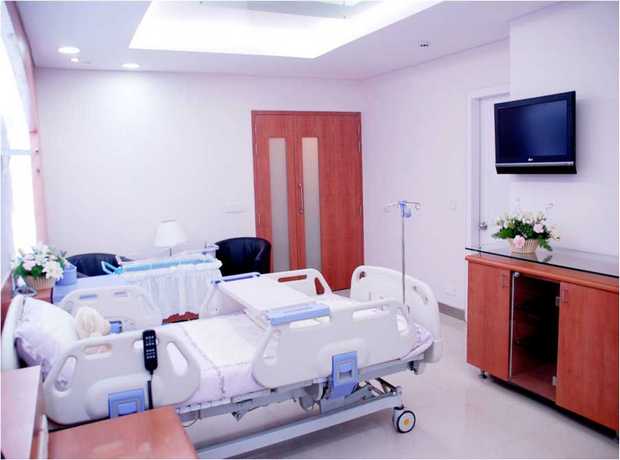
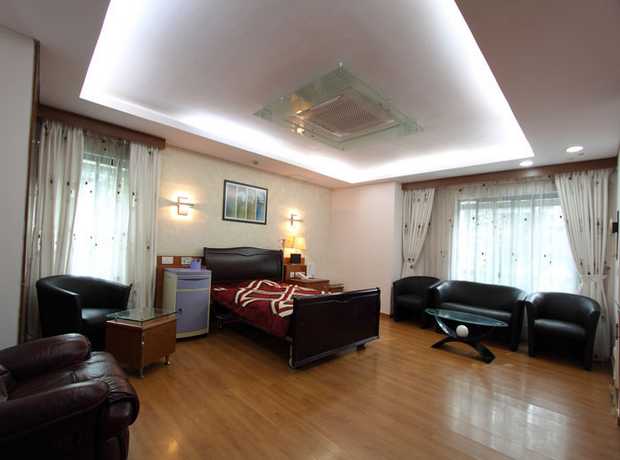
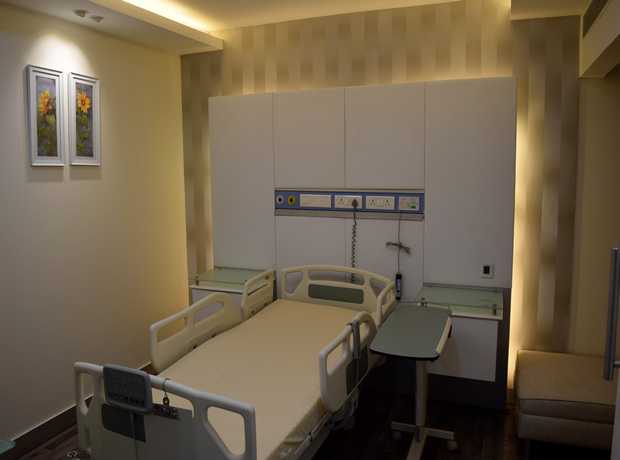
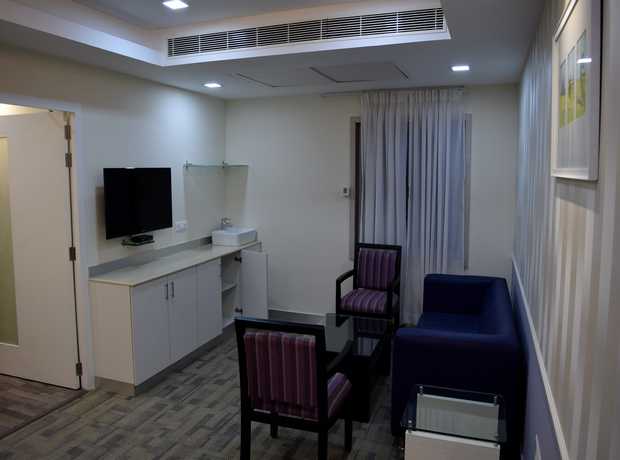
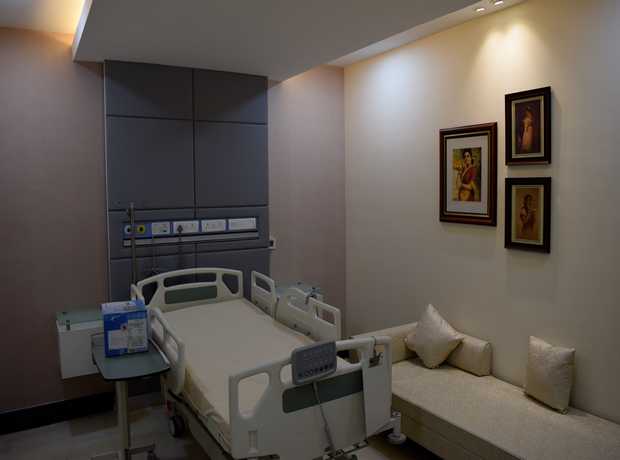
The interior environment of a hospital has a profound impact on patient recovery, staff morale, and overall operational efficiency. Effective hospital interior design moves beyond mere aesthetics to create healing, functional, and safe spaces.
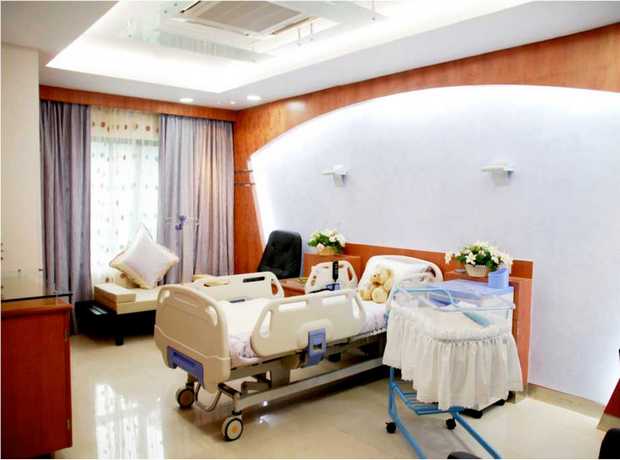
- Patient-Centric Design: Focus on creating environments that promote comfort, reduce anxiety, and support well-being. This includes calming color palettes, natural materials, and comfortable furnishings.
- Biophilic Elements: Integrating natural light, views to greenery, indoor plants, and natural textures has been shown to reduce stress and accelerate healing.
- Lighting and Acoustics: Optimize lighting for different areas – bright task lighting in clinical zones, soft ambient lighting in patient rooms, and daylight wherever possible. Acoustic management is critical to reduce noise, which can impede healing and cause staff fatigue.
- Wayfinding: Clear, intuitive wayfinding systems (signage, color coding, distinctive landmarks) reduce stress for patients and visitors navigating complex hospital layouts.
- Infection Control: Select durable, easy-to-clean, non-porous materials for all surfaces (flooring, walls, countertops) to minimize the spread of infection. Consider antimicrobial finishes where appropriate.
- Ergonomics: Design spaces and select furniture that support ergonomic principles for both patients and staff, reducing the risk of injury and improving comfort.
- Flexibility: Interior spaces should be designed with adaptability in mind, allowing for easy reconfiguration as clinical needs or technologies evolve.
Skydome Designs excels in hospital interior design, creating patient rooms, ICUs, OTs, labs, consultation areas, and facility planning for optimized care. Our services include space planning, furniture layouts, lighting, and turnkey interior execution, all designed to enhance patient experience and operational efficiency. Transform Your Hospital Interiors with Skydome Designs
ICU Layout and Design: Precision for Critical Care
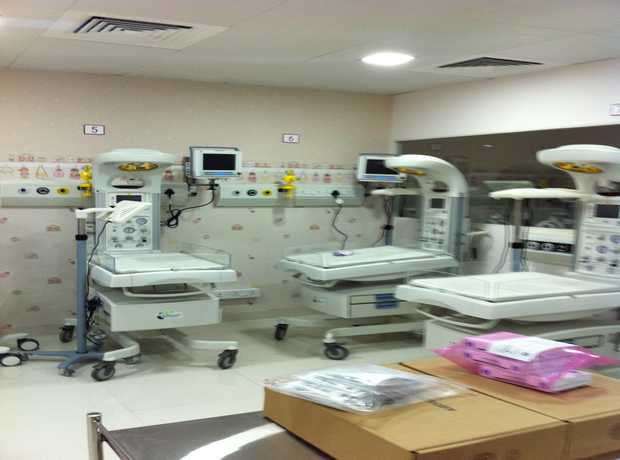
The Intensive Care Unit (ICU) is a highly specialized environment where design directly impacts patient outcomes and staff effectiveness. The ICU layout requires careful planning to ensure efficient patient care, immediate access to life-saving equipment, and optimal staff workflow.
- Visibility and Monitoring: Design patient rooms and nurse stations for optimal visibility of patients, allowing for constant monitoring while respecting patient privacy.
- Accessibility: Ensure ample space around beds for medical equipment (ventilators, IV pumps, monitors) and easy access for staff during emergencies. Corridors must be wide enough for rapid movement of beds and equipment.
- Infection Control: Implement stringent infection control measures, including negative pressure rooms for isolation, hands-free sinks, and appropriate material selections.
- Patient and Family Zones: While focusing on critical care, incorporate elements that support patient recovery and family presence, such as comfortable seating, natural light, and quiet zones.
- Staff Workflow: Optimize the layout to minimize travel distances for staff, facilitate quick access to supplies, and provide adequate documentation areas and respite spaces.
- Technology Integration: Seamless integration of advanced medical technologies, central monitoring systems, and communication tools is paramount.
OT Design and Functionality: The Heart of Surgical Care
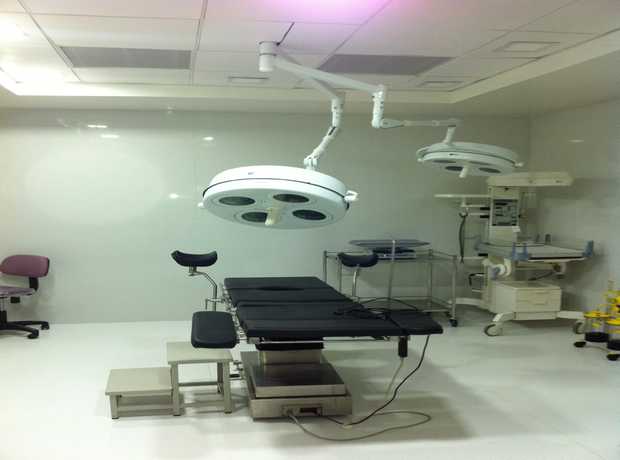
Operating Theaters (OTs) are arguably the most technically demanding areas of a hospital, requiring meticulous design to comply with strict hygiene standards, facilitate complex surgical procedures, and ensure patient safety. Proper OT design is essential for surgical success and infection prevention.
- Zoning and Sterility: Implement clear zoning (unrestricted, semi-restricted, restricted) to maintain sterility. Positive pressure ventilation systems are crucial to prevent contaminated air from entering sterile zones.
- Airflow Management: Advanced HVAC systems providing laminar flow and stringent air changes per hour are vital for maintaining air quality and minimizing airborne contaminants.
- Equipment Integration: Design for seamless integration of surgical equipment, imaging modalities (for hybrid OTs), and robotic systems, including appropriate power, data, and medical gas outlets.
- Ergonomics for Surgical Teams: Consider the ergonomic needs of surgical staff, including lighting, adjustable surgical booms, and adequate circulation space.
- Ancillary Spaces: Meticulously design scrub areas, sterile processing departments (SPD), anesthesia workrooms, and recovery areas to support efficient workflow and infection control.
- Material Selection: Choose non-porous, easily cleanable, and durable materials that can withstand rigorous cleaning protocols and harsh chemicals.
Emergency Department (ED) Design: Speed and Efficiency
The Emergency Department is the frontline of a hospital, demanding a design that prioritizes rapid patient assessment, efficient flow, and the ability to handle fluctuating patient volumes, including mass casualty events.
- Efficient Patient Flow: Design clear, separated pathways for ambulances, walk-in patients, and discharge to minimize bottlenecks. Implement fast-track zones for less severe cases.
- Triage Areas: Clearly defined and efficient triage stations are vital for quickly assessing patient acuity and directing them to appropriate care zones.
- Trauma Bays: Dedicated, well-equipped trauma bays with direct access for ambulances and imaging facilities are critical for life-saving interventions.
- Isolation Rooms: Sufficient number of airborne and contact isolation rooms with appropriate ventilation systems (negative pressure) are necessary for infection control, especially in an unpredictable environment.
- Security: Integrate robust security measures, including controlled access, surveillance, and clear lines of sight, to ensure the safety of patients and staff.
- Waiting Areas: Design waiting areas that are comfortable, safe, and can accommodate varying patient loads, while still allowing for patient privacy.
Diagnostic Imaging Department Design: Precision and Patient Comfort
The Diagnostic Imaging Department houses highly specialized and expensive equipment, requiring specific design considerations for patient safety, equipment functionality, and accurate diagnoses.
- Shielding Requirements: Critical planning for radiation shielding (for X-ray, CT, PET-CT) and magnetic shielding (for MRI) to protect patients, staff, and adjacent areas.
- Patient Comfort and Flow: Design for calm and reassuring environments, considering patient anxiety during scans. Efficient patient flow from waiting areas to changing rooms and scanning rooms.
- Equipment Specifications: Close coordination with equipment manufacturers to ensure correct room dimensions, power requirements, cooling systems, and access for installation and maintenance.
- Integration with Other Departments: Strategic location to facilitate easy access for inpatients, outpatients, and emergency department transfers.
- Reading Rooms: Ergonomically designed, quiet reading rooms for radiologists with optimal lighting and equipment to minimize fatigue and maximize diagnostic accuracy.
Outpatient Clinics and Specialty Centers: Accessibility and Flexibility
As healthcare shifts towards more preventative and ambulatory care, the design of outpatient clinics and specialty centers becomes increasingly important. These facilities often serve as the primary point of contact for many patients.
- Accessibility: Design for universal access, including ramps, elevators, wide doorways, and accessible restrooms, to accommodate all patients.
- Flexibility and Modularity: Outpatient services can change rapidly. Modular clinic spaces that can be easily reconfigured or expanded are highly valuable.
- Patient Comfort: Create welcoming, comfortable, and efficient waiting areas, consultation rooms, and treatment spaces.
- Privacy: Ensure acoustic and visual privacy for patients during consultations and examinations.
- Technology Integration: Seamless integration of electronic health records (EHRs), patient self-check-in kiosks, and telehealth capabilities.
- Efficient Staff Workflow: Optimize the layout to support efficient staff movement between consultation rooms, treatment areas, and administrative zones.
Choosing the Right Jeddah Hospital Experts: Your Partner in Success
The complexity and critical nature of hospital projects in Jeddah necessitate selecting a team of experts who not only understand the technical demands but also the local ecosystem. The right Jeddah hospital building design and architecture company will be your strategic partner in navigating challenges and realizing your vision.
Look for a partner with:
- Extensive Experience: A deep portfolio in hospital design and construction, specifically demonstrating successful projects within Jeddah or the broader KSA, speaks volumes about their capability to handle local intricacies.
- Understanding of Local Regulations and Cultural Sensitivities: This cannot be overstated. A firm’s ability to seamlessly integrate local building codes, health authority requirements, and cultural considerations into the design process is paramount to avoiding delays and ensuring functional, culturally appropriate outcomes.
- A Proven Track Record: Demand evidence of delivering projects on time and within budget. This includes transparent reporting, robust project management methodologies, and strong client testimonials.
- Commitment to Sustainable Design Principles: As Jeddah moves towards a greener future, partnering with a firm that integrates energy efficiency, water conservation, and environmentally friendly materials is not just ethical but also financially astute in the long run.
- Dedicated Healthcare Architects: These specialists understand the unique workflows, safety requirements, and technological needs that differentiate healthcare facilities from other building types. They are crucial for optimizing clinical functionality and patient experience.
- End-to-End Delivery Capability: A partner who can manage the entire lifecycle of the project, from initial strategy and design through construction and handover, provides a single point of accountability and streamlines the entire process.
Skydome Designs stands as a testament to these criteria. We have delivered 2311+ hospital building design and architecture assignments across Jeddah and globally over 29+ years. Our on‑time delivery rate exceeds 98%, and our multi‑disciplinary reviews and post‑occupancy support underpin positive outcomes. We offer end‑to‑end delivery for hospital building design and architecture — strategy, design, construction and handover in Jeddah. Our global design standards combined with our local code expertise in Jeddah, ensure a successful project.
Our services include:
- Hospital Interior Design: Patient rooms, ICUs, OTs, labs, consultation areas, and facility planning for optimized care.
- Space planning, furniture layouts, lighting, and turnkey interior execution.
- Comprehensive architectural design for new builds and renovations.
- Sustainable and future-ready design solutions.
- Expert navigation of local Jeddah regulations and compliance.
When you partner with Skydome Designs, you’re not just hiring an architecture firm; you’re engaging a dedicated team committed to the success and impact of your healthcare facility in Jeddah. Contact us today to discuss your hospital building design project in Jeddah. Let’s build the future of healthcare together!
The Future of Healthcare Design in Jeddah: Innovation and Adaptability
Looking ahead to 2025 and beyond, hospital design in Jeddah will continue to evolve rapidly, driven by technological advancements, shifting healthcare paradigms, and global events. Future-proofing designs is paramount.
- Telemedicine and Remote Care Integration: Hospital design will increasingly incorporate dedicated spaces for telemedicine consultations, virtual monitoring, and remote diagnostics, reducing the need for physical visits for certain conditions.
- Smart Hospitals and IoT: The integration of Internet of Things (IoT) devices, artificial intelligence (AI), and automation will create “smart hospitals.” This includes smart beds that monitor patient vitals, automated guided vehicles (AGVs) for logistics, and AI-powered systems for operational optimization and predictive maintenance.
- Flexible Infrastructure for Crisis Preparedness: The COVID-19 pandemic highlighted the need for adaptable hospital infrastructure. Future designs will feature flexible zones that can be rapidly converted into isolation units, surge capacity wards, or testing centers.
- Wellness-Focused Design: Beyond treating illness, hospitals will play a greater role in promoting wellness. This translates to designs that incorporate gyms, wellness centers, healthy dining options, and access to outdoor healing gardens.
- Genomics and Personalized Medicine: As personalized medicine advances, hospital designs may need to accommodate specialized labs and consultation rooms for genetic counseling and targeted therapies.
- Data Security and Privacy: With increased digitalization, robust cybersecurity infrastructure and physical design elements that protect patient data privacy will become even more critical.
Jeddah’s commitment to innovation means that healthcare facilities will be at the cutting edge, merging advanced technology with human-centered design to deliver superior patient care. The architectural and design partners chosen must be capable of anticipating these trends and integrating them seamlessly into current projects.
Conclusion
Delivering hospital building design and architecture projects on time and within budget in Jeddah is a complex undertaking, yet one that holds immense potential for advancing the region’s healthcare capabilities. It requires a convergence of careful planning, strategic partner selection, leveraging cutting-edge technology, proactive risk management, and an unwavering commitment to sustainability and patient-centric design. By adopting these strategies, stakeholders can navigate the unique challenges of the Jeddah market and achieve highly successful outcomes.
The journey to build a future-ready hospital is a collaborative one. Choosing an expert partner who understands not just global design standards but also possesses invaluable local code expertise in Jeddah is paramount. A partner with a proven track record, dedicated healthcare specialists, and a commitment to end-to-end delivery provides the assurance needed for such significant investments.
Skydome Designs brings nearly three decades of unparalleled experience and a sterling reputation for excellence to your project. Our success is built on a foundation of 2311+ hospital building design and architecture assignments across Jeddah and globally, with an on-time delivery rate exceeding 98%. We provide comprehensive services from strategy and design through construction and handover, ensuring your vision for healthcare excellence is realized efficiently and effectively.
Don’t leave your critical healthcare infrastructure project to chance. Partner with the experts who can deliver on quality, budget, and timeline. Call us today at +91 7299072144 or email us at info@skydomedesigns.com to begin planning your next-generation healthcare facility in Jeddah. Let Skydome Designs be your trusted partner in shaping the future of healthcare!
Frequently Asked Questions (FAQs)
Here are some common questions related to hospital building design and architecture in Jeddah:
What are the key considerations for hospital building design in Jeddah?
Key considerations include a deep understanding of local building codes and health authority regulations, cultural sensitivities and privacy needs, adaptation to Jeddah’s climate for energy efficiency, stringent sustainability requirements, and the seamless integration of advanced medical technology for efficient healthcare delivery and future adaptability.
How can I ensure my hospital building project in Jeddah stays on budget?
Staying on budget requires a multi-pronged approach: detailed initial planning with accurate cost estimation, proactive risk management with contingency planning, continuous value engineering throughout the design process, robust project management software for tracking expenses, and strict change order management. Partnering with an experienced firm like Skydome Designs, known for high on-time delivery rates, is also crucial.
What is the role of a healthcare architect in hospital building design?
A healthcare architect is a specialist who understands the intricate demands of designing medical facilities. Their role encompasses optimizing patient and staff workflows, ensuring compliance with complex healthcare regulations (infection control, patient safety), integrating specialized medical equipment, and creating healing, patient-centered environments that also support operational efficiency. They bring specific expertise that general architects may lack.
How does sustainability impact hospital building design in Jeddah?
Sustainability is a core focus in Jeddah and profoundly impacts hospital design by influencing material selection (local, recycled, low VOC), energy efficiency (HVAC, solar, insulation), water conservation (low-flow fixtures, greywater recycling), and waste management. It’s not just about environmental responsibility; sustainable design significantly reduces long-term operating costs and enhances the indoor environmental quality, contributing to patient recovery and staff well-being.
What are the latest trends in hospital interior design?
Latest trends emphasize patient-centric design (calming aesthetics, comfort), biophilic elements (natural light, views to nature, greenery), flexible spaces (adaptable clinics, convertible wards), advanced technology integration (smart rooms, digital wayfinding), and rigorous infection control measures (antimicrobial surfaces, touchless features). The goal is to create healing, intuitive, and highly functional environments.
Why is local code expertise important for hospital projects in Jeddah?
Local code expertise is paramount because Jeddah has specific building codes, health authority regulations, and environmental standards that differ from international norms. A firm with local expertise ensures designs are compliant from the outset, preventing costly revisions, legal issues, and delays during the permitting and construction phases. It also ensures the design is culturally appropriate and climate-responsive.
How does Skydome Designs ensure timely delivery for hospital projects?
Skydome Designs ensures timely delivery through comprehensive planning, leveraging advanced technologies like BIM for clash detection and precise scheduling, proactive risk management, and robust project management methodologies. Our extensive experience of 29+ years and over 2311 hospital projects globally and in Jeddah, combined with our multidisciplinary reviews and end-to-end delivery approach, contribute to our >98% on-time delivery rate.
Ready to start your project? Contact Skydome Designs today!