Designing hospital corridors and circulation spaces is not merely about creating pathways; it’s about orchestrating a seamless symphony of movement, safety, and healing. In a bustling metropolis like Sydney, this task becomes even more intricate, demanding a delicate balance of functionality, cutting-edge aesthetics, stringent regulatory compliance, and pragmatic budget considerations. As we look towards 2025 and beyond, the imperative is to craft future-ready spaces that not only prioritize patient well-being and operational efficiency but also champion environmental sustainability and technological integration. This comprehensive guide will equip you with indispensable strategies, insights, and a clear roadmap to ensure your hospital corridor and circulation design in Sydney is delivered not just on time, but also well within budget, setting new benchmarks for healthcare infrastructure in the region.
The corridors of a hospital are its arteries, facilitating the lifeblood of its operations. They are the initial touchpoints for patients, the constant thoroughfares for staff, and critical logistical channels for equipment and supplies. In Sydney’s dynamic healthcare landscape, the expectations for these spaces are evolving rapidly. From enhancing patient privacy and comfort to streamlining emergency response and minimizing infection risks, every design decision carries profound implications. Our focus here is to unpack the complexities unique to Sydney’s context and provide actionable strategies for design and execution that promise efficiency, resilience, and a superior healing environment.
Understanding the Multi-Faceted Challenges of Hospital Corridor and Circulation Design in Sydney
Developing truly effective hospital corridor and circulation design in Sydney is an undertaking fraught with unique complexities that demand a specialized approach. The vibrant, yet densely populated, urban fabric of Sydney imposes significant spatial constraints, often requiring innovative solutions to maximize every square meter. Beyond physical limitations, projects must navigate a labyrinth of stringent Australian healthcare standards, local building codes, and evolving global best practices in infection control. The overarching goal is always to achieve seamless patient flow and operational efficacy, but this must now be balanced with Sydney’s increasing prioritization of sustainability and the embrace of digital delivery methodologies. Future-ready hospital corridor and circulation design isn’t just about immediate impact; it’s about lowering lifecycle costs, enhancing adaptability, and creating resilient healthcare environments for generations to come.
Key Challenges and Their Sydney-Specific Nuances:
- Strict Adherence to Australian Healthcare Standards and Building Codes: Sydney’s healthcare projects are governed by a robust framework of national and state-specific regulations, including the National Construction Code (NCC), Australian Standards (AS), and NSW Health guidelines. These cover everything from fire safety and accessibility (DDA compliance) to ventilation, materials, and structural integrity. Navigating these without specialized expertise can lead to costly delays and redesigns. Designs must consider patient safety, staff occupational health, and the public’s right to access, often requiring detailed acoustic, lighting, and wayfinding strategies.
- Optimizing Space Utilization to Maximize Efficiency: With Sydney’s high property values and dense urban environment, every square meter in a hospital is precious. Corridor design isn’t just about width; it’s about strategic placement of waiting areas, alcoves for equipment, discreet staff workstations, and integrated storage solutions that do not impede primary circulation. The challenge lies in creating a sense of spaciousness and ease of movement within often constrained footprints, ensuring that patient journeys are direct and staff movements are optimized, minimizing wasted time and effort.
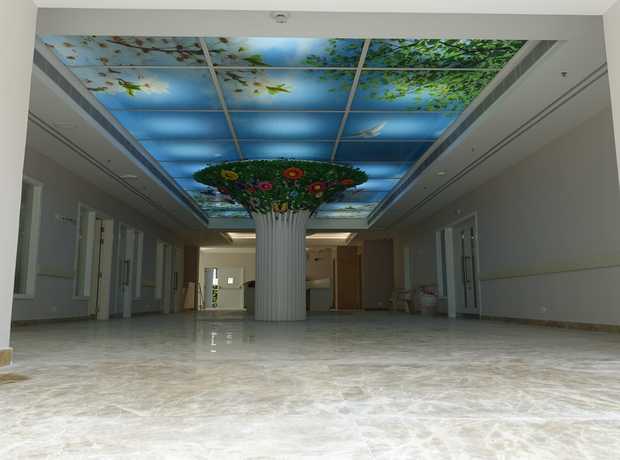
- Balancing Aesthetic Appeal with Functional Requirements: A hospital is no longer just a functional building; it’s a healing environment. Sydney’s population expects healthcare facilities that are not only efficient but also visually appealing, comforting, and psychologically supportive. The design challenge involves integrating biophilic elements, calming color palettes, and natural light while ensuring materials are durable, easy to clean, and meet stringent infection control standards. Aesthetics must never compromise critical functions such as wayfinding clarity, emergency access, or the practicalities of patient transport and equipment movement.
- Integrating Technology for Improved Patient Experience and Staff Workflows: Modern Sydney hospitals are increasingly smart. Corridors must accommodate sophisticated IT infrastructure for digital signage, patient tracking systems, telemedicine kiosks, wireless connectivity, and automated guided vehicles (AGVs). The challenge is to integrate these technologies seamlessly and discreetly, ensuring they enhance rather than disrupt the environment, support data flow, and improve both patient engagement and staff operational efficiency without creating visual clutter or maintenance headaches.
- Meeting Stringent Infection Control Standards: This remains a paramount concern in any healthcare setting, and particularly in high-traffic corridors. The Sydney healthcare system places a strong emphasis on preventing healthcare-associated infections (HAIs). Design elements must actively support infection control protocols, from specifying antimicrobial surfaces and seamless finishes to implementing advanced ventilation systems (HEPA filtration), designing strategic hand hygiene stations, and creating clear zones for clean and dirty pathways. The choice of materials, joint details, and cleaning accessibility are critical design considerations to mitigate pathogen transmission.
- Addressing Sustainability and Lifecycle Costs: Sydney is at the forefront of sustainable urban development. Hospital projects are increasingly scrutinized for their environmental footprint and long-term operating costs. This means designing corridors with energy-efficient lighting, passive ventilation strategies where appropriate, durable and locally sourced sustainable materials, and systems that reduce waste. The initial design must factor in the entire lifecycle, aiming to lower operational expenses, reduce carbon emissions, and contribute to the hospital’s overall environmental stewardship.
- Navigating Stakeholder Expectations and Community Engagement: Sydney’s diverse community and robust public engagement processes mean that hospital designs must often consider a wide array of stakeholder perspectives – from clinical staff and hospital administrators to patient advocacy groups and local residents. Balancing these varied expectations while maintaining project scope and budget can be a significant challenge, requiring excellent communication and stakeholder management throughout the design and approval phases.












Strategies for On-Time and On-Budget Delivery in Sydney
To successfully navigate these intricate challenges and deliver a benchmark-setting hospital corridor and circulation design in Sydney, a proactive, integrated, and meticulously planned approach is not just beneficial, but absolutely essential. Here are some cornerstone strategies that will empower you to keep your project on track, within financial parameters, and ultimately achieve a superior outcome:
1. Engage Experienced Sydney Hospital Experts Early and Strategically
The foundation of any successful healthcare project, especially in a complex market like Sydney, is early engagement with highly specialized and experienced professionals. Partnering with a firm that possesses deep expertise in Sydney hospital corridor and circulation design is not merely an advantage; it’s a critical necessity. Look for firms with a verifiable, proven track record of delivering successful, large-scale healthcare projects within the Sydney healthcare sector. An experienced healthcare architect and design team will bring an invaluable understanding of local regulations, supply chains, cultural sensitivities, and the specific operational nuances of Australian hospitals. Their early involvement ensures that fundamental design decisions are sound, compliant, and cost-effective from the outset, preventing expensive rework down the line.
Such experts can guide you through the intricate planning permissions, regulatory approvals, and even anticipate potential site-specific challenges. They have established relationships with local contractors, suppliers, and regulatory bodies, which can significantly streamline the project timeline. Their insights into future trends in healthcare design, sustainability mandates, and technological integration specific to the Sydney context can future-proof your investment. Skydome Designs, for instance, has demonstrated unparalleled expertise, having delivered 1992+ hospital corridor and circulation design assignments across Sydney and globally over 30+ years. Our commitment to on‑time delivery, exceeding 98%, coupled with multi‑disciplinary reviews and robust post‑occupancy support, underpins the exceptional quality and longevity of our outcomes. This level of experience isn’t just about completing projects; it’s about delivering enduring value. Contact us today to discuss how our seasoned expertise can be the cornerstone of your project’s success.
2. Emphasize Rigorous Clinical Planning and Functional Programming
Thorough clinical planning and meticulous functional programming are the undisputed bedrock of effective, patient-centered hospital design. Before any lines are drawn, a deep dive into the hospital’s operational philosophy, patient demographics, anticipated care pathways, and future growth projections is imperative. This involves a detailed, collaborative analysis of every conceivable aspect: how patients will arrive, move through diagnostic areas, receive treatment, and recover; how staff will access necessary resources, interact with patients, and manage emergencies; and what specific equipment, technology, and logistical support each area will require. Understanding these specific needs and interdependencies is not just about efficiency; it’s about shaping a design that inherently supports the clinical mission and patient experience.
This phase involves comprehensive stakeholder workshops with doctors, nurses, allied health professionals, administrators, and facilities managers. Their input is crucial for developing precise spatial requirements, defining departmental relationships, and mapping out critical adjacencies. By understanding the specific needs of each clinical service and the hospital as a whole, designers can create a physical environment that optimizes workflows, minimizes travel distances, reduces potential bottlenecks, and ultimately enhances safety and quality of care. Such rigorous planning ensures that the design is intrinsically tailored to the hospital’s operational model, leading to significant reductions in long-term operational costs, improving staff satisfaction, and creating a more intuitive and less stressful environment for patients. Skipping or rushing this crucial step almost invariably leads to costly redesigns, operational inefficiencies, and compromises on patient care post-occupancy.
3. Leverage Building Information Modeling (BIM) for Superior Coordination, Value Engineering, and Digital Delivery
Building Information Modeling (BIM) transcends traditional CAD by transforming design into a collaborative, data-rich process that is absolutely indispensable for complex projects like hospital corridor design in Sydney. BIM allows for the creation of a sophisticated virtual 3D model of the entire hospital, integrating architectural, structural, and MEP (Mechanical, Electrical, Plumbing) systems into a single, comprehensive database. This virtual model is a powerful tool for visualising the design, but its true power lies in its ability to facilitate real-time coordination, intelligent clash detection, and sophisticated value engineering. By identifying potential conflicts between different building systems (e.g., ducts conflicting with structural beams) early in the design phase, costly on-site rework and delays are virtually eliminated. This proactive approach ensures that the project remains on track and within budget, a critical factor for any Sydney development.
Beyond clash detection, BIM supports robust value engineering by allowing design teams to rapidly evaluate alternative materials, construction methods, and system configurations based on cost, performance, and sustainability metrics. It provides accurate quantity take-offs and cost estimations, offering unparalleled transparency and control over the project budget. Furthermore, BIM is the backbone of modern digital delivery, enabling enhanced communication among all stakeholders – from architects and engineers to contractors and facility managers. It creates a ‘digital twin’ of the building that can be used for ongoing facility management, maintenance planning, and future renovations, significantly reducing lifecycle costs. Skydome Designs prides itself on its award‑winning team, transparent costs, and milestone‑based reporting, all underpinned by BIM‑led coordination, value engineering, and quality control tailored specifically to Sydney projects. This commitment helps ensure your project stays on track, within budget, and achieves the highest quality standards. Our comprehensive BIM implementation ensures that your project benefits from unparalleled precision, efficiency, and future adaptability, making us a premier choice for healthcare design in Sydney.
4. Prioritize Infection Control as an Integrated Design Principle
Infection control is not merely a component of hospital design; it is a paramount and non-negotiable principle that must be woven into the very fabric of every design decision, especially within high-traffic corridors. The ongoing imperative to minimize healthcare-associated infections (HAIs) requires a holistic approach that extends beyond surface materials to encompass air quality, waste management, and patient/staff behavior. Design elements must actively contribute to an environment that discourages the spread of pathogens. This involves a meticulous selection of materials: specifying non-porous, seamlessly installed, and easy-to-clean surfaces for walls, floors, and fixtures that are resistant to bacteria, viruses, and cleaning agents. Materials like solid surface composites, antimicrobial laminates, and continuous vinyl flooring are excellent choices, reducing crevices where microbes can harbor. The design of junctions between surfaces should minimize gaps and seams that can trap dirt and moisture.
Beyond materials, air quality plays a critical role. Incorporating advanced ventilation systems with appropriate air changes per hour (ACH) and HEPA filtration, particularly in areas near sensitive patient zones or isolation rooms, is essential. Design should consider positive and negative pressure zones where necessary. Strategic placement of hands-free hand hygiene stations (alcohol-based hand rub dispensers) at frequent intervals, especially at entry and exit points of patient care areas, is crucial. Moreover, the layout of corridors should facilitate clear separation of “clean” and “dirty” flows, preventing cross-contamination of supplies, equipment, and waste. Design details such as recessed equipment alcoves, automated door systems, and touch-free fixtures further reduce high-touch surfaces. Even lighting design can play a role, with some UV-C lighting technologies used for disinfection in specific scenarios. By integrating these critical infection control measures from conception, designers can create a safer, more hygienic environment that protects both patients and staff within Sydney’s healthcare facilities.
5. Streamline Communication, Robust Project Management, and Stakeholder Engagement
In any complex construction project, and especially in the high-stakes environment of hospital design, effective communication and rigorous project management are the twin pillars of on-time and on-budget delivery. A project’s success hinges on establishing clear, transparent, and consistent lines of communication between all stakeholders. This includes the client (hospital administration, clinicians), the design team (architects, engineers, specialists), the construction team (contractors, subcontractors), regulatory bodies, and even community representatives. Establishing a single point of contact or a core communication hub can prevent misunderstandings, conflicting instructions, and decision-making bottlenecks. Regular, structured meetings with clear agendas, documented minutes, and assigned action items are fundamental. Leveraging collaborative digital platforms for document sharing, progress tracking, and issue resolution can significantly enhance efficiency, especially when dealing with diverse teams spread across Sydney.
A robust project management system is equally vital. This involves developing a detailed project schedule with realistic timelines, defined milestones, and clear dependencies. Risk management must be an ongoing process, identifying potential challenges (e.g., material delays, regulatory changes, unexpected site conditions) early and developing proactive mitigation strategies. Financial oversight, including strict budget tracking, change order management, and value engineering exercises, is essential to prevent cost overruns. Furthermore, a well-defined decision-making hierarchy and process ensure that approvals are timely, preventing project stagnation. Skydome Designs understands this implicitly. Our award‑winning team employs transparent costs and milestone‑based reporting, coupled with meticulous project management in Sydney, making us a premier choice for clients seeking reliability and accountability. We proactively engage with all parties, fostering a collaborative environment that minimizes disputes and ensures timely, informed decisions, thereby keeping your project moving forward smoothly and efficiently towards its successful completion.
6. Embrace Sustainable Design Practices and Future-Proofing
In Sydney, a global city increasingly focused on environmental stewardship and resilience, incorporating sustainable design elements into hospital corridor and circulation design is no longer an optional add-on; it is a fundamental expectation and a smart long-term investment. Sustainable design practices not only reduce the hospital’s environmental footprint but also lead to significant reductions in long-term operating costs, enhance occupant well-being, and future-proof the facility against evolving climate challenges and regulatory requirements. This multifaceted approach begins with energy efficiency: specifying high-performance glazing to optimize natural light while minimizing heat gain, integrating energy-efficient LED lighting systems with daylight harvesting controls, and designing for efficient HVAC systems that leverage heat recovery and smart zoning. Corridor design can contribute by promoting natural ventilation strategies where appropriate, reducing reliance on artificial cooling and heating.
Material selection is another critical aspect. Prioritize locally sourced, recycled content, rapidly renewable materials, and low-VOC (Volatile Organic Compound) finishes to improve indoor air quality and reduce embodied carbon. Durable materials that require minimal maintenance and have a long lifespan further contribute to sustainability by reducing waste and resource consumption over time. Water efficiency is also key; consider low-flow fixtures and water-efficient landscaping surrounding the facility. Beyond the immediate environmental benefits, sustainable design extends to human well-being. Incorporating biophilic design principles – bringing elements of nature indoors through views to green spaces, natural materials, and interior planting – can significantly reduce stress and promote healing. Designing for adaptability and future expansion ensures that the hospital can evolve with changing healthcare needs without extensive, resource-intensive renovations. By embedding these sustainable practices from the outset, your Sydney hospital project will not only meet contemporary environmental standards but also stand as a testament to responsible, forward-thinking development, attracting patients and staff who value a healthier, greener environment.
7. Integrate Digital Delivery and Smart Infrastructure for 2025+ Readiness
The healthcare landscape of 2025 and beyond in Sydney will be fundamentally shaped by digital advancements. Therefore, hospital corridor and circulation design must proactively integrate smart infrastructure and digital delivery capabilities. This goes beyond just BIM and extends to the operational intelligence of the building itself. Designing corridors to seamlessly accommodate digital wayfinding screens, interactive patient information kiosks, and sensors for occupancy and environmental monitoring is crucial. These technologies enhance the patient experience by providing intuitive navigation and real-time updates, while also empowering staff with critical data for operational optimization.
The physical design must allow for the flexible installation and future upgrading of data networks, wireless access points, and power outlets without unsightly conduits or disruptive retrofits. Consider concealed wiring pathways, modular wall systems, and easily accessible service panels. Furthermore, the integration of IoT (Internet of Things) devices for asset tracking (e.g., mobile medical equipment), environmental control (e.g., lighting, temperature, and air quality adjustments based on real-time data), and even automated guided vehicles (AGVs) for logistics means corridors must be designed to accommodate these systems without impeding human traffic flow or patient safety. These “smart corridors” not only improve operational efficiency and reduce staff workload but also provide invaluable data for continuous improvement and predictive maintenance, lowering long-term operational costs and enhancing the hospital’s overall responsiveness and agility in Sydney’s demanding healthcare environment.
The Indispensable Role of Skydome Designs in Your Sydney Hospital Project
Skydome Designs Pvt Ltd is not just an architecture and interior design firm; we are a dedicated partner in shaping the future of healthcare infrastructure. With nearly 30 years of unwavering commitment and experience in hospital and healthcare interiors, we bring a profound understanding of the intricate balance required to create optimal healing environments. Our specialization lies in delivering innovative, sustainable, and highly functional spaces that are meticulously designed to enhance patient experiences, streamline operational efficiency, and meet the unique demands of the Sydney context.
Our comprehensive approach is what sets us apart. We boast an in-house team of highly qualified architects, specialist healthcare planners, and seasoned project managers. This integrated team ensures that every facet of your project, from initial concept to final execution and even post-occupancy evaluation, is handled with unparalleled expertise, precision, and coordination. This holistic control is a primary reason why we consistently deliver projects on time, within budget, and to global standards, surpassing client expectations in Sydney and beyond.
What We Offer for Your Sydney Hospital Corridor and Circulation Design:
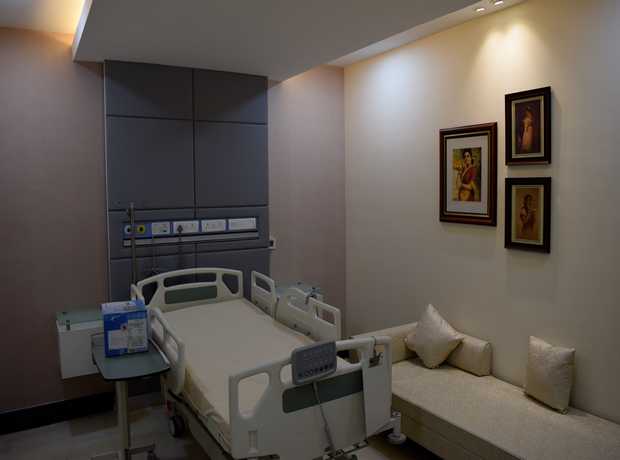
- Specialized Hospital Interior Design: Our expertise extends across the entire spectrum of hospital environments, including meticulously planned patient rooms that foster recovery, state-of-the-art Intensive Care Units (ICUs) designed for critical care, advanced Operating Theatres (OTs), efficient laboratories, welcoming consultation areas, and holistic facility planning that optimizes every square inch. We understand the unique functional and emotional demands of each space.
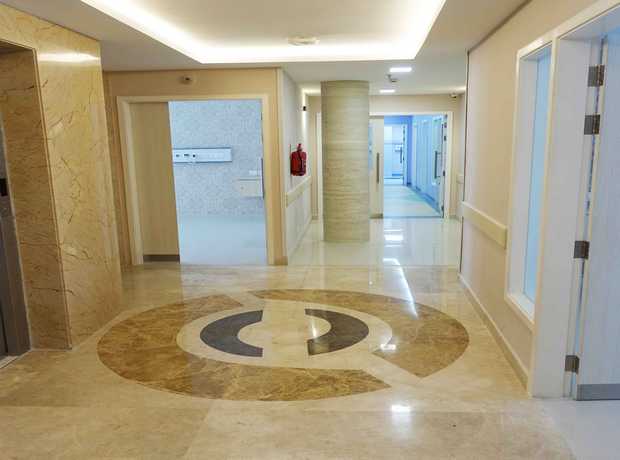
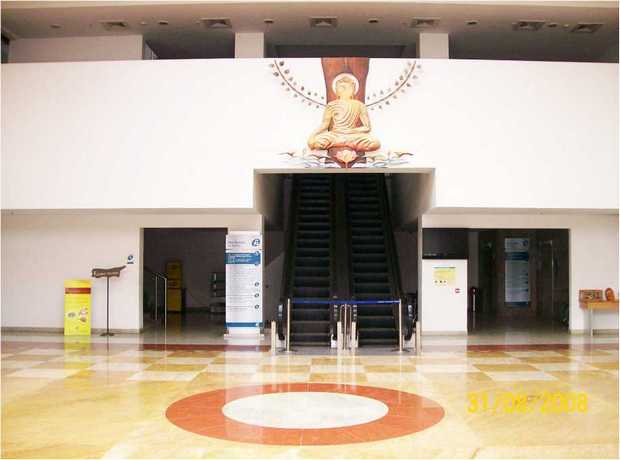
- Comprehensive Circulation Planning: We excel in designing intuitive and efficient circulation pathways – corridors, waiting areas, lobbies, and vertical transportation – that ensure seamless patient, visitor, staff, and equipment flow, minimizing stress and maximizing operational efficiency.
- Integrated Technology Solutions: Our designs proactively incorporate smart infrastructure, digital wayfinding, communication systems, and provisions for future technological advancements, ensuring your Sydney facility remains at the forefront of healthcare innovation.
- Regulatory Compliance Expertise: We possess deep knowledge of Australian healthcare standards, NSW building codes, and infection control guidelines, ensuring all designs are fully compliant and future-proofed against evolving regulations.
- Sustainability Integration: From energy-efficient lighting and HVAC systems to biophilic design principles and sustainable material selection, we embed environmentally responsible practices that reduce lifecycle costs and enhance well-being.
Why Partner with Skydome Designs for Your Sydney Project?
- 29+ years of unparalleled experience across India, Sydney, and other international locations, bringing a global perspective with local insight.
- A fully integrated in-house team of architects, healthcare planners, and project managers, ensuring seamless coordination and accountability.
- Award-winning designs that are fundamentally client-focused, innovative, and deeply committed to sustainability.
- Proven track record of project delivery on-time and on-budget, to global standards. As highlighted, we have delivered 1992+ hospital corridor and circulation design assignments across Sydney and globally over 30+ years, with on‑time delivery exceeding 98%. Our multi‑disciplinary reviews and post‑occupancy support ensure outcomes that last.
- Transparent project management: We offer transparent costs, detailed milestone‑based reporting, and employ BIM‑led coordination, value engineering, and quality control tailored specifically to the unique demands of Sydney projects.
Ready to elevate your healthcare project in Sydney? Call Skydome Designs at +91 7299072144 or Email us directly at info@skydomedesigns.com to schedule a consultation and discuss your specific requirements for hospital corridor and circulation design in Sydney. Let us bring our expertise to your vision.
FAQ: Hospital Corridor and Circulation Design in Sydney
Here are some frequently asked questions related to hospital corridor and circulation design, with a specific emphasis on the Sydney context:
What are the key considerations for hospital corridor design in Sydney?
Key considerations in Sydney include stringent compliance with Australian healthcare standards (e.g., AS 1428 for accessibility), NSW Health guidelines, and the National Construction Code. Beyond regulations, critical factors are patient safety, efficient traffic flow for diverse user groups (patients, staff, visitors, equipment), optimal space utilization, effective infection control measures (e.g., antimicrobial surfaces, proper ventilation), noise reduction, and adequate, intuitive wayfinding. Prioritizing sustainability and leveraging digital delivery are also crucial to lower lifecycle costs and future-proof the facility in Sydney’s progressive market.
How can I optimize space utilization in hospital corridors within Sydney’s constrained urban environment?
Optimizing space in Sydney’s dense environment requires a lean design philosophy. This involves implementing multi-functional corridor zones, incorporating integrated, recessed storage solutions that don’t protrude into circulation paths, utilizing flexible or modular furniture in waiting alcoves, and designing for clear sightlines to enhance perceived spaciousness. Strategic placement of support functions directly off main corridors, rather than in separate rooms, can also free up valuable floor area. BIM-led design can help analyze and refine these spatial efficiencies precisely.
What are the latest trends in hospital interior design relevant to Sydney?
Latest trends in Sydney’s hospital interior design include a strong emphasis on biophilic design (integrating natural light, views to nature, natural materials to reduce stress), the use of calming, evidence-based color palettes, and seamless integration of smart technology for enhanced patient experience and operational efficiency. There’s also a growing focus on patient-centered design that promotes privacy, comfort, and choice, alongside the selection of durable, low-VOC, and sustainable materials that support both health and environmental stewardship. Digital wayfinding and adaptive spaces are also prominent trends.
How important is infection control in hospital corridor design, particularly in Australia?
Infection control is absolutely paramount, especially in Australian healthcare where strict standards are enforced. In corridor design, this translates to using antimicrobial and easy-to-clean materials (e.g., seamless surfaces, non-porous finishes), designing for appropriate ventilation and air changes, and strategically providing readily accessible, hands-free hand hygiene stations. Designs must also consider clear separation of clean and dirty flows, waste management logistics, and minimizing high-touch surfaces to mitigate the risk of healthcare-associated infections (HAIs), which are a critical public health concern.
What role does a healthcare architect play in successful hospital design in Sydney?
A healthcare architect is indispensable. They provide specialized expertise in navigating complex healthcare regulations (Australian and NSW-specific), conducting detailed functional programming, and executing precise space planning. They are crucial for designing patient-centered environments that not only promote healing and efficiency but also comply with all local codes and international best practices. Their role is to translate clinical needs into built form, optimize workflows, and ensure the design is aesthetically pleasing, sustainable, and technologically integrated, ultimately delivering a facility that meets the unique demands of Sydney’s healthcare sector.
How does sustainability factor into Sydney hospital corridor design for 2025?
Sustainability is a core pillar for 2025 and beyond. It involves designing for energy efficiency (LEDs, daylighting), water conservation (low-flow fixtures), and using durable, recycled, or locally sourced materials with low environmental impact. Biophilic design, aiming to connect occupants with nature, also contributes to sustainability and well-being. Ultimately, sustainable design aims to reduce the hospital’s operational costs, lessen its environmental footprint, and enhance the healing environment, aligning with Sydney’s green building initiatives.
What are the benefits of using BIM for hospital design in Sydney?
BIM offers immense benefits for Sydney hospital design. It enables 3D visualization, precise clash detection among architectural, structural, and MEP systems, leading to fewer errors and costly rework on-site. It facilitates accurate cost estimation and value engineering throughout the project lifecycle. Furthermore, BIM supports collaborative decision-making among all stakeholders, streamlines digital delivery, and provides a ‘digital twin’ for efficient facility management post-construction, significantly improving overall project efficiency and cost-effectiveness.
Conclusion
Delivering a truly successful, future-ready hospital corridor and circulation design in Sydney in 2025 demands more than just architectural prowess; it requires meticulous planning, a profound understanding of the healthcare ecosystem, strategic integration of advanced technology, and an unwavering commitment to both sustainability and fiscal responsibility. By embracing early engagement with experienced Sydney healthcare experts, prioritizing rigorous clinical planning, leveraging the power of BIM for coordination and value engineering, embedding stringent infection control measures, fostering seamless communication, and championing sustainable and digitally-enabled design, you can navigate the complexities and achieve an exemplary outcome.
These corridors are not merely conduits; they are critical components of a holistic healing environment, impacting patient recovery, staff productivity, and overall operational excellence. To transform your vision into a reality that exceeds expectations, contact Skydome Designs today. Our nearly 30 years of global experience, including 1992+ successful hospital corridor and circulation design assignments across Sydney and internationally, with an on‑time delivery rate exceeding 98%, positions us as your ideal partner. Our award‑winning team, transparent costs, and BIM‑led quality control are specifically tailored to ensure your project’s success in Sydney.
Don’t leave the critical elements of your hospital’s arteries to chance. Leverage our expertise and commitment to excellence. Call us at +91 7299072144 or email us at info@skydomedesigns.com. Let’s collaborate to build a healthier, more efficient, and sustainable future for healthcare in Sydney, together!