Abu Dhabi, a beacon of innovation and sustainability in the Middle East, is rapidly evolving its infrastructure to meet ambitious environmental goals. The healthcare sector, a significant consumer of energy and resources, is at the forefront of this transformation. Implementing hospital energy efficiency solutions in Abu Dhabi is not merely an ethical commitment but a strategic imperative that promises substantial long-term financial savings and enhanced patient environments. By integrating future-ready solutions, hospitals can significantly lower lifecycle costs, improve operational resilience, and contribute positively to the emirate’s vision for a greener future.
However, successfully navigating these complex projects to ensure they are delivered on time and within budget presents unique challenges. This comprehensive guide, informed by nearly three decades of industry experience from Skydome Designs, offers expert insights and actionable strategies to overcome potential hurdles, embrace innovative technologies, and achieve your sustainability objectives in the dynamic Abu Dhabi market.
Understanding the Abu Dhabi Landscape for Hospital Energy Efficiency
To effectively implement hospital energy efficiency solutions in Abu Dhabi, a profound grasp of the local regulatory environment, the challenging climate, and the rapidly evolving healthcare infrastructure is essential. Abu Dhabi’s commitment to sustainability is enshrined in initiatives like the UAE Vision 2021 and Abu Dhabi Economic Vision 2030, which strongly advocate for digital delivery, sustainable practices, and the integration of smart technologies across all sectors. This forward-thinking approach directly influences every stage of a project, demanding a holistic strategy that seamlessly blends innovative technologies with existing systems.
Key Considerations for Abu Dhabi Hospitals
- Regulatory Compliance: Abu Dhabi has established a robust framework of building codes and energy efficiency standards designed to promote sustainable development. Staying updated and ensuring strict adherence to these regulations, such as those from the Abu Dhabi Department of Energy (DoE), the Abu Dhabi Distribution Company (ADDC), and the Estidama Pearl Rating System, is paramount. Compliance is not just a legal necessity but a pathway to potential incentives and ensures the long-term viability of your investment.
- Climate Adaptation: The region’s extreme temperatures, high humidity, and occasional sandstorms pose significant design and engineering challenges. Energy efficiency solutions must be meticulously designed to be resilient, high-performing, and durable under these harsh conditions. This includes advanced building envelope design, high-efficiency HVAC systems, and robust material selection.
- Technological Integration: The embrace of smart building technologies, Internet of Things (IoT) devices, and digital platforms is no longer optional but fundamental for optimized performance. These technologies enable real-time monitoring, predictive maintenance, and intelligent control of energy-consuming systems, paving the way for truly smart, responsive hospital environments.
- Healthcare-Specific Demands: Hospitals have unique operational requirements, including stringent indoor air quality, temperature control for sensitive equipment, and continuous power supply. Energy solutions must be integrated without compromising patient safety, comfort, or the functionality of critical medical systems.
- Market Opportunities and Support: The Abu Dhabi government actively supports green initiatives through various incentives, grants, and frameworks for public-private partnerships (PPPs). Leveraging these opportunities can significantly enhance project feasibility and accelerate implementation.
When you partner with Skydome Designs, you benefit from our award‑winning team’s expertise, transparent costs, and milestone‑based reporting in Abu Dhabi. We deliver projects to global design standards with local code expertise, ensuring your project meets and exceeds all regulatory requirements while optimizing for the unique climate challenges.












Planning for Success: The Foundation of On-Time & On-Budget Delivery
The planning phase is the bedrock of any successful project, and for hospital energy efficiency solutions in Abu Dhabi, its importance is amplified by the inherent complexity of healthcare facilities. A meticulously crafted plan ensures comprehensive stakeholder alignment, early identification and mitigation of potential risks, and the optimal allocation of resources. This systematic approach prevents costly rework, delays, and ensures that the project progresses smoothly from concept to completion.
Essential Planning Steps for Hospital Energy Efficiency
- Comprehensive Energy Audit: This foundational step involves a thorough assessment of the hospital’s existing energy consumption patterns. It goes beyond mere utility bill analysis, encompassing Level 1 (walk-through), Level 2 (detailed analysis), and Level 3 (investment grade) audits. This involves data collection from sub-metering, identifying major energy sinks (HVAC, lighting, medical equipment), understanding operational schedules, and establishing a robust energy baseline against which future savings can be measured. A detailed audit highlights opportunities for improvement and prioritizes interventions based on their energy-saving potential and return on investment.
- Detailed Design Specifications: Developing precise and performance-based design specifications is critical. This involves incorporating advanced energy-efficient technologies, materials, and passive design strategies. Considerations must extend to the building envelope (insulation, high-performance glazing), HVAC systems (variable refrigerant flow, heat recovery), lighting (LED, daylighting controls), and water heating. For critical areas like the ICU layout, design must address stringent air change rates, specialized equipment loads, and continuous operation demands while optimizing for energy use. Our approach ensures global design standards are met with local code expertise in Abu Dhabi.
- Phased Implementation Strategy: Given that hospitals are continuously operating facilities, a phased implementation approach is crucial to minimize disruption to patient care and hospital operations. This strategy breaks down the project into manageable stages with clear milestones, timelines, and budgets. It allows for testing of solutions in smaller areas before scaling, provides flexibility for adjustments, and ensures a smoother transition. Phasing also helps in allocating capital expenditures over a longer period, easing financial burdens.
- Budget Allocation & Financing: Securing adequate funding and allocating resources effectively across all project phases is paramount. This involves not only upfront capital expenditure (CAPEX) but also exploring innovative financing models such as Energy Service Company (ESCO) contracts, green loans, and leveraging government incentives. A thorough lifecycle cost analysis, which considers operational savings over the lifespan of the equipment, should guide financial decisions rather than solely focusing on initial investment costs. Transparent cost reporting and milestone-based financing help maintain fiscal discipline.
- Stakeholder Engagement and Communication Plan: Early and continuous engagement with all stakeholders – hospital administration, medical staff, facilities management, and regulatory bodies – is essential. A clear communication plan ensures everyone is informed, their concerns are addressed, and buy-in is secured, fostering a collaborative environment critical for project success.
Considering a hospital interior design refresh in Abu Dhabi? Skydome Designs can help. Learn more about our hospital interior design services, which integrate energy efficiency from concept to completion.
Expert Execution: Navigating Challenges and Ensuring Quality
With a robust plan meticulously laid out, the subsequent phase of execution demands unparalleled expertise, rigorous project management, and proactive problem-solving. For hospital energy efficiency solutions in Abu Dhabi, the stakes are exceptionally high, requiring a skilled and experienced team to ensure the project not only meets but exceeds the highest standards of quality, safety, and efficiency. Skydome Designs leverages its deep pool of Abu Dhabi hospital experts to guarantee these critical outcomes.
Key Execution Strategies for Flawless Delivery
- Experienced Project Team: Assembling a multidisciplinary team is fundamental. This includes certified architects, structural engineers, mechanical, electrical, and plumbing (MEP) engineers, healthcare planners, and specialist contractors with a proven track record in hospital energy efficiency solutions in Abu Dhabi. The team should possess not only technical prowess but also a profound understanding of healthcare environments, local regulations, and the unique challenges of the Abu Dhabi climate. Their collective experience ensures that every aspect of the project, from design to installation and commissioning, is handled with precision and foresight.
- Rigorous Quality Control & Assurance: Implementing stringent quality control (QC) and quality assurance (QA) measures throughout the entire project lifecycle is non-negotiable. This involves continuous inspections, material testing, adherence to design specifications, and regular performance audits. Critical elements include a comprehensive commissioning process (including retro-commissioning for existing systems and continuous commissioning for ongoing optimization) to verify that all systems are installed correctly and operating as intended. Post-occupancy evaluations further ensure long-term performance and identify any discrepancies.
- Effective Communication & Collaboration: Maintaining open, transparent, and consistent communication among all stakeholders is vital for avoiding misunderstandings and resolving issues promptly. This includes regular progress meetings with hospital staff, contractors, suppliers, and regulatory authorities. Clear lines of communication and a collaborative approach foster a shared sense of ownership and ensure that the project’s goals remain aligned with the hospital’s operational needs and patient care priorities.
- Proactive Risk Management: The execution phase is susceptible to various risks, including technical glitches, supply chain disruptions, labor issues, and unforeseen site conditions. A proactive risk management strategy involves continuously identifying potential risks, assessing their impact, and developing comprehensive mitigation plans. This includes contingency budgeting, alternative material sourcing, and flexible scheduling to adapt to unexpected challenges without compromising timelines or budget.
- Measurement and Verification (M&V): A robust M&V plan is crucial during execution. This involves continuously monitoring energy consumption data against the established baseline and projected savings. M&V provides ongoing feedback, allowing for immediate adjustments and fine-tuning of systems to maximize energy performance. It also offers concrete evidence of energy savings, validating the investment.
At Skydome Designs, our commitment to excellence is reflected in our performance. We have delivered 563+ hospital energy efficiency solutions assignments across Abu Dhabi and globally over 18+ years. Our on‑time delivery rate of 97%, underpinned by multi‑disciplinary reviews and post‑occupancy support, showcases our unwavering dedication to successful project outcomes. We ensure every project is not just completed, but optimized for lasting efficiency.
Controlling Costs: Strategies for Staying Within Budget
Budget overruns are a perennial concern in construction projects, particularly those as intricate as hospital energy efficiency retrofits. However, with meticulous planning, shrewd execution, and disciplined financial management, delivering hospital energy efficiency solutions in Abu Dhabi within budget is not only achievable but a hallmark of a well-managed project. At Skydome Designs, we pride ourselves on offering award‑winning design solutions with transparent costs and milestone‑based reporting in Abu Dhabi, ensuring financial clarity and control from inception to completion.
Comprehensive Cost-Saving Measures
- Value Engineering: This isn’t merely about cutting costs; it’s about optimizing the value-to-cost ratio without compromising quality, performance, or functionality. Value engineering involves a systematic review of the design, materials, and systems to identify opportunities for achieving the same (or better) performance at a lower cost. This might include using alternative, equally effective materials, simplifying complex systems, or optimizing construction methodologies. It requires a collaborative effort from the design and construction teams early in the planning phase.
- Competitive Bidding & Contract Negotiation: A transparent and competitive bidding process is essential for securing the best value for money. This involves obtaining detailed proposals from multiple pre-qualified contractors, evaluating them not just on price but also on their experience, quality of work, safety records, and adherence to timelines. Rigorous contract negotiation, including clear scope definitions, payment schedules, penalty clauses for delays, and performance-based incentives, helps to lock in costs and manage expectations.
- Efficient Resource Management: Optimizing the use of all resources – materials, equipment, and labor – is critical for cost control. This includes implementing lean construction principles to minimize waste, ensuring timely procurement to avoid delays and price escalations, and optimizing labor scheduling to maximize productivity. Effective inventory management and minimizing rework also contribute significantly to cost savings.
- Proactive Change Management: Uncontrolled change orders are a primary culprit behind budget overruns. A proactive change management system involves thoroughly documenting any proposed changes, assessing their impact on cost and schedule, and obtaining formal approvals before implementation. This systematic approach prevents scope creep and ensures that any deviations from the original plan are justified and budgeted for.
- Lifecycle Cost Analysis (LCCA): While initial capital costs are important, LCCA provides a more holistic view by considering the total cost of ownership over the lifespan of a system or product. This includes acquisition, installation, operating, maintenance, and disposal costs. By focusing on LCCA, decisions can be made that lead to greater long-term savings, even if the initial investment is higher. For example, investing in higher-efficiency HVAC systems might have a greater upfront cost but will yield significant operational savings over decades.
- Performance-Based Contracts: Structuring contracts to include performance guarantees, especially with Energy Service Companies (ESCOs), can transfer some financial risk to the service provider. These contracts tie payments to actual energy savings achieved, incentivizing the provider to deliver optimal efficiency.
Our commitment to financial transparency is a cornerstone of our service. With Skydome Designs, you benefit from our award‑winning team, ensuring transparent costs and milestone‑based reporting throughout your project in Abu Dhabi. This approach empowers you with clear financial oversight and helps keep your project firmly within budget.
The Role of Hospital Interior Design in Energy Efficiency
Beyond the technical systems and building envelope, hospital interior design emerges as a surprisingly significant factor in achieving overall energy efficiency. Thoughtful and strategic design choices can dramatically reduce a facility’s energy footprint, enhance patient comfort, and improve the working environment for staff. Considerations for infection control and meticulous clinical planning are not separate from energy efficiency but must be seamlessly integrated when selecting materials, optimizing layouts, and designing critical spaces.
Optimizing Interior Design for Energy Savings and Operational Efficiency
- Natural Light Integration (Daylighting): Maximizing the use of natural light is one of the most effective passive energy strategies. This involves strategic placement of windows, skylights, and light shelves to distribute daylight deep into the interior, thereby reducing reliance on artificial lighting during daytime hours. Design elements like interior courtyards, atriums, and translucent partitions can also enhance natural light penetration. Glare control measures, such as external shading devices and automated blinds, are crucial to ensure comfort and prevent heat gain.
- Energy-Efficient Materials: The selection of interior materials plays a vital role. Choose materials with low embodied energy (energy consumed during their production, transport, and disposal) and high thermal performance. For example, using highly reflective interior finishes can amplify natural and artificial light, reducing the need for higher wattage fixtures. Insulated walls, floors, and ceilings contribute to maintaining stable indoor temperatures, reducing HVAC load. Environmentally friendly materials, such as recycled content flooring or low-VOC (Volatile Organic Compound) paints, also contribute to better indoor air quality, which can indirectly affect HVAC energy use by reducing the need for excessive ventilation cycles.
- Smart Lighting Systems: Implementing advanced lighting technologies and controls is a game-changer. LED lighting, with its superior efficiency and lifespan, is a standard choice. Beyond that, integrate lighting systems that automatically adjust based on occupancy (motion sensors) and ambient natural light levels (daylight harvesting sensors). Task lighting, focused on specific work areas, can reduce the need for high levels of general illumination. Circadian rhythm lighting, which mimics natural light cycles, can also improve patient well-being and potentially reduce stress, indirectly influencing comfort needs.
- Optimized Space Planning & Zonal Control: Intelligent space planning can significantly reduce the need for excessive lighting and HVAC systems. Grouping similar functions together allows for more efficient zonal control of heating, ventilation, and air conditioning. For instance, less frequently used areas can have setback temperatures. Minimizing unnecessary conditioned spaces, designing compact layouts, and ensuring appropriate adjacencies reduce the overall volume that needs to be heated or cooled. Furthermore, considering natural ventilation pathways where appropriate (e.g., in non-clinical public spaces) can lessen mechanical ventilation demands.
- Thermal Comfort & Acoustics: Interior design impacts perceived thermal comfort. Materials that absorb or reflect heat can influence room temperature. Good acoustic design reduces noise pollution, creating a calmer environment that can reduce perceived stress and the need for excessively cooled spaces, as discomfort can lead to a feeling of being too warm. Efficient insulation also aids in soundproofing.
- Integration with Infection Control & Clinical Planning: When selecting materials for walls, floors, and surfaces, the need for ease of cleaning and antimicrobial properties for infection control must be balanced with energy efficiency goals. For example, specific air change rates (ACH) in operating theaters, ICUs, and isolation rooms demand specialized HVAC systems. Interior designers must collaborate with clinical planners and MEP engineers to ensure that airflow patterns, pressure differentials, and filtration systems are optimally designed to meet infection control standards while minimizing energy consumption through intelligent system controls and heat recovery.
Skydome Designs delivers projects to global design standards with local code expertise in Abu Dhabi, ensuring your hospital’s interior is not only aesthetically pleasing and clinically functional but also highly energy-efficient. Contact us to discuss your project requirements. You can reach us at +91 7299072144 or via Email: info@skydomedesigns.com
Advanced Technologies and Future Trends in Hospital Energy Efficiency
The pursuit of energy efficiency in hospitals is constantly evolving, driven by advancements in technology and a growing imperative for sustainability. Abu Dhabi’s commitment to innovation means that adopting cutting-edge solutions is key to future-proofing healthcare facilities. Integrating these advanced technologies can unlock unprecedented levels of efficiency, predictive maintenance, and operational optimization.
Pioneering Technologies for a Sustainable Future
- Building Management Systems (BMS) and Building Automation Systems (BAS): Modern BMS/BAS are the central nervous systems of smart hospitals. These intelligent platforms provide centralized control and monitoring of all building services, including HVAC, lighting, security, and fire safety. Advanced systems integrate artificial intelligence (AI) and machine learning (ML) algorithms to analyze real-time data, predict energy demand, optimize operational schedules, and detect anomalies that indicate potential system failures or inefficiencies. This predictive capability allows for proactive maintenance, significantly reducing energy waste and downtime.
- Internet of Things (IoT) in Healthcare: IoT devices, such as smart sensors for occupancy, temperature, humidity, CO2 levels, and lighting, provide granular data that a BMS can use to make highly localized and precise adjustments. For example, occupancy sensors can dim or turn off lights and adjust ventilation in unoccupied areas, while continuous monitoring of temperature and humidity ensures optimal conditions for patient comfort and equipment operation with minimal energy expenditure.
- Artificial Intelligence (AI) and Machine Learning (ML) for Energy Optimization: AI and ML go beyond simple automation. They can learn from historical data, weather forecasts, and operational patterns to continuously optimize building performance. AI-powered analytics can identify complex correlations, pinpoint inefficient operations, and suggest energy-saving strategies that human operators might miss. This can lead to significant reductions in HVAC and lighting loads, ensuring systems run only when and how much they are needed.
- Renewable Energy Integration: Harnessing renewable energy sources directly on-site or through utility partnerships is a critical trend.
- On-site Solar Photovoltaic (PV) Systems: Installing solar panels on rooftops or as car park canopies can generate clean electricity, reducing reliance on grid power and lowering operational costs.
- Solar Thermal Systems: These systems use solar energy to heat water, significantly reducing the energy required for domestic hot water and sterilization processes.
- Geothermal Systems: Utilizing the stable temperature of the earth to provide efficient heating and cooling can offer substantial energy savings, particularly beneficial in a hot climate like Abu Dhabi.
- Energy Storage Solutions: To maximize the benefits of renewable energy and manage peak demand, energy storage solutions are becoming increasingly vital.
- Battery Energy Storage Systems (BESS): Store excess solar energy for use during off-peak hours or power outages, providing resilience and reducing demand charges.
- Thermal Energy Storage (TES): Store chilled water or ice during off-peak hours (when electricity is cheaper) and use it for cooling during peak hours, effectively load-shifting energy consumption.
- Advanced HVAC Technologies: Beyond standard high-efficiency units, this includes variable refrigerant flow (VRF) systems, magnetic bearing chillers, demand-controlled ventilation (DCV) based on CO2 levels, and energy recovery ventilation (ERV) systems that recapture heat or coolness from exhaust air to pre-condition incoming fresh air.
- Water Efficiency Technologies: Hospitals are significant water consumers. Solutions include greywater recycling systems for landscaping and toilet flushing, low-flow fixtures, smart irrigation systems, and condensate recovery from HVAC systems, which can be reused.
- Digital Twin Technology: Creating a real-time virtual model (digital twin) of the hospital allows for simulating different operational scenarios, optimizing system performance, predicting maintenance needs, and testing efficiency improvements before physical implementation, offering unparalleled insights and control.
Skydome Designs stays at the forefront of these innovations. Our expertise allows us to seamlessly integrate these advanced solutions, ensuring your hospital benefits from global design standards with local code expertise in Abu Dhabi. We design for today’s needs and tomorrow’s possibilities, crafting truly sustainable healthcare environments.
Navigating Regulatory and Environmental Frameworks in Abu Dhabi
Successfully implementing hospital energy efficiency solutions in Abu Dhabi hinges not only on technical prowess but also on a deep understanding and diligent navigation of the emirate’s intricate regulatory and environmental frameworks. These frameworks are designed to drive sustainable development and ensure that all new constructions and major renovations contribute to Abu Dhabi’s green agenda. Compliance is a non-negotiable prerequisite and an opportunity to align with the emirate’s progressive vision.
Key Regulatory Bodies and Standards
- Estidama Pearl Rating System: Developed by the Department of Urban Planning and Municipalities (DPM), Estidama (meaning ‘sustainability’ in Arabic) is Abu Dhabi’s specific green building rating system, similar to LEED or BREEAM but tailored to the region.
- Pearl Design Rating: Achieved at the design stage, focusing on sustainable design choices.
- Pearl Construction Rating: Awarded based on sustainable construction practices.
- Pearl Operational Rating: Granted based on the building’s operational performance.
For hospitals, achieving higher Pearl ratings (e.g., 2 or 3 Pearls) is often a mandate or a strong incentive, requiring comprehensive strategies for energy, water, waste, and material efficiency, as well as indoor environmental quality.
- Abu Dhabi Distribution Company (ADDC) Regulations: ADDC sets standards and mandates for electricity and water consumption, including requirements for sub-metering, energy audits, and the use of efficient appliances and systems. Compliance with ADDC standards is crucial for connecting to utility services and ensuring optimal billing.
- Department of Health (DoH) Guidelines: As the primary healthcare regulator, the DoH issues specific guidelines that directly impact hospital design and operations. These often include strict requirements for indoor air quality, temperature and humidity control in critical areas (e.g., operating rooms, ICUs, laboratories), ventilation rates, and emergency power supply. Energy efficiency solutions must be designed and implemented in a way that fully complies with these healthcare-specific safety and operational standards, ensuring patient well-being is never compromised.
- Environmental Agency – Abu Dhabi (EAD): The EAD is responsible for environmental protection in Abu Dhabi. Its regulations might pertain to waste management, air emissions, and environmental impact assessments (EIAs) for large-scale projects, all of which indirectly influence sustainable hospital design and operation.
- Abu Dhabi Building Codes: These codes integrate general safety, structural integrity, and increasingly, energy performance requirements for all types of buildings, including healthcare facilities.
Governmental Support and Incentives
The Abu Dhabi government actively promotes green initiatives through various mechanisms:
- Green Financing: Access to specialized loans or financing schemes for projects that meet specific sustainability criteria.
- Incentives for Higher Ratings: Projects achieving higher Estidama Pearl ratings might qualify for various incentives, such as reduced fees or priority processing.
- Public-Private Partnerships (PPPs): The government encourages PPPs for infrastructure development, including healthcare and energy efficiency projects, leveraging private sector expertise and investment.
- Awareness Campaigns and Education: Ongoing government initiatives aim to raise awareness about the benefits of energy efficiency and provide resources for implementation.
Navigating these diverse and sometimes overlapping frameworks requires specialized expertise. Skydome Designs excels in this arena, bringing global design standards to your project while ensuring meticulous adherence to local code expertise in Abu Dhabi. Our experienced team is adept at interpreting and applying these regulations, guaranteeing that your hospital energy efficiency project is fully compliant, optimized for incentives, and poised for long-term success in Abu Dhabi’s dynamic regulatory landscape.
Case Studies and Best Practices in Hospital Energy Efficiency
While specific project details often remain confidential, the collective experience from hundreds of successful implementations across Abu Dhabi and globally provides invaluable insights into effective strategies for hospital energy efficiency. These best practices demonstrate that significant savings and improved environments are achievable through a combination of thoughtful design, advanced technology, and meticulous execution.
Common Themes and Successful Interventions
- HVAC System Optimization and Modernization: This remains the single largest area for energy savings in hospitals, particularly in hot climates.
- Advanced Controls: Implementing sophisticated BMS/BAS with AI-driven analytics for predictive maintenance and optimized scheduling.
- High-Efficiency Equipment: Replacing older chillers, boilers, and air handling units (AHUs) with modern, energy-efficient models (e.g., magnetic bearing chillers, variable speed drives).
- Energy Recovery Ventilation (ERV): Utilizing ERVs to recover heat or coolness from exhaust air to pre-condition incoming fresh air, significantly reducing the load on the main HVAC system.
- Zonal Control: Designing HVAC systems that allow for precise temperature and ventilation control in different zones based on occupancy, clinical requirements, and time of day.
- LED Lighting Retrofits and Controls: Upgrading conventional lighting (fluorescent, incandescent) to high-efficiency LED fixtures offers immediate and substantial energy savings.
- Daylight Harvesting: Integrating sensors that dim or turn off artificial lights when sufficient natural light is available.
- Occupancy Sensors: Installing sensors in less frequently occupied areas (e.g., corridors, storage rooms, meeting rooms, washrooms) to ensure lights are only on when needed.
- Task Lighting: Utilizing targeted lighting for specific tasks to reduce overall ambient lighting levels.
- Building Envelope Upgrades: Enhancing the building’s thermal performance reduces heat gain and loss, thereby lessening the HVAC load.
- High-Performance Glazing: Installing low-emissivity (low-E) windows with good U-values to block solar heat while allowing light in.
- Improved Insulation: Adding or upgrading insulation in walls, roofs, and floors.
- Shading Devices: Incorporating external shading elements (louvers, fins, overhangs) to mitigate direct solar radiation.
- Water Heating System Improvements: Hospitals use significant amounts of hot water for domestic use, laundry, and sterilization.
- Solar Water Heaters: Integrating solar thermal systems to pre-heat water.
- Heat Recovery Systems: Capturing waste heat from chillers or other equipment to pre-heat water.
- High-Efficiency Boilers: Upgrading to modern, condensing boilers.
- Smart Plug Load Management: Medical equipment, computers, and other devices can contribute significantly to energy consumption. Implementing smart power strips, timer controls, and educating staff on energy-saving practices for equipment use can yield noticeable savings.
- Renewable Energy Integration: On-site solar PV installations are becoming increasingly common, providing a clean and cost-effective energy source that reduces reliance on the grid.
These best practices consistently show quantifiable benefits: significant reductions in utility bills, lower carbon footprints, improved indoor environmental quality, and enhanced patient and staff comfort. The success of these initiatives demonstrates that with expert planning and execution, energy efficiency in hospitals is not just an aspiration but an achievable reality. Skydome Designs, with its 563+ hospital energy efficiency solutions assignments globally and its 97% on-time delivery rate, is uniquely positioned to bring these best practices to your Abu Dhabi project.
Why Choose Skydome Designs for Your Abu Dhabi Hospital Project?
When embarking on a project as critical and complex as delivering hospital energy efficiency solutions in Abu Dhabi, selecting the right partner is paramount. Skydome Designs Pvt Ltd stands as a beacon of excellence, bringing nearly 30 years of specialized experience in architecture and interior design, with a particular focus on healthcare facilities. Our unwavering commitment to innovation, sustainability, and client satisfaction makes us the ideal collaborator for your next project in Abu Dhabi.
Our Unparalleled Expertise and Differentiating Factors
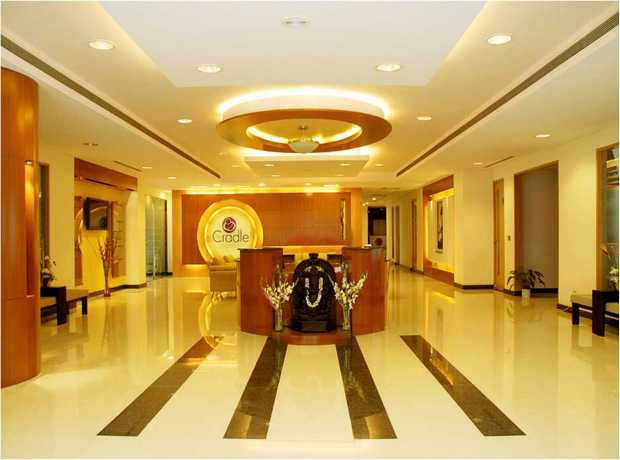
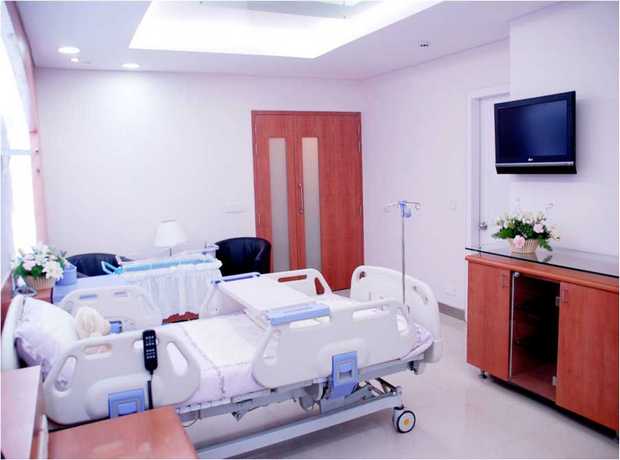
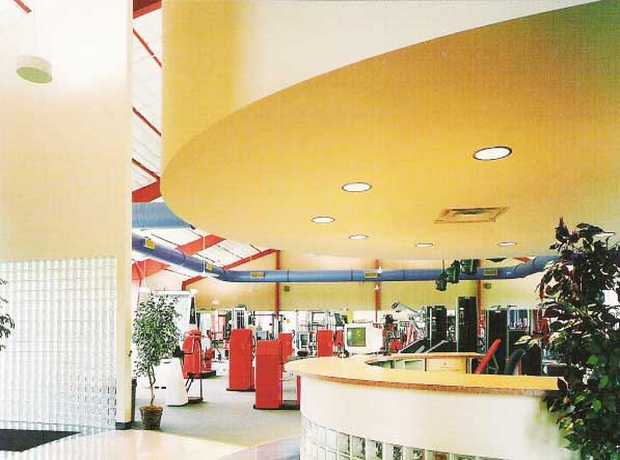
- Hospital and Healthcare Interiors Specialization: We possess deep expertise across the entire spectrum of healthcare design, from patient rooms and intensive care units (ICUs) to operating theaters (OTs), laboratories, consultation areas, and comprehensive facility planning. Our designs are meticulously crafted to optimize patient care, enhance staff efficiency, and integrate cutting-edge medical technologies seamlessly, all while prioritizing energy efficiency and sustainability. We understand the unique demands of healthcare environments, including stringent infection control protocols and complex clinical workflows.
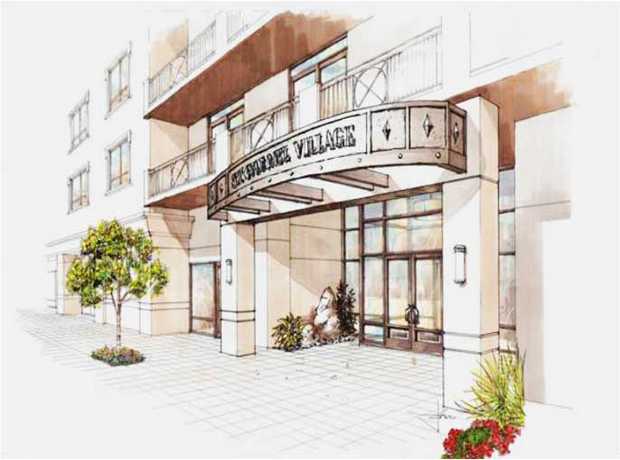
- Residential Projects: Our portfolio extends to creating inspiring and sustainable residential spaces, including luxury apartments, contemporary condos, and community-focused senior housing, demonstrating our versatility and commitment to human-centric design across diverse sectors.
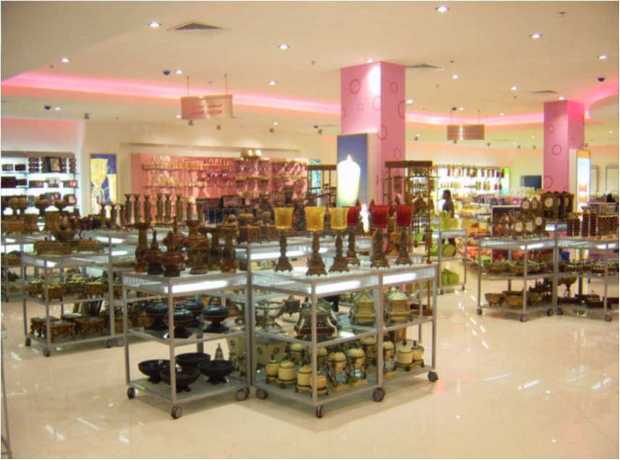
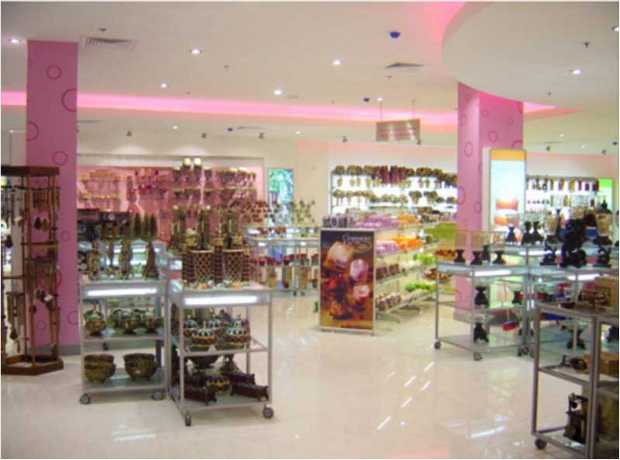
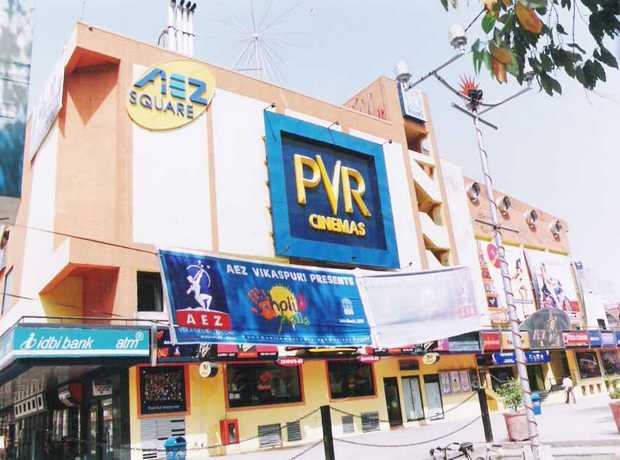
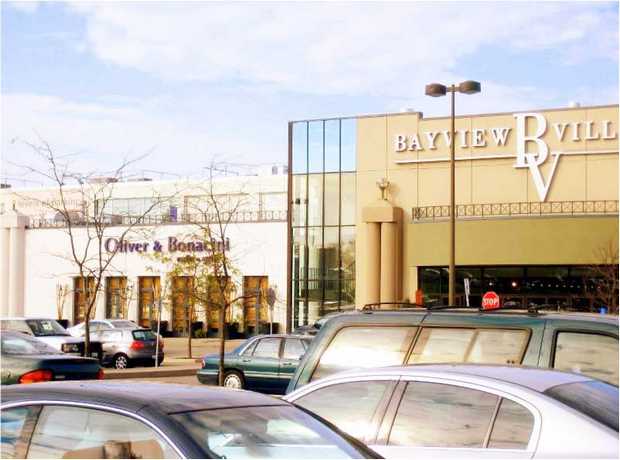
- Retail & Commercial Design: We also excel in designing dynamic retail environments such as shopping malls, mixed-use developments, corporate offices, and entertainment centers, showcasing our ability to create engaging and commercially successful spaces.
- Comprehensive Interior Solutions: From strategic space planning and ergonomic furniture layouts to sophisticated lighting designs and material specifications, we offer end-to-end turnkey interior execution. Our holistic approach ensures every element of the interior contributes to the overall functionality, aesthetics, and energy performance of the facility.
What truly sets Skydome Designs apart:
- Nearly 3 Decades of Experience: With 29+ years of experience across India and abroad, our extensive portfolio speaks volumes about our capability to deliver large-scale, intricate projects successfully, consistently meeting diverse client requirements and global standards.
- Integrated In-House Team: Our strength lies in our multidisciplinary in-house team of architects, healthcare planners, interior designers, and project managers. This integrated approach ensures seamless coordination, holistic design solutions, and efficient project delivery without reliance on external consultants for core services.
- Award-Winning, Client-Focused, and Sustainable Designs: Our commitment to design excellence has been recognized through numerous awards. We are renowned for creating innovative, client-centric designs that not only meet programmatic needs but also embed sustainability as a core principle, ensuring long-term environmental and economic benefits.
- Proven Track Record of On-Time, On-Budget Delivery: We understand the critical importance of project timelines and financial accountability. Our robust project management methodologies ensure that projects are delivered on time, within budget, and to the highest global design standards.
- Unmatched Expertise in Energy Efficiency Solutions: We have delivered 563+ hospital energy efficiency solutions assignments across Abu Dhabi and globally over 18+ years. Our on‑time delivery rate of 97%, supported by multi‑disciplinary reviews and post‑occupancy support, underpins the superior outcomes we consistently achieve. We don’t just complete projects; we optimize them for enduring efficiency and performance.
- Transparency and Accountability: Our award‑winning team offers transparent costs and milestone‑based reporting in Abu Dhabi, providing you with complete financial clarity and control throughout the project lifecycle. We deliver projects to global design standards with local code expertise in Abu Dhabi, ensuring compliance and tailored solutions for the region.
Contact Skydome Designs today to discuss how our expertise and proven methodologies can bring your vision for a sustainable, energy-efficient hospital in Abu Dhabi to life. Call us at +91 7299072144 or Email us at info@skydomedesigns.com for a comprehensive consultation.
Conclusion: Achieving Sustainable Healthcare in Abu Dhabi
The journey towards delivering hospital energy efficiency solutions in Abu Dhabi on time and on budget is a multifaceted endeavor that demands meticulous planning, expert execution, proactive cost management, and a deep understanding of both local and global best practices. By embracing sustainable design principles and leveraging innovative technologies, Abu Dhabi hospitals can not only significantly reduce their environmental footprint but also achieve substantial operational cost savings, enhance the quality of patient care, and improve the working environment for staff. This strategic investment in energy efficiency future-proofs healthcare facilities, aligning them with the UAE’s ambitious sustainability goals and ensuring long-term resilience.
At Skydome Designs, we are more than just architects and designers; we are your strategic partners in realizing these sustainable ambitions. Our nearly three decades of specialized experience, particularly in healthcare, combined with our proven track record of on-time, on-budget delivery and our commitment to award-winning, client-focused designs, positions us uniquely to navigate the complexities of your project in Abu Dhabi. We bring an unparalleled blend of global design standards and local code expertise, ensuring your project is both innovative and fully compliant.
Embrace the future of sustainable healthcare. Partner with Skydome Designs to transform your vision into a highly efficient, cost-effective, and environmentally responsible reality. Our dedicated team is ready to deliver 563+ hospital energy efficiency solutions assignments with a 97% on-time delivery rate, backed by multi-disciplinary reviews and post-occupancy support. Let us demonstrate our commitment to transparent costs and milestone-based reporting, bringing award‑winning excellence to your next project.
Contact Skydome Designs today to learn more about how we can help you achieve your sustainability goals for hospital energy efficiency in Abu Dhabi. Call us at +91 7299072144 or email us at info@skydomedesigns.com for a detailed consultation. Let’s build a greener, more efficient future for healthcare together.
Frequently Asked Questions (FAQs)
What are the key challenges in implementing hospital energy efficiency solutions in Abu Dhabi?
Key challenges often include navigating the complex web of local regulations (e.g., Estidama, ADDC, DoH guidelines), designing solutions resilient to Abu Dhabi’s extreme climate (high temperatures, humidity, sandstorms), seamlessly integrating new, smart technologies with existing and often aging infrastructure, and effectively managing project costs to avoid overruns. Skydome Designs addresses these challenges directly by applying global design standards with local code expertise in Abu Dhabi, ensuring compliance and optimal performance.
How can I ensure my hospital energy efficiency project stays within budget?
To ensure your project remains within budget, adopt effective cost control measures such as rigorous value engineering from the outset, engaging in competitive bidding processes with transparent proposals, implementing efficient resource management and lean construction practices, and employing proactive change management strategies to prevent scope creep. Skydome Designs’ award‑winning team offers transparent costs and milestone‑based reporting in Abu Dhabi, providing continuous financial oversight and control, which is crucial for budget adherence.
What role does hospital interior design play in energy efficiency?
Hospital interior design significantly impacts energy efficiency. Smart design choices, such as maximizing natural light integration through strategic window placement and light shelves, selecting energy-efficient materials with good thermal properties and low embodied energy, and implementing intelligent lighting systems (LEDs with occupancy and daylight sensors), can drastically reduce artificial lighting and HVAC demands. Furthermore, thoughtful space planning can optimize zonal climate control and reduce the need for excessive conditioning of spaces, all while integrating seamlessly with infection control and clinical planning needs.
Why should I choose Skydome Designs for my hospital energy efficiency project in Abu Dhabi?
Skydome Designs is the ideal partner due to our nearly 30 years of extensive experience, especially in hospital and healthcare interiors. We boast an in-house team of multidisciplinary experts, a proven track record of delivering over 563+ hospital energy efficiency solutions assignments across Abu Dhabi and globally over 18+ years with a 97% on-time delivery rate. Our approach includes multi-disciplinary reviews, post-occupancy support, award-winning designs, transparent costs, milestone-based reporting, and the ability to combine global design standards with local code expertise. We ensure your project is delivered on-time, on-budget, and optimized for long-term sustainability and performance.
What is the typical timeline for implementing energy efficiency solutions in a hospital?
The timeline for implementing energy efficiency solutions in a hospital varies significantly depending on the project’s scope, complexity, and whether it involves a full retrofit, new construction, or targeted upgrades. A comprehensive project, from initial audit and design to full implementation and commissioning, can typically range from several months for smaller interventions to a few years for major facility-wide overhauls. A phased implementation strategy is often employed in operational hospitals to minimize disruption, which can extend the overall timeline but ensures continuous patient care. Skydome Designs excels at developing realistic timelines and managing projects to adhere to them, as evidenced by our 97% on-time delivery rate.