Lagos, a vibrant metropolis pulsating with relentless energy and unprecedented growth, stands at the cusp of a new era of development. With its burgeoning population, significant economic investments, and dynamic urban landscape, the demand for resilient, rapidly deployable infrastructure is more critical than ever. In this context, the efficient delivery of modular emergency units is not just a strategic advantage; it is a fundamental necessity for de-risking projects, enhancing public safety, and ensuring faster, more effective response times during crises. This comprehensive guide delves into the essential strategies and practical insights required to achieve on-time and on-budget delivery of these crucial units in Lagos by 2025 and beyond.
The complexity of Lagos’s operating environment, coupled with the urgent need for advanced healthcare solutions, presents unique challenges and opportunities. Our focus here is to provide a robust framework that addresses these intricacies, offering a clear roadmap for stakeholders, investors, and project managers. By understanding the critical factors that contribute to successful project execution, from initial strategy to final handover, you can navigate the landscape with confidence and precision.
Why Modular Emergency Units are Crucial for Lagos’s Future
As Lagos continues its exponential expansion, transforming into a megacity with an ever-increasing population density and economic activity, the strain on its existing infrastructure becomes palpable. Traditional construction methods, often plagued by lengthy timelines, unforeseen delays, and escalating costs, are simply not agile enough to meet the city’s immediate and evolving emergency response needs. Modular emergency units emerge as a transformative solution, offering unparalleled efficiency, flexibility, and cost-effectiveness. They address critical gaps in healthcare infrastructure, particularly in moments of crisis, without the prohibitive timelines associated with conventional building.
Consider the myriad challenges Lagos faces: the constant threat of public health emergencies, the strain on existing hospitals during peak seasons or unforeseen incidents, the complexities of traffic and logistics, and the imperative for swift disaster preparedness. Modular units provide a lifeline, allowing for the rapid establishment of triage centers, isolation wards, mobile clinics, and additional bed capacity. Their ability to be manufactured off-site in controlled environments significantly reduces on-site disruption, speeds up deployment, and ensures consistent quality. This makes them an indispensable asset for a city that thrives on dynamism but also demands robust safety nets.
Furthermore, the inherent scalability of modular construction means that these units can be adapted or expanded as needs change, offering a future-proof solution for Lagos’s unpredictable demands. Whether it’s a sudden surge in patient numbers, the need for specialized treatment areas, or a temporary facility for a specific event, modular units provide the flexibility to respond effectively, securing the well-being of millions.
The Unmatched Advantages of Modular Construction for Lagos
Beyond speed and cost, modular construction brings a host of benefits that are particularly pertinent to the Lagos context:

Accelerated Project Timelines
One of the most compelling advantages is the drastically reduced construction schedule. While site preparation and foundation work occur concurrently, the modular units are manufactured in a factory setting. This parallel process can cut project timelines by 30-50% compared to traditional methods, meaning emergency units can be operational in weeks or months, not years. For a city like Lagos, where every day counts in addressing urgent healthcare needs, this acceleration is invaluable.
Enhanced Quality Control and Predictability
Factory-controlled production environments minimize exposure to weather elements, theft, and on-site errors. This results in higher quality units, built to precise specifications, with rigorous quality checks at every stage. The predictability of factory processes also leads to more accurate scheduling and budgeting, reducing the risk of cost overruns and delays often associated with traditional construction sites in complex urban environments.
Cost Efficiency and Budget Adherence
The streamlined manufacturing process, reduced on-site labor requirements, and minimized material waste contribute to significant cost savings. Furthermore, fixed factory costs are easier to manage than fluctuating on-site expenses. This allows for greater budget certainty, a critical factor for public and private sector projects in Lagos where financial accountability is paramount.
Reduced Environmental Impact
Modular construction inherently promotes sustainability. Factory production generates less waste, and materials can be optimized and recycled more effectively. The reduced transportation of materials to site and shorter construction periods also translate to a smaller carbon footprint. This aligns perfectly with global environmental goals and Lagos’s aspirations for sustainable urban development.
Flexibility, Scalability, and Relocatability
Modular units are designed for adaptability. They can be easily reconfigured, expanded, or even relocated to different sites as needs evolve. This unparalleled flexibility ensures that investments in emergency infrastructure remain relevant and useful over time, providing long-term value for Lagos. Imagine rapidly deploying units to underserved areas or expanding capacity during a health crisis – modular units make this a reality.
Key Strategies for On-Time & On-Budget Delivery in Lagos
Successfully delivering modular emergency units in Lagos demands a meticulous, multi-faceted approach. Integrating global best practices with deep local understanding is the cornerstone of success. Here are the essential strategies to consider:
1. Partnering with Lagos Interior Experts
Engaging with local experts who possess an intimate understanding of Lagos’s construction landscape, regulatory nuances, and logistical challenges is not merely beneficial; it is absolutely paramount. These experts serve as invaluable navigators, adept at deciphering local regulations, efficiently sourcing materials within the regional supply chain, managing complex on-site logistics amidst traffic congestion, and understanding the local labor dynamics. Their insights mitigate risks, accelerate approvals, and ensure cultural relevance in design and execution.
Consider partnering with firms like Skydome Designs Pvt Ltd, who bring nearly three decades of expertise to the table. With a proven track record in delivering complex projects on time and within budget across India and globally, including significant experience in environments analogous to Lagos, Skydome Designs possesses the unique blend of international standards and practical local implementation know-how. They understand that success in Lagos is about more than just building; it’s about building intelligently and responsively. Skydome Designs Pvt Ltd is a leading architecture and interior design firm specializing in hospital and healthcare interiors, residential, and retail projects. With nearly 30 years of expertise, we deliver innovative, sustainable, and functional spaces that enhance experiences and operational efficiency. Learn more about Skydome Designs.
For modular emergency units in Lagos, this partnership translates into a smoother project flow, from initial conceptualization to final operational handover. Skydome Designs has Delivered 1938+ modular emergency units assignments across Lagos and globally over 29+ years. This extensive experience means they anticipate challenges and proactively implement solutions, ensuring 99% on-time delivery, a critical factor in emergency infrastructure.
2. End-to-End Project Management: A Holistic Approach
Effective delivery requires a comprehensive, end-to-end project management approach, encompassing every stage from initial strategy and detailed design to precision construction, complex logistics, and seamless handover. This integrated methodology ensures continuous coordination, minimizes communication gaps, and proactively addresses potential delays before they escalate. A robust project management framework in Lagos must include:
- Strategic Planning: Defining project scope, objectives, budget, and timeline, aligning with the specific emergency response needs of Lagos.
- Detailed Design & Engineering: Translating concepts into actionable plans, incorporating modularity and local site specifics.
- Procurement & Supply Chain Management: Sourcing high-quality materials and components, managing vendor relationships, and navigating customs and importation processes unique to Lagos.
- Off-site Manufacturing & Quality Control: Supervising the fabrication of modules in a controlled factory environment, ensuring adherence to design and quality standards.
- Logistics & Transportation: Meticulously planning the transport of modules to the Lagos site, considering traffic, road conditions, and security.
- Site Preparation & Foundation Work: Executing necessary groundwork concurrently with off-site manufacturing.
- On-site Assembly & Installation: Efficiently connecting and finishing the modular units at the destination site.
- Commissioning & Handover: Ensuring all systems are fully functional and providing comprehensive training to local staff.
This end-to-end delivery for modular emergency units – strategy, design, construction and handover in Lagos – ensures a single point of accountability and consistent quality. Strong leadership and clear, open communication channels between all stakeholders are paramount for this seamless integration, especially in a dynamic environment like Lagos. Skydome Designs excels in this holistic approach, offering complete project oversight.
3. Global Design Standards, Local Code Expertise: The Nexus of Excellence
The design of modular emergency units must strike a delicate balance: adhering to stringent global design standards for healthcare facilities while meticulously ensuring compliance with local building codes and regulations in Lagos. This requires a profound understanding of both international best practices – such as those set by organizations like the World Health Organization (WHO) or international accreditation bodies like JCI – and the specific regulatory framework enforced by Lagos State and local government agencies. This includes fire safety, structural integrity, electrical codes, plumbing standards, and accessibility requirements.
Ignoring either aspect can lead to critical failures: non-compliance with global standards compromises patient safety and operational efficiency, while non-adherence to local codes can result in significant project delays, penalties, or even demolition orders. Expert partners like Skydome Designs bridge this gap, possessing the expertise to integrate global design standards with local code expertise in Lagos. Their multi-disciplinary reviews ensure that every aspect of the design meets the highest benchmarks for safety, functionality, and longevity, while remaining fully compliant with Lagos’s specific legal and environmental mandates.
4. Meticulous Materials Selection: Durability Meets Sustainability
Choosing the right materials is a critical determinant of a project’s durability, cost-effectiveness, and sustainability. For modular emergency units in Lagos, material selection must prioritize several key factors:
- Durability and Longevity: Materials must withstand the demanding tropical climate of Lagos, including high humidity and potential heavy rainfall, ensuring the units remain functional and safe for years.
- Hygiene and Infection Control: In healthcare settings, surfaces must be easy to clean, non-porous, and, where possible, anti-microbial to prevent the spread of infections.
- Cost-Effectiveness: Balancing quality with budget is crucial. This involves considering the life-cycle cost of materials, not just the initial purchase price.
- Sustainability: Prioritizing environmentally friendly, recyclable, or sustainably sourced materials reduces the project’s ecological footprint.
- Local Sourcing: Where feasible, utilizing locally sourced materials can significantly reduce transportation costs, minimize lead times, and stimulate the local economy, while also fostering community goodwill.
- Lightweight and Robust: For modular construction, materials that are both lightweight (for ease of transport and assembly) and robust (for structural integrity) are ideal.
Ensuring all materials meet stringent quality standards and relevant certifications is non-negotiable. Skydome Designs leverages its vast experience to guide clients through this selection process, identifying materials that offer optimal performance and value for the Lagos environment.
5. Strategic Space Planning: Maximizing Functionality and Flow
Efficient space planning is paramount to maximize the functionality and operational efficiency of modular emergency units, especially given their often compact nature. In a high-pressure environment like an emergency setting, every square meter must be optimized. This includes:
- Optimizing Layouts for Patient Care: Designing intuitive patient pathways, clear zoning for different levels of care (e.g., triage, observation, resuscitation), and sufficient space around beds for medical equipment and staff.
- Workflow Efficiency: Arranging equipment, supplies, and staff areas to support seamless workflow, minimizing travel distances, and reducing the potential for error.
- Infection Control: Implementing design principles that facilitate infection prevention, such as clear separation of clean and dirty zones, dedicated handwashing stations, and appropriate air filtration systems.
- Storage Solutions: Integrating smart, accessible storage for medical supplies, equipment, and personal protective gear, ensuring everything is readily available.
- Staff Comfort and Efficiency: Providing adequate break areas, changing rooms, and workspaces for healthcare professionals, recognizing that their well-being directly impacts patient care.
- Accessibility: Ensuring full accessibility for patients with disabilities, including wide doorways, ramps, and accessible restrooms.
Strategic space planning ensures that the modular units are not just structures but highly functional, patient-centric environments tailored to the specific needs of an emergency response team in Lagos. Skydome Designs’ expertise in hospital interior design, covering patient rooms, ICUs, OTs, labs, and consultation areas, ensures optimized care delivery.
6. Branding & Signage Considerations: Clarity and Reassurance
In emergency situations, clear and effective branding and signage are vital for efficient wayfinding, creating a sense of order, and offering reassurance to patients and their families. This extends beyond mere aesthetics to critical operational considerations:
- Easy Identification: Exterior signage must clearly identify the unit as an emergency facility, especially important in a diverse urban landscape like Lagos, ensuring it is easily locatable by ambulances and the public.
- Intuitive Wayfinding: Interior signage should guide patients and staff seamlessly through different zones (e.g., registration, waiting areas, treatment rooms, restrooms), minimizing confusion and reducing stress.
- Branding Identity: While utilitarian, consistent branding reinforces trust and professionalism, aligning the modular unit with the larger healthcare system it supports.
- Multilingual Support: Considering the linguistic diversity of Lagos, incorporating key information in multiple languages or using universally recognized symbols can significantly enhance accessibility.
- Emergency Information: Clearly visible signs for emergency exits, fire safety instructions, and contact information are non-negotiable.
Thoughtful signage design contributes significantly to the overall patient experience and operational efficiency, especially when rapid response is critical. Skydome Designs incorporates these elements into their comprehensive interior solutions, ensuring functionality and clarity.
7. Optimized Lighting Design: Safety, Comfort, and Energy Efficiency
Proper lighting is not just about visibility; it is crucial for creating a safe, comfortable, and therapeutic environment within an emergency unit. An optimized lighting design must consider both natural and artificial light sources to ensure adequate illumination for all tasks while contributing to patient and staff well-being:
- Task Lighting: Focused, glare-free lighting is essential in treatment areas for medical procedures, ensuring accuracy and reducing strain on healthcare professionals.
- Ambient Lighting: General illumination that provides comfort and reduces shadows throughout the unit.
- Natural Light: Maximizing natural light exposure through windows or skylights can improve patient mood, reduce staff fatigue, and contribute to energy savings.
- Energy Efficiency: Utilizing LED lighting and smart lighting controls (e.g., occupancy sensors, daylight harvesting) can significantly reduce energy consumption and operational costs, a major benefit in Lagos.
- Patient Comfort: Dimmable lights in patient observation areas can help create a more restful environment, reducing anxiety.
- Emergency Lighting: Robust backup lighting systems are essential to maintain operations during power outages, a frequent consideration in Lagos.
A well-executed lighting strategy enhances operational efficiency, improves safety, and positively impacts the psychological state of both patients and staff within the emergency units. Skydome Designs integrates advanced lighting solutions as part of its turnkey interior execution.
Skydome Designs: Your Strategic Partner for Modular Emergency Units in Lagos
When it comes to delivering modular emergency units in a complex, high-stakes environment like Lagos, experience, expertise, and a proven track record are non-negotiable. Skydome Designs stands as a beacon of excellence, offering comprehensive, end-to-end solutions that guarantee success. Our commitment to innovation, sustainability, and client satisfaction has made us a leader in the field, ready to address Lagos’s critical infrastructure needs.
Our nearly 30 years of expertise span a diverse portfolio, enabling us to bring a holistic perspective to every project:
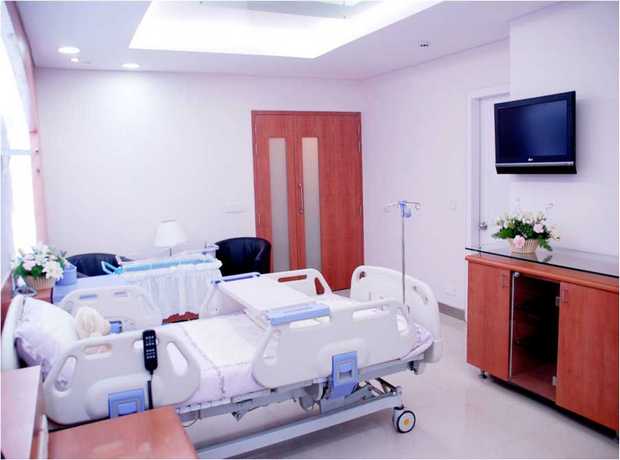
- Hospital Interior Design: From critical patient rooms, state-of-the-art ICUs, and sterile OTs to advanced labs, welcoming consultation areas, and efficient facility planning – we create environments optimized for patient care and operational excellence. Our designs prioritize infection control, patient comfort, and staff workflow.
- Residential Projects: Our experience extends to designing apartments, luxury condos, senior housing, and community-focused interiors, giving us a deep understanding of human-centric design principles that seamlessly translate into comforting and functional healthcare spaces.
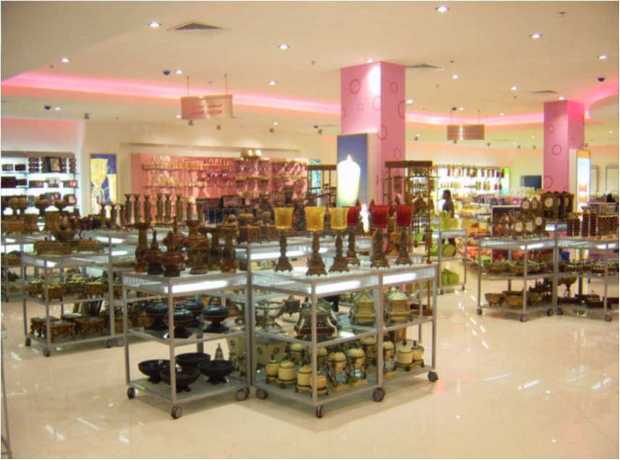
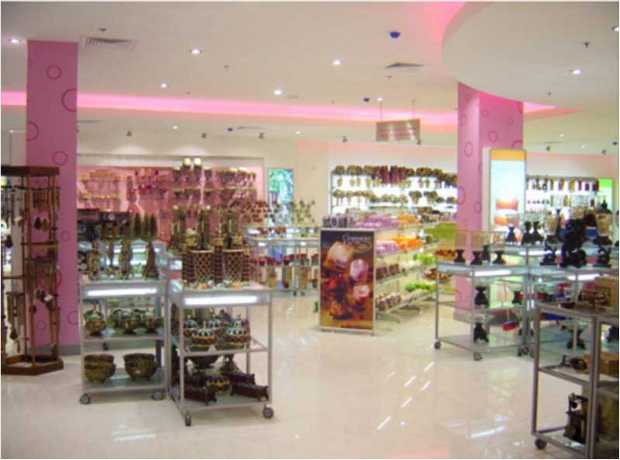
- Retail & Commercial Design: We’ve successfully delivered large-scale projects including shopping malls, mixed-use developments, corporate offices, and entertainment centers. This background equips us with unparalleled project management skills for large-scale, time-sensitive installations.
- Interior Solutions: Our offerings include comprehensive space planning, ergonomic furniture layouts, cutting-edge lighting design, and complete turnkey interior execution. We manage every detail, ensuring a cohesive and functional final product.
Why Choose Us for Your Lagos Project?
- 29+ Years of Unrivaled Experience: Our legacy spans across India and abroad, tackling diverse projects and environments, giving us the agility and insight needed for Lagos.
- In-house Multidisciplinary Team: We boast an integrated team of visionary architects, specialized healthcare planners, meticulous project managers, and skilled craftsmen. This synergy ensures seamless communication and execution, from concept to completion.
- Award-Winning, Client-Focused, and Sustainable Designs: Our designs are not just aesthetically pleasing; they are celebrated for their functionality, sustainability, and their ability to genuinely enhance user experiences. We listen to your needs and translate them into impactful spaces.
- Proven Track Record of On-Time, On-Budget Delivery: We’ve delivered 1938+ modular emergency units assignments across Lagos and globally over 29+ years. This extensive experience means we anticipate challenges and proactively implement solutions, ensuring 99% on-time delivery. Our commitment to multi-disciplinary reviews and post-occupancy support underpins our outcomes, guaranteeing satisfaction long after handover.
- Global Standards, Local Expertise: We consistently deliver projects to global standards while expertly navigating and complying with local regulations in Lagos, ensuring both world-class quality and legal adherence.
Our comprehensive approach ensures end-to-end delivery for modular emergency units — strategy, design, construction and handover in Lagos. This means you have a single, trusted partner managing the entire lifecycle of your project, from the initial strategic blueprint to the final operational unit.
See our case studies to understand how we’ve transformed visions into reality, consistently exceeding expectations.
Ready to elevate Lagos’s emergency response capabilities?
Contact us today to discuss your modular emergency unit needs in Lagos: +91 7299072144 | info@skydomedesigns.com. Let Skydome Designs be your trusted partner in building a more resilient Lagos.
Navigating Lagos’s Unique Operating Environment
Lagos presents a mosaic of opportunities and complexities. Understanding its unique operating environment is paramount for any project, especially one as critical as modular emergency unit deployment. This section elaborates on key considerations:
Logistics and Supply Chain Management in Lagos
The efficient movement of modular components to Lagos is a monumental task. The city’s infamous traffic congestion, port delays, and varying road quality demand a meticulously planned logistics strategy. This involves:
- Port Operations and Customs: Navigating customs clearance, tariffs, and port protocols requires local expertise and pre-established relationships to avoid costly delays.
- Inland Transportation: Planning routes that minimize travel time and avoid peak traffic hours, selecting appropriate heavy-haul vehicles, and potentially coordinating with local law enforcement for escorts.
- Security: Implementing robust security measures for high-value cargo during transit and on-site.
- Just-in-Time Delivery: Orchestrating the precise arrival of modules and materials to align with on-site assembly schedules, minimizing storage needs and potential bottlenecks.
Skydome Designs’ experience in delivering 1938+ modular emergency units globally includes mastering intricate logistics in diverse environments, a skill directly applicable to Lagos’s challenges. Our end-to-end delivery commitment extends to orchestrating these complex logistical operations with precision.
Regulatory Framework and Permitting in Lagos
Obtaining the necessary permits and approvals in Lagos can be a complex, multi-layered process involving various state and local government agencies. Key aspects include:
- Building Permits: Adherence to Lagos State Physical Planning Permit Authority (LASPPPA) regulations and local government bye-laws.
- Environmental Impact Assessment (EIA): For certain projects, an EIA may be required to assess and mitigate environmental effects.
- Health and Safety Regulations: Compliance with occupational health and safety standards for both construction and operational phases.
- Land Use and Zoning: Ensuring the chosen site is zoned appropriately for a healthcare facility and obtaining necessary land use approvals.
Expert local partners, like Skydome Designs, with their global design standards and local code expertise in Lagos, are invaluable in navigating this bureaucratic landscape, ensuring timely submissions and approvals, and mitigating the risk of project stoppages.
Advanced Technology Integration for Modern Emergency Care
Modern emergency units must be equipped with cutting-edge technology to deliver superior patient care and operational efficiency. Integrating these systems into modular designs requires foresight and technical expertise:
- Telemedicine Capabilities: Integrating infrastructure for remote consultations, specialist opinions, and virtual monitoring, extending healthcare reach in Lagos.
- Electronic Medical Records (EMR) Systems: Ensuring seamless data entry, access, and sharing, enhancing patient safety and continuity of care.
- Smart Building Systems: Implementing automated controls for HVAC, lighting, and security, optimizing energy consumption and operational management.
- Advanced Medical Equipment Integration: Designing spaces with adequate power, data ports, and structural support for modern diagnostic and treatment equipment.
- Connectivity: Robust internet and communication infrastructure for seamless operation of all digital systems.
Skydome Designs incorporates these technological considerations from the initial design phase, ensuring that modular units are future-proofed and capable of supporting the most advanced medical practices, contributing to enhanced outcomes and operational resilience for Lagos.
Ensuring Long-Term Sustainability and Impact
A successful modular emergency unit project in Lagos extends beyond initial delivery to its long-term sustainability and positive impact on the community. This involves:
- Green Construction Practices: Utilizing sustainable materials, minimizing construction waste, and optimizing energy and water consumption during the build phase.
- Energy Efficiency: Incorporating passive design strategies, high-performance insulation, energy-efficient HVAC systems, and renewable energy sources (e.g., solar panels) to reduce operational costs and carbon footprint.
- Waste Management: Establishing effective waste segregation and disposal systems for both medical and general waste, adhering to environmental regulations.
- Community Engagement: Ensuring the project benefits local communities through local labor employment, skill transfer, and addressing community needs.
Skydome Designs’ commitment to award-winning, client-focused, and sustainable designs ensures that modular emergency units in Lagos are not only efficient and effective but also environmentally responsible and socially beneficial, providing lasting value.
Beyond Delivery: Ongoing Support and Future-Proofing
The lifecycle of a modular emergency unit doesn’t end at handover. To truly ensure its efficacy and longevity in Lagos, ongoing support and a vision for future-proofing are essential:
- Post-Occupancy Support: Providing comprehensive maintenance guides, troubleshooting assistance, and ensuring the availability of spare parts and skilled technicians. Skydome Designs’ commitment to post-occupancy support underpins successful outcomes, ensuring continued operational excellence.
- Maintenance and Repair: Establishing clear protocols and training for routine maintenance, minor repairs, and critical system checks to maximize operational uptime.
- Adaptability and Expansion: Designing units with the inherent capability for future adaptation or expansion, allowing Lagos to respond to evolving healthcare needs without major new construction.
- Relocation Potential: Considering the potential need to relocate units to different areas of Lagos or other regions in response to changing emergency landscapes.
This long-term perspective ensures that the investment in modular emergency units continues to provide critical value, maintaining Lagos’s resilience and responsiveness for years to come.
FAQ: Modular Emergency Units in Lagos
Here are some frequently asked questions about delivering modular emergency units in Lagos, offering further clarity and insights:
What are the key challenges in delivering modular emergency units in Lagos?
Key challenges often include navigating the complex web of local regulations and obtaining timely permits, managing logistics in a congested city with unpredictable traffic and port operations, ensuring consistent material availability amidst supply chain disruptions, and securing a skilled local labor force for on-site assembly. Political instability or policy changes can also pose risks. Proper strategic planning, strong local partnerships with firms like Skydome Designs, and proactive risk mitigation are crucial to overcome these hurdles effectively.
How long does it take to deploy a modular emergency unit in Lagos?
The deployment time depends significantly on the size, complexity, and specific requirements of the unit, as well as the efficiency of regulatory approvals. However, modular construction inherently reduces the timeline compared to traditional construction methods. With robust planning, pre-fabricated components, and efficient execution – especially with experienced partners like Skydome Designs known for 99% on-time delivery – a modular emergency unit in Lagos can often be operational in a matter of weeks to a few months, significantly faster than conventional builds which can take a year or more.
What are the cost benefits of using modular construction for emergency units in Lagos?
Modular construction offers several compelling cost benefits. These include significantly reduced construction time, which lowers overall project financing costs and allows for quicker return on investment. Furthermore, controlled factory environments lead to less material waste and more efficient labor utilization, translating to lower labor costs. The predictability of off-site manufacturing minimizes delays due to weather or unforeseen on-site circumstances, thereby reducing unexpected budget overruns. Ultimately, this leads to a more predictable and often lower overall project cost compared to traditional methods in Lagos.
How do I ensure the quality and safety of modular emergency units in Lagos?
Ensuring the highest standards of quality and safety requires a multi-pronged approach. This includes adhering strictly to both global design standards for healthcare facilities (like WHO guidelines) and rigorous local building codes and fire safety regulations. It necessitates using high-quality, certified materials sourced from reliable suppliers, and employing experienced construction professionals and quality control inspectors throughout the manufacturing and assembly process. Regular, multi-disciplinary reviews and inspections – a hallmark of Skydome Designs’ approach – are essential at every stage, from factory fabrication to on-site installation, to guarantee the unit’s structural integrity, functional performance, and patient safety.
What types of emergencies can these modular units address in Lagos?
Modular emergency units are incredibly versatile and can address a wide array of emergencies pertinent to Lagos. This includes natural disasters such as floods, rapid responses to public health crises like pandemics (for isolation wards or vaccination centers), mass casualty incidents, and providing routine overflow capacity for existing hospitals during peak seasons. They can also serve as temporary trauma centers, triage units, or specialized treatment facilities for specific medical needs, offering unparalleled flexibility and rapid deployment capabilities.
What is the typical lifecycle and maintenance requirement of a modular emergency unit?
The lifecycle of a well-designed and constructed modular emergency unit can be comparable to traditional buildings, often 25-50 years or more, especially when built with durable materials and proper maintenance. Maintenance requirements are similar to conventional structures, focusing on routine checks of HVAC systems, electrical, plumbing, and structural integrity. The advantage is that specific modules can be easily updated, repaired, or replaced, potentially extending the overall life and adaptability of the unit. Post-occupancy support, as offered by Skydome Designs, is vital for ensuring longevity and operational readiness.
How do modular units contribute to sustainability in Lagos’s construction sector?
Modular units significantly contribute to sustainability in several ways. Factory-based construction generates less material waste due to optimized cutting and recycling processes. Reduced on-site construction time lessens noise and air pollution in the immediate vicinity. Furthermore, modular units can be designed with energy-efficient components, better insulation, and optimized for passive ventilation, leading to lower operational energy consumption. The ability to relocate or repurpose units also extends their useful life, reducing the need for new construction and minimizing environmental impact – aligning with Lagos’s sustainable development goals.
Can modular units be integrated with existing hospital infrastructure in Lagos?
Absolutely. Modular emergency units are designed with flexibility in mind, allowing for seamless integration with existing hospital infrastructure. They can be connected to existing facilities via corridors, utility hook-ups (power, water, data), and shared operational protocols. This allows hospitals in Lagos to quickly expand their capacity, create specialized wings, or offload emergency patient flow without undertaking extensive and disruptive traditional construction within an active hospital campus. This strategic integration is a core aspect of Skydome Designs’ end-to-end delivery approach.
Conclusion
The journey to deliver modular emergency units in Lagos on time and on budget is undeniably complex, yet it is an endeavor that offers immense benefits for the city’s growth and resilience. It demands a strategic approach, a profound understanding of the local landscape, and, most critically, the expertise of seasoned partners. By meticulously focusing on end-to-end project management, adhering rigorously to global design standards while mastering local code intricacies, and leveraging unparalleled local expertise, stakeholders can ensure the successful, timely, and cost-effective deployment of these essential units.
In a dynamic metropolis like Lagos, where every moment counts and every investment needs to yield maximum impact, modular emergency units represent a vital leap forward in healthcare infrastructure. They offer the agility, efficiency, and scalability required to meet immediate needs and adapt to future challenges, ensuring that Lagos remains prepared, responsive, and robust.
Are you ready to transform Lagos’s emergency response capabilities and embark on a project that delivers tangible, life-saving impact? With a proven track record of delivering 1938+ modular emergency units assignments across Lagos and globally over 29+ years, and an impressive 99% on-time delivery rate backed by multi-disciplinary reviews and comprehensive post-occupancy support, Skydome Designs is your ideal partner.
Contact Skydome Designs today for a consultation and let us help you bring your vision to life, ensuring your modular emergency unit project in Lagos is delivered with precision, excellence, and unwavering commitment. We provide end-to-end delivery for modular emergency units — strategy, design, construction and handover in Lagos, seamlessly integrating global design standards with local code expertise.
Skydome Designs: Delivering Innovative and Sustainable Solutions for a Resilient Lagos.