Doha, a city synonymous with ambition and progress, is rapidly solidifying its position as a global hub for business, tourism, and increasingly, world-class healthcare. The nation of Qatar has embarked on an aggressive strategy to elevate its medical infrastructure, with significant governmental and private investments fueling the demand for cutting-edge medical facilities. As we stand at the precipice of 2025, the imperative to develop state-of-the-art Intensive Care Units (ICUs) and Coronary Care Units (CCUs) in Doha is more pronounced than ever. This guide delves deep into the intricate world of ICU and CCU construction in Doha, offering a comprehensive roadmap for stakeholders aiming to achieve optimal patient outcomes and efficient healthcare delivery. In an era of evolving medical challenges and rising patient expectations, robust ICU and CCU construction will be essential to de-risk healthcare operations, accelerate service delivery, and secure Doha’s future as a beacon of medical excellence.
The vision for Doha’s healthcare sector extends beyond mere capacity expansion; it encompasses the creation of environments that foster healing, integrate advanced technology seamlessly, and adhere to the highest global standards of safety and efficacy. For developers, hospital administrators, and healthcare investors, understanding the nuanced requirements and best practices for critical care unit construction is not just beneficial—it is absolutely crucial. This detailed exploration will cover everything from foundational design principles and regulatory compliance to technological integration and sustainable building practices, all tailored to the unique context of Doha.
Why is ICU and CCU Construction in Doha Critically Important for 2025 and Beyond?
The escalating demand for specialized healthcare facilities in Doha is a multi-faceted phenomenon, driven by demographic shifts, a burgeoning economy, and Qatar’s strategic goal of becoming a regional leader in medical services. Building modern, impeccably equipped ICUs and CCUs is far more than an expansion of bed count; it represents a commitment to providing the highest echelons of care to patients in their most vulnerable states. These advanced facilities are also instrumental in attracting and retaining top-tier medical professionals, fostering research, and enhancing the overall resilience of the nation’s healthcare system.
Meeting the Growing Healthcare Needs of Doha’s Dynamic Population
Doha’s population has witnessed rapid growth over the past decades, characterized by a diverse expatriate community and a young, yet maturing, national population. This demographic expansion naturally leads to an increased demand for all forms of healthcare, particularly specialized services. Alongside population growth, the increasing prevalence of complex medical conditions—such as cardiovascular diseases, chronic respiratory illnesses, and age-related health issues—necessitates a profound upgrade in healthcare infrastructure. Investing strategically in ICU and CCU construction in Doha is a proactive and essential step towards adequately meeting these evolving and expanding healthcare needs, ensuring that every resident has access to critical care when it matters most.
Beyond sheer numbers, the complexity of medical cases is also rising. Modern lifestyles, along with global travel and increased awareness, contribute to a broader spectrum of critical illnesses requiring sophisticated interventions. This isn’t just about more beds, but about more intelligent, adaptable, and technologically advanced critical care spaces. The ability to manage acute respiratory distress, post-surgical complications, severe trauma, and advanced cardiac conditions dictates the quality of a nation’s healthcare system. Doha’s commitment to these specialized units reflects its dedication to holistic patient well-being.









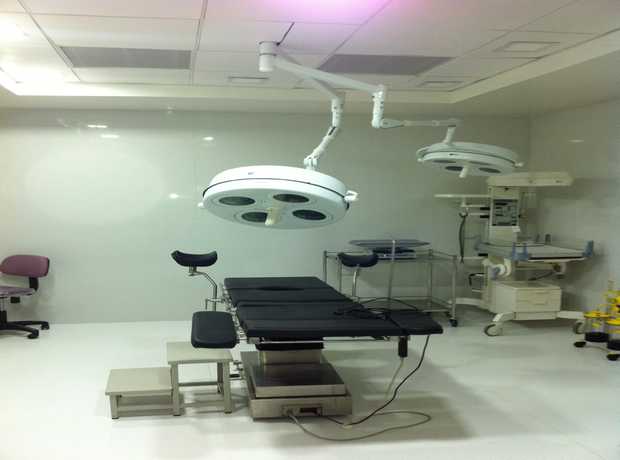
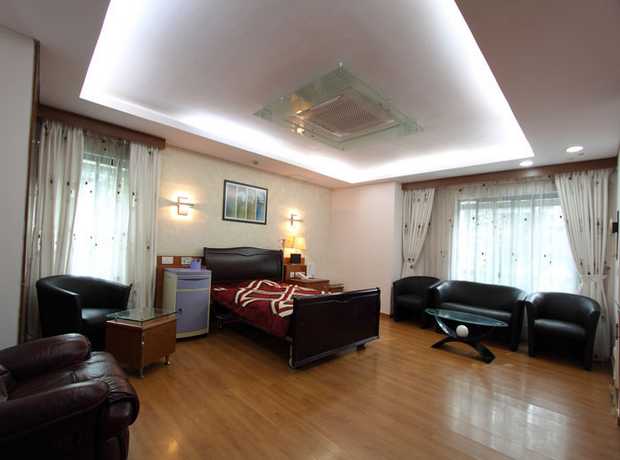
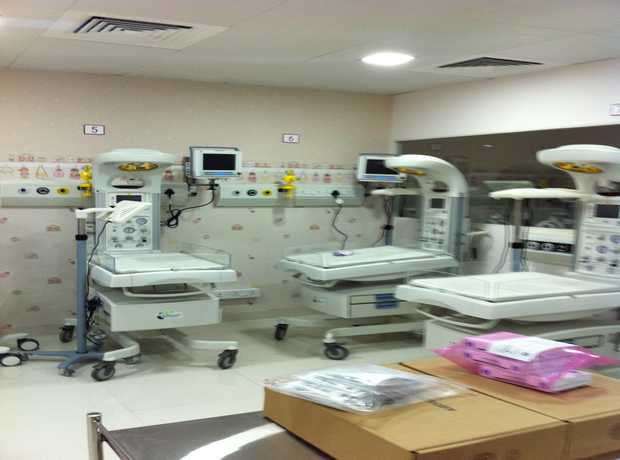
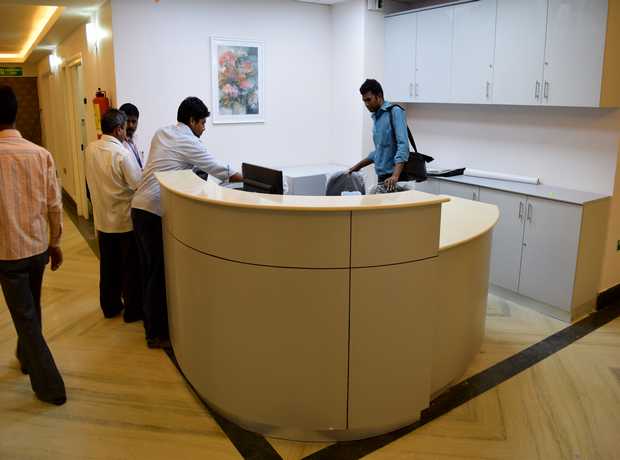

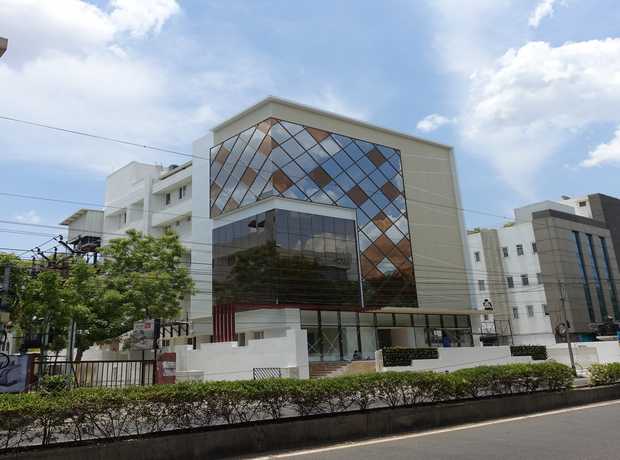
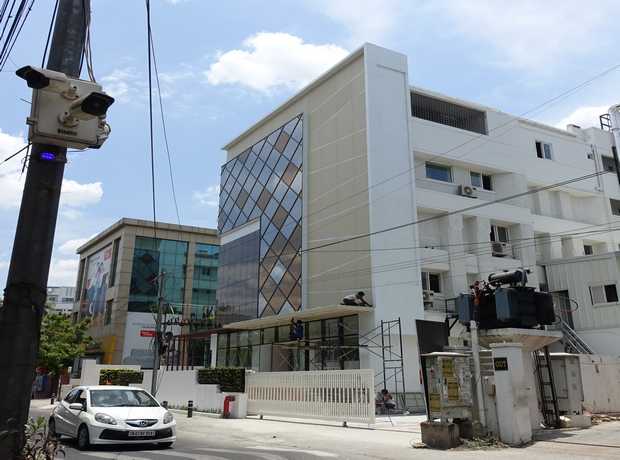
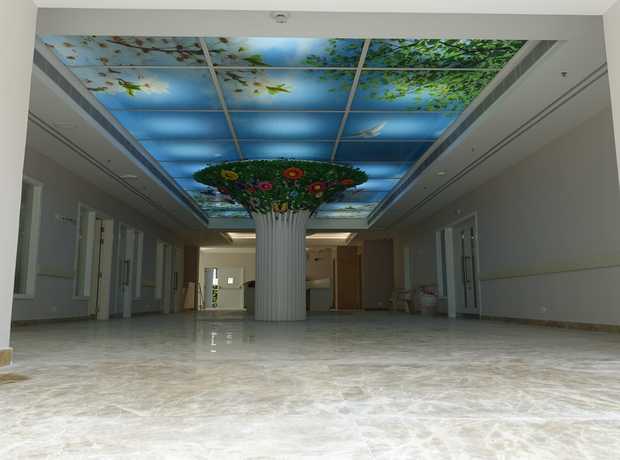
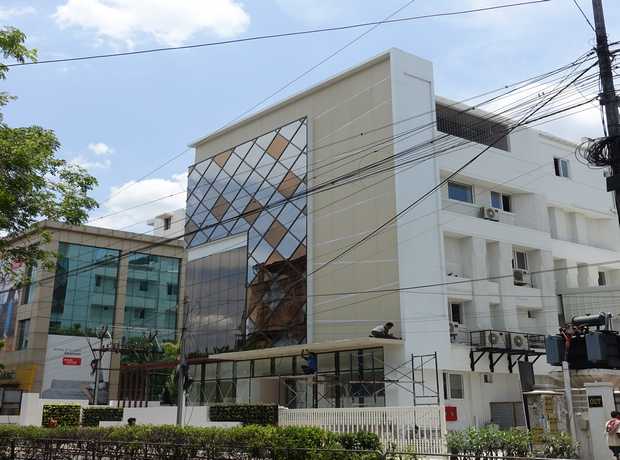






Elevating Doha’s Status as a Regional Medical Hub
Qatar has ambitious plans to position Doha as a leading medical tourism destination and a regional center for healthcare innovation. To achieve this, world-class facilities are non-negotiable. Advanced ICUs and CCUs are cornerstones of any reputable medical center, demonstrating a hospital’s capability to handle the most severe and complex cases. They are vital for supporting specialized surgeries, advanced diagnostic procedures, and pioneering medical treatments that draw patients from across the Middle East and beyond. High-quality critical care units contribute significantly to a hospital’s accreditation, reputation, and ultimately, its ability to attract both patients and leading medical talent.
The pursuit of international accreditations, such as those from the Joint Commission International (JCI), often hinges on the quality and operational excellence of critical care units. These units serve as a benchmark for a hospital’s overall clinical capability and patient safety standards. By investing in superior ICU and CCU construction in Doha, healthcare providers are not only serving their immediate community but also enhancing Qatar’s global standing in the medical arena, thereby contributing to the nation’s broader economic diversification and development goals.
Attracting and Retaining Top Medical Professionals
In the highly competitive global healthcare landscape, attracting and retaining skilled physicians, nurses, and allied health professionals is a significant challenge. Modern, well-designed, and technologically equipped ICUs and CCUs serve as powerful magnets for talent. Professionals seek environments that offer advanced tools, facilitate efficient workflow, prioritize staff well-being, and support continuous professional development. Outdated or poorly designed facilities can hinder efficient patient care, lead to staff burnout, and make recruitment difficult.
Conversely, a state-of-the-art critical care environment, planned with input from medical staff, significantly enhances job satisfaction and operational effectiveness. It provides the necessary infrastructure for cutting-edge treatments, research opportunities, and professional growth, making Doha an attractive destination for healthcare leaders and innovators worldwide. The quality of the working environment directly impacts the quality of care delivered, making investment in superior infrastructure a direct investment in human capital.
Pandemic Preparedness and Healthcare Resilience
The global experiences of recent years have underscored the critical importance of robust, adaptable, and resilient healthcare infrastructure, particularly in critical care. ICUs and CCUs are at the frontline during public health crises, requiring the ability to rapidly scale capacity, implement stringent infection control measures, and integrate advanced life support systems. Future-proof critical care construction in Doha must incorporate lessons learned from global health emergencies, ensuring units can effectively respond to surges in demand, emerging pathogens, and unforeseen challenges. This includes flexible design, negative pressure isolation capabilities, and robust supply chain integration.
Key Considerations for ICU and CCU Construction in Doha: A Deep Dive into Excellence
Constructing ICUs and CCUs is a highly specialized endeavor that demands an approach far more nuanced and rigorous than standard building practices. The unique functional requirements of critical care environments necessitate meticulous planning, adherence to stringent standards, and a deep understanding of medical operational flows. Several critical factors must be considered to ensure the functionality, safety, efficiency, and ultimate success of these vital units, transforming them into true centers of healing and advanced medical intervention.
1. Infection Control: An Uncompromising Imperative
In critical care environments, where patients are often immunocompromised and susceptible to healthcare-associated infections (HAIs), infection control is not merely a priority; it is an uncompromising imperative. The design and construction of ICUs and CCUs must inherently incorporate every possible measure to minimize the risk of pathogen transmission and safeguard patient health. This necessitates a multi-layered approach that considers architectural layouts, material specifications, air quality management, and operational protocols.
From an architectural standpoint, thoughtful zoning, dedicated sterile and clean areas, and clear separation of patient and public access routes are fundamental. Specialized HVAC (Heating, Ventilation, and Air Conditioning) systems are paramount. These systems must provide appropriate air changes per hour (ACH), maintain precise temperature and humidity levels, and utilize high-efficiency particulate air (HEPA) filtration to remove airborne contaminants. Furthermore, the capacity for negative pressure rooms—crucial for isolating patients with airborne infectious diseases—must be integrated into the design. Positive pressure rooms are equally important for protecting highly vulnerable, immunocompromised patients.
Material selection plays a crucial role. Surfaces must be non-porous, easy to clean, and resistant to common hospital disinfectants. Antimicrobial coatings, though debated, can be considered for high-touch surfaces. Seamless flooring, walls, and countertops prevent the accumulation of dust and microbes. Design elements that minimize horizontal surfaces, reduce clutter, and facilitate thorough cleaning are also vital. Skydome Designs specializes in innovative designs that inherently support effective infection control, employing cutting-edge materials and meticulously planned environmental controls to create safer patient environments.
Waste management systems, water quality control, and the strategic placement of handwashing stations (with easily accessible soap and sanitizer dispensers) further contribute to a robust infection prevention strategy. Every element, from door handles to light fixtures, must be evaluated through the lens of infection control, underscoring the complexity and criticality of this aspect of critical care construction.
2. Advanced Technology Integration: Powering Precision Care
Modern ICUs and CCUs are essentially high-tech hubs, relying heavily on a sophisticated array of advanced medical technology to monitor, diagnose, and treat critically ill patients. The construction phase must meticulously accommodate this technological dependency, ensuring seamless integration of complex equipment, robust data management infrastructure, and future-proof connectivity. This demands exceptionally careful planning and close coordination with medical technology vendors, IT specialists, and clinical teams.
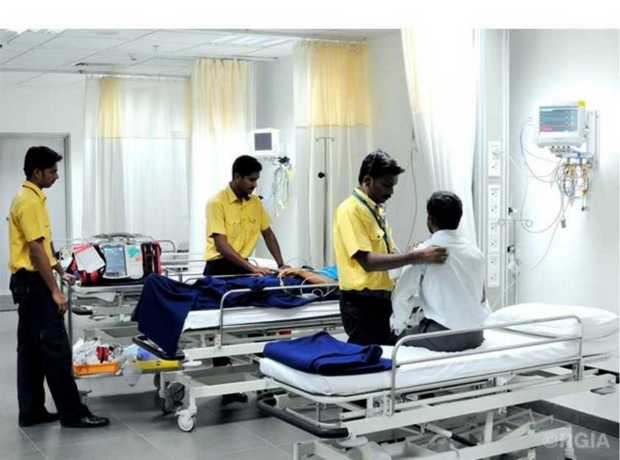
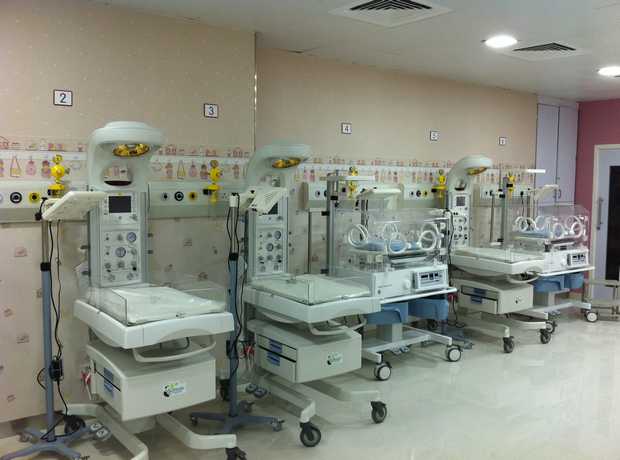
Infrastructure must support a dense network of life support systems, including ventilators, dialysis machines, ECMO (extracorporeal membrane oxygenation) units, and advanced physiological monitoring systems that track vital signs with incredible precision. This requires ample power supply, backup power systems, specialized medical gas outlets (oxygen, medical air, vacuum), and structured cabling for data networks at every bedside. The layout must allow for easy access to all equipment while maintaining a clear and safe environment for patient care.
Beyond direct patient care equipment, the integration of information technology is equally critical. Electronic Health Record (EHR) systems, Picture Archiving and Communication Systems (PACS), telemedicine capabilities for remote consultations, and AI-powered diagnostic and predictive analytics tools require robust server infrastructure, high-speed networking, and secure data storage. The design must facilitate ergonomic placement of computer workstations for staff, clear displays for monitoring, and secure access points for information exchange. Preparing for continuous technological advancements means designing flexible spaces and modular infrastructure that can adapt to new equipment and systems without extensive, disruptive renovations.
3. Efficient Workflow and Space Planning: Optimizing Care Delivery
The design of an ICU or CCU must be intrinsically linked to the operational workflows of medical staff, aiming to minimize wasted movement, reduce cognitive load, and optimize the delivery of timely, life-saving care. Strategic space planning is not just about fitting components into a layout; it’s about creating an environment that actively enhances efficiency, reduces errors, and supports collaborative team-based care.
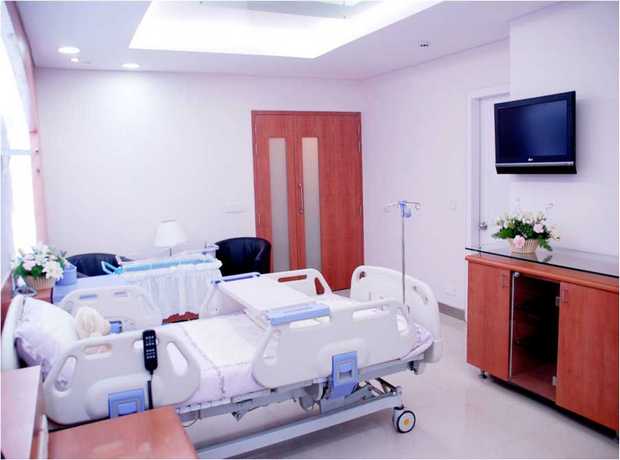
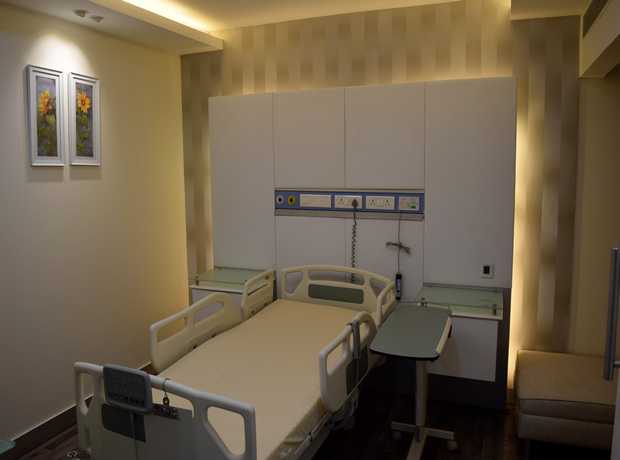
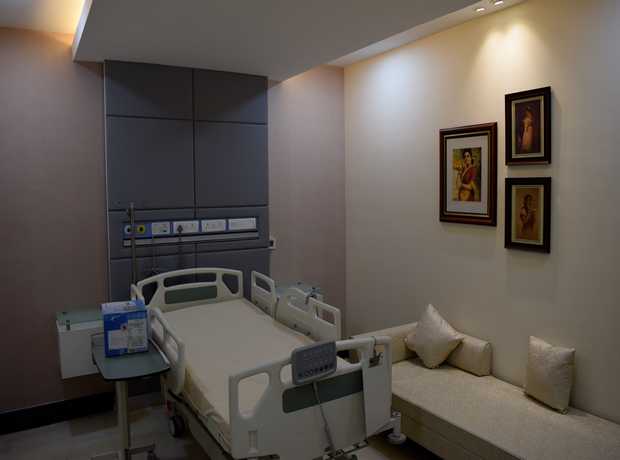
Patient rooms require sufficient space around the bed for multiple caregivers to access the patient and operate equipment simultaneously. Clear sightlines from nursing stations to patient rooms are critical for constant observation. Zones within the unit should be intuitively organized: patient care zones, staff work zones (nursing stations, physician workrooms, consultation rooms), support zones (medication preparation, equipment storage, soiled utility rooms, clean utility rooms), and family zones (waiting areas, quiet rooms). Each zone has specific functional and environmental requirements.
Ergonomics for staff is a vital consideration, reducing strain and fatigue during long shifts. This includes adjustable workstations, comfortable seating, and proximity to frequently used supplies and equipment. Designing pathways that allow for rapid response to emergencies (e.g., code blue) while minimizing disruption to other patients is also key. Skydome Designs excels in creating functional, highly efficient, and human-centered hospital layouts, leveraging decades of experience in clinical planning to ensure optimal patient flow and staff productivity.
The psychological impact of space planning on both patients and staff cannot be underestimated. Natural light, views to the outside, and calming aesthetic elements can contribute to a less stressful environment, potentially aiding patient recovery and reducing staff burnout. Private spaces for families to gather and consult with medical teams are also essential, promoting a family-centered approach to critical care.
4. Adhering to Doha’s Healthcare Regulations and International Standards
All ICU and CCU construction in Doha must meticulously comply with a complex web of local regulations and international standards to ensure safety, quality, and operational integrity. Navigating these requirements demands deep local knowledge and expert guidance. Key regulatory bodies in Qatar include the Ministry of Public Health (MOPH) and Hamad Medical Corporation (HMC), which establish specific guidelines for healthcare facility design, construction, and operation.
Compliance extends to comprehensive building codes, fire safety regulations, environmental protection standards, and stringent infection control protocols. Furthermore, many facilities in Doha aspire to meet internationally recognized accreditations such as those from the Joint Commission International (JCI) or adhere to guidelines from organizations like the World Health Organization (WHO) or specialized critical care associations. These global benchmarks often dictate best practices for structural integrity, electrical systems, medical gas systems, and patient safety features.
Partnering with experienced Doha hospital experts, like Skydome Designs, is not merely advantageous but essential. Such partners possess an intimate understanding of the local regulatory landscape, ensuring that all designs and construction methodologies are fully compliant from conception to completion. This proactive approach mitigates risks, prevents costly delays, and ensures that the finished critical care units are not only functional but also legally compliant and internationally competitive.
5. Cost Management and Financial Planning: Delivering Value and Sustainability
The construction of advanced critical care units represents a substantial financial investment. Effective cost management and robust financial planning are paramount to ensure that projects are delivered within budget without compromising quality or essential functionality. This involves careful consideration of both initial capital expenditure and long-term operational costs.
Initial capital investment covers land acquisition (if applicable), architectural and engineering design fees, construction materials, labor, specialized medical equipment procurement, and IT infrastructure. A detailed budget breakdown, supported by realistic cost estimates from experienced constructors, is crucial. Value engineering—the process of identifying ways to optimize costs without sacrificing functionality or quality—should be integrated early in the design phase. This might involve selecting alternative materials, streamlining construction processes, or optimizing system designs.
Beyond upfront costs, long-term operational costs are significant. These include staffing, utilities (electricity, water, medical gases), maintenance of complex equipment, and consumables. Sustainable design practices, such as energy-efficient HVAC systems and LED lighting, can significantly reduce utility costs over the lifespan of the facility. Partnering with a firm that understands these financial dynamics, offers transparent costing, and employs BIM-led coordination for precise cost tracking and material management, such as Skydome Designs, is vital for achieving financial prudence and delivering maximum value in your ICU and CCU construction in Doha project.
6. Sustainability and Green Building Practices: Building for a Greener Future
In line with Qatar National Vision 2030, which emphasizes environmental development, incorporating sustainability and green building practices into ICU and CCU construction in Doha is becoming increasingly important. Sustainable design not only reduces the environmental footprint of healthcare facilities but can also lead to significant long-term operational savings and enhance the healing environment for patients.
Key sustainable strategies include optimizing energy efficiency through advanced HVAC systems, high-performance insulation, and energy-efficient lighting (e.g., LED with daylight harvesting sensors). Water conservation measures, such as low-flow fixtures and rainwater harvesting, can reduce water consumption. The selection of sustainable, locally sourced, and non-toxic building materials with low volatile organic compound (VOC) emissions improves indoor air quality and reduces environmental impact. Waste reduction strategies during construction and planning for efficient waste management during operation are also critical.
Achieving green building certifications, such as the Global Sustainability Assessment System (GSAS) – Qatar’s national green building rating system – or international standards like LEED, demonstrates a commitment to environmental stewardship. These practices not only benefit the planet but also create healthier, more comfortable environments for patients and staff, reflecting a forward-thinking approach to healthcare infrastructure development in Doha.
7. Patient and Family-Centered Design: Holistic Healing Environments
Modern critical care design transcends purely functional considerations to embrace a patient and family-centered approach. This philosophy recognizes that the physical environment significantly impacts patient recovery, family support, and staff well-being. Designing ICUs and CCUs that are not just clinically effective but also compassionate and supportive is a hallmark of excellence.
Elements of patient-centered design include spacious private patient rooms that offer dignity and privacy, reducing the stress associated with critical illness. Noise reduction strategies, such as acoustic panels and thoughtful layout, mitigate environmental stressors. Access to natural light and views of the outdoors (biophilic design) has been shown to improve mood, reduce pain perception, and shorten hospital stays. Customizable lighting and temperature controls empower patients (where appropriate) and enhance comfort.
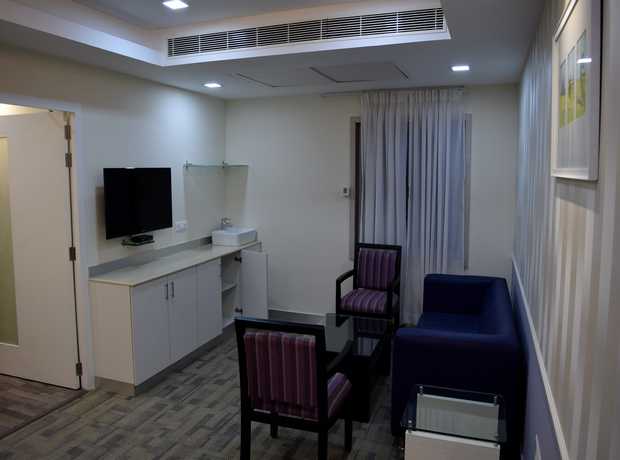
For families, designated waiting areas, quiet rooms, and private consultation spaces are crucial for providing comfort and support during highly stressful times. The ability for families to be present at the bedside and participate in care decisions, where appropriate, is also facilitated by thoughtful room design. Creating a less intimidating, more humane critical care environment contributes to a holistic healing process and reflects a truly empathetic approach to healthcare architecture. Skydome Designs integrates these human-centric principles into every project, understanding that a healing environment is as vital as the medical technology within it.
Finding the Right Partner for Your ICU and CCU Project in Doha
The successful execution of an ICU and CCU construction project in Doha hinges critically on selecting the right architectural, design, and construction partner. This is not a project for generalist firms; it demands specialized expertise, a proven track record in healthcare construction, and a deep understanding of the unique intricacies of medical facility design. Your chosen partner must demonstrate a strong commitment to quality, safety, regulatory compliance, and timely delivery.
What to Look for in a Specialized Healthcare Construction Partner
When evaluating potential partners for your critical care project, consider the following essential criteria:
- Specialized Healthcare Architecture Expertise: The firm must have extensive experience specifically in healthcare architecture, understanding the unique functional, clinical, and regulatory demands of hospitals, particularly critical care units.
- Proven Track Record in Critical Care: Look for a portfolio that showcases successful ICU and CCU projects, demonstrating their capability in complex medical environments. Verify their experience in handling intricate technology integration and stringent infection control requirements.
- Multidisciplinary In-House Team: A strong partner will have an integrated team of architects, healthcare planners, interior designers, engineers, and project managers who collaborate seamlessly from concept to completion.
- Deep Understanding of Infection Control Best Practices: This is non-negotiable. The firm should have a comprehensive approach to designing spaces that proactively minimize the risk of healthcare-associated infections.
- Expertise in OT Design and Clinical Planning: Critical care units are often closely linked with Operating Theatres (OTs) and require seamless clinical workflows. Experience in OT design and comprehensive clinical planning indicates a holistic understanding of hospital operations.
- Local Regulatory Knowledge: An intimate familiarity with Qatar’s building codes, healthcare facility guidelines, and approval processes is crucial for smooth project progression.
- Technology Integration Capabilities: The partner must demonstrate proficiency in accommodating advanced medical equipment, IT infrastructure, and smart building systems, ensuring future-proof designs.
- Project Management and Quality Control: Look for robust project management methodologies, transparent reporting, and stringent quality control processes to ensure projects are delivered on time, within budget, and to the highest standards.
- Value Engineering and Cost Optimization: A partner who can identify opportunities for cost efficiency without compromising quality or functionality is invaluable.
- Post-Occupancy Support: The relationship shouldn’t end at handover. Ongoing support, commissioning, and fine-tuning ensure optimal performance of the completed unit.
Why Skydome Designs is Your Unrivalled Partner for Critical Care Projects in Doha
Skydome Designs Pvt Ltd stands as a beacon of excellence and innovation in healthcare architecture and interior design, with nearly three decades of specialized expertise. Our journey spans 29+ years, during which we have honed our craft and built an unparalleled reputation for delivering complex healthcare projects to global standards. Our commitment to client-focused, sustainable, and award-winning designs has made us the preferred choice for discerning healthcare providers worldwide, including numerous successful ventures in Doha.
We are proud to state that Skydome Designs has delivered an impressive 899+ ICU and CCU construction assignments across Doha and globally over our 29+ years in the industry. This extensive portfolio is a testament to our deep expertise, proven methodologies, and unwavering commitment to critical care excellence. Our track record is underpinned by a remarkable 99% on-time delivery rate, a crucial metric in the fast-paced healthcare development sector. We understand that delays in critical care construction can have significant operational and financial repercussions, and our rigorous project management ensures adherence to schedules.
Our comprehensive service offering includes:
- Specialized Hospital Interior Design: From patient rooms to ICUs, OTs, diagnostic labs, consultation areas, and comprehensive facility planning, we optimize every square meter for superior patient care, staff efficiency, and operational excellence.
- An Integrated In-House Team: Our strength lies in our multidisciplinary team of experienced architects, dedicated healthcare planners, innovative interior designers, and meticulous project managers. This synergy ensures holistic design solutions and seamless project execution.
- Award-Winning, Client-Focused, and Sustainable Designs: Our commitment to design excellence has been recognized through numerous awards. More importantly, every design is deeply rooted in client objectives and incorporates sustainable practices to create environments that heal and endure.
- Global Standards, Local Expertise: We deliver projects that meet the highest international benchmarks while meticulously adhering to all local regulations and cultural sensitivities pertinent to Doha and Qatar.
- Expertise in OT Design, Clinical Planning, and More: Our profound understanding of critical clinical adjacencies and workflows ensures that ICUs and CCUs are integrated seamlessly into the broader hospital ecosystem, enhancing overall operational efficiency.
Our methodology for delivering successful critical care projects in Doha is robust and transparent. We employ BIM-led coordination (Building Information Modeling) for precise design, clash detection, and comprehensive project visualization, leading to fewer errors and more efficient construction. Our focus on value engineering ensures cost optimization without compromising critical quality or functionality. We maintain stringent quality control measures tailored specifically to the high standards demanded by Doha’s healthcare sector. Our award-winning team ensures transparent costs and provides milestone-based reporting throughout the project lifecycle, offering complete peace of mind to our clients.
For your next critical care development in Doha, partner with a firm that brings unparalleled experience, a proven track record, and an innovative approach. Contact Skydome Designs today at +91 7299072144 or info@skydomedesigns.com to discuss your project. Let us demonstrate how our 29+ years of expertise and over 899 successful critical care assignments can transform your vision into an operational reality.
Consider a Doha ICU and CCU Construction Company with Experience in:
- Healthcare architecture: A foundational understanding of hospital design, flow, and safety.
- Infection control best practices: Non-negotiable expertise in creating sterile and safe environments.
- OT design and functionality: Essential for seamless integration with surgical services and critical post-operative care.
- Clinical planning and workflow optimization: Ensuring that the physical space supports the most efficient and effective delivery of patient care.
- BIM-led coordination: For precision, efficiency, and cost control in complex projects.
- Value engineering: To maximize investment return without compromising quality.
- Post-occupancy support: For long-term operational success and adaptation.
The Future of ICU and CCU Design in Doha: Innovating for Tomorrow’s Healthcare
As medical science advances, technology evolves at an exponential pace, and healthcare practices continually refine, the design and functionality of ICUs and CCUs are also undergoing a transformative evolution. Doha, with its forward-looking vision, is poised to embrace these innovations, leading the way in creating critical care environments that are smarter, more adaptive, and even more patient-centric. The future of ICU and CCU construction in Doha will be defined by integration, intelligence, and empathy.
Increased Use of Telemedicine and Remote Monitoring
The integration of telemedicine and remote monitoring technologies is set to become even more pervasive in critical care. Tele-ICU programs, where critical care specialists monitor multiple ICUs from a centralized hub, provide expert oversight and support, especially in smaller or rural facilities. This technology leverages high-definition cameras, advanced sensors, and secure data networks to transmit real-time patient data and enable virtual consultations. For Doha, this means optimizing the deployment of highly specialized expertise across various hospital sites, enhancing access to critical care specialists, and improving patient outcomes even in potentially resource-limited settings.
Remote monitoring will extend beyond just vital signs, incorporating predictive analytics derived from AI to alert medical teams to potential patient deterioration before it becomes critical. This proactive approach can significantly improve response times and prevent adverse events. Designing infrastructure that seamlessly supports these advanced communication and data transmission needs will be a fundamental aspect of future ICU and CCU construction.
Integration of Artificial Intelligence (AI) for Patient Monitoring and Decision Support
Artificial Intelligence (AI) and Machine Learning (ML) are rapidly transitioning from conceptual tools to practical applications in critical care. Future ICUs and CCUs in Doha will likely feature AI-powered systems for continuous patient monitoring, capable of analyzing vast amounts of physiological data, identifying subtle patterns, and predicting potential complications such as sepsis, cardiac arrest, or respiratory failure with remarkable accuracy. These systems can provide invaluable decision support to clinicians, augmenting human expertise and enabling more personalized and timely interventions.
AI can also optimize resource allocation, manage equipment inventory, and even assist with diagnostic imaging interpretation. The architectural design must accommodate the server infrastructure, data cabling, and user interface displays required for these complex AI systems, ensuring that they enhance rather than complicate the clinical workflow. The ability to integrate and process “big data” from various sources within the critical care environment will drive a new era of predictive and preventive medicine.
Development of More Patient-Centric and Healing Environments
While technology advances, the human element of critical care remains paramount. Future ICU and CCU designs will place an even greater emphasis on creating patient-centric and healing environments. This goes beyond simply providing privacy; it involves actively designing spaces that mitigate the psychological stressors inherent in critical illness and promote recovery. Biophilic design, which incorporates elements of nature (natural light, views, indoor plants, natural materials), will be more widely adopted to reduce stress, improve sleep, and foster a sense of well-being for both patients and staff.
Customizable lighting systems, allowing patients to adjust illumination levels and color temperatures, can support circadian rhythms and reduce delirium. Acoustic planning will continue to evolve, minimizing noise disturbances from alarms and conversations. Virtual reality (VR) and augmented reality (AR) applications could be used for patient distraction therapy, pain management, or even for staff training. Family integration will be enhanced with more comfortable, flexible spaces that allow families to stay close to their loved ones, actively participate in care, and feel supported during their journey. The goal is to create critical care units that are not just highly functional but also deeply empathetic and conducive to healing.
Modularity, Adaptability, and Future-Proofing
The dynamic nature of healthcare, exacerbated by global health crises, underscores the need for critical care units that are modular and adaptable. Future designs in Doha will incorporate flexibility, allowing units to be reconfigured or expanded rapidly to respond to surges in patient demand or changes in medical technology. This might involve modular construction techniques, adaptable wall systems, and easily accessible utility risers that can support future upgrades or re-purposing of spaces.
Future-proofing also entails designing infrastructure with excess capacity for power, data, and medical gases, anticipating future technological requirements. The ability to easily convert standard patient rooms into isolation rooms (with negative pressure capabilities) or expand into adjacent areas during emergencies will be a key design criterion, ensuring long-term resilience and operational flexibility.
Frequently Asked Questions (FAQ) about ICU and CCU Construction in Doha
Embarking on an ICU and CCU construction project in Doha raises numerous critical questions. Here, we address some of the most frequently asked questions to provide clarity and guidance:
What are the absolute key considerations for modern ICU design?
The absolute key considerations for modern ICU design encompass a holistic approach. These include paramount infection control (through advanced HVAC, material selection, and layout), seamless advanced technology integration (for monitoring, life support, and data), highly efficient workflow and space planning (optimizing staff movements and patient care zones), stringent patient safety protocols, and unwavering compliance with local and international healthcare regulations. Additionally, promoting patient-centric and healing environments, considering staff well-being, and incorporating future adaptability are crucial for long-term success.
How much does it cost to build an ICU or CCU in Doha?
The cost of building an ICU or CCU in Doha is highly variable, depending on a multitude of factors. These include the unit’s size (number of beds), complexity of design (e.g., specialized isolation rooms, dedicated imaging), the level of advanced medical technology and IT infrastructure integrated, the quality of materials selected, and associated infrastructure costs. Other factors include site preparation, regulatory compliance fees, and professional service charges. Due to this complexity, providing a general figure is challenging. It is highly recommended to consult with experienced Doha hospital experts like Skydome Designs for a detailed, project-specific cost estimate and comprehensive financial planning, including value engineering options, early in the planning phase. Our transparent costing and milestone-based reporting ensure clear financial oversight.
What specific regulations govern ICU and CCU construction in Doha?
ICU and CCU construction in Doha must comply with a comprehensive set of regulations from several authorities. These primarily include national building codes set by relevant Qatari ministries, stringent healthcare facility guidelines established by the Ministry of Public Health (MOPH) and Hamad Medical Corporation (HMC), and detailed infection control protocols. Additionally, facilities often aim to meet international accreditation standards such as those from the Joint Commission International (JCI), which provide global benchmarks for quality and patient safety. Expert knowledge of these specific local and international requirements is vital for ensuring compliance and avoiding project delays.
How can I find a reliable ICU and CCU construction company in Doha?
Finding a reliable ICU and CCU construction company in Doha requires diligent research and due diligence. Look for firms with a substantial and proven track record specifically in healthcare construction, demonstrating a deep understanding of complex medical facility design. Evaluate their portfolio for successful critical care projects, client testimonials, and their ability to integrate advanced technology and adhere to stringent infection control standards. Inquire about their in-house multidisciplinary teams, project management methodologies (e.g., BIM-led coordination), and post-occupancy support. Consider contacting Skydome Designs, a firm with 29+ years of experience and over 899 successful critical care assignments globally and in Doha, for expert guidance and reliable project delivery. We are your trusted partner for delivering exceptional healthcare environments.
What is the average timeline for an ICU/CCU construction project in Doha?
The timeline for an ICU/CCU construction project in Doha can vary significantly based on the project’s scale, complexity, and specific requirements. Generally, a comprehensive project, from conceptual design and regulatory approvals to construction and commissioning, can take anywhere from 18 to 36 months or even longer for very large or complex facilities. Factors influencing the timeline include design iterations, the efficiency of the approval processes, procurement lead times for specialized equipment, and the complexity of integrating advanced systems. Partnering with an experienced firm like Skydome Designs, known for its 99% on-time delivery rate and efficient BIM-led coordination, can help streamline the process and minimize delays.
What are the common challenges in critical care construction in Doha?
Common challenges in critical care construction in Doha often include navigating the complex regulatory landscape, managing the integration of highly specialized medical technologies, sourcing qualified labor and specialized materials, and maintaining strict adherence to infection control standards throughout the construction process. Furthermore, coordinating with various stakeholders (medical staff, administrators, technology vendors) and managing potentially tight urban construction sites can add layers of complexity. Effective project management, clear communication, and deep local expertise, as offered by Skydome Designs, are crucial for overcoming these challenges successfully.
What role does sustainability play in modern ICU/CCU design in Doha?
Sustainability plays an increasingly vital role in modern ICU/CCU design in Doha, aligning with Qatar’s National Vision 2030 and global best practices. Sustainable design focuses on reducing the environmental footprint of the facility, improving operational efficiency, and creating healthier indoor environments. This includes strategies for energy efficiency (HVAC, lighting), water conservation, selection of eco-friendly and non-toxic materials, and waste reduction. Green building certifications like GSAS or LEED are often targeted. Beyond environmental benefits, sustainable design can lead to significant long-term cost savings in utility consumption and enhance the healing environment for patients, contributing to a holistic approach to critical care facility development.
Conclusion: Building the Future of Critical Care in Doha with Expertise
The journey of ICU and CCU construction in Doha is a complex yet immensely rewarding undertaking. It demands meticulous planning, unparalleled expertise, a deep understanding of both medical science and architectural innovation, and an unwavering commitment to excellence. As Doha continues its ascent as a global healthcare leader, the development of world-class critical care facilities is not just an investment in infrastructure but an investment in human life, medical innovation, and national resilience.
By understanding the critical considerations—from stringent infection control and advanced technology integration to efficient space planning and adherence to rigorous regulations—stakeholders can navigate this intricate process with confidence. More importantly, partnering with experienced professionals who possess a proven track record is the cornerstone of a successful project. Skydome Designs stands as that trusted partner, bringing nearly three decades of specialized expertise, 899+ successful critical care assignments globally and in Doha, and an unwavering commitment to delivering projects on time and within budget.
Our BIM-led coordination, rigorous value engineering, and meticulous quality control ensure that every critical care unit we design and help construct in Doha is not only functional and safe but also a beacon of innovation and patient-centered care. We understand the high stakes involved in critical care and bring a passion for perfection to every detail, ensuring your facility is future-ready and capable of providing the highest standards of medical excellence.
Ready to elevate critical care in Doha? Contact Skydome Designs today at +91 7299072144 or info@skydomedesigns.com for a consultation on your ICU and CCU construction needs in Doha. Let our 29+ years of experience and a legacy of over 899 successful projects be the foundation of your next world-class healthcare environment. We are dedicated to being your trusted partner in delivering exceptional and life-saving critical care infrastructure.
Take the next step towards unparalleled critical care excellence. Get in touch with our experts for a free, no-obligation consultation today!