As Chennai continues its remarkable journey of growth and sustainable development, the imperative to ensure pristine indoor air quality (IAQ) becomes paramount. Beyond mere comfort, poor IAQ poses tangible risks: it can precipitate a myriad of health issues, significantly curtail productivity, and inflate absenteeism rates across all sectors. This comprehensive and forward-looking checklist for indoor air quality planning in Chennai is meticulously designed to navigate you through the critical considerations for achieving stringent compliance and fostering optimal air quality in your residential, commercial, and institutional buildings, not just for 2025 but for a healthier future. At Skydome Designs, we possess a profound understanding of Chennai’s unique architectural and environmental landscape, embracing its challenges and opportunities, and are unwavering in our commitment to delivering expert, tailored IAQ solutions.
Why Indoor Air Quality Planning Matters in Chennai: A Deep Dive into the Urban Ecosystem
Chennai, a bustling metropolis characterized by its coastal climate, rapid urbanization, and burgeoning industrial footprint, presents a distinctive array of challenges to the maintenance of superior IAQ. The very air we breathe indoors is susceptible to compromise from a confluence of factors, ranging from escalating outdoor pollution levels to the pervasive humidity. A proactive, future-ready approach to indoor air quality planning is not merely an investment in immediate well-being; it’s a strategic move that significantly lowers lifecycle costs, enhances energy efficiency, and cultivates an inherently healthier, more vibrant, and undeniably productive environment for the diverse populace of residents, students, patients, and workers who inhabit these spaces daily.
The Unseen Threat: Common Indoor Air Pollutants and Their Impact
To effectively plan for IAQ, one must first comprehend the adversaries. Indoor air is a complex mixture, and within it lurk numerous pollutants that can compromise health and comfort:
- Particulate Matter (PM2.5, PM10): These microscopic particles, often originating from outdoor traffic, industrial emissions, construction dust, or indoor combustion (cooking, candles), can penetrate deep into the lungs, leading to respiratory and cardiovascular issues.
- Volatile Organic Compounds (VOCs): Emitted by a vast array of common household and building products—paints, adhesives, cleaning supplies, furniture, carpets—VOCs can cause headaches, dizziness, nausea, and long-term organ damage, and some are carcinogenic.
- Formaldehyde: A specific VOC prevalent in pressed wood products, insulation, and some fabrics, known for its irritating effects on eyes, nose, and throat, and its classification as a probable human carcinogen.
- Carbon Monoxide (CO): A colorless, odorless gas produced by incomplete combustion, highly dangerous even at low concentrations, originating from faulty gas appliances, vehicle exhaust infiltration, or tobacco smoke.
- Nitrogen Dioxide (NO2): Primarily from combustion sources like gas stoves, unvented heaters, and vehicle exhaust, leading to respiratory irritation.
- Radon: A naturally occurring radioactive gas that can seep into buildings from the soil, a leading cause of lung cancer for non-smokers.
- Biological Contaminants: Mold, mildew, bacteria, viruses, dust mites, pet dander, and pollen. These thrive in humid environments and can trigger allergies, asthma, and various infections.
- Ozone (O3): While beneficial in the upper atmosphere, ground-level ozone is a harmful pollutant, sometimes generated indoors by certain office equipment (laser printers, photocopiers) or through reactions between VOCs and nitrogen oxides.
Understanding these threats is the first step towards building a resilient indoor air quality planning strategy in Chennai.







Key Elements of an Indoor Air Quality Planning Checklist for Chennai (2025)
Here’s a detailed breakdown of essential considerations for effective indoor air quality planning in Chennai, expanding on each critical aspect:
1. Regulatory Compliance: Navigating the Legal Landscape of IAQ in Chennai
Adherence to the latest IAQ regulations and evolving standards is not merely a legal obligation but a cornerstone of responsible building management. Ensuring your building’s design, construction, and operational protocols comply with these frameworks is non-negotiable for safety and legitimacy. In Chennai, this involves a multi-layered approach:
- National Building Code of India (NBC) guidelines: The NBC provides comprehensive stipulations for building construction and safety, including crucial sections on ventilation, fire safety, and environmental protection that directly influence IAQ. It mandates minimum ventilation rates for different occupancy types, ensuring adequate fresh air exchange and pollutant dilution. Keeping abreast of the 2016 revisions and any subsequent amendments is vital.
- Tamil Nadu Pollution Control Board (TNPCB) norms: While primarily focused on ambient air and water quality, TNPCB’s regulations indirectly impact indoor environments by setting standards for industrial emissions and construction site management. Understanding these external factors helps in designing robust filtration and ventilation systems that prevent outdoor pollutants from infiltrating indoor spaces. The board’s environmental clearances often include clauses related to managing dust and emissions during construction, which are critical for maintaining IAQ during the building phase.
- Relevant international standards (e.g., ASHRAE standards): Organizations like the American Society of Heating, Refrigerating and Air-Conditioning Engineers (ASHRAE) provide globally recognized benchmarks for IAQ. ASHRAE Standard 62.1 (Ventilation for Acceptable Indoor Air Quality) and ASHRAE Standard 55 (Thermal Environmental Conditions for Human Occupancy) are particularly relevant. These standards offer detailed guidance on ventilation rates, air filtration requirements, and design parameters to achieve thermal comfort alongside healthy air. Adopting these international best practices elevates your project’s quality beyond minimum local compliance.
The Chennai interior experts at Skydome Designs possess an unparalleled, in-depth knowledge of local codes and intricate global design standards. Our team meticulously researches and integrates these guidelines into every project, ensuring not just compliance, but also the delivery of superior indoor environments. Contact us today to ensure your project not only meets but exceeds all regulatory requirements and industry benchmarks.
2. Materials Selection: Building with Health in Mind
The very fabric of your building and its interior finishes significantly dictate the quality of the air within. Prudent materials selection is not just about aesthetics or durability; it’s a profound commitment to occupant health. Prioritize:
- Low-VOC (Volatile Organic Compounds) paints, adhesives, and sealants: Traditional building materials often off-gas VOCs for extended periods (months or even years), contributing to “sick building syndrome.” Opt for products certified by reputable third-party organizations (e.g., Green Seal, GREENGUARD) that guarantee minimal VOC emissions. This includes everything from wall paints and floor adhesives to caulks and sealants.
- Formaldehyde-free wood products: Composite wood products like particleboard, MDF (medium-density fiberboard), and plywood can be significant sources of formaldehyde. Specify products manufactured with no-added formaldehyde (NAF) resins or ultra-low-emitting formaldehyde (ULEF) resins.
- Antimicrobial surfaces in healthcare settings: In hospitals, clinics, and other healthcare environments, where infection control is paramount, selecting surfaces with inherent antimicrobial properties can significantly reduce the proliferation of bacteria and viruses, further aiding IAQ.
- Sustainable and eco-friendly materials: Beyond VOCs, consider the entire lifecycle of materials. Products made from recycled content, rapidly renewable resources (e.g., bamboo, cork), or those with environmental product declarations (EPDs) often have lower embodied energy and fewer harmful chemical additives. Natural linoleum, for instance, is a durable, low-VOC flooring option.
- Flooring materials: Choose hard-surface flooring like tile, polished concrete, or low-VOC engineered wood where possible, as carpets can trap dust, allergens, and moisture. If carpeting is essential, opt for low-pile, low-VOC varieties with dense construction, and implement a rigorous cleaning schedule.
- Insulation: Select insulation materials that are free from asbestos (though largely phased out, older buildings may still contain it) and formaldehyde. Mineral wool, fiberglass with low-VOC binders, and natural cotton insulation are better choices.
Careful materials selection is paramount for long-term indoor environmental quality. Skydome Designs’ extensive experience in sourcing and specifying high-performance, healthy materials allows us to guide you in choosing products that promote a truly healthier indoor environment, without compromising on design or budget. Our global design standards coupled with local code expertise in Chennai ensure that every material choice aligns with both aesthetic and health objectives. Talk to our experts for sustainable material solutions.
3. Space Planning and Ventilation: The Breath of a Building
Effective space planning integrated with robust ventilation strategies forms the bedrock of good IAQ. Without adequate fresh air, pollutants accumulate, turning an indoor space into a stale, unhealthy environment. Consider the following critical aspects:
- Adequate natural ventilation strategies: Chennai’s climate, while humid, often allows for strategic natural ventilation. This involves designing buildings with cross-ventilation principles, optimizing window and door placement, incorporating courtyards, and using stack effect (hot air rising and exiting through higher vents) to promote airflow. Louvers, operable windows, and strategically placed openings can facilitate continuous air exchange.
- Proper placement of air intakes away from pollution sources: Mechanical ventilation systems draw in outdoor air. It is crucial to position air intakes away from potential sources of outdoor pollution such as vehicle exhaust vents, industrial stacks, dumpsters, cooling tower plumes, and even other building exhaust outlets. Higher elevation intakes can often access cleaner air.
- Use of mechanical ventilation systems with appropriate filtration: For many modern buildings, especially in urban settings, natural ventilation alone is insufficient. High-efficiency mechanical ventilation systems (HVAC systems) are essential. These systems should be designed to provide a continuous supply of filtered outdoor air, exhaust stale indoor air, and maintain positive or neutral pressure within the building to prevent uncontrolled infiltration of unfiltered air. Demand-controlled ventilation, using CO2 sensors, can optimize energy use by adjusting airflow based on occupancy.
- Zoning for differential ventilation needs: Different areas within a building have varying ventilation requirements. Kitchens, restrooms, laboratories, and designated smoking areas (if any) require dedicated, high-rate exhaust systems to remove specific pollutants at their source, preventing their spread to other parts of the building.
- Regular maintenance of ventilation systems: Even the most sophisticated system is ineffective if not maintained. This includes routine cleaning of ducts, calibration of controls, inspection of fans, and ensuring all components are in optimal working order. Blocked or dirty ducts can become breeding grounds for mold and bacteria and restrict airflow.
Skydome Designs’ award-winning team delivers sustainable and functional spaces that inherently promote superior IAQ. Our integrated design approach meticulously balances optimal acoustics with robust ventilation, ensuring a holistic environment where occupants thrive. With 29+ years of experience in complex designs, we understand how to make ventilation work for you. Schedule a consultation to learn more about our ventilation design expertise.
4. Air Filtration: The Unseen Shield
Implementing robust air filtration systems is a non-negotiable component of modern IAQ planning, acting as an unseen shield against a myriad of airborne pollutants. Effective filtration systems work tirelessly to remove particulate matter, gaseous contaminants, and even some biological agents from the indoor air:
- Using high-efficiency particulate air (HEPA) filters: HEPA filters are a gold standard for removing fine particulate matter, including dust, pollen, pet dander, mold spores, and even some bacteria and viruses. They are designed to capture at least 99.97% of particles that are 0.3 microns in diameter. While not typically used in central HVAC systems due to high pressure drop, MERV (Minimum Efficiency Reporting Value) 13 or higher filters are recommended for central systems to achieve a similar level of protection.
- Implementing activated carbon filters to remove odors and gases: Particulate filters like HEPA or MERV filters do not remove gaseous pollutants or odors. For this, activated carbon filters are essential. These filters contain porous carbon that chemically adsorbs (binds) VOCs, formaldehyde, ozone, and other gaseous contaminants, as well as unpleasant odors from cooking, cleaning products, or outside sources. Often, these are used in conjunction with particulate filters for a comprehensive filtration solution.
- Regular filter replacement schedules: Filters have a finite lifespan. As they capture pollutants, their effectiveness diminishes, and they can even become sources of microbial growth if left unchanged. Establishing and strictly adhering to a regular filter replacement schedule (e.g., every 3-6 months for residential, more frequently for commercial or high-pollutant environments) is crucial. Furthermore, the type of filter used dictates its replacement frequency; some advanced filters may require replacement more often.
- UV-C light disinfection: In critical environments like healthcare facilities or areas prone to biological contamination, UV-C (ultraviolet-C) germicidal irradiation lamps can be integrated into HVAC systems. These lamps neutralize airborne bacteria, viruses, and mold spores as air passes through the system, adding an extra layer of protection.
- Considering standalone air purifiers: For specific areas or when central filtration systems are inadequate, portable or room-based air purifiers equipped with HEPA and activated carbon filters can provide targeted IAQ improvement.
Skydome Designs’ comprehensive approach to indoor air quality planning in Chennai integrates state-of-the-art air filtration technologies, ensuring that the air you breathe is clean and purified. Our solutions are designed for longevity and optimal performance, providing peace of mind. Our 99% on-time delivery rate on 1290+ IAQ assignments across Chennai and globally over 29+ years speaks volumes about our commitment to successful project outcomes. Get in touch to discuss advanced air filtration for your project.
5. Moisture Control: Battling Chennai’s Humidity for a Mold-Free Environment
Chennai’s persistently humid climate is a significant factor in IAQ, as it creates an ideal breeding ground for mold, mildew, and dust mites – major indoor allergens and irritants. Effective moisture control is therefore not an option, but an absolute necessity to prevent these biological contaminants from compromising air quality and causing structural damage:
- Proper building envelope design to prevent water intrusion: The building envelope (roof, walls, foundation, windows) must be meticulously designed and constructed to prevent any water ingress. This includes proper flashing, waterproofing membranes, well-sealed windows and doors, and continuous air barriers. Even small leaks can lead to significant mold growth within wall cavities or ceiling spaces.
- Effective drainage systems: Exterior landscaping and drainage systems must divert rainwater away from the building’s foundation. Grading around the building, functional gutters, and downspouts are crucial to prevent water accumulation near the building perimeter. Interior plumbing must also be sound, with regular checks for leaks.
- Maintaining optimal indoor humidity levels: The target for indoor relative humidity (RH) is typically between 30% and 60%. Below 30%, air can be too dry, causing discomfort; above 60%, mold and dust mites thrive. In Chennai’s humid environment, this often requires mechanical dehumidification.
- Use of dehumidifiers in specific areas: Basements, bathrooms, laundry rooms, and other high-humidity zones may require dedicated dehumidifiers. Integrated HVAC systems can also be equipped with advanced dehumidification coils or desiccant-based systems for whole-building control.
- Ventilation in moisture-prone areas: Exhaust fans in bathrooms and kitchens are vital to remove moisture at its source before it can disperse throughout the building. These fans should be adequately sized and vented directly to the outside, not into attics or crawl spaces.
- Condensation prevention: Proper insulation in walls, roofs, and around pipes can prevent condensation from forming on cold surfaces, which can lead to moisture accumulation.
Preventing moisture-related IAQ issues requires a holistic approach from design to daily operations. Skydome Designs’ deep understanding of Chennai’s climatic conditions allows us to engineer robust moisture control strategies that safeguard your building’s integrity and its occupants’ health. Our multi-disciplinary reviews ensure every aspect of your building’s environment is meticulously considered and optimized. Consult with us for expert moisture management solutions in Chennai.
6. Acoustics and IAQ: The Harmony of Healthy Spaces
While often considered a separate discipline, acoustics can indeed influence IAQ, albeit indirectly but significantly. The auditory environment profoundly affects occupant comfort, stress levels, and ultimately, their perception of overall well-being. A noisy, chaotic environment can lead to stress, which in turn can lead to increased occupant complaints and potentially demands for higher ventilation rates to “clear the air,” even if the chemical air quality is acceptable. Conversely, good acoustic design contributes to a sense of calm and well-being, enhancing the perception of a healthy indoor environment. Consider:
- Sound-absorbing materials that are also low-VOC: Many excellent sound-absorbing materials (acoustic panels, ceiling tiles, wall treatments) are available. The key is to ensure these materials are also low-VOC to avoid introducing new pollutants while solving noise issues. Prioritize materials with certifications for low emissions. Examples include mineral wool panels, recycled PET felt, or natural wood acoustic panels with low-VOC finishes.
- Layouts that minimize noise transmission: Thoughtful space planning can naturally reduce noise pollution. This includes orienting noisy areas (e.g., HVAC plant rooms, high-traffic corridors, open-plan office collaboration zones) away from quiet zones (e.g., private offices, patient rooms, residential bedrooms). Strategic placement of walls, doors, and furniture can create sound buffers.
- HVAC system noise control: Noisy ventilation systems can be a significant source of indoor annoyance. Specify quiet fans, use acoustic lining in ducts, incorporate sound attenuators, and ensure proper isolation of vibrating components to minimize noise transmission through the ventilation network. A quieter system is less likely to be turned off by occupants seeking peace, thus ensuring continuous ventilation.
- Impact on mental well-being: Chronic exposure to noise can increase stress hormones, disrupt sleep, and impair cognitive function. By managing acoustics, we contribute to mental well-being, which is an integral part of a holistic healthy indoor environment.
Skydome Designs’ award-winning team delivers sustainable and functional spaces that artfully balance acoustics and air quality. Our integrated design approach ensures that every element works in harmony to create environments that are both aurally comfortable and inherently healthy. With 29+ years of experience, we understand the intricate interplay between design elements. Discover our integrated design philosophy that prioritizes both sound and air quality.
7. Routine Monitoring and Maintenance: The Lifecycle of Healthy Air
Effective IAQ planning is not a one-time event; it’s a continuous commitment requiring diligent monitoring and proactive maintenance. Without these ongoing protocols, even the most perfectly designed system will eventually degrade. Be sure to implement:
- Regular indoor air quality testing: Periodic testing of key parameters (e.g., CO2 levels, particulate matter, VOCs, formaldehyde, humidity, temperature) provides empirical data on the building’s IAQ performance. This testing can be done annually, quarterly, or on an as-needed basis if concerns arise. Advanced buildings might integrate continuous IAQ monitoring sensors that feed data into a Building Management System (BMS).
- HVAC system maintenance schedules: This is arguably the most critical aspect of ongoing IAQ maintenance. It encompasses a wide range of tasks:
- Regular inspection and cleaning of air handling units, coils, and drain pans to prevent microbial growth.
- Timely replacement of air filters according to manufacturer specifications and actual usage.
- Calibration of sensors and controls to ensure optimal performance and energy efficiency.
- Lubrication of moving parts, inspection of belts, and checking for wear and tear.
- Duct cleaning to remove accumulated dust, debris, and potential mold.
- Prompt remediation of any identified problems: If IAQ issues are detected through testing or occupant complaints, swift and effective remediation is essential. This could involve identifying and removing pollutant sources, enhancing ventilation, upgrading filtration, or addressing moisture intrusion. A rapid response prevents minor issues from escalating into major health or structural problems.
- Integrated Pest Management (IPM): Pests like cockroaches and rodents can leave behind droppings and allergens that impact IAQ. An IPM program focuses on preventing pest entry and using non-chemical or low-chemical control methods to minimize the use of pesticides indoors, which can be significant sources of VOCs.
- Regular and proper cleaning protocols: A cleaning regimen using low-VOC or green cleaning products can significantly reduce dust, allergens, and microbial load. Vacuum cleaners with HEPA filters are recommended.
- Occupant education: Empowering building occupants with knowledge about their role in maintaining good IAQ (e.g., reporting leaks, proper waste disposal, avoiding strong fragranced products) can be highly effective.
Skydome Designs provides robust post-occupancy support, ensuring that your IAQ planning continues to deliver results long after project completion. Our milestone-based reporting in Chennai ensures transparency and accountability in every phase, including ongoing maintenance guidance. Learn about our post-occupancy support services for lasting IAQ excellence.
8. The Benefits of Proactive IAQ Planning: A Multifaceted Return on Investment
Investing in superior IAQ is far more than a cost; it’s a strategic investment that yields substantial and multifaceted returns for building owners, occupants, and the wider community:
- Enhanced Health and Well-being: The most immediate and profound benefit. Healthy air reduces respiratory illnesses, allergies, asthma attacks, headaches, and fatigue. This translates into healthier, happier occupants, whether at home, work, or in educational settings.
- Increased Productivity and Cognitive Function: Studies consistently show a direct link between good IAQ (especially lower CO2 and VOC levels) and improved cognitive performance, decision-making abilities, and concentration. In offices and schools, this means more productive employees and better-performing students.
- Reduced Absenteeism: Healthier occupants are less likely to fall ill. For businesses, this means fewer sick days, leading to operational continuity and reduced costs associated with lost work hours.
- Improved Energy Efficiency (when done right): While it might seem counterintuitive, well-designed IAQ systems, particularly those incorporating demand-controlled ventilation and efficient filtration, can operate more efficiently. Preventing moisture issues also reduces energy spent on cooling and dehumidification.
- Increased Asset Value and Longevity: A building with certified good IAQ is a healthier, more desirable asset. It commands higher rental yields and market value. Furthermore, effective moisture control and proper ventilation extend the lifespan of building materials by preventing degradation from dampness or mold.
- Attract and Retain Talent/Tenants: In an increasingly health-conscious world, employers and landlords who prioritize IAQ gain a competitive edge in attracting and retaining top talent and desirable tenants.
- Sustainability and Green Building Certifications: Strong IAQ performance is a core component of leading green building certification systems like LEED (Leadership in Energy and Environmental Design) and IGBC (Indian Green Building Council). Achieving these certifications enhances a building’s reputation and marketability.
- Reduced Operational Costs: Proactive IAQ planning can prevent costly remediation efforts for mold outbreaks or ‘sick building syndrome’ lawsuits. Regular maintenance, while an expense, is far less than emergency repairs or large-scale IAQ overhaul projects.
Skydome Designs helps you unlock these benefits through integrated and holistic IAQ strategies. Our award-winning team focuses on designs that are not only aesthetically pleasing but also deliver tangible improvements in health, productivity, and sustainability. Explore our portfolio of projects that prioritize occupant well-being and long-term value.
9. IAQ Considerations for Specific Building Types in Chennai
While general principles apply, specific building typologies in Chennai demand tailored IAQ strategies due to their unique occupancy, activities, and vulnerabilities:
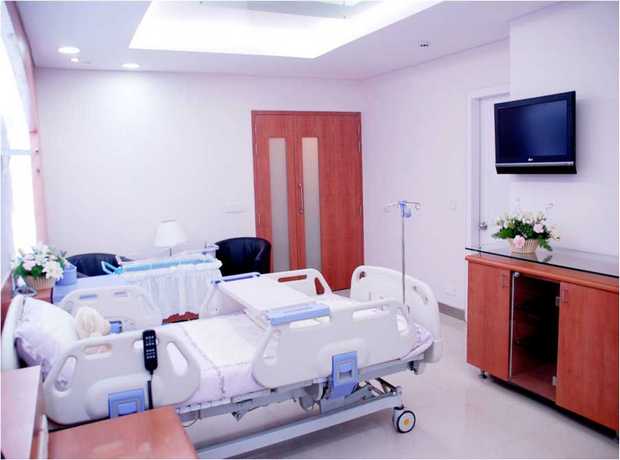
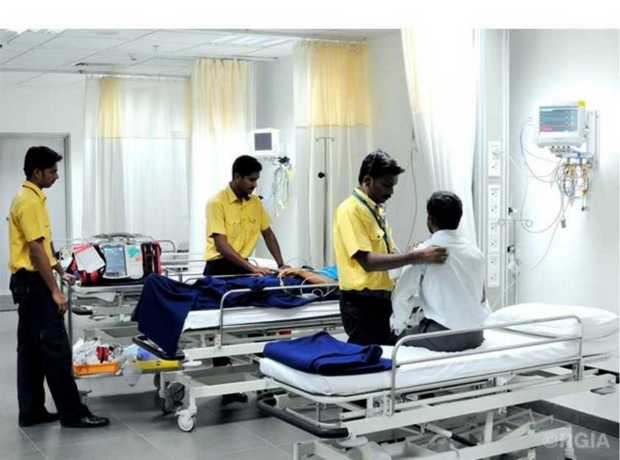
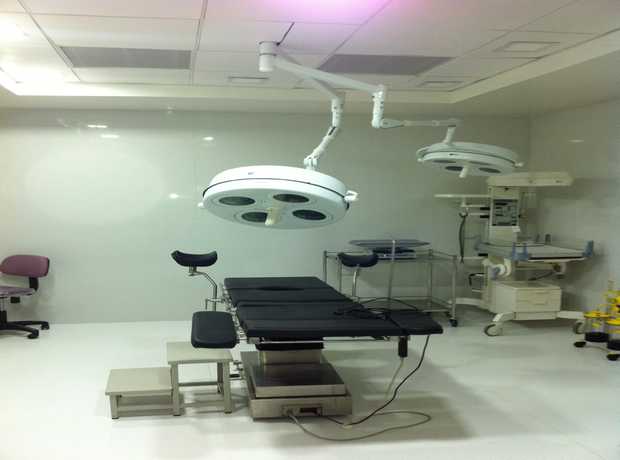
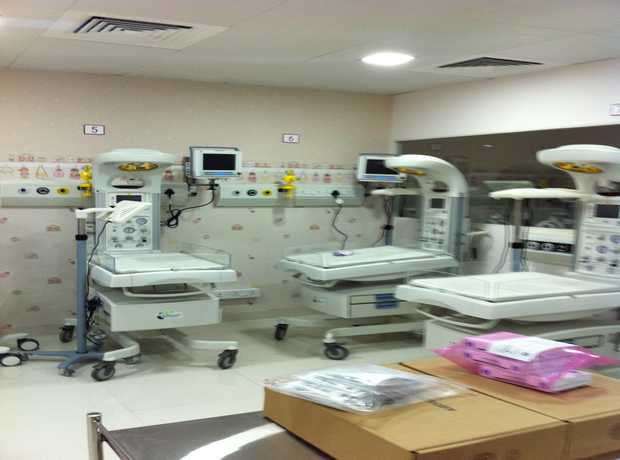
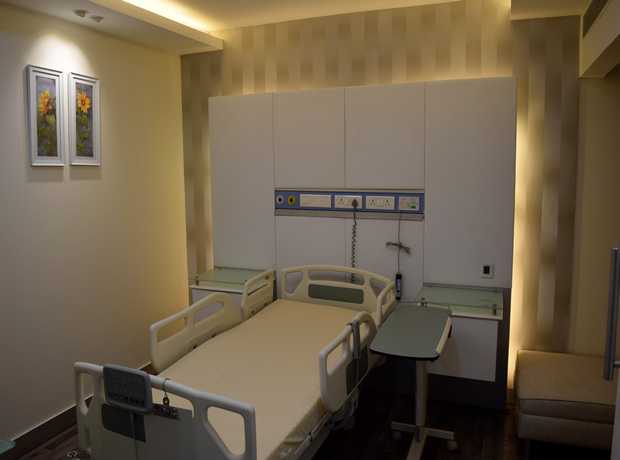
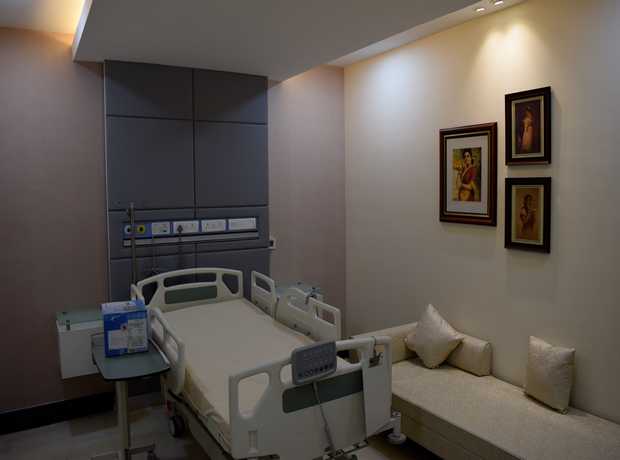
- Healthcare Facilities (Hospitals, Clinics, Diagnostic Centers): IAQ in healthcare is paramount, directly impacting patient recovery, infection control, and staff health.
- Critical Filtration: High-efficiency particulate air (HEPA) filters are essential in operating rooms, isolation rooms, and immunocompromised patient areas to remove airborne pathogens.
- Pressure Differentials: Maintaining positive pressure in sterile areas (e.g., OTs) to prevent outside air intrusion and negative pressure in infectious disease wards to contain contaminants.
- Humidity Control: Strict humidity control (typically 40-60% RH) to inhibit microbial growth and enhance patient comfort.
- Material Selection: Antimicrobial surfaces, low-VOC finishes, and easily cleanable materials are crucial for infection prevention.
- Zoning: Segregated ventilation systems for different risk areas (e.g., isolation, surgical, general wards, laboratories) to prevent cross-contamination.
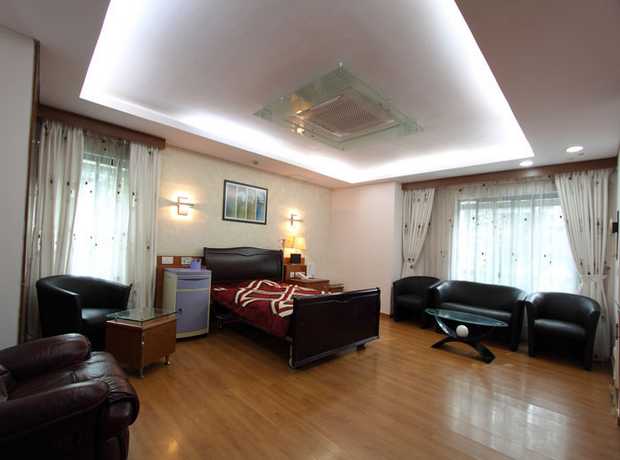
- Residential Buildings (Apartments, Villas, Gated Communities): Homes are often where people spend the most time, making residential IAQ critical for family health.
- Natural Ventilation: Optimizing window placement, cross-ventilation, and stack effect, especially important in Chennai’s climate.
- Source Control: Encouraging the use of exhaust fans in kitchens (especially for Indian cooking which produces significant PM and VOCs) and bathrooms, discouraging indoor smoking.
- Material Selection: Promoting low-VOC paints, adhesives, and furnishings to homeowners.
- Moisture Control: Effective waterproofing, dehumidification, and prompt repair of leaks to prevent mold.
- Radon Testing: Periodic radon testing, particularly for ground-floor or basement units.
- Commercial Offices (IT Parks, Corporate Offices): IAQ directly impacts employee productivity, comfort, and absenteeism.
- Adequate Fresh Air: Sufficient outdoor air supply via mechanical ventilation systems, often using demand-controlled ventilation.
- Thermal Comfort: Maintaining optimal temperature and humidity to reduce complaints and stress.
- Acoustic Management: Integrating sound-absorbing materials and space planning to create quieter, more focused workspaces.
- HVAC Maintenance: Regular and rigorous maintenance of HVAC systems to ensure peak performance and prevent pollutant buildup.
- Cleaning Protocols: Implementing green cleaning practices and schedules to minimize dust and chemical exposure.
- Educational Institutions (Schools, Colleges, Universities): IAQ affects student learning, teacher health, and overall campus well-being.
- CO2 Monitoring: Critical for classrooms where high occupancy can quickly lead to elevated CO2 levels, impairing cognitive function.
- Ventilation Rates: Ensuring high enough ventilation rates to dilute pollutants and control airborne disease transmission.
- Material Selection: Low-VOC materials in classrooms and common areas to protect developing children.
- Moisture Control: Preventing mold in areas like gymnasiums, locker rooms, and cafeterias.
- Outdoor Air Intake: Placing air intakes away from bus idling zones or sports fields with high particulate matter.
- Retail Spaces and Hospitality (Malls, Hotels, Restaurants): IAQ influences customer experience, comfort, and repeat business.
- Odor Control: Advanced filtration systems (activated carbon) to manage cooking odors, product scents, and general foot traffic smells.
- Thermal Comfort: Consistent temperature and humidity across large public spaces.
- Particulate Control: Robust filtration to manage dust from high foot traffic and outdoor infiltration.
- Restroom Ventilation: Powerful, dedicated exhaust systems for restrooms to prevent odors from migrating.
Skydome Designs’ 29+ years of diverse project experience across residential, commercial, healthcare, and retail sectors positions us uniquely to address these specific IAQ challenges. Our multi-disciplinary team understands the nuances of each building type and customizes solutions for optimal outcomes. Leverage our expertise for sector-specific IAQ planning.
10. Technologies and Innovations in IAQ: The Future of Clean Air
The field of Indoor Air Quality is rapidly evolving, driven by advancements in sensor technology, material science, and data analytics. Incorporating these innovations can significantly enhance the effectiveness and efficiency of IAQ management:
- Smart IAQ Monitoring Systems: Real-time IAQ sensors that continuously measure parameters like CO2, PM2.5, VOCs, temperature, and humidity are revolutionizing IAQ management. These systems can:
- Provide instant alerts when thresholds are exceeded.
- Offer historical data for trend analysis and proactive problem-solving.
- Integrate with Building Management Systems (BMS) for automated responses.
- Empower occupants with visible IAQ data, fostering trust and awareness.
- Advanced Filtration Technologies: Beyond traditional HEPA and activated carbon, new technologies are emerging:
- UVGI (Ultraviolet Germicidal Irradiation): UV-C lamps integrated into HVAC systems or standalone air purifiers can inactivate airborne bacteria, viruses, and mold spores.
- Photocatalytic Oxidation (PCO): Utilizes UV light and a catalyst (often titanium dioxide) to break down VOCs and other gaseous pollutants into harmless substances.
- Electrostatic Precipitators: Use an electric charge to capture even finer particles, though they require regular cleaning.
- Building Management Systems (BMS) Integration: Modern BMS platforms can integrate IAQ sensor data with HVAC controls, allowing for demand-controlled ventilation. For instance, if CO2 levels rise in a conference room, the BMS can automatically increase outdoor air supply to that zone, optimizing both IAQ and energy use.
- Biophilic Design Elements: While not strictly a “technology,” the intentional integration of natural elements into building design is gaining traction. Indoor plants, for example, can contribute to air purification (though their impact is often small in large spaces) and significantly improve occupant well-being, reducing stress, which indirectly benefits IAQ perception. Vertical gardens and green walls are examples of this trend.
- Smart Windows and Dynamic Glazing: Technologies that automatically adjust tint or openness based on outdoor conditions can optimize natural light, ventilation, and thermal comfort, all contributing to a holistic indoor environment.
- Advanced Desiccant Systems: For highly humid climates like Chennai, advanced desiccant-based dehumidification systems offer energy-efficient ways to manage humidity independently of cooling, allowing for more precise control and reduced mold risk.
At Skydome Designs, we are at the forefront of adopting and integrating these cutting-edge technologies into our indoor air quality planning. Our award-winning team continuously explores innovative solutions to deliver the healthiest, most advanced, and most sustainable indoor environments in Chennai. We deliver projects on-time, on-budget, and to global standards, often incorporating these future-ready elements. Discover our innovative IAQ solutions for a smarter, healthier building.
11. The Role of Occupants in Maintaining IAQ: A Shared Responsibility
While architects, engineers, and facility managers lay the groundwork for good IAQ, the everyday actions of building occupants play a crucial, often underestimated, role in sustaining it. Fostering a culture of IAQ awareness and responsibility among occupants can significantly enhance overall air quality:
- Source Control Practices:
- Chemical Usage: Encouraging the use of low-VOC cleaning products, air fresheners, and personal care products. Strong fragrances can be significant sources of VOCs and irritants for sensitive individuals.
- Cooking: Advising residents and commercial kitchen staff to always use exhaust fans when cooking, especially when frying or grilling, to remove particulate matter, grease, and combustion byproducts.
- Smoking Policies: Strict no-smoking policies indoors and ensuring designated smoking areas are well-ventilated and located far from air intakes.
- Storage of Chemicals: Proper storage of paints, solvents, and pesticides in well-ventilated areas, ideally outside the main occupied spaces.
- Ventilation Habits:
- Natural Ventilation: Educating occupants on when and how to utilize natural ventilation, such as opening windows and doors during periods of low outdoor pollution and favorable weather.
- Mechanical Ventilation: Ensuring occupants do not block air vents or tamper with ventilation controls, which can disrupt airflow and system performance.
- Cleaning Practices:
- Regular Dusting and Vacuuming: Encouraging regular cleaning using methods that minimize dust resuspension (e.g., damp dusting, vacuuming with HEPA filters).
- Prompt Spill Cleanup: Immediately cleaning up spills to prevent moisture intrusion and potential mold growth.
- Reporting Issues: Creating clear channels for occupants to report IAQ concerns, such as unusual odors, persistent dampness, or ventilation problems, so that facility managers can address them promptly.
- Indoor Plant Care: While beneficial for aesthetics and potentially minor air purification, educating occupants on proper plant care to prevent mold growth in damp soil.
Skydome Designs incorporates occupant education and engagement strategies into our IAQ planning, helping our clients create buildings where everyone is a steward of healthy air. Our post-occupancy support includes guidance for ongoing IAQ management, recognizing the vital role occupants play. Partner with us for comprehensive IAQ solutions that include occupant engagement.
Choosing the Right Chennai Indoor Air Quality Planning Company
The partner you select for your IAQ planning needs is paramount to the success and longevity of your project. This decision should not be taken lightly, as it directly impacts the health, productivity, and sustainability of your building. Look for a Chennai indoor air quality planning company with specific, verifiable credentials and attributes:
- Extensive experience in Chennai’s built environment: The local climate, regulations, construction practices, and even cultural nuances demand localized expertise. A company with a proven track record in Chennai understands the unique challenges and opportunities that the city presents.
- A multidisciplinary team of architects, engineers, and IAQ specialists: True IAQ excellence requires collaboration across disciplines. Look for a firm that brings together experienced architects (for spatial design, natural ventilation), mechanical engineers (for HVAC and filtration), and dedicated IAQ specialists (for pollutant assessment, material science, and compliance). This integrated approach ensures all aspects are considered holistically.
- A proven track record of successful IAQ projects: Ask for case studies, client testimonials, and measurable results from previous IAQ-focused projects. A company that can demonstrate tangible improvements in indoor air quality and occupant satisfaction is a reliable choice.
- Commitment to sustainable and healthy building practices: IAQ is inextricably linked with sustainability. Choose a firm that integrates green building principles, energy efficiency, and occupant well-being into its core philosophy. This indicates a forward-thinking and responsible approach.
- Transparent processes and reporting: Ensure the company offers clear project timelines, transparent cost breakdowns, and regular progress reports. This fosters trust and allows you to track the project’s progress effectively.
- Post-occupancy support: IAQ is an ongoing journey. A good partner will offer support and guidance even after the project is completed, helping you maintain optimal air quality over time.
Skydome Designs has delivered 1290+ indoor air quality planning assignments across Chennai and globally over 29+ years, establishing an unrivaled legacy of excellence and trust. Our on-time delivery rate of 99%, underpinned by rigorous multi-disciplinary reviews and dedicated post-occupancy support, consistently underpins successful outcomes and client satisfaction. We are recognized for our transparent costs and milestone-based reporting in Chennai, ensuring you are always informed and in control. Discover why Skydome Designs is the preferred partner for IAQ in Chennai.
Why Skydome Designs is Your Trusted Partner for IAQ in Chennai: A Legacy of Excellence
At Skydome Designs Pvt Ltd, we bring nearly 30 years of unparalleled expertise and innovation to every project, shaping environments that are not only visually stunning but also inherently healthy and sustainable. Specializing in critical sectors such as hospital and healthcare interiors, alongside sophisticated residential and dynamic retail projects, we deliver innovative, sustainable, and highly functional spaces where IAQ is a non-negotiable priority. We provide comprehensive turnkey interior design solutions, meticulously covering every detail from intelligent space planning and ergonomic furniture layouts to cutting-edge lighting design, all while placing paramount importance on achieving superior indoor air quality.
Why Choose Us:
- 29+ years of experience across India and abroad: Our extensive tenure has equipped us with a deep understanding of diverse design challenges and solutions, both locally in Chennai and on a global scale. This breadth of experience translates into robust, contextually relevant IAQ strategies.
- In-house team of architects, healthcare planners, and project managers: Our multidisciplinary approach ensures seamless integration of design, engineering, and health-centric planning. This holistic expertise is particularly critical for complex projects like healthcare facilities, where IAQ is a matter of life and death.
- Award-winning, client-focused, and sustainable designs: We don’t just design; we create award-winning spaces that reflect our clients’ visions while championing sustainability and occupant well-being. Our commitment to excellence is recognized across the industry.
- Projects delivered on-time, on-budget, and to global standards: Our meticulous planning, efficient project management, and rigorous quality control ensure that projects are completed as promised, without compromising on quality or global best practices. Our 99% on-time delivery rate is a testament to this commitment.
- Transparent Costs & Milestone-Based Reporting: We believe in complete transparency. Our clients in Chennai benefit from clear cost breakdowns and regular, detailed reporting at every project milestone, ensuring full visibility and control.
- Global Design Standards with Local Code Expertise in Chennai: We marry international best practices in IAQ and design with a profound understanding of local regulations and climatic conditions, delivering solutions that are both world-class and perfectly adapted to Chennai.
We have delivered 1290+ indoor air quality planning assignments across Chennai and globally over 29+ years. Our on-time delivery rate of 99%, multi-disciplinary reviews, and post-occupancy support underpin successful outcomes, making us the trusted leader in IAQ solutions. Experience the Skydome Designs difference for your next project.
FAQ: Indoor Air Quality Planning in Chennai
Here are some frequently asked questions about indoor air quality planning in Chennai, providing further insights into this critical subject:
What are the main sources of indoor air pollution in Chennai?
In Chennai, common sources of indoor air pollution are multi-faceted. These include vehicle emissions from heavy traffic infiltrating buildings, industrial pollutants from surrounding manufacturing zones, and omnipresent construction dust. Indoors, primary culprits are Volatile Organic Compounds (VOCs) off-gassed from paints, adhesives, and furniture, mold growth due to the city’s high humidity, and inadequate ventilation systems that fail to dilute pollutants effectively. Traditional cooking practices, incense burning, and the presence of dust mites and other allergens further contribute to the indoor pollutant load.
How often should I test the indoor air quality in my Chennai building?
It’s generally recommended to conduct comprehensive IAQ testing at least annually to establish a baseline and identify potential issues before they become severe. However, more frequent testing (e.g., quarterly) is advisable in specific scenarios: if there are known issues, persistent occupant complaints (headaches, respiratory irritation), after major renovations, in critical environments like healthcare facilities, or if there’s a significant change in building occupancy or usage. For continuous assurance, integrating smart IAQ monitoring systems can provide real-time data and alerts.
What are the health risks associated with poor indoor air quality?
Poor IAQ poses a wide spectrum of health risks. Short-term effects can include acute respiratory problems, allergic reactions, asthma exacerbation, headaches, dizziness, fatigue, nausea, and irritation of the eyes, nose, and throat. Long-term exposure to high levels of certain pollutants (like VOCs, formaldehyde, or particulate matter) can lead to chronic respiratory diseases, cardiovascular problems, certain cancers, and impaired cognitive function. Children, the elderly, and individuals with pre-existing health conditions are particularly vulnerable.
How can I improve the indoor air quality in my Chennai home or office?
Improving IAQ requires a multi-pronged approach. Start with ensuring proper ventilation, both natural (opening windows strategically) and mechanical (functional exhaust fans in kitchens/bathrooms, well-maintained HVAC systems). Implement robust air filtration using high-efficiency filters (MERV 13 or higher) and activated carbon filters. Prioritize using low-VOC building materials and furniture. Crucially, control moisture to prevent mold growth through effective waterproofing and dehumidification. Finally, regular and proper cleaning (using low-VOC products) and source control (minimizing pollutant-emitting activities) are essential for sustained improvement. Skydome Designs offers tailored solutions for all these aspects.
What regulations govern indoor air quality in Chennai?
IAQ in Chennai is primarily governed by the National Building Code of India (NBC), which outlines essential ventilation and construction standards. The Tamil Nadu Pollution Control Board (TNPCB) norms, while focusing on outdoor pollution, indirectly influence indoor air quality by regulating industrial emissions and construction site practices. Additionally, adhering to relevant international standards, such as those published by ASHRAE (e.g., ASHRAE 62.1 for Ventilation for Acceptable Indoor Air Quality), is considered best practice for achieving superior IAQ and often forms a benchmark for high-performance buildings.
Does humidity control play a significant role in Chennai’s indoor air quality?
Absolutely. Chennai’s consistently high humidity is a major factor impacting IAQ. Elevated indoor humidity (above 60% relative humidity) creates an ideal environment for the rapid growth of mold, mildew, bacteria, and dust mites. These biological contaminants are potent allergens and irritants, contributing to respiratory issues and unpleasant odors. Effective moisture control, including proper building envelope design, robust drainage, and the strategic use of dehumidification systems, is crucial for maintaining healthy humidity levels and preventing these biological IAQ problems in Chennai.
What is the impact of construction materials on IAQ?
Construction and interior finishing materials are significant contributors to indoor air pollution, primarily through the emission of Volatile Organic Compounds (VOCs) and formaldehyde. Traditional paints, adhesives, sealants, carpets, and composite wood products can off-gas these chemicals for months or even years after installation, leading to “sick building syndrome” symptoms. By selecting low-VOC and formaldehyde-free alternatives, building designers and owners can drastically reduce chemical emissions, creating a much healthier indoor environment from day one.
Can IAQ planning help reduce energy costs in Chennai?
Yes, when implemented intelligently. While advanced filtration and ventilation systems require energy, modern IAQ planning integrates energy-efficient strategies. This includes demand-controlled ventilation (which adjusts airflow based on actual occupancy and CO2 levels), heat recovery ventilators (HRVs) or energy recovery ventilators (ERVs) that temper incoming fresh air, and effective moisture control which reduces the load on air conditioning systems for dehumidification. Proactive IAQ planning also prevents costly mold remediation or significant HVAC repairs stemming from poor maintenance, saving money in the long run.
How does Skydome Designs ensure global IAQ standards are met while adhering to local Chennai codes?
Skydome Designs’ strength lies in its dual expertise: an in-depth understanding of international IAQ benchmarks like ASHRAE standards, coupled with profound knowledge of local Chennai building codes and TNPCB regulations. Our multi-disciplinary team meticulously cross-references these standards, ensuring that our designs not only meet the minimum local compliance but also incorporate global best practices for superior performance. We conduct rigorous multi-disciplinary reviews at every stage to verify that all aspects of IAQ—from ventilation rates and filtration to material selection and moisture control—are optimized according to the highest global and local requirements.
What kind of post-occupancy support does Skydome Designs offer for IAQ in Chennai?
Skydome Designs believes IAQ is a continuous journey. Our post-occupancy support includes guidance on establishing robust maintenance protocols for HVAC systems, air filters, and general building upkeep. We provide recommendations for ongoing IAQ monitoring and advise on how to interpret data from smart IAQ sensors. Should any issues arise post-handover, our team is available for consultation and support, helping clients address concerns promptly and maintain optimal indoor air quality throughout the building’s lifecycle. Our milestone-based reporting continues to offer transparency even in this phase.
Conclusion: Building a Healthier Chennai, One Breath at a Time
Prioritizing comprehensive indoor air quality planning in Chennai is not just a regulatory obligation or a luxury; it is an indispensable investment in the health, productivity, and sustainability of our city’s built environment. By meticulously implementing the robust strategies outlined in this extensive checklist – from stringent regulatory compliance and judicious material selection to advanced ventilation, filtration, and moisture control – and by proactively partnering with seasoned and experienced professionals like Skydome Designs, you can confidently ensure not only unwavering compliance but also the optimization of IAQ. This commitment directly translates into significantly improved well-being for every occupant who experiences your spaces.
At Skydome Designs, our commitment to excellence is proven. We have delivered 1290+ indoor air quality planning assignments across Chennai and globally over 29+ years, achieving an impressive 99% on-time delivery rate. Our methodology is fortified by rigorous multi-disciplinary reviews and comprehensive post-occupancy support, ensuring that every project culminates in successful, enduring outcomes. We pride ourselves on offering transparent costs and detailed, milestone-based reporting in Chennai, providing clarity and confidence throughout the entire process. Our award-winning team seamlessly blends global design standards with unparalleled local code expertise in Chennai, delivering solutions that are truly world-class yet perfectly attuned to the city’s unique requirements.
Ready to transcend conventional building practices and create healthier, more resilient, and truly exceptional indoor environments? Contact Skydome Designs today for expert, results-driven indoor air quality planning in Chennai. Take the decisive step towards a healthier future for your occupants and your asset. Call us directly at +91 7299072144 or send an email to info@skydomedesigns.com to schedule a personalized consultation and begin your journey towards unparalleled indoor air quality.
Skydome Designs Pvt Ltd
Leading architecture and interior design firm in India.
Learn more about our award-winning services and expertise.