The healthcare landscape is constantly evolving, and lighting design is playing an increasingly crucial role in patient well-being, operational efficiency, and overall sustainability. In Chicago, a city known for its innovation, the trends in lighting design for healthcare facilities are rapidly advancing. As we look toward 2025, understanding these trends is essential for healthcare providers, architects, and designers alike. This comprehensive article delves into the key aspects shaping the future of healthcare lighting in Chicago, ensuring facilities are not only functional but also promote profound healing and well-being, reflecting the city’s commitment to cutting-edge medical environments. We’ll explore how modern lighting strategies are transforming patient experience, enhancing clinical precision, and driving energy efficiency across the healthcare sector.
The Evolving Landscape of Lighting Design for Healthcare Facilities in Chicago
Chicago is at the forefront of adopting cutting-edge healthcare technologies and design principles. Specifically, lighting design for healthcare facilities in Chicago is undergoing a significant transformation, driven by a profound focus on sustainability, patient-centric approaches, and continuous technological advancements. Hospitals and clinics across the metropolitan area are increasingly recognizing the undeniable impact of well-designed lighting on patient recovery times, staff performance and morale, and crucially, long-term energy consumption and operational costs. This shift is not merely aesthetic; it is deeply rooted in scientific research demonstrating the physiological and psychological effects of light, pushing designers to create spaces that are truly conducive to healing and highly functional for medical professionals.
The imperative for innovative lighting solutions in Chicago’s healthcare sector stems from several converging factors: stricter environmental regulations, the growing demand for higher quality patient care, advancements in LED technology, and a deeper understanding of human biology, particularly circadian rhythms. As a result, healthcare lighting design in Chicago is moving beyond basic illumination to sophisticated, integrated systems that respond dynamically to the needs of their occupants and the broader environment. These intelligent lighting systems are becoming a cornerstone of modern healthcare infrastructure, promising a healthier, more efficient, and more sustainable future for medical facilities.
Sustainability and Energy Efficiency: A Chicago Imperative
Chicago is fiercely prioritizing sustainability, and this commitment is strongly reflected in the dominant trends for lighting design for healthcare facilities in Chicago. Future-ready designs are meticulously engineered to lower lifecycle costs through highly energy-efficient solutions and intelligent resource management. This includes a multifaceted approach:
- Advanced LED Lighting Systems with Smart Controls: LEDs are no longer just an alternative; they are the standard. Their incredible energy efficiency, long lifespan, and versatility make them ideal for healthcare environments. Beyond basic installation, the integration of smart control systems, including occupancy sensors, daylight sensors, and networked lighting controls, allows for granular management of light levels. These systems can dynamically adjust brightness based on natural light availability, room occupancy, and scheduled needs, significantly reducing energy waste. In Chicago, where energy costs can fluctuate, optimizing consumption through intelligent LED systems translates to substantial operational savings for large facilities.
- Sophisticated Daylight Harvesting Strategies: Maximizing the use of natural light is a cornerstone of sustainable design. Modern lighting design for healthcare facilities in Chicago incorporates advanced daylight harvesting, which involves strategically placed windows, skylights, light shelves, and sophisticated sensor-driven artificial lighting systems that dim or turn off when sufficient natural light is present. This not only conserves energy but also provides patients and staff with exposure to natural light, which is vital for mood, alertness, and circadian regulation. Designing spaces to optimize daylight penetration while minimizing glare and excessive heat gain is a complex art and science, requiring expert planning.
- Utilizing Recyclable and Environmentally Friendly Materials: The commitment to sustainability extends beyond energy consumption to the materials used in lighting fixtures themselves. Trends in Chicago favor luminaires constructed from recyclable materials, those with low volatile organic compound (VOC) emissions, and components designed for easy disassembly and recycling at the end of their lifecycle. This holistic approach ensures that the environmental footprint of healthcare facilities is minimized from construction to decommissioning, aligning with Chicago’s broader green building initiatives and ethical procurement practices.
These sustainable practices not only reduce the environmental footprint but also contribute to significant, measurable cost savings for healthcare facilities over their operational lifespan. Beyond the immediate financial benefits, investing in green lighting solutions enhances a facility’s public image and contributes to a healthier urban environment in Chicago. Looking for a Chicago lighting design for healthcare facilities company that deeply understands and prioritizes sustainability? Contact Skydome Designs to learn more about our proven track record of delivering energy-efficient and environmentally responsible solutions. We have successfully delivered 485+ lighting design for healthcare facilities assignments across Chicago and globally over 30+ years, proving our commitment to sustainable excellence.


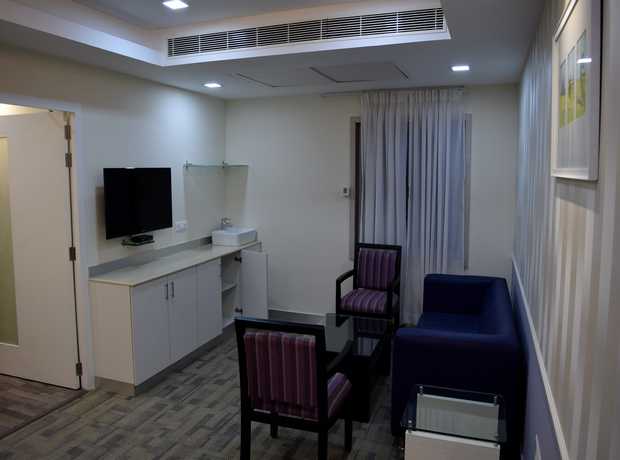

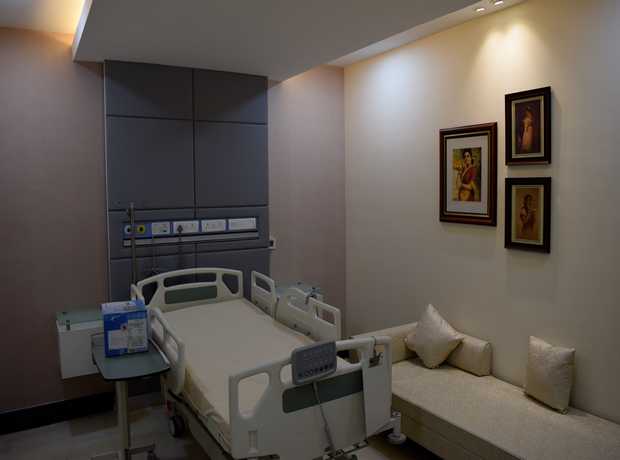




Patient-Centric Lighting Design: Promoting Healing and Well-being
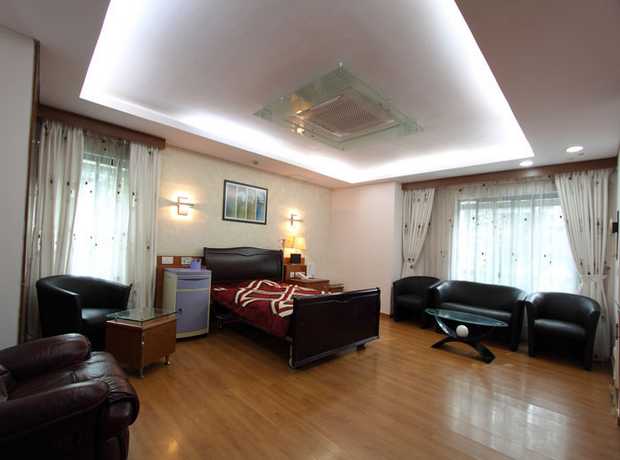
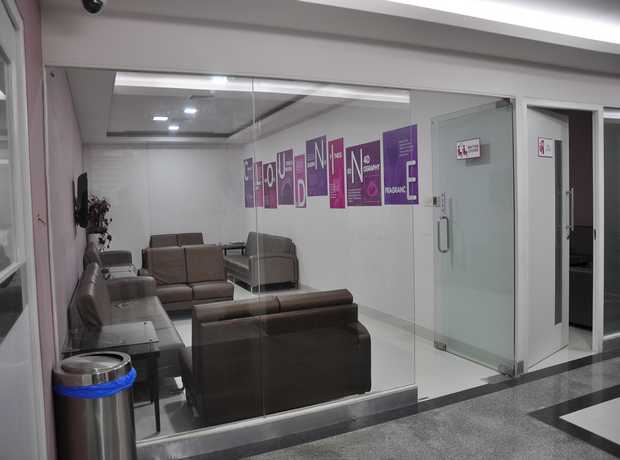
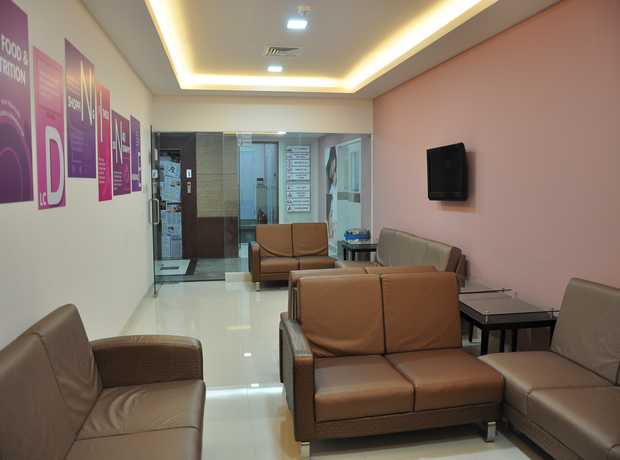
The well-being, comfort, and speedy recovery of patients are paramount in contemporary healthcare. Therefore, modern lighting design for healthcare facilities in Chicago places an immense emphasis on creating a truly healing and comforting environment. This involves a thoughtful integration of light to support physiological and psychological needs:
- Adjustable Lighting Systems for Personalized Control: Empowering patients with control over their immediate environment is a powerful tool for reducing anxiety and enhancing comfort. Modern patient rooms feature highly adjustable lighting systems that allow patients to control the intensity (dimming), color temperature (warm to cool white), and even direction of light. This customization enables them to create an environment conducive to rest, reading, or interaction, tailored to their personal preferences and sensitivity, reducing the feeling of helplessness often associated with hospital stays.
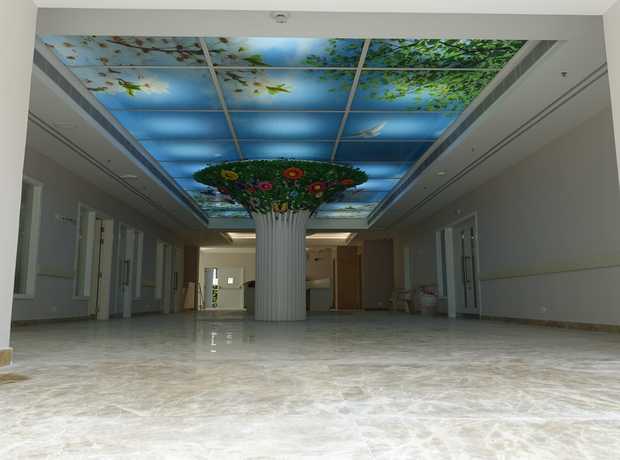
- Sophisticated Circadian Lighting that Mimics Natural Daylight Patterns: Human physiology is deeply intertwined with natural light cycles. Circadian lighting systems are designed to emulate the natural progression of daylight throughout the 24-hour cycle, providing brighter, cooler-toned light during the day to promote alertness and warmer, dimmer light in the evenings to facilitate relaxation and sleep. This strategic manipulation of light spectrum and intensity helps to regulate patients’ sleep-wake cycles, reduce delirium (especially in critical care), improve mood, and potentially accelerate recovery times by supporting the body’s natural restorative processes.
- Meticulous Reduction of Glare and Flicker to Minimize Discomfort: Unwanted glare from light sources or reflective surfaces, and imperceptible flicker, can cause significant visual strain, headaches, and general discomfort, particularly for patients who may be already vulnerable or sensitive. Advanced lighting designs focus on indirect lighting, carefully chosen diffusers, and high-quality LED drivers to eliminate flicker and minimize glare, creating a soft, evenly distributed illumination that is gentle on the eyes and contributes to a more serene and less stressful healing environment.
These patient-focused strategies are not just amenities; they are scientifically proven interventions that help to improve mood, significantly reduce anxiety and stress, and promote faster recovery times. In Chicago’s competitive healthcare market, facilities that prioritize patient comfort and well-being through advanced lighting design gain a significant advantage. Are you wondering how to improve your ICU layout or general patient rooms with human-centric lighting solutions that meet the highest global standards? Contact our Chicago hospital experts at Skydome Designs today for a consultation. Our award-winning team can guide you through implementing the most effective and compassionate lighting strategies.
Key Areas of Focus: Specialized Lighting Solutions for Diverse Healthcare Environments
Different areas within a healthcare facility present unique challenges and demand highly tailored lighting solutions to meet specific functional, clinical, and comfort needs. Understanding these distinctions is critical for effective design.
Operating Theatres (OT Design): Precision, Clarity, and Sterility
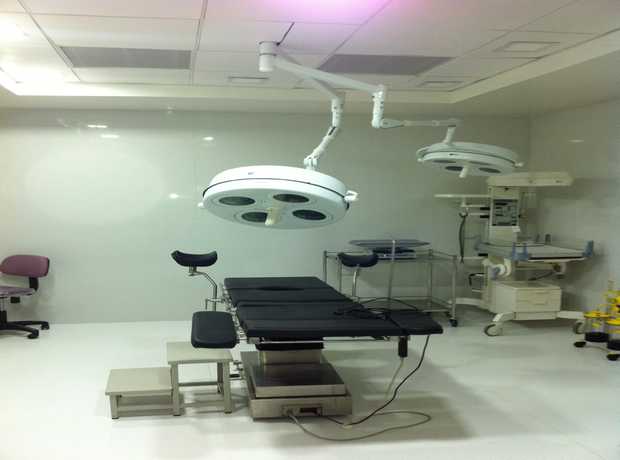
OT design demands the highest level of precise, reliable, and consistent lighting to ensure optimal surgical outcomes and patient safety. Trends in Chicago’s operating theatres emphasize:
- Advanced Shadowless Lighting Systems: State-of-the-art surgical lighting uses multiple light sources and sophisticated optics to virtually eliminate shadows, ensuring a consistently clear and unobstructed view of the surgical field, regardless of the surgeon’s position or the presence of instruments. This is crucial for micro-surgeries and complex procedures where precision is paramount.
- Exceptional High Color Rendering Index (CRI): Accurate tissue and blood color rendition is non-negotiable in surgery. Lighting with a very high CRI (typically 90+) allows surgeons to accurately distinguish between different tissue types, identify subtle changes in blood oxygenation, and make critical clinical judgments with confidence.
- Seamless Laminar Airflow-Compatible Lighting Fixtures: Maintaining an ultra-sterile environment is fundamental in OTs. Lighting fixtures must be designed to integrate seamlessly with laminar airflow systems, preventing disruption of sterile air patterns and minimizing the accumulation of dust and pathogens. They must also be easy to clean, with smooth, non-porous surfaces that resist bacterial growth.
- Adjustable Focus and Intensity: Modern surgical lights offer surgeons the ability to adjust the focus and intensity of the light beam, allowing them to customize the illumination to the specific requirements of each procedure and individual visual preferences.
Proper lighting in operating theatres is absolutely crucial for optimal surgical outcomes, enhanced surgeon comfort, and paramount patient safety. Skydome Designs understands the immense complexities and stringent requirements of advanced OT design and can deliver world-class solutions that adhere to the most rigorous global standards. Our experience spans 485+ lighting design for healthcare facilities assignments, many involving highly specialized surgical environments, ensuring we deliver proven and innovative solutions for your Chicago facility.
Patient Rooms: Sanctuary and Recovery
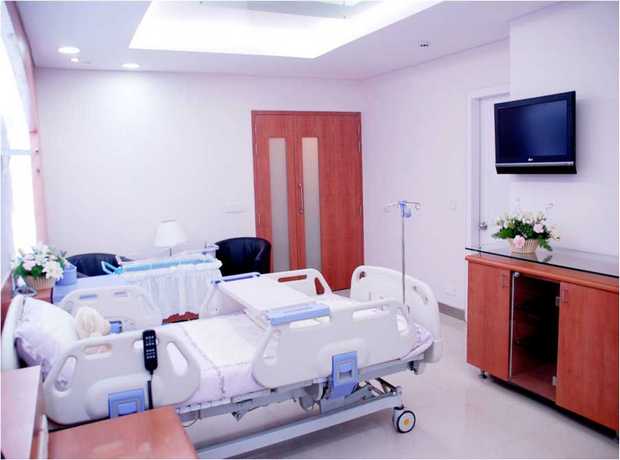
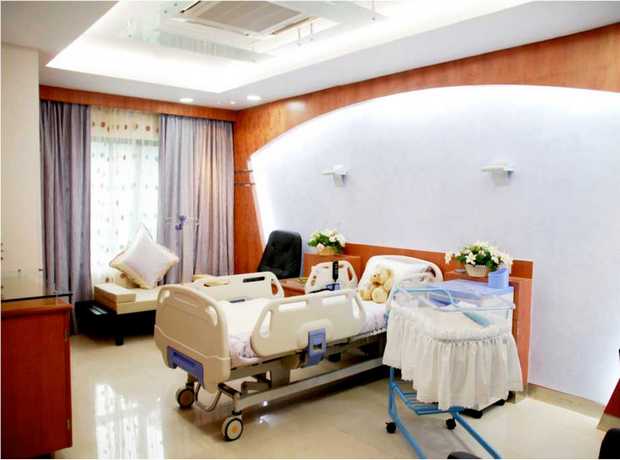
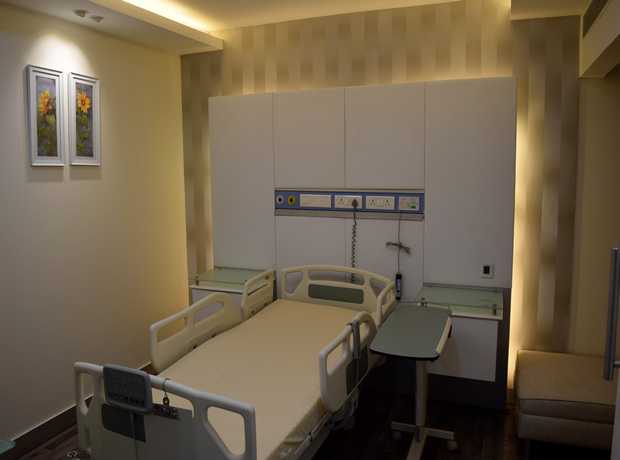
Creating a comfortable, calming, and functional environment in patient rooms is essential for patient recovery, privacy, and overall satisfaction. Thoughtful lighting considerations include:
- Versatile Dimming Capabilities: Allowing patients to adjust light levels significantly contributes to their comfort and control. Full dimming ranges enable patients to create a bright environment for reading or visitor interaction, a subdued level for relaxation, or complete darkness for sleep.
- Strategic Use of Indirect Lighting: Indirect lighting, where light is reflected off ceilings and walls, produces a softer, more diffused illumination, drastically reducing direct glare and harsh shadows. This creates a more serene and less clinical ambiance, promoting relaxation and reducing visual discomfort.
- Employing Warm Color Temperatures for Relaxation: Warmer color temperatures (2700K-3500K) are psychologically associated with comfort, coziness, and relaxation. Using these warmer tones, especially in the evening, can help promote a sense of calm and prepare patients for sleep, supporting their natural circadian rhythm.
- Integrated Night Lights: Discreet, low-level night lights with minimal blue light content are essential for patient safety, allowing them to navigate the room without disturbing their sleep or disrupting circadian cycles.
The careful integration of these elements transforms a clinical space into a truly healing sanctuary, supporting both the physical and emotional recovery of patients.
ICUs and Critical Care Units: Balancing Urgency and Delicacy
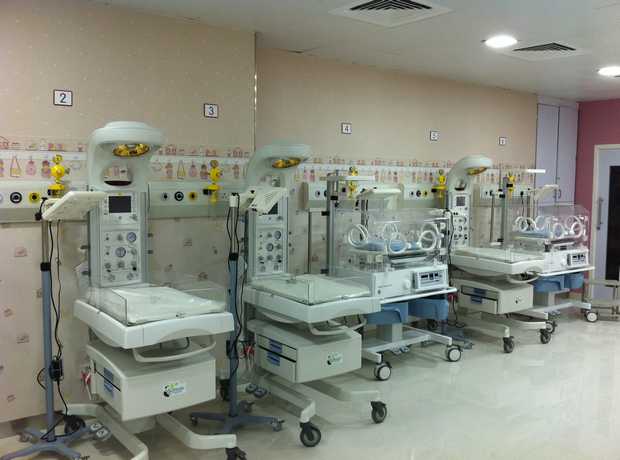
The ICU layout and critical care units require an exceptionally carefully planned lighting strategy to support both urgent patient care needs and the delicate balance required for patient recovery and well-being. Lighting strategies in these high-stakes environments focus on:
- Dedicated Task Lighting for Medical Staff: Critical care requires continuous monitoring and frequent interventions. High-quality, adjustable task lighting for medical staff allows them to perform procedures, administer medications, and monitor vital signs with precision, without disturbing sleeping patients. This lighting needs to be bright, shadow-free, and provide excellent color rendering.
- Individually Adjustable Lighting for Patients to Promote Sleep and Reduce Delirium: Patients in ICUs are particularly susceptible to delirium and sleep disruption. Individualized circadian lighting systems in each bay can be programmed to provide bright, stimulating light during the day and very dim, warm-toned, blue-light-free illumination at night. This helps to maintain their natural sleep-wake cycles, reducing the incidence and severity of ICU delirium.
- Blue-Light-Free Options at Night: Exposure to blue light at night significantly suppresses melatonin production, interfering with sleep. ICUs are increasingly implementing lighting solutions that can shift to a completely blue-light-free spectrum during nighttime hours, ensuring that even necessary illumination for patient checks does not disrupt circadian rhythms.
- Emergency Lighting Integration: Robust emergency lighting systems are vital, ensuring continuous illumination during power outages to maintain critical patient care.
Effective and thoughtfully designed lighting in ICUs can significantly improve patient outcomes by reducing delirium, supporting restorative sleep, and minimizing the risk of complications, while simultaneously enhancing the efficiency and comfort of the medical team. Skydome Designs has extensive experience in designing high-performance lighting solutions for critical care environments that adhere to the strictest clinical requirements and promote optimal patient recovery.
Infection Control and Lighting: A Modern Necessity
With ever-increasing awareness and stringent requirements for hygiene and patient safety, infection control is more critical than ever in healthcare facilities. Lighting design now plays a proactive role in preventing the spread of pathogens. The design includes:
- Integrated UV-C Lighting Solutions: UV-C light has proven germicidal properties, capable of inactivating bacteria, viruses, and other microorganisms. Emerging trends involve integrating UV-C lighting into various areas:
- Upper-Room Germicidal UV-C: Continuously disinfects the air in occupied spaces by treating the upper room air without direct exposure to occupants.
- Cycles of Disinfection: Automated UV-C fixtures that can be activated in unoccupied rooms (e.g., patient rooms between discharges, operating theatres after surgery) to provide terminal disinfection of surfaces.
- HVAC Integration: UV-C lamps installed within HVAC systems to disinfect circulating air and prevent the growth of mold and bacteria within ductwork.
- Easy-Cleaning and Antimicrobial Fixtures: Lighting fixtures themselves can become vectors for pathogens if not properly designed. Trends favor fixtures with smooth, non-porous surfaces that are easy to wipe down and sanitize effectively. Materials like sealed glass, antimicrobial coatings, and seamless integration with ceilings minimize crevices where microbes can accumulate. This prevents cross-contamination and simplifies maintenance for cleaning staff, ensuring a consistently hygienic environment.
The strategic implementation of UV-C light and thoughtful fixture design significantly helps prevent infection and facilitates easier cleaning for better hygiene, contributing to a safer environment for both patients and staff. This proactive approach to infection control through lighting is a major trend in lighting design for healthcare facilities in Chicago, reflecting a commitment to cutting-edge public health measures.
The Science Behind Healthcare Lighting: Photobiology and Human Well-being
The modern approach to lighting design for healthcare facilities in Chicago is deeply rooted in photobiology and neuroscience. It acknowledges that light is not merely for vision but is a powerful environmental cue that profoundly impacts human physiology. Research has illuminated several critical mechanisms:
- Non-Visual Effects of Light: Beyond supporting vision, specific wavelengths of light, particularly blue light, are detected by intrinsically photosensitive retinal ganglion cells (ipRGCs) in the eye. These cells communicate directly with the suprachiasmatic nucleus (SCN), the body’s master clock, which regulates circadian rhythms. Improper light exposure, especially blue light at night, can disrupt melatonin production, leading to sleep disturbances, mood disorders, and compromised immune function – all detrimental to patient recovery.
- Impact on Mood and Psychology: Bright, stimulating light, particularly with a higher color temperature (cooler white), can enhance alertness, cognitive function, and elevate mood. Conversely, dim, warm-toned light promotes relaxation and reduces anxiety. Thoughtful lighting design can leverage these psychological responses to create environments that are uplifting in communal areas and calming in private patient spaces.
- Effect on Delirium: Delirium is a common and serious complication in hospitalized patients, especially the elderly and those in ICUs. Disrupted sleep-wake cycles due to constant light or noise are major contributors. Circadian lighting systems are designed to mitigate this by reinforcing natural light cues, thereby helping patients maintain a more regular sleep pattern and significantly reducing the incidence and severity of delirium.
- Visual Acuity and Task Performance: For staff, appropriate light levels, good color rendering, and minimal glare are essential for performing complex tasks, reading charts, administering medication, and conducting examinations with accuracy and minimal visual fatigue. Optimized task lighting directly contributes to patient safety and staff efficiency.
Understanding these scientific principles allows designers to move beyond anecdotal evidence and create lighting solutions that are truly evidence-based, maximizing therapeutic benefits and operational effectiveness in Chicago’s healthcare settings. Skydome Designs integrates this scientific understanding into every aspect of our healthcare lighting design.
Technological Innovations Driving Chicago’s Healthcare Lighting Forward
The rapid pace of technological innovation is continuously reshaping the possibilities for lighting design for healthcare facilities in Chicago. Looking towards 2025, several key technologies are gaining prominence:
- Internet of Things (IoT) Integration: Modern lighting systems are increasingly interconnected via the IoT. This means individual luminaires can be equipped with sensors (occupancy, daylight, temperature, air quality) and communicate with a central building management system (BMS). This connectivity enables highly granular control, predictive maintenance, and data collection for continuous optimization of energy use and environmental conditions.
- Advanced Sensor Technology: Beyond simple occupancy and daylight sensors, advanced sensors can detect subtle changes in patient presence, movement patterns, and even biometric data (when integrated with other systems). This allows for highly responsive lighting that adapts in real-time to the specific needs of patients and staff, enhancing comfort and safety.
- Li-Fi (Light Fidelity): While still in early stages for widespread healthcare application, Li-Fi uses light waves instead of radio waves for data transmission. This technology offers ultra-fast, secure wireless communication that does not interfere with sensitive medical equipment, making it a potential game-changer for data connectivity in critical healthcare environments.
- Artificial Intelligence (AI) and Machine Learning (ML): AI and ML algorithms can analyze vast amounts of data collected by IoT-enabled lighting systems. This allows for predictive optimization of lighting schedules, proactive identification of maintenance needs, and personalized lighting profiles that learn and adapt to the preferences and physiological responses of building occupants over time.
- Tunable White and Color-Changing LEDs: The ability to precisely control not only brightness but also the color temperature and even the full spectrum of light from a single fixture is a powerful tool. Tunable white LEDs are crucial for circadian lighting, while full-color (RGBW) LEDs can be used for therapeutic mood lighting in pediatric wards or to create soothing ambient effects in waiting areas.
These innovations promise to make healthcare facilities in Chicago smarter, more responsive, and more therapeutic, further enhancing patient care and operational efficiency. Skydome Designs is at the forefront of integrating these cutting-edge technologies into practical, high-performance lighting solutions.
The Regulatory Landscape in Chicago: Ensuring Compliance and Excellence
Designing for healthcare facilities in Chicago also means navigating a complex web of local building codes, energy efficiency mandates, and healthcare-specific standards. Compliance is not merely a legal requirement but a benchmark for quality and safety.
- Chicago Building Codes: All lighting installations must adhere to the latest editions of the Chicago Building Code, which often incorporates or references national standards like the National Electrical Code (NEC). This covers electrical safety, fire codes, and general construction requirements.
- Energy Efficiency Standards (e.g., Chicago Energy Conservation Code): Reflecting the city’s commitment to sustainability, Chicago has specific energy conservation codes that dictate maximum lighting power densities, require controls like occupancy sensors and daylight harvesting, and promote the use of high-efficiency luminaires. Compliance often involves detailed energy modeling and reporting.
- Healthcare-Specific Standards (e.g., FGI Guidelines, NFPA 101): Healthcare facilities must also comply with specialized guidelines from organizations like the Facility Guidelines Institute (FGI), which provides minimum standards for the design and construction of hospitals and outpatient facilities. These guidelines cover critical aspects of lighting related to patient safety, infection control, and staff functionality. The National Fire Protection Association (NFPA) Life Safety Code (NFPA 101) also sets requirements for emergency and egress lighting.
- Sustainability Certifications (e.g., LEED, WELL Building Standard): While not always mandatory, many new or renovated healthcare facilities in Chicago aim for LEED (Leadership in Energy and Environmental Design) or WELL Building Standard certification. These certifications provide frameworks for sustainable and health-promoting building design, with significant emphasis on lighting quality, energy performance, and occupant well-being. Meeting these standards often requires integrating advanced lighting strategies like circadian lighting and daylight harvesting.
Skydome Designs possesses an in-depth understanding of the regulatory landscape in Chicago and across the globe. Our team ensures that all lighting design for healthcare facilities projects not only meet but often exceed these stringent standards, guaranteeing code compliance, safety, and optimal performance.
Why Choose Skydome Designs for Your Healthcare Lighting Project in Chicago?
Skydome Designs Pvt Ltd is a leading architecture and interior design firm with nearly 30 years of unparalleled experience in hospital and healthcare interiors. We’ve delivered an impressive 485+ lighting design for healthcare facilities assignments across Chicago and globally over three decades, establishing ourselves as true pioneers in the field. Our expertise is not just theoretical; it’s proven through a vast portfolio of successful projects that blend innovative, sustainable, and highly functional lighting solutions meticulously tailored to your specific needs.
When you partner with Skydome Designs for your Chicago healthcare lighting project, you’re choosing a team that understands the intricate demands of modern medical environments and the profound impact of light on healing and operational efficiency.
Our comprehensive expertise includes:
- Hospital Interior Design: From cutting-edge patient rooms, critical ICUs, and sterile OTs, to state-of-the-art labs, comfortable consultation areas, and holistic facility planning – we optimize every space for superior patient care and staff performance.
- Residential Projects: Our design philosophy extends to apartments, luxury condos, senior housing, and community-focused interiors, showcasing our versatility and human-centric approach across sectors.
- Retail & Commercial Design: We also excel in creating dynamic shopping malls, mixed-use developments, efficient offices, and engaging entertainment centers, demonstrating our broad design capabilities.
- Interior Solutions: Our services encompass holistic space planning, ergonomic furniture layouts, advanced lighting solutions, and seamless turnkey interior execution, providing a single point of responsibility for your project.
Why choose Skydome Designs as your trusted partner?
- 29+ years of experience delivering exceptional projects across India and abroad, with a significant footprint in Chicago.
- An integrated in-house team of highly skilled architects, specialized healthcare planners, and dedicated project managers, ensuring seamless coordination and execution.
- An award‑winning team committed to delivering excellence. We offer transparent costs and provide milestone‑based reporting specifically for our Chicago projects, keeping you informed every step of the way.
- We offer end‑to‑end delivery for lighting design for healthcare facilities — encompassing initial strategy, detailed design, efficient construction, and a smooth handover process in Chicago, ensuring a cohesive and successful outcome.
- Our commitment to punctuality is unparalleled: On‑time delivery 99% of the time. We also implement multi‑disciplinary reviews and provide robust post‑occupancy support to underpin exceptional outcomes and ensure long-term satisfaction.
- We are renowned for our award-winning, client-focused, and inherently sustainable designs that consistently push the boundaries of innovation.
- Every project is delivered on-time, on-budget, and to the most rigorous global standards, ensuring superior quality and value.
Ready to transform your healthcare facility in Chicago with innovative, patient-centric, and sustainable lighting design? Contact Skydome Designs today! Call us directly at +91 7299072144 or email us at info@skydomedesigns.com. Our expert team is eager to discuss your project and demonstrate how our nearly three decades of experience and 485+ successful assignments can benefit your institution.
FAQ: Lighting Design for Healthcare Facilities in Chicago
Here are some frequently asked questions about lighting design for healthcare facilities, especially considering the cutting-edge trends and specific requirements in Chicago:
What are the absolute key considerations for lighting design in a Chicago hospital in 2025?
Key considerations include paramount patient well-being (achieved through advanced circadian lighting, personalized adjustable light levels, and glare reduction), aggressive energy efficiency (leveraging high-performance LEDs, sophisticated smart controls, and comprehensive daylight harvesting strategies), stringent infection control (via easy-to-clean fixtures, integration of UV-C lighting, and antimicrobial materials), and meticulous compliance with Chicago’s rigorous building codes, energy conservation mandates, and sustainability initiatives like LEED and WELL. Moreover, the entire clinical planning process must critically accommodate lighting for diverse medical procedures, examinations, and staff tasks to ensure optimal functionality and safety.
How does advanced lighting impact patient recovery and well-being in modern healthcare facilities?
Properly designed advanced lighting, particularly dynamic circadian lighting systems, profoundly impacts patient recovery by regulating crucial sleep-wake cycles, significantly reducing anxiety and stress, and consequently promoting faster healing and shorter lengths of stay. Customizable, adjustable lighting empowers patients to control their immediate environment, fostering a sense of autonomy and comfort that is vital for psychological well-being during recovery. It also helps mitigate common hospital-acquired conditions like delirium by maintaining natural physiological rhythms.
What are the latest and most impactful trends in energy-efficient lighting for healthcare facilities?
The latest trends include the widespread adoption of high-performance LED lighting systems integrated with sophisticated smart controls, advanced daylight harvesting systems that dynamically respond to natural light, and the strategic deployment of occupancy and vacancy sensors to minimize energy consumption in unoccupied spaces. Furthermore, the use of Power over Ethernet (PoE) lighting systems for streamlined installation and data integration, and the selection of fixtures made from recyclable and low-impact materials, are gaining significant traction. Chicago’s strong focus on urban sustainability vigorously drives the rapid adoption of these cutting-edge technologies across its healthcare sector.
How can modern lighting design significantly contribute to enhanced infection control in hospitals?
Modern lighting can make substantial contributions to infection control through multiple innovative avenues. This includes the strategic deployment of UV-C lighting for targeted disinfection of air and surfaces (used both continuously in upper-room applications and periodically in unoccupied spaces), the exclusive use of easy-to-clean, non-porous lighting fixtures designed with antimicrobial coatings that resist pathogen accumulation, and thoughtful fixture placement that eliminates hard-to-reach crevices where microbes can thrive. Additionally, proper illumination can improve visibility for cleaning staff, ensuring thorough sanitation protocols are effectively performed.
What essential certifications or rigorous standards are crucial for healthcare lighting projects in Chicago?
Crucial certifications and standards include LEED (Leadership in Energy and Environmental Design) and the WELL Building Standard, which are highly regarded frameworks for sustainable and health-promoting building design, heavily influencing lighting specifications. Additionally, strict compliance with local Chicago building codes, the Chicago Energy Conservation Code, FGI (Facility Guidelines Institute) guidelines for healthcare construction, and NFPA 101 (Life Safety Code) is absolutely mandatory. These interconnected standards collectively ensure paramount sustainability, optimal patient well-being, uncompromised staff safety, and superior operational performance for healthcare facilities throughout Chicago.
Conclusion: Illuminating the Future of Healthcare in Chicago
The future of lighting design for healthcare facilities in Chicago is exceptionally bright, characterized by an unwavering emphasis on sustainability, profound patient-centricity, and continuous technological innovation. By thoughtfully embracing these forward-looking trends, healthcare facilities in the vibrant city of Chicago can strategically create profoundly healing environments that not only promote optimal patient well-being and accelerate recovery but also significantly improve staff performance and comfort, while drastically reducing long-term operational costs and environmental impact. The integration of intelligent, adaptive lighting systems is no longer a luxury but a fundamental component of modern, high-quality healthcare delivery.
Skydome Designs is unequivocally ready to partner with you to transform your vision into a luminous reality. Our award-winning team, with nearly three decades of specialized experience and an impressive track record of 485+ successful lighting design for healthcare facilities assignments across Chicago and the globe, brings unparalleled expertise, transparent costs, and a commitment to end‑to‑end delivery – from initial strategy and design through construction and handover. We pride ourselves on 99% on-time delivery and comprehensive post-occupancy support, ensuring your facility benefits from cutting-edge, compliant, and deeply human-centric lighting solutions.
Don’t let your healthcare facility be left in the dark. Contact Skydome Designs today to discuss your project and explore how we can help you achieve your ambitious goals for innovation, sustainability, and patient care. Call us directly at +91 7299072144 or email us at info@skydomedesigns.com. Let us illuminate the path to a healthier, brighter future for your Chicago healthcare institution.