As Nairobi continues its rapid urban expansion, transforming from a bustling regional hub into a truly global metropolis, the demand for innovative and adaptable living spaces is surging with unprecedented intensity. In 2025, the concept of multi-functional design will transcend mere trendiness to become an absolutely crucial pillar of modern urban living. Space optimization, driven by a confluence of factors including stricter building codes, escalating property costs, and evolving user expectations, is no longer considered a luxury or a niche offering, but an absolute necessity for anyone seeking to create a truly efficient, comfortable, and sustainable home. This comprehensive article delves deep into the foundational principles, key trends, and critical considerations for conceptualizing, designing, and ultimately realizing effective multi-functional living spaces within the dynamic and unique context of Nairobi.
The urban landscape of Nairobi is characterized by its vibrant energy, diverse population, and continuous growth. This rapid evolution presents both exhilarating opportunities and significant challenges for urban planners, architects, and residents alike. Traditional notions of static, single-purpose rooms are rapidly becoming obsolete as people seek more dynamic environments that can seamlessly adapt to their ever-changing daily routines. From the young professional balancing remote work with social engagements to the growing family needing flexible zones for learning, play, and relaxation, the ability of a space to serve multiple roles is paramount. Understanding these shifts is the first step towards embracing a future where every square meter is maximized for utility and aesthetic appeal.
The Rise of Multi-Functional Living Spaces in Nairobi: A Deep Dive into Urban Evolution
Nairobi’s dynamic lifestyle, characterized by rapid economic growth, a burgeoning middle class, and an increasingly sophisticated urban culture, inherently demands living spaces that can adapt to a myriad of needs and desires. Whether you’re a young professional navigating the fast-paced corporate world, an entrepreneur running a startup from home, a growing family seeking harmony amidst daily routines, or a retiree desiring comfort and accessibility, the ability to seamlessly transition a room from a focused workspace to an inviting dining area, and then into a serene relaxation zone, is becoming an indispensable quality of modern living. Let’s delve into the specific, multifaceted factors that are not only driving this trend but solidifying its status as a fundamental requirement for 2025 and beyond.
Why Nairobi Critically Needs Multi-Functional Design: Unpacking the Drivers
The increasing popularity and undeniable necessity of multi-functional living spaces in Nairobi are fueled by several interconnected, powerful forces that reflect the city’s unique trajectory and challenges:
- Urban Density and Population Growth: Nairobi is one of Africa’s fastest-growing cities. Its population has swelled dramatically over the past two decades, leading to immense pressure on land resources within the city limits. This escalating urban density necessitates an incredibly efficient and intelligent use of every available square meter. As vertical living becomes more prevalent with the rise of high-rise apartments and condominiums, developers and residents alike are realizing that simply having more units isn’t enough; each unit must perform optimally. Multi-functional design allows for compact living without sacrificing comfort or utility, transforming smaller footprints into expansive living experiences. It’s about living smarter, not necessarily bigger, in a city where space is a premium.
- Affordability and Economic Pragmatism: The cost of living and property acquisition in Nairobi continues its upward trajectory. Multi-functional design directly addresses the critical issue of affordability by enabling residents to maximize smaller living areas. A smaller apartment that can effectively serve the purposes of a much larger one becomes a more attainable and cost-effective solution for individuals and families alike. By consolidating functions, people can opt for properties that fit their budget without compromising on the essential amenities or lifestyle features they desire. This approach makes homeownership or quality rental living more accessible to a broader demographic, contributing to the city’s overall economic inclusivity.
- Flexibility and Evolving Lifestyles: The contemporary Nairobi lifestyle is characterized by unprecedented fluidity and change. The global shift towards remote work and hybrid models has firmly taken root, transforming homes into integrated workspaces. Beyond work, evolving social norms, the gig economy, and a greater emphasis on personal hobbies and wellness activities within the home necessitate spaces that can easily transform to accommodate these shifts. A dining table might become a collaborative workspace during the day, a children’s play area in the afternoon, and a board game hub in the evening. Multi-functional design empowers residents to adapt their environment to their immediate needs, fostering a sense of control and responsiveness in their daily lives. It’s about creating an agile home that moves with you.
- Sustainability and Responsible Living: Efficient space utilization is inherently linked to sustainable living practices. By making the most of existing square footage, multi-functional design reduces the overall demand for larger homes, which in turn lessens the urban sprawl and the ecological footprint associated with construction and resource consumption. This approach promotes a more mindful consumption of space and energy. Smaller, well-designed homes are generally more energy-efficient to heat, cool, and light. Furthermore, the selection of durable, locally sourced, and eco-friendly materials often goes hand-in-hand with multi-functional design principles, contributing to a holistic approach to environmental stewardship and a greener Nairobi.
- Cultural Nuances and Community: Nairobi is a city that thrives on community and hospitality. Homes often serve as gathering places for extended family and friends. Multi-functional spaces can be designed to accommodate these cultural traditions effortlessly, offering flexible seating arrangements, expandable dining areas, or guest accommodations that can be neatly tucked away when not in use. This ensures that homes, even smaller ones, can continue to be vibrant centers of social interaction without feeling cramped or inefficient.


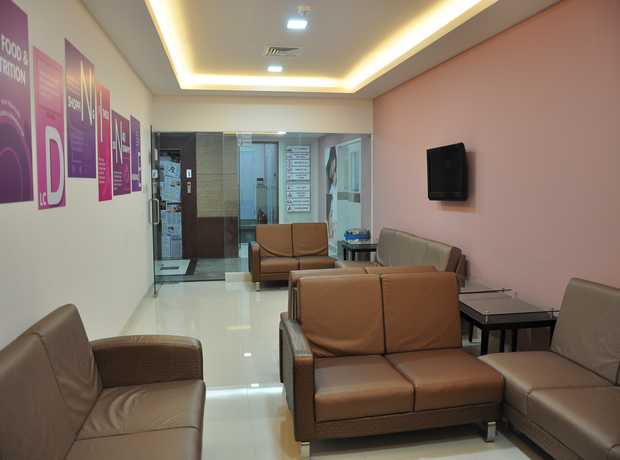

Key Design Considerations for Nairobi Multi-Functional Living Spaces: Crafting Versatility
Creating a truly successful and transformative multi-functional space in Nairobi requires meticulous planning, a keen eye for detail, and a deep understanding of how people interact with their environment. It’s not just about fitting more into less; it’s about intelligent design that enhances quality of life. Here are some crucial aspects to consider, each layered with Nairobi-specific insights:
Space Planning: Maximizing Every Square Meter with Purpose
Effective space planning is the absolute bedrock of multi-functional design. It’s an intricate dance of optimizing layouts to ensure maximum utility without compromising on comfort or aesthetic appeal. This goes beyond simply arranging furniture; it involves a strategic approach to creating distinct zones, ensuring smooth flow of movement, integrating clever storage solutions, and thoughtfully arranging furniture to create a cohesive and highly functional environment.
- Defining Zones: Even in a single room, clearly defining zones for different activities is critical. This can be achieved through subtle visual cues such as area rugs, strategic furniture placement, changes in lighting, or even partial screens and shelving units that don’t fully enclose a space but offer a sense of separation. For instance, a small reading nook can be carved out of a living room, or a kitchen island can serve as both a food prep area and a breakfast bar.
- Flow and Circulation: Consider the natural pathways users will take through the space. Furniture should not obstruct movement, and there should be clear, unencumbered circulation routes. In Nairobi apartments, where space can be tight, optimizing flow prevents a cluttered or claustrophobic feel. Think about the ‘desire lines’ people naturally take and design the layout to accommodate them effortlessly.
- Thinking Vertically: In urban Nairobi, horizontal space is a luxury, but vertical space is often underutilized. Embrace floor-to-ceiling shelving, wall-mounted desks, vertical gardens, and built-in units that extend upwards. Wall beds (Murphy beds) are a prime example of reclaiming floor space when a sleeping area is not needed. Tall, slender storage units can hold a surprising amount without encroaching too much on the room’s footprint.
- Hidden and Integrated Storage: Clutter is the enemy of multi-functional spaces. Incorporate storage solutions that are either hidden from plain sight or seamlessly integrated into furniture and architectural elements. Examples include ottoman storage, benches with lift-top compartments, drawers under beds or stairs, built-in cabinetry that matches walls, and even storage within kick plates of kitchen units. This maintains a clean, uncluttered aesthetic crucial for visual serenity.
- Modularity and Adaptability: Design with modularity in mind. Furniture pieces that can be rearranged, reconfigured, or moved easily allow the space to adapt to different scenarios. Modular shelving, sectional sofas, and nesting tables are perfect examples. The ability to quickly transform a layout from a formal meeting setup to a casual lounge area is a hallmark of excellent multi-functional space planning.
- Psychology of Space: Understand that design impacts mood and productivity. A well-planned multi-functional space can reduce stress, enhance focus, and promote relaxation. Consider how colors, textures, and spatial arrangements can contribute to the overall psychological well-being of the occupants.
Materials Selection: Blending Durability, Aesthetics, and Local Context
The materials selection plays an absolutely critical role in the longevity, functionality, and overall success of a multi-functional space, especially in Nairobi’s varied climate and usage patterns. Materials must be robust enough to withstand heavy, varied use while contributing to the desired aesthetic.
- Durability and Resilience: Opt for materials that are known for their hard-wearing properties. Surfaces like quartz, granite, or high-quality laminates for countertops; engineered wood or durable tiles for flooring; and robust, stain-resistant fabrics for upholstery are excellent choices. These materials can endure the rigors of a space that transitions from a dining area to a workspace, or a play zone.
- Ease of Maintenance: In a dynamic environment, spills and wear are inevitable. Select materials that are easy to clean and maintain, requiring minimal effort to keep them looking pristine. This saves time and effort for busy Nairobi residents. Non-porous surfaces, washable paints, and wipeable fabrics are highly recommended.
- Versatility in Aesthetics: The aesthetic appeal of chosen materials should be versatile and neutral enough to complement different functions and moods of the space. A material that looks appropriate for a home office should also feel right in a relaxation zone. Think timeless designs, subtle textures, and color palettes that can be easily accessorized and updated without needing major overhauls.
- Local Sourcing and Sustainability: Prioritize local sourcing for materials whenever possible. This not only supports Nairobi’s local economy and craftsmanship but also reduces transportation costs and the carbon footprint associated with imported goods. Materials like sustainably harvested local timbers, Kenyan soapstone, or locally produced ceramics can add an authentic touch while being environmentally responsible. Consider recycled or upcycled materials to further enhance sustainability credentials.
- Sound-Dampening Properties: In a multi-functional space, noise can be an issue if different activities are happening concurrently. Incorporate materials that have sound-absorbing qualities, such as cork flooring, acoustic panels hidden behind art, or heavy fabrics for curtains.
- Health and Safety: Especially in humid climates, choose materials that are mold-resistant and hypoallergenic. Ensure materials meet local fire safety codes and contribute to a healthy indoor air quality, avoiding those that off-gas harmful VOCs (Volatile Organic Compounds).
Lighting Design: Setting the Mood and Enhancing Functionality
Lighting design is arguably one of the most powerful tools in creating successful multi-functional spaces. It can dramatically alter the ambiance of a room, delineate zones, and enhance the usability of a space for various activities. A thoughtful lighting scheme goes far beyond a single overhead fixture.
- Layering Light: Incorporate a combination of ambient, task, and accent lighting to cater to the full spectrum of activities.
- Ambient Lighting: Provides general illumination for the entire space, often achieved with ceiling fixtures, recessed lights, or track lighting. This sets the overall brightness.
- Task Lighting: Focused light for specific activities such as reading (floor lamp next to a sofa), working (desk lamp), or cooking (under-cabinet lights). This is crucial for functionality.
- Accent Lighting: Used to highlight architectural features, artwork, or decorative elements, adding depth and visual interest to the room (e.g., wall sconces, picture lights).
- Dimmable Controls: The single most impactful feature for flexibility. Dimmable lights offer unparalleled versatility, allowing you to instantly transform the mood from a bright, focused environment for work or study to a warm, relaxing atmosphere for leisure or entertaining. Smart home integration can take this further with programmable scenes.
- Natural Light Maximization: Maximize the ingress of natural daylight wherever possible. Large windows, sheer curtains, and strategically placed mirrors can amplify natural light, making smaller spaces feel larger and more inviting. Proper orientation can also help manage heat gain, a consideration in Nairobi’s climate.
- Color Temperature: Consider the color temperature of your lighting. Cooler, brighter lights (4000K-5000K) are ideal for tasks and workspaces, promoting alertness. Warmer, softer lights (2700K-3000K) are better for relaxation and creating a cozy ambiance. Modern LED systems allow for tunable white light, offering the best of both worlds.
- Flexible Fixtures: Include portable lamps, adjustable track lighting, or swing-arm wall lamps that can be directed to suit different functions. This allows users to customize their lighting environment on the fly.
Furniture Choices: Adaptable, Ergonomic, and Stylish Innovations
The furniture chosen for a multi-functional space is where intelligent design truly comes to life. Investing in pieces that serve multiple purposes, are easily reconfigured, and prioritize both comfort and aesthetics is paramount for Nairobi’s adaptable homes.
- Multi-Purpose Furniture: This is the cornerstone. Examples include:
- Sofa Beds or Daybeds: A comfortable sofa that transforms into a guest bed.
- Foldable, Expandable, or Nesting Tables: Coffee tables that convert to dining tables, smaller tables that tuck away when not needed.
- Ottomans with Storage: Extra seating, footrest, and hidden storage all in one.
- Wall Beds (Murphy Beds): Cleverly integrated beds that fold up into a wall cabinet, freeing up significant floor space.
- Modular Shelving Systems: Units that can be rearranged or expanded to serve different storage or display needs.
- Modularity and Configurability: Look for furniture systems that can be easily rearranged or combined to form different configurations. Sectional sofas, modular storage cubes, and interlocking components offer immense flexibility. This allows residents to quickly adapt their layout for entertaining, working, or simply relaxing.
- Portability and Lightness: Where possible, select furniture that is lightweight and easy to move, perhaps even on castors. This facilitates quick transitions between functions without heavy lifting. Stacking chairs are another excellent example.
- Ergonomics: Given that furniture might be used for various activities (e.g., a dining chair doubling as a workspace chair), prioritize ergonomic design. Adjustable office chairs that can be tucked away, or comfortable dining chairs that support good posture, are important considerations for health and well-being.
- Hidden Functionality: Look for innovative designs where functionality is cleverly concealed. This could be a desk that folds out of a cabinet, a bench that hides shoes, or a coffee table with integrated power outlets for charging devices.
- Aesthetics and Comfort: Never compromise on comfort or aesthetics. Even the most functional piece of furniture should be inviting and visually pleasing. Choose a consistent style or color palette to maintain cohesion across the different functions of the space. Prioritize high-quality construction that ensures durability and a long lifespan.
By meticulously considering these design aspects, Nairobi residents can transform their living spaces into dynamic, highly efficient, and beautiful environments that genuinely enhance their urban lifestyle. It’s about intelligent investment in a home that grows and changes with you.
Working with Nairobi Interior Experts: The Skydome Designs Advantage
Navigating the inherent complexities and nuanced demands of multi-functional design – especially when aiming for both global standards and local relevance in a rapidly evolving market like Nairobi – requires far more than just good intentions; it demands seasoned expertise. Engaging with experienced Nairobi interior experts is not merely an option but a strategic imperative to ensure your vision for a versatile living space is not only realized effectively but also executed flawlessly. Skydome Designs Pvt Ltd stands at the forefront of this specialized domain, offering nearly 30 years of unparalleled experience and a proven track record of delivering innovative, sustainable, and award-winning solutions meticulously tailored to the unique pulse and demands of the Nairobi market.
Skydome Designs Pvt Ltd delivers truly end-to-end solutions for multi-functional living spaces, encompassing every critical phase from initial strategy and conceptual design through meticulous construction supervision, all the way to a seamless handover. Their integrated expertise ensures that projects are not just delivered on time and on budget, but critically, they adhere to the highest global design standards while rigorously complying with all local Nairobi building codes and regulations. This dual commitment to international excellence and local specificity is a hallmark of their operation, providing clients with peace of mind and superior outcomes.
Skydome Designs: Your Unrivaled Partner in Crafting Multi-Functional Spaces in Nairobi
Skydome Designs is not just a leading architecture and interior design firm; it is a powerhouse of innovation and practical excellence, specializing in creating spaces that are not only aesthetically captivating but also profoundly functional and adaptable. With extensive experience garnered across diverse projects in India and internationally, they bring a wealth of global knowledge, innovative methodologies, and cutting-edge design philosophies to every project they undertake in Nairobi. This vast exposure positions them uniquely to understand global trends and apply them intelligently within the local context.
Their impressive portfolio speaks volumes: Skydome Designs has successfully delivered 2349+ multi-functional living spaces assignments across Nairobi and globally over 30+ years. This extensive experience means they’ve encountered, solved, and innovated solutions for virtually every conceivable design challenge, establishing a profound depth of understanding for what truly makes a multi-functional space thrive. Their commitment to excellence is further underscored by an exemplary on-time delivery rate exceeding 98%, supported by rigorous multi-disciplinary reviews and invaluable post-occupancy support, all of which underpin the exceptional, enduring outcomes they consistently provide to their clients.
When you partner with Skydome Designs, you are collaborating with a team that offers a comprehensive suite of services, meticulously honed to address the specific demands of multi-functional living:
- Strategic Space Planning for Maximum Functionality: Their architects and designers are masters at analyzing spatial dynamics, user flows, and activity requirements to optimize layouts. They create intelligent floor plans that define zones, integrate flexible elements, and ensure every square meter serves its highest purpose, transforming potentially cramped spaces into expansive, adaptable environments.
- Expert Materials Selection for Durability and Aesthetics: Leveraging their vast experience, Skydome Designs guides clients in choosing the ideal materials that balance durability, ease of maintenance, sustainable sourcing, and aesthetic appeal. They understand Nairobi’s climate and user patterns, recommending materials that will perform robustly and look beautiful across various functions, ensuring longevity and timeless design.
- Dynamic Lighting Design for Perfect Ambiance and Productivity: Skydome’s lighting specialists craft sophisticated lighting schemes that layer ambient, task, and accent lighting. They integrate dimmable controls and smart lighting solutions to allow residents to effortlessly transition the mood and functionality of a space – from a brightly lit workspace to a softly illuminated relaxation zone – with a touch of a button.
- Branding & Signage for Commercial Integration (where applicable): While primarily focused on living spaces, their expertise in branding and signage for commercial projects underscores their ability to seamlessly integrate diverse functional requirements. This experience translates into a keen understanding of how visual cues can define and enhance different zones even within a residential setting.
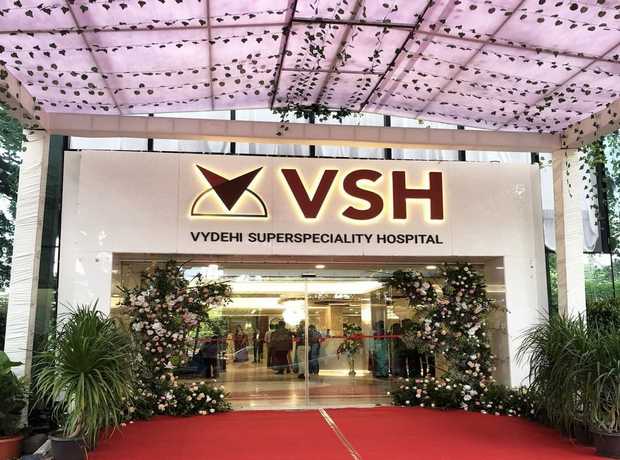
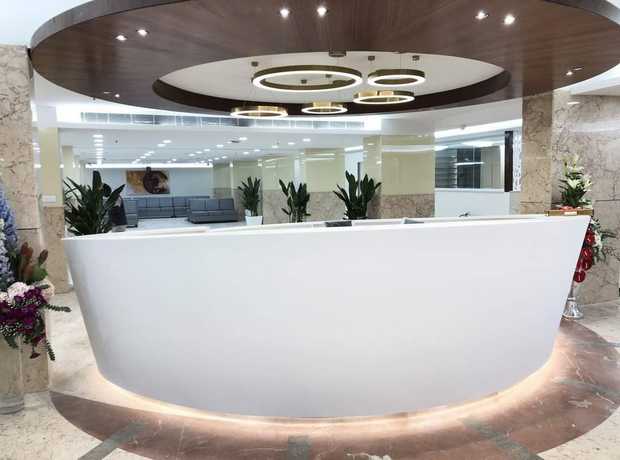
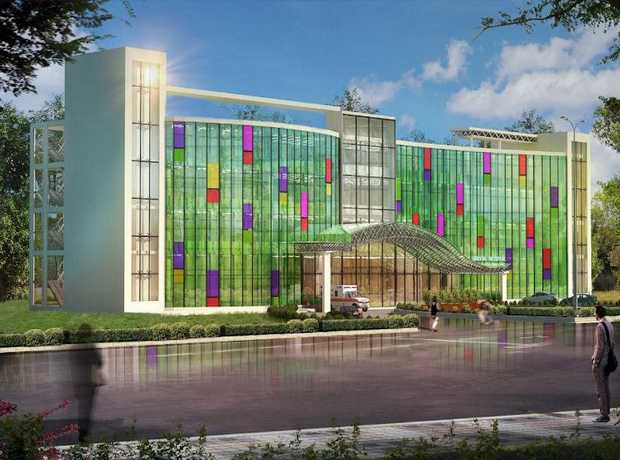
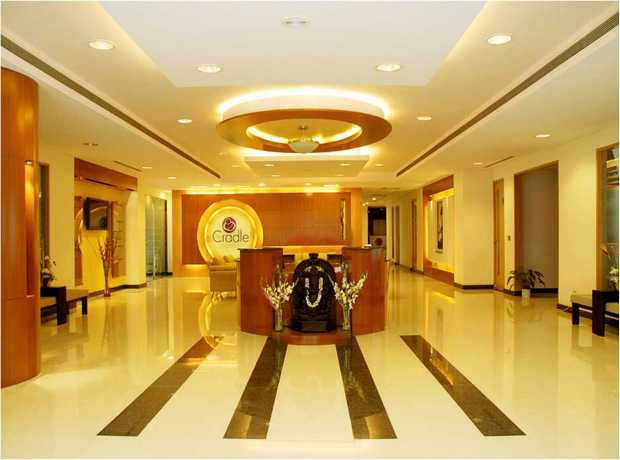
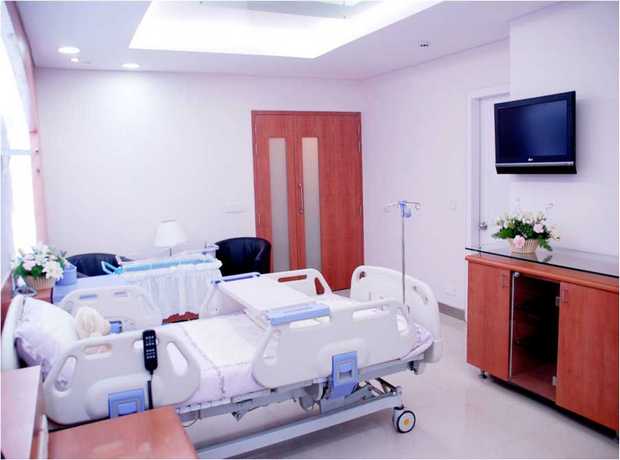
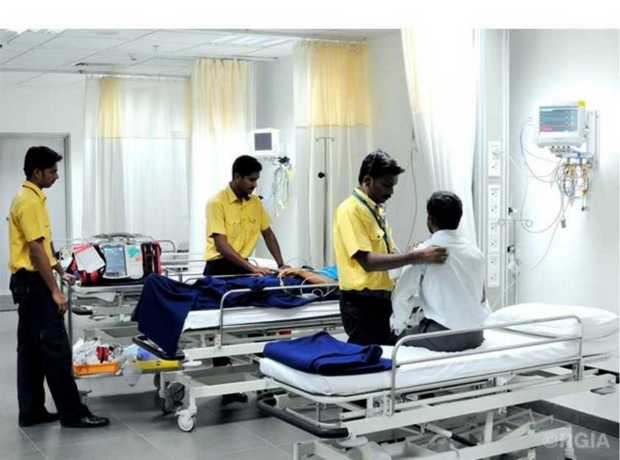
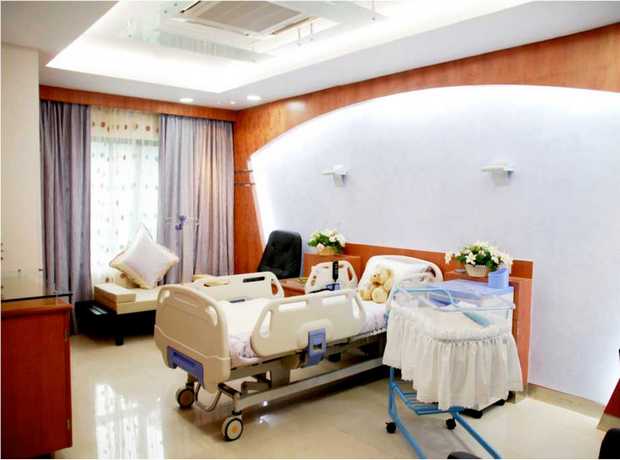
- Specialized Hospital Interior Design: Their experience in complex healthcare facilities, including patient rooms, ICUs, and specialized treatment areas, highlights their capability to design highly functional, sterile, yet comforting environments. This rigorous approach to design translates into robust, thoughtful, and health-conscious solutions for multi-functional homes, especially regarding ergonomics, material hygiene, and spatial efficiency.
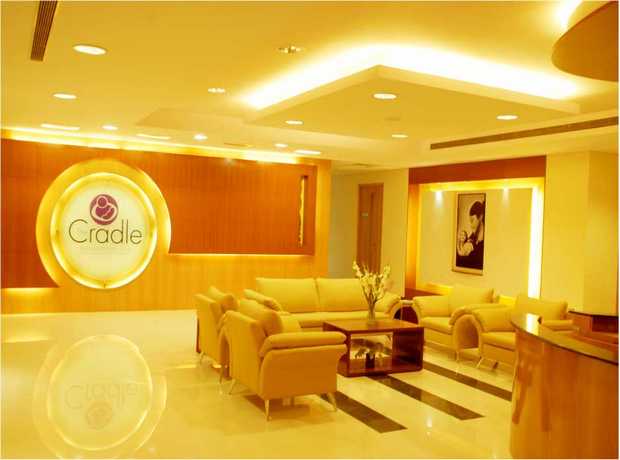
- Comprehensive Residential Projects: From high-end apartments and contemporary condos to thoughtfully designed senior housing, Skydome Designs brings unparalleled expertise in delivering residential projects. They understand the unique aspirations of Nairobi homeowners and renters, translating dreams into tangible, livable, and adaptable spaces that enhance daily life.
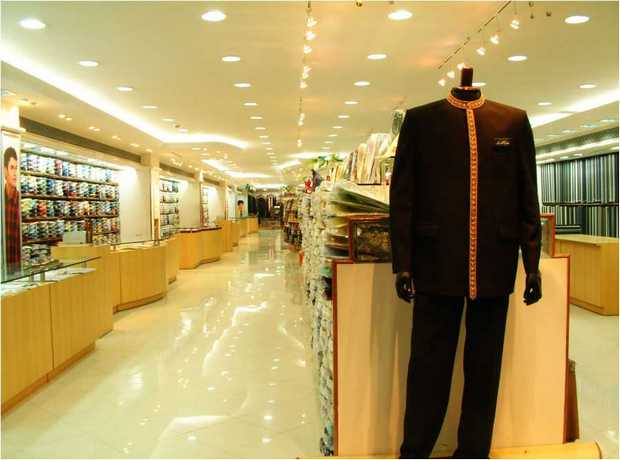
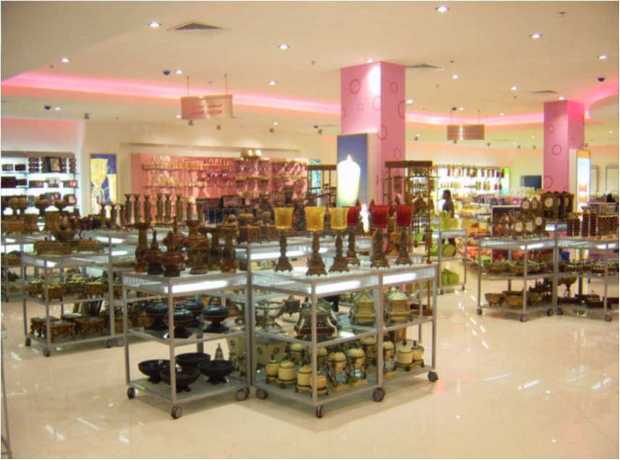
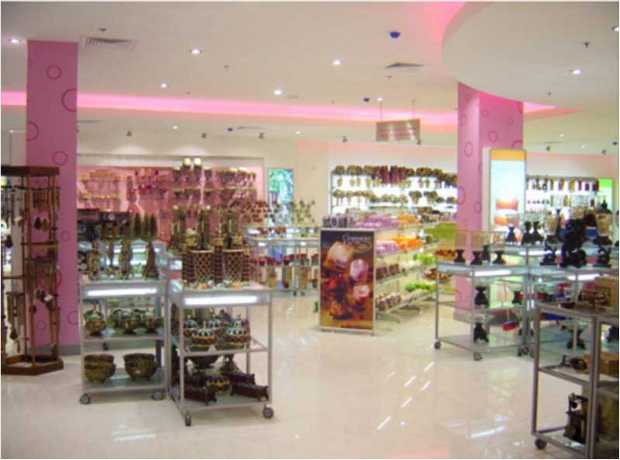
- Excellence in Retail & Commercial Design: Their proficiency in designing bustling shopping malls, dynamic mixed-use developments, and efficient office spaces demonstrates their mastery in creating high-traffic, multi-purpose environments. This commercial acumen informs their residential designs, bringing a level of functional rigor and future-proofing often missing in conventional home design.
Skydome Designs boasts an in-house, multidisciplinary team comprising highly skilled architects, specialized healthcare planners (demonstrating their capacity for complex functional design), and experienced project managers. This integrated approach ensures seamless project delivery from concept to completion, minimizing external dependencies and maximizing efficiency. Their award-winning designs are fundamentally client-focused, meticulously tailored to individual needs and aspirations, and underpinned by a strong commitment to sustainability – a critical consideration for Nairobi’s future.
With an unwavering on-time delivery rate exceeding 98%, rigorous multi-disciplinary reviews at every stage, and dedicated post-occupancy support, Skydome Designs guarantees not just exceptional outcomes but also enduring satisfaction. They don’t just build spaces; they build relationships based on trust and deliver environments that truly perform.
Ready to transform your space into a dynamic, adaptable, and aesthetically stunning multi-functional living environment in Nairobi? Don’t settle for less than three decades of proven excellence. Contact Skydome Designs today to discuss your project and discover how their global expertise meets local needs. Call us directly at +91 7299072144 to schedule a personalized consultation. Skydome Designs: Global design standards with local code expertise in Nairobi. End-to-end delivery for multi-functional living spaces — strategy, design, construction and handover in Nairobi.
Future Trends in Nairobi Multi-Functional Living Spaces: Glimpsing 2025 and Beyond
As Nairobi continues its journey as a beacon of innovation and growth, the evolution of multi-functional living spaces will undoubtedly be shaped by cutting-edge technologies and a renewed focus on holistic well-being. Looking ahead to 2025 and far beyond, expect to see these transformative trends gaining significant momentum, fundamentally reshaping how Nairobians live, work, and interact with their homes:
- Smart Home Integration: The Intelligent Ecosystem
The seamless integration of advanced technology will become a baseline expectation. Smart home systems will move beyond simple voice commands to offer truly intuitive, AI-driven automation. This means integrated systems that intelligently control lighting based on time of day, occupancy, and desired mood; dynamic temperature regulation optimized for energy efficiency and comfort; advanced security systems that learn user patterns; and smart appliances that anticipate needs. Imagine a single command transforming your living room from a vibrant entertainment hub to a serene reading sanctuary, complete with adjusted lighting, temperature, and even soundscapes. Personalization will be key, with systems learning individual preferences over time.
- Sustainable Design: Eco-Conscious Living at its Core
Sustainability will transition from a desirable feature to a mandatory design principle. This trend encompasses more than just eco-friendly materials; it involves a holistic approach to resource management. Expect widespread adoption of greywater recycling systems for landscaping and toilet flushing, integrated solar power solutions to reduce reliance on the grid, and passive design strategies that harness Nairobi’s natural climate for heating, cooling, and ventilation, minimizing energy consumption. Upcycling and repurposing materials will become common, creating unique aesthetic statements while reducing waste. The choice of non-toxic, locally sourced, and rapidly renewable materials will be paramount, contributing to both environmental health and indoor air quality.
- Modular Construction: The Future of Adaptable Building
Modular construction techniques will gain significant traction, offering flexible and adaptable building systems perfectly suited for multi-functional requirements. This approach involves manufacturing components off-site in controlled environments and assembling them on-site. For Nairobi, this offers numerous benefits: accelerated construction timelines, reduced labor costs, superior quality control, and minimal disruption to surrounding areas. Crucially, modularity allows for easier reconfiguration or expansion of spaces as needs evolve, making homes inherently future-proof. Entire rooms or pods could be added or re-purposed with greater ease, offering unprecedented adaptability.
- Biophilic Design: Reconnecting with Nature
The incorporation of natural elements to enhance physical and psychological well-being will move beyond potted plants to sophisticated biophilic design strategies. This includes maximizing natural light and views of greenery, using natural materials like wood and stone, integrating water features, and creating indoor green walls or living facades. The goal is to reduce stress, improve air quality, boost productivity, and foster a stronger connection to the natural world within urban environments. Thoughtful design will mimic natural patterns and forms, creating a restorative ambiance that supports mental and physical health.
- Hyper-Personalization and Customization: Homes as True Reflections of Self
Beyond standard options, the market will trend towards hyper-personalized multi-functional solutions. This will involve mass customization, where core modular elements can be highly customized with bespoke finishes, integrated technology, and unique configurations tailored precisely to an individual’s lifestyle, hobbies, and family dynamics. AI-powered design tools might even help homeowners visualize and refine their ideal adaptable space, ensuring every element is optimized for their specific needs.
- Health and Wellness Focus: Designing for Human Flourishing
As awareness of indoor environmental quality grows, multi-functional spaces will increasingly prioritize features that promote health and wellness. This includes advanced air filtration systems to combat urban pollution, sophisticated soundproofing for enhanced privacy and quiet zones, ergonomic design principles applied to all furniture and fixtures, and integrated light therapy options to regulate circadian rhythms. Homes will be seen not just as shelters but as active contributors to physical and mental well-being, designed to be restorative and health-positive environments.
These trends highlight a future where Nairobi’s multi-functional living spaces are not just efficient but also intelligent, sustainable, healthy, and deeply personalized. Skydome Designs is at the forefront, integrating these innovations into their client-focused projects.
FAQ: Multi-Functional Living Spaces in Nairobi – Your Questions Answered
As multi-functional living spaces become more prevalent in Nairobi, it’s natural to have questions. Here are some frequently asked questions, providing clarity and expert insights:
What exactly is a multi-functional living space?
A multi-functional living space is a meticulously designed room or area that is intended to serve multiple purposes, often transforming throughout the day or week to accommodate different activities. Examples include a living room that seamlessly converts into a dining area and then into a home office, or a spare bedroom that doubles as a gym and a guest room. The core principle is intelligent space utilization to maximize utility and adaptability.
How can I effectively maximize space in a small Nairobi apartment?
To truly maximize space in a compact Nairobi apartment, several strategies are key. First, embrace vertical space by utilizing floor-to-ceiling shelving, wall-mounted desks, and tall storage units. Second, invest wisely in multi-functional furniture, such as sofa beds, nesting tables, expandable dining tables, and ottomans with hidden storage. Third, prioritize hidden storage solutions like built-in cabinetry, under-bed drawers, and benches with compartments to keep clutter at bay. Lastly, optimize your layout for smooth flow and clear pathways, ensuring furniture doesn’t impede movement, which helps a small space feel larger and more open.
What are the tangible benefits of hiring an interior designer in Nairobi for a multi-functional project?
Hiring an experienced interior designer, especially one with a strong portfolio in multi-functional spaces like Skydome Designs, offers numerous benefits. They provide expert guidance on intricate space planning, ensuring every square meter is optimized without compromising aesthetics. They bring a wealth of knowledge on materials selection for durability and style, and can craft sophisticated lighting designs that transition with the space’s functions. Furthermore, a professional designer possesses an intimate understanding of local Nairobi building codes and regulations, ensuring compliance. They also have access to a network of reliable suppliers and contractors, saving you time and potential costly mistakes, ultimately delivering a space that is both functional, aesthetically pleasing, and enhances your lifestyle.
How much does it typically cost to design and implement a multi-functional living space in Nairobi?
The cost of designing and implementing a multi-functional living space in Nairobi varies significantly. Key factors include the overall size of the space, the complexity of the design (e.g., custom built-ins, moving walls), the quality and type of materials used (e.g., local versus imported, high-end finishes), the extent of smart home technology integration, and the fees of the design firm. For an accurate estimate tailored to your specific needs and budget, contacting a reputable firm like Skydome Designs for a detailed consultation and project proposal is highly recommended.
What are the best materials for multi-functional furniture to ensure longevity?
For multi-functional furniture that needs to withstand varied and frequent use, durability is paramount. Ideal materials include robust hardwoods (like oak or teak, potentially sustainably sourced), sturdy metals (such as steel or aluminum), and highly durable, stain-resistant fabrics (e.g., microfiber, performance linens, or certain synthetic blends). Consider sustainable options like bamboo or recycled materials for an eco-friendly approach. Engineered wood products with high-quality finishes can also offer excellent durability and aesthetic appeal. The key is to select materials that can endure frequent transformation and cleaning while maintaining their integrity and appearance.
What are some common challenges in designing multi-functional spaces in Nairobi, and how can they be overcome?
Common challenges include managing noise levels when different activities are happening concurrently (e.g., work and play), ensuring adequate privacy for different zones, and finding sufficient storage to prevent clutter. These can be overcome through clever design: using sound-dampening materials (e.g., acoustic panels, heavy textiles), incorporating visual dividers like screens or bookshelves, strategic lighting to delineate zones, and extensive use of hidden, built-in, and vertical storage solutions. A professional designer can adeptly navigate these challenges.
How can I ensure my multi-functional space reflects Nairobi’s vibrant culture and aesthetic?
To infuse your multi-functional space with Nairobi’s cultural vibrancy, consider incorporating local art, handicrafts, and textiles. Utilize natural materials prevalent in the region, such as specific timbers or stones. Integrate color palettes inspired by Kenyan landscapes and traditional patterns. Collaborating with local artisans for custom furniture or decor can add a unique, authentic touch, ensuring your modern, adaptable space also celebrates its Nairobi identity. Skydome Designs has extensive experience in blending global design trends with local cultural nuances.
What is the return on investment (ROI) for creating a multi-functional living space in Nairobi?
The ROI for multi-functional living spaces in Nairobi is significant. Beyond enhanced daily comfort and improved quality of life, these spaces can increase the property’s market value due to their perceived efficiency and adaptability – highly desirable traits in a dense urban environment. They can attract a broader range of tenants or buyers, offering quicker sales or rentals. Furthermore, by maximizing existing space, residents might avoid the need to move to a larger, more expensive property in the future, leading to long-term financial savings.
Are there specific zoning regulations or building codes in Nairobi that impact multi-functional designs?
Yes, Nairobi has specific building codes and zoning regulations that govern various aspects of residential and commercial construction, including space requirements, safety standards, and permitted uses. While multi-functional design primarily focuses on internal space optimization, any structural changes, electrical modifications, or significant alterations would need to comply with these local codes. This is where the expertise of firms like Skydome Designs, with their proven track record of upholding “Global design standards with local code expertise in Nairobi,” becomes invaluable, ensuring your project is compliant and structurally sound.
Conclusion: Embrace the Future of Nairobi Living with Skydome Designs
The trend of multi-functional living spaces in Nairobi is not merely a passing fad; it is a fundamental and accelerating evolution in urban living, set to define residential design in 2025 and for decades to come. As Nairobi continues its dynamic growth, the demand for adaptable, efficient, and beautiful homes will only intensify. By embracing innovative design solutions, meticulously optimizing every square meter, and strategically engaging with experienced professionals, you can create a living environment that perfectly caters to your evolving needs, offering unparalleled flexibility, comfort, and aesthetic appeal.
Skydome Designs stands as your premier partner in this transformative journey. With their unparalleled 30+ years of global and local experience, having delivered over 2349 multi-functional living space assignments across Nairobi and worldwide, they possess the unique blend of expertise to turn your vision into a living reality. Their commitment to global design standards coupled with stringent local code expertise in Nairobi ensures that your project is not only innovative but also compliant and sustainable. From initial strategy to seamless handover, Skydome Designs offers true end-to-end delivery for multi-functional living spaces in Nairobi. With an impressive on-time delivery rate exceeding 98%, backed by rigorous multi-disciplinary reviews and dedicated post-occupancy support, their outcomes are consistently exceptional and client-focused.
Don’t let the challenges of urban density limit your living potential. Instead, unlock the full possibilities of your space. Ready to transform your home into a functional, beautiful, and adaptable haven that truly serves your modern Nairobi lifestyle? Contact Skydome Designs today to discuss your project and discover the Skydome difference! Or call us directly at +91 7299072144 to schedule a comprehensive consultation. Let Skydome Designs help you build the future of living, right here in Nairobi.