Jeddah, a vibrant hub within the Kingdom of Saudi Arabia, is witnessing an unprecedented transformation, particularly within its healthcare sector. Driven by Vision 2030, the city is rapidly expanding its medical infrastructure, demanding nothing less than excellence in every aspect of hospital design. Within this sophisticated ecosystem, the nurse station stands as the nerve center of patient care – a critical junction where efficiency, empathy, and innovation converge. A well-designed nurse station is not merely an aesthetic choice; it is a foundational element for efficient patient care, optimal operational workflows, and the sustained well-being of dedicated healthcare professionals. This extensive guide provides a comprehensive and meticulously curated checklist, specifically tailored to ensure your nurse station design in Jeddah not only meets but exceeds contemporary compliance standards and delivers exceptional quality in 2025 and for decades to come.
The imperative for world-class healthcare facilities in Jeddah extends beyond new constructions to the modernization and optimization of existing infrastructures. As healthcare technology advances and patient expectations evolve, the role of intelligent design becomes increasingly pivotal. This blog delves deep into the multifaceted considerations that define a superior nurse station, from the foundational principles of local regulatory adherence to the intricate details of ergonomic design, advanced technological integration, and sustainable material selection, all within the unique context of Jeddah’s dynamic environment.
Why Robust Nurse Station Design is Essential in Jeddah’s Evolving Healthcare Landscape
The significant new investments flowing into Jeddah’s healthcare infrastructure, a direct reflection of the Kingdom’s commitment to elevate its public services under Vision 2030, underscore the critical importance of robust nurse station design. These investments are not just about building new facilities but about creating intelligent, resilient, and patient-centric environments. An effectively designed nurse station is at the heart of this ambition, serving multiple vital functions:
- Enhancing Patient Outcomes and Safety: A well-organized nurse station facilitates faster response times, clearer communication, and improved access to critical patient information, directly impacting patient safety and the quality of care received. Reduced errors, prompt medication administration, and continuous monitoring are all contingent on an optimized workspace.
- Optimizing Operational Efficiency: In a busy hospital environment, every second counts. A strategically designed nurse station minimizes unnecessary movement, streamlines workflows, and ensures resources are readily accessible. This efficiency translates into more time spent on direct patient care rather earthly administrative tasks, significantly accelerating project delivery and improving overall hospital performance.
- Boosting Staff Morale and Retention: Nurses are the backbone of healthcare. A thoughtfully designed nurse station, incorporating ergonomic principles and comfortable working conditions, significantly reduces physical strain and mental fatigue. This commitment to staff well-being fosters a positive work environment, reduces burnout, and aids in the crucial retention of highly skilled healthcare professionals, a particularly vital aspect in Jeddah’s competitive healthcare market.
- Mitigating Risks: From infection control to emergency response, intelligent design mitigates numerous risks. Proper material selection, clear circulation paths, and integrated safety systems reduce the chances of healthcare-associated infections, workplace injuries, and enhance preparedness for critical situations.
- Meeting and Exceeding Regulatory Compliance: Jeddah, like any major global city, has stringent building codes and healthcare regulations. Robust design ensures these standards are met, avoiding costly delays, penalties, and ensuring a safe, legal operating environment. Understanding and adapting to Jeddah’s unique context, including climate considerations and cultural nuances, is paramount to achieving truly effective and sustainable design solutions.
Key Considerations for Nurse Station Design in Jeddah: A Deep Dive
Designing a nurse station demands a comprehensive approach, meticulous planning, and an unwavering attention to detail. Each element must be carefully considered to create a space that is not only functional but also contributes positively to the healing process and the well-being of the caregiving team. Here are the key factors, expanded for in-depth understanding:


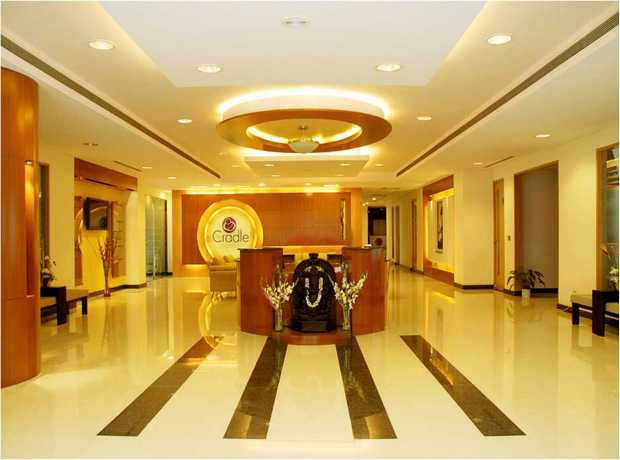
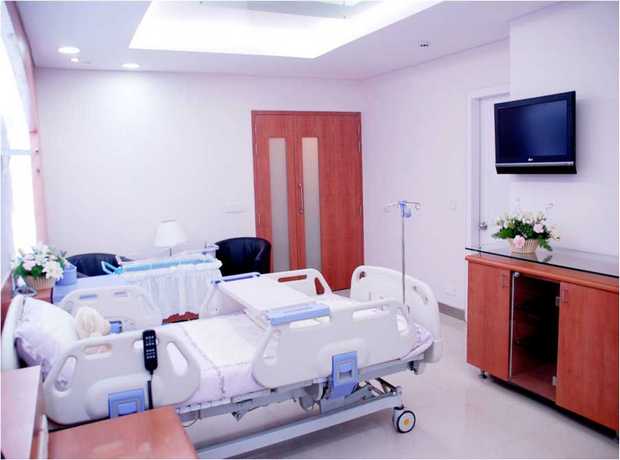
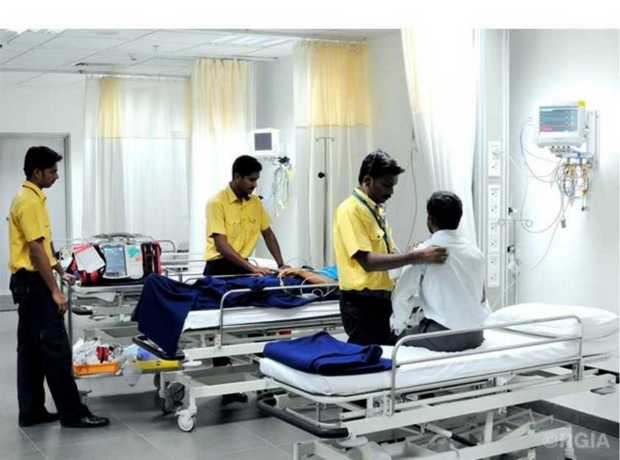
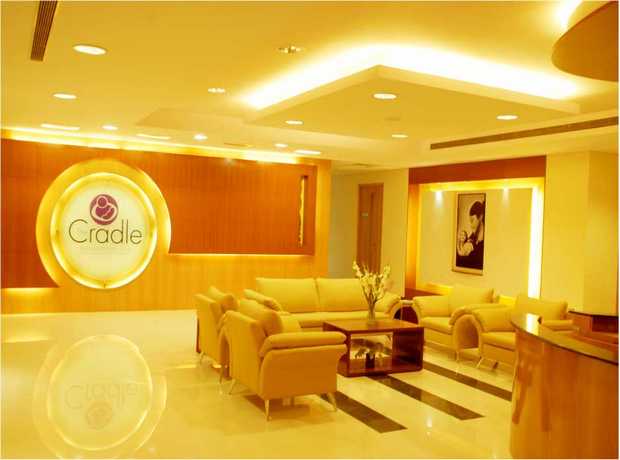
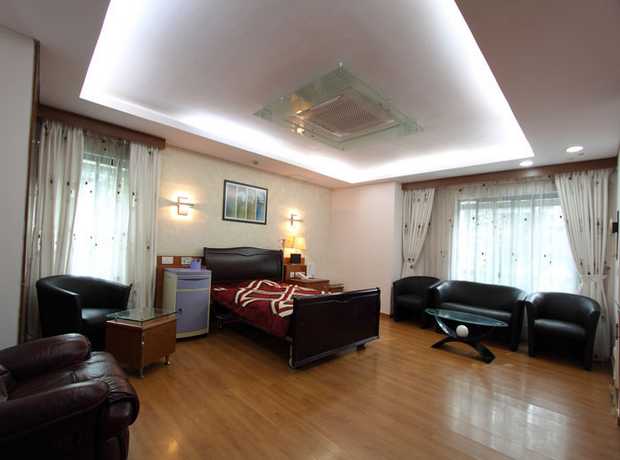
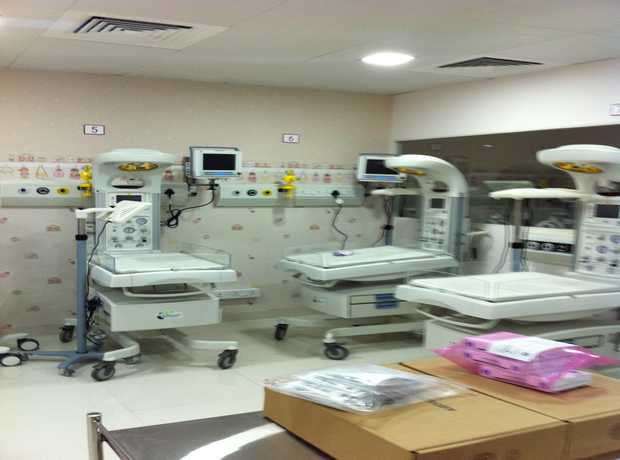
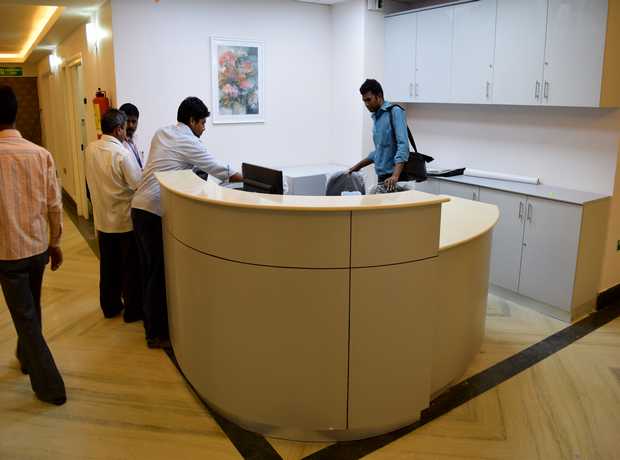
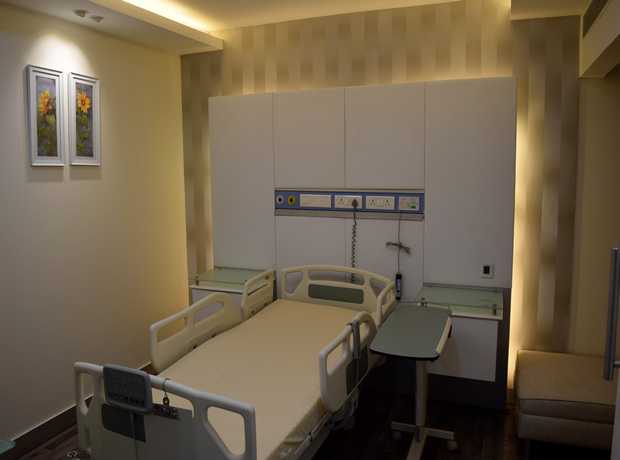
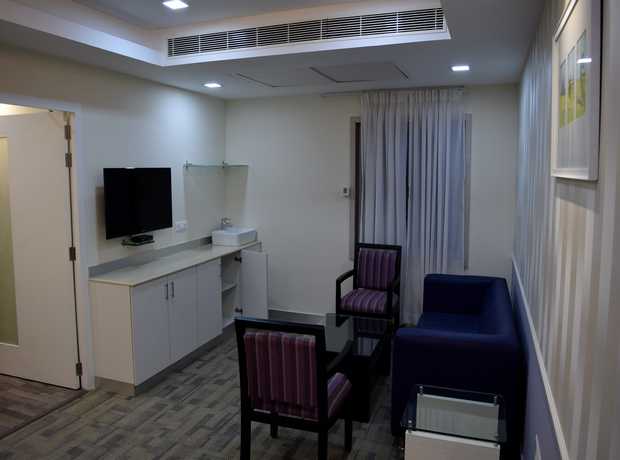

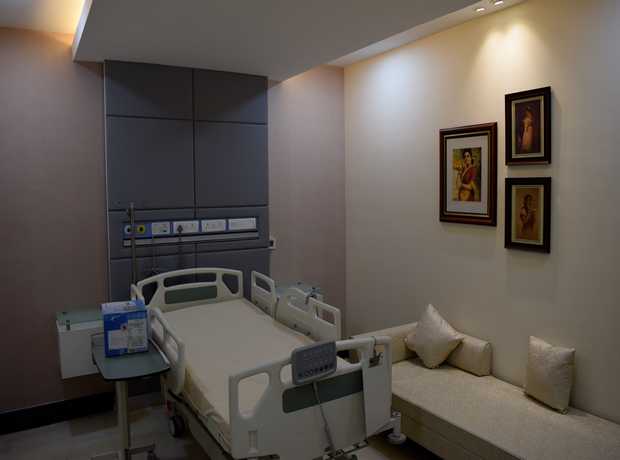
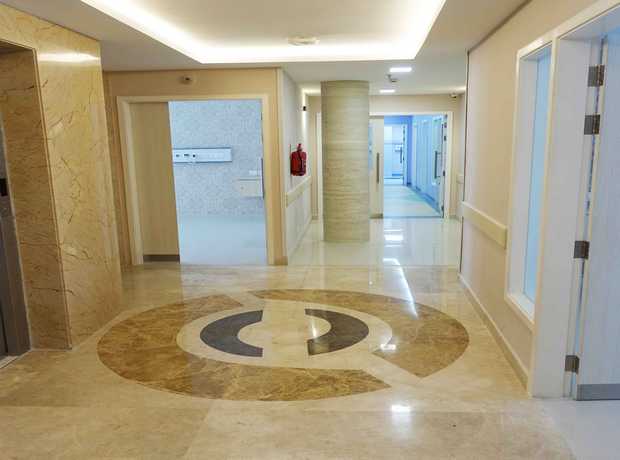
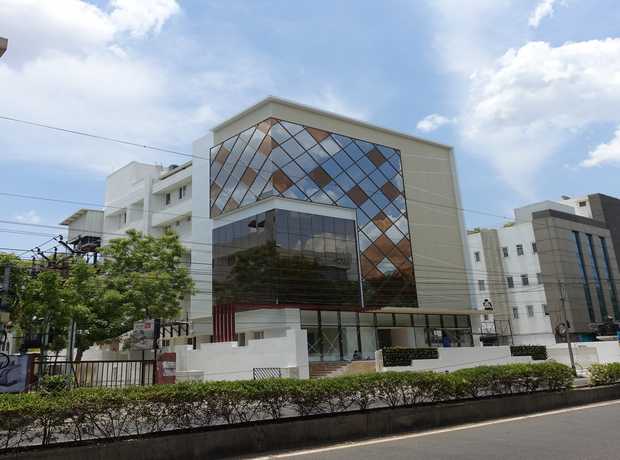
Compliance with Local Regulations and Standards: The Foundation of Any Project
Ensuring absolute compliance with Jeddah’s specific building codes and a myriad of healthcare regulations is not merely a legal obligation; it is the bedrock upon which a safe and effective healthcare environment is built. This includes, but is not limited to, stringent adherence to fire safety standards as outlined by the Saudi Civil Defense, comprehensive accessibility guidelines for people with disabilities (PWD) as stipulated by Saudi Arabian standards, and rigorous infection control protocols mandated by the Ministry of Health. Ignorance of these regulations can lead to costly redesigns, operational delays, or even severe penalties.
Understanding the nuances of local codes means considering:
- Saudi Building Code (SBC): This overarching code dictates structural, architectural, electrical, mechanical, and fire safety requirements. Specific sections for healthcare facilities (e.g., SBC 201 for General Building Requirements, SBC 801 for Health Care Facilities) must be meticulously followed.
- Ministry of Health (MOH) Guidelines: Beyond building codes, the MOH often issues specific guidelines for medical equipment, patient room dimensions, ventilation requirements, and infection control in healthcare settings. These guidelines are dynamic and require ongoing monitoring.
- Fire Safety and Egress: This involves not just fire-rated materials but also the strategic placement of exits, fire suppression systems, smoke detection, and clear evacuation routes, all of which must be integrated into the nurse station’s layout and material choices.
- Accessibility Standards: Designing for inclusivity means providing ramps, wider doorways, accessible counters, and clear pathways for individuals using wheelchairs or with other mobility challenges. Saudi Arabian standards align with international best practices, ensuring all patients and staff can navigate the facility comfortably and safely.
Staying updated with these evolving regulations requires dedicated expertise. Skydome Designs possesses unparalleled local code expertise in Jeddah, ensuring your project is compliant from conception to completion. With 24+ years of experience delivering projects in the region, our team stays abreast of all regulatory changes, providing you with peace of mind. We ensure every design choice, from structural elements to finishing materials, aligns perfectly with Jeddah’s specific requirements.
Functionality and Workflow Optimization: The Art of Seamless Operation
The design of a nurse station must intrinsically facilitate an efficient workflow for nurses and all allied healthcare staff. This involves a deep understanding of the intricate dance of daily hospital operations. Consider the strategic proximity to patient rooms, the secure and accessible location of medication storage units, and the immediate availability of essential diagnostic and monitoring equipment. Optimal space planning is the cornerstone of minimizing unnecessary movement, reducing travel distances, and ultimately maximizing productivity and direct patient interaction time.
Key aspects of workflow optimization include:
- Centralized vs. Decentralized Stations: Depending on the unit’s size and patient acuity, the design might favor a central station for supervision and complex tasks, or smaller, decentralized stations closer to patient rooms for more immediate care. A hybrid model often provides the best of both worlds.
- Medication Management: Secure, climate-controlled, and easily accessible medication dispensing areas are crucial. This includes refrigerated storage, locked cabinets for controlled substances, and designated preparation zones to minimize errors.
- Charting and Documentation: With the advent of Electronic Health Records (EHRs), nurse stations need ample space for computer workstations, charging docks for mobile devices (WOWs – Workstations on Wheels), and privacy for sensitive data entry. Ergonomic design of these workstations is critical.
- Communication Hub: The nurse station serves as a vital communication hub. Design must integrate nurse call systems, intercoms, telephones, and potentially visual communication displays seamlessly, ensuring quick and clear communication between staff, patients, and other departments.
- Supply Storage and Logistics: Efficient storage for medical supplies, linens, and personal protective equipment (PPE) must be integrated, often requiring modular and flexible shelving systems to adapt to changing needs. Easy access prevents bottlenecks during critical moments.
- Line of Sight and Observation: For units requiring constant patient monitoring (e.g., ICU, NICU), the layout must allow for clear lines of sight from the nurse station to patient rooms, enhancing supervision and rapid response capabilities.
Materials Selection for Durability and Hygiene: The Silent Guardians of Health
Choosing the right materials is not merely an aesthetic decision; it is crucial for creating a durable, hygienic, and infection-resistant environment. In healthcare settings, surfaces are constantly exposed to pathogens, cleaning agents, and heavy traffic. Therefore, materials must be easy to clean and disinfect rigorously to prevent the spread of infections. Furthermore, they must be highly resistant to wear and tear, capable of withstanding the daily rigors of a busy, high-traffic healthcare setting in Jeddah’s climate, which often involves significant temperature fluctuations and humidity.
Consider materials with the following properties:
- Antimicrobial Properties: Many modern materials, especially for countertops and wall finishes, are engineered with antimicrobial agents embedded within them, actively inhibiting bacterial growth.
- Non-Porous and Seamless: Surfaces should be non-porous to prevent fluid absorption and bacterial ingress. Seamless joints, particularly for countertops and flooring, eliminate crevices where pathogens can harbor. Solid surface materials (e.g., Corian, Staron) are ideal for this.
- Chemical Resistance: Materials must withstand frequent exposure to harsh hospital-grade disinfectants without degrading, discoloring, or becoming porous over time.
- Impact and Scratch Resistance: High-traffic areas require materials that can resist impacts from equipment, stretchers, and general wear. Durable laminates, high-pressure laminates (HPL), and epoxy coatings are excellent choices.
- Fire Retardant: All materials must meet stringent fire safety classifications as per Saudi building codes.
- Flooring: Seamless vinyl, linoleum, or epoxy flooring systems are preferred for their ease of cleaning, durability, and resilience, often specified with cove bases to eliminate dirt traps at wall junctions.
Our expertise extends to meticulously curated material selection, balancing aesthetic appeal with unparalleled durability and hygiene – a critical aspect that Skydome Designs consistently prioritizes, drawing from 374+ successful nurse station designs globally and in Jeddah. We ensure every material choice is a strategic investment in long-term health and operational efficiency.
Acoustics: Creating a Quiet and Restful Environment for Healing
Noise levels in a healthcare environment can significantly impact patient recovery, increase staff stress, and hinder effective communication. The constant beeping of machines, conversations, and footsteps can create a highly disruptive atmosphere. Incorporating advanced acoustic design principles is paramount to minimize noise transmission and create a quieter, more restful, and therapeutic environment for patients, while also improving concentration for staff.
Effective acoustic strategies include:
- Sound-Absorbing Materials: Utilize acoustic ceiling tiles (NRC rated), wall panels (fabric-wrapped panels, perforated wood), and soft furnishings to absorb sound waves rather than reflect them.
- Strategic Placement of Noise-Generating Equipment: Isolate noisy equipment (e.g., printers, ice machines) in dedicated alcoves or enclosed rooms away from patient areas and primary staff workstations.
- Layout Considerations: Design layouts that minimize direct line-of-sight sound paths. Use curved walls or staggered workstations to break up sound reflections.
- Door and Window Specifications: Specify solid core doors with good STC (Sound Transmission Class) ratings and ensure windows are double-glazed, especially if facing external noise sources.
- Flooring: Resilient flooring materials (vinyl, rubber) can absorb impact noise better than hard tiles, contributing to overall noise reduction.
- Sound Masking Systems: These systems emit ambient, unobtrusive background sound to mask distracting noises, improving speech privacy and overall acoustic comfort.
Ergonomics: Promoting Staff Well-being and Preventing Injury
Nurse stations should be meticulously designed with ergonomics at their core to promote staff well-being, prevent musculoskeletal injuries, and enhance overall productivity. Nurses spend long hours performing various tasks, from charting to medication preparation, often requiring prolonged standing, sitting, or repetitive motions. An ergonomically sound design mitigates physical strain and contributes to a healthier, more efficient workforce.
Key ergonomic considerations include:
- Adjustable Workstations: Provide height-adjustable desks or sit-stand options to allow nurses to vary their posture throughout the day, reducing back and neck strain.
- Comfortable Seating: Invest in ergonomic chairs with proper lumbar support, adjustable height, and armrests for tasks requiring sitting.
- Proper Monitor Placement: Monitors should be at eye level, approximately arm’s length away, to prevent neck and eye strain. Adjustable monitor arms are highly recommended.
- Keyboard and Mouse Ergonomics: Ensure easy access and proper positioning to maintain neutral wrist posture.
- Reach Zones: Design storage and equipment placement within comfortable reach zones, minimizing excessive stretching or bending.
- Task Lighting: Provide adjustable task lighting at individual workstations to reduce eye strain, complementing general ambient lighting.
- Clear Pathways: Ensure unobstructed pathways to prevent trips and falls, especially during urgent situations.
Branding & Signage: Creating a Welcoming and Informative Space
Effective branding and clear, intuitive signage are vital components that contribute to a welcoming, reassuring, and easily navigable environment for patients, visitors, and even staff. Beyond aesthetics, well-executed signage reduces anxiety, saves time, and enhances the overall patient experience by making facilities feel less overwhelming. In Jeddah’s diverse cultural context, multilingual signage may also be a crucial consideration.
Key aspects of branding and signage include:
- Wayfinding: Clear directional signage, strategically placed at decision points, helps visitors navigate the hospital with ease, from the entrance to specific departments and patient rooms. Use universal symbols alongside text.
- Branding Consistency: Incorporate the hospital’s brand identity – colors, logos, typography – into the nurse station design to create a cohesive, professional, and trustworthy look that reinforces the institution’s values.
- Clarity and Legibility: Signage must use clear, legible fonts and appropriate contrast for easy reading, even from a distance or for individuals with visual impairments.
- Informative Displays: Consider digital displays at or near the nurse station for important announcements, visitor information, or waiting times, which can be updated dynamically.
- Emergency Information: Clearly mark emergency exits, fire extinguishers, and other crucial safety information.
- Patient Privacy: Signage should also indicate areas requiring privacy, such as consultation rooms or medication preparation zones.
Lighting: Beyond Illumination – Enhancing Mood and Performance
Lighting is a fundamental aspect of nurse station design, extending far beyond mere illumination. It profoundly impacts staff alertness, patient comfort, and the ability to perform critical tasks with precision. A multi-layered lighting strategy is essential to accommodate diverse needs throughout the day and night.
Key lighting considerations:
- Natural Light Integration: Maximize natural daylight through strategically placed windows and skylights (where feasible). Natural light boosts mood, regulates circadian rhythms, and reduces energy consumption. Ensure glare control with blinds or smart glass.
- Circadian Rhythm Lighting: Implement lighting systems that mimic natural daylight cycles, with brighter, cooler light during the day and warmer, dimmer light in the evenings. This supports staff’s natural sleep-wake cycles, critical for shift workers, and aids patient recovery.
- Task Lighting: Provide focused, adjustable task lighting at individual workstations for charting, medication preparation, and other detailed tasks, reducing eye strain.
- Ambient Lighting: Ensure general, even illumination throughout the nurse station, avoiding harsh shadows or overly bright spots. LED lighting is highly recommended for its energy efficiency, longevity, and versatile color temperature options.
- Emergency Lighting: Integrate a robust emergency lighting system that automatically activates during power outages, ensuring critical operations can continue safely.
- Glare Reduction: Carefully consider the placement of light fixtures and screen orientations to minimize glare on computer monitors, which can cause eye fatigue and errors.
Ventilation and Indoor Air Quality (IAQ): A Critical Health Factor
In a healthcare setting, superior ventilation and indoor air quality (IAQ) are not negotiable; they are vital for infection control, patient recovery, and staff health. Especially in Jeddah’s climate, where temperature and humidity control are paramount, the design of HVAC systems within and around the nurse station plays a critical role in preventing the spread of airborne pathogens and ensuring a comfortable environment.
Key ventilation and IAQ considerations:
- HVAC System Design: Implement a robust Heating, Ventilation, and Air Conditioning (HVAC) system designed specifically for healthcare environments, adhering to ASHRAE 170 (Ventilation of Health Care Facilities) or equivalent international standards.
- Air Changes Per Hour (ACH): Ensure adequate air changes per hour to continuously dilute airborne contaminants. Specific areas (e.g., adjacent to isolation rooms, sterile supply areas) may require higher ACH rates.
- Filtration: Incorporate high-efficiency particulate air (HEPA) filters in critical areas to capture microscopic particles, including bacteria and viruses. Regular maintenance and filter replacement are essential.
- Humidity Control: Maintain optimal humidity levels (typically 40-60%) to inhibit microbial growth and enhance occupant comfort, a crucial factor in Jeddah’s often humid climate.
- Pressure Relationships: Design specific pressure relationships between spaces (e.g., negative pressure for isolation rooms, positive pressure for sterile areas) to control airflow and prevent contamination. Even at the nurse station, careful consideration of adjacent spaces is needed.
- Material Off-gassing: Select low-VOC (Volatile Organic Compound) materials to minimize harmful chemical emissions, contributing to cleaner indoor air.
Technology Integration: The Smart Nurse Station of Tomorrow
Modern nurse stations are increasingly becoming sophisticated technological hubs. Seamlessly integrating technology and communication systems is no longer a luxury but a necessity for efficient, data-driven patient care. The design must anticipate future technological advancements and provide flexible infrastructure to accommodate evolving needs.
Key technology integration considerations:
- Electronic Health Records (EHR) Systems: Ensure robust network infrastructure, ample power outlets, and ergonomic workstations for efficient EHR access and documentation. This includes Wi-Fi coverage for mobile devices (WOWs).
- Communication Systems: Integrate advanced nurse call systems, VoIP telephones, intercoms, pagers, and overhead paging systems for rapid and reliable communication within the unit and across the hospital.
- Patient Monitoring: Provide infrastructure for central monitoring stations, allowing nurses to observe vital signs and alarms from multiple patients simultaneously.
- Telemedicine Capabilities: Design consultation spaces or dedicated pods within the nurse station area for virtual consultations with specialists, enhancing accessibility to care.
- Smart Storage and Dispensing: Integrate automated medication dispensing cabinets (ADCs) and smart supply management systems to improve security, inventory control, and efficiency.
- Charging Stations: Provide accessible charging points for mobile phones, tablets, and medical devices used by staff.
- Future-Proofing: Install flexible cabling routes, accessible conduits, and modular furniture systems to easily upgrade or reconfigure technology as new solutions emerge.
Security: Protecting Patients, Staff, and Sensitive Information
The nurse station is a nexus of activity and sensitive information, making robust security measures paramount. The design must incorporate physical and digital security elements to protect patients, staff, valuable assets, and confidential data.
Key security considerations:
- Access Control: Implement controlled access systems for sensitive areas (e.g., medication rooms, supply storage) using card readers, biometric scanners, or keypads.
- CCTV Surveillance: Strategically place CCTV cameras to monitor public areas around the nurse station, deterring theft and enhancing safety. Ensure privacy in patient-facing areas.
- Secure Medication Storage: Design integrated, secure, and lockable cabinets for medications, especially controlled substances, to prevent unauthorized access.
- Data Privacy: Ensure workstations and charting areas offer sufficient visual and auditory privacy to protect patient confidentiality as per Saudi Arabian data protection laws.
- Emergency Call Buttons: Integrate discreet emergency or panic buttons at nurse workstations for staff to summon immediate assistance in case of a security threat or medical emergency.
- Clear Lines of Sight: A well-designed layout allows staff to have clear views of corridors and patient common areas, improving situational awareness.
Accessibility: Design for All Abilities
True quality in healthcare design embraces universal accessibility, ensuring that the nurse station and its surrounding areas are usable by all individuals, regardless of their physical abilities. Adherence to Saudi Arabian accessibility guidelines for people with disabilities (PWD) is crucial for an inclusive environment.
Key accessibility considerations:
- Ramps and Elevators: Ensure easy access to the nurse station area if there are changes in floor level, using ramps with appropriate slopes or nearby elevators.
- Wider Doorways and Clear Pathways: Maintain adequate width for all doorways and corridors around the nurse station to accommodate wheelchairs, stretchers, and mobility aids.
- Accessible Counters: Design portions of the nurse station counter at a lower height (e.g., 80-90 cm from the floor) to be accessible for individuals using wheelchairs.
- Braille Signage and Tactile Paving: Integrate braille signage for room identification and tactile paving where necessary to assist visually impaired individuals.
- Visual and Auditory Alarms: Provide both visual (flashing lights) and auditory alarms for emergencies, catering to individuals with hearing or visual impairments.
- Non-Slip Flooring: Specify non-slip flooring materials throughout the area to prevent falls, particularly for those with mobility challenges.
Comprehensive Checklist for Nurse Station Design in Jeddah (2025)
This checklist serves as an indispensable tool for architects, designers, healthcare administrators, and project managers to systematically review and ensure that every aspect of your nurse station design project in Jeddah meets the highest standards of quality, compliance, and functional excellence. Each point below encapsulates a critical design and operational requirement discussed in detail above.
- Regulatory Compliance: Verify meticulous adherence to all relevant Jeddah building codes, Saudi Ministry of Health regulations, fire safety standards, and accessibility guidelines for people with disabilities.
- Space Planning & Workflow: Optimize layout for an efficient, logical workflow, ensuring immediate proximity to patient care areas and minimizing travel distances for nurses.
- Material Selection: Choose durable, non-porous, antimicrobial, easy-to-clean materials that are resistant to chemicals, wear and tear, and meet fire safety classifications.
- Acoustic Design: Implement sound-absorbing materials, strategic equipment placement, and layout considerations to significantly minimize noise levels and create a peaceful environment.
- Ergonomics & Staff Well-being: Prioritize staff health with height-adjustable workstations, ergonomic seating, proper monitor placement, and intuitive reach zones to prevent musculoskeletal injuries.
- Lighting Strategy: Provide adequate and appropriate lighting, integrating natural light, circadian rhythm lighting, task-specific illumination, and glare control for optimal visibility and mood.
- Ventilation & Air Quality: Ensure advanced HVAC systems, proper air changes per hour, HEPA filtration, and humidity control to maintain superior indoor air quality and infection prevention.
- Technology Integration: Seamlessly integrate modern technology, including robust EHR infrastructure, advanced communication systems, central patient monitoring, and future-proof cabling.
- Security Measures: Implement comprehensive security features such as access control, CCTV, secure medication storage, data privacy considerations, and emergency call systems.
- Accessibility for All: Design for universal access, incorporating ramps, wide doorways, accessible counters, and appropriate signage for patients and staff with disabilities.
- Branding & Wayfinding Signage: Incorporate clear, legible, and consistent signage for efficient wayfinding, emergency information, and to reinforce the hospital’s brand identity.
- Sustainable Design: Where possible, integrate sustainable materials and energy-efficient systems to align with environmental responsibility goals and reduce operational costs.
- Flexibility & Future-Proofing: Design with adaptability in mind, allowing for easy reconfiguration or upgrades to accommodate evolving healthcare practices and technologies.
- Maintenance & Cleanability: Ensure all design elements and material choices facilitate easy and thorough cleaning and maintenance, contributing to long-term hygiene and operational efficiency.
The Importance of BIM-Led Coordination and Value Engineering in Jeddah Projects
In the complex and often fast-paced world of healthcare construction in Jeddah, employing Building Information Modeling (BIM) for coordination is no longer an option but a strategic imperative. BIM provides a comprehensive, intelligent 3D model that integrates all architectural, structural, and MEP (Mechanical, Electrical, Plumbing) elements, ensuring seamless collaboration and clash detection before construction even begins. This proactive approach significantly mitigates costly errors, accelerates project delivery, and provides a precise digital twin for lifecycle management.
Value engineering, when applied strategically, further optimizes costs without ever compromising the paramount quality or functional integrity of the nurse station. This involves a systematic analysis of design components, materials, and construction methods to identify alternatives that deliver equivalent or superior performance at a reduced cost. It’s a critical process for smart resource allocation within Jeddah’s construction landscape, ensuring maximum return on investment for healthcare infrastructure projects.
At Skydome Designs, our commitment to excellence is underpinned by state-of-the-art BIM-led coordination. This robust approach, combined with our strategic value engineering, is meticulously tailored to Jeddah’s unique construction landscape, delivering unparalleled precision and cost-effectiveness. Our multi-disciplinary reviews and post-occupancy support ensure long-term success, a testament to our 97% on-time delivery rate across all projects. We meticulously apply global design standards while maintaining an acute awareness of local code expertise in Jeddah.
Skydome Designs: Your Trusted Partner for Nurse Station Design in Jeddah
Skydome Designs Pvt Ltd stands as a leading architecture and interior design firm with nearly three decades of unparalleled experience in hospital and healthcare interiors. Our deep-rooted expertise spans from comprehensive facility planning to the intricate details of patient rooms, ICUs, OTs, labs, and, crucially, high-performing nurse stations. We are dedicated to delivering innovative, sustainable, and supremely functional spaces that not only enhance patient experiences but also optimize operational efficiency.
Our commitment to excellence in Jeddah is reflected in our robust methodology:
- BIM‑Led Coordination: We employ advanced Building Information Modeling (BIM) for precise coordination, ensuring seamless integration of all design elements, clash detection, and accurate visualization. This results in streamlined project delivery and cost efficiency.
- Strategic Value Engineering: Our value engineering processes are meticulously tailored to Jeddah’s specific market conditions, optimizing costs without ever compromising the quality or functionality of your nurse station design.
- Rigorous Quality Control: We implement comprehensive quality control measures at every stage of the project, from initial concept to final execution, ensuring that all aspects meet the highest international and local standards.
- Global Standards, Local Expertise: We consistently adhere to global design best practices while leveraging our profound local code expertise in Jeddah, guaranteeing designs that are both cutting-edge and fully compliant.
Skydome Designs boasts an impressive track record, having successfully delivered 374+ nurse station design assignments across Jeddah and globally over 24+ years. Our remarkable 97% on‑time delivery rate is a testament to our efficiency and reliability. Furthermore, our multi‑disciplinary reviews and proactive post‑occupancy support underpin the long-term success and enduring quality of every outcome we deliver.
Ready to transform your vision into a state-of-the-art, compliant, and highly efficient nurse station in Jeddah? Contact us today for a personalized consultation! Let Skydome Designs bring nearly 30 years of healthcare design excellence to your next project.
Conclusion: Elevating Healthcare Through Design in Jeddah
Designing a nurse station in Jeddah in 2025 demands a holistic and forward-thinking approach. It necessitates meticulous consideration of local regulations, an acute understanding of functional needs, and an unwavering focus on the well-being of both patients and the dedicated healthcare staff. By systematically applying the principles outlined in this comprehensive checklist – encompassing everything from advanced material selection and sophisticated acoustic design to seamless technology integration and stringent accessibility standards – healthcare facilities in Jeddah can create environments that are not only compliant and efficient but also deeply humane and conducive to healing.
Partnering with experienced professionals like Skydome Designs ensures that your project benefits from decades of specialized expertise, proven methodologies, and a commitment to innovation. Our track record in delivering hundreds of successful nurse station designs, coupled with our localized knowledge and BIM-led coordination, positions us as the ideal partner to navigate the complexities of healthcare design in Jeddah. Together, we can ensure your nurse station project meets the highest standards of quality, contributes significantly to a better healthcare environment, and aligns perfectly with Jeddah’s ambitious vision for the future.
Looking for expert Jeddah interior design services specifically for healthcare? Explore our comprehensive services at Skydome Designs and discover how we can elevate your next project!
FAQ: Nurse Station Design in Jeddah – Your Questions Answered
What are the absolute key considerations for nurse station design in Jeddah?
The key considerations for nurse station design in Jeddah are multi-faceted and include, but are not limited to: stringent compliance with local building codes and Ministry of Health regulations; meticulous functionality and workflow optimization to enhance efficiency; careful materials selection for paramount durability, hygiene, and infection control; sophisticated acoustic design to foster a quiet, healing environment; advanced ergonomics to prioritize staff well-being and prevent injuries; integrated lighting solutions for task performance and mood regulation; robust ventilation and indoor air quality systems; seamless technology integration for modern care delivery; comprehensive security measures; and universal accessibility for all users. Each element is crucial for a high-performing nurse station.
How can I ensure my nurse station design complies with Jeddah’s specific building codes and healthcare regulations?
Ensuring compliance requires a proactive and expert-driven approach. It is essential to verify meticulous adherence to all relevant Jeddah building codes (e.g., Saudi Building Code sections pertaining to healthcare), specific Ministry of Health (MOH) guidelines, fire safety standards from Saudi Civil Defense, and comprehensive accessibility guidelines for people with disabilities. The best way to guarantee compliance is to consult with local experts and experienced design firms like Skydome Designs, who possess deep familiarity with Jeddah’s specific requirements and stay abreast of any regulatory updates. We provide BIM-led coordination and local code expertise to ensure full adherence from concept to completion.
What types of materials are recommended for nurse station surfaces in Jeddah to ensure durability and hygiene?
For nurse station surfaces in Jeddah, it is imperative to choose materials that are exceptionally durable, non-porous, antimicrobial, and easy to clean and disinfect frequently without degradation. Recommended materials include solid surface composites (such as Corian or Staron) for countertops due to their seamless installation and hygienic properties, high-pressure laminates (HPL) for vertical surfaces due to their durability and chemical resistance, and seamless vinyl, linoleum, or epoxy flooring systems for their ease of maintenance and resilience. These materials are chosen for their ability to withstand the rigors of a busy healthcare environment and minimize the spread of infections.
How critical is acoustics in nurse station design, and what strategies can be employed?
Acoustics are profoundly critical in nurse station design, as excessive noise significantly impacts patient recovery, increases staff stress, and hinders communication. Effective acoustic strategies are essential for creating a quiet and restful environment. These include incorporating sound-absorbing materials such as acoustic ceiling tiles, specialized wall panels, and soft furnishings; strategically placing noise-generating equipment in dedicated areas; optimizing the layout to minimize direct sound paths; utilizing solid core doors and double-glazed windows; and even considering sound masking systems to improve speech privacy and reduce distractions. Skydome Designs prioritizes advanced acoustic solutions in all our nurse station projects.
How can Skydome Designs help with my nurse station design project in Jeddah, especially regarding compliance and quality?
Skydome Designs offers unparalleled expertise for your nurse station design project in Jeddah. We provide comprehensive design and planning services, meticulously ensuring compliance with all local regulations, building codes, and healthcare standards. Our approach integrates the latest design trends, advanced technologies, and sustainable practices. We leverage state-of-the-art BIM-led coordination for precision and efficiency, implement strategic value engineering to optimize costs without sacrificing quality, and maintain rigorous quality control throughout the project. With 24+ years of experience and 374+ nurse station design assignments successfully delivered across Jeddah and globally, we combine global design standards with profound local code expertise to deliver exceptional, compliant, and highly functional nurse stations. Our 97% on-time delivery rate, multi-disciplinary reviews, and post-occupancy support further guarantee successful outcomes.
Need a trusted Jeddah nurse station design company that prioritizes compliance and quality? Get a free, no-obligation quote from Skydome Designs today! Let us help you create a world-class healthcare environment.
Skydome Designs Pvt Ltd is a leading architecture and interior design firm based in India, with a robust international presence, specializing prominently in hospital and healthcare interiors, alongside successful ventures in residential, and retail projects. With nearly 30 years of extensive expertise, we are committed to delivering innovative, sustainable, and supremely functional spaces that significantly enhance user experiences and optimize operational efficiency for our diverse clientele.
What We Do:
- Hospital Interior Design: Our core specialization encompasses meticulous design for patient rooms, state-of-the-art ICUs, sterile OTs, advanced laboratories, welcoming consultation areas, and comprehensive facility planning aimed at optimized patient care and streamlined workflows.
- Residential Projects: We craft bespoke interiors for luxury apartments, high-end condominiums, specialized senior housing, and community-focused residential spaces that embody comfort and elegance.
- Retail & Commercial Design: Our portfolio includes innovative design solutions for expansive shopping malls, vibrant mixed-use developments, sophisticated corporate offices, and engaging entertainment centers, all designed to captivate and convert.
- Interior Solutions: We provide end-to-end interior solutions, covering detailed space planning, efficient furniture layouts, sophisticated lighting design, and complete turnkey interior execution with an emphasis on perfection.
Why Choose Us:
- 29+ years of profound experience delivering successful projects across India and internationally, demonstrating our global reach and adaptability.
- A dedicated in-house team comprising highly skilled architects, specialized healthcare planners, and proficient project managers, ensuring seamless coordination and expertise.
- A legacy of award-winning, consistently client-focused, and sustainably-driven designs that push creative boundaries while respecting ecological imperatives.
- A proven track record of projects delivered punctually, within budget, and to the highest international quality standards, reflecting our commitment to excellence and reliability.
📞 Contact: +91 7299072144 | ✉️ Email: info@skydomedesigns.com