As one of North America’s fastest-growing metropolitan areas, Toronto faces a unique set of challenges and opportunities when it comes to urban development and environmental stewardship. The city’s commitment to sustainability, coupled with its distinct four-season climate, makes the integration of energy-efficient design principles not just beneficial, but increasingly essential. Amidst this evolving landscape, passive cooling and ventilation planning is emerging as a cornerstone of future-ready architecture and urban planning in Toronto. This comprehensive guide will delve into the critical trends, innovative strategies, and expert insights that will shape building design in Toronto in 2025 and beyond. For developers, architects, homeowners, and urban planners alike, understanding these shifts is crucial for creating resilient, comfortable, and environmentally responsible spaces.
The imperative to reduce carbon footprints, mitigate the urban heat island effect, and lower operational costs is driving a significant transformation in how buildings are conceived and constructed. Toronto’s aggressive climate action plans and its growing population density amplify the need for intelligent, low-energy solutions. As we look ahead to 2025, the synergy between technological advancements, stricter building codes, and a heightened public awareness of environmental and health impacts will define the trajectory of passive cooling and ventilation planning in Toronto. Staying informed about these developments will empower stakeholders to implement solutions that are not only compliant with future regulations but also deliver superior comfort and long-term value.
The Growing Importance of Passive Cooling and Ventilation Planning in Toronto’s Urban Landscape
In an era defined by climate consciousness and economic prudence, the traditional reliance on energy-intensive mechanical heating, ventilation, and air conditioning (HVAC) systems is undergoing a profound re-evaluation. For a bustling metropolis like Toronto, grappling with rising electricity demands during sweltering summers and the persistent challenge of improving indoor air quality, passive cooling and ventilation planning in Toronto offers a compelling and sustainable alternative. These strategies harness natural forces – such as air currents, solar radiation, and thermal mass – to maintain comfortable indoor temperatures and ensure fresh air circulation, thereby significantly reducing dependence on mechanical systems. This shift is not merely an architectural preference; it is a strategic imperative for Toronto’s sustainable future.
The urban heat island effect, where metropolitan areas become significantly warmer than their rural surroundings due to human activities and heat-absorbing materials, is particularly pronounced in Toronto. Passive cooling strategies directly combat this phenomenon by minimizing heat gain within buildings and promoting natural heat dissipation, thus contributing to cooler microclimates city-wide. Furthermore, as energy costs continue their upward trajectory, building owners and occupants are increasingly seeking solutions that promise substantial long-term savings on utility bills. Passive design, with its inherent ability to reduce peak energy demand, presents a robust economic case alongside its environmental benefits. Beyond economics and ecology, the human element is paramount. Enhanced indoor air quality, achieved through natural ventilation, reduces the accumulation of pollutants and allergens, fostering healthier living and working environments. This holistic approach ensures not just a comfortable building, but a healthier city and a more resilient community.
Unpacking the Multifaceted Benefits of Passive Cooling in Toronto Buildings
The advantages of integrating passive cooling strategies into Toronto’s architectural fabric extend far beyond simple energy savings. These benefits are deeply intertwined with environmental responsibility, economic viability, and enhanced occupant well-being, making them indispensable for sustainable development.
- Reduced energy consumption: By intelligently leveraging natural phenomena, passive cooling significantly diminishes the need for conventional air conditioning and mechanical ventilation. This translates directly into lower electricity demand, particularly during Toronto’s hot summer peaks, easing the strain on the city’s energy grid and contributing to broader energy security. For new constructions and retrofits alike, this is a fundamental step towards net-zero ready buildings.
- Lower utility bills: A direct consequence of reduced energy consumption is substantial savings on monthly utility expenses. For homeowners, commercial property managers, and institutional facilities in Toronto, these savings accumulate over the building’s lifecycle, improving overall economic performance and increasing property value. This financial incentive makes passive design a wise long-term investment.
- Improved indoor air quality (IAQ): Natural ventilation introduces fresh outdoor air, effectively diluting indoor pollutants, volatile organic compounds (VOCs) from building materials, and excess humidity. Unlike mechanical systems that often recirculate stale air or rely on filters, passive ventilation promotes a constant exchange, leading to a healthier internal environment that can reduce respiratory issues and enhance cognitive function.
- Enhanced thermal comfort: Passive cooling aims for a more nuanced and stable indoor temperature profile, avoiding the extreme temperature fluctuations often associated with mechanical systems. By using strategies like shading, natural breezes, and thermal mass, buildings maintain comfortable conditions without feeling excessively cold or stuffy. This leads to greater occupant satisfaction and productivity.
- Decreased carbon footprint: Reducing energy consumption, especially electricity often generated from fossil fuels, directly lowers greenhouse gas emissions. This aligns perfectly with Toronto’s climate action goals and contributes significantly to the global effort to combat climate change, positioning the city as a leader in green building practices.
- Increased resilience to power outages: Buildings designed with robust passive cooling and ventilation systems are inherently more resilient. In the event of power failures, these structures can continue to provide a degree of thermal comfort and fresh air, safeguarding occupants and critical operations, a vital consideration for Toronto’s infrastructure.
- Potential for increased property value: Sustainable, energy-efficient homes and commercial spaces are increasingly sought after. Buildings incorporating advanced passive cooling and ventilation often command higher market values due to their lower operating costs, enhanced comfort, and environmental credentials.
- Integration with biophilic design: Passive strategies often involve elements that connect occupants with nature, such as abundant natural light, views, and access to fresh air. This aligns with biophilic design principles, which have been shown to improve mood, reduce stress, and enhance overall well-being, a crucial factor in dense urban environments like Toronto.


Key Trends Shaping Passive Cooling and Ventilation Planning in Toronto
The journey towards more sustainable and comfortable buildings in Toronto is being propelled by a confluence of influential trends. These factors, ranging from regulatory pressures to technological breakthroughs and a heightened awareness of environmental responsibility, are fundamentally reshaping the landscape of passive cooling and ventilation planning. Understanding these trends is paramount for anyone involved in the city’s architectural and construction sectors, ensuring that future projects are not only compliant but also leading-edge.
Sustainability Mandates and the Revolution of Digital Delivery in Toronto
Toronto’s unwavering commitment to sustainability is embedding itself deeply within its building codes and planning policies. Initiatives like the Toronto Green Standard (TGS) are continually being updated to mandate higher levels of environmental performance, with a clear emphasis on energy efficiency and climate resilience. Future-ready passive cooling and ventilation planning is no longer merely an option but a strategic imperative to meet and exceed these evolving sustainability targets. These integrated designs inherently lower lifecycle costs by reducing operational energy demands and improve overall building performance by enhancing occupant comfort and indoor air quality. The move towards net-zero carbon buildings means every aspect of design must be optimized, and passive strategies are central to achieving this ambitious goal.
Parallel to this regulatory push is the transformative impact of digital delivery methods. The integration of Building Information Modeling (BIM) is revolutionizing how passive cooling strategies are designed, analyzed, and implemented. BIM allows for the creation of incredibly detailed digital representations of buildings, facilitating accurate simulations of solar paths, wind patterns, thermal performance, and daylighting. This capability means architects and engineers can optimize building orientation, façade design, shading elements, and ventilation pathways long before ground is broken. Computational Fluid Dynamics (CFD) simulations, often integrated with BIM, can visualize airflow within and around a building, predicting thermal comfort and ventilation effectiveness with unprecedented accuracy. This digital foresight significantly reduces design errors, optimizes material use, and ensures that passive cooling strategies are maximally effective, streamlining the entire design and construction process and enabling projects to be delivered with greater efficiency and precision.
Advanced Building Materials: The Next Frontier in Toronto’s Passive Design
The relentless innovation in building materials is a critical enabler for sophisticated passive cooling strategies. These advanced materials offer superior thermal performance, durability, and often, multi-functional properties that were previously unimaginable. Their strategic application is central to minimizing heat gain and maximizing heat dissipation in Toronto’s varied climate.
- High-performance windows with low-E coatings: Beyond standard double-glazing, modern windows feature multiple panes, inert gas fills (argon or krypton), and specialized low-emissivity (low-E) coatings. These coatings selectively reflect undesirable solar radiation (heat) while allowing visible light to pass through, effectively reducing solar heat gain in summer and retaining heat in winter. Advances include dynamic glazing, which can change its optical properties in response to electrical current or temperature, offering adaptive control over light and heat transmittance.
- Insulated concrete forms (ICF): ICFs consist of hollow foam blocks filled with concrete, creating highly insulated, airtight, and structurally robust walls. The concrete core provides substantial thermal mass, which can absorb heat during the day and release it slowly at night, effectively moderating indoor temperatures. The continuous insulation layers reduce thermal bridging, making ICF buildings exceptionally energy efficient and quiet, ideal for Toronto’s dense urban environments.
- Phase change materials (PCM) for thermal storage: PCMs are revolutionary materials that absorb and release large amounts of latent heat when they undergo a phase change (e.g., solid to liquid). Incorporated into drywall, ceiling tiles, or specialized panels, PCMs can absorb excess heat during the day, preventing overheating, and then release it back into the space during cooler periods. This effectively shifts the thermal load, reducing peak cooling demands and allowing for smaller, more efficient HVAC systems or even eliminating the need for them in certain conditions.
- Cool roofs and reflective surfaces: Traditional dark roofs absorb significant solar radiation, contributing to the urban heat island effect. Cool roofs, made from highly reflective materials or coatings, reflect sunlight and emit absorbed heat efficiently, significantly lowering roof surface temperatures and reducing heat transfer into the building below. This also contributes to a cooler ambient temperature for the surrounding environment.
- Green roofs and living walls: Beyond their aesthetic appeal, green roofs and living walls offer significant passive cooling benefits. The vegetation provides shading and, through evapotranspiration, actively cools the surrounding air, reducing the heat island effect. The soil and plant layers also act as additional insulation, moderating heat transfer through the building envelope and contributing to biodiversity in urban settings.
- Advanced insulation materials: Continual advancements in insulation technologies, such as aerogels, vacuum insulated panels (VIPs), and highly specialized mineral wools, provide superior thermal resistance with thinner profiles. These enable architects to achieve higher R-values in building envelopes without compromising valuable interior space, crucial for compact Toronto developments.
Smart Home Integration: The Intelligent Future of Passive Cooling
The advent of smart home technology is no longer a luxury but an increasingly accessible and integral component of modern sustainable design. For passive cooling and ventilation, smart home integration provides an unprecedented level of automated control and optimization, allowing buildings to dynamically respond to environmental conditions and occupant needs. This synergy elevates passive strategies from static design elements to responsive, intelligent systems.
- IoT Sensors and real-time monitoring: Networks of interconnected sensors continuously monitor critical environmental parameters, including indoor and outdoor temperature, humidity, CO2 levels, and even occupancy. This real-time data feeds into central building management systems (BMS) or smart home hubs, providing a comprehensive picture of thermal comfort and air quality conditions.
- Automated external shading systems: Gone are the days of manual blinds. Smart systems can integrate motorized exterior louvres, awnings, and roller blinds that automatically adjust throughout the day based on the sun’s position, outdoor temperature, and programmed preferences. This ensures optimal solar heat gain control, preventing overheating while still allowing for natural light and views.
- Automated natural ventilation systems: Smart actuators connected to windows, vents, and skylights can automatically open or close based on sensor data. For instance, if indoor CO2 levels rise or the temperature exceeds a comfortable threshold, windows can open to facilitate cross-ventilation or stack effect, and then close if it starts raining or the outdoor temperature drops too low. This ensures optimal airflow without occupant intervention.
- Predictive algorithms and weather integration: Sophisticated algorithms can analyze historical data, current sensor readings, and real-time weather forecasts to predict future thermal conditions. This allows the system to proactively implement passive cooling strategies – for example, initiating night purging (flushing the building with cool night air) hours before a predicted hot day to pre-cool the building’s thermal mass.
- Integration with occupant preferences: While automation is key, smart systems also allow for occupant override and personalized settings, learning individual preferences over time. This ensures that the building adapts to its inhabitants, striking a perfect balance between energy efficiency and bespoke comfort.
- Centralized building management systems (BMS): For larger commercial and institutional buildings in Toronto, smart passive cooling components can be integrated into a comprehensive BMS. This allows for centralized control, energy analytics, and fault detection, ensuring peak performance and continuous optimization across an entire facility.
Expert Strategies for Effective Passive Cooling and Ventilation Planning in Toronto
Successful implementation of passive cooling and ventilation in Toronto’s unique climate demands more than just an understanding of trends; it requires meticulous planning, a deep appreciation for architectural physics, and a keen awareness of local environmental conditions. Expert strategies integrate design principles with climatic data, ensuring that every element of a building contributes to its overall thermal performance and air quality.
Optimizing Site Orientation and Building Design for Toronto’s Climate
The very first step in effective passive design begins with how a building sits on its site. Site orientation is perhaps the most fundamental and impactful passive strategy, dictating how much solar radiation a building receives and how it interacts with prevailing winds. For Toronto, with its distinct seasonal variations, this means balancing the need for solar gain in winter with aggressive shading in summer.
- Solar Path Analysis: A detailed analysis of the sun’s path throughout the year, specific to Toronto’s latitude (approximately 43.7° N), is critical. The optimal orientation generally places the longest façades facing north and south, minimizing exposure to the low-angle, high-intensity sun from the east and west, which is harder to shade effectively. North-facing façades receive diffuse, consistent light, ideal for daylighting without excessive heat gain. South-facing façades receive ample sun, which can be easily controlled with fixed horizontal shading devices tuned to the sun’s higher summer angle.
- Building Massing and Aspect Ratio: The overall shape and proportion of a building (its massing) play a significant role. Elongated buildings with a north-south axis tend to perform better passively. A compact footprint can reduce exposure, but strategic courtyards or atria can enhance ventilation and daylight penetration in denser urban structures. Self-shading, where parts of the building mass shade other parts, can be cleverly incorporated.
- Thermal Mass: Materials with high thermal mass, such as concrete, brick, or stone, can absorb and store heat. Strategically placed internal thermal mass (e.g., exposed concrete floors or walls) can absorb heat during the day, preventing overheating, and then release it slowly when internal temperatures drop, moderating temperature swings. This is particularly effective in Toronto’s climate where there can be significant diurnal temperature differences, especially in shoulder seasons.
- Strategic Landscaping: Vegetation offers a living, dynamic form of shading and cooling. Deciduous trees planted on the east and west sides provide dense shade in summer when their leaves are full, yet allow warming sunlight through in winter after leaf fall. Evergreen trees or shrubs can be strategically placed to block unwanted winter winds or provide year-round shade where needed. Groundcover and green walls also help to reduce ambient temperatures through evapotranspiration.
- Zoning within the Building: Placing less heat-sensitive spaces (e.g., storage rooms, utility areas, stairwells) on the east and west façades can act as buffers against intense morning and afternoon sun. Heavily occupied or temperature-sensitive areas are best positioned on the north or south, where solar control is more manageable.
Harnessing Natural Airflow: Advanced Natural Ventilation Techniques for Toronto
Natural ventilation is the art and science of moving air through a building without mechanical assistance, relying solely on pressure differences created by wind or temperature variations. Mastering these techniques is fundamental for effective passive cooling and ventilation planning in Toronto, ensuring fresh air and thermal comfort.
- Cross Ventilation: This is the simplest and most effective technique, achieved by strategically placing openings (windows, vents) on opposite sides of a building or room. Wind pressure on the windward side pushes air into the building, while a negative pressure on the leeward side pulls it out, creating a continuous flow. In Toronto, understanding prevailing wind directions and designing for internal open plans or strategically placed internal partitions and operable transoms is crucial to facilitate this airflow. The size and placement of openings directly influence the volume and velocity of air movement.
- Stack Ventilation (Chimney Effect): This technique utilizes the natural buoyancy of warm air. As warm air inside a building rises, it creates a negative pressure at lower levels, drawing in cooler, denser air from lower openings. The warm air then exits through high-level openings (e.g., roof vents, skylights, chimneys, or atria). The greater the vertical distance between the inlet and outlet, and the greater the temperature difference, the stronger the stack effect. In multi-story buildings common in Toronto, design elements like central atria or solar chimneys can significantly enhance stack ventilation, drawing warm, stale air upwards and out.
- Wind Catchers: Originating from ancient Persian architecture, modern wind catchers are architectural elements designed to capture prevailing winds at roof level and direct them down into the building’s interior. They can be particularly effective in dense urban areas like Toronto where direct wind access at lower levels might be limited. Some contemporary designs incorporate adjustable louvres to optimize airflow and prevent excessive cold drafts in cooler months. They also facilitate the stack effect by providing an outlet for warm air.
- Night Purging (Night Flushing): This passive cooling strategy involves ventilating a building during the cooler nighttime hours to dissipate accumulated heat from the building’s thermal mass (e.g., concrete slabs, heavy walls). The cooler night air flushes out warm air, pre-cooling the structure so it can absorb heat more effectively the following day. This dramatically reduces the cooling load during the hottest parts of the day. Automated window systems integrated with smart home technology are ideal for optimizing night purging based on Toronto’s nocturnal temperature profiles.
- Courtyards and Light Wells: In high-density urban developments, internal courtyards and light wells can serve as protected microclimates that facilitate natural ventilation. They can act as cool air reservoirs, drawing air from cooler shaded areas and allowing it to circulate through adjacent spaces, or serving as vertical shafts for stack ventilation.
Controlling Solar Heat Gain: Shading and Solar Control Strategies
Preventing unwanted solar heat gain is arguably the most critical component of passive cooling, particularly in Toronto’s summers. Effective solar control reduces the heat load before it even enters the building, minimizing the need for cooling and enhancing occupant comfort and visual comfort by reducing glare.
- Overhangs and Awnings: These are among the most common and effective fixed shading devices. Horizontal overhangs are particularly good at blocking high-angle summer sun on south-facing façades while allowing lower-angle winter sun to penetrate and provide warmth. The exact depth and design of overhangs must be calculated based on Toronto’s solar angles to ensure optimal seasonal performance. Retractable awnings offer flexibility, allowing for shade when needed and full sun exposure otherwise.
- Exterior Shading Devices (Louvres, Fins, Brise-soleils): These can be horizontal, vertical, or egg-crate forms. Vertical louvres are more effective on east and west façades to block the low-angle morning and afternoon sun, while horizontal louvres work best on south-facing façades. Brise-soleils (sun-breakers) are often integrated into the architectural expression of the building, providing effective shading while maintaining views and allowing diffuse daylight. Dynamic or adjustable louvre systems, often integrated with smart technology, can automatically adapt to the sun’s position and intensity throughout the day.
- Strategic Landscaping: As mentioned earlier, deciduous trees offer dynamic shading. Vines on pergolas or trellises can also provide effective seasonal shading for walls and windows, cooling the surfaces and adding an aesthetic dimension.
- Light Shelves: These are horizontal shelves placed above eye level on the exterior or interior of a window. Their primary function is to reflect daylight deeper into the interior space while simultaneously shading the lower portion of the window from direct sunlight. This helps to reduce glare and heat gain while maximizing natural illumination, creating a more comfortable and productive indoor environment.
- Perforated Screens and Double-Skin Façades: In certain architectural contexts, perforated screens or elaborate double-skin façades can provide an outer layer of shading. The gap between the inner and outer skin can also act as a buffer zone, with air circulating to carry away heat before it reaches the interior, or creating a thermal flue for enhanced stack ventilation.
- Reflective Coatings and Materials: Beyond cool roofs, reflective paints and materials on exterior walls can also reduce solar absorption. Lighter colors absorb less heat and reflect more sunlight, contributing to cooler exterior surfaces and less heat transfer into the building.
Choosing the Right Toronto Passive Cooling and Ventilation Planning Company
The successful integration of sophisticated passive cooling and ventilation strategies into any building project, whether new construction or renovation, is a complex undertaking that demands specialized expertise. Given Toronto’s specific climate, stringent building codes, and dynamic urban development, selecting a qualified and experienced firm is not just beneficial, but absolutely crucial for success. You need a partner who understands the nuances of sustainable design, possesses a deep knowledge of local regulations, and has a proven track record of delivering effective, energy-efficient solutions.
When evaluating potential partners for your next project in Toronto, look beyond mere architectural prowess. Seek out a company that prioritizes integrated design, where passive cooling and ventilation are considered from the earliest conceptual stages. Enquire about their experience with energy modeling, daylighting analysis, and computational fluid dynamics (CFD) – these are the digital tools that underpin truly optimized passive designs. A firm that can demonstrate a clear understanding of Toronto’s specific climatic challenges and opportunities, from extreme summer heat waves to cold winter winds, will be invaluable. They should also be well-versed in the Toronto Green Standard and other relevant municipal and provincial policies that govern sustainable building practices.
For those navigating the complexities of modern, sustainable architecture in Toronto, a name that stands out is Skydome Designs Pvt Ltd. With a profound commitment to innovation and sustainability, Skydome Designs offers the comprehensive expertise required to bring visionary passive cooling and ventilation projects to fruition. Their approach transcends conventional design, integrating cutting-edge sustainable practices with aesthetic excellence and functional superiority.
Why Skydome Designs is Your Premier Partner for Passive Cooling and Ventilation in Toronto
Skydome Designs Pvt Ltd is not just an architecture and interior design firm; we are pioneers in innovative and sustainable solutions, dedicated to shaping the future of built environments. With nearly three decades of expertise, our award-winning team consistently delivers exceptional results across a diverse portfolio of projects. Our presence and extensive experience, both nationally and internationally, position us uniquely to address the specific needs and challenges of the Toronto market.
- 29+ Years of Experience Across India and Abroad: Our extensive history provides us with an unparalleled depth of knowledge and a broad perspective on design challenges and solutions. This longevity reflects our adaptability, resilience, and consistent ability to deliver high-quality outcomes, integrating best practices learned from diverse climatic and regulatory environments.
- In-House Team of Architects, Healthcare Planners, and Project Managers: Our multidisciplinary team is a core strength. Having architects, specialized healthcare planners, and dedicated project managers all under one roof ensures seamless collaboration, efficient communication, and a holistic approach to every project. This integrated expertise is particularly vital for complex passive cooling and ventilation strategies, where design, engineering, and project execution must be perfectly synchronized.
- Award-Winning, Client-Focused, and Sustainable Designs: Our commitment to excellence has been recognized through numerous accolades, affirming our leadership in innovative and responsible design. Every project is approached with a client-centric philosophy, ensuring that your vision and specific requirements are not just met but exceeded. Sustainability isn’t an add-on for us; it’s an intrinsic part of our design DNA, guaranteeing solutions that are both environmentally sound and economically viable.
- Projects Delivered On-Time, On-Budget, and to Global Standards: We understand that punctuality and fiscal responsibility are paramount. Our robust project management methodologies ensure that deadlines are met, budgets are adhered to, and the final output consistently meets the highest international quality benchmarks. This reliability is a cornerstone of our client relationships.
- Unmatched Expertise in Passive Cooling and Ventilation: We proudly highlight our significant track record: “Delivered 133+ passive cooling and ventilation planning assignments across Toronto and globally over 18+ years.” This extensive experience underscores our specialized proficiency in this critical domain. For our Toronto clients, this means partnering with a firm that has a deep, practical understanding of designing for thermal comfort and energy efficiency in varied climates. Furthermore, our performance metrics speak for themselves: “On‑time delivery >98%, multi‑disciplinary reviews, and post‑occupancy support underpin outcomes.” This means your project benefits from thorough, expert scrutiny at every stage, and our commitment extends beyond handover to ensure ongoing performance and client satisfaction. Our multi-disciplinary reviews involve experts from various fields collaborating to ensure the most robust and innovative passive solutions, tailored precisely to Toronto’s environmental specificities. Post-occupancy support ensures that the theoretical design translates into real-world performance, allowing for fine-tuning and demonstrating long-term value.
- End-to-End Delivery for Comprehensive Solutions: At Skydome Designs, we believe in a holistic approach to project execution. “We offer end-to-end delivery for passive cooling and ventilation planning — strategy, design, construction and handover in Toronto.” This means you benefit from a single point of accountability from the initial strategic conceptualization, through detailed design and robust construction oversight, all the way to the final handover. Our integrated process minimizes fragmentation, reduces risks, and ensures a cohesive vision for your project. “Award‑winning team, transparent costs, milestone‑based reporting in Toronto” further defines our commitment. Our award-winning design capabilities are paired with complete financial transparency, providing you with clear, detailed cost breakdowns and regular, milestone-based progress reports. This fosters trust and ensures you are fully informed at every stage of your project in Toronto, guaranteeing predictable outcomes and superior quality.
Our Comprehensive Services: Beyond Passive Cooling and Ventilation
While our expertise in passive cooling and ventilation is a significant strength, Skydome Designs offers a full spectrum of architectural and interior design services, ensuring a holistic approach to building creation and enhancement.
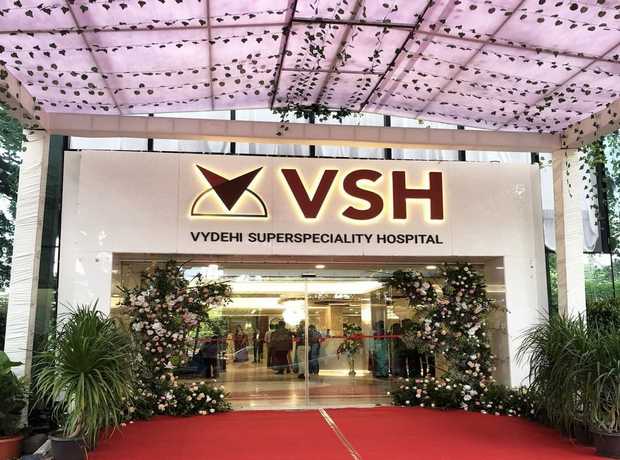
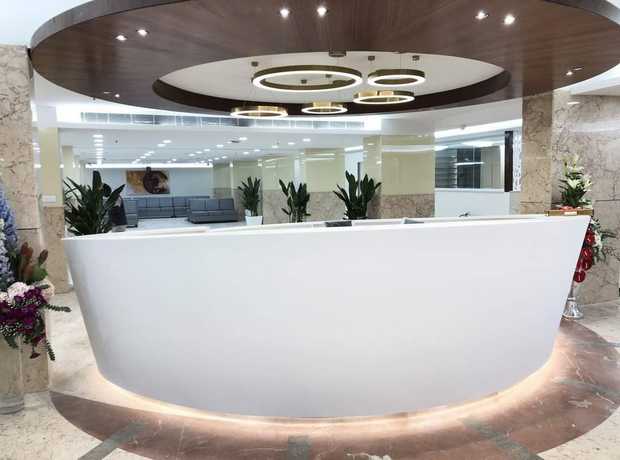
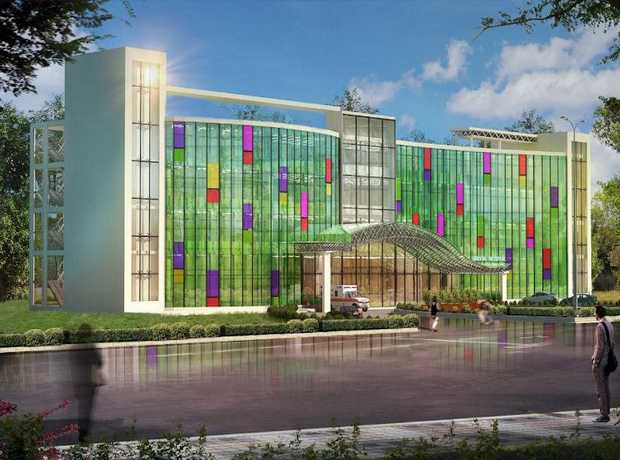
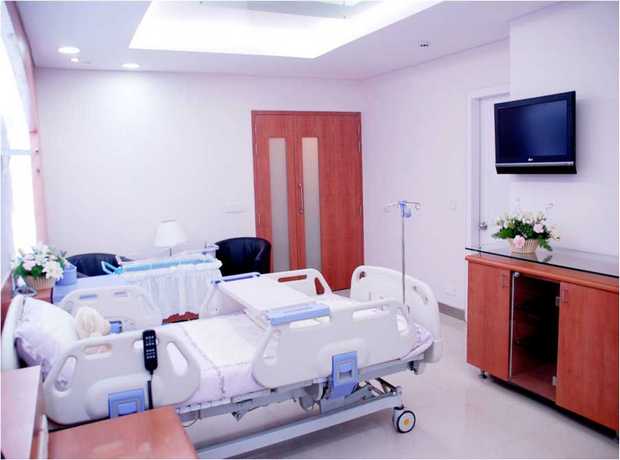
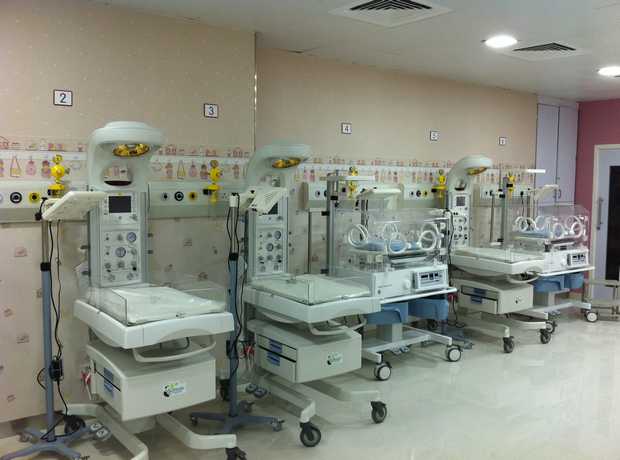
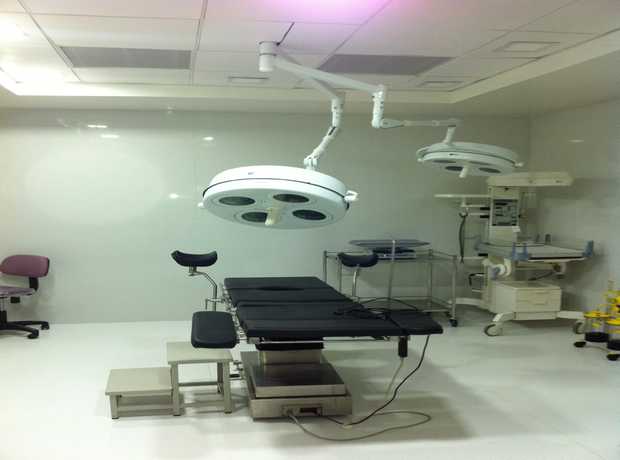
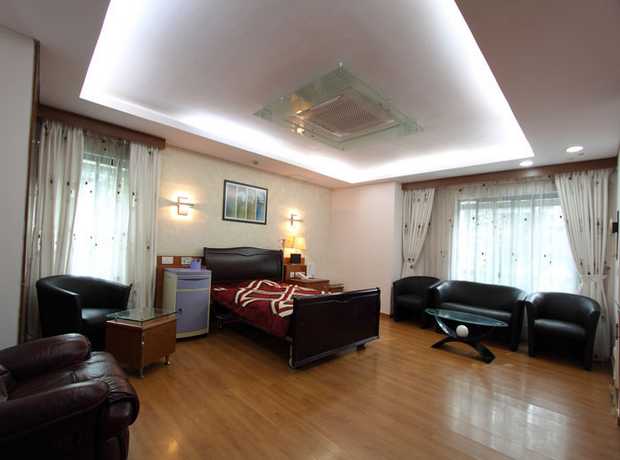
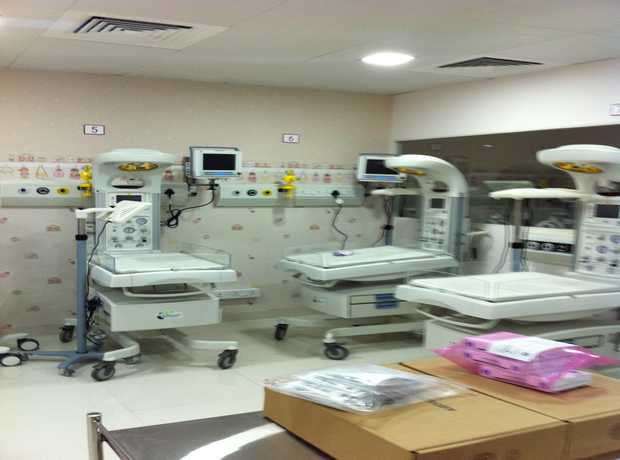
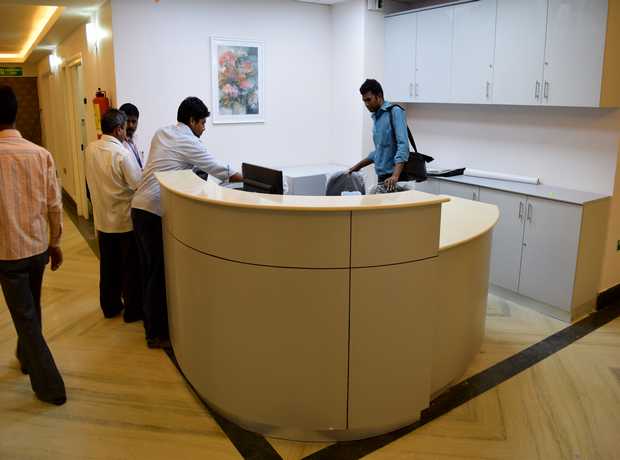
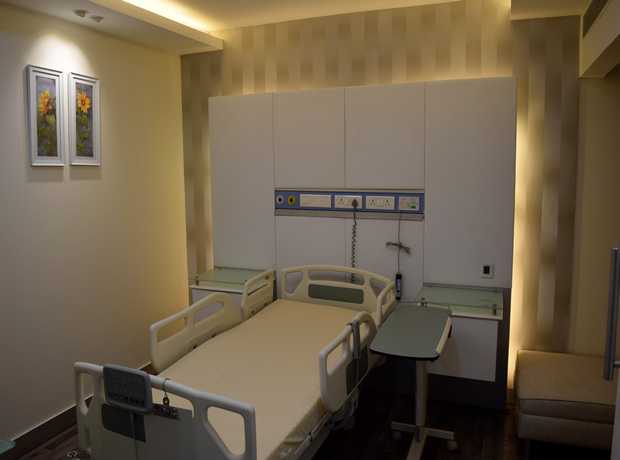
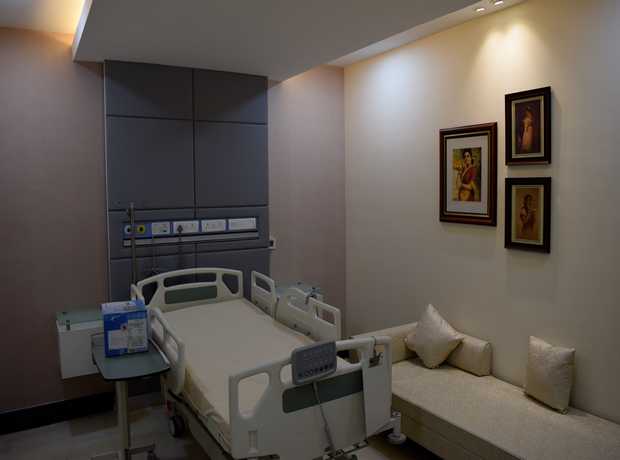
- Hospital Interior Design: Specializing in patient rooms, Intensive Care Units (ICUs), Operation Theatres (OTs), laboratories, consultation areas, and comprehensive facility planning. Our designs optimize care delivery, patient comfort, and operational efficiency, integrating passive ventilation for improved air quality and reduced infection risk, especially vital in healthcare settings.
- Residential Projects: From high-rise apartments and luxury condos to senior housing and community-focused interiors, we craft living spaces that are aesthetically pleasing, highly functional, and supremely comfortable. Our passive cooling strategies ensure residents in Toronto experience enhanced thermal comfort and lower energy bills.
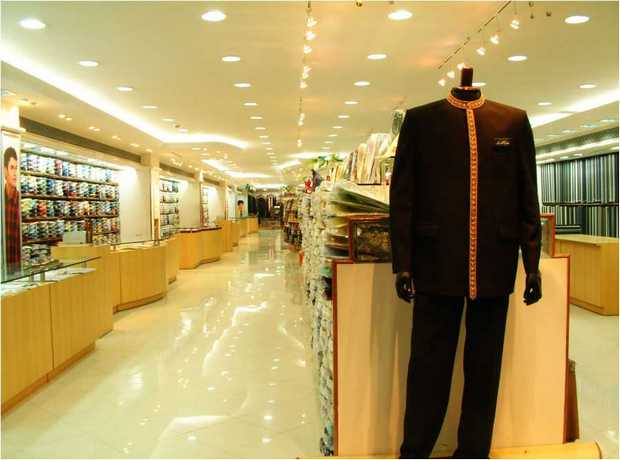
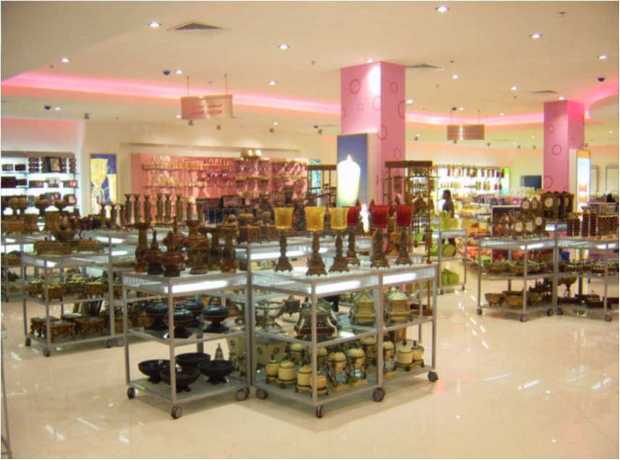
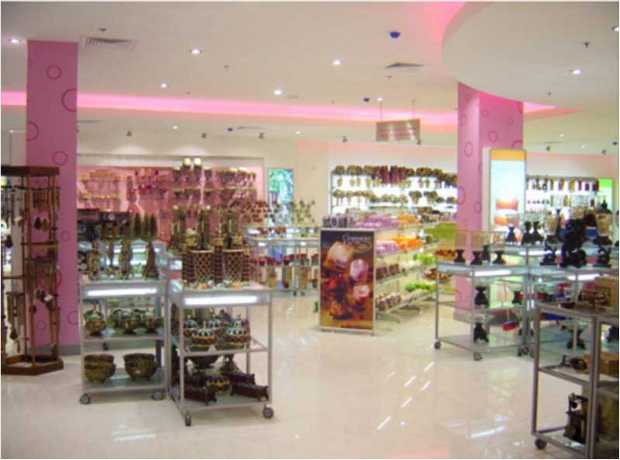
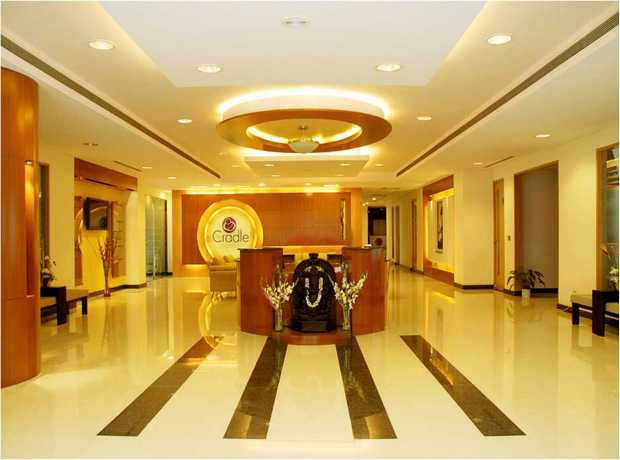
- Retail & Commercial Design: Designing engaging shopping malls, dynamic mixed-use developments, efficient corporate offices, and captivating entertainment centers. We understand that design impacts experience and profitability, and passive strategies can enhance customer comfort while significantly reducing operating costs for businesses in Toronto.
- Interior Solutions: Our expertise extends to meticulous space planning, innovative furniture layouts, sophisticated lighting design, advanced acoustics, and complete turnkey interior execution. Every element is carefully considered to complement passive cooling strategies, for instance, lighting designs that reduce internal heat gain, or acoustic solutions that manage sound transmission while facilitating natural ventilation.
- Branding & Signage: Integrating visual identity and wayfinding into the architectural narrative, ensuring cohesion and clarity within your developed space.
For those seeking premier Toronto interior experts, Skydome Designs offers a truly comprehensive approach. We meticulously integrate aesthetics with paramount functionality, ensuring your space not only looks exceptional but also performs flawlessly and meets your specific needs, perfectly tailored to Toronto’s urban environment. Our designs are conceived to be timeless, efficient, and inspiring, embodying the best in sustainable practices.
Ready to transform your vision into a sustainable reality? Contact us today at +91 7299072144 or email info@skydomedesigns.com to discuss your project. Discover how Skydome Designs can help you achieve your sustainability goals with effective, award-winning, and meticulously planned passive cooling and ventilation planning in Toronto. Our team is eager to partner with you to create efficient, comfortable, and future-ready buildings.
FAQ: Passive Cooling and Ventilation Planning in Toronto – Your Questions Answered
Navigating the world of sustainable building can raise many questions. Here are some frequently asked questions about passive cooling and ventilation in Toronto, providing clarity on these increasingly vital design principles.
What exactly is passive cooling in the context of Toronto’s climate?
Passive cooling refers to a suite of building design strategies that leverage natural processes and careful architectural choices to minimize heat gain and enhance heat dissipation, thereby maintaining comfortable indoor temperatures without the need for energy-intensive mechanical cooling systems like air conditioning. In Toronto’s climate, this means intelligently designing to reduce solar heat gain during hot, humid summers, while also allowing for controlled solar gain in colder winters. Strategies include optimal building orientation, effective shading devices, strategic use of thermal mass to absorb heat, natural ventilation techniques, and the use of high-performance building envelope materials. The goal is to reduce reliance on HVAC systems, leading to energy savings, a smaller carbon footprint, and enhanced occupant comfort year-round.
How does natural ventilation effectively work in Toronto’s urban environment?
Natural ventilation harnesses the power of wind and temperature differences to drive airflow through a building, replacing stale indoor air with fresh outdoor air. In Toronto’s urban environment, this involves carefully planned openings such as windows, vents, and sometimes specialized architectural features like wind catchers or atria. Cross ventilation works by strategically placing inlets and outlets on opposite sides of a space to allow wind to push and pull air through. Stack ventilation (or the chimney effect) utilizes the principle that warm air rises; by having low-level inlets for cool air and high-level outlets for warm air, a continuous upward flow is created. For dense areas, strategies like night purging (flushing buildings with cool night air to pre-cool thermal mass) and designing for prevailing breezes, even if subtle, are critical. The effectiveness also depends on internal layouts that allow air to flow unimpeded.
What are the primary benefits of integrating passive cooling and ventilation into Toronto buildings?
The benefits are extensive and multi-faceted. Primarily, they include significantly reduced energy consumption, which translates directly into lower utility bills for building owners and occupants. This also leads to a substantial decrease in the building’s carbon footprint, aligning with Toronto’s climate action goals. Beyond economics and environment, passive strategies dramatically improve indoor air quality by continuously introducing fresh air, diluting pollutants, and reducing airborne contaminants, which is particularly beneficial in urban settings. They also enhance thermal comfort by creating more stable and comfortable indoor temperatures without the drafts or dryness often associated with mechanical systems. Furthermore, buildings with robust passive design offer increased resilience during power outages and can command higher property values due to their sustainability credentials and lower operating costs.
Can I incorporate passive cooling strategies into my existing home in Toronto?
Absolutely. While easier to integrate during new construction, many effective passive cooling strategies can be retrofitted into existing homes in Toronto. Simple steps include adding exterior shading devices like awnings or pergolas to south and west-facing windows, improving insulation in walls and attics, and sealing air leaks around windows and doors to enhance airtightness. Optimizing window placement and operation for natural ventilation is also key – ensuring you have operable windows on multiple sides for cross-ventilation or strategically opening upper windows/skylights to facilitate stack effect. For more complex and impactful solutions, such as installing high-performance windows, adding thermal mass, or integrating smart controls for automated shading and ventilation, it’s highly recommended to consult with a qualified Toronto passive cooling and ventilation planning company like Skydome Designs. They can assess your home’s specific conditions and recommend the most cost-effective and impactful retrofit strategies.
What are the latest trends driving passive cooling design in Toronto for 2025 and beyond?
The landscape of passive cooling in Toronto is evolving rapidly. Key trends for 2025 include an increased focus on digital delivery methods, particularly the advanced integration of Building Information Modeling (BIM) and Computational Fluid Dynamics (CFD) for precise simulation and optimization of passive strategies from the earliest design stages. There’s also a significant push towards the adoption of advanced building materials, such as dynamic low-E glazing, phase change materials (PCMs) for latent heat storage, insulated concrete forms (ICF) for superior thermal mass and insulation, and widespread use of cool and green roofs. Furthermore, smart home integration is becoming paramount, allowing for automated control of shading devices, natural ventilation openings, and predictive responses to weather patterns. These trends collectively aim to create buildings that are not only energy-efficient but also highly responsive, comfortable, and resilient to Toronto’s changing climate.
Conclusion: Paving the Way for a Sustainable Toronto in 2025 and Beyond
As Toronto continues its impressive growth and reinforces its commitment to global sustainability targets, the imperative for innovative and effective passive cooling and ventilation planning will only intensify. The trends we’ve explored—from advanced materials and smart technologies to the critical role of digital delivery and evolving regulatory frameworks—are not merely theoretical concepts but practical, implementable strategies poised to redefine the city’s built environment by 2025. By embracing these advancements and integrating them into every stage of design and construction, we can collectively create buildings that are more comfortable, significantly more energy-efficient, and profoundly more environmentally friendly. This forward-thinking approach will not only reduce operational costs and enhance occupant well-being but also play a pivotal role in mitigating climate change and fostering urban resilience in Toronto.
The journey towards a truly sustainable Toronto requires collaboration, expertise, and a steadfast commitment to innovation. Choosing the right partner to navigate this complex landscape is paramount to your project’s success. Skydome Designs Pvt Ltd stands ready as that partner, offering nearly three decades of award-winning experience, a multidisciplinary in-house team, and a proven track record of delivering over 133 passive cooling and ventilation assignments across Toronto and globally. Our end-to-end delivery model, coupled with transparent costs and milestone-based reporting, ensures that your vision for a sustainable, high-performance building is realized with precision and excellence.
Don’t let your project fall behind the curve. Embrace the future of sustainable design and partner with experts who can bring your vision to life. Contact Skydome Designs today to learn more about how we can help you achieve your sustainability goals with effective, cutting-edge passive cooling and ventilation planning in Toronto. Call us directly at +91 7299072144 or send an email to info@skydomedesigns.com. Let’s build a cooler, greener, and more comfortable Toronto together.