As Chennai accelerates its urban growth and cements its status as a major economic and healthcare hub in South India, the demand for advanced, state-of-the-art healthcare facilities is skyrocketing. This demand, however, is not just for more hospitals; it’s for hospitals that are smarter, more efficient, inherently sustainable, and deeply patient-centric. This ambition, coupled with increasingly stringent national and international building codes, elevated user expectations, and rapid technological advancements, makes performance-driven construction project management for hospitals in Chennai more critical than ever before. We delve into the foundational principles, emerging technologies, and strategic approaches that are shaping this vital sector, offering a comprehensive look at the key trends expected to define hospital construction in Chennai by 2025 and beyond.
The landscape of healthcare infrastructure is undergoing a profound transformation. Modern hospitals are no longer mere buildings but complex ecosystems designed to foster healing, facilitate cutting-edge medical procedures, and ensure operational excellence. Achieving this requires a holistic project management approach that focuses on measurable outcomes from the very inception of a project through its entire lifecycle. This article explores how Chennai’s healthcare development is aligning with these global best practices, setting new benchmarks for efficiency, sustainability, and patient care.
The Rising Importance of Performance-Driven Construction Project Management for Hospitals in Chennai
Chennai’s healthcare landscape is rapidly evolving, driven by an expanding population, an aging demographic, the rise of lifestyle diseases, and a burgeoning medical tourism sector. This dynamic environment necessitates a paradigm shift in how healthcare facilities are conceived, constructed, and operated. The need for hospitals that are not only structurally sound but also operationally efficient, technologically advanced, and profoundly patient-centric is paramount. This necessitates a shift towards project management approaches that prioritize performance across all stages, from design and procurement to construction, commissioning, and post-occupancy support.
Traditional construction project management often focused primarily on delivering a project within budget and on schedule. While these remain critical objectives, performance-driven management elevates the scope to encompass the entire lifecycle performance of the asset. For hospitals, this means evaluating how the facility supports clinical outcomes, staff productivity, patient satisfaction, energy consumption, and long-term maintenance costs. The stakes are incredibly high in hospital construction; any deviation from optimal performance can have significant implications for patient safety, operational continuity, and financial viability. Therefore, investing in a performance-driven approach is an investment in the future of healthcare in Chennai.
What Does “Performance-Driven” Really Mean in Hospital Construction?
In the context of hospital construction, “performance-driven” signifies a rigorous focus on achieving specific, measurable, and impactful outcomes that extend far beyond mere completion. It’s about designing and building spaces that actively contribute to the hospital’s mission and long-term success. These performance metrics are intricately linked and encompass a wide array of criteria:
- Optimized Operational Efficiency: This is perhaps one of the most critical performance indicators. It involves designing for streamlined clinical and administrative workflows, ensuring efficient movement of patients, staff, and medical supplies. It also includes the integration of smart building systems to reduce energy consumption, optimize HVAC performance, and ensure efficient resource utilization across all departments, from operating theatres to patient wards. The goal is to maximize throughput and minimize waste, both in terms of time and resources.
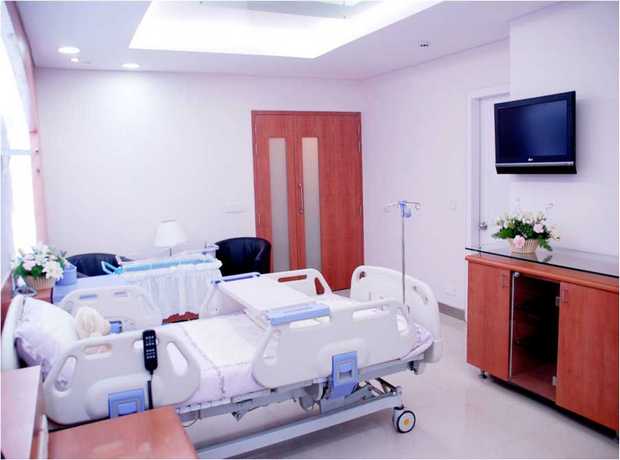
- Enhanced Patient Experience: A healing environment is a core component of patient recovery. Performance in this area means creating comfortable, calming, and restorative spaces that promote well-being and reduce stress. This includes thoughtful interior design, optimized natural lighting and ventilation, effective acoustic management, easy wayfinding, and the provision of patient-friendly amenities. The design should support family engagement and provide privacy, contributing positively to patient outcomes and satisfaction scores.
- Adherence to Stringent Regulations and Standards: Healthcare facilities are subject to some of the most complex and rigorous regulatory frameworks, including local building codes, fire safety regulations, and specialized healthcare accreditation standards such as NABH (National Accreditation Board for Hospitals & Healthcare Providers) in India, and potentially international standards like JCI (Joint Commission International). Performance-driven management ensures meticulous planning and execution to meet all relevant codes, safety standards, and healthcare regulations from the outset, avoiding costly rework and delays.
- Cost-Effectiveness and Life-Cycle Value: While initial construction costs are always a consideration, performance-driven approaches prioritize the total cost of ownership over the facility’s lifespan. This means making intelligent design and material choices that minimize long-term operational costs, maintenance expenses, and energy consumption. Value engineering is employed not just to cut costs, but to optimize value, ensuring that every investment contributes to the hospital’s overall performance and sustainability without compromising quality or functionality.
- On-Time and On-Budget Delivery with Quality Assurance: While these are fundamental to any project, in performance-driven construction, they are achieved through advanced planning, rigorous risk management, and continuous quality control. This includes proactive problem-solving, efficient resource allocation, and maintaining high standards of construction quality. For a complex project like a hospital, meeting timelines is paramount to commencing operations and serving the community as planned.
- Adaptability and Future-Proofing: Healthcare technology and practices evolve rapidly. A performance-driven hospital design anticipates future needs, allowing for easy expansion, reconfigurations, and upgrades to accommodate new medical equipment, treatment modalities, and changing patient demographics. This ensures the facility remains relevant and high-performing for decades.


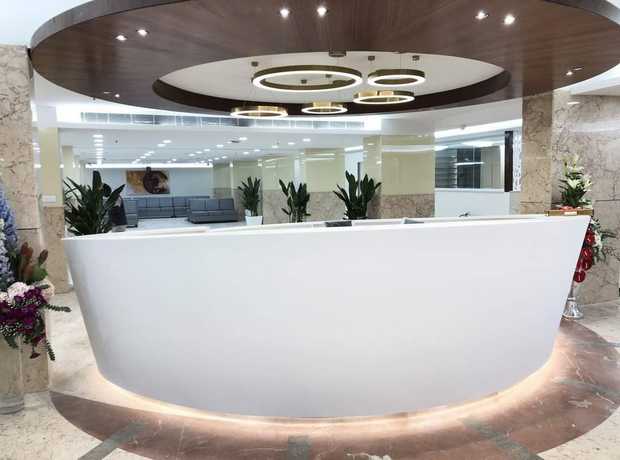
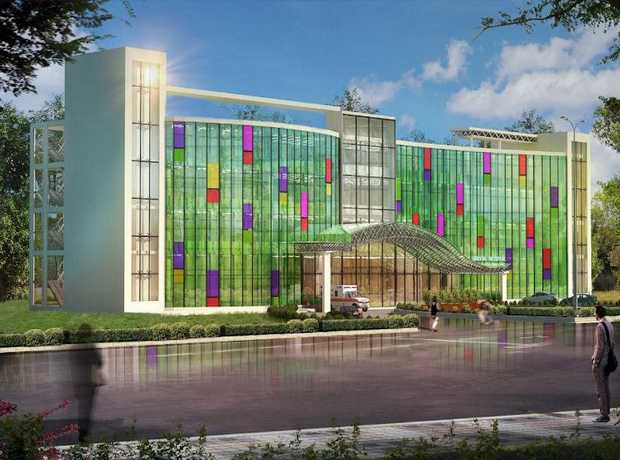
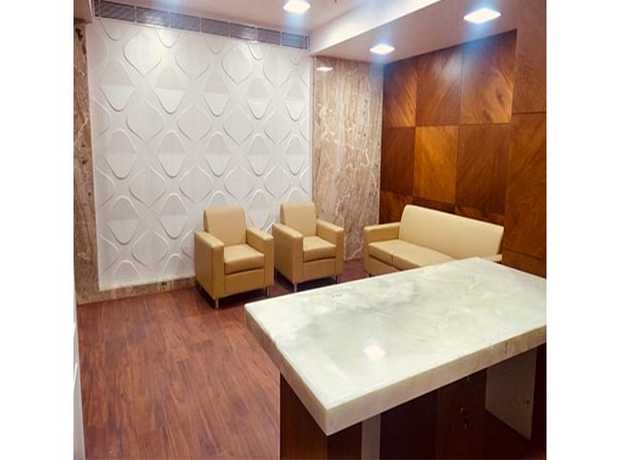
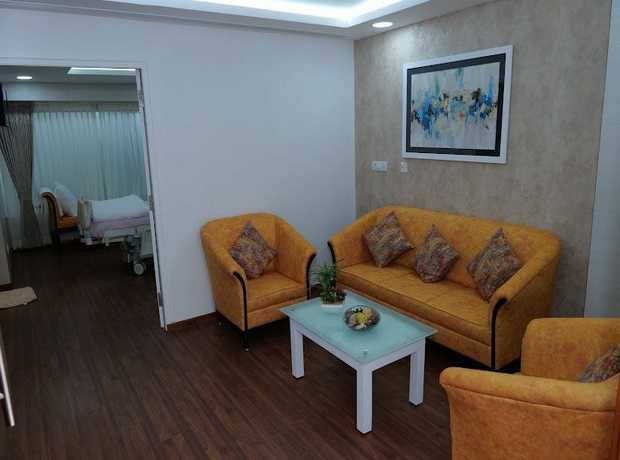






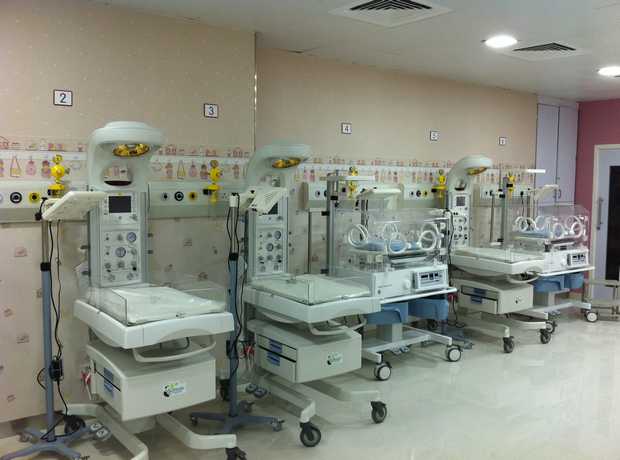
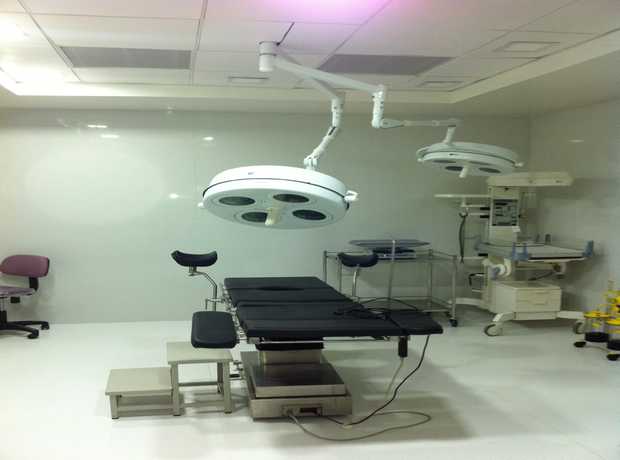
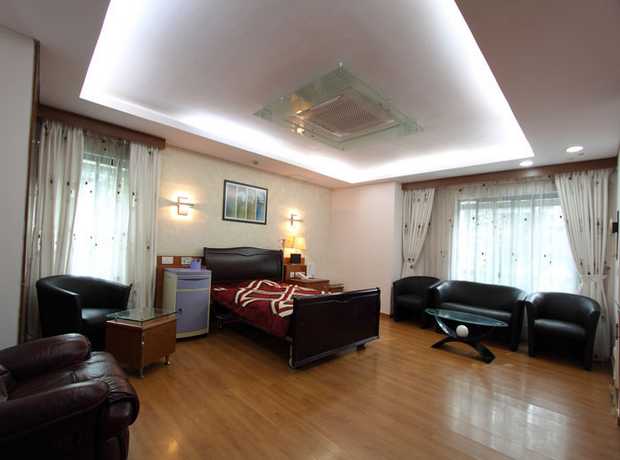
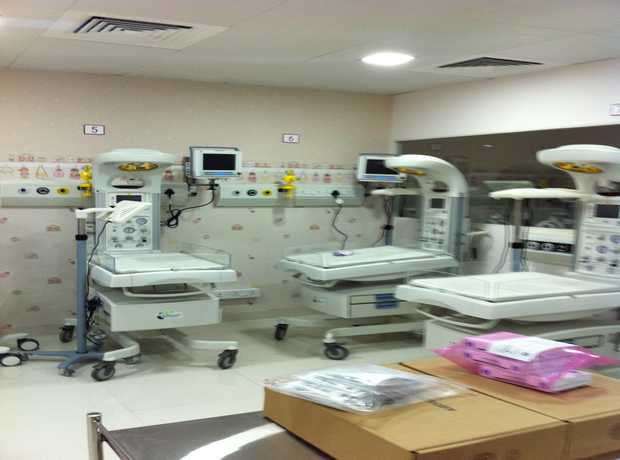

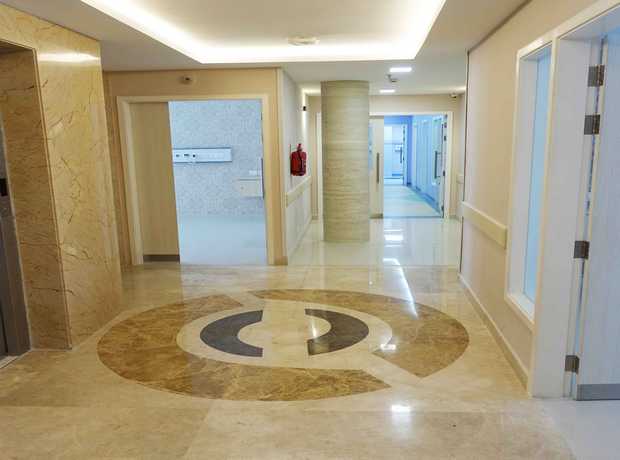
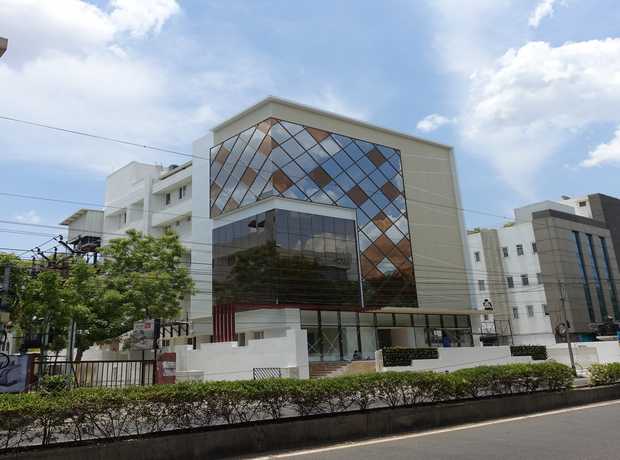
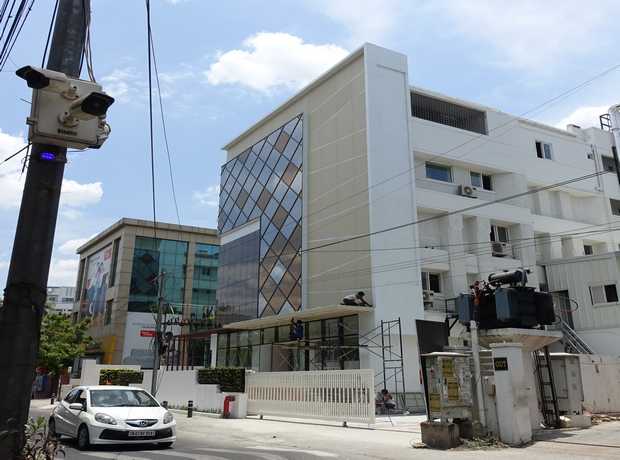
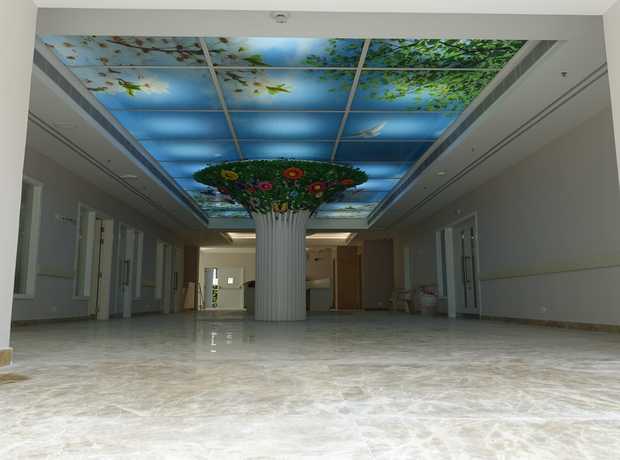

Key Trends Shaping Hospital Construction Project Management in Chennai for 2025
Several key trends are profoundly influencing how hospitals are being built and managed in Chennai. Understanding and strategically adopting these trends is crucial for all stakeholders involved in hospital construction projects, from investors and developers to architects, contractors, and facility managers. These trends reflect a global shift towards more intelligent, sustainable, and patient-focused healthcare infrastructure.
1. Integration of BIM (Building Information Modeling) and Digital Twins
Building Information Modeling (BIM) is not just a software; it’s a revolutionary process that is transforming construction project management globally, and its adoption in Chennai is accelerating rapidly, particularly in complex projects like hospitals. BIM allows for the creation of a comprehensive digital representation of the physical and functional characteristics of a hospital, consolidating all project data into a single, intelligent 3D model. This goes far beyond traditional 2D drawings, providing a holistic view of the project at every stage.
In Chennai’s bustling construction environment, BIM offers unparalleled advantages. It enables better coordination among multidisciplinary teams – architects, structural engineers, MEP (Mechanical, Electrical, and Plumbing) consultants, and healthcare planners – leading to significantly improved communication and collaboration. The model facilitates advanced clash detection, identifying potential conflicts between different building systems (e.g., pipes and electrical conduits) early in the design phase, thereby preventing costly rework and delays during construction. This proactive problem-solving capability is invaluable for complex hospital layouts. Furthermore, BIM supports accurate cost estimation (5D BIM) and scheduling (4D BIM), offering greater predictability and control over project budgets and timelines.
Looking ahead to 2025, the trend is moving towards the creation of “Digital Twins” of hospital facilities. A digital twin is a virtual replica that continuously updates with real-time data from the physical hospital, allowing for predictive maintenance, optimized energy management, and data-driven operational decision-making throughout the hospital’s entire lifecycle. For healthcare architects like Skydome Designs, BIM-led coordination is a cornerstone of our project methodology, ensuring accuracy, efficiency, and seamless execution tailored to Chennai’s specific requirements. Learn more about BIM and its transformative power.
2. Focus on Sustainable and Green Building Practices
Sustainability is no longer a niche concept; it’s a fundamental imperative, particularly in a rapidly urbanizing city like Chennai which faces environmental challenges. Hospitals are significant consumers of energy and water, and their environmental footprint can be substantial. Consequently, there’s an increasing drive for hospitals in Chennai to incorporate green building practices to reduce their ecological impact and long-term operational costs. This commitment to sustainability is driven by both environmental responsibility and economic prudence.
Key elements of sustainable hospital design in Chennai include:
- Energy Efficiency: Implementing advanced HVAC systems with heat recovery, using energy-efficient lighting (LEDs), integrating renewable energy sources like solar panels, and employing smart building management systems to optimize energy consumption.
- Water Conservation: Designing for rainwater harvesting, greywater recycling systems, and using water-efficient fixtures and landscaping.
- Eco-Friendly Materials: Sourcing locally available, low-VOC (Volatile Organic Compound) materials, recycled content materials, and materials with low embodied energy to reduce environmental impact and improve indoor air quality.
- Waste Management: Planning for efficient waste segregation, recycling, and responsible disposal of medical and general waste.
- Indoor Environmental Quality (IEQ): Crucially, green design ensures patient well-being with ample natural lighting and ventilation. Thoughtful fenestration and orientation reduce the need for artificial lighting during the day and improve air circulation, significantly aiding in the healing process and reducing patient recovery times. This also positively impacts staff morale and productivity.
For sustainable hospital design, connecting with a specialized healthcare architect like Skydome Designs is essential. Our expertise lies in integrating these green practices seamlessly into functional and aesthetically pleasing designs that meet local regulations and global sustainability standards.
3. Advanced Infection Control Measures and Hygienic Design
Infection control has always been a paramount concern in hospitals, but the global health crises of recent years have further emphasized its critical importance. Preventing Hospital-Acquired Infections (HAIs) is a primary driver of modern hospital design. New hospital constructions and renovations in Chennai are now meticulously planned to incorporate advanced infection control measures at every level, ensuring the safety of patients, staff, and visitors.
These advanced measures include:
- Enhanced Ventilation Systems: Implementing high-efficiency particulate air (HEPA) filtration systems, specialized negative pressure rooms for infectious disease isolation, and positive pressure rooms for immunocompromised patients. Zoned HVAC systems prevent cross-contamination between different areas of the hospital.
- Antimicrobial Surfaces: Utilizing materials with inherent antimicrobial properties for high-touch surfaces in patient rooms, operating theatres, and common areas, such as copper alloys or specially treated plastics and coatings.
- Optimized Layouts for Patient Isolation and Flow: Designing clear segregation of clean and dirty pathways, dedicated isolation wards, and layout strategies that minimize opportunities for pathogen transmission. This includes careful consideration of waiting areas, reception zones, and patient transport routes.
- Hands-Free Technologies: Incorporating touchless faucets, automatic doors, sensor-activated soap dispensers, and voice-activated systems to reduce contact points and break chains of transmission.
- Easy-to-Clean Materials and Finishes: Selecting durable, non-porous, and seamless finishes for floors, walls, and countertops that can withstand rigorous cleaning and disinfection protocols.
Skydome Designs prioritizes infection control in all our hospital interior designs. We understand the critical need for a safe and hygienic environment that supports both clinical efficacy and patient well-being. Our team has extensive experience in designing highly functional and sterile environments, from meticulous planning of ICU layouts to comprehensive infection control strategies across the entire facility. We ensure compliance with the highest standards to create resilient and safe healthcare spaces.
4. Emphasis on Clinical Planning and Functional Design
A hospital’s design directly impacts its ability to deliver efficient and effective clinical operations. In Chennai, there’s a growing and crucial emphasis on robust clinical planning, which involves a deep understanding of the intricate needs of medical staff, patients, and visitors. This comprehensive approach ensures that the physical layout of the hospital actively supports optimal workflows, minimizes delays, reduces errors, and ultimately improves patient outcomes and staff efficiency.
Effective clinical planning considers:
- Patient Flow Optimization: Designing clear and intuitive pathways for patients from admission to discharge, minimizing travel distances between departments (e.g., emergency, diagnostics, surgery, recovery).
- Staff Workflow Efficiency: Arranging clinical areas to support efficient movement of medical staff, easy access to equipment and supplies, and ergonomic workspaces that reduce fatigue and improve productivity.
- Departmental Adjacencies: Strategic placement of related departments (e.g., operating theaters near ICUs, imaging near emergency) to reduce transfer times and enhance collaboration.
- Flexibility and Adaptability: Creating spaces that can be easily reconfigured or expanded to accommodate changes in medical technology, treatment protocols, or patient volumes without major structural overhauls.
- Technological Integration: Planning for seamless integration of medical equipment, IT infrastructure, telemedicine consultation rooms, and digital patient records systems from the design phase.
Skydome Designs has extensive experience in both clinical planning and comprehensive healthcare planning. Our expertise ensures that every space, from consultation rooms to complex surgical suites, is designed with meticulous attention to functional requirements, operational efficiency, and the well-being of all occupants. We translate clinical needs into intelligent architectural solutions.
5. Value Engineering and Cost Optimization with Long-Term Vision
While quality, safety, and performance remain paramount, cost-effectiveness is also a major concern for hospital developers and owners in Chennai. The challenge lies in balancing initial investment with long-term operational sustainability. Value engineering techniques are increasingly being employed to identify opportunities to reduce project costs without compromising the functionality, safety, or quality of the hospital facility. This is not about cutting corners, but about smart, informed decision-making.
Key aspects of value engineering and cost optimization in Chennai’s hospital projects include:
- Life-Cycle Cost Analysis: Moving beyond initial capital expenditure to consider the total cost of ownership, including energy, maintenance, staffing, and operational costs over the hospital’s expected lifespan. This often justifies a higher initial investment in durable, energy-efficient systems.
- Optimized Material Selection: Choosing materials that offer the best balance of durability, hygiene, ease of maintenance, and cost. This involves exploring local sourcing options where appropriate and evaluating innovative, cost-effective building materials.
- Efficient Design Solutions: Streamlining structural designs, optimizing building forms to reduce material usage, and standardizing components where possible without hindering functionality. Modular design and prefabrication can significantly reduce on-site labor and waste.
- Streamlined Construction Processes: Implementing lean construction principles to eliminate waste in time, materials, and effort. This includes efficient project scheduling, just-in-time delivery of materials, and coordinated workflow management.
- Technology Leverage: Using BIM for precise quantity take-offs, clash detection, and sequencing simulation helps in accurate budgeting and avoids costly design errors and delays.
Our approach at Skydome Designs integrates value engineering from the conceptual stage, ensuring that every design decision contributes to the project’s overall value proposition. We bring global design standards with local code expertise in Chennai, ensuring BIM‑led coordination, value engineering, and quality control are tailored to Chennai’s specific requirements. This strategic focus ensures that while project costs are minimized, the quality, performance, and long-term viability of the hospital are maximized.
6. Emergence of Smart Hospital Technologies and Digital Integration
The concept of a “smart hospital” is rapidly moving from futuristic vision to current reality in Chennai. This trend involves the deep integration of Internet of Things (IoT) devices, artificial intelligence (AI), and advanced analytics to enhance every aspect of hospital operations and patient care. By 2025, smart technologies will be integral to performance-driven hospital design and management.
Elements of smart hospital integration include:
- Automated Facility Management: IoT sensors monitor environmental conditions (temperature, humidity, air quality), equipment performance, and energy consumption in real-time. AI-powered systems can predict maintenance needs, optimize HVAC schedules, and manage resource allocation efficiently.
- Advanced Patient Monitoring: Wearable devices and smart beds provide continuous, non-invasive patient data, alerting staff to critical changes and improving response times.
- Telemedicine and Remote Care Infrastructure: Designing dedicated spaces and robust network infrastructure to support virtual consultations, remote diagnostics, and tele-ICU services, extending healthcare reach beyond the physical hospital walls.
- Robotics and Automation: Integration of robotic systems for tasks like material transport, medication delivery, and even surgical assistance, improving efficiency and reducing human error.
- Digital Wayfinding and Communication: Interactive kiosks, mobile apps, and digital signage to help patients and visitors navigate the complex hospital environment, improving experience and reducing staff workload.
Integrating these technologies requires a forward-thinking design approach that accounts for robust network infrastructure, power requirements, and seamless user interfaces. Skydome Designs ensures that hospital designs in Chennai are future-ready, capable of evolving with technological advancements while maintaining core functionality and patient-centricity.
7. Focus on Mental Health and Wellness Integration
There’s a growing recognition globally, and increasingly in Chennai, of the importance of holistic care that addresses not just physical ailments but also mental and emotional well-being. Modern hospital design in 2025 will increasingly incorporate spaces and elements specifically aimed at promoting mental health and reducing stress for both patients and healthcare providers.
This trend manifests as:
- Therapeutic Environments: Designing patient rooms and common areas with calming color palettes, natural materials, and access to outdoor views or green spaces.
- Meditation and Reflection Spaces: Dedicated quiet rooms, multi-faith prayer rooms, and outdoor gardens or courtyards where patients, families, and staff can find respite.
- Staff Wellness Areas: Recognizing the immense pressure on healthcare workers, hospitals are creating comfortable break rooms, fitness facilities, and even childcare options to support staff well-being and reduce burnout.
- Biophilic Design Principles: Incorporating natural elements like plants, water features, and natural light to connect occupants with nature, which has proven therapeutic benefits.
Skydome Designs understands that a truly performance-driven hospital goes beyond treating illness; it fosters overall wellness. Our designs integrate these considerations, creating environments that support healing in its broadest sense, making them more empathetic and effective healthcare facilities for Chennai.
8. Adoption of Modular Construction and Prefabrication
To address the pressing demand for new healthcare facilities and the need for faster project delivery without compromising quality, modular construction and prefabrication are gaining significant traction in Chennai. This approach involves manufacturing components or entire sections of a hospital off-site in a controlled factory environment and then assembling them on-site.
The benefits of modular construction for hospitals in Chennai include:
- Accelerated Project Timelines: Off-site construction can run concurrently with on-site groundwork, significantly reducing overall project duration.
- Enhanced Quality Control: Factory conditions allow for greater precision and quality assurance, leading to fewer defects and higher standards of construction.
- Reduced On-Site Disruption: Less noise, dust, and traffic at the construction site, which is particularly beneficial for projects adjacent to existing operational hospitals or in dense urban areas like Chennai.
- Improved Safety: A controlled factory environment typically offers safer working conditions than a traditional construction site.
- Cost Predictability: Better control over manufacturing processes leads to more predictable costs and less material waste.
While the initial design phase for modular construction can be more complex, the long-term benefits in terms of speed, quality, and efficiency make it an attractive option for certain hospital components, such as patient rooms, bathrooms, or diagnostic units. Skydome Designs continuously evaluates innovative construction methodologies to provide the most efficient and high-quality solutions for our clients in Chennai.
Skydome Designs: Your Partner for Performance-Driven Hospital Construction in Chennai
Skydome Designs Pvt Ltd is not just an architecture and interior design firm; we are innovators and specialists in crafting healthcare environments that truly perform. As a leading firm in India, we bring nearly 30 years of expertise specifically honed in hospital and healthcare interiors. Our mission is to deliver innovative, sustainable, and functional spaces that not only meet but exceed operational and patient experience expectations.
Our track record speaks for itself: We have delivered 1699+ performance-driven construction project management for hospital assignments across Chennai and globally over 30+ years. This extensive experience means we understand the nuances and complexities unique to healthcare infrastructure. Our commitment to excellence is reflected in our remarkable 99% on-time delivery rate, ensuring that critical healthcare projects are operational when they are needed most. This reliability is underpinned by our comprehensive multi-disciplinary reviews and our dedicated post-occupancy support, which ensures that our designs continue to perform optimally long after completion.
What We Do: Holistic Design for Healthcare Excellence
- Hospital Interior Design: We specialize in creating highly functional and aesthetically pleasing interiors for every area of a hospital. This includes ergonomically designed patient rooms that promote healing, state-of-the-art ICUs (Intensive Care Units) engineered for critical care, advanced Operating Theatres (OTs) with stringent infection control, efficient diagnostic labs, comfortable consultation areas, and comprehensive facility planning optimized for seamless patient care and staff efficiency.
- Residential Projects: While our core strength lies in healthcare, our design philosophy extends to creating thoughtfully planned residential spaces, including apartments, luxury condos, senior housing, and community-focused interiors, always prioritizing user experience and functionality.
- Retail & Commercial Design: We also apply our expertise in functional design to commercial spaces, crafting engaging environments for shopping malls, mixed-use developments, corporate offices, and entertainment centers.
- Interior Solutions: Our services encompass complete interior solutions, from meticulous space planning and ergonomic furniture layouts to sophisticated lighting design and turnkey interior execution, ensuring a cohesive and high-quality finish.
Why Choose Skydome Designs for Your Chennai Hospital Project?
- 29+ Years of Unmatched Experience: With almost three decades of experience, we have a profound understanding of the healthcare sector, having successfully executed projects across India and abroad, including numerous challenging assignments in Chennai.
- In-House Expertise: Our dedicated in-house team comprises highly skilled architects, specialized healthcare planners, and seasoned project managers. This integrated approach ensures seamless coordination, comprehensive planning, and consistent quality across all project phases.
- Award-Winning, Client-Focused, and Sustainable Designs: Our designs are not just visually appealing; they are driven by client needs, informed by best practices, and committed to sustainability, earning us industry recognition and client trust.
- Proven Delivery Excellence: We pride ourselves on delivering projects on-time, within budget, and to global standards. Our robust project management methodologies ensure rigorous quality control and adherence to performance metrics.
- Local Expertise with Global Standards: We bring global design standards with local code expertise in Chennai. Our deep understanding of local regulations, climatic conditions, and cultural nuances allows us to tailor innovative solutions that are perfectly suited for the Chennai context. We excel in BIM‑led coordination, value engineering, and quality control specifically tailored to Chennai’s unique requirements. We are trusted Chennai hospital experts, ensuring your project navigates local complexities with ease and efficiency.
- Comprehensive Support: Our team ensures projects are delivered on time and within budget, incorporating multidisciplinary reviews and providing crucial post-occupancy support to guarantee long-term operational success and performance.
When it comes to performance-driven construction project management for hospitals in Chennai, Skydome Designs stands as your premier partner. Our comprehensive expertise, combined with a deep commitment to innovation and client success, ensures that your healthcare facility is not just built, but crafted to excel.
Ready to discuss your next hospital construction project in Chennai? Contact us today at +91 7299072144 or email us at info@skydomedesigns.com. Let Skydome Designs help you bring your vision for a high-performing healthcare facility to life.
FAQ: Performance-Driven Construction Project Management for Hospitals in Chennai
Here are some frequently asked questions about performance-driven construction project management for hospitals in Chennai, providing further insights into our approach and industry best practices:
What are the key challenges specific to hospital construction project management in Chennai?
Key challenges in Chennai include navigating complex and evolving local regulatory requirements (e.g., CMDA norms, fire safety codes), effectively managing often tight budgets within the city’s economic landscape, coordinating a multitude of local and international stakeholders, and ensuring timely project completion while maintaining exceptionally high quality and safety standards. Furthermore, space constraints within the densely populated urban environment and the need to adapt global design standards to local climatic conditions and construction practices can be particularly challenging. Ensuring seamless integration of advanced medical technologies with existing infrastructure and addressing specific local procurement logistics are also common hurdles that require expert local knowledge.
How can BIM specifically improve hospital construction projects in Chennai?
BIM offers transformative improvements for hospital construction projects in Chennai by enabling better visualization, coordination, and clash detection across all disciplines (architecture, structure, MEP, medical equipment planning). This leads to significantly improved design accuracy, reduced errors and costly rework on-site, and optimized project timelines and costs. For Chennai, BIM facilitates better communication among diverse project stakeholders, including international consultants and local contractors, overcoming language and technical barriers. It also allows for efficient resource planning, logistics management for materials in a congested urban setting, and provides a comprehensive digital asset for future facility management, a crucial aspect for long-term operational efficiency.
What are the key elements of a sustainable hospital design in Chennai, considering local climate and resources?
Considering Chennai’s hot and humid climate, key elements of a sustainable hospital design include prioritizing energy efficiency through optimized building orientation to minimize solar heat gain, high-performance glazing, advanced HVAC systems with heat recovery, and leveraging renewable energy sources like rooftop solar panels. Water conservation is critical, employing rainwater harvesting, greywater recycling, and water-efficient fixtures. Use of locally sourced, low-VOC (Volatile Organic Compound) and recycled content materials reduces embodied energy and improves indoor air quality. Designing for ample natural light and cross-ventilation is crucial not only for energy savings but also for patient well-being, reducing the reliance on artificial lighting and air conditioning during cooler months. Waste management strategies, including biomedical waste, are also integral.
How do you ensure infection control is paramount in hospital design and construction in Chennai?
At Skydome Designs, we implement a multi-layered approach to ensure infection control is paramount. This includes specifying advanced ventilation systems with HEPA filters and creating designated negative or positive pressure zones as required, depending on the clinical function. We carefully select antimicrobial surfaces for high-touch areas, optimize layouts to facilitate patient isolation and prevent cross-contamination (e.g., clear segregation of clean and dirty zones), and incorporate hands-free technologies for doors, faucets, and dispensers. Our designs adhere strictly to national and international infection control guidelines (e.g., NABH, JCI) and leverage evidence-based design principles to create environments that actively reduce the risk of Hospital-Acquired Infections (HAIs). Our expert team provides detailed ICU layout planning that integrates these critical features.
What is the role of a healthcare architect in hospital construction project management in Chennai?
A healthcare architect plays a pivotal and specialized role. Unlike general architects, they specialize in designing healthcare facilities that meet the unique and complex needs of patients, medical staff, and visitors. In Chennai, their role involves interpreting evolving healthcare trends and regulations, optimizing clinical workflows, ensuring compliance with local and international healthcare standards, and creating healing, safe, and efficient environments. They are responsible for translating clinical requirements into functional and adaptable architectural designs, managing the integration of complex medical technologies, and overseeing the project from conceptualization to post-occupancy, ensuring that the facility is not just built, but performs optimally for decades. Skydome Designs’ in-house team of healthcare architects and planners are adept at this specialized function, providing tailored solutions for Chennai’s healthcare sector.
How does Skydome Designs ensure global design standards are met while adhering to Chennai’s local codes?
Our approach at Skydome Designs is to meticulously integrate global design excellence with precise local compliance. We maintain a deep understanding of international best practices in hospital design, drawing from our extensive experience across India and abroad. Simultaneously, our in-house team possesses comprehensive expertise in Chennai’s specific building codes, municipal regulations (e.g., CMDA), fire safety standards, and environmental guidelines. We initiate every project with thorough regulatory due diligence. Our BIM-led coordination is crucial here, allowing us to simulate, verify, and adapt designs to ensure seamless adherence to local codes while maintaining the high performance and aesthetic quality expected of global standards. This dual focus ensures that our projects are both innovative and fully compliant, navigating Chennai’s unique regulatory landscape with confidence.
What does Skydome Designs’ post-occupancy support entail for hospitals in Chennai?
Skydome Designs’ commitment to performance extends beyond project handover. Our post-occupancy support is a critical component of our service, especially for complex healthcare facilities in Chennai. This support involves monitoring and evaluating the operational performance of the completed hospital. We engage in scheduled follow-ups, conduct post-occupancy evaluations to gather feedback from staff and patients, and assess how the facility is performing against its initial design goals for efficiency, comfort, and functionality. This allows us to identify any areas for fine-tuning or future enhancements, ensuring the hospital continues to operate at its optimal level. This commitment to long-term performance and client satisfaction is part of our comprehensive service, underpinned by our 1699+ performance-driven construction project management assignments and 99% on-time delivery rate.
Conclusion
The future of healthcare infrastructure in Chennai is intrinsically linked to the adoption of performance-driven construction project management for hospitals. As the city continues its rapid expansion and demand for advanced healthcare intensifies, the imperative to build facilities that are not only structurally sound but also operationally excellent, sustainable, technologically integrated, and deeply patient-centric becomes paramount. By embracing the latest trends such as comprehensive BIM integration and the development of digital twins, rigorous sustainable and green building practices, advanced infection control measures, meticulous clinical and functional design, smart hospital technologies, and a holistic approach to patient and staff wellness, Chennai can build hospitals that truly meet the evolving demands of its dynamic population and position itself as a global leader in healthcare innovation.
Skydome Designs stands at the forefront of this evolution, bringing nearly three decades of specialized expertise in healthcare architecture and interior design. Our proven track record of 1699+ performance-driven construction project management assignments for hospitals, coupled with a remarkable 99% on-time delivery rate, multi-disciplinary reviews, and dedicated post-occupancy support, demonstrates our unwavering commitment to excellence. We understand the unique challenges and opportunities within Chennai’s healthcare market, offering global design standards with unparalleled local code expertise, BIM-led coordination, and a steadfast focus on value engineering and quality control tailored precisely to the city’s requirements. Partner with us to create healthcare spaces that are not just buildings, but beacons of healing and efficiency.
Contact Skydome Designs today to discuss your hospital construction project in Chennai. Let us help you build a better future for healthcare in Chennai – a future defined by performance, innovation, and patient-centric design. Call us at +91 7299072144 or email us at info@skydomedesigns.com.