New York, a state renowned for its vibrant cities and breathtaking natural landscapes, is increasingly turning its attention towards sustainable practices to safeguard its future. Among these critical initiatives, rainwater harvesting is emerging as a cornerstone of responsible water management. As we cast our gaze forward to 2025 and beyond, a confluence of environmental imperatives, technological leaps, and evolving regulatory frameworks are profoundly shaping the landscape of rainwater harvesting planning in New York. This comprehensive guide will delve into what you, as a homeowner, business owner, or developer, need to understand to not only stay ahead of these trends but also to make informed, impactful decisions about implementing these innovative and eco-conscious systems. The goal is clear: to foster a more resilient, water-efficient New York for generations to come.
The imperative for efficient water management in New York has never been more pronounced. With climate change impacting precipitation patterns, and the ongoing need to reduce strain on municipal water infrastructure, embracing rainwater harvesting is not merely an environmental statement; it’s a practical, economically sound strategy. Moreover, the integration of advanced digital tools into the planning and execution phases of such projects is rapidly enhancing efficiency, accuracy, and overall project success, paving the way for a truly sustainable future.
The Growing Importance of Rainwater Harvesting Planning in New York’s Water Future
For decades, water management in New York, like much of the developed world, relied heavily on centralized municipal systems, drawing from distant reservoirs and extensive treatment facilities. While effective, this model is increasingly challenged by environmental shifts and rising demand. This is where rainwater harvesting planning in New York steps in, transitioning from a niche, alternative practice to a mainstream, vital component of urban and rural water strategy.
Addressing Environmental Concerns and Resource Conservation
New York faces multifaceted environmental pressures. Erratic rainfall patterns, including more intense storms, contribute to increased stormwater runoff, leading to localized flooding, erosion, and pollution of waterways. Conversely, periods of drought, while less common, highlight the vulnerability of our conventional water supply. Rainwater harvesting directly addresses these challenges. By capturing rainfall at its source, we mitigate stormwater runoff, reduce the burden on overloaded drainage systems, and prevent pollutants from entering rivers and lakes. Furthermore, it conserves potable water – water treated to drinking standards – for essential uses, instead of being used for irrigation or toilet flushing, where non-potable water is perfectly adequate. This judicious use of resources aligns perfectly with New York’s broader environmental protection goals.























Economic Benefits for Property Owners and Businesses
Beyond its ecological advantages, implementing a rainwater harvesting system offers tangible economic benefits. Property owners, whether residential or commercial, can significantly reduce their reliance on municipal water supplies, leading to lower utility bills. In areas with tiered water pricing, where costs per gallon increase with usage, the savings can be substantial. The initial investment in a system is often offset over time by these reduced operational costs. Moreover, as New York continues to roll out incentives, grants, and tax breaks, the financial viability of these systems becomes even more attractive. This makes rainwater harvesting planning in New York not just an environmental choice, but a smart financial one too.
Enhancing Community Resilience and Sustainability
At a broader societal level, widespread adoption of rainwater harvesting contributes to enhanced community resilience. By diversifying water sources and decentralizing water management, communities become less vulnerable to infrastructure failures, natural disasters, or disruptions in their primary water supply. It fosters a more sustainable urban metabolism, where resources are utilized efficiently, waste is minimized, and the ecological footprint is reduced. As New York pushes towards ambitious sustainability targets, integrating rainwater harvesting into urban planning, building codes, and landscape architecture will be paramount. The digital delivery aspect, in particular, streamlines the planning and execution of these projects, ensuring efficiency and accuracy from conception to completion.
Key Trends Shaping Rainwater Harvesting in New York in 2025 and Beyond
The year 2025 is poised to be a pivotal moment for rainwater harvesting in New York, marked by a dynamic interplay of policy, technology, and design philosophy. Understanding these evolving trends is crucial for anyone considering a sustainable water management solution.
1. Increased Regulatory Support and Financial Incentives for Rainwater Harvesting
One of the most significant drivers of rainwater harvesting adoption will be the continued and amplified support from state and local governments. New York State has long recognized the importance of green infrastructure, and this commitment is expected to translate into more specific and robust policies favoring rainwater harvesting. We anticipate seeing comprehensive legislative frameworks that not only permit but actively encourage the installation of these systems across residential, commercial, and industrial sectors.
Expect a proliferation of financial incentives designed to lower the upfront cost barrier. This could include expanded state-level tax credits, similar to those seen for solar energy, allowing property owners to deduct a percentage of their installation costs. Grant programs, funded by environmental agencies or clean water initiatives, may become more readily available for both individual projects and community-scale installations. Municipalities, particularly in densely populated areas like New York City, are likely to offer their own local rebates or permit fee reductions. Staying meticulously updated on these changes is not just beneficial, but crucial for effective rainwater harvesting planning in New York, as these incentives can significantly impact project feasibility and return on investment.
Furthermore, we may see the integration of rainwater harvesting requirements into updated building codes, especially for new construction or major renovations. This could include mandates for a certain percentage of non-potable water demand to be met by harvested rainwater. Such regulatory shifts necessitate working with a New York rainwater harvesting planning company that possesses deep local code expertise, ensuring your project is compliant from its inception. Our firm, for instance, operates with global design standards while maintaining precise local code expertise in New York, guaranteeing seamless project approval and execution.
2. Technological Advancements Revolutionizing Rainwater Harvesting Systems
The sophistication of rainwater harvesting technology is rapidly advancing, moving far beyond simple barrels under a downspout. In 2025, systems will be characterized by intelligence, efficiency, and reliability. This evolution makes them more appealing and practical for a wider range of applications.
- Advanced Filtration and Treatment: Filtration systems are becoming increasingly refined, capable of removing finer particulates, pathogens, and even some dissolved contaminants. Expect to see multi-stage filtration units incorporating sediment filters, activated carbon, and even UV sterilization for applications requiring higher water quality, such as non-potable indoor uses (toilet flushing, laundry). Some cutting-edge systems might even integrate reverse osmosis for specific, high-purity needs, though this is less common for general harvesting.
- Smart Monitoring and Automated Controls: The Internet of Things (IoT) is transforming rainwater harvesting. Smart monitoring devices will provide real-time data on tank levels, water usage, pump performance, and filter status, accessible via smartphone apps or web dashboards. Automated controls will optimize system operation based on weather forecasts, historical rainfall data, and current water demand. Imagine a system that automatically diverts excess rainwater to a rain garden before a predicted heavy storm, or prioritizes municipal water only when tank levels are critically low.
- Energy-Efficient Pumps and Components: Energy consumption, particularly for pumps, has been a consideration for larger systems. Technological advancements are leading to more efficient variable-speed pumps, optimizing power usage based on demand. High-quality, durable materials for tanks, piping, and other components are also extending system lifespan and reducing maintenance needs.
- AI and Predictive Analytics: Looking further ahead, AI-driven systems could predict water usage patterns, forecast local rainfall with high accuracy, and self-optimize system operations for maximum efficiency and cost savings. This level of intelligence ensures that systems are always performing at their peak. Considering these groundbreaking advancements is absolutely essential when looking for a New York rainwater harvesting planning company, as their ability to integrate future-proof technologies will determine the long-term value of your investment.
3. Focus on Integrated Water Management: A Holistic Approach
Rainwater harvesting is no longer viewed as an isolated solution but as a critical component within a broader, integrated water management strategy. This holistic perspective aims to optimize the entire urban water cycle, recognizing the interconnectedness of various water sources and uses.
This approach involves combining rainwater harvesting with other innovative water conservation measures. For instance, greywater recycling systems, which treat wastewater from sinks, showers, and laundry for non-potable uses, can significantly reduce overall water demand when paired with rainwater collection. Together, they create a powerful synergy, minimizing reliance on municipal potable water. Furthermore, stormwater management is intrinsically linked. By diverting rainwater into harvesting systems instead of traditional storm drains, we reduce urban runoff, which helps prevent flooding, erosion, and the pollution of local waterways. This protects both natural ecosystems and urban infrastructure.
An integrated strategy might also incorporate green infrastructure elements such as rain gardens, permeable pavements, and vegetated roofs (which themselves can capture and slow down runoff). These elements work in concert with harvesting tanks to manage water onsite, recharge groundwater, and enhance urban biodiversity. Adopting such a holistic approach is vital for maximizing water savings, enhancing environmental benefits, and contributing to the overall climate resilience of New York’s communities. A truly effective New York rainwater harvesting planning company will always advocate for and design integrated solutions that consider the property’s entire water footprint.
4. Digital Delivery and BIM Integration: Precision and Efficiency in Planning
The construction and design industries are undergoing a profound digital transformation, and rainwater harvesting planning is at the forefront of this revolution. Digital delivery and Building Information Modeling (BIM) are not just buzzwords; they are fundamentally reshaping how projects are conceived, planned, executed, and maintained, particularly for complex systems like rainwater harvesting.
- Enhanced Collaboration: BIM creates a centralized, intelligent 3D model of a project, allowing architects, engineers, contractors, and clients to collaborate in real-time. This eliminates silos, reduces communication gaps, and ensures everyone is working from the most current information. For rainwater harvesting, this means seamless coordination between roof designers, plumbing engineers, and landscape architects.
- Reduced Errors and Rework: The power of BIM lies in its ability to detect clashes – instances where different building systems (e.g., pipes, structural elements, HVAC ducts) occupy the same space – before construction even begins. This proactive problem-solving significantly reduces costly errors, delays, and rework on site, ensuring that the rainwater harvesting system integrates perfectly with the building’s existing or planned infrastructure.
- Improved Project Outcomes and Lifecycle Management: Beyond design and construction, BIM models can be used for facility management throughout the building’s lifecycle. Information about tank capacities, pump specifications, filter replacement schedules, and maintenance protocols can be embedded directly into the model, simplifying long-term operation and maintenance. Future-ready rainwater harvesting planning proactively lowers lifecycle costs by improving design and efficiency from day one, leading to significant savings over the system’s operational lifespan.
- Visualization and Stakeholder Engagement: BIM models offer highly realistic visualizations, allowing clients and stakeholders to fully understand the proposed system, its components, and its integration into the property. This transparency fosters greater confidence and smoother approval processes. This digital prowess is a hallmark of leading New York rainwater harvesting planning companies, ensuring projects are delivered with unparalleled precision and foresight.
5. Emergence of Community-Scale and Commercial Rainwater Harvesting Initiatives
While individual residential systems are valuable, 2025 will see a greater emphasis on larger-scale rainwater harvesting projects. This trend extends to commercial buildings, industrial facilities, and even entire communities, recognizing the amplified impact of collective efforts.
- Commercial and Institutional Applications: Office complexes, shopping centers, universities, and hospitals have vast roof areas and significant non-potable water demands for irrigation, cooling towers, and toilet flushing. Implementing large-scale rainwater harvesting here can lead to substantial water bill reductions and demonstrate corporate social responsibility. These projects often require sophisticated design and integration with complex existing building systems.
- Multi-Family Residential Developments: New apartment buildings and condominium complexes are increasingly incorporating centralized rainwater harvesting systems, providing sustainable water for common area irrigation, laundry facilities, or even individual units (where local regulations permit).
- District-Level Water Management: In some progressive urban planning scenarios, entire districts or neighborhoods might implement shared rainwater harvesting infrastructure, forming a localized micro-utility. This distributed approach enhances water security and resilience across a wider area.
These larger projects highlight the necessity of partnering with an experienced New York rainwater harvesting planning company capable of handling complexity, regulatory nuances, and the coordination required for significant installations. Our proven track record, having delivered 1315+ rainwater harvesting planning assignments across New York and globally over 18+ years, speaks to our capability in this area. Our on-time delivery rate of 97%, combined with multi-disciplinary reviews and post-occupancy support, underpins the successful outcomes of these large-scale endeavors.
6. Innovations in Water Quality and Treatment for Diverse Uses
As the applications for harvested rainwater expand, so too does the need for robust and tailored water quality solutions. The perception of rainwater simply being “dirty” is giving way to sophisticated treatment protocols.
- Tiered Treatment for Specific Uses: Instead of a one-size-fits-all approach, treatment systems will be designed based on the intended use of the water. Basic filtration for irrigation, more advanced treatment (e.g., UV, finer filtration) for toilet flushing and laundry, and potentially even ultra-filtration or reverse osmosis for specialized industrial processes where permitted.
- Real-time Water Quality Monitoring: Sensors will increasingly be integrated into systems to monitor key water quality parameters (pH, turbidity, conductivity) in real-time, alerting operators to any issues and ensuring the water remains safe for its designated use.
- Chemical-Free Disinfection: Beyond UV, research into other chemical-free disinfection methods, such as ozone or advanced oxidation processes, could offer even more sustainable treatment options.
- Addressing Emerging Contaminants: While rainwater is generally pure, atmospheric pollution can introduce trace contaminants. Future systems will look at innovative ways to remove these, ensuring confidence in the harvested supply.
Working with experts who understand these evolving treatment technologies is paramount for any successful rainwater harvesting planning in New York, ensuring the system is safe, compliant, and performs optimally for its intended purpose.
7. Enhanced Education and Public Awareness Campaigns
The success of rainwater harvesting in New York in 2025 will also depend on a greater understanding and acceptance by the public. Education and awareness campaigns are critical to demystifying the technology and showcasing its benefits.
- Government-Led Initiatives: State and city agencies will likely invest more in public outreach, providing clear information on regulations, benefits, and available incentives.
- Community Workshops and Demonstrations: Local environmental groups, schools, and non-profits will play a crucial role in hosting workshops, demonstrating working systems, and sharing success stories.
- Integration into STEM Education: Incorporating rainwater harvesting principles into school curricula can foster a new generation of environmentally conscious citizens who view sustainable water practices as the norm.
A well-informed public is more likely to support and adopt these sustainable solutions, making the job of a New York rainwater harvesting planning company more impactful and widespread.
Planning Your Rainwater Harvesting System in New York: A Step-by-Step Guide
Embarking on a rainwater harvesting project, particularly within the diverse climatic and regulatory landscape of New York, requires meticulous planning. A well-thought-out strategy ensures efficiency, compliance, and long-term satisfaction. Here are the essential steps to consider:
1. Assess Your Needs and Site Specifics
Before any design work begins, a thorough assessment of your property and water usage is critical. This involves several key components:
- Determine Your Water Usage Patterns: Analyze your current water bills to understand average daily, weekly, or monthly consumption. Identify which activities could realistically utilize non-potable water (e.g., landscape irrigation, toilet flushing, laundry, car washing). Quantify this non-potable demand.
- Calculate Your Catchment Area: Measure the effective roof area that will capture rainwater. Consider gutters, downspouts, and the overall slope and material of your roof. Larger, unobstructed roof areas yield more water.
- Research Local Rainfall Data: Obtain historical rainfall data for your specific New York location. This will help estimate the potential volume of water you can harvest annually. Consider seasonal variations, as this impacts storage needs.
- Evaluate Site Constraints: Assess available space for tanks (above-ground or underground), pump locations, and piping runs. Consider soil conditions, existing utilities, and landscaping. Factor in aesthetics and potential visual impact.
This initial assessment forms the bedrock for designing an appropriately sized and effective system, and it’s a critical service offered by any reputable New York rainwater harvesting planning company.
2. Understand Regulations and Permitting in New York
New York State generally supports rainwater harvesting, but local regulations can vary significantly from one municipality to another, and even within different zones of a city. Navigating this regulatory maze is paramount to ensure your system is legal and safe.
- State Guidelines: Familiarize yourself with New York State Department of Environmental Conservation (DEC) guidelines and any state building codes related to water reuse.
- Local Ordinances: Check with your specific city, town, or county planning department, building department, and health department. They will have specific requirements regarding permits, installation standards, backflow prevention (to prevent harvested water from contaminating municipal supply), and water quality testing protocols.
- System Specifics: Regulations often differ based on the intended use of the water (irrigation vs. indoor non-potable) and the size of the system. Some areas may require professional engineering stamps for larger installations.
Engaging a New York rainwater harvesting planning company from the outset is invaluable here, as they possess the necessary local code expertise to guide you through the permitting process, ensuring compliance and avoiding costly delays.
3. Choose the Right System Components and Configuration
There are various types of rainwater harvesting systems, and the “right” one depends heavily on your assessment results and regulatory context. Key components include:
- Catchment Surface: Typically a rooftop, ensure it’s clean and safe for water collection.
- Conveyance: Gutters and downspouts guide water to the storage tank.
- Pre-Filtration: Gutter guards, roof washers, and first-flush diverters remove leaves, debris, and the initial, dirtiest portion of rainfall.
- Storage Tank: Available in various materials (polyethylene, fiberglass, concrete, galvanized steel) and configurations (above-ground, underground, slimline). Sizing is critical – too small, and you’ll run out; too large, and it’s an unnecessary expense. A professional will use your water demand, catchment area, and rainfall data to calculate the optimal size.
- Pump and Pressurization: Often required to deliver water from the tank to its point of use with adequate pressure.
- Post-Filtration/Treatment: Filters (sediment, carbon) and potentially UV sterilizers or other disinfection methods ensure water quality for its intended application.
- Distribution System: Dedicated plumbing lines to deliver harvested water for non-potable uses.
Selecting the appropriate technology and sizing requires expertise. A skilled New York rainwater harvesting planning company can design a system that is appropriately sized for your needs, meets all regulatory requirements, and provides optimal performance and efficiency.
4. Engage Qualified Professionals: The Key to Success
While DIY approaches might seem tempting for smaller systems, successful implementation of a robust, compliant, and efficient rainwater harvesting system in New York almost invariably requires professional expertise.
- Design Expertise: Experienced professionals understand hydrology, plumbing, structural considerations, and local codes to design a system that works optimally and integrates seamlessly with your property.
- Installation Proficiency: Proper installation is crucial for system longevity and efficiency. Professionals ensure correct tank placement, secure piping, leak-proof connections, and correct pump/filter integration.
- Regulatory Compliance: They ensure all permits are obtained, and the system adheres to all state and local health and building codes. This includes critical aspects like backflow prevention to protect public water supplies.
- Maintenance and Support: A reputable firm will offer maintenance plans and support to keep your system running smoothly, including filter changes, pump checks, and system winterization (essential in New York’s climate).
Working with experienced professionals from a dedicated New York rainwater harvesting planning company minimizes risks, optimizes performance, and ensures your investment yields maximum environmental and economic benefits. This end-to-end delivery – from strategy and design to construction and handover – is what sets leading firms apart, ensuring global design standards with crucial local code expertise in New York.
Why Choose a New York Rainwater Harvesting Planning Company? Skydome Designs’ Local Advantage
When considering a rainwater harvesting project, the choice of your planning and design partner is paramount. While general architectural or engineering firms may offer some services, partnering with a specialized New York rainwater harvesting planning company provides an unparalleled advantage. This is where firms like Skydome Designs truly excel, bringing localized insight and a global standard of excellence.
Local Expertise: Navigating New York’s Unique Landscape
New York is a state of vast climatic and geographical diversity, from the urban jungle of NYC to the farmlands of upstate and the coastal regions of Long Island. This means climate, soil conditions, and even specific rainfall patterns can vary significantly. A local company understands these nuances intimately. They are adept at designing systems that account for New York’s specific challenges, such as freezing temperatures requiring robust winterization protocols, or heavy snow loads impacting roof integrity and collection efficiency. Furthermore, local companies possess an in-depth understanding of the intricate web of state, county, and municipal regulations that govern water use and building codes across various New York jurisdictions. This local expertise is indispensable for smooth permitting and compliant system operation, ensuring that your rainwater harvesting planning in New York is grounded in practical, regional realities.
Customized Solutions: Tailoring to Your Unique New York Property
Every property in New York is unique, whether it’s a historic brownstone in Brooklyn, a sprawling suburban home in Westchester, a commercial building in Buffalo, or a rural farm in the Catskills. A specialized New York rainwater harvesting planning company doesn’t offer one-size-fits-all solutions. Instead, they meticulously assess your specific needs, architectural style, available space, water demand, and aesthetic preferences to design a custom system. This ensures that the system not only performs efficiently but also integrates seamlessly with your property, enhancing its value without compromising its character. Our approach at Skydome Designs is always client-focused, ensuring that every solution is precisely tailored.
Comprehensive End-to-End Services: From Concept to Completion
The journey of implementing a rainwater harvesting system involves multiple phases: initial consultation, site assessment, conceptual design, detailed engineering, permitting, material procurement, installation oversight, and ongoing maintenance. A dedicated New York rainwater harvesting planning company offers comprehensive, end-to-end services, streamlining this entire process. This means you have a single, accountable partner guiding you through every step. We pride ourselves on offering end‑to‑end delivery for rainwater harvesting planning — encompassing strategy development, meticulous design, efficient construction coordination, and a seamless handover in New York. This holistic approach minimizes coordination headaches, ensures consistent quality, and optimizes project timelines and budgets.
Ensuring Compliance: Peace of Mind for Your Investment
The legal and safety aspects of rainwater harvesting cannot be overstated. Ensuring your system meets all applicable regulations and standards is critical for both compliance and the health of your property and community. A local expert ensures proper backflow prevention, correct labeling of non-potable water lines, and adherence to all health department guidelines. They safeguard your investment by ensuring it is not only functional but also legally sound and safe. With Skydome Designs, you benefit from global design standards coupled with critical local code expertise in New York, guaranteeing that your system is built to the highest international quality while meticulously adhering to all local legal requirements.
A Proven Track Record: Experience You Can Trust
Choosing a company with a strong history of successful projects provides invaluable peace of mind. Experience translates into efficiency, problem-solving capability, and reliability. We are proud to highlight that Skydome Designs has delivered 1315+ rainwater harvesting planning assignments across New York and globally over 18+ years. Our commitment to excellence is reflected in our on‑time delivery rate of 97%, our rigorous multi‑disciplinary reviews, and our comprehensive post‑occupancy support, all of which underpin the successful outcomes we achieve for our clients. This extensive experience means we’ve encountered and successfully navigated a vast array of challenges, ensuring your project benefits from battle-tested expertise.
Skydome Designs: Your Partner for Sustainable Rainwater Harvesting Solutions in New York
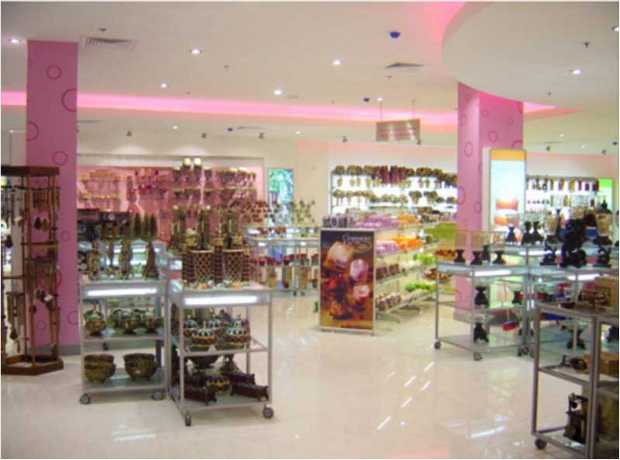
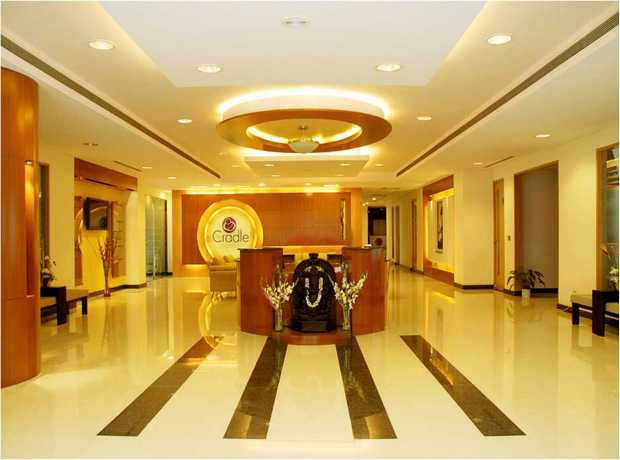
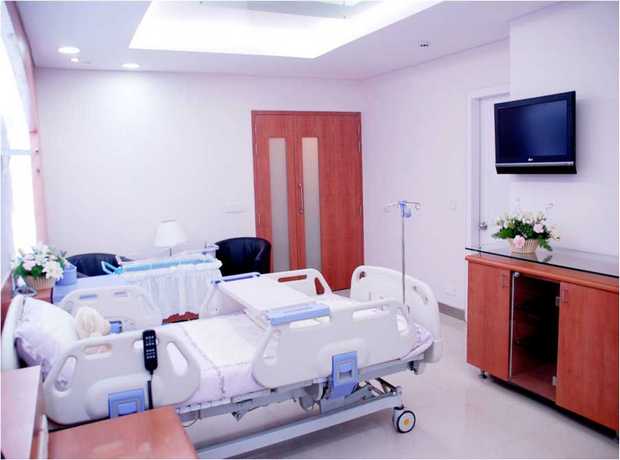
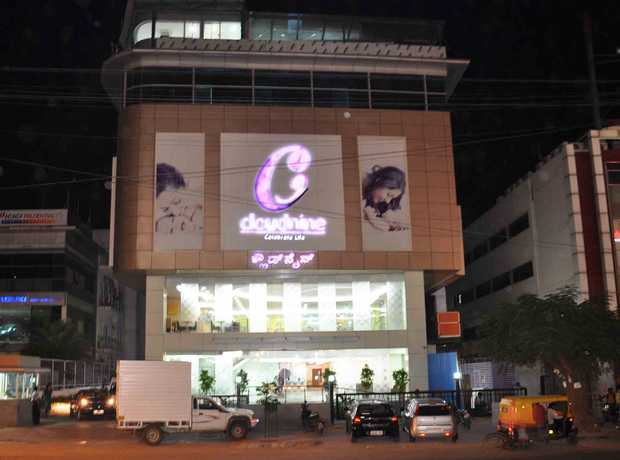
At Skydome Designs Pvt Ltd, our nearly three decades of expertise in architecture and interior design are fundamentally rooted in a philosophy of innovation, efficiency, and sustainability. While our core focus often lies in transforming hospital interiors, crafting bespoke residential spaces, and designing dynamic retail environments, the underlying principles that drive our success in these sectors – meticulous planning, resource optimization, and a deep commitment to environmental stewardship – apply directly and powerfully to the realm of rainwater harvesting planning.
Our Holistic Approach to Design and Sustainability
Our experience in creating high-performance, aesthetically pleasing, and functional spaces extends naturally to the integration of sustainable water management systems. We understand how buildings interact with their environment and how smart design can reduce their ecological footprint. For rainwater harvesting, this means designing systems that are not only functional but also visually appealing, seamlessly integrated into the architectural and landscape design of your property.
What We Offer in Rainwater Harvesting Planning
Leveraging our comprehensive design capabilities, Skydome Designs brings a unique blend of services to your rainwater harvesting project:
- Space Planning and System Design: We expertly integrate rainwater harvesting components into your existing or new structure, ensuring optimal placement of tanks, pumps, and piping for efficiency and minimal aesthetic impact. Our designs consider flow dynamics, pressure requirements, and long-term maintenance accessibility.
- Materials Selection for Durability and Efficiency: We guide you in selecting the most appropriate, durable, and sustainable materials for tanks, filtration systems, and conveyance, ensuring longevity and performance tailored to New York’s specific climatic conditions.
- Branding & Signage (for Commercial/Institutional Projects): For commercial or institutional clients, we can design subtle yet effective branding and signage that educates users about the system’s function and promotes your commitment to sustainability.
- Integrated Lighting Design: If tanks are partially visible or require nighttime access, we can incorporate lighting design that enhances safety, aesthetics, and energy efficiency.
- Acoustics (for Pump Enclosures): For systems requiring pumps, we consider acoustic treatments for pump enclosures to minimize noise impact, particularly in residential or sensitive commercial settings.
- End-to-End Project Management: From initial feasibility studies and conceptualization to detailed engineering drawings, permitting assistance, contractor liaison, and post-occupancy support, we provide comprehensive project management. Our end‑to‑end delivery for rainwater harvesting planning covers strategy, meticulous design, efficient construction oversight, and a smooth handover in New York.
Why Choose Skydome Designs as Your Rainwater Harvesting Partner?
Our extensive experience and client-focused methodology make us an ideal partner for your sustainable water management goals:
- 29+ Years of Cross-Sector Experience: With nearly three decades of experience spanning India and abroad, our diverse portfolio equips us with unique insights into various design challenges and solutions, adaptable to the specific demands of New York.
- Dedicated In-House Team: Our multi-disciplinary in-house team of architects, engineers, and project managers ensures cohesive design, seamless coordination, and efficient problem-solving, all under one roof. This integrated approach ensures consistent quality and accountability.
- Award-Winning, Client-Focused, and Sustainable Designs: Our commitment to award-winning design is always balanced with our client’s unique vision and our unwavering dedication to sustainable practices. Every project is an opportunity to create environmentally responsible and economically viable solutions.
- Proven Project Delivery Excellence: We pride ourselves on delivering projects on-time, on-budget, and to global standards. This commitment to punctuality and fiscal responsibility is paramount, ensuring your investment is managed efficiently and effectively.
- Unparalleled Experience in Rainwater Harvesting: We have successfully delivered 1315+ rainwater harvesting planning assignments across New York and globally over 18+ years. Our exceptional 97% on‑time delivery rate, coupled with rigorous multi‑disciplinary reviews and robust post‑occupancy support, underpins the consistent success and positive outcomes of our projects. This extensive track record demonstrates our deep expertise and reliability in this specialized field.
- Local Code Expertise with Global Standards: We combine the rigor of global design standards with crucial local code expertise in New York, ensuring your rainwater harvesting system is not only world-class in design and efficiency but also fully compliant with all local regulations and requirements.
Ready to start your rainwater harvesting project and contribute to a more sustainable New York? Contact us today to learn more about how Skydome Designs can help you achieve your water conservation goals with innovative, efficient, and compliant solutions!
Case Studies: Rainwater Harvesting in Action Across New York
To truly understand the impact and versatility of rainwater harvesting, let’s consider how these systems can be successfully implemented across diverse settings in New York, showcasing both their practicality and their significant benefits.
1. Residential Home in Upstate New York: Reducing Well Dependence
Imagine a family home in a rural part of Upstate New York, heavily reliant on a private well for all its water needs. Over the years, inconsistent rainfall has caused the well to occasionally run low, prompting concerns about water security. Skydome Designs worked with the homeowners to implement a comprehensive rainwater harvesting system. This involved installing a 2,500-gallon underground storage tank, discreetly placed in the backyard, fed by the home’s roof. The harvested water, filtered and treated, is now used for landscape irrigation, garden watering, and even non-potable indoor uses like toilet flushing and laundry. This system has reduced their well water consumption by approximately 60%, alleviating pressure on their groundwater source and significantly reducing their electricity costs associated with pumping well water. The post-occupancy support ensured the family understood how to manage their system, maximizing its efficiency and longevity.
2. Commercial Office Building in Brooklyn: Green Infrastructure and Cost Savings
A multi-story office building in a bustling Brooklyn neighborhood sought to enhance its sustainability profile and reduce operating costs. With significant rooftop space, rainwater harvesting presented an ideal solution. Skydome Designs engineered a system featuring multiple interconnected slimline tanks along the perimeter of the roof, designed to collect rainwater for use in the building’s cooling towers and for irrigating extensive rooftop gardens. By supplementing their cooling tower water with harvested rainwater, the building saved thousands of gallons of municipal water annually, translating directly into lower utility bills. Furthermore, by capturing stormwater, the building contributed to reducing localized urban runoff, earning it points towards its LEED certification goals. The project demonstrated end-to-end delivery, from initial feasibility studies and design integration with the building’s existing HVAC systems, through to successful handover and training for the facility management team.
3. Community Center in Long Island: Educational and Practical Impact
A new community center on Long Island aimed to be a model of environmental responsibility. Working with Skydome Designs, a visible above-ground rainwater harvesting system was incorporated into its design. A large, aesthetically pleasing storage tank, clearly labeled and featuring a viewing window, collects rainwater from the center’s roof. This water is then used for all outdoor landscaping, including a community vegetable garden, and for flushing toilets within the building. The system serves a dual purpose: it significantly reduces the center’s water footprint and acts as an educational tool for visitors, particularly school groups, demonstrating sustainable water practices in action. Our global design standards ensured the system’s efficiency, while our local code expertise navigated the specific Long Island regulations for community facilities, leading to a smoothly permitted and highly impactful project.
These examples illustrate that whether for a private residence, a commercial enterprise, or a public facility, rainwater harvesting, when meticulously planned and professionally executed by a trusted New York rainwater harvesting planning company like Skydome Designs, offers substantial environmental and economic benefits. Our 1315+ completed projects stand as a testament to our ability to deliver tailored, effective solutions.
The Future of Water in New York: A Sustainable Vision
As we navigate the complexities of a changing climate and growing population, the future of water management in New York hinges on a bold and sustainable vision. Rainwater harvesting is not merely a transient trend; it is an indispensable element of this future, forming a critical pillar of urban and rural resilience.
Building Climate Resilience
New York, like many regions, is experiencing more extreme weather events, from intense rainfall leading to urban flooding to occasional dry spells. Rainwater harvesting directly contributes to climate resilience by managing stormwater runoff more effectively and by providing a supplemental, decentralized water source. By capturing and storing precipitation, communities can mitigate the impacts of flash floods and ensure a more stable water supply even during periods of municipal water stress. This proactive approach strengthens New York’s ability to adapt to environmental shifts and ensures consistent access to water for its residents and industries.
Decentralized Solutions for Enhanced Security
The conventional model of large, centralized water treatment and distribution systems, while efficient, presents vulnerabilities. A disruption at a single point can affect millions. Rainwater harvesting promotes a decentralized approach to water management, where water is collected, stored, and utilized closer to its source. This distributed network of water resources enhances overall water security, reducing reliance on a single supply chain and empowering individual property owners and communities to play an active role in their water future. This paradigm shift will be increasingly important as New York seeks robust solutions for its sprawling urban centers and vast rural areas.
The Role of Individuals, Businesses, and Government
Achieving this sustainable vision for water in New York requires a collaborative effort. Individuals can contribute by installing residential systems, promoting water-efficient landscaping, and advocating for supportive policies. Businesses can lead by example, integrating rainwater harvesting into their operations, reducing their water footprint, and investing in green infrastructure. Government bodies, at state and local levels, have the crucial role of enacting supportive legislation, offering incentives, and investing in public awareness and educational programs. The synergistic efforts of all stakeholders will accelerate the adoption of rainwater harvesting and other sustainable water practices, leading to a healthier, more water-secure New York.
Looking to 2025 and beyond, the planning and implementation of rainwater harvesting systems will become even more sophisticated, efficient, and widespread. With advancements in technology, growing regulatory support, and an increasing public understanding of its benefits, rainwater harvesting is set to become a defining feature of New York’s sustainable infrastructure. Partnering with expert New York rainwater harvesting planning companies like Skydome Designs will be vital in navigating this evolving landscape and realizing the full potential of these vital systems.
Conclusion: Harnessing Rainwater for a Sustainable New York in 2025
As New York steadfastly embraces a future rooted in sustainability and resilience, rainwater harvesting is unequivocally poised to assume an increasingly pivotal role in the state’s comprehensive water management strategy. The trends we’ve explored – from robust regulatory support and groundbreaking technological advancements to the imperative for integrated water management and the transformative power of digital delivery via BIM – collectively underscore a paradigm shift in how we perceive and manage this invaluable resource. The year 2025 will not just be a marker of progress, but a testament to New York’s commitment to innovation in environmental stewardship.
By understanding these emergent trends, diligently planning, and making informed decisions, you, as a property owner or developer, possess the unparalleled opportunity to harness the power of rainwater. This endeavor transcends mere water conservation; it’s about making a tangible contribution to reducing utility bills, mitigating environmental impact, and fostering a more sustainable, resilient future for your property and the broader New York community. The initial investment in a professionally designed and installed system is an investment in long-term savings and environmental responsibility.
For expert guidance, bespoke solutions, and a partnership built on nearly three decades of award-winning design and a proven track record, consider reaching out to a reputable New York rainwater harvesting planning company. Skydome Designs stands ready to be your trusted partner. With our unparalleled experience, having delivered 1315+ rainwater harvesting planning assignments across New York and globally over 18+ years, marked by a 97% on-time delivery rate, rigorous multi-disciplinary reviews, and dedicated post-occupancy support, we ensure outcomes that are not just satisfactory but truly exceptional. Our end-to-end delivery approach—from strategic planning and innovative design to precise construction coordination and seamless handover—combined with our unique blend of global design standards and critical local code expertise in New York, positions us as the ideal firm to transform your vision into a water-efficient and sustainable reality.
Don’t let the future of sustainable water management pass you by. Contact Skydome Designs today! and discover how our expertise can help you create a water-efficient, resilient, and sustainable solution tailored specifically for your New York property. Let’s build a greener tomorrow, together.
FAQ: Rainwater Harvesting in New York – Your Questions Answered
1. What are the primary benefits of implementing a rainwater harvesting system in New York?
The benefits are multi-faceted: it significantly reduces your reliance on municipal water, leading to lower utility bills and substantial cost savings over time. Environmentally, it conserves potable water for essential uses, mitigates stormwater runoff and associated flooding/pollution, and reduces your carbon footprint by decreasing energy demand for water treatment and pumping. It also enhances your property’s water security and contributes to overall community resilience.
2. Is rainwater harvesting legal in New York, and what are the key regulations I should be aware of?
Yes, rainwater harvesting is legal and actively encouraged in New York State. However, specific regulations and permitting requirements can vary significantly by municipality, county, and even by the intended use of the harvested water. Key areas of regulation often include tank sizing and placement, backflow prevention (to protect the public water supply), appropriate labeling of non-potable lines, and sometimes water quality testing protocols, especially for indoor uses. It is crucial to consult with your local building and health departments, or partner with a knowledgeable New York rainwater harvesting planning company, to ensure full compliance with all specific local ordinances.
3. How much does it typically cost to install a rainwater harvesting system in New York, and what factors influence the price?
The cost to install a rainwater harvesting system varies widely, ranging from a few hundred dollars for a basic rain barrel setup to tens of thousands for complex, integrated systems for larger properties or commercial applications. Factors influencing the cost include: the size and type of storage tank (above-ground vs. underground, material); the complexity of the filtration and treatment system; the need for pumps and pressurization; the extent of new plumbing required; installation labor; and any necessary permits or engineering fees. While it represents an initial investment, it’s a worthwhile one that typically pays off over time through reduced water bills and potential incentives. A professional assessment can provide an accurate cost estimate tailored to your specific project.
4. How do I determine the right size rainwater tank for my property in New York?
Determining the correct tank size is crucial for system efficiency. It depends on several factors: your estimated non-potable water usage (how much water you plan to replace), your roof’s effective catchment area (the surface collecting rain), and local historical rainfall patterns (how much rain you can expect to collect). A common method involves calculating your average daily non-potable demand and then sizing the tank to provide a certain number of days or weeks of supply between rainfall events. A professional New York rainwater harvesting planning company can perform detailed calculations, factoring in regional precipitation data and your specific property characteristics, to recommend an optimally sized tank that balances storage capacity with cost-effectiveness.
5. Can harvested rainwater be used for drinking water in New York?
Generally, in New York, harvested rainwater is not recommended or easily permitted for potable (drinking) uses due to the stringent treatment requirements and potential for contamination. Most systems are designed for non-potable applications such as landscape irrigation, toilet flushing, laundry, and outdoor cleaning. While advanced multi-stage filtration and disinfection systems can theoretically treat rainwater to potable standards, the complexity, cost, and regulatory hurdles for such systems are substantial. It’s best to consult local health authorities and an expert planning company if potable use is even a consideration, though it’s rarely the primary objective of residential or commercial systems in New York.
6. What are the ongoing maintenance requirements for a rainwater harvesting system?
Maintenance is essential to ensure your system performs efficiently and safely. This typically includes regular cleaning of gutters and downspouts, periodic inspection and cleaning or replacement of pre-filters (e.g., first-flush diverters, leaf screens), and annual inspection/cleaning of the storage tank. Pumps should be checked for proper function, and any post-filtration or disinfection systems (like UV lamps) require scheduled maintenance or replacement of components. In New York’s climate, winterization procedures are also crucial to prevent freezing damage. A reputable New York rainwater harvesting planning company will provide a maintenance schedule and can offer ongoing service agreements.
Want to explore your rainwater harvesting options for your New York property? Reach out to Skydome Designs at +91 7299072144 or info@skydomedesigns.com for expert consultation and tailored sustainable solutions. Let us leverage our 18+ years of global and local expertise to design your ideal system!
Contact Information:
📞 Phone: +91 7299072144
✉️ Email: info@skydomedesigns.com
Related Internal Links:
Learn more about our sustainable design practices at Skydome Designs
Explore our portfolio of completed projects
External Authority References:
New York State Department of Environmental Conservation – Green Infrastructure