Jeddah, the Bride of the Red Sea, is not merely a city; it is a dynamic testament to Saudi Arabia’s ambitious Vision 2030. Amidst colossal new developments and smart city initiatives, the vital role of refurbishment projects is becoming increasingly pronounced. As we cast our gaze towards 2025, understanding the emerging and accelerating trends in refurbishment project management in Jeddah is not just advantageous but absolutely crucial for stakeholders, investors, and property owners seeking to thrive in this rapidly evolving market. This comprehensive article delves deep into the key factors shaping the future of refurbishment, offering expert insights and practical guidance to help you stay not just ahead, but at the forefront of this dynamic landscape.
The Kingdom’s strategic initiatives, coupled with a growing awareness of asset optimization and sustainability, are driving an unprecedented demand for modernizing existing infrastructure. Successful refurbishment goes far beyond mere renovation; it encompasses strategic upgrades that enhance functionality, aesthetics, and long-term value. For those operating within Jeddah’s vibrant real estate and construction sectors, embracing these transformative trends is paramount for maximizing return on investment (ROI), ensuring operational longevity, and contributing to the broader goals of Vision 2030.
The Evolving Landscape of Refurbishment Project Management in Jeddah: A Vision for Tomorrow
Jeddah is witnessing an extraordinary surge in refurbishment projects, a phenomenon propelled by multiple powerful forces. This city, a crucial economic and cultural hub, is proactively modernizing its urban fabric to meet the demands of a burgeoning population, evolving business needs, and the Kingdom’s overarching sustainability agenda. The emphasis on future-ready refurbishment project management is particularly focused on lowering lifecycle costs, making it a financially astute strategy for discerning property owners and developers.
The drivers behind this surge are multifaceted. Firstly, significant portions of Jeddah’s existing commercial, residential, and public infrastructure were built decades ago. These structures, while historically significant, often lack the technological capabilities, energy efficiency, and modern design aesthetics required by contemporary standards. Refurbishment offers a sustainable alternative to new construction, breathing new life into older assets and aligning them with global benchmarks for functionality and performance.
Secondly, Vision 2030’s ambitious targets for economic diversification, tourism, and quality of life are directly impacting the built environment. As Jeddah positions itself as a global destination and a regional business powerhouse, the demand for world-class facilities, hospitality venues, and modern workspaces escalates. Refurbishment plays a pivotal role in rapidly upgrading these spaces to international standards, attracting investment, and enhancing visitor experiences.
Finally, the growing global imperative for sustainable development has firmly taken root in Jeddah. Property owners and developers are increasingly recognizing the environmental and economic benefits of eco-friendly practices. This translates into refurbishment projects that prioritize energy efficiency, water conservation, waste reduction, and the use of sustainable materials, not just as a regulatory compliance measure but as a core value proposition. Therefore, embracing these trends is essential for maximizing ROI, ensuring long-term value, and contributing positively to Jeddah’s sustainable future.
Pillars of Progress: Key Trends Shaping Refurbishment in Jeddah for 2025
- Sustainability Prioritization: Jeddah is increasingly prioritizing eco-friendly practices. Expect a greater emphasis on using sustainable materials and energy-efficient designs in refurbishment projects.
- Digital Delivery & Advanced Technologies: The adoption of digital technologies like BIM (Building Information Modeling) is streamlining project management, improving collaboration, and enhancing efficiency.
- Cost Optimization and Value Engineering: Future-ready refurbishment project management emphasizes minimizing lifecycle costs.
- Adaptive Reuse and Heritage Preservation: A strategic approach to repurposing existing structures while respecting cultural heritage.
- Focus on Health, Well-being, and Occupant Experience: Designing spaces that prioritize human comfort, productivity, and health.
- Modular and Prefabricated Construction: Leveraging off-site construction for speed, quality, and waste reduction.
- Circular Economy Principles: Moving beyond linear “take-make-dispose” models to resource regeneration.



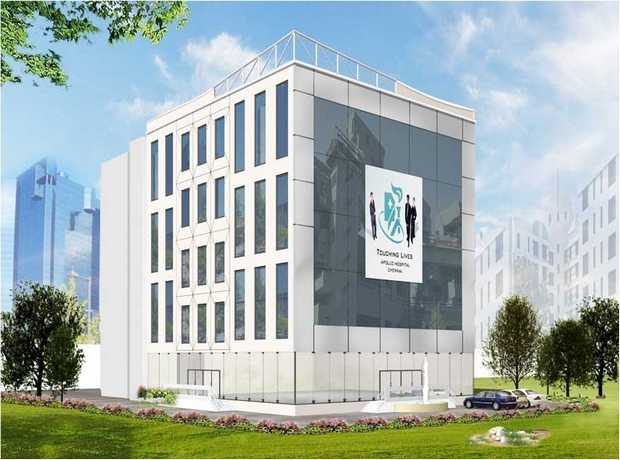
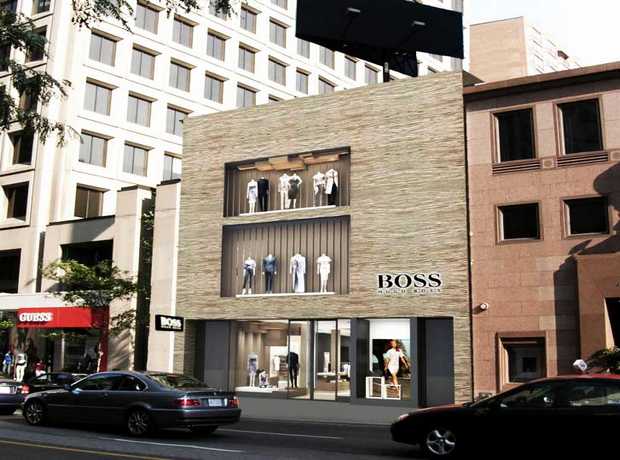
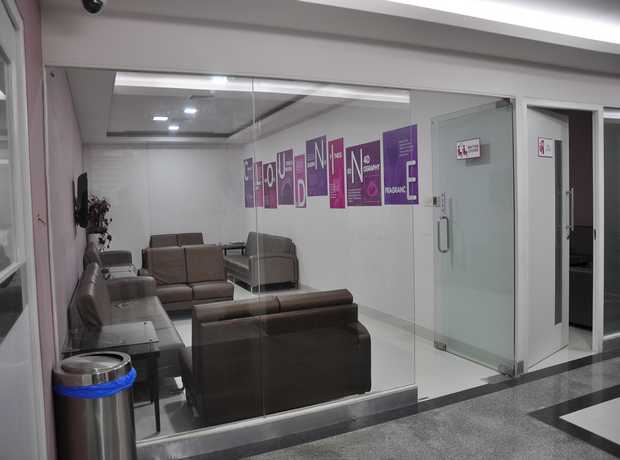
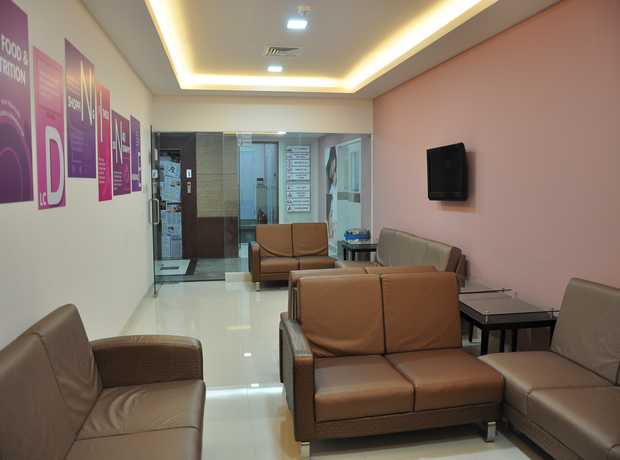
Detailed Exploration of Key Trends:
1. Sustainability Prioritization: Beyond Compliance, Towards Innovation
The Kingdom of Saudi Arabia’s commitment to sustainability, exemplified by the Saudi Green Initiative, is profoundly influencing the construction and refurbishment sectors in Jeddah. In 2025 and beyond, sustainability will not merely be an add-on but an intrinsic component of every refurbishment project’s DNA. This means a significant emphasis on:
- Energy Efficiency: Integrating advanced HVAC systems, high-performance insulation, smart lighting controls (LEDs, occupancy sensors), and potentially even on-site renewable energy generation (solar panels) to dramatically reduce operational energy consumption. The goal is to lower utility bills and reduce the carbon footprint.
- Water Conservation: Implementing low-flow fixtures, greywater recycling systems, and efficient irrigation for landscaping. Water scarcity is a critical concern, and intelligent water management is becoming a hallmark of sustainable refurbishment.
- Sustainable Material Selection: A shift towards locally sourced materials to reduce transportation emissions, recycled content materials (e.g., recycled steel, reclaimed wood), low Volatile Organic Compound (VOC) paints and finishes, and materials with long lifespans that require minimal maintenance.
- Waste Management and Recycling: Implementing robust construction and demolition waste management plans, diverting materials from landfills through recycling, reuse, and responsible disposal.
- Green Building Certifications: Increased pursuit of international certifications like LEED (Leadership in Energy and Environmental Design) or local equivalents, demonstrating a verifiable commitment to sustainable practices and enhancing property value.
2. Digital Delivery & Advanced Technologies: The Smart Evolution of Project Management
The digital transformation sweeping across industries is revolutionizing refurbishment project management in Jeddah. By 2025, the adoption of advanced technologies will be non-negotiable for competitive advantage:
- Building Information Modeling (BIM): Beyond 3D visualization, BIM is evolving into a comprehensive platform for project lifecycle management. It facilitates better collaboration among architects, engineers, contractors, and owners, enabling clash detection, precise quantity take-offs, scheduling optimization, and facility management integration from the outset of a refurbishment project. This reduces errors, saves time, and minimizes costly rework.
- Artificial Intelligence (AI) and Machine Learning (ML): AI is being deployed for predictive analytics in scheduling, risk assessment, budget forecasting, and even optimizing material procurement. ML algorithms can analyze vast datasets from past projects to identify patterns, predict potential delays, and suggest optimal solutions, leading to more efficient and reliable project outcomes.
- Internet of Things (IoT) & Smart Building Integration: Refurbishment projects are increasingly integrating IoT sensors for real-time monitoring of energy consumption, indoor air quality, security, and occupancy patterns. This data empowers building owners to make informed decisions for operational efficiency and occupant comfort.
- Virtual Reality (VR) and Augmented Reality (AR): VR allows clients to virtually walk through a proposed refurbished space before construction begins, aiding design decisions. AR can overlay digital models onto real-world job sites, assisting workers with installation, quality control, and identifying potential issues early.
- Cloud-based Project Management Software (PMIS): These platforms provide real-time access to project documents, schedules, budgets, and communication tools, fostering seamless collaboration among dispersed teams and stakeholders, crucial for complex refurbishment projects.
3. Cost Optimization and Value Engineering: Maximizing Every Investment
While often perceived as an expense, refurbishment is increasingly viewed as a strategic investment. In 2025, the focus will intensify on minimizing total lifecycle costs, not just initial capital expenditure:
- Lifecycle Costing (LCC): This approach considers all costs associated with a building’s entire lifespan – from acquisition, design, construction, and operation to maintenance, repair, and eventual disposal. Refurbishment decisions are made based on long-term value and operational savings, rather than just the lowest upfront cost.
- Value Engineering (VE): VE workshops will be standard practice, systematically analyzing project functions to achieve the required performance at the lowest possible lifecycle cost without compromising quality or essential features. This involves exploring alternative materials, systems, and construction methods.
- Smart Procurement Strategies: Leveraging bulk purchasing, establishing strong relationships with local suppliers to ensure timely delivery and competitive pricing, and utilizing predictive analytics to manage material inventories efficiently.
- Energy Performance Contracting: Exploring models where refurbishment costs are offset by guaranteed energy savings over time, making energy-efficient upgrades more financially viable.
4. Adaptive Reuse and Heritage Preservation: Blending Past with Future
Jeddah’s rich history, particularly its UNESCO World Heritage site of Al Balad, presents a unique challenge and opportunity. Refurbishment in 2025 will increasingly embrace adaptive reuse, transforming existing structures for new purposes while respecting their historical and architectural significance:
- Conservation of Cultural Identity: Preserving the unique aesthetic and structural elements of older buildings, integrating them thoughtfully with modern amenities and functionality.
- Sustainability Through Reuse: Reusing existing building shells significantly reduces the embodied energy and waste associated with new construction.
- Economic Revitalization: Adaptive reuse can breathe new economic life into historical districts, creating vibrant cultural and commercial hubs. This requires specialized expertise to navigate structural challenges, historical regulations, and the integration of modern building systems.
5. Focus on Health, Well-being, and Occupant Experience: Human-Centric Design
The pandemic has underscored the importance of healthy indoor environments. Future refurbishment projects will prioritize occupant well-being:
- Biophilic Design: Integrating natural elements like plants, natural light, views of nature, and natural materials to connect occupants with the outdoor environment, proven to reduce stress and enhance productivity.
- Enhanced Indoor Air Quality (IAQ): Specifying advanced air filtration systems, optimizing ventilation, and selecting low-VOC materials to minimize pollutants and allergens.
- Acoustic Comfort: Designing spaces with effective sound insulation and absorption to reduce noise pollution, improving concentration and communication.
- Ergonomics and Flexible Spaces: Creating adaptable layouts that cater to diverse needs and activities, promoting comfort and flexibility in how spaces are used.
6. Modular and Prefabricated Construction: Efficiency and Precision
Off-site construction methods are gaining traction for refurbishment projects, offering significant advantages:
- Speed and Reduced Disruption: Modules (e.g., bathroom pods, kitchen units, office partitions) are manufactured off-site simultaneously with on-site preparation, drastically reducing project timelines and minimizing disruption to existing operations, which is crucial for operational businesses undergoing refurbishment.
- Quality Control: Factory-controlled environments lead to higher precision and quality standards, reducing defects.
- Waste Reduction: Efficient manufacturing processes in a controlled environment lead to less material waste.
- Safety: A significant portion of work is moved from a potentially hazardous construction site to a safer factory setting.
7. Circular Economy Principles: A Paradigm Shift
Moving beyond traditional linear economic models, the circular economy focuses on minimizing waste and maximizing resource utility. In refurbishment, this means:
- Designing for Disassembly: Choosing materials and construction methods that allow for easy deconstruction and reuse or recycling at the end of a product’s or building element’s life.
- Material Passports: Documenting the materials used in a refurbishment, making it easier to identify and recover them for future use.
- Resource Recovery: Actively seeking to reuse existing building components and materials from demolition, reducing the demand for virgin resources and minimizing landfill waste.
Navigating the Complexities: Finding the Right Jeddah Refurbishment Project Management Company
The successful execution of refurbishment projects in Jeddah, particularly those integrating the complex trends outlined above, hinges critically on selecting the right project management partner. This decision is paramount, as the chosen company will be responsible for navigating local regulations, cultural nuances, intricate logistical challenges, and the seamless integration of advanced technologies and sustainable practices. A partner with deep local expertise is invaluable for ensuring compliance, efficiency, and a truly impactful outcome.
When searching for a Jeddah refurbishment project management company, their experience, proven expertise, and an impeccable track record become non-negotiable criteria. You need a partner who not only understands the theoretical aspects of these trends but has practically implemented them with demonstrable success. Look for a company that demonstrates a deep understanding of local regulations, a sensitivity to cultural contexts, and a proactive embrace of emerging trends in design, technology, and sustainability. Their ability to deliver complex projects on time and within budget, while maintaining high standards of quality, speaks volumes about their capability.
Skydome Designs stands as a preeminent example of such a partner. We have diligently delivered 216+ refurbishment project management assignments across Jeddah and globally over an impressive 24+ years. This extensive experience is underscored by an exceptional 99% on-time delivery rate, a testament to our meticulous planning, rigorous execution, and unwavering commitment to client success. Our approach integrates multi-disciplinary reviews and proactive post-occupancy support, ensuring that project outcomes are not just immediate successes but enduring assets that continue to deliver value long after handover.
Ready to transform your space with unparalleled expertise? Our award-winning team is equipped to navigate every facet of your project. Contact Skydome Designs today at +91 7299072144 or email info@skydomedesigns.com to discuss your refurbishment project needs and experience 99% on-time delivery backed by 24+ years of global excellence.
Essential Qualities to Seek in a Refurbishment Partner:
- Proven Experience in Refurbishment Project Management in Jeddah: Look for a company with a documented history of successfully completed projects specifically in Jeddah. This demonstrates their understanding of the local market dynamics, supply chains, labor force, and unique regulatory environment. Experience with diverse project types (commercial, retail, hospitality, residential) is a strong indicator of versatility and depth of knowledge.
- A Strong Understanding of Local Regulations and Building Codes: Navigating Jeddah’s municipal approvals, building permits, safety standards, and environmental regulations can be complex and time-consuming. An expert partner will have established relationships with local authorities and an up-to-date knowledge base to ensure seamless compliance and avoid costly delays.
- Expertise in Sustainable Design and Construction Practices: Given the rising importance of sustainability, ensure your partner can demonstrate a commitment to green building. This includes knowledge of sustainable materials, energy-efficient systems, waste reduction strategies, and potentially experience with LEED or other green building certifications.
- Proficiency in Digital Project Management Tools and Technologies: The ability to leverage tools like BIM, cloud-based PM software, and data analytics is crucial for modern project efficiency. A partner proficient in these technologies can offer better visualization, collaboration, risk mitigation, and real-time project tracking.
- Transparent Cost Structures and Milestone-Based Reporting: Financial clarity is paramount. Look for a company that provides detailed, transparent cost breakdowns, avoids hidden fees, and offers clear, milestone-based progress reports. This ensures you have full visibility into your investment and enables effective decision-making throughout the project lifecycle.
- Multi-disciplinary Approach and Post-Occupancy Support: A truly comprehensive partner offers more than just construction oversight. They should provide integrated services from initial strategy and design through to handover and crucial post-occupancy support, ensuring the long-term success and functionality of your refurbished space. This holistic view minimizes fragmentation and fosters a more cohesive project delivery.
Skydome Designs: Your Strategic Partner for Exceptional Refurbishment in Jeddah
At Skydome Designs, we pride ourselves on being more than just a project management company; we are your strategic partners, dedicated to realizing your vision with precision, innovation, and unwavering commitment. With nearly 30 years of experience, our expertise in refurbishment project management in Jeddah is unmatched, consistently delivering innovative, sustainable, and highly functional spaces that profoundly enhance experiences and operational efficiency. Our extensive track record includes 216+ successful projects across Jeddah and globally, with a remarkable 99% on-time delivery rate, underscoring our reliability and commitment to excellence.
Our award-winning team brings together a diverse group of architects, designers, engineers, and project managers, all united by a shared passion for creating exceptional built environments. This multi-disciplinary approach ensures that every aspect of your refurbishment project, from initial concept to final handover, is meticulously planned and expertly executed. We understand that transparent costs and milestone-based reporting are vital for client confidence and effective project oversight, which is why we uphold these principles in every assignment in Jeddah.
Skydome Designs offers end-to-end delivery for refurbishment project management — covering every critical phase from initial strategy and conceptual design to meticulous construction and seamless handover in Jeddah. Our integrated services ensure a cohesive and efficient process, minimizing complexities and maximizing value for our clients. We don’t just manage projects; we craft spaces that inspire, function flawlessly, and endure.
Partner with Skydome Designs, an award-winning team with a proven 99% on-time delivery record over 24+ years in Jeddah and globally. Let us transform your vision into a landmark reality, from strategy to handover. Contact us today at +91 7299072144 or info@skydomedesigns.com for a comprehensive consultation on your refurbishment project.
Our Comprehensive Refurbishment Project Management Services:
Our holistic approach ensures that every element of your refurbishment project is expertly managed and executed:
- Strategic Planning & Feasibility Studies: We begin with a deep dive into your project goals, conducting thorough feasibility studies, site analysis, and budget assessments to lay a solid foundation for success. This includes ROI analysis and risk assessments to ensure your investment is sound.
- Space Planning & Functional Design: Effective space planning is crucial for maximizing the functionality, flow, and aesthetics of your refurbished space. Our experts meticulously consider how the space will be used, optimizing layouts for improved workflow, enhanced user experience, and future adaptability. We focus on creating flexible, ergonomic designs that meet both current and future needs.
- Innovative Lighting Design: Lighting design plays a significant role in creating the right ambiance, enhancing visual comfort, and improving the overall appeal of the space. We develop integrated lighting solutions that are energy-efficient (e.g., smart LEDs), visually appealing, and appropriate for the intended use, incorporating natural daylighting and smart controls for optimal performance and sustainability.
- Cohesive Branding & Signage Strategies: Effective branding & signage is essential for creating a cohesive and recognizable identity for your business or organization. We ensure that your brand identity is consistently and powerfully represented throughout the refurbished space, with clear, informative, and visually appealing signage that also aids in intuitive wayfinding. This includes both static and dynamic digital signage solutions.
- Sustainable Materials Selection: The choice of materials selection significantly impacts the durability, aesthetics, sustainability, and long-term maintenance of the refurbished space. We guide you in selecting high-quality, environmentally friendly, and locally sourced materials that are appropriate for the intended use, ensuring longevity and adherence to green building principles.
- Regulatory Compliance & Permitting Management: Navigating the intricate web of local regulations, building codes, and permitting processes in Jeddah can be daunting. Our team manages all aspects of regulatory compliance, ensuring all necessary approvals are secured efficiently, minimizing delays, and mitigating risks.
- Budget Development & Cost Control: We develop detailed project budgets and implement stringent cost control measures throughout the project lifecycle. Our transparent reporting ensures you have full visibility, and our value engineering approach seeks efficiencies without compromising quality.
- Construction Supervision & Quality Assurance: Our experienced project managers provide continuous on-site supervision, ensuring that construction work adheres to design specifications, quality standards, and safety protocols. We conduct regular inspections and quality checks to guarantee excellence.
- Risk Management & Mitigation: Proactive identification and mitigation of potential risks are central to our project management philosophy. We develop comprehensive risk management plans to address potential challenges, from budget overruns and schedule delays to unforeseen site conditions.
- Post-Occupancy Support & Evaluation: Our commitment extends beyond project handover. We provide crucial post-occupancy support, addressing any operational issues and conducting evaluations to ensure the refurbished space meets long-term performance expectations and continues to deliver value. This underpins our promise of sustained outcomes.
Skydome Designs is your trusted Jeddah interior experts for strategic planning, space planning, lighting design, branding & signage, and materials selection.
Essential Elements for Orchestrating Successful Refurbishment Projects
A truly successful refurbishment project transcends mere renovation; it requires a symphony of careful planning, meticulous execution, and an unwavering focus on quality, all orchestrated by expert project management. Integrating the trends discussed earlier, here are the expanded key elements critical for success in Jeddah’s competitive market:
1. Space Planning and Design Excellence: Crafting Intentional Environments
At the heart of any refurbishment lies intelligent space planning. This involves a deep understanding of the occupants’ needs, workflow, and desired experience. Beyond just aesthetics, effective space planning creates functional, efficient, and inspiring environments. Key considerations include:
- User-Centric Approach: Designing spaces that genuinely cater to the end-users – whether it’s employees in an office, guests in a hotel, or residents in a home – improving comfort, productivity, and satisfaction.
- Flexibility and Adaptability: Creating layouts that can evolve with future needs. Modular components, movable partitions, and versatile furniture allow spaces to be reconfigured easily, future-proofing your investment.
- Ergonomics and Workflow Optimization: Ensuring that the layout facilitates seamless movement and efficient task execution, reducing friction and enhancing operational efficiency.
- Aesthetics vs. Functionality: Striking the perfect balance between visual appeal and practical utility. A beautiful space that doesn’t function well is a wasted investment.
2. Innovative Lighting Design: Shaping Mood and Maximizing Efficiency
Often underestimated, lighting design is a powerful tool in refurbishment. It influences mood, productivity, safety, and energy consumption. Modern refurbishment emphasizes holistic and intelligent lighting solutions:
- Daylighting Integration: Maximizing the use of natural light through strategic window placement, skylights, and light shelves reduces the reliance on artificial lighting and enhances occupant well-being.
- Smart Lighting Controls: Implementing sensors for occupancy, daylight harvesting, and automated dimming systems to optimize energy use and adapt to changing conditions.
- Layered Lighting: Utilizing a combination of ambient (general illumination), task (for specific activities), and accent (to highlight features) lighting to create versatile and visually rich environments.
- Wellness Aspects: Considering the impact of lighting on circadian rhythms, using tunable white lighting to mimic natural light cycles and promote occupant health and comfort.
3. Cohesive Branding & Signage Strategies: Communicating Identity
In commercial and public refurbishment, branding and signage are more than just wayfinding; they are integral to telling your story and reinforcing your identity within the physical space:
- Brand Storytelling: Ensuring that the design elements, materials, colors, and layout all subtly or overtly communicate your brand’s values and identity, creating a memorable experience.
- Intuitive Wayfinding Systems: Clear, consistent, and well-placed signage helps visitors navigate the space effortlessly, reducing confusion and enhancing the user experience.
- Digital Signage Integration: Incorporating dynamic digital screens for information dissemination, advertising, or interactive experiences, offering flexibility and modern appeal.
- Exterior & Interior Integration: Ensuring a seamless brand experience from the moment a person approaches the building to their journey through its interior, creating a unified and professional image.
4. Sustainable Materials Selection: Durability Meets Responsibility
The choice of materials is a critical decision impacting aesthetics, durability, and the environmental footprint of your refurbishment project. Future-focused projects prioritize sustainability without compromising quality:
- Lifecycle Impact: Evaluating materials not just on their initial cost but on their embodied energy (energy consumed in production), durability, maintenance requirements, and end-of-life disposal or recyclability.
- Local Sourcing: Prioritizing materials produced locally reduces transportation emissions, supports local economies, and ensures easier procurement.
- Durability and Maintenance: Selecting materials known for their longevity and ease of maintenance minimizes the need for frequent replacements and ongoing costs, aligning with lifecycle cost optimization.
- Health Considerations: Opting for materials that are low in VOCs (Volatile Organic Compounds) and free from harmful chemicals to ensure a healthy indoor environment for occupants.
5. Robust Budget Management and Financial Acumen: The Fiscal Blueprint for Success
Effective financial oversight is the backbone of any successful refurbishment. It involves more than just tracking expenses; it’s about strategic planning and proactive management:
- Detailed Cost Estimates: Developing comprehensive, accurate initial cost estimates that cover all aspects of the project, including design, materials, labor, permits, and contingencies.
- Contingency Planning: Allocating a realistic contingency fund (typically 10-15% of the total budget) to absorb unexpected costs, avoiding budget overruns.
- Value Engineering in Practice: Continuously evaluating design choices and material selections to identify cost efficiencies without sacrificing quality, function, or aesthetic appeal.
- Return on Investment (ROI) Analysis: Justifying the refurbishment expenditure by demonstrating the tangible benefits, such as increased property value, reduced operational costs, enhanced tenant satisfaction, or improved business productivity.
6. Rigorous Regulatory Compliance and Permitting: Navigating the Legal Landscape
Operating in Jeddah requires a deep understanding and strict adherence to local regulations, building codes, and permitting processes. Failure to comply can lead to significant delays, penalties, and rework:
- Deep Understanding of Jeddah’s Building Codes: Staying abreast of all relevant local construction, safety, and environmental regulations and ensuring that designs and construction methods comply.
- Proactive Engagement with Authorities: Establishing good relationships with municipal bodies and regulatory agencies to streamline the approval process and address any potential issues early.
- Documentation and Approvals Management: Meticulously managing all required documentation, submissions, and approvals, ensuring that the project remains on track legally and administratively.
7. Comprehensive Risk Management: Anticipating and Mitigating Challenges
Every refurbishment project, regardless of size, carries inherent risks. A proactive approach to risk management is essential to minimize potential negative impacts:
- Identifying Potential Risks: Systematically identifying all possible risks, including budget overruns, schedule delays, unforeseen site conditions (e.g., structural issues, hazardous materials), supplier issues, labor shortages, and regulatory changes.
- Mitigation Strategies: Developing clear strategies to minimize the likelihood and impact of identified risks, such as detailed contractual agreements, comprehensive insurance, robust contingency plans, and alternative supplier arrangements.
- Proactive Monitoring and Rapid Response: Continuously monitoring project progress for early warning signs of risks materializing and having protocols in place for swift and effective responses.
8. Effective Stakeholder Communication and Collaboration: The Human Element
Refurbishment projects involve numerous stakeholders – clients, designers, contractors, suppliers, occupants, and regulators. Clear, consistent, and collaborative communication is vital:
- Regular Updates: Providing timely and transparent progress reports, financial updates, and addressing any concerns or changes promptly.
- Collaborative Platforms: Utilizing digital platforms that allow all stakeholders to access project information, share feedback, and communicate in real-time, fostering a sense of shared ownership.
- Conflict Resolution: Establishing clear channels and processes for addressing disagreements or issues, ensuring that conflicts are resolved efficiently and professionally to maintain project momentum.
9. Unwavering Quality Control and Assurance: Ensuring Excellence
Quality is non-negotiable. Robust quality control measures throughout the project lifecycle ensure that the final outcome meets or exceeds expectations:
- Inspection Protocols: Implementing rigorous inspection schedules and checklists at every phase of the project, from material delivery to installation and finishing.
- Adherence to Specifications: Ensuring that all materials and workmanship strictly adhere to the project specifications, design drawings, and relevant industry standards.
- Testing and Commissioning: Thoroughly testing all new or upgraded systems (e.g., HVAC, electrical, plumbing, smart building technologies) to verify their performance and functionality before handover.
10. Post-Occupancy Evaluation and Sustained Support: The Long-Term Vision
The project doesn’t end at handover. Long-term success is measured by how the refurbished space performs over time. This is where post-occupancy support becomes invaluable:
- Feedback Loops: Conducting post-occupancy evaluations to gather feedback from users on comfort, functionality, and performance, providing valuable insights for future projects.
- Warranty Management: Managing warranties for materials and installations, ensuring any post-handover issues are promptly addressed by the relevant parties.
- Long-Term Maintenance Plans: Providing clients with comprehensive maintenance schedules and guidelines to ensure the longevity of the refurbishment and optimize operational costs. Skydome Designs’ commitment to “post-occupancy support” underscores this critical element.
Conclusion: Embracing a Transformative Future for Refurbishment in Jeddah
The landscape of refurbishment project management in Jeddah is experiencing an exhilarating transformation, driven by an unwavering commitment to sustainability, the accelerating pace of digital innovation, and a strategic focus on comprehensive cost optimization. As we move towards 2025, the success of any refurbishment endeavor will be intrinsically linked to how effectively these crucial trends are understood, embraced, and implemented. The future belongs to those who view refurbishment not as a simple update, but as a strategic opportunity to create intelligent, sustainable, and highly valuable assets.
Navigating this dynamic environment demands more than just conventional construction expertise; it requires a seasoned partner with a deep understanding of local nuances, global best practices, and a proven track record of delivering complex projects with precision and excellence. By understanding these pivotal trends and strategically partnering with an experienced Jeddah refurbishment project management company like Skydome Designs, you can confidently ensure the success and enduring impact of your next refurbishment project. Our commitment to transparent processes, milestone-based reporting, and an award-winning team ensures that your vision is not just met but exceeded.
Embrace the future of refurbishment with confidence. Skydome Designs is your premier partner, offering nearly three decades of expertise, an award-winning team, and a remarkable 99% on-time delivery rate across 216+ projects globally and in Jeddah. We specialize in providing end-to-end delivery for refurbishment project management—from initial strategy and innovative design to meticulous construction and seamless handover. Our multi-disciplinary reviews and post-occupancy support are designed to underpin long-term, successful outcomes for every client. Get a free consultation for your refurbishment project in Jeddah today. Contact Skydome Designs at +91 7299072144 or email info@skydomedesigns.com. Let us turn your vision into a landmark reality.
FAQ: Refurbishment Project Management in Jeddah
What are the key trends in refurbishment project management in Jeddah for 2025?
Key trends include prioritizing sustainability (energy efficiency, sustainable materials, waste management), adopting advanced digital delivery methods (BIM, AI, IoT, VR/AR), focusing on comprehensive cost optimization and value engineering, embracing adaptive reuse, emphasizing health and well-being, utilizing modular construction, and implementing circular economy principles throughout the project lifecycle.
How do I choose the right refurbishment project management company in Jeddah?
Look for a company with proven, extensive experience in Jeddah, a strong understanding of local regulations and cultural nuances, demonstrated expertise in sustainable and digital practices, a multi-disciplinary team, transparent cost structures, milestone-based reporting, and robust post-occupancy support. Skydome Designs, with 24+ years of experience and 216+ projects globally and in Jeddah, embodies these qualities.
What are the benefits of using a professional refurbishment project management company like Skydome Designs?
Benefits include streamlined project execution, access to specialized expertise in design, engineering, and sustainability, significant cost savings through value engineering and efficient procurement, reduced risks associated with complex projects, assured quality control, and improved project outcomes that enhance long-term asset value. Skydome Designs offers end-to-end delivery for refurbishment project management—strategy, design, construction and handover in Jeddah—with a 99% on-time delivery rate.
How does Skydome Designs ensure project delivery on time and within budget?
Skydome Designs achieves this through meticulous strategic planning, detailed budget development, robust risk management, transparent milestone-based reporting, proactive multi-disciplinary reviews, continuous on-site supervision for quality assurance, and the effective use of digital project management tools. Our 24+ years of experience and 99% on-time delivery record attest to our rigorous processes.
What is BIM and how does Skydome Designs utilize it in refurbishment projects?
BIM (Building Information Modeling) is a digital representation of physical and functional characteristics of a facility. Skydome Designs utilizes BIM to create comprehensive 3D models that integrate design, structural, and MEP information. This facilitates better collaboration, clash detection, accurate quantity take-offs, optimized scheduling, and supports lifecycle management, leading to greater efficiency and fewer errors in refurbishment projects.
What types of refurbishment projects does Skydome Designs handle in Jeddah?
Skydome Designs undertakes a wide range of refurbishment projects, including commercial offices, retail spaces, hospitality venues (hotels, restaurants), residential properties, and public facilities. Our multi-disciplinary expertise allows us to adapt to diverse project scopes and complexities, delivering innovative and sustainable solutions across various sectors.
How can I ensure my refurbishment project is sustainable in Jeddah?
To ensure sustainability, incorporate energy-efficient designs (HVAC, lighting), utilize sustainable and locally sourced materials, implement robust waste reduction and recycling strategies, integrate water conservation systems, and consider pursuing green building certifications. Partnering with a company like Skydome Designs, which has deep expertise in sustainable building practices, is crucial for integrating these elements effectively from strategy to handover.
What is post-occupancy support, and why is it important for refurbishment?
Post-occupancy support refers to the services provided after a project is completed and the space is occupied. This includes addressing any latent issues, providing maintenance guidance, and evaluating the building’s performance to ensure it meets its intended goals and continues to function optimally. It is vital for long-term satisfaction, operational efficiency, and extending the lifespan of the refurbished asset. Skydome Designs’ commitment to post-occupancy support ensures enduring value for our clients.