Embarking on a renovation or adaptive upgrade project in the vibrant metropolis of Los Angeles is an endeavor filled with exciting possibilities and transformative potential. Whether you are envisioning a modernized home, a re-imagined commercial space, or an innovative adaptive reuse project, the journey requires meticulous planning, a deep understanding of local regulations, and a commitment to quality that stands the test of time. While the prospect of revitalizing a space is inspiring, navigating the complex landscape of permits, building codes, sustainable practices, and technological integration can feel overwhelming for even the most seasoned property owner or developer. That’s precisely why we’ve meticulously crafted this comprehensive, future-focused checklist. Our goal is to guide you through every critical step of the process, ensuring not just compliance with the stringent standards of Los Angeles in 2025, but also delivering a space that boasts unparalleled quality, enduring functionality, and advanced sustainability. This guide is an invaluable resource, whether you’re a homeowner seeking to enhance your living environment, a property developer aiming for market-leading projects, or a business owner looking to optimize your operational footprint. At Skydome Designs, we bring decades of unparalleled expertise to the table, having successfully delivered 656+ renovation and adaptive upgrades assignments across Los Angeles and globally over 29+ years. Our profound experience positions us as your ideal partner, capable of transforming your vision into a compliant, high-quality, and future-ready reality. Contact us to know more and leverage our proven track record.
Understanding Renovation and Adaptive Upgrades in Los Angeles
Los Angeles stands at the forefront of urban evolution, a city that not only embraces innovation but actively champions sustainability and progressive urban development. In this dynamic environment, renovation and adaptive upgrade projects are far more than mere aesthetic enhancements; they are increasingly focused on creating spaces that are not only visually appealing but also intrinsically environmentally responsible, highly functional, and technologically advanced. This critical shift includes a robust emphasis on incorporating sustainable materials, implementing cutting-edge energy-efficient systems, integrating smart home and building technologies, and optimizing spaces for both current and future needs. The distinction between renovation and adaptive upgrades is important:
- Renovation: Typically involves restoring, modernizing, or improving an existing structure without significantly altering its original purpose or structural integrity. This could range from kitchen and bathroom remodels to full interior overhauls.
- Adaptive Upgrades (or Adaptive Reuse): This goes a step further, often involving a change in the building’s original function. For example, converting an old warehouse into residential lofts, a commercial office building into a mixed-use development, or a historic building into a contemporary art gallery. Adaptive reuse is particularly vital in Los Angeles, where preserving architectural heritage meets the urgent need for new housing and commercial spaces without sprawling further into undeveloped land.
Both renovation and adaptive upgrades contribute significantly to the city’s growth, preserving its character while propelling it towards a more sustainable and technologically integrated future. They represent an opportunity to not just build anew, but to intelligently evolve existing infrastructure. Contact Skydome Designs for end‑to-end delivery for renovation and adaptive upgrades — strategy, design, construction and handover in Los Angeles.
Why are Checklists Essential for Los Angeles Renovations?
In a city as complex and regulated as Los Angeles, a well-structured and comprehensive checklist is not merely a convenience; it is an indispensable tool for project success. Its importance cannot be overstated for several compelling reasons:
- Compliance: Los Angeles operates under a sophisticated web of building codes, zoning ordinances, historical preservation mandates, and environmental regulations. A detailed checklist acts as your primary safeguard, ensuring that every facet of your project aligns with these legal requirements, thereby avoiding costly penalties, delays, or even project cessation. It ensures you proactively address all local, state, and federal guidelines.
- Quality Control: The checklist serves as a consistent benchmark for quality throughout the entire project lifecycle. It provides clear standards for materials, workmanship, and finishes, preventing costly errors, minimizing the need for rework, and ultimately ensuring the final product meets or exceeds expectations. This meticulous approach guarantees a superior outcome.
- Efficiency: By breaking down the complex renovation process into manageable, sequential steps, a checklist dramatically streamlines operations. It optimizes resource allocation, enhances coordination among various trades and teams, and identifies potential bottlenecks early, saving both invaluable time and financial resources.
- Risk Management: Proactive identification of potential risks and challenges is paramount. A checklist enables you to foresee issues ranging from material availability to unforeseen structural problems, allowing for timely and effective mitigation strategies before they escalate into significant setbacks. This forward-thinking approach minimizes disruptions.
- Cost Savings: By preventing errors, ensuring compliance, and improving efficiency, a comprehensive checklist indirectly leads to significant cost savings. Avoiding fines, rework, and delays directly impacts the project budget positively, ensuring funds are utilized effectively.
- Peace of Mind: For homeowners and developers alike, a renovation project can be a source of stress. A detailed checklist provides a clear roadmap, empowering you with confidence and transparency, knowing that every crucial detail is being addressed. It fosters a sense of control and reduces anxiety.

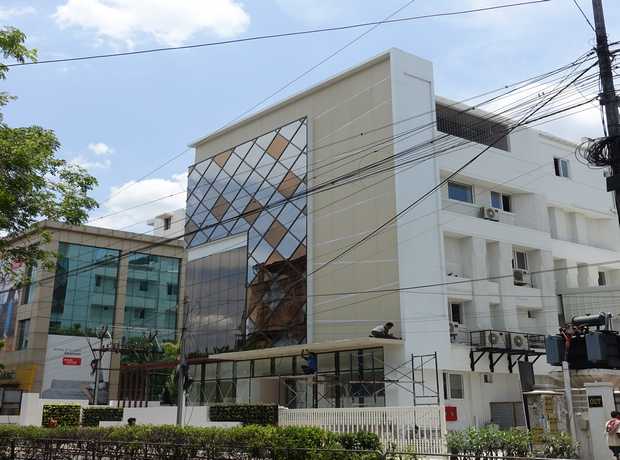
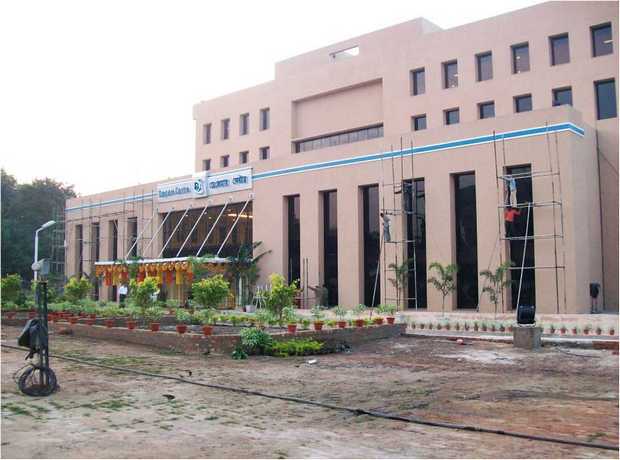
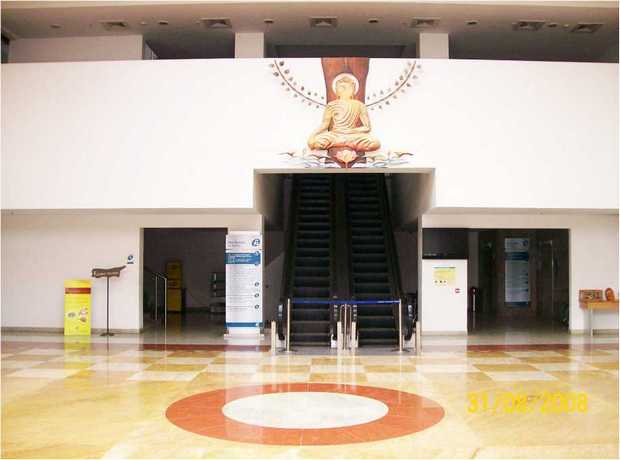
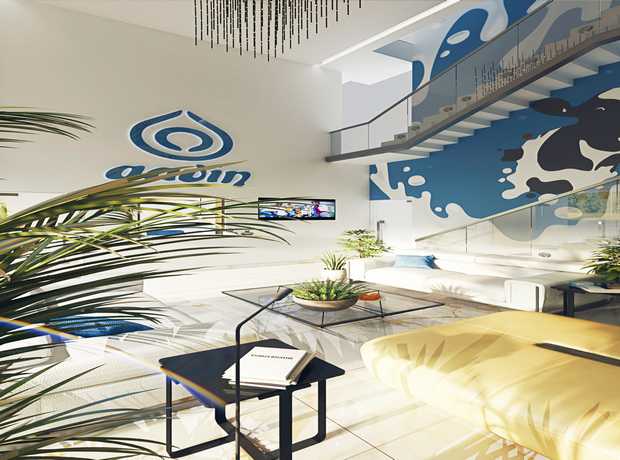
Key Areas for Your Los Angeles Renovation and Adaptive Upgrades Checklist
Here’s a breakdown of the essential areas to consider when creating your renovation and adaptive upgrades checklist for Los Angeles projects, expanded to provide the depth required for comprehensive planning and execution:
1. Planning and Design: Laying the Groundwork for Success
This foundational phase is arguably the most critical, as it sets the entire trajectory for a successful project. Meticulous planning and thoughtful design at this stage mitigate future complications and optimize outcomes. This involves:
- Defining Project Scope and Goals: Begin by clearly articulating what you want to achieve. Is it a minor aesthetic update, a significant structural change, or a complete adaptive reuse? What are your functional needs, desired aesthetic, and long-term objectives? Clearly outline the specific goals and deliverables of the renovation, distinguishing between “must-haves” and “nice-to-haves.” Consider phased approaches for larger projects.
- Establishing a Realistic Budget: This is more than just an estimate; it’s a financial blueprint. Establish a comprehensive budget that meticulously accounts for all anticipated costs. This includes hard costs (materials, labor, demolition, construction), soft costs (architectural and engineering fees, permit fees, surveys, legal fees, insurance), and, crucially, a significant contingency fund (typically 10-20% of the total budget) for unforeseen expenses. Explore financing options and understand the return on investment.
- Space Planning and Optimization: Los Angeles properties often come with unique space challenges. Skydome Designs excels in innovative space planning solutions, focusing on optimizing every square foot to meet your current and evolving needs. This involves analyzing traffic flow, functional zones, storage requirements, and potential for multi-functional areas. Consider modern trends like open-concept living, biophilic design (integrating nature), and maximizing natural light and views. Ensure accessibility requirements (ADA compliance) are considered from the outset.
- Design Development and Architectural Vision: Collaborate with experienced architects and designers to translate your ideas into detailed, actionable plans. This includes conceptual sketches, 2D floor plans, elevations, and increasingly, 3D renderings and virtual walkthroughs that allow you to visualize the finished space. Incorporate your aesthetic preferences while ensuring structural integrity and functional requirements are met. Consider the architectural style that best suits the existing structure and neighborhood context.
- Materials Selection: The choice of materials impacts not only aesthetics but also durability, performance, cost, and environmental footprint. Select materials that are not only aesthetically appropriate for your design but are also durable, sustainable, healthy (low VOCs), and ideally, locally sourced to reduce transportation emissions. Consider the lifecycle costs of materials, not just the upfront expense. Skydome Designs can guide you with the right materials selection and sustainable solutions.
- Lighting Design: Effective lighting is transformative. Plan for adequate and energy-efficient lighting to enhance the functionality, ambiance, and safety of the space. This involves maximizing natural light through strategic window placement and skylights, and designing a layered artificial lighting scheme (ambient, task, accent) using LED technology. Consider consulting Los Angeles interior experts for professional lighting design that elevates the entire project.
- Structural Considerations: For any renovation involving significant changes to walls, rooflines, or foundations, engaging a licensed structural engineer is paramount. This ensures the proposed changes maintain the building’s integrity, especially crucial in seismically active Los Angeles, and comply with all structural codes.
- Acoustics and Sound Management: In a bustling city like Los Angeles, effective acoustic design can significantly improve comfort and functionality. Plan for soundproofing, noise reduction, and reverberation control, especially in multi-unit dwellings or spaces adjacent to busy streets.
Our nearly three decades of experience at Skydome Designs means we bring global design standards with local code expertise in Los Angeles, ensuring your planning and design phase is robust and future-proof. We offer end‑to‑end delivery for renovation and adaptive upgrades — strategy, design, construction and handover in Los Angeles.
2. Permits and Approvals: Navigating Los Angeles Regulations
The permit process in Los Angeles is notoriously intricate and requires meticulous attention to detail. This checklist item is absolutely critical to avoid legal complications, delays, and costly fines. It ensures you obtain all necessary approvals before any physical work commences:
- Research Local Codes and Regulations: Before drafting plans, familiarize yourself thoroughly with the Los Angeles Department of Building and Safety (LADBS) codes, zoning ordinances, and any specific requirements from other departments such as Planning, Fire, or Public Works. This includes understanding the California Building Code (CBC) as adopted by Los Angeles, specific energy codes (CALGreen), water efficiency regulations, and accessibility standards (ADA). Pay special attention to historical preservation guidelines if your property is in a designated historic district.
- Preparing and Submitting Permit Applications: Compile all required documentation, which typically includes detailed architectural and engineering drawings, structural calculations, energy efficiency calculations, site plans, and sometimes environmental reviews (CEQA compliance). Submit the complete applications to the relevant authorities, often starting with LADBS. Be prepared for multiple rounds of reviews and revisions.
- Understanding Permit Types: Be aware that different types of work require different permits. Common permits include: building permits (for structural changes, new construction, additions), electrical permits, plumbing permits, mechanical (HVAC) permits, demolition permits, and sometimes grading or tree removal permits. A comprehensive project may require a combination of these.
- Scheduled Inspections: Once permits are issued and construction begins, various stages of the project will require inspections by LADBS officials. These typically include foundation, framing, plumbing rough-in, electrical rough-in, insulation, and final inspections. Ensure your contractor schedules these inspections in a timely manner and that the site is ready for review, with all required elements accessible. Failure to pass inspections will result in delays and potential rework.
- Working with Professionals: An experienced architect or design-build firm like Skydome Designs can significantly streamline the permit process. Our team’s deep understanding of Los Angeles codes and established relationships with city departments can expedite approvals and minimize headaches.
3. Construction and Implementation: Bringing the Design to Life
This phase involves the physical execution of the renovation project, demanding careful coordination, skilled labor, and rigorous oversight to ensure adherence to plans and quality standards:
- Contractor Selection and Vetting: Choosing the right contractor is paramount. Select a reputable, licensed, and insured contractor with verifiable experience in Los Angeles renovations and adaptive upgrades, ideally with projects similar in scope to yours. Check references, review their portfolio, and verify their licensing through the California Contractors State License Board (CSLB). Obtain detailed bids from multiple contractors to compare costs and scope.
- Establishing Clear Contracts: Ensure a comprehensive contract is in place, clearly outlining the project scope, timeline, payment schedule, material specifications, warranty information, change order procedures, and dispute resolution mechanisms. This protects both parties.
- Site Preparation and Safety: Before construction begins, prepare the site thoroughly. This includes protecting existing elements to remain, setting up temporary utilities, safely disconnecting and capping old services, and executing any necessary demolition. Implement strict safety protocols in accordance with OSHA regulations, ensuring a safe environment for workers and the public. Manage waste efficiently through recycling and proper disposal.
- Construction Activities and Project Management: Oversee the construction process meticulously. This involves coordinating various trades (carpenters, plumbers, electricians, HVAC technicians, etc.), managing material deliveries, and ensuring the work adheres strictly to the approved design plans and building codes. A dedicated project manager, either in-house or through your design-build firm, is crucial for maintaining schedule, budget, and quality.
- Quality Control Checks: Implement a rigorous quality control program. This includes regular site visits by the design team, scheduled inspections of materials upon delivery, and verifying workmanship at every stage. Address any deviations from the plans or quality standards immediately to prevent compounding issues. Maintain a detailed log of all project activities and communications.
- Communication Protocol: Establish clear communication channels between the client, architect, contractor, and any other stakeholders. Regular meetings, progress reports, and a streamlined system for addressing questions or concerns are vital for keeping the project on track and expectations aligned.
With Skydome Designs, you benefit from our experienced in-house team of architects, healthcare planners, and project managers who ensure seamless execution. Our proven track record of 656+ renovation and adaptive upgrades assignments across Los Angeles and globally, with an astounding 99% on-time delivery rate, offers unparalleled confidence in our construction and implementation capabilities.
4. Sustainability and Energy Efficiency: Building for a Greener Los Angeles
Los Angeles is intensely focused on sustainability and reducing its carbon footprint. Incorporating eco-friendly practices into your renovation project is not just a trend but a civic responsibility and an investment in the future, often leading to significant long-term savings and increased property value:
- Energy-Efficient Appliances and Systems: Install high-efficiency appliances (Energy Star rated) for kitchens and laundries. Upgrade to high-efficiency HVAC systems with smart thermostats that learn usage patterns and optimize heating and cooling. Consider zoned HVAC systems for further efficiency.
- Water Conservation Measures: Implement water-saving fixtures throughout the property, including low-flow toilets, showerheads, and faucets. For landscaping, consider drought-tolerant plants (xeriscaping), smart irrigation systems, greywater recycling systems for non-potable uses (like irrigation), and rainwater harvesting systems to reduce reliance on municipal water.
- Sustainable and Eco-Friendly Materials: Prioritize the use of recycled, reclaimed, rapidly renewable, and locally sourced materials. Examples include bamboo flooring, recycled glass countertops, reclaimed wood, low-VOC (Volatile Organic Compound) paints and finishes, and insulation made from recycled content. Research materials with low embodied carbon to minimize their environmental impact. Skydome Designs specializes in guiding clients through the selection of environmentally responsible materials selection and sustainable solutions.
- Solar Panels and Renewable Energy: Seriously consider installing solar photovoltaic (PV) panels to generate clean, renewable energy. Los Angeles offers various incentives and rebates for solar installations. Explore options for battery storage to maximize energy independence and provide backup power.
- Enhanced Insulation and Air Sealing: Improve the building envelope with high-performance insulation in walls, attics, and floors. Focus on air sealing to prevent conditioned air from escaping, which dramatically reduces energy consumption for heating and cooling. High-performance windows (low-E, double or triple pane) also play a crucial role in thermal efficiency.
- Green Roofs and Walls: For appropriate structures, consider installing green roofs or living walls. These offer numerous benefits, including improved insulation, reduced urban heat island effect, stormwater management, increased biodiversity, and enhanced aesthetics.
- Waste Management: Implement a robust construction waste management plan, diverting as much demolition and construction debris as possible from landfills through recycling and reuse programs.
Future-ready renovation and adaptive upgrades significantly lowers lifecycle costs. Skydome Designs can guide you with the right materials selection and sustainable solutions, ensuring your project meets the highest environmental standards. Contact us today!
5. Technology Integration: Creating Smart and Connected Spaces
The future of living and working is interconnected. Thoughtful integration of smart home and building technologies enhances comfort, convenience, security, and often, energy efficiency and property value. Plan for these integrations from the design phase:
- Smart Home/Building Automation: Install comprehensive smart systems for integrated control over various functions. This includes smart lighting systems (dimming, color control, scheduling), intelligent thermostat systems (for precise temperature regulation), automated window treatments, and smart locks. Explore platforms that allow for seamless control via voice commands, smartphones, or centralized touch panels.
- High-Speed Internet and Network Infrastructure: Ensure robust and adequate internet connectivity throughout the entire property. Plan for structured wiring (Ethernet cabling) to support current and future smart devices, streaming services, and home offices. Future-proof your network for the increasing demands of IoT (Internet of Things) devices.
- Advanced Security Systems: Implement state-of-the-art security systems tailored to Los Angeles’s urban environment. This includes high-resolution surveillance cameras (interior and exterior), smart alarm systems with motion sensors and door/window contacts, smart locks with remote access capabilities, and integrated video doorbells. Consider professional monitoring services for enhanced protection.
- Integrated Audio-Visual and Entertainment Systems: Plan for integrated sound systems throughout the home or specific zones, home theater setups, and smart TVs. Concealed wiring and in-wall speakers can maintain a clean, minimalist aesthetic.
- Wellness Technology: Explore emerging technologies focused on health and well-being, such as air quality monitors, smart ventilation systems, and circadian lighting systems that mimic natural light cycles to improve sleep and mood.
- Accessibility Technology: For adaptive upgrades, consider technology solutions that enhance accessibility, such as voice-activated controls, smart entry systems, and automated functions that assist individuals with mobility challenges.
Navigating Specific Los Angeles Challenges
Renovating in Los Angeles comes with its unique set of challenges that must be addressed proactively:
- Seismic Retrofitting: Given Los Angeles’s location in an earthquake-prone region, seismic retrofitting is often a critical component of renovation, especially for older structures. This can involve strengthening foundations, shear walls, and structural connections to withstand seismic activity. Compliance with the latest seismic codes is non-negotiable.
- Historic Preservation: Many parts of Los Angeles feature historically significant architecture. If your property is located in a Historic Preservation Overlay Zone (HPOZ) or is a designated historic-cultural monument, your renovation plans will be subject to strict guidelines aimed at preserving architectural integrity. This can influence material choices, exterior modifications, and even interior interventions.
- Neighborhood Aesthetics and Zoning: Los Angeles neighborhoods often have specific aesthetic guidelines or homeowner association (HOA) regulations that dictate exterior appearance, landscaping, and even material choices. Additionally, zoning ordinances govern aspects like building height, setbacks, and allowable uses, all of which impact renovation scope.
- Water Scarcity and Conservation: As highlighted in sustainability, California’s ongoing drought concerns make water conservation a paramount consideration in all Los Angeles renovations, impacting landscaping choices, fixture selections, and potential greywater system installations.
- Traffic and Logistics: Managing material deliveries, construction waste removal, and worker access in congested Los Angeles streets requires careful planning to minimize disruption to neighbors and comply with city regulations regarding street closures or temporary parking.
Adaptive Reuse: A Los Angeles Imperative for Sustainable Growth
Adaptive reuse represents a pivotal strategy for Los Angeles’s sustainable development, addressing urban density, housing shortages, and environmental concerns simultaneously. This approach involves creatively repurposing existing buildings for new functions, offering distinct advantages:
- Economic Benefits: Adaptive reuse can often be more cost-effective than new construction, reducing demolition costs and material consumption. It can also revitalize struggling commercial districts by introducing new uses like residential or mixed-use developments, stimulating local economies.
- Environmental Sustainability: By reusing existing structures, the significant embodied carbon associated with demolishing old buildings and constructing new ones is avoided. It minimizes waste, conserves resources, and reduces the demand for new land development, aligning perfectly with Los Angeles’s green initiatives.
- Preservation of Character: Adaptive reuse allows Los Angeles to maintain its unique architectural heritage and neighborhood character, breathing new life into old buildings while preserving their historical significance and aesthetic appeal.
- Community Revitalization: Transforming underutilized or vacant buildings can lead to the revitalization of entire neighborhoods, creating vibrant new communities and fostering urban density in a responsible manner.
Our team at Skydome Designs has extensive experience in complex adaptive upgrade projects, understanding the nuances of structural conversion, code compliance for new uses, and the delicate balance between preservation and modernization. We pride ourselves on delivering solutions that are innovative, compliant, and beneficial to the Los Angeles community.
Post-Renovation and Maintenance: Ensuring Longevity and Performance
The project doesn’t end when the construction is complete. A thoughtful approach to post-renovation care ensures the longevity of your investment and the continued performance of your new systems:
- Final Walk-Through and Punch List: Conduct a thorough walk-through with your contractor and design team to identify any remaining items that need attention or correction. Document these in a “punch list” to be completed before final payment and project handover.
- Warranty and Documentation: Obtain all product warranties, equipment manuals, and contact information for subcontractors. Understand the warranty provided by your general contractor for their workmanship. Keep a comprehensive file of all project documents.
- System Familiarization: Take time to understand how all new systems work, especially smart home technologies, HVAC controls, and security systems. Request training from your contractor or system installers.
- Ongoing Maintenance Schedule: Establish a routine maintenance schedule for your renovated space, including HVAC filter replacements, appliance care, and landscaping upkeep. Proactive maintenance prevents costly repairs down the line.
- Smart Home System Management: Regularly update smart home software and firmware, and consider professional smart home system checks to ensure optimal performance and security.
Why Choose Skydome Designs for Your Los Angeles Renovation?
Skydome Designs brings nearly 30 years of expertise in architecture and interior design to your renovation and adaptive upgrades project in Los Angeles. Our commitment to excellence, innovation, and client satisfaction is unwavering. We offer a distinct advantage:
- Global Design Standards with Local Code Expertise: We seamlessly blend sophisticated, globally recognized design principles with an intimate understanding of Los Angeles’s specific building codes, zoning regulations, and environmental mandates. This unique combination ensures your project is not only visually stunning and highly functional but also fully compliant and contextually appropriate for the Los Angeles landscape.
- End-to-End Delivery: We provide comprehensive, integrated services, managing every single stage of your renovation or adaptive upgrade project from initial concept to final handover. Our holistic approach covers strategy development, detailed design, efficient construction management, and meticulous handover, streamlining the process and ensuring seamless execution and accountability.
- Experienced, Multi-Disciplinary Team: Our in-house team comprises highly skilled architects, experienced healthcare planners (for specialized projects), and dedicated project managers. This multi-disciplinary expertise ensures that every aspect of your project, regardless of its complexity, is handled with precision and professionalism.
- Proven Track Record You Can Trust: We have successfully delivered 656+ renovation and adaptive upgrades assignments across Los Angeles and globally over 29+ years. Our commitment to efficiency and reliability is reflected in our remarkable 99% on-time delivery rate. Furthermore, our projects benefit from rigorous multi-disciplinary reviews and continue to receive post-occupancy support, underpinning the long-term success and satisfaction of our clients.
Ready to experience the Skydome Designs difference? Contact us for end‑to-end delivery for renovation and adaptive upgrades — strategy, design, construction and handover in Los Angeles. Let us leverage our global design standards with local code expertise to bring your vision to life seamlessly.
FAQ: Renovation and Adaptive Upgrades in Los Angeles
What permits do I need for a renovation in Los Angeles?
The permits required for a renovation in Los Angeles depend significantly on the scope and nature of the project. Generally, any work involving structural changes, alterations to load-bearing walls, additions, or modifications to electrical, plumbing, or HVAC systems will require permits from the Los Angeles Department of Building and Safety (LADBS). Minor cosmetic changes like painting or replacing floor coverings typically do not. However, even minor changes might trigger permits if they involve historic properties or certain zoning requirements. It’s crucial to consult with a licensed architect or contractor, or directly contact LADBS, to determine the specific permits needed for your project to ensure full compliance.
How much does a home renovation cost in Los Angeles?
The cost of a home renovation in Los Angeles varies greatly, making a single estimate impossible without detailed project specifics. Factors influencing cost include the size and complexity of the project (e.g., kitchen remodel vs. whole-house renovation), the quality and type of materials used (e.g., standard vs. high-end finishes, custom vs. prefabricated elements), the extent of structural work required, and the contractor you choose. Additionally, permit fees, architectural and engineering fees, and unforeseen contingencies must be factored in. For a rough idea, minor renovations might start from $25,000, while major remodels or additions can easily range from $100,000 to over $500,000 or even millions for luxury projects. It’s best practice to get multiple, detailed quotes from qualified and licensed contractors and architects to obtain an accurate estimate for your specific project. Skydome Designs can provide transparent cost breakdowns as part of our comprehensive planning services.
What are the building codes in Los Angeles?
Los Angeles largely adheres to the California Building Code (CBC), which is based on the International Building Code (IBC) but includes state-specific amendments. The CBC covers a wide range of construction aspects, including structural integrity (especially crucial for seismic safety in LA), fire safety, accessibility (ADA compliance), energy efficiency (CALGreen mandates), and plumbing, electrical, and mechanical requirements. Los Angeles also has its own municipal codes and ordinances that may impose additional requirements or specific local interpretations. These codes are regularly updated, often every three years, so it’s essential to consult the most current versions. Detailed information can be found on the Los Angeles Department of Building and Safety (LADBS) website. Working with professionals who are current on these codes, like the team at Skydome Designs, is vital for compliance.
How do I find a reliable contractor in Los Angeles?
Finding a reliable contractor in Los Angeles requires careful research and due diligence. Start by asking for personal recommendations from trusted friends, family, or colleagues who have completed similar renovation projects. Utilize online review platforms, but always cross-reference. Key steps include: 1. Verify Licensing: Ensure the contractor is licensed by the California Contractors State License Board (CSLB) and that their license is active and in good standing. 2. Check Insurance: Confirm they carry adequate liability insurance and workers’ compensation. 3. Review Portfolios and References: Ask for examples of their past work and contact previous clients to inquire about their experience, communication, and project management. 4. Get Multiple Bids: Obtain detailed bids from at least three different contractors. 5. Evaluate Communication: Choose a contractor who communicates clearly, promptly, and understands your vision. Skydome Designs maintains a network of vetted, high-quality contractors, simplifying this crucial step for our clients.
What is adaptive reuse and why is it important in LA?
Adaptive reuse is the process of repurposing an existing building for a use other than that for which it was originally built. For example, converting an old factory into apartments or a commercial building into a community center. It’s incredibly important in Los Angeles for several reasons: it promotes sustainability by minimizing waste and preserving the embodied energy of existing structures; it helps alleviate the city’s housing shortage by creating new residential units within existing footprints; it revitalizes urban areas and preserves architectural heritage; and it can often be more cost-effective and faster than new construction. Los Angeles actively encourages adaptive reuse through various zoning incentives and programs.
How can I make my Los Angeles renovation sustainable and energy-efficient?
Making your Los Angeles renovation sustainable involves a multi-faceted approach. Prioritize energy efficiency by installing high-performance windows, increasing insulation, upgrading to energy-efficient HVAC systems, and considering solar panel installation. For water conservation, use low-flow fixtures, drought-tolerant landscaping (xeriscaping), and potentially greywater recycling systems. Select sustainable materials such as recycled content products, locally sourced materials, low-VOC paints, and certified wood. Implement smart home technologies for optimized energy usage. A comprehensive approach to waste management during construction is also key. Skydome Designs specializes in integrating these sustainable practices to create eco-friendly and high-performing spaces.
Do I need an architect for my renovation project in Los Angeles?
While not all minor renovations require an architect by law, engaging a qualified architect is highly recommended for most projects, especially those involving structural changes, significant layout modifications, additions, or complex adaptive upgrades. An architect brings invaluable expertise in design, space planning, material selection, code compliance, and navigating the permit process. They can maximize functionality, aesthetics, and long-term value, and often help avoid costly mistakes. For larger or more complex projects in Los Angeles, an architect is essential to ensure compliance with the intricate building codes and to achieve a high-quality, cohesive design. Skydome Designs offers comprehensive architectural and design services to guide you through every stage.
Conclusion
Successfully navigating renovation and adaptive upgrades in Los Angeles is a substantial undertaking that requires careful planning, rigorous attention to detail, and a thorough understanding of the city’s unique regulatory landscape. By diligently utilizing a comprehensive checklist like the one provided, you empower yourself with the framework needed to manage complexity, ensure compliance, and achieve a project of exceptional quality. However, the true difference lies in partnering with experienced professionals who possess both global vision and local expertise.
Skydome Designs stands as that indispensable partner. Our nearly three decades of dedicated service, coupled with a deep understanding of Los Angeles’s specific needs, positions us uniquely to transform your vision into a compliant, high-quality, and future-ready reality. We don’t just design; we deliver. Our 656+ renovation and adaptive upgrades assignments across Los Angeles and globally over 29+ years are a testament to our capabilities. With an unwavering commitment to excellence, our on‑time delivery rate of 99%, supported by rigorous multi‑disciplinary reviews and invaluable post‑occupancy support, ensures outcomes that consistently exceed expectations.
We offer end‑to‑end delivery for renovation and adaptive upgrades — from initial strategy and visionary design to meticulous construction management and a seamless handover in Los Angeles. Our in-house team is equipped to handle every facet, integrating global design standards with local code expertise to craft spaces that are both innovative and fully compliant.
Ready to embark on your next renovation or adaptive upgrade project with confidence? Don’t leave your significant investment to chance. Contact Skydome Designs today at +91 7299072144 or info@skydomedesigns.com for a consultation. Let us bring our unparalleled expertise and proven track record to help you realize your vision, enhance your property’s value, and create a functional, sustainable, and beautiful space for years to come. Contact us today to see how we can help you achieve extraordinary results!