Jeddah, a jewel on the Red Sea and a cornerstone of Saudi Arabia’s ambitious Vision 2030, is experiencing unprecedented growth and transformation. As the city evolves into a global hub for business, tourism, and culture, the imperative to build resilient and safe infrastructure becomes paramount. Among the critical considerations for future-ready urban development, seismic-resistant design solutions in Jeddah stand out as a fundamental necessity for safeguarding human lives, protecting investments, and ensuring business continuity. This comprehensive 2025 guide from Skydome Designs delves deep into the latest innovations, best practices, and the strategic importance of integrating robust seismic solutions into Jeddah’s dynamic urban fabric. Moreover, with Jeddah’s unwavering commitment to sustainability and digital delivery, these advanced seismic solutions are not just about safety; they are crucial for lowering lifecycle costs, enhancing operational efficiency, and aligning with the Kingdom’s long-term environmental goals.
At Skydome Designs, we pride ourselves on offering a unique fusion of global design standards with unparalleled local code expertise, meticulously tailored to the specific demands and aspirations of Jeddah. Our integrated approach ensures that every project not only meets but often exceeds the most stringent international benchmarks for seismic resilience, all while navigating the nuances of local regulations and environmental conditions. This holistic methodology, underpinned by decades of experience, positions Skydome Designs as the ideal partner for developing the resilient infrastructure that Jeddah’s future deserves.
Why Seismic-Resistant Design Matters Critically in Jeddah’s Context
Jeddah’s distinct geographic location along the Red Sea coast, in proximity to active tectonic zones such as the Red Sea Rift, necessitates a profound and careful consideration of seismic risks. While not historically a region synonymous with frequent large-magnitude earthquakes, the geological realities dictate that comprehensive seismic-resistant design solutions are not merely a regulatory obligation; they are an ethical imperative. The consequences of neglecting seismic considerations extend far beyond structural damage; they encompass potential loss of life, widespread economic disruption, damage to critical infrastructure, and irreversible harm to Jeddah’s burgeoning cultural heritage. A well-conceived and expertly executed seismic-resistant structure is a testament to foresight, capable of withstanding significant seismic events, minimizing damage, and crucially, preventing catastrophic failures that could cripple the city’s progress and compromise its inhabitants’ safety.
The urban landscape of Jeddah is rapidly densifying with high-rise residential towers, sprawling commercial centers, advanced healthcare facilities, and extensive public infrastructure projects. Each of these structures represents a substantial investment and serves vital community functions. Therefore, ensuring their resilience against natural hazards like earthquakes is a cornerstone of responsible urban planning and development. Beyond immediate safety, robust seismic design contributes to the long-term economic stability of the city by reducing repair costs, minimizing downtime for businesses, and maintaining property values. It fosters confidence among investors and residents alike, solidifying Jeddah’s reputation as a safe, secure, and resilient city ready for the future.
Key Considerations for Implementing State-of-the-Art Seismic-Resistant Design Solutions in Jeddah
Designing for optimal seismic resilience is a complex, multi-faceted endeavor that demands a holistic approach, seamlessly integrating various critical elements from the earliest conceptual planning stages through to meticulous material selection and construction oversight. Skydome Designs employs a rigorous, phased methodology to ensure every aspect of seismic resilience is addressed with precision and expertise.




Comprehensive Geotechnical Investigations and Site Analysis
The bedrock of any successful seismic-resistant design lies in an exhaustive understanding of the underlying soil and geological conditions of a construction site. Geotechnical investigations are not just a preliminary step; they are a crucial intelligence-gathering mission. These investigations provide invaluable data on soil composition, stratification, bearing capacity, stability, and critically, the potential for seismic phenomena like liquefaction. Liquefaction, where saturated granular soils temporarily lose stiffness and strength during earthquake shaking, can lead to severe structural damage and even collapse. Understanding this potential allows for informed foundation design decisions, mitigating risks by selecting appropriate foundation types such as deep piles, raft foundations, or ground improvement techniques. Skydome Designs’ methodology integrates advanced geophysical surveys and laboratory testing, ensuring that our foundation designs are perfectly harmonized with Jeddah’s specific sub-surface conditions, providing a stable and secure base for resilient structures.
Advanced Structural Design Principles and Engineering Excellence
The architectural and structural integrity of a building are intrinsically linked, especially when designing for seismic resilience. Employing advanced structural design principles is paramount for enhancing a building’s inherent ability to withstand and dissipate seismic forces. This involves moving beyond conventional prescriptive design to performance-based seismic design (PBSD), where structures are designed to achieve specific performance objectives (e.g., immediate occupancy, life safety, or collapse prevention) under defined earthquake intensity levels. Techniques such as base isolation and various damping systems are at the forefront of this approach, absorbing and dissipating seismic energy before it can critically impact the main structural frame. Our engineers are adept at designing highly ductile structures, utilizing moment-resisting frames, shear walls, and bracing systems that can deform without brittle failure, thus preserving life and allowing for post-earthquake repair. Skydome Designs’ expertise ensures that these sophisticated principles are meticulously integrated, creating structures that are both aesthetically remarkable and seismically robust.
Strategic Materials Selection for Enhanced Seismic Performance
The judicious choice of building materials plays an undeniably vital role in the seismic performance and overall longevity of any structure. For seismic-resistant design solutions in Jeddah, Skydome Designs prioritizes materials that offer superior strength, ductility, and energy absorption capabilities. High-strength concrete, formulated for enhanced compressive strength and durability, forms the backbone of many resilient structures. When combined with carefully specified reinforced steel, known for its high yield strength and capacity for ductile deformation, the resulting composite material provides an exceptionally robust response to seismic forces. Furthermore, the integration of advanced composite materials, such as Fiber-Reinforced Polymers (FRP), can significantly augment the strength and ductility of concrete elements, particularly in retrofit scenarios or for critical structural components. Our materials selection process is informed by a meticulous understanding of Jeddah’s climate and seismic profile, ensuring optimal performance and longevity. We focus on materials which prioritize the project from design to structure, ensuring they meet stringent quality standards and contribute significantly to the overall resilience of the building’s lifecycle. For a deeper dive into our material science approach and how we optimize for resilience, contact us at +91 7299072144 to know more.
Rigorous Adherence to Local Codes and Global Engineering Standards
Navigating the complex regulatory landscape is an indispensable component of successful seismic design. Seismic-resistant design solutions in Jeddah must not only comply with the Saudi Building Code (SBC), which forms the foundational regulatory framework, but also ideally integrate with and leverage insights from leading international standards. The Saudi Building Code, particularly SBC 301 (Structural – Loading and Forces) and SBC 302 (Structural – Concrete), provides specific guidelines for seismic design in the Kingdom, categorizing seismic zones and stipulating design requirements based on structural importance and occupancy. Skydome Designs possesses an unparalleled, in-depth knowledge of these local regulations, ensuring that all our designs are fully compliant and approved by relevant authorities. Beyond local compliance, our philosophy extends to integrating global design standards such as those from the International Building Code (IBC), American Society of Civil Engineers (ASCE), and Eurocodes. This dual focus ensures structures are not just compliant, but engineered to the highest possible benchmarks of safety and performance. Skydome Designs ensures rigorous adherence, coupling global design standards with unparalleled local code expertise in Jeddah. Our BIM‑led coordination, value engineering, and quality control are precisely tailored to Jeddah’s unique regulatory environment, guaranteeing not just compliance, but optimal performance for every project. Discover our holistic approach and how we leverage global standards for local excellence.
Pioneering Innovations in Seismic-Resistant Design for Jeddah’s Future
The field of seismic engineering is a vibrant arena of continuous innovation, with new technologies and sophisticated techniques regularly emerging to push the boundaries of structural resilience. Skydome Designs remains at the forefront of these advancements, integrating proven cutting-edge solutions into our projects to offer unparalleled safety and durability.
Base Isolation Systems: Decoupling Buildings from Ground Motion
Base isolation is a transformative technology in seismic engineering, fundamentally altering how a building responds to ground shaking. It involves strategically decoupling the building’s superstructure from its foundation using specialized flexible bearings or devices. These isolators, often made of laminated rubber and steel or friction pendulum systems, effectively increase the natural period of vibration of the structure, shifting its response frequency away from the predominant frequencies of earthquake ground motion. By doing so, base isolation significantly reduces the transfer of seismic energy into the building, leading to a dramatic decrease in accelerations and inter-story drifts within the structure. The primary advantages include significantly reduced damage to both structural and non-structural elements, enhanced occupant safety, and often, the ability for immediate post-earthquake occupancy. While requiring specialized installation and potentially higher initial costs, the long-term benefits in terms of reduced damage and faster recovery make base isolation an increasingly attractive option for critical facilities and high-value structures in Jeddah.
Advanced Damping Systems: Dissipating Seismic Energy Efficiently
Damping systems are engineered devices designed to dissipate seismic energy, much like shock absorbers in a vehicle, thereby reducing the amplitude of structural vibrations and minimizing stress on the building’s frame. These systems come in various forms, each tailored to specific structural needs and performance objectives. Viscous fluid dampers, filled with silicone-based fluid, work by resisting the movement of a piston, converting kinetic energy into heat. Viscoelastic dampers, typically made of polymer layers, dissipate energy through shear deformation. Tuned Mass Dampers (TMDs) consist of a large mass mounted on springs and dampers, tuned to oscillate at the building’s natural frequency, counteracting its sway. These devices are strategically placed within the building’s bracing systems, between floors, or connecting key structural elements. By effectively absorbing and dissipating the destructive energy of an earthquake, damping systems enhance a building’s resilience, limit structural damage, and improve occupant comfort during seismic events. They are particularly beneficial for tall buildings and for retrofitting existing structures in Jeddah to meet contemporary seismic standards.
Smart Materials: Adaptive Resilience and Self-Healing Capabilities
The advent of smart materials is revolutionizing seismic-resistant design, ushering in an era of adaptive resilience and even self-repairing structures. These materials possess properties that can be significantly altered in a controlled manner by external stimuli such as stress, temperature, or electric fields. Shape Memory Alloys (SMAs), like Nickel-Titanium (Ni-Ti) alloys, are a prime example. They can undergo large deformations during an earthquake but recover their original shape upon unloading or heating, reducing permanent structural damage. Self-healing concrete, infused with micro-capsules containing healing agents or bacteria, can autonomously repair cracks that form during seismic events, extending the structure’s lifespan and reducing maintenance costs. Fiber-Reinforced Polymer (FRP) composites embedded with sensors can monitor structural health in real-time, providing immediate data on damage or stress levels. These innovations offer unprecedented levels of seismic resistance, self-monitoring capabilities, and long-term durability, promising a future where buildings in Jeddah can not only withstand earthquakes but actively respond to and recover from them.
The Pivotal Role of Digital Transformation in Seismic Engineering: BIM and AI in 2025
The year 2025 marks a crucial juncture where digital transformation, spearheaded by Building Information Modeling (BIM) and Artificial Intelligence (AI), is reshaping the landscape of seismic-resistant design. These technologies are no longer aspirational; they are indispensable tools that enhance precision, efficiency, and safety in Jeddah’s construction sector.
Building Information Modeling (BIM): A Unified Platform for Resilience
BIM represents a paradigm shift from traditional 2D drafting to a collaborative, data-rich 3D modeling process. For seismic engineering, BIM is transformative. It allows for the creation of comprehensive digital models that contain not just geometric data, but also structural properties, material specifications, and performance characteristics. Within a BIM environment, structural engineers can perform sophisticated seismic analysis, run performance simulations, and conduct clash detection to identify potential conflicts between structural, architectural, and MEP (Mechanical, Electrical, Plumbing) systems early in the design phase. This “BIM-led coordination” is crucial for ensuring that seismic bracing, dampers, and isolators are seamlessly integrated without compromising other building systems. Furthermore, BIM facilitates lifecycle management by providing a detailed digital twin of the building, which can be used for predictive maintenance, future retrofits, and post-earthquake damage assessment. Skydome Designs leverages advanced BIM platforms to deliver unparalleled accuracy and coordination, ensuring that every aspect of our seismic-resistant designs for Jeddah is meticulously planned and executed, from concept to completion.
Artificial Intelligence (AI): Predictive Power and Optimized Design
Artificial Intelligence, specifically machine learning and deep learning algorithms, is beginning to unlock new frontiers in seismic engineering. AI can be used for advanced predictive modeling, analyzing vast datasets of historical earthquake data, soil conditions, and structural responses to forecast seismic behavior with unprecedented accuracy. This enables engineers to optimize structural designs, materials selection, and the placement of seismic devices, leading to more efficient and cost-effective solutions. Beyond design, AI algorithms can power real-time structural health monitoring systems, processing data from embedded sensors to detect subtle changes or damage indicators in a structure after an earthquake. This allows for rapid assessment and targeted interventions, minimizing downtime and repair costs. AI can also assist in probabilistic seismic hazard assessment (PSHA) and risk analysis, providing more nuanced insights for decision-making. Skydome Designs is actively integrating AI-driven tools into our workflow, enhancing our analytical capabilities and pushing the boundaries of what is possible in creating truly intelligent and resilient structures for Jeddah.
Sustainable Seismic Solutions: A Dual Imperative for Jeddah’s Future
Jeddah’s Vision 2030 strongly emphasizes sustainability, and seismic-resistant design is intrinsically linked to achieving these ambitious goals. A truly resilient building is also a sustainable one, and vice versa. Skydome Designs understands that building safely for earthquakes must go hand-in-hand with building responsibly for the environment.
The connection is profound: a building that can withstand significant seismic events avoids the need for extensive repairs or, worse, complete demolition and reconstruction. This directly translates to massive reductions in embodied carbon, which is the greenhouse gas emissions associated with the manufacturing, transportation, and installation of building materials. By designing structures that endure, we minimize waste, conserve resources, and reduce the energy expenditure associated with new construction. Furthermore, many advanced seismic technologies, like base isolation and damping systems, can actually extend the operational lifespan of a building, thereby amortizing its embodied energy over a longer period and reducing its overall environmental footprint.
Skydome Designs’ commitment to sustainable seismic solutions means we actively seek out and specify materials with lower environmental impact, such as recycled content steel and high-performance concrete mixes that optimize resource usage. We also integrate passive seismic design strategies where possible, reducing the reliance on active systems that may require more energy to operate. Our holistic approach considers the entire lifecycle of a building in Jeddah, ensuring that resilience is achieved through methods that are both economically viable and environmentally sound, contributing positively to Saudi Arabia’s broader sustainability agenda.
Economic and Societal Benefits of Proactive Seismic Design in Jeddah
While the primary motivation for seismic-resistant design is unequivocally safety and life protection, the broader economic and societal benefits for a rapidly developing city like Jeddah are substantial and far-reaching. Investing in robust seismic solutions is not merely an expense; it is a strategic investment that yields significant returns.
Economically, resilient buildings lead to reduced insurance premiums, as the risk of catastrophic loss is mitigated. Post-earthquake recovery times are dramatically shortened, allowing businesses to resume operations faster, minimizing financial losses, and maintaining supply chains. This ensures business continuity, a critical factor for Jeddah’s burgeoning commercial and industrial sectors. Property values in seismically prepared districts remain stable or even increase, as investors and residents gain confidence in the long-term safety and durability of the infrastructure. The prevention of widespread structural damage also averts the colossal costs associated with large-scale reconstruction efforts, diverting funds towards continued growth and development rather than crisis management. Skydome Designs’ integrated approach to value engineering ensures that these long-term economic benefits are maximized, providing clients in Jeddah with structures that are not only safe but also financially prudent over their entire lifecycle.
Societally, the benefits are equally profound. Beyond preventing loss of life and injury, seismic-resistant infrastructure maintains community stability and morale. Hospitals and emergency services remain operational, critical government functions continue unimpeded, and cultural heritage sites are preserved for future generations. It fosters a sense of security among residents, knowing that their homes, workplaces, and public spaces are built to withstand natural threats. This stability attracts talent, encourages inward investment, and strengthens Jeddah’s position as a desirable place to live, work, and visit. By prioritizing proactive seismic design, Jeddah reinforces its commitment to the well-being and prosperity of its citizens, building a future that is not just grand in scale, but inherently safe and sustainable.
Skydome Designs: Your Proven Partner for Jeddah Seismic-Resistant Projects
Skydome Designs Pvt Ltd stands as a beacon of excellence in architecture, interior design, and specialized engineering, committed to crafting resilient, innovative, and functionally superior spaces. With a distinguished track record spanning nearly three decades, our firm has become synonymous with delivering sustainable and high-performance designs that not only elevate user experiences but also optimize operational efficiency and ensure structural integrity against all odds. Our deep understanding of global best practices, coupled with acute local sensitivities, makes us the ideal partner for the unique demands of Jeddah’s evolving urban landscape.
- 29+ years of unparalleled experience across India and internationally, fostering a legacy of innovation and reliability.
- An in-house, multi-disciplinary team comprising visionary architects, pragmatic healthcare planners, and meticulous project managers, ensuring seamless project execution from conception to completion.
- A portfolio replete with award-winning, client-focused, and intrinsically sustainable designs that consistently push boundaries.
- An unwavering commitment to delivering projects on-time, within budget, and to the most stringent global standards, providing peace of mind and exceptional value.
With 29+ years of experience, Skydome Designs has honed its expertise, delivering an impressive 1377+ seismic-resistant design solutions assignments across Jeddah and globally. Our commitment to excellence is reflected in our 97% on‑time delivery rate, underpinned by rigorous multi‑disciplinary reviews and invaluable post‑occupancy support, ensuring outcomes that consistently exceed expectations. This proven track record, especially in challenging environments, underscores our capability to handle projects of any scale and complexity in Jeddah.
Ready to discuss your ambitious project and secure its future resilience? Contact us today to leverage our unparalleled expertise: 📞 +91 7299072144 | ✉️ info@skydomedesigns.com
Our Specialized Expertise and Integrated Solutions in Jeddah
Our comprehensive suite of services is meticulously designed to address the multifaceted requirements of Jeddah’s development, always with an integrated focus on seismic resilience:
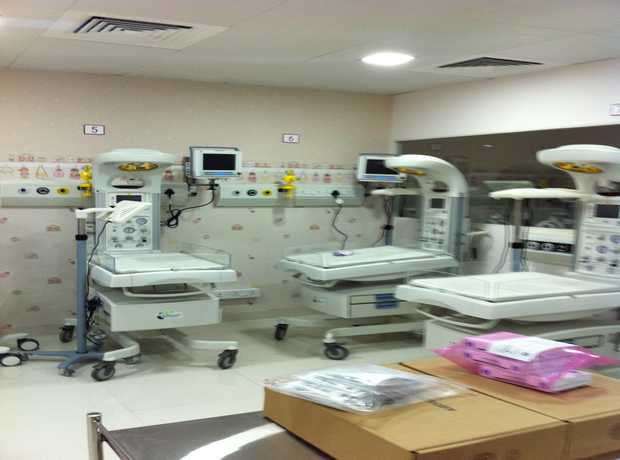
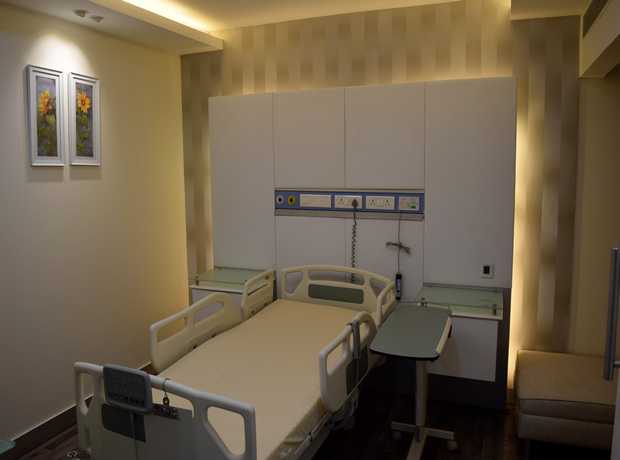
- Hospital Interior Design: We specialize in designing patient rooms, Intensive Care Units (ICUs), Operating Theaters (OTs), laboratories, consultation areas, and overall facility planning. For critical healthcare infrastructure, our seismic solutions ensure that these vital facilities remain fully functional during and after an seismic event, safeguarding lives and maintaining essential services.
- Residential Projects: From elegant apartments and luxurious condominiums to thoughtfully designed senior housing and vibrant community-focused interiors, our designs prioritize occupant safety, comfort, and minimal damage during seismic activity, protecting both lives and property.
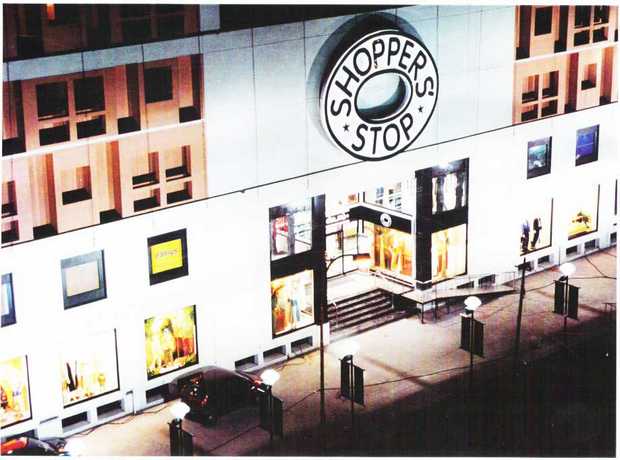
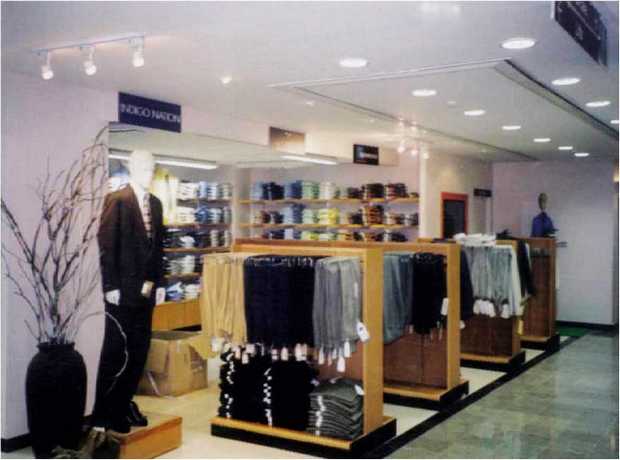
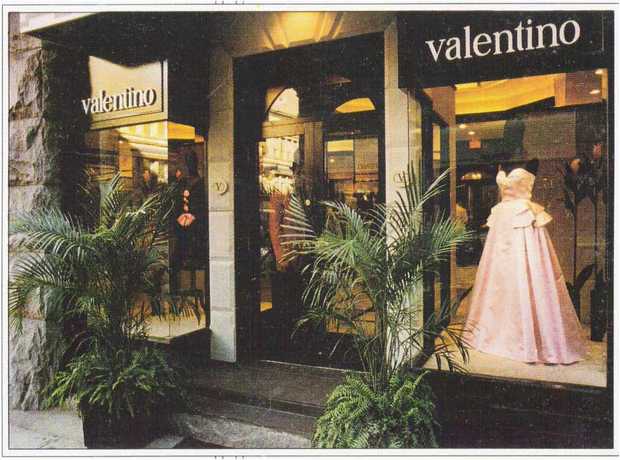
- Retail & Commercial Design: We create iconic shopping malls, dynamic mixed-use developments, state-of-the-art office spaces, and engaging entertainment centers. Our seismic strategies for these commercial hubs focus on business continuity, crowd safety, and the protection of valuable assets, ensuring rapid recovery and sustained economic activity.
- Interior Solutions: Our expertise spans meticulous space planning, efficient furniture layouts, innovative lighting design, and comprehensive turnkey interior execution. As Jeddah interior design experts, we offer holistic solutions from concept to completion, integrating seismic considerations for all non-structural elements such, as secure anchorage of fixtures, flexible connections for suspended ceilings, and robust bracing for lighting systems. This also includes seamless branding & signage solutions, ensuring all elements are secure and safe.
Leverage our proven track record for your next project in Jeddah. For a confidential discussion and to understand how our tailored, BIM-led approach can benefit your vision, contact us today: 📞 +91 7299072144 | ✉️ info@skydomedesigns.com.
Future Outlook: Seismic Resilience in Jeddah Beyond 2025
As Jeddah marches confidently towards its Vision 2030 goals and beyond, the pursuit of seismic resilience will continue to evolve. The future will likely see even greater integration of predictive analytics, advanced sensor networks, and real-time structural health monitoring systems. Imagine buildings equipped with intelligent sensors that continuously assess their integrity, sending alerts for proactive maintenance or immediate post-earthquake damage assessment. This shift from reactive repair to predictive maintenance will further enhance safety and significantly reduce lifecycle costs.
Urban planning itself will increasingly incorporate resilience as a core principle, influencing not just individual buildings but the layout of entire neighborhoods and critical infrastructure networks. This includes designing interconnected systems that can withstand localized failures without cascading effects, ensuring that essential services like power, water, and communications remain operational. Furthermore, with the growing awareness of climate change, the convergence of seismic risk assessment with other natural hazard analyses (e.g., flood risk, extreme weather) will become standard practice, leading to truly multi-hazard resilient designs.
Jeddah has the opportunity to become a global model for resilient urban development, demonstrating how advanced engineering, digital innovation, and a commitment to sustainability can create a thriving, secure, and future-proof metropolis. Skydome Designs is dedicated to being at the forefront of this journey, continuously exploring and implementing the next generation of seismic-resistant design solutions to ensure Jeddah’s prosperity and safety for decades to come.
FAQ: Seismic-Resistant Design in Jeddah
What are the key considerations for seismic-resistant design solutions in Jeddah?
Key considerations include meticulous geotechnical investigations to understand local soil conditions, rigorous adherence to the Saudi Building Code (SBC) and integrating global design standards, the strategic use of advanced structural design principles like base isolation and damping, and careful selection of high-performance building materials. Skydome Designs emphasizes a holistic approach covering all these aspects.
How can I find a reliable Jeddah seismic-resistant design solutions company?
Look for companies with a long-standing, proven track record, extensive experience specifically in seismic design, and a deep understanding of both local building codes (SBC) and international engineering standards. Crucially, check their portfolio for successful projects, client testimonials, and professional certifications. Skydome Designs boasts nearly 30 years of experience and a history of 1377+ successful seismic-resistant projects globally and in Jeddah, with a 97% on-time delivery rate.
What are some innovative seismic design techniques Skydome Designs utilizes?
Skydome Designs integrates innovative techniques such as base isolation (decoupling the building from ground motion), various advanced damping systems (to dissipate seismic energy), and explores the application of smart materials like shape memory alloys for adaptive resilience. We also leverage BIM-led coordination and AI-driven analysis for optimized designs and enhanced safety.
How does Skydome Designs ensure compliance with the Saudi Building Code (SBC) for seismic projects?
Skydome Designs maintains an in-depth understanding of the Saudi Building Code, particularly SBC 301 and SBC 302, which govern structural loading and concrete design. Our local code expertise, combined with global design standards, ensures that all designs are meticulously reviewed and compliant. We utilize BIM-led coordination and multi-disciplinary reviews to guarantee every aspect of the project aligns with Jeddah’s specific regulatory requirements.
Can Skydome Designs provide solutions for retrofitting existing buildings in Jeddah for seismic resistance?
Absolutely. Skydome Designs offers specialized expertise in seismic retrofitting, enhancing the resilience of existing structures in Jeddah. Our solutions involve thorough structural assessments, identification of vulnerabilities, and implementation of appropriate strengthening techniques such as external bracing, shear wall additions, material upgrades, or the strategic installation of damping systems, tailored to preserve the building’s integrity and extend its safe operational life.
Conclusion: Building a Resilient Future for Jeddah with Skydome Designs
The imperative for robust seismic-resistant design solutions in Jeddah is undeniable, and it is a critical investment in the city’s future prosperity and the safety of its growing population. By rigorously prioritizing safety, embracing sustainability, and championing innovation, Jeddah can confidently build a more resilient, dynamic, and prosperous future. This 2025 guide underscores that the combination of cutting-edge engineering, sophisticated material science, and advanced digital tools like BIM and AI is essential for creating infrastructure that can withstand the challenges of seismic activity.
Skydome Designs is not just committed to providing cutting-edge seismic design solutions; we are dedicated partners in shaping Jeddah’s resilient urban landscape. Our nearly three decades of global and local experience, evidenced by the successful delivery of 1377+ seismic-resistant design assignments with an outstanding 97% on-time rate, speaks volumes about our expertise and reliability. We seamlessly integrate global design standards with unparalleled local code expertise, ensuring every project benefits from BIM-led coordination, meticulous value engineering, and stringent quality control, all specifically tailored to Jeddah’s unique environment.
Don’t compromise on safety, quality, or the long-term sustainability of your projects in Jeddah. Partner with Skydome Designs to ensure your vision is transformed into a resilient reality that stands the test of time. The future of Jeddah is being built today, and with Skydome Designs, it will be built to last. Call us today at +91 7299072144 to schedule a comprehensive consultation and embark on your journey towards a safer, more sustainable future!