Jeddah, the Bride of the Red Sea, is experiencing an unprecedented transformation, cementing its position as a vibrant economic and cultural hub within Saudi Arabia. This rapid development fuels a booming retail landscape, where shopping malls are no longer just commercial spaces but evolving into integrated lifestyle destinations. In such a dynamic and competitive environment, creating a truly successful shopping mall demands more than merely assembling a collection of great tenants. It requires an exceptional, forward-thinking shopping mall interior design strategy that captivates visitors, optimizes their experience, and ensures the project’s enduring success.
With monumental investments pouring into Jeddah’s infrastructure and urban development, the pressure to deliver high-quality, compliant, and aesthetically stunning projects is immense. A meticulously crafted and rigorously followed interior design checklist becomes an indispensable tool for project developers, architects, and designers. It serves not only to mitigate risks and streamline project timelines but also to elevate the final product to meet international standards while deeply resonating with local sensibilities. This comprehensive guide provides an in-depth checklist for guaranteeing both stringent compliance and unparalleled quality in your Jeddah shopping mall interior design project as we look towards 2025 and beyond.
Why is Exceptional Shopping Mall Interior Design Essential in Jeddah?
In a burgeoning market like Jeddah, where new commercial complexes are constantly vying for consumer attention, the interior design of your shopping mall isn’t just an afterthought—it’s a primary differentiator and a powerful strategic asset. Beyond mere aesthetics, it’s about curating an immersive atmosphere that is simultaneously inviting, culturally appropriate, and highly functional. Jeddah’s population, with its diverse tastes and high expectations, seeks experiences that are both world-class and deeply rooted in local identity. A well-conceived design goes beyond simply housing stores; it tells a story, evokes emotion, and builds a sense of community.
An exceptional interior design strategy for a Jeddah shopping mall can:
- Enhance Customer Experience: From intuitive wayfinding to comfortable seating areas and engaging public spaces, design directly influences how shoppers feel and interact with the environment. A positive experience encourages longer dwell times and repeat visits.
- Reflect Cultural Nuances: Incorporating elements of Saudi Arabian heritage, Islamic art, and local hospitality (such as dedicated prayer rooms, family-friendly zones, and traditional patterns) creates a sense of belonging and authenticity that resonates deeply with the local population.
- Boost Retailer Performance: A mall’s ambiance and layout directly impact foot traffic and sales conversions for individual tenants. Optimized store frontage, clear sightlines, and engaging common areas contribute significantly to retailer success.
- Drive Profitability: By attracting more visitors, increasing dwell time, and encouraging higher spending per visit, superior design directly contributes to the mall’s revenue generation and overall profitability. It also enhances the perceived value of the property, attracting premium tenants and investors.
- Establish Brand Identity: A distinctive interior design helps establish the mall’s unique brand identity in a crowded market. It communicates the mall’s values, target audience, and aspirational lifestyle, making it memorable and iconic.
- Future-Proof the Investment: Thoughtful design anticipates future trends, technological advancements, and shifts in consumer behavior, allowing for adaptability and longevity, thus protecting the substantial investment made.
Key Areas for Your Jeddah Shopping Mall Interior Design Checklist
To navigate the complexities of modern shopping mall design in Jeddah, a holistic and detailed checklist is paramount. Let’s delve into the critical elements, meticulously tailored to the specific requirements and opportunities within the Jeddah context.
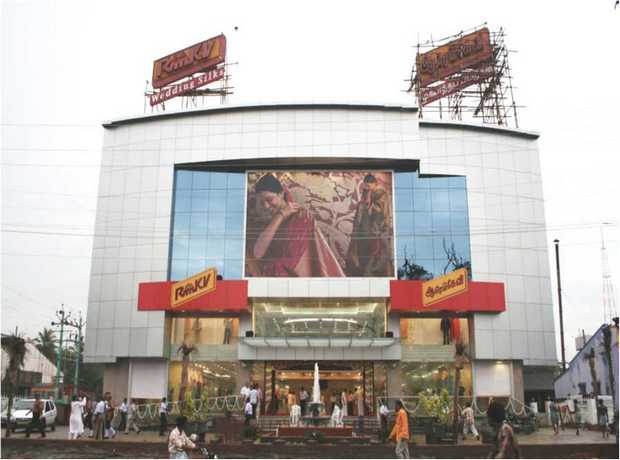
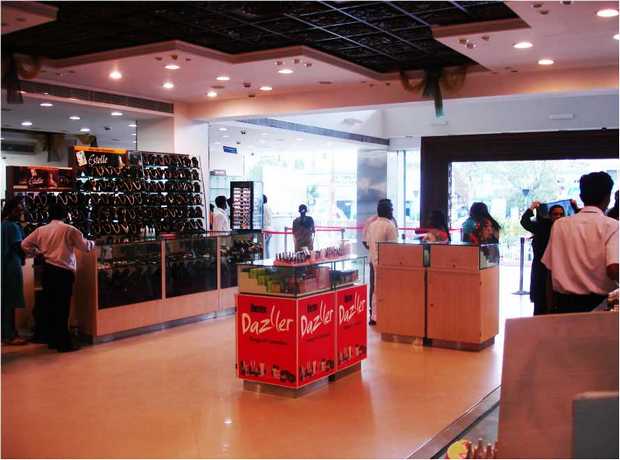
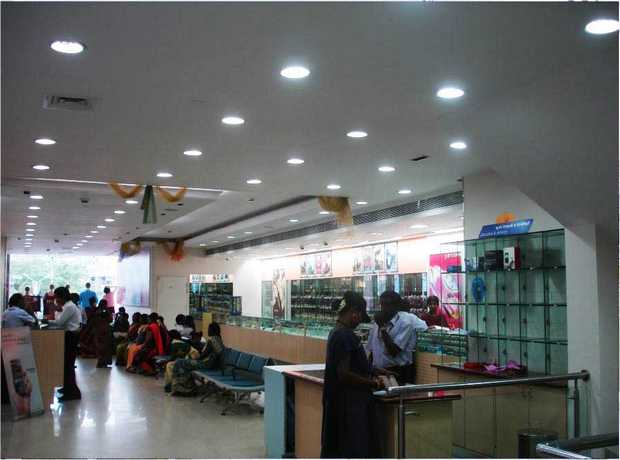
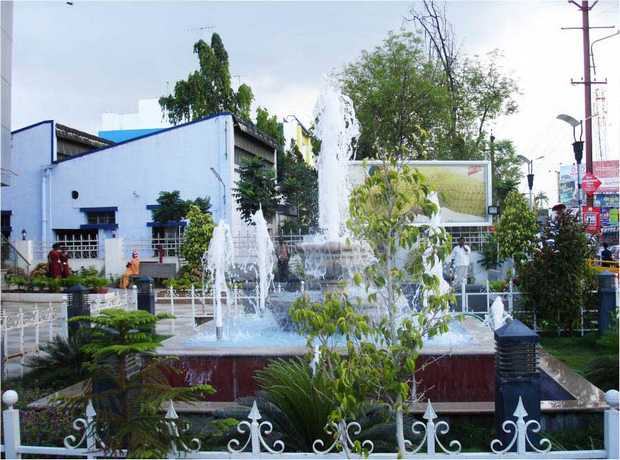

1. Regulatory Compliance: Adhering to Jeddah’s Standards
Navigating the regulatory landscape in Saudi Arabia is not just a legal obligation but a cornerstone of project integrity and safety. Strict adherence to local and national building codes, permits, and safety standards is non-negotiable. This critical area of your checklist must encompass:
- Building Codes and Permits Specific to Jeddah and Saudi Arabia: This involves understanding and complying with municipal regulations set by the Jeddah Municipality (Amanat Jeddah) and national building codes, including structural integrity, material specifications, and overall construction standards. Obtaining all necessary permits from initial planning to operational certification is crucial.
- Fire Safety Regulations and Emergency Exits: Compliance with Saudi Civil Defense regulations is paramount. This includes detailed specifications for fire suppression systems (sprinklers, alarms), fire-resistant materials, emergency lighting, clear and unobstructed emergency exits, minimum width requirements for corridors and stairwells, assembly point designations, and regular safety drills protocols. Evacuation plans must be prominently displayed and easily understood by all visitors.
- Accessibility Standards for People with Disabilities (Persons of Determination): In line with national initiatives for inclusivity, design must accommodate individuals with disabilities. This means ensuring accessible entrances and exits, ramps with appropriate gradients, elevators with tactile buttons and audio announcements, accessible restrooms, designated parking, and clear pathways free of obstructions. The focus is on universal design principles to ensure a dignified and barrier-free experience for everyone.
- Environmental Regulations Related to Materials and Waste Management: As Saudi Arabia pushes towards sustainability goals, interior design projects must consider their environmental footprint. This includes specifying materials that comply with local environmental protection agency guidelines, ensuring proper waste segregation and disposal systems during construction and operation, and exploring opportunities for recycling and resource recovery. Water conservation and energy efficiency are increasingly scrutinized.
- Health and Safety Regulations: Beyond fire safety, general health and safety standards for construction workers and future occupants must be integrated, covering ventilation, air quality, sanitation facilities, and hazardous material handling.
2. Space Planning and Layout Optimization: The Art of Flow and Function
Effective space planning is the architectural backbone of any successful shopping mall, transforming square footage into a dynamic environment that maximizes retail potential and enhances customer navigation. This requires a meticulous approach to every zone:
- Strategic Placement of Anchor Stores to Draw Foot Traffic: Anchor tenants (hypermarkets, department stores, major entertainment venues) are powerful magnets. Their placement at opposing ends or strategic points of the mall encourages shoppers to traverse the entire facility, increasing exposure to inline stores.
- Creating Clear Pathways and Intuitive Navigation (Wayfinding): Design should inherently guide visitors. Wide, uncluttered main avenues, clearly defined secondary routes, and logical connections between levels are essential. Consider pedestrian flow analysis during peak times.
- Allocating Adequate Space for Common Areas, Seating, and Amenities: Modern malls are social hubs. Generous common areas, comfortable seating arrangements, well-designed public restrooms (including family and prayer rooms), baby care facilities, and clear directional signage enhance comfort and encourage longer visits. These areas are crucial for shopper relaxation and rejuvenation.
- Ensuring Sufficient Storage and Back-of-House Areas for Retailers: Often overlooked, adequate back-of-house (BOH) facilities are vital for operational efficiency. This includes dedicated loading docks, service corridors, waste management areas, and accessible storage for each retail unit, preventing clutter in public spaces and ensuring smooth logistics.
- Vertical Transportation Strategy: The thoughtful placement and integration of escalators, elevators, and moving walkways are critical for smooth vertical flow, especially in multi-level malls. They should be intuitive to find and use, minimizing waiting times.
- Zoning for Diverse Experiences: Delineating distinct zones for fashion, electronics, food & beverage (F&B), entertainment, and services helps shoppers find what they need and creates varied atmospheres within the mall. The food court and entertainment zones, for instance, often require specialized design considerations regarding acoustics, ventilation, and durability.
3. Aesthetics and Theming: Resonating with Jeddah’s Soul
The visual identity of your mall is its unspoken language, conveying its brand, aspirations, and connection to its surroundings. In Jeddah, this connection is particularly vital:
- Developing a Cohesive Design Theme that Resonates with Jeddah’s Culture: The theme should speak to Jeddah’s rich heritage as a port city, its historical architecture (such as the distinctive Roshan balconies of Al-Balad), Islamic art, or its forward-looking vision as a global city. This doesn’t mean literal replication but rather an intelligent interpretation of patterns, forms, and stories.
- Selecting Appropriate Materials, Finishes, and Colors: Materials should be durable, easy to maintain, and aesthetically pleasing. In a hot climate like Jeddah, materials that reflect heat, are resistant to wear and tear, and age gracefully are preferred. Color palettes can draw inspiration from the desert landscape, the Red Sea, or traditional Saudi textiles, creating a sense of place.
- Incorporating Local Art and Cultural Elements: Collaboration with local artists for murals, sculptures, or installations can imbue the mall with unique character and support the local creative economy. Integrating Islamic geometric patterns, calligraphy, or traditional motifs in subtle yet impactful ways enhances cultural authenticity.
- Creating Visually Appealing Focal Points and Architectural Features: Grand entrances, impressive atriums, central courtyards, water features, or unique sculptural elements can serve as memorable landmarks within the mall, aiding wayfinding and providing Instagrammable moments.
- Flexibility and Adaptability: Design elements should allow for seasonal changes, promotional displays, and future tenant fit-outs without requiring major overhauls, ensuring the mall remains fresh and relevant.
4. Lighting Design: Illuminating the Experience
Strategic lighting is far more than mere illumination; it’s a powerful design tool that profoundly influences mood, highlights merchandise, guides perception, and enhances safety. A well-executed lighting plan for a Jeddah mall must consider:
- Utilizing a Combination of Natural and Artificial Light: Maximizing natural daylight through skylights, atriums, and large windows not only reduces energy consumption but also creates a more pleasant and invigorating environment. Artificial lighting should complement and enhance natural light, providing consistent illumination throughout the day and evening.
- Employing Different Lighting Techniques to Highlight Merchandise and Create Ambiance:
- Ambient Lighting: Provides general illumination, ensuring safety and comfort.
- Accent Lighting: Spotlights, track lighting, and wall washers draw attention to specific displays, architectural features, or artwork.
- Task Lighting: Used in specific areas like customer service desks or food preparation zones where focused light is required.
- Decorative Lighting: Chandeliers, pendants, and sconces add to the aesthetic appeal and overall theme.
The interplay of these techniques creates depth, visual interest, and a layered lighting scheme.
- Ensuring Adequate Lighting Levels for Safety and Visibility: Pathways, stairwells, parking areas, and emergency exits must be sufficiently lit to prevent accidents and enhance security. Compliance with local safety lighting standards is essential.
- Using Energy-Efficient Lighting Solutions: Incorporating LED technology, smart lighting controls, and occupancy sensors significantly reduces energy consumption and operational costs, aligning with sustainability goals. Dimmable systems also offer flexibility in adapting to different times of day or events.
- Color Temperature and Rendition: The choice of warm, cool, or neutral white light affects perception. Warm tones can create a cozy atmosphere, while cooler tones might feel more modern and vibrant. High color rendering index (CRI) is crucial to ensure merchandise colors appear true to life.
5. Acoustics: Orchestrating the Soundscape
In a bustling shopping mall, an unmanaged sound environment can quickly become a cacophony, detracting from the customer experience. Effective acoustic design is crucial for creating a comfortable, inviting, and productive space:
- Implementing Soundproofing Measures to Minimize Noise from Surrounding Areas: This is particularly important for malls located near busy roads, industrial zones, or airports. High-performance glazing, insulated walls, and buffer zones can mitigate external noise intrusion.
- Using Acoustic Panels and Other Materials to Absorb Sound: Large, open spaces in malls often suffer from excessive reverberation. Incorporating sound-absorbing materials such as acoustic panels, baffles, ceiling tiles, carpets, and upholstered furniture significantly reduces echo and ambient noise levels, creating a calmer environment.
- Creating Designated Quiet Zones for Relaxation: Providing specific areas away from the main thoroughfares, perhaps with softer lighting, comfortable seating, and natural elements, offers shoppers a respite from the activity and noise, enhancing their overall experience.
- Carefully Planning the Placement of Noisy Areas, Such as Food Courts and Entertainment Zones: These high-decibel areas should be strategically located, often grouped together, and designed with enhanced acoustic treatment to prevent noise spillover into quieter retail sections. Sound-dampening partitions and specialized ceiling systems are often employed.
- Controlling Mechanical Noise: HVAC systems, escalators, and elevators can be significant noise sources. Acoustic considerations must be integrated into the design and installation of these systems to minimize operational noise.
- Background Music Systems: A well-designed, evenly distributed background music system, with carefully selected playlists, can positively contribute to the atmosphere without adding to noise pollution.
6. Branding & Signage: Guiding and Engaging
Clear, consistent, and aesthetically integrated branding and signage are fundamental to a successful shopping mall. They serve not only to guide shoppers but also to reinforce the mall’s identity and enhance its overall brand narrative. In Jeddah, multilingual considerations are key:
- Designing Clear and Legible Signage in Both Arabic and English: Given Jeddah’s international appeal and its local population, bilingual signage is essential for effective communication and inclusivity. Typography must be readable in both languages, with consistent hierarchy and design.
- Using Consistent Branding Elements Throughout the Mall: The mall’s logo, color palette, and specific design motifs should be consistently applied across all signage, directories, digital screens, and marketing materials, reinforcing a strong and recognizable brand identity.
- Incorporating Digital Signage for Dynamic Messaging and Wayfinding: Interactive digital directories, large-format LED screens for advertising and promotions, and digital information kiosks offer flexibility, real-time updates, and a modern aesthetic. These can be particularly effective for communicating special events, sales, or emergency information.
- Ensuring Adequate Lighting for Signage Visibility: Signage must be well-lit, both naturally and artificially, to ensure maximum visibility day and night. Backlighting, spotlights, or internally illuminated signs are common solutions.
- Experiential Signage and Storefront Design: Beyond mere information, signage can be a part of the overall experience. Creative installations, integrated digital displays, and engaging storefront designs contribute to the mall’s visual appeal and brand storytelling.
- Emergency and Safety Signage: Clear, universally recognizable symbols for emergency exits, fire alarms, and first aid points are legally required and crucial for public safety.
7. Sustainability and Eco-Friendliness: A Responsible Design Ethos for Jeddah
As Saudi Arabia champions Vision 2030 and significant environmental initiatives, integrating sustainable design principles into shopping mall interiors in Jeddah is no longer optional but a strategic imperative. This commitment to eco-friendliness offers long-term operational savings and enhances the mall’s public image:
- Using Eco-Friendly Materials and Finishes: Prioritize locally sourced, recycled, rapidly renewable, or low-VOC (Volatile Organic Compound) materials. Examples include certified timber, recycled glass or metal, bamboo, and paints with minimal chemical emissions. This reduces the carbon footprint associated with transportation and improves indoor air quality.
- Implementing Energy-Efficient Lighting and HVAC Systems: Beyond LED lighting, integrate smart building management systems (BMS) that optimize HVAC operations based on occupancy, temperature, and time of day. Consider passive cooling strategies, high-performance insulation, and reflective roofing materials to reduce the cooling load, which is significant in Jeddah’s climate. Explore renewable energy sources like solar panels where feasible.
- Conserving Water Through Efficient Plumbing Fixtures: Specify low-flow toilets, urinals, and faucets throughout the mall’s restrooms and back-of-house areas. Consider greywater recycling systems for irrigation or non-potable uses, and rainwater harvesting where applicable to minimize reliance on municipal water supplies.
- Promoting Recycling and Waste Reduction Programs: Design dedicated, clearly marked recycling stations for different waste streams (plastics, paper, glass, organic waste) in public areas and back-of-house. Implement robust construction waste management plans to divert debris from landfills.
- Biophilic Design Integration: Incorporate natural elements like indoor plants, living walls, natural light, and water features. Biophilic design has been shown to reduce stress, improve air quality, and enhance the overall well-being of visitors and staff.
- Green Roofs and Vertical Gardens: These can contribute to urban cooling, manage stormwater, and provide aesthetic benefits, while also potentially supporting local biodiversity.
- Certification and Standards: Aim for international green building certifications like LEED (Leadership in Energy and Environmental Design) or local Saudi equivalents, demonstrating a measurable commitment to sustainability.
8. Technology Integration: The Future-Ready Mall Experience
Modern shoppers in Jeddah, particularly a young and tech-savvy demographic, expect a seamless, connected, and personalized experience. Integrating cutting-edge technology is vital for enhancing customer engagement, operational efficiency, and future-proofing the mall:
- Providing Free Wi-Fi Access Throughout the Mall: High-speed, reliable Wi-Fi is now a basic expectation, enabling visitors to stay connected, share their experiences, and access information.
- Installing Interactive Kiosks for Wayfinding and Information: Touchscreen kiosks can provide dynamic maps, store directories, promotional offers, event schedules, and local information. These can be integrated with mobile apps for a truly omnichannel experience.
- Implementing Smart Parking Systems: Real-time guidance to available parking spots (via digital displays or mobile apps), automated payment systems, and car-finding features greatly reduce stress and improve convenience for visitors.
- Integrating Digital Advertising Displays: High-resolution LED screens and digital posters allow for dynamic, targeted advertising, enhancing revenue streams and keeping content fresh and engaging.
- Augmented Reality (AR) and Virtual Reality (VR) Experiences: Explore opportunities for AR overlays for product information, interactive games, or virtual try-ons. VR can offer immersive entertainment experiences or virtual tours of upcoming developments.
- Internet of Things (IoT) and Sensor Technology: Use sensors to monitor foot traffic patterns, adjust lighting and HVAC based on occupancy, track air quality, and manage waste bins, providing valuable data for operational optimization.
- Mobile App Integration: A dedicated mall app can offer personalized promotions, loyalty programs, online ordering from F&B outlets, event bookings, and direct communication channels with shoppers.
- Advanced Security Systems: Integrate AI-powered CCTV, facial recognition (with privacy considerations), and integrated access control systems for enhanced safety and security.
- Robotics for Service and Maintenance: Consider autonomous cleaning robots or security patrol robots to improve efficiency and reduce operational costs.
9. Customer Experience (CX) Focus: Beyond Shopping
In Jeddah, shopping malls are evolving into comprehensive lifestyle destinations. A strong emphasis on the overall customer experience is paramount to success. This means designing for:
- Comfort and Convenience: Ample, comfortable seating, clean and well-maintained restrooms (including family and prayer rooms), accessible charging stations for mobile devices, and well-designed customer service desks.
- Entertainment and Leisure: Beyond traditional retail, incorporate elements like cinemas, family entertainment centers (FECs), indoor theme parks, art installations, performance spaces, or even educational zones.
- Food & Beverage (F&B) Diversity: Offer a wide range of dining options from casual cafes and fast food to gourmet restaurants and food halls, catering to diverse tastes and dietary requirements. Create attractive dining environments.
- Community Engagement: Design versatile public spaces that can host events, workshops, cultural performances, or pop-up markets, fostering a sense of community and providing reasons to visit beyond shopping.
- Personalized Services: Concierge services, personal shopping assistance, valet parking, and loyalty programs can elevate the perception of luxury and convenience.
10. Operational Efficiency & Maintenance: Designing for Longevity
A beautifully designed mall must also be highly functional and cost-effective to operate in the long term. This aspect of the checklist focuses on practicality:
- Durability of Materials: Select materials and finishes that can withstand high foot traffic, are easy to clean, and resistant to wear and tear, reducing replacement and maintenance costs.
- Ease of Maintenance: Design should facilitate easy access for cleaning crews, maintenance personnel, and repairs. Consider standardized components and modular systems where appropriate.
- Security and Safety Integration: Design integrated security systems (CCTV, access control, emergency alarms) that are effective yet discreet. Ensure clear emergency egress paths and assembly points.
- Waste Management Systems: Design efficient and aesthetically integrated waste collection points, segregation systems, and compactors for both public and back-of-house areas.
- Flexibility for Future Changes: Design for modularity and adaptability, allowing for tenant turnovers, reconfigurations, and technology upgrades without extensive structural modifications.
- Energy and Water Monitoring: Implement smart systems for monitoring and managing energy and water consumption, identifying areas for further optimization and cost savings.
11. Project Management & Execution: Delivering on Vision
Even the most brilliant design concept needs robust project management to come to fruition successfully. This involves:
- Comprehensive Project Planning: Detailed schedules, budget allocation, resource management, and risk assessments from concept to completion.
- Multi-Disciplinary Team Coordination: Seamless collaboration between architects, interior designers, structural engineers, MEP consultants, lighting designers, acoustic specialists, and local authorities.
- Value Engineering: Identifying cost-effective solutions and alternatives without compromising design intent or quality, ensuring optimal return on investment.
- Quality Control Protocols: Implementing stringent quality checks at every stage of design and construction, ensuring materials, finishes, and workmanship meet specified standards.
- Regular Reporting and Communication: Transparent communication with stakeholders, milestone-based reporting, and proactive problem-solving to keep the project on track and within budget.
- Post-Occupancy Support: Providing ongoing support and a seamless handover to the operations team, ensuring smooth functioning after opening.
Finding the Right Jeddah Shopping Mall Interior Design Company
The success of your shopping mall interior design project in Jeddah hinges significantly on partnering with an experienced, reputable, and culturally attuned interior design firm. This partnership is not just about aesthetics; it’s about strategic vision, technical expertise, and a deep understanding of local market dynamics and regulatory frameworks. When evaluating potential partners, look for a company with a proven track record in high-stakes commercial and retail design, particularly in the Saudi Arabian context.
Consider Skydome Designs Pvt Ltd, a firm that embodies these critical attributes. With nearly 30 years of extensive expertise, we specialize in delivering innovative, sustainable, and highly functional spaces that profoundly enhance experiences and optimize operational efficiency. Our global reach and specific experience in the Middle East position us uniquely to understand and excel in Jeddah’s vibrant market.
Skydome Designs offers a holistic suite of comprehensive services, ensuring every aspect of your shopping mall project is meticulously handled:
- Space Planning: Strategic optimization of layouts for maximum retail potential and seamless customer flow.
- Furniture Layouts: Curated selections and custom designs that blend aesthetics with comfort and durability.
- Lighting Design: Expert integration of natural and artificial light to create desired ambiances and highlight features.
- Turnkey Interior Execution: A seamless, end-to-end solution from concept to completion, managing all aspects of the interior fit-out.
Our strength lies in our formidable in-house team of highly skilled architects, specialist planners (including healthcare planners, demonstrating our versatility and attention to critical detail), and seasoned project managers. This integrated approach ensures consistent quality and efficient project delivery. We are proud to have delivered 742+ shopping mall interior design assignments across Jeddah and globally over 30+ years. Our commitment to excellence is reflected in our remarkable 99% on‑time delivery rate, a testament to our rigorous project management, multi‑disciplinary reviews, and dedicated post‑occupancy support that consistently underpin successful outcomes.
Furthermore, our approach is future-forward, utilizing BIM‑led coordination for enhanced precision, clash detection, and lifecycle management. We champion value engineering to ensure cost-effectiveness without compromising quality, and implement stringent quality control protocols tailored specifically to Jeddah’s standards and client expectations. As an award‑winning team, we operate with utmost transparency in costs and provide detailed milestone‑based reporting in Jeddah, giving you complete clarity and control throughout your project’s journey.
Ready to elevate your Jeddah shopping mall project? Call us today at +91 7299072144 or email us at info@skydomedesigns.com to discuss your vision and discover how Skydome Designs can bring it to life.
Why Choose Skydome Designs for Your Jeddah Project? A Partner You Can Trust
Selecting the right design partner for your shopping mall in Jeddah is a pivotal decision. Skydome Designs stands out as an industry leader, offering a compelling blend of experience, expertise, and a client-centric approach that ensures project success:
- 29+ years of experience across India and abroad: Our extensive portfolio spans diverse geographies and complex projects, equipping us with invaluable insights and adaptable design methodologies relevant to Jeddah’s unique market.
- In-house team of architects, specialist planners, and project managers: This integrated expertise means seamless coordination, efficient problem-solving, and consistent quality control from concept to completion. Our multidisciplinary approach is particularly effective for large-scale commercial projects like shopping malls.
- Award-winning, client-focused, and sustainable designs: Our designs are not only recognized for their innovation and aesthetic appeal but are also deeply rooted in understanding client objectives, enhancing user experience, and adhering to sustainable practices.
- Projects delivered on-time, on-budget, and to global standards: Our 99% on-time delivery rate and meticulous budget management are hallmarks of our commitment. We adhere to international best practices while ensuring compliance with local Jeddah regulations.
- Demonstrated Local Expertise: Having successfully completed 742+ shopping mall interior design assignments across Jeddah and globally over 30+ years, we possess a deep understanding of the local culture, consumer preferences, and regulatory environment in Jeddah.
- Advanced Methodologies: Our adoption of BIM‑led coordination ensures precision, efficiency, and superior project visualization, minimizing errors and facilitating effective collaboration.
- Financial Transparency: We offer transparent costs and detailed milestone‑based reporting in Jeddah, providing you with complete financial clarity and control throughout the project lifecycle.
- Commitment to Quality: Our rigorous multi‑disciplinary reviews and post‑occupancy support underpin outcomes, ensuring the longevity and sustained performance of your shopping mall.
Unlock the full potential of your shopping mall. Contact Skydome Designs today for a consultation tailored to your Jeddah project. Email us at info@skydomedesigns.com or call +91 7299072144.
FAQ: Shopping Mall Interior Design in Jeddah
Here are some frequently asked questions about shopping mall interior design in Jeddah, offering further clarity on critical aspects of your project:
What are the key considerations for shopping mall interior design in Jeddah?
Key considerations encompass a holistic approach including stringent regulatory compliance with Jeddah’s building and safety codes, meticulous space planning for optimal customer flow and retail efficiency, aesthetics that profoundly resonate with local Saudi culture and heritage, sophisticated lighting design to create captivating ambiance, advanced acoustic management for comfort, clear and bilingual branding & signage for effortless navigation, comprehensive sustainability integration for environmental responsibility, and seamless technology integration for a modern, connected customer experience. The unique cultural context and rapid development in Jeddah mandate a design that is both globally competitive and locally relevant.
How can I find the best interior design company for my shopping mall in Jeddah?
To find the best interior design company for your shopping mall in Jeddah, prioritize firms with extensive experience in large-scale commercial retail projects, particularly within Saudi Arabia. Look for a strong portfolio showcasing previous shopping mall successes, an in-depth understanding of local regulations and cultural nuances, a multidisciplinary in-house team, and a track record of delivering projects on time and within budget. Skydome Designs Pvt Ltd, with its 29+ years of global experience and 742+ shopping mall assignments including many in Jeddah, offers unparalleled expertise, BIM-led coordination, value engineering, and a commitment to quality that makes us an ideal partner for your project.
What are the current trends in shopping mall interior design?
Current trends in shopping mall interior design are highly dynamic, focusing on creating experiential destinations. These include deep integration of sustainable design principles (e.g., biophilia, energy efficiency), advanced technology integration (e.g., smart navigation, AR/VR experiences, IoT), a strong emphasis on experiential retail that blends shopping with entertainment and F&B, the creation of flexible and adaptable spaces that can evolve with consumer needs, personalized customer journeys, and the incorporation of local art and cultural narratives to foster a unique sense of place. Designs are increasingly human-centric, promoting well-being and community engagement.
How much does shopping mall interior design cost in Jeddah?
The cost of shopping mall interior design in Jeddah is highly variable, depending on numerous factors such as the total size and complexity of the project, the quality and type of materials and finishes specified, the extent of technology integration, the scope of services required from the design firm, and the level of customization. It also depends on whether it’s a new build or a renovation project. For a precise and tailored estimate that aligns with your specific project requirements and budget, we recommend a direct consultation. Contact Skydome Designs at +91 7299072144 or info@skydomedesigns.com for a free, no-obligation consultation and a detailed quote based on your unique vision.
What role does value engineering play in shopping mall design?
Value engineering is a critical process in shopping mall design that aims to optimize costs without compromising the design intent, functionality, or quality. It involves a systematic review of materials, systems, and processes to identify alternatives that offer better value. For Skydome Designs, value engineering is an integral part of our approach, tailored to Jeddah’s market conditions. This ensures that while we create stunning and compliant designs, we also maximize your investment by finding efficient and cost-effective solutions for materials, construction methods, and operational systems, ultimately contributing to the project’s financial viability and success.
Conclusion
Creating a truly successful and enduring shopping mall in Jeddah’s rapidly evolving landscape requires far more than aesthetic appeal; it demands meticulous planning, rigorous adherence to compliance, and an unwavering commitment to quality. By diligently following this comprehensive checklist, project developers and stakeholders can navigate the complexities of design and construction, ensuring that every element—from regulatory adherence and space optimization to cultural integration and technological innovation—contributes to a superior outcome.
The journey from concept to a bustling, profitable shopping mall is intricate, necessitating a partnership with experienced and locally knowledgeable Jeddah interior experts. Skydome Designs Pvt Ltd offers unparalleled expertise, a proven track record of 742+ shopping mall interior design assignments across Jeddah and globally over 30+ years, and a commitment to excellence evidenced by our 99% on‑time delivery rate. Our approach integrates BIM‑led coordination, astute value engineering, and stringent quality control tailored to Jeddah’s specific requirements, ensuring your project not only meets but exceeds expectations. We pride ourselves on being an award‑winning team that provides transparent costs and milestone‑based reporting, giving you complete peace of mind.
Elevate your vision for Jeddah’s next iconic retail destination. Don’t just build a mall; create an experience that captivates and thrives. Contact Skydome Designs today to discuss your shopping mall interior design project and discover how our expertise can transform your investment into a landmark success. Call us directly at +91 7299072144 or send an email to info@skydomedesigns.com. We look forward to partnering with you!
Skydome Designs Pvt Ltd is a leading architecture and interior design firm based in India, renowned for its extensive global presence and specialized expertise across various sectors. With nearly 30 years of unparalleled experience, we consistently deliver innovative, sustainable, and highly functional spaces that significantly enhance user experiences and optimize operational efficiency for our diverse clientele.
What We Do: Our Comprehensive Service Offerings
- Hospital Interior Design: We specialize in designing patient-centric healthcare environments, including sophisticated patient rooms, state-of-the-art ICUs, sterile operating theaters (OTs), advanced laboratories, welcoming consultation areas, and comprehensive facility planning aimed at optimizing patient care and staff efficiency.
- Residential Projects: Our residential portfolio encompasses a wide range of projects, from contemporary apartments and luxurious condos to specialized senior housing solutions and community-focused interior designs that foster comfort and belonging.
- Retail & Commercial Design: We are experts in crafting dynamic commercial spaces, including large-scale shopping malls, innovative mixed-use developments, corporate offices, and engaging entertainment centers, all designed to attract, engage, and retain visitors.
- Interior Solutions: Our comprehensive interior solutions cover every aspect of design and execution, including strategic space planning, elegant furniture layouts, impactful lighting design, and full turnkey interior execution services, ensuring a seamless and high-quality finish from start to finish.