The urban tapestry of New York City has always been a beacon of innovation, a place where trends are born, refined, and set for the world stage. In no sector is this more evident than in retail, where the very concept of shopping is undergoing a profound metamorphosis. As we cast our gaze towards 2025, the evolution of shopping mall interior design in New York is not just about aesthetics; it’s about crafting immersive, sustainable, and technologically advanced environments that resonate deeply with the modern consumer. This isn’t merely an update; it’s a redefinition of the shopping experience itself.
Gone are the days when malls were simply utilitarian spaces for transactions. Today, and increasingly so by 2025, they are envisioned as vibrant community hubs, experiential destinations, and dynamic stages for brand engagement. New York, with its unparalleled diversity, discerning populace, and constant pursuit of excellence, is at the vanguard of this design revolution. From the bustling avenues of Manhattan to the burgeoning neighborhoods of Brooklyn and Queens, every new or renovated mall project reflects a deep understanding of evolving consumer behaviors, technological advancements, and a renewed commitment to environmental stewardship. Understanding these pivotal trends is not just beneficial but absolutely essential for any stakeholder looking to create enduring, engaging, and future-proof retail spaces within the city that never sleeps.
In the coming pages, we will embark on a detailed exploration of the forces shaping shopping mall interior design in New York for 2025. We will delve into how sustainability is interwoven with every design decision, how digital integration is creating seamless and personalized journeys, and how flexibility is becoming the cornerstone of adaptable retail environments. Furthermore, we will examine the critical role played by New York interior experts, like Skydome Designs, in navigating these complex trends, ensuring that projects are not only visually stunning but also economically viable, environmentally responsible, and intrinsically human-centric.
Key Trends Shaping Shopping Mall Interior Design in New York for 2025: A Deep Dive
New York’s iconic retail landscape is always in motion, perpetually reinventing itself to meet the demands of a sophisticated, fast-paced consumer base. Looking ahead to 2025, the emphasis is firmly on creating spaces that are not only aesthetically pleasing but also intelligent, efficient, and deeply connected to their urban context. The prevailing philosophy guiding shopping mall interior design in New York centers on prioritizing sustainable and digitally driven designs. These future-ready approaches are designed to significantly lower lifecycle costs, making them inherently more efficient and environmentally friendly, while simultaneously elevating the customer experience. Let’s explore these pivotal trends with greater specificity and foresight:
Sustainability and Eco-Conscious Design: A Mandate, Not a Choice
In a city as environmentally conscious as New York, sustainability is no longer merely a trend; it has become an indispensable requirement, a fundamental pillar of responsible development. By 2025, shopping mall interior design in New York will be defined by its comprehensive integration of eco-friendly materials, cutting-edge energy-efficient systems, and holistic sustainable building practices. This commitment extends beyond mere compliance; it’s about actively reducing environmental impact, fostering healthier indoor environments, and demonstrably appealing to an increasingly eco-conscious consumer base that values corporate responsibility.
- Embracing Circular Economy Principles: Future designs will heavily favor the use of recycled and renewable materials. This includes everything from reclaimed wood and recycled steel for structural and decorative elements to innovative textiles made from recycled plastics. The focus is on materials with low embodied energy and high recyclability, minimizing waste and resource depletion throughout the lifecycle of the building.
- Advanced Energy-Efficient LED Lighting Design: Lighting is paramount in retail, and 2025 will see an advanced adoption of smart, energy-efficient LED lighting systems. These systems will not only significantly reduce electricity consumption but will also incorporate dynamic controls that adjust intensity and color temperature based on natural light availability, time of day, and even foot traffic. This not only saves energy but also enhances mood and product presentation.
- Biophilic Design Integration: Connecting shoppers with nature is a powerful psychological tool. Biophilic design elements, such as living green walls, indoor gardens, natural ventilation, and abundant natural light penetration, will become standard. These features improve air quality, reduce stress, and create a more inviting and refreshing atmosphere, transforming sterile environments into vibrant, living spaces.
- Improved Ventilation and Air Quality Systems: Post-pandemic, air quality has moved to the forefront of public health concerns. Malls in 2025 will feature state-of-the-art HVAC systems with advanced filtration, UV-C sanitization, and demand-controlled ventilation. These systems ensure optimal air circulation, remove pollutants, and provide a comfortable, healthy environment for shoppers and staff alike, fostering a sense of safety and well-being.
- Water Conservation Strategies: Sustainable design also encompasses intelligent water management. This includes the implementation of low-flow fixtures, rainwater harvesting systems for irrigation and non-potable uses, and smart landscaping that utilizes drought-resistant plants. These measures collectively reduce water consumption and contribute to the mall’s overall environmental footprint.
- Waste Management and Recycling Infrastructure: Integral to eco-conscious design is the provision of robust, easily accessible waste separation and recycling facilities throughout the mall. Designers will integrate these systems seamlessly into the interior architecture, making responsible waste disposal intuitive for both tenants and visitors.




Digital Integration and Experiential Retail: The Seamless Blending of Physical and Virtual
Digital integration is no longer an optional add-on; it is fundamentally transforming the shopping experience, evolving retail spaces into dynamic, interactive ecosystems. By 2025, New York shopping malls will be masters of this synergy, leveraging technology not just to facilitate transactions but to enhance customer engagement, foster loyalty, and drive sales through unparalleled experiences. Malls are transcending their traditional roles, becoming vibrant destinations for entertainment, education, and unique, personalized interactions.
- Interactive Kiosks and Intelligent Digital Directories: Beyond simple wayfinding, these kiosks will offer personalized recommendations, real-time promotions, event schedules, and even allow for direct communication with store associates. They will be integrated with mobile apps, allowing shoppers to send directions or product information directly to their devices.
- Augmented Reality (AR) and Virtual Reality (VR) Experiences: These immersive technologies will revolutionize product trials and entertainment. AR apps will allow shoppers to virtually “try on” clothes, see furniture in their homes, or preview new makeup shades. VR experiences could transport visitors to virtual brand environments, offer gaming, or provide interactive educational content, turning a shopping trip into an adventure.
- Personalized Shopping Apps and Advanced Digital Loyalty Programs: Mall-specific apps will become sophisticated concierges, learning shopper preferences, providing tailored offers, and guiding them to relevant stores. Digital loyalty programs will move beyond simple points, offering exclusive access to events, personalized services, and community-building opportunities within the mall ecosystem.
- Smart Sensors and IoT (Internet of Things) for Data-Driven Insights: Malls will deploy networks of discreet sensors to gather anonymous data on foot traffic patterns, dwell times, and popular areas. This data will provide invaluable insights for optimizing store placements, understanding customer flow, and dynamically adjusting environmental conditions like lighting and temperature.
- Seamless Omnichannel Integration: The physical mall will be intrinsically linked with online retail. Click-and-collect points, in-store returns for online purchases, and showrooms where products can be experienced physically before ordering online will become commonplace, blurring the lines between digital and physical commerce.
- Immersive Digital Art Installations and Dynamic Content Walls: Large-scale LED screens and projection mapping will transform common areas into ever-changing canvases for digital art, brand storytelling, and interactive games, creating dynamic visual spectacles that enhance ambiance and draw visitors in.
Flexible and Adaptable Spaces: Designing for Constant Evolution
The retail landscape is characterized by its rapid pace of change, demanding an unprecedented degree of agility from physical spaces. By 2025, the need for flexibility will be paramount in New York shopping mall interior design. The focus will be squarely on creating inherently adaptable spaces that can be effortlessly reconfigured, allowing malls to fluidly accommodate diverse events, ephemeral pop-up shops, seasonal demands, and the constantly shifting needs of retailers. This intrinsic adaptability is key to ensuring that malls remain relevant, vibrant, and economically dynamic in the face of unforeseen trends and market shifts.
- Modular Design Elements and Furniture Systems: The core of flexibility lies in modularity. This includes furniture that can be easily rearranged or stacked, display units with interchangeable components, and even ceiling systems designed to support various lighting and signage configurations. These elements allow for quick and cost-effective transformations.
- Movable Partitions and Dynamic Fixtures: Spaces will feature retractable walls, movable glass partitions, and flexible merchandising fixtures that can be effortlessly repositioned to create different zones or open up areas for large gatherings. This allows for rapid transformation from individual retail bays to open market-style events.
- Multi-Purpose Event Spaces and Community Hubs: Dedicated areas will be designed with versatility in mind, equipped with robust audiovisual infrastructure, adaptable seating, and flexible stage setups. These spaces can host anything from fashion shows, live performances, and community workshops to product launches, co-working sessions, and art exhibitions, driving footfall beyond pure shopping.
- “Plug-and-Play” Infrastructure for Pop-Ups: Malls will offer standardized utilities, internet connectivity, and simplified setup procedures in designated areas, making it incredibly easy and attractive for pop-up shops and temporary activations to move in and out efficiently, bringing novelty and excitement.
- Zoned Climate Control and Lighting: Flexible spaces require equally flexible environmental controls. Zoned HVAC and lighting systems will allow different areas to be adjusted independently, optimizing comfort and energy use as spaces are reconfigured and repurposed.
- Future-Proofed Utility Access: Design will anticipate future needs by integrating accessible power outlets, data ports, and water connections in various locations, ensuring that new technologies or tenant requirements can be easily accommodated without costly renovations.
The Psychological Impact of Design in New York Malls: Beyond the Visual
Successful interior design in New York’s competitive retail market transcends mere aesthetics; it delves into the realm of human psychology. By 2025, designers will increasingly leverage a nuanced understanding of how colors, lighting, sounds, and even scent can profoundly influence shopper mood, behavior, and duration of stay. The goal is to create environments that are not just visually appealing but also emotionally resonant and psychologically comfortable.
- Color Theory and Emotional Response: Strategic use of color palettes will be key. Warm colors might be used in food courts to stimulate appetite, while cooler, calming tones could define wellness zones. Understanding New York’s diverse demographics, colors might also reflect local cultural sensitivities or evoke specific emotional states, from excitement to tranquility.
- Lighting Psychology: Beyond energy efficiency, lighting will be a powerful tool for mood setting. Bright, focused lighting can highlight products and create excitement, while softer, ambient lighting can encourage relaxation and longer dwell times in lounges. Tunable white lighting, which can mimic natural daylight cycles, will be used to enhance circadian rhythms and overall well-being.
- Sensory Design (Sound and Scent): Acoustic design will not only manage noise but also strategically introduce pleasant background sounds or curated music playlists that align with the mall’s brand identity. Similarly, subtle, pleasing scents (e.g., fresh citrus, baked goods) will be diffused in specific zones to enhance the sensory experience and evoke positive associations.
- Creating Intuitive Flow and Wayfinding: The layout of a mall can subtly guide or frustrate shoppers. Intuitive space planning, clear sightlines to anchor stores, and well-designed transitions between zones will minimize cognitive load and enhance the sense of discovery, encouraging longer visits and exploration.
- Comfort and Human-Centric Spaces: Providing ample, comfortable seating areas, inviting lounge zones, and well-maintained restrooms is crucial. These elements contribute to a sense of hospitality and encourage shoppers to view the mall as a place to relax and spend time, not just to shop.
Local Nuances in New York: Designing for a Unique Urban Context
While global trends inform design, applying them effectively in New York requires a deep understanding of the city’s unique characteristics. By 2025, expert interior designers will specifically tailor their approaches to address the local environment, regulatory frameworks, and diverse cultural fabric of NYC.
- Space Constraints and Vertical Design: New York’s high population density and prohibitive real estate costs mean space is a luxury. Designs will maximize verticality, incorporating multi-level retail, vertical gardens, and intelligent use of every square foot, often requiring innovative engineering and architectural solutions to create open, airy feelings in compact footprints.
- Preservation and Historic Buildings: Many new retail developments in New York involve the renovation or integration of historic structures. Designers must skillfully blend modern elements with historical architecture, respecting existing facades and interior features while updating spaces for contemporary retail demands and meeting stringent preservation guidelines.
- Diverse Demographics and Cultural Sensitivity: New York is a melting pot of cultures. Interior designs will increasingly incorporate elements that resonate with a wide array of demographic groups, ensuring inclusivity through multilingual signage, diverse art installations, and spaces that cater to varying cultural preferences in dining, entertainment, and shopping styles.
- Regulatory Environment and Building Codes: Navigating New York City’s complex building codes, accessibility requirements (ADA compliance), and fire safety regulations requires specialized expertise. Designs must inherently incorporate these parameters from the outset, ensuring compliance without compromising aesthetic or functional goals.
- Local Aesthetic Preferences: While global brands are present, New Yorkers often appreciate a blend of gritty urban chic, sophisticated minimalism, and an appreciation for craftsmanship. Interior designs will subtly reflect these local tastes, perhaps through industrial-inspired elements, curated art from local artists, or bespoke fixtures.
- Logistics and Construction Challenges: The dense urban environment poses unique challenges for material delivery, construction staging, and waste removal. Designers must consider these logistical hurdles in their material specifications and construction planning, often necessitating off-site prefabrication and modular construction techniques.
The Role of New York Interior Experts: Navigating Complexity with Vision
Navigating these complex and rapidly evolving trends requires more than just an understanding of design principles; it demands profound expertise, strategic foresight, and a proven track record. Choosing the right New York interior experts is not merely beneficial, it is absolutely crucial for creating a successful, engaging, and future-proof shopping mall design that stands out in the most competitive retail market in the world. These specialized professionals bring an unparalleled wealth of knowledge, extensive experience, and innovative creativity to every project, transforming visions into tangible, high-performing spaces.
Skydome Designs: Your Partner in Innovative Retail Design for New York’s Future
Skydome Designs Pvt Ltd stands as a preeminent architecture and interior design firm, boasting nearly 30 years of extensive experience that spans continents and diverse project types. We are not just designers; we are innovators, specializing in crafting cutting-edge, sustainable, and profoundly functional spaces across retail, residential, and healthcare sectors. Our award-winning team is unequivocally dedicated to delivering projects that consistently meet and exceed expectations, ensuring on-time delivery, adherence to budget, and compliance with the most rigorous global standards.
When it comes to the dynamic world of retail, particularly in a demanding market like New York, our expertise is unparalleled. We have a distinguished record of having Delivered 2370+ shopping mall interior design assignments across New York and globally over 24+ years. This vast portfolio speaks volumes about our capacity to understand, innovate, and execute at scale. Our commitment to excellence is reflected in an impressive 97% on‑time delivery rate, underpinned by rigorous multi‑disciplinary reviews throughout every project phase, and comprehensive post‑occupancy support that ensures long-term success and client satisfaction. These meticulous processes and unwavering dedication underpin every outcome we achieve, providing our clients with peace of mind and superior results. We invite you to contact us to learn more about how our deep experience and forward-thinking approach can translate into a transformative success for your next project.
Our comprehensive suite of services ensures that every aspect of your project is handled with expert care:
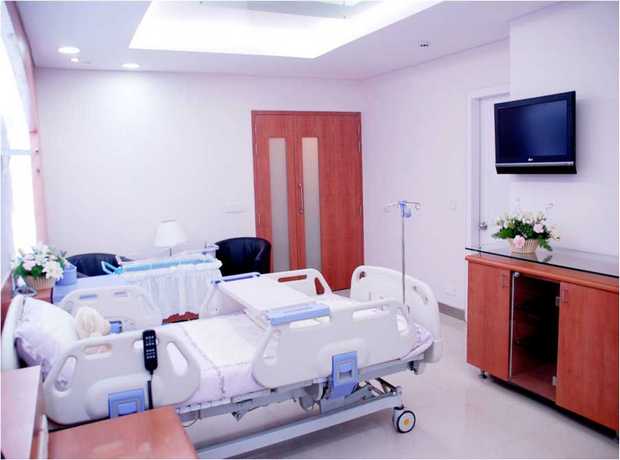
- Hospital Interior Design: From patient rooms and state-of-the-art ICUs to advanced OTs, precise labs, welcoming consultation areas, and holistic facility planning, we optimize spaces for enhanced patient care and operational efficiency.
- Residential Projects: Our portfolio includes luxurious apartments, bespoke luxury condos, specialized senior housing, and thoughtfully designed community-focused interiors, all tailored to elevate living experiences.
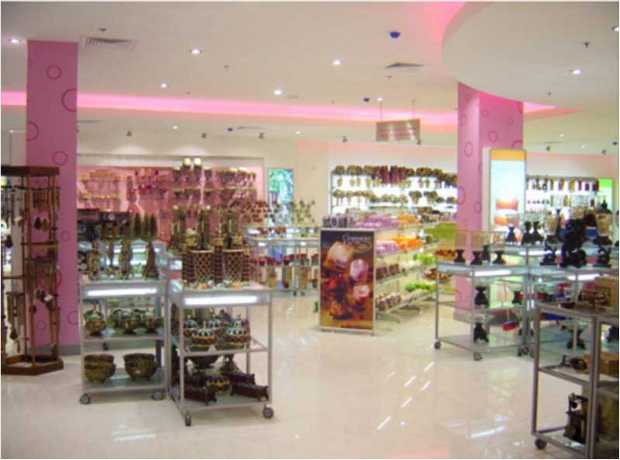
- Retail & Commercial Design: Our core strength lies in designing captivating shopping malls, innovative mixed-use developments, sophisticated offices, and dynamic entertainment centers that engage and inspire.
- Interior Solutions: We offer end-to-end solutions covering meticulous space planning, ergonomic furniture layouts, cutting-edge lighting design, and full turnkey interior execution, ensuring a seamless journey from concept to completion.
Why Choose Skydome Designs for Your New York Project:
- 29+ Years of Unmatched Experience: Our extensive tenure spans across India and international markets, providing us with a global perspective tempered by local expertise.
- Dedicated In-House Multidisciplinary Team: We boast a formidable team comprising expert architects, specialized healthcare planners, and seasoned project managers, all collaborating under one roof to deliver cohesive and integrated solutions.
- Award-Winning, Client-Focused, and Sustainable Designs: Our commitment to innovative design has earned us numerous accolades, always prioritizing client vision, functional requirements, and ecological responsibility.
- Consistent On-Time, On-Budget, Global Standard Delivery: Our robust project management methodologies ensure that every project is completed punctually, within financial parameters, and to the highest international benchmarks of quality.
We believe in building lasting partnerships, grounded in transparency and trust. With Skydome Designs, you benefit from an Award‑winning team, transparent costs, and milestone‑based reporting, ensuring you are informed and involved at every stage in New York. Our designs embody global design standards while deeply integrating local code expertise specific to New York, ensuring both aspirational aesthetics and unwavering compliance.
📞 Contact: +91 7299072144 | ✉️ Email: info@skydomedesigns.com
Key Considerations for Shopping Mall Interior Design in New York: A Holistic Approach
To craft a truly successful shopping mall interior design in New York, a multifaceted approach is indispensable. It requires meticulous attention to a variety of factors that collectively contribute to functionality, aesthetics, and the overall customer experience. These considerations ensure that the mall operates efficiently, delights visitors, and retains its value and relevance over time.
Space Planning and Layout: The Art of Flow and Discovery
Effective space planning is the bedrock of any successful retail environment. It is absolutely essential for optimizing foot traffic, creating intuitive navigation, and ultimately delivering a seamless, enjoyable shopping experience. The layout must be more than just functional; it should be intuitive, inherently easy to navigate, and strategically designed to encourage exploration and prolonged dwell times.
- Zoning and Circulation Paths: Clear delineation of zones (e.g., fashion, dining, entertainment) with well-defined, wide circulation paths prevents congestion and promotes comfortable movement. Designers consider optimal path widths, natural desire lines, and strategic placement of amenities.
- Anchor Stores and Destination Points: Strategic placement of major anchor stores and unique destination points (e.g., unique art installations, specific cafes) is crucial to draw shoppers through different areas of the mall, maximizing exposure to inline stores.
- Sightlines and Vistas: Designing for clear sightlines allows shoppers to orient themselves easily and spot stores or points of interest from a distance. Creating appealing vistas can also enhance the aesthetic experience and guide curiosity.
- Common Areas and Breakout Zones: Ample and well-appointed common areas, including comfortable seating, charging stations, and Wi-Fi access, encourage shoppers to relax and spend more time in the mall, fostering a community feel.
- Entrances and Exits: The design of entry and exit points must be welcoming, efficient, and clearly marked, creating positive first and last impressions.
Acoustics and Sound Management: Crafting the Sonic Experience
Proper acoustics are far more critical than often realized in retail environments. They are crucial for creating a comfortable, inviting, and enjoyable shopping environment. Unmanaged noise can be a significant deterrent, leading to discomfort and a desire to leave. Therefore, noise levels must be meticulously managed to minimize distractions, enhance specific sound elements (like music), and elevate the overall ambiance.
- Sound Absorption Materials: Incorporating sound-absorbing materials (e.g., acoustic panels, specialized ceiling tiles, carpeting, soft furnishings) in common areas helps to control reverberation and reduce overall noise levels.
- Sound Masking Systems: These systems emit low-level, ambient background sound to help mask distracting noises, improving speech privacy in certain areas and creating a more uniform soundscape.
- Zoned Audio Systems: Allowing different zones within the mall to have separate audio control (e.g., background music in retail areas, themed soundscapes in entertainment zones) provides flexibility and enhances the specific experience of each area.
- Noise Control from External Sources: Designing to mitigate external noise from busy New York streets or internal operational noise (e.g., HVAC systems) is essential for creating a serene interior.
Branding and Signage: Guiding and Reinforcing Identity
Clear, consistent, and compelling branding & signage are not just navigational tools; they are essential for guiding shoppers effectively, reinforcing the mall’s unique identity, and creating a cohesive aesthetic. Signage should be visually appealing, effortlessly legible, and strategically placed throughout the mall to maximize its impact and utility.
- Wayfinding Systems: An intuitive and hierarchical wayfinding system, combining directional signs, digital directories, and map kiosks, ensures shoppers can easily find their destinations without frustration.
- Digital Signage and Dynamic Content: Large digital displays can showcase promotions, upcoming events, and dynamic brand content, offering flexibility and immediate updates compared to static signage.
- Architectural Branding: Integrating the mall’s brand identity into architectural elements, materials, and color schemes creates a cohesive and immersive brand experience throughout the space.
- Tenant Signage Guidelines: Establishing clear guidelines for tenant storefronts and signage ensures visual harmony and prevents a chaotic appearance, while still allowing for individual brand expression.
- Emergency Signage: Clear, compliant emergency exits and safety information signage are paramount for public safety, integrated seamlessly into the overall design.
Lighting Design: Illuminating Experience and Efficiency
Beyond basic illumination, sophisticated lighting design is a powerful tool in shopping malls, influencing mood, highlighting merchandise, guiding navigation, and significantly impacting energy consumption. In New York, 2025 designs will emphasize layered and intelligent lighting schemes.
- Natural Light Maximization: Incorporating skylights, large windows, and reflective surfaces to draw natural light deep into the mall interior reduces reliance on artificial lighting and creates a more pleasant, uplifting atmosphere.
- Layered Lighting Strategy: Combining ambient lighting (general illumination), accent lighting (to highlight displays or architectural features), task lighting (for specific functions), and decorative lighting (for aesthetic appeal) creates depth and visual interest.
- Tunable Lighting and Color Temperature: Utilizing LED systems with tunable white technology allows for dynamic adjustments to color temperature and intensity, adapting to different times of day, seasons, or special events, influencing shopper mood and product perception.
- Energy Efficiency and Controls: Implementing smart lighting controls, occupancy sensors, and daylight harvesting systems ensures that lighting is used only when and where needed, maximizing energy savings.
Material Selection: Durability, Aesthetics, and Maintenance
The choice of materials in a shopping mall interior is a critical decision, balancing aesthetic appeal with functional requirements. For New York in 2025, materials must be:
- Durable and Hard-wearing: Given high foot traffic, materials must withstand significant wear and tear, ensuring longevity and reducing the need for frequent replacements. This applies to flooring, wall finishes, and fixtures.
- Easy to Maintain: Materials should be selected for ease of cleaning and maintenance, minimizing operational costs and ensuring the mall always presents a pristine appearance.
- Aesthetically Pleasing: Materials contribute significantly to the mall’s overall look and feel, conveying luxury, modernity, or warmth as desired. Textures, patterns, and colors play a vital role.
- Sustainable and Locally Sourced: Prioritizing materials that are recycled, renewable, non-toxic, and, where possible, locally sourced (to reduce transportation emissions) aligns with eco-conscious design principles.
Security & Safety Integration: Designing for Peace of Mind
In a bustling metropolis like New York, integrated security and safety features are paramount. These must be seamlessly woven into the design, providing unobtrusive protection.
- Clear Emergency Exits and Pathways: Unobstructed and clearly marked emergency exits, with sufficient capacity, are non-negotiable for public safety.
- Integrated Surveillance Systems: Discreetly placed but effective CCTV and monitoring systems deter crime and provide crucial oversight.
- Crowd Management Design: Layouts that naturally facilitate crowd flow and prevent bottlenecks are essential, especially during peak seasons or events.
- Access Control: Strategic placement of access control points for service areas and restricted zones ensures operational security without impacting visitor experience.
Accessibility: Universal Design for All
Designing for inclusivity is a legal requirement (ADA compliance) and a moral imperative. By 2025, New York malls will exemplify universal design principles.
- Ramps, Elevators, and Escalators: Providing easy access across all levels for individuals with mobility challenges.
- Accessible Restrooms and Changing Facilities: Ensuring these are well-equipped and spacious.
- Tactile Paving and Visual Cues: Assisting visually impaired individuals with navigation.
- Clear Signage and Information: Providing information in multiple formats (visual, auditory, tactile) where appropriate.
Award‑winning team, transparent costs, milestone‑based reporting in New York. Global design standards with local code expertise in New York.
FAQ: Shopping Mall Interior Design in New York for 2025
Here are some frequently asked questions about the evolving landscape of shopping mall interior design in New York:
What are the fundamental elements of successful shopping mall interior design in the modern era?
Successful shopping mall interior design in 2025 transcends mere aesthetics. It includes a comprehensive array of elements: highly effective space planning for intuitive navigation, strategic and energy-efficient lighting design, meticulously managed acoustics for comfort, clear and consistent branding & signage, integration of sustainable materials, and a strong emphasis on digital technologies to enhance engagement and personalization. Ultimately, it’s about creating a holistic, human-centric, and future-ready environment.
How can I ensure my shopping mall becomes more sustainable and environmentally responsible?
To make your shopping mall significantly more sustainable, you should integrate eco-friendly and recycled materials throughout the design, implement advanced energy-efficient LED lighting systems with smart controls, upgrade to high-efficiency HVAC and air quality systems, adopt water conservation strategies like low-flow fixtures and rainwater harvesting, and incorporate biophilic design elements. Furthermore, a commitment to waste reduction and robust recycling infrastructure is key. Considering certifications like LEED or WELL can also guide and validate your efforts.
What pivotal role does technology play in shaping modern shopping mall design for 2025?
Technology is a transformative force, revolutionizing the shopping experience. By 2025, it will enhance the shopping experience through advanced interactive displays and intelligent kiosks, highly personalized shopping apps and digital loyalty programs, immersive augmented reality (AR) and virtual reality (VR) experiences for product trials and entertainment, and seamless omnichannel integration. Technology also underpins smart mall operations through IoT sensors for data collection, predictive maintenance, and dynamic environmental controls, ensuring an efficient, engaging, and highly responsive retail environment.
Why is meticulous space planning considered so crucial in contemporary shopping mall interior design?
Space planning is paramount because it fundamentally optimizes foot traffic flow, creating a seamless and logical shopping experience. Effective space planning guides visitors intuitively through the mall, encourages exploration of various retail zones, maximizes exposure to stores and amenities, and prevents congestion. It also impacts the perception of spaciousness, comfort, and safety, ultimately influencing dwell times and overall customer satisfaction, which directly correlates to tenant success and mall profitability.
How do New York’s unique urban characteristics influence shopping mall interior design trends?
New York’s dense urban environment heavily influences design by emphasizing verticality and efficient use of every square foot due to space constraints. Designs must also adeptly navigate strict local building codes, historic preservation requirements, and logistical challenges inherent in urban construction. Furthermore, designers must cater to the city’s exceptionally diverse demographics, integrating culturally sensitive elements and a sophisticated aesthetic that blends urban grit with modern elegance, ensuring broad appeal and local relevance.
What is the benefit of having flexible and adaptable spaces within a shopping mall?
Flexible and adaptable spaces are vital for future-proofing a shopping mall. They allow the mall to quickly reconfigure its layout and functions to host diverse events, accommodate pop-up shops, respond to seasonal trends, or integrate new retail concepts without extensive and costly renovations. This inherent versatility ensures the mall remains relevant, exciting, and capable of generating varied revenue streams, maintaining its appeal as a dynamic destination in a rapidly changing retail landscape.
How does Skydome Designs approach shopping mall projects in New York?
Skydome Designs approaches shopping mall projects in New York with nearly three decades of global and local expertise. Our strategy is client-focused and rooted in innovation, sustainability, and functionality. We leverage our award-winning in-house team to conduct meticulous multi-disciplinary reviews, integrate global design standards with local code expertise, and prioritize transparent costs and milestone-based reporting. This comprehensive approach ensures projects are delivered on time, on budget, and to the highest standards, resulting in future-proof retail spaces that truly excel in the competitive New York market. Our extensive experience, including over 2370 shopping mall interior design assignments globally, positions us as a leader in creating transformative retail environments.
Conclusion: Crafting the Future of Retail in New York
The future of shopping mall interior design in New York is undeniably exciting, marked by a dynamic interplay of innovation, responsibility, and experiential excellence. As we look towards 2025, sustainability, profound digital integration, and inherent flexibility are not merely desirable features; they are foundational pillars shaping environments that are both economically viable and deeply resonant with the aspirations of the modern consumer. The landscape of retail in New York is undergoing a profound transformation, evolving from transactional spaces into vibrant, multi-functional community hubs that offer far more than just shopping.
By understanding these pivotal trends and, crucially, by partnering with highly experienced New York interior experts like Skydome Designs, stakeholders can create shopping environments that are not only visually captivating but also intrinsically engaging, technologically advanced, environmentally conscious, and robustly future-proof. Our proven track record, encompassing the successful delivery of over 2370 shopping mall interior design assignments across New York and globally over 24+ years, demonstrates our capacity to transform ambitious visions into concrete realities. With an impressive 97% on‑time delivery rate, meticulous multi‑disciplinary reviews, and dedicated post‑occupancy support, we ensure that every project outcome is underpinned by excellence and designed for lasting success. Our award‑winning team, commitment to transparent costs, and milestone‑based reporting, combined with our deep expertise in global design standards and local code adherence in New York, make us the ideal partner to navigate this exciting future.
Ready to embark on a transformative journey for your retail space in the heart of New York? The opportunity to redefine the shopping experience and create a landmark destination awaits. Contact Skydome Designs today to discuss your vision and discover how our expertise can bring it to life, ensuring your project sets new benchmarks for innovative and sustainable retail design.