As Toronto continues its rapid urban expansion, transforming skylines and neighborhoods with unprecedented speed, the importance of effective signage and wayfinding design becomes not just crucial, but absolutely foundational to the city’s functionality and livability. This comprehensive 2025 guide delves deep into the evolving landscape of signage and wayfinding design in Toronto, offering expert insights into key trends, navigating complex code considerations, and illuminating the path to finding the right partner for your critical urban development or renovation project.
Toronto, a global metropolis renowned for its diversity and dynamism, is constantly evolving. From bustling transit hubs to serene residential enclaves, vibrant retail districts to cutting-edge healthcare facilities, every space demands an intuitive navigational framework. Poor wayfinding can lead to frustration, lost time, decreased efficiency, and even safety hazards. Conversely, well-designed signage elevates the user experience, reinforces brand identity, and contributes significantly to the overall aesthetic and functionality of any built environment. In this detailed exploration, we’ll uncover why strategic signage is more vital than ever and how leading firms like Skydome Designs are shaping Toronto’s future.
The Growing Need for Strategic Signage and Wayfinding Design in Toronto’s Dynamic Urban Landscape
With Toronto’s accelerated growth, marked by an influx of new residents, ambitious architectural projects, and an increasingly complex public transit system, clear and intuitive navigation is no longer a mere amenity, but an absolute necessity. The city’s growing density demands sophisticated Toronto signage and wayfinding design solutions that are capable of catering to diverse user groups, including international visitors, individuals with varying levels of mobility, and a multicultural population speaking numerous languages. Furthermore, these solutions must seamlessly adhere to increasingly stringent building codes and accessibility standards.
Consider the daily lives of Torontonians. Imagine navigating a sprawling hospital campus when stressed or anxious, trying to find a specific platform in a crowded Union Station during rush hour, or locating a particular store within a multi-level shopping mall. In each scenario, effective wayfinding isn’t just convenient; it directly impacts efficiency, safety, and emotional well-being. Good design in this context transcends aesthetics; it enhances user experience, improves accessibility for all, and ensures safety by guiding people clearly in emergencies. Without a thoughtful, strategic approach to signage, even the most beautifully designed buildings can become confusing mazes, diminishing their value and failing their occupants. This is where expert partners, like Skydome Designs, with their nearly three decades of experience and a track record of 326+ successful assignments, prove invaluable in delivering clarity and confidence.
>> Ready to simplify navigation in your complex Toronto project? Skydome Designs has delivered 326+ signage and wayfinding design assignments across Toronto and globally over 24+ years, with a 99% on-time delivery rate backed by multi-disciplinary reviews and post-occupancy support. Contact us today to discuss how our expertise can benefit you.
Key Trends Shaping Toronto Signage and Wayfinding Design in 2025 and Beyond
The future of signage and wayfinding in Toronto is being shaped by a confluence of technological advancements, societal shifts, and a renewed focus on human-centric design. Understanding these trends is paramount for any developer, architect, or property manager planning a project in the city.
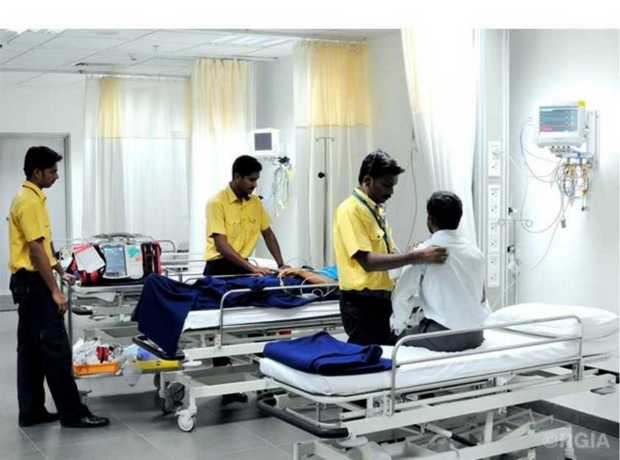
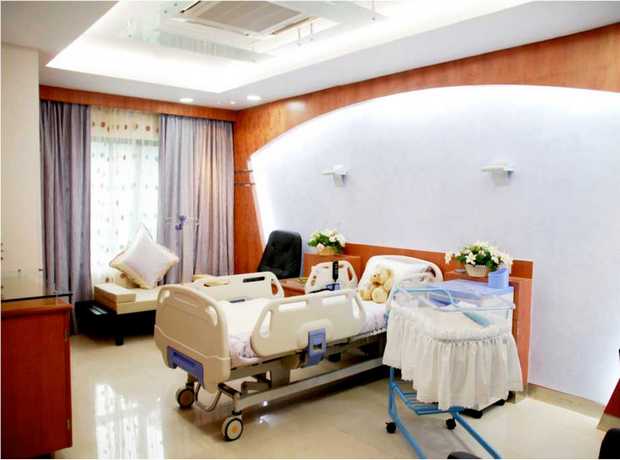
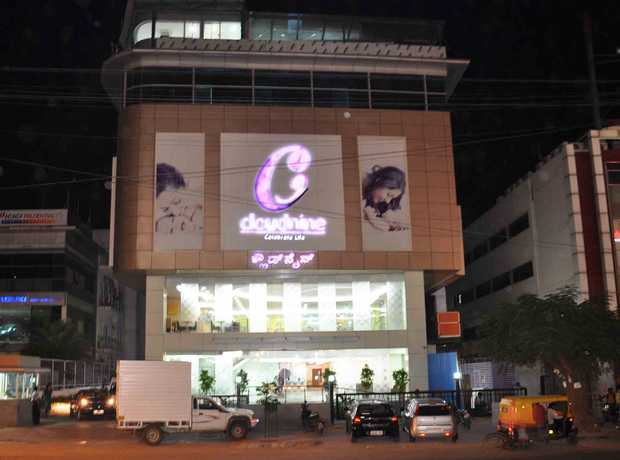

Increased Accessibility: Designing for Everyone
Universal design principles are no longer just a recommendation; they are becoming standard practice, driven by legislation like the Accessibility for Ontarians with Disabilities Act (AODA) and a growing societal awareness. This means ensuring that spaces are navigable for everyone, regardless of age, ability, or background. For signage and wayfinding, this translates into:
- Legible Typography and Contrast: High contrast ratios, appropriate font sizes, and sans-serif fonts are crucial for readability, especially for individuals with visual impairments.
- Tactile and Braille Signage: Integrating raised characters and Braille on crucial signs, especially for room identification and emergency exits, to assist visually impaired individuals.
- Pictograms and International Symbols: Using universally recognized icons to overcome language barriers and convey information quickly.
- Clear Pathways and Sightlines: Ensuring signs are placed at optimal heights and locations, free from obstructions, and that pathways are wide enough for wheelchairs and other mobility devices.
- Auditory Cues: While less common for static signage, audio announcements or interactive digital systems with audio outputs are increasingly important in public transit or large facilities.
- Digital Accessibility: Ensuring that any digital wayfinding solutions are compatible with screen readers and offer adjustable text sizes or color contrasts.
A commitment to universal design ensures that Toronto’s spaces are truly inclusive, reflecting the city’s diverse population and values. Skydome Designs brings global design standards with local code expertise in Toronto, ensuring your project meets and exceeds all accessibility requirements. Let us help you create inclusive and accessible environments. Get in touch to learn more.
Digital Integration: Smart Solutions for Dynamic Navigation
The rise of digital technology is profoundly transforming wayfinding. Smart signage, interactive kiosks, and mobile applications are no longer futuristic concepts; they are actively complementing traditional static signage, offering real-time information and personalized guidance. This trend encompasses:
- Interactive Kiosks and Digital Directories: These allow users to search for destinations, view dynamic maps, and receive step-by-step directions, often integrated with touchscreens and multilingual options.
- Mobile Applications: Custom apps for large complexes (hospitals, universities, airports) can provide indoor navigation, personalized routes, and real-time updates on delays or changes.
- Augmented Reality (AR) Wayfinding: Overlays digital information onto a user’s view of the real world via their smartphone or smart glasses, providing intuitive directional arrows and contextual information.
- Dynamic Content Displays: Digital screens that can update information instantly – showing real-time transit schedules, event listings, emergency alerts, or changes in facility hours.
- Sensor Integration: Using occupancy sensors or proximity beacons to guide users more effectively or to provide personalized information as they approach certain areas.
Digital integration offers unparalleled flexibility and responsiveness, making wayfinding more engaging and efficient. However, it requires careful planning to ensure seamless integration with physical signage and robust backend systems. Skydome Designs offers end-to-end delivery for signage and wayfinding design — from strategy and digital integration planning to construction and handover in Toronto, ensuring a cohesive and cutting-edge solution.
Sustainability: Eco-Conscious Design for a Greener Toronto
Reflecting Toronto’s strong commitment to environmental responsibility, sustainability is a rapidly growing consideration in signage design. Clients are increasingly seeking eco-friendly materials and energy-efficient lighting solutions to reduce their carbon footprint and align with green building certifications like LEED. Key aspects include:
- Material Selection: Prioritizing recycled content (e.g., recycled aluminum, plastics), rapidly renewable resources (e.g., bamboo, FSC-certified wood), non-toxic paints and finishes (low VOC), and materials with long lifespans to reduce waste.
- Energy-Efficient Lighting: Exclusive use of LED lighting for illuminated signs, which consumes significantly less energy, has a longer lifespan, and offers greater control over light output compared to traditional neon or fluorescent. Solar-powered options are also gaining traction for exterior applications.
- Durability and Longevity: Designing signs that withstand Toronto’s varied climate (harsh winters, humid summers) to minimize the need for frequent replacement, thus reducing material consumption and waste.
- Lifecycle Assessment: Considering the environmental impact of a sign from its raw materials to manufacturing, transportation, installation, and eventual disposal or recycling.
- Local Sourcing: Using locally sourced materials and fabrication services whenever possible to reduce transportation emissions and support the local economy.
Embracing sustainable practices in signage design not only benefits the environment but also aligns with corporate social responsibility goals and can contribute to positive public perception. Our team at Skydome Designs is adept at integrating sustainable practices into your signage strategy, creating designs that are both responsible and impactful.
Branding and Placemaking: Signage as a Storyteller
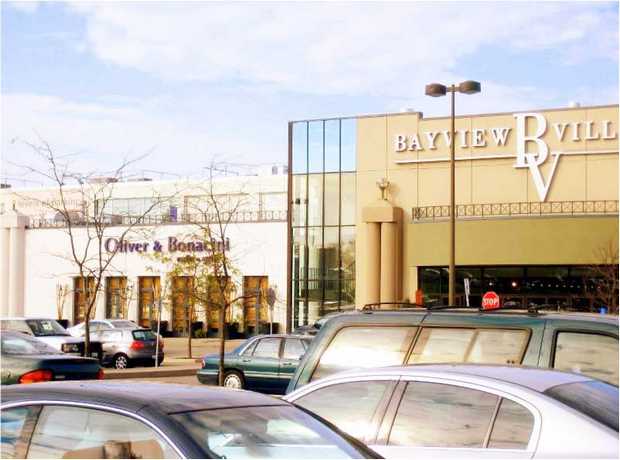
Beyond its utilitarian function, signage is increasingly used to reinforce brand identity, create a distinctive sense of place, and enhance the overall aesthetic of a development. In a competitive urban environment like Toronto, placemaking through signage is crucial for differentiating properties and fostering emotional connections. This trend involves:
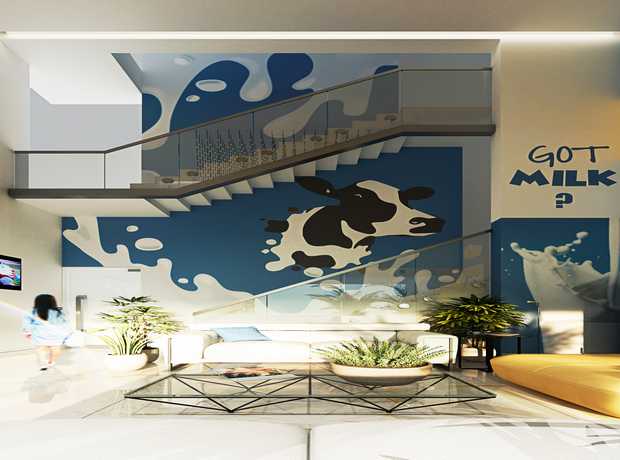
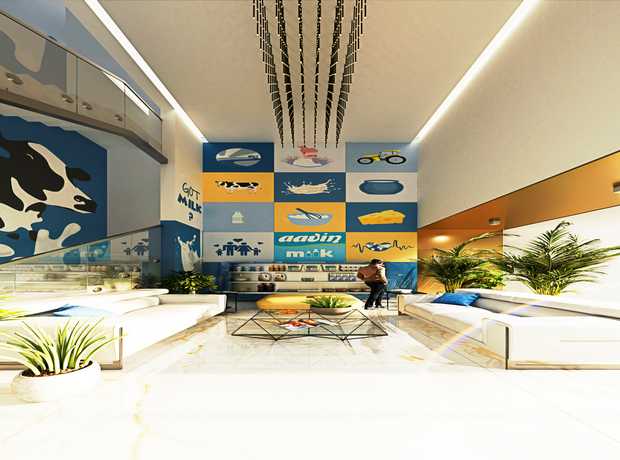
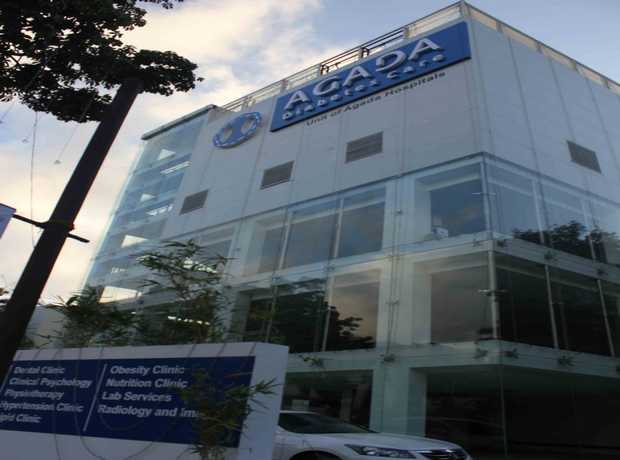
- Harmonizing with Architecture: Designing signs that are not just attached to a building, but are integral to its architectural language, complementing materials, colors, and forms.
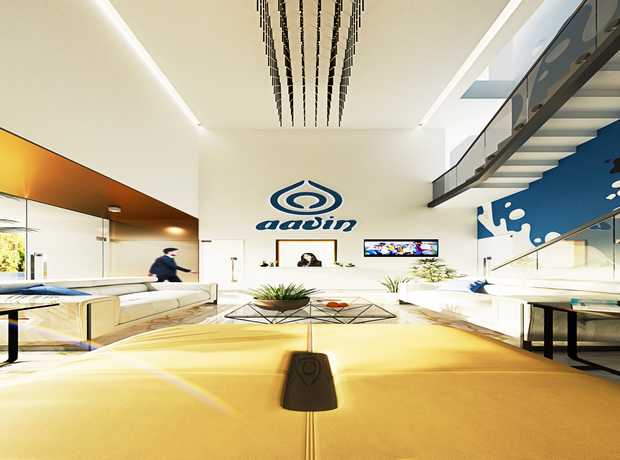
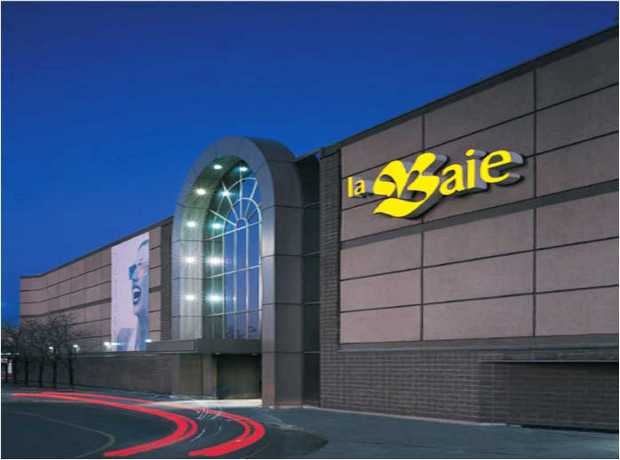
- Brand Consistency: Ensuring that all signage elements – from the smallest directional sign to the largest exterior marquee – consistently reflect the client’s brand guidelines, typography, color palette, and visual identity.
- Creating District Identity: In large mixed-use developments or public areas, signage can contribute to a cohesive visual identity for an entire district, guiding visitors and fostering a sense of community.
- Experiential Design: Using signage creatively to tell a story, evoke emotions, or highlight unique features of a space, turning functional elements into memorable experiences.
- Public Art Integration: Incorporating artistic elements into signage or using signage itself as a form of public art, adding cultural value and visual interest.
Effective branding and placemaking through signage can transform a generic space into a memorable destination, enhancing its appeal and value. Skydome Designs excels at creating harmonious spaces that enhance user experience, integrating signage seamlessly with interior design and architectural vision. Learn more about our comprehensive interior design services.
Finding the Right Toronto Signage and Wayfinding Design Company: A Critical Decision
Choosing the right partner for your signage and wayfinding project is perhaps the most crucial decision you’ll make. A well-chosen firm will not only execute your vision but will also bring invaluable expertise, anticipate challenges, and ensure compliance. Here’s what to look for in a leading Toronto signage and wayfinding design company:
Experience and Expertise: The Foundation of Success
Look for a firm with a truly proven track record of delivering successful, complex projects specifically within the Toronto context. Consider their extensive experience with similar project types (e.g., healthcare, retail, residential, public spaces) and their deep understanding of local codes, regulations, and the unique challenges presented by Toronto’s climate and urban fabric. Skydome Designs, for example, brings nearly 30 years of unparalleled experience to the table, having delivered an impressive 326+ signage and wayfinding design assignments across Toronto and globally. This extensive expertise, combined with meticulous multi-disciplinary reviews and unwavering post-occupancy support, ensures on-time delivery (with a remarkable 99% success rate) and optimal, long-lasting outcomes for every project. This level of experience isn’t just about longevity; it’s about accumulated knowledge, refined processes, and a profound understanding of what works in diverse environments. When you partner with us, you’re tapping into decades of insights that mitigate risks and maximize impact. Don’t compromise on experience. Skydome Designs has delivered 326+ signage and wayfinding design assignments across Toronto and globally over 24+ years, with a 99% on-time delivery rate. Contact us to discuss your project needs and ensure optimal outcomes.
Understanding of Global Standards and Local Codes: A Balancing Act
The ideal firm will possess a unique blend of global design best practices—drawing inspiration from leading cities and international standards—coupled with an in-depth, nuanced knowledge of Toronto’s specific building codes, zoning bylaws, and, critically, accessibility requirements (e.g., AODA – Accessibility for Ontarians with Disabilities Act). This dual expertise is vital for creating designs that are both innovative and compliant, avoiding costly delays and redesigns. A firm that understands both the aspirational and the regulatory aspects can navigate potential pitfalls and ensure your project is future-proof. Skydome Designs uniquely combines global design standards with local code expertise in Toronto. This ensures your project is not only groundbreaking but fully compliant. Reach out to leverage our dual advantage.
End-to-End Delivery Capabilities: A Seamless Journey
The complexity of signage and wayfinding projects often benefits immensely from a single, integrated team. From the initial strategic consultation and conceptual design to detailed engineering, material procurement, construction management, fabrication oversight, and final handover, a full-service firm offers a seamless, efficient, and cohesive process. This eliminates the communication breakdowns and inconsistencies that can arise when multiple vendors are involved. Skydome Designs offers true end-to-end delivery for signage and wayfinding design in Toronto. Our comprehensive approach covers every stage: initial strategy development, creative and technical design, meticulous construction planning, precise fabrication, rigorous quality control during installation, and thorough final handover, ensuring a cohesive and impeccably executed project from start to finish. This streamlined process saves time, reduces stress, and guarantees design integrity throughout. Experience unparalleled efficiency with Skydome Designs. We offer end-to-end delivery for signage and wayfinding design — strategy, design, construction and handover in Toronto. Let us manage your project from conception to completion.
Comprehensive Portfolio and Client Testimonials: Evidence of Excellence
Before committing, thoroughly review the firm’s portfolio to assess the quality, diversity, and complexity of their past work. Look for projects similar in scale or typology to your own. Pay attention to the clarity of their designs, their aesthetic range, and their ability to integrate signage seamlessly into various architectural styles. Complement this visual assessment with client testimonials, which provide invaluable insights into their working style, communication effectiveness, problem-solving capabilities, and overall commitment to client satisfaction. These testimonials offer a window into what it’s truly like to collaborate with the firm.
Essential Elements of Effective Signage Design: Beyond the Aesthetic
While aesthetics are important, truly effective signage design prioritizes clarity, legibility, and an intuitive user experience. These core principles ensure that signs fulfill their primary function: to inform and guide.
Clarity, Conciseness, and Legibility: The Non-Negotiables
At the heart of good signage is clear communication. This involves:
- Typography: Choosing highly legible fonts, avoiding overly ornate or thin styles. Font size must be appropriate for viewing distance.
- Contrast: Ensuring strong contrast between text/graphics and the background to maximize readability, especially for those with visual impairments.
- Hierarchy: Organizing information logically, using varying font sizes, weights, and colors to guide the eye to the most important information first.
- Conciseness: Using minimal text to convey maximum information. Avoid jargon or overly wordy explanations.
- Pictograms and Symbols: Employing universally understood icons to convey information quickly and overcome language barriers.
Materials Selection: Durability Meets Design
The choice of materials is critical for both the longevity and the aesthetic integration of signage. In Toronto’s varied climate, durable, weather-resistant materials are essential for exterior signage. These can include high-grade aluminum, stainless steel, durable acrylics, engineered wood composites, and even stone or concrete for monumental applications. For interior signage, the materials should complement the overall interior design aesthetic, incorporating elements like glass, polished metals, custom-painted MDF, or high-quality vinyl graphics. Considerations include durability, maintenance requirements, cost-effectiveness, environmental impact, and how the material interacts with light. For optimal guidance on material selection that balances aesthetics, durability, and sustainability, consider consulting with Toronto interior experts like Skydome Designs. We have the expertise to specify materials that perform under Toronto’s conditions and enhance your design.
Acoustics and Lighting Design: Enhancing the Sensory Experience
In interior spaces, effective signage design must consider how it integrates with the overall acoustic and lighting design of the environment. Well-lit and clearly visible signage is not just an aesthetic choice; it fundamentally enhances safety, accessibility, and the overall user experience, particularly in low-light conditions or emergency situations. Lighting can be integrated into the sign itself (e.g., front-lit, back-lit, halo-lit letters), or external lighting can be strategically positioned to illuminate signs. The quality and color temperature of light also play a role in legibility and mood. While signage doesn’t directly affect acoustics in a major way, materials chosen can subtly contribute to or detract from the acoustic environment (e.g., hard, reflective surfaces vs. softer, absorptive ones). Therefore, a holistic design approach ensures that all elements work in harmony. Consider exploring our specialized lighting design options to perfectly complement and enhance your signage strategy.
Interior Design Integration: Signage as an Architectural Element
For signage to truly elevate a space, it must seamlessly integrate with the overall interior design, becoming an extension of the architectural narrative rather than an afterthought. This means considering:
- Color Palettes: Ensuring sign colors harmonize with, or strategically contrast against, the surrounding interior finishes.
- Material Continuity: Using materials for signage that are either present elsewhere in the interior or that beautifully complement the existing material palette.
- Placement and Scale: Locating signs intuitively and at appropriate scales that feel balanced within the space, neither overwhelming nor insignificant.
- Architectural Features: Designing signs that leverage existing architectural features, such as wall niches, ceiling details, or columns, to create integrated solutions.
Our team at Skydome Designs specializes in creating harmonious and cohesive spaces that profoundly enhance the user experience. We believe that signage, when integrated thoughtfully, transforms from a mere informational tool into a powerful element of interior design. This approach ensures that every sign contributes to a unified, aesthetically pleasing, and highly functional environment. Learn more about how our integrated approach can benefit your project through our comprehensive interior design services.
Skydome Designs: Your Partner for Signage and Wayfinding Excellence in Toronto
With over 29 years of dedicated experience and a sterling track record of 326+ successful projects executed across Toronto and globally, Skydome Designs offers unparalleled expertise in strategic signage and wayfinding design. Our profound understanding of both global design best practices and intricate local Toronto codes, combined with our commitment to end-to-end delivery, positions us as the ideal partner for your next project. We are not just designers; we are problem-solvers, innovators, and trusted advisors committed to crafting environments that are intuitive, accessible, and aesthetically compelling.
Our commitment to on-time delivery, boasting an exceptional 99% success rate, is a testament to our meticulous project management, rigorous multi-disciplinary reviews, and dedicated post-occupancy support. This comprehensive approach ensures that every project not only meets but exceeds expectations, delivering optimal outcomes that stand the test of time. We pride ourselves on creating innovative, sustainable, and highly functional spaces that significantly enhance user experiences and operational efficiency. Let us bring our award-winning, client-focused, and sustainable design philosophy to your next project, transforming your vision into a landmark reality.
What We Do: Tailored Solutions for Diverse Sectors
Our extensive portfolio demonstrates our versatility and depth of expertise across various sectors, where effective signage and wayfinding are critical:
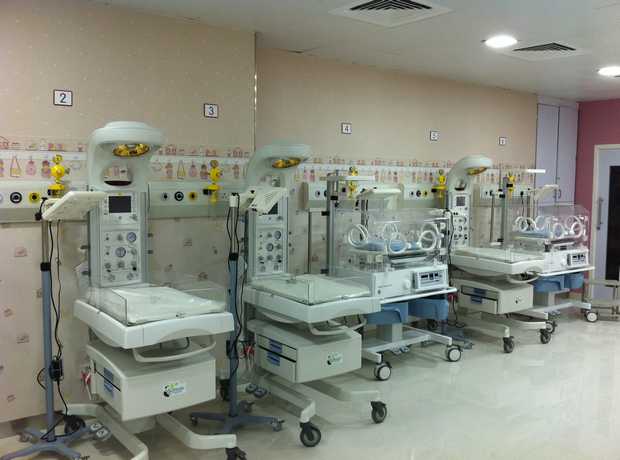
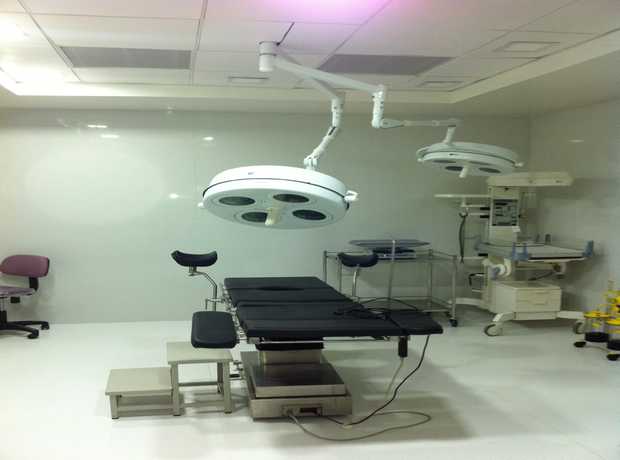
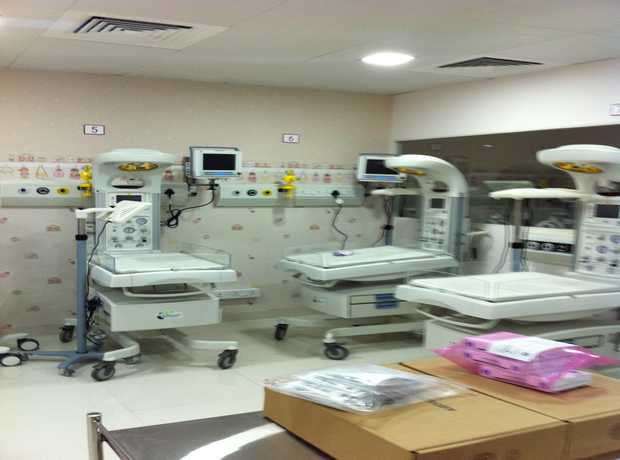
- Hospital Interior Design: We specialize in designing patient-centric spaces, including intuitive wayfinding for patient rooms, intensive care units (ICUs), operating theatres (OTs), laboratories, consultation areas, and comprehensive facility planning. Our designs optimize care delivery, reduce stress for patients and visitors, and improve staff efficiency through clear, concise navigation.
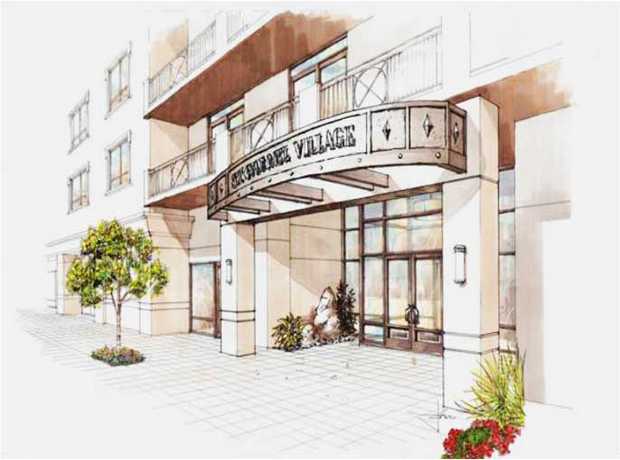
- Residential Projects: From luxury condos and modern apartments to senior housing communities, our interior and exterior signage solutions enhance resident experience, improve safety, and reinforce brand identity. We create welcoming and easily navigable environments that foster a sense of belonging.
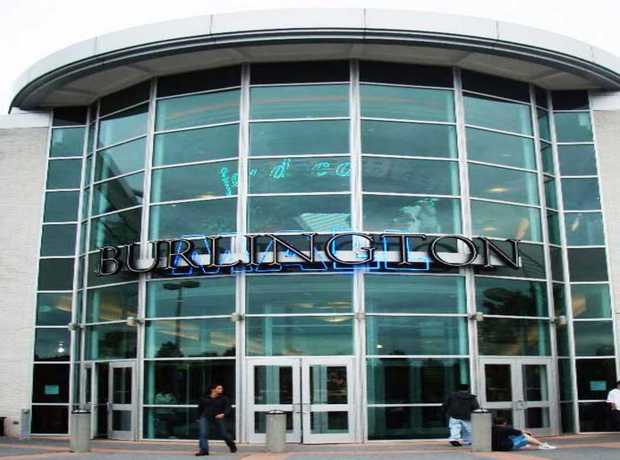
- Retail & Commercial Design: We design dynamic signage and wayfinding systems for sprawling shopping malls, vibrant mixed-use developments, corporate offices, and engaging entertainment centers. Our designs guide customers seamlessly, promote brand visibility, and enhance the overall commercial experience, contributing to increased foot traffic and sales.
- Interior Solutions: Beyond signage, we offer holistic interior design services, including expert space planning, optimized furniture layouts, sophisticated lighting design, and full turnkey interior execution. Our integrated approach ensures that signage is always a harmonious and functional component of the broader interior scheme.
Why Choose Us: A Legacy of Excellence and Innovation
Our unique value proposition is built upon several pillars that differentiate us in the competitive Toronto market:
- 29+ years of experience across India and abroad: This vast experience equips us with a global perspective and a deep understanding of diverse architectural and cultural contexts, which we expertly apply to local Toronto projects.
- In-house team of architects, healthcare planners, and project managers: Our multi-disciplinary team ensures a holistic approach, allowing for seamless integration of signage with architectural, functional, and operational requirements from concept to completion.
- Award-winning, client-focused, and sustainable designs: We are passionate about creating designs that are not only aesthetically pleasing and recognized by the industry but also deeply responsive to client needs and environmentally responsible.
- Projects delivered on-time, on-budget, and to global standards: Our rigorous project management methodologies and commitment to quality ensure that your project is completed efficiently, economically, and to the highest international benchmarks.
Contact Us Today!
Ready to elevate your Toronto project with expert signage and wayfinding design that is both functional and aesthetically brilliant? Partner with Skydome Designs and experience the difference that nearly three decades of dedicated expertise and a commitment to excellence can make. Let us help you navigate the complexities of design and delivery, ensuring your project stands out and serves its users effectively. From strategy to handover, ensure your Toronto project excels with Skydome Designs. Contact us today to experience our end-to-end expertise.
📞 Contact: +91 7299072144
✉️ Email: info@skydomedesigns.com
FAQ: Signage and Wayfinding Design in Toronto – Your Questions Answered
To further assist you in understanding the nuances of effective signage and wayfinding design, we’ve compiled answers to some frequently asked questions:
What is wayfinding signage?
Wayfinding signage refers to the comprehensive system of visual cues, informational graphics, and spatial elements strategically deployed to guide people efficiently and intuitively through a physical environment. It encompasses everything from directional arrows and maps to directories, identification signs for rooms or departments, and even subtle architectural features that aid navigation. The primary goal is to help users orient themselves, understand their current location, identify their destination, and follow the most logical path to get there effectively and safely.
How much does wayfinding cost for a project in Toronto?
The cost of a comprehensive wayfinding system in Toronto can vary widely, making it difficult to provide a single estimate without specific project details. Factors influencing cost include: the project’s size and complexity (e.g., a small retail store vs. a multi-building hospital campus), the types of materials used (e.g., standard vinyl vs. custom illuminated metal), the extent of customization required, the integration of digital interactive elements, the number of signs, fabrication and installation labor, and the level of design and consulting expertise. It’s always best to obtain a custom, detailed quote from a reputable signage and wayfinding design company like Skydome Designs after a thorough assessment of your project’s unique requirements. This ensures transparent pricing and a solution tailored to your budget and needs.
What makes good wayfinding in an urban environment like Toronto?
Good wayfinding in a dynamic urban environment like Toronto is characterized by several key attributes. It is first and foremost clear and concise, using minimal text and universally understood pictograms. It is consistent in its visual language (typography, colors, symbols) across all touchpoints, preventing confusion. It exhibits legibility through optimal contrast, font size, and placement. Excellent wayfinding is also intuitive, anticipating user needs and providing guidance before they feel lost. It is hierarchical, presenting information in a logical order of importance. Furthermore, in Toronto, good wayfinding is accessible, complying with AODA standards and catering to diverse abilities and languages. Finally, it should seamlessly integrate with the surrounding architecture and interior design, enhancing the aesthetic without being intrusive.
What are the types of wayfinding signage?
Wayfinding signage typically falls into several categories, often working in conjunction:
- Directional Signage: Arrows, route markers, and directional text indicating paths to destinations.
- Identification Signage: Names of rooms, departments, building numbers, or facility entrances.
- Informational Signage: Maps, directories, historical plaques, regulatory notices, and general visitor information.
- Regulatory Signage: Signs enforcing rules, safety warnings, emergency exits, and mandatory instructions (e.g., “No Smoking”).
- Warning/Safety Signage: Highlighting potential hazards or necessary precautions.
These types can manifest as physical signs (static, illuminated), digital displays (interactive kiosks, dynamic content screens), or integrated into mobile applications. The best wayfinding systems use a strategic mix of these types to create a robust and user-friendly navigational experience.
What is the role of a wayfinding consultant?
A wayfinding consultant, like the experts at Skydome Designs, plays a critical role in complex projects. Their role goes beyond simply designing signs. They conduct thorough site analysis and user journey mapping, understanding how different user groups interact with the space. They develop a comprehensive wayfinding strategy, defining key decision points, information hierarchy, and signage types. They ensure compliance with all local codes and accessibility standards, manage design integration with architecture and interiors, oversee fabrication and installation, and often provide post-occupancy evaluation to refine the system. Their expertise ensures an efficient, intuitive, and future-proof wayfinding solution that minimizes user frustration and maximizes operational efficiency.
How does signage contribute to safety in a building or public space?
Signage is paramount for safety. It clearly indicates emergency exits, fire escape routes, assembly points, and the location of safety equipment (e.g., fire extinguishers, AEDs). Regulatory signs provide crucial warnings (e.g., “Wet Floor,” “High Voltage,” “No Entry”). In an emergency, clear, consistent, and well-lit wayfinding signage can significantly reduce evacuation times, prevent panic, and guide occupants to safety, potentially saving lives. It also helps first responders quickly navigate unfamiliar environments. Accessibility-compliant signage ensures that individuals with disabilities can also safely navigate and exit in emergencies.
What are common mistakes in wayfinding design that should be avoided?
Common mistakes often stem from a lack of user-centric design. These include: inconsistent terminology or visual style; too much information on one sign, leading to visual clutter; too little information, leaving users guessing; poor placement of signs, making them hard to see or read; using overly decorative or illegible fonts; inadequate lighting; ignoring specific user needs (e.g., mobility issues, language barriers); failing to integrate signage with the architectural environment; and not considering the entire user journey, leading to “dead ends” in navigation. A professional wayfinding design company will meticulously avoid these pitfalls through careful planning and rigorous testing.
How often should signage be updated in Toronto?
The frequency of signage updates depends on several factors. Permanent identification and directional signs in stable environments might last for many years. However, informational and regulatory signage should be reviewed periodically, at least annually, to ensure accuracy, compliance with updated codes, and relevance. Digital signage can be updated instantly as needed. Major renovations, changes in tenancy, or significant architectural modifications necessitate a comprehensive review and likely an update to the wayfinding system. A general rule of thumb is to evaluate your signage system every 3-5 years, or whenever there are significant operational or structural changes to your facility, to ensure it remains effective, compliant, and reflective of your brand.
Conclusion
In the rapidly evolving urban landscape of Toronto, effective signage and wayfinding design is no longer a discretionary element but an absolutely essential investment for any successful development. By understanding the critical trends shaping the future—from enhanced accessibility and seamless digital integration to sustainable practices and powerful placemaking—and by meticulously choosing the right design partner, you can create spaces that are not only aesthetically pleasing but also profoundly accessible, intuitively user-friendly, and highly functional for every individual who navigates them.
Skydome Designs stands ready as your premier partner to help you achieve this vision. With a robust legacy of nearly 30 years, an impressive portfolio of 326+ successful projects across Toronto and globally, and an unwavering commitment to 99% on-time delivery backed by multi-disciplinary expertise and comprehensive post-occupancy support, we are uniquely equipped to bring your project to life. We blend global design standards with unparalleled local code expertise in Toronto, offering true end-to-end delivery from initial strategy to final handover. Let us bring our award-winning, client-focused, and sustainable designs to your next endeavor, creating environments that truly guide, inspire, and endure. Contact us today to discuss your project and experience the transformative difference that expert design and dedicated partnership can make.