Sydney’s dynamic urban landscape is undergoing unprecedented transformation. With a surging population, robust economic growth, and significant infrastructure investments, the demand for cutting-edge, efficient, and resilient construction solutions has never been more critical. Traditional building methods often struggle to keep pace with this rapid evolution, facing challenges such as labor shortages, escalating material costs, and extended project timelines. This is where smart modular architecture solutions emerge as a powerful, transformative force, poised to redefine how Sydney builds for its future.
This comprehensive guide delves deep into the world of smart modular architecture, exploring its multifaceted benefits, the driving forces behind its accelerated adoption in Sydney, and the essential considerations for successful implementation. We will also highlight the crucial role of experienced local partners, like Skydome Designs, in navigating this exciting and complex landscape, ensuring your project achieves unparalleled success, delivered on time, within budget, and to the highest global standards.
Why Smart Modular Architecture Solutions are the Future of Sydney’s Construction
The traditional construction paradigm, with its sequential processes and susceptibility to external variables, is increasingly being challenged by modern demands for speed, predictability, and sustainability. Smart modular architecture offers a revolutionary alternative, where building components or entire sections are meticulously constructed off-site in highly controlled factory environments, leveraging precision engineering and advanced manufacturing techniques. These finished modules are then transported to the construction site and efficiently assembled, dramatically accelerating the entire building process. This innovative approach offers a multitude of compelling advantages for projects across Sydney’s diverse sectors:
1. Unprecedented Faster Project Delivery
One of the most significant and attractive benefits of modular construction is its ability to drastically compress project timelines. Unlike traditional methods where site preparation and building construction occur sequentially, modular construction allows for these processes to happen concurrently. While the site is being prepared, foundations laid, and utilities installed, the modules themselves are simultaneously being fabricated in a factory. This parallel workflow can cut overall project schedules by 30-50% or even more, depending on the project’s scale and complexity.
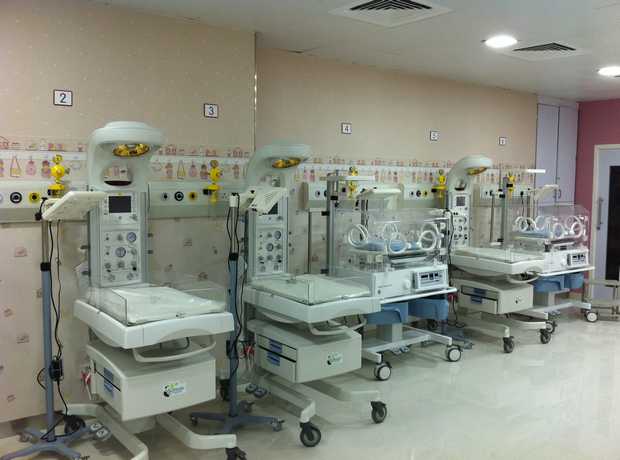
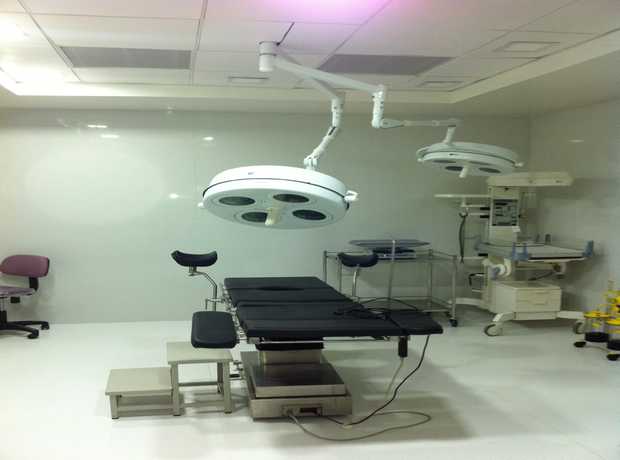
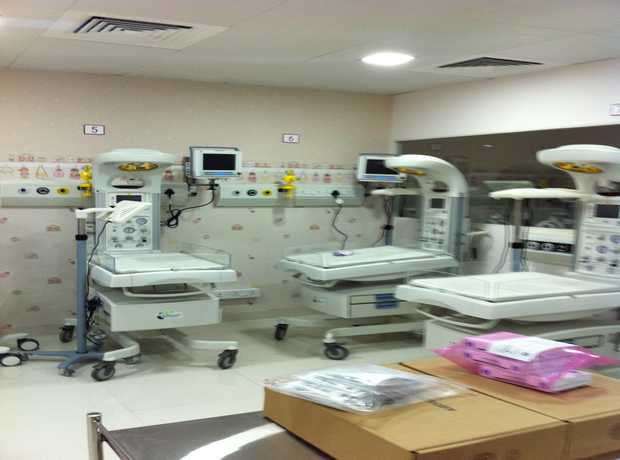
For Sydney’s fast-paced development environment, this accelerated delivery means quicker occupancy for residential projects, faster market entry for commercial ventures, and rapid deployment of essential public infrastructure such as schools or healthcare facilities. The economic advantages of faster completion are substantial, including reduced financing costs, earlier revenue generation, and a quicker return on investment for developers and investors.

2. Significantly Reduced Risk and Enhanced Predictability
Construction projects are inherently risky, grappling with variables like adverse weather conditions, unforeseen site complications, labor disputes, material theft, and on-site accidents. Smart modular architecture substantially mitigates many of these risks. By moving up to 90% of the construction activity into a controlled factory setting, projects become less vulnerable to weather-related delays, which are a common occurrence in Sydney’s dynamic climate. This factory environment also minimizes exposure to on-site hazards, leading to a safer working environment and a dramatic reduction in accident rates.
Furthermore, the standardized processes, quality checks, and material procurement efficiencies inherent in modular construction lead to greater cost predictability and control. There are fewer unexpected expenses related to rework or delays, providing greater certainty for budgeting and financial planning. This reduced risk profile makes modular projects particularly appealing to stakeholders seeking reliable outcomes.
3. Leading the Charge in Sustainability
Sustainability is no longer an optional consideration but a fundamental requirement for modern construction, especially in environmentally conscious cities like Sydney. Smart modular architecture inherently aligns with sustainable building practices. The factory setting allows for optimized material usage, leading to significantly less waste compared to conventional construction. Off-cuts and excess materials can be recycled or repurposed efficiently within the factory, reducing landfill contributions.
Beyond waste reduction, modular construction often incorporates sustainable materials, such as recycled steel, engineered wood products, and high-performance insulation, contributing to greater energy efficiency in the finished building. The precision manufacturing also results in tighter building envelopes, reducing thermal bridging and enhancing insulation, which translates into lower energy consumption for heating and cooling once the building is operational. Additionally, the reduced need for on-site vehicle movements and fewer construction personnel commuting to site can lower a project’s overall carbon footprint. Modular buildings are often designed for disassembly and relocation, embodying circular economy principles by extending the lifecycle of building components.
4. Uncompromised Quality Control and Precision
Achieving consistent quality on a traditional construction site, exposed to varying weather conditions and multiple trades working simultaneously, can be challenging. Modular construction, by contrast, thrives on a factory-controlled environment where every step of the manufacturing process is meticulously monitored and executed. This allows for stringent quality checks at each stage of module production, ensuring adherence to precise specifications and superior craftsmanship.
The use of advanced machinery, robotics, and highly skilled factory personnel guarantees a level of precision that is difficult to replicate on a conventional building site. This results in superior structural integrity, tighter tolerances, and an overall higher standard of finish for every module, contributing to a more durable, reliable, and aesthetically pleasing final structure. This consistent quality translates into fewer post-occupancy issues and lower maintenance costs over the building’s lifespan.
5. Enhanced Flexibility and Adaptability
Modern cities demand buildings that can adapt to changing needs over time. Modular architecture offers inherent flexibility that traditional buildings often lack. Modules can be designed for easy reconfiguration, expansion, or even relocation. For example, a modular school might add new classrooms as student numbers grow, or a commercial complex could adapt its layout to accommodate different tenant requirements.
This adaptability extends to various building types, from multi-storey residential complexes and student accommodation to commercial offices, retail spaces, and even highly specialized healthcare facilities. The ability to customize modules with specific functionalities and finishes allows for creative architectural expressions that belie the “prefab” stereotype, offering bespoke solutions that meet unique project demands.
The Rising Tide of Smart Modular Architecture Solutions in Sydney’s Dynamic Market
Sydney is at the forefront of urban development in Australia, driven by continuous population growth, a thriving economy, and ambitious infrastructure projects. This confluence of factors creates an ideal environment for the accelerated adoption of smart modular architecture. The city’s persistent housing affordability crisis, coupled with the need for rapid deployment of new commercial and public facilities, makes modular construction an increasingly attractive solution.
The growth trajectory of modular architecture in Sydney is not merely a response to market demand but is also significantly fueled by remarkable advancements in technology and design. Contemporary modular structures are far removed from their utilitarian predecessors; they are sophisticated, architecturally diverse, and integrate seamlessly with smart building technologies. Building Information Modeling (BIM), advanced robotics in manufacturing, and cutting-edge material science are elevating modular construction to new heights, enabling the creation of aesthetically pleasing, highly functional, and sustainable buildings that stand shoulder-to-shoulder with conventionally built structures, often surpassing them in performance metrics.
Driving Factors for Modular Adoption in Sydney:
- Population Growth & Urban Densification: Sydney’s population is projected to continue growing, demanding efficient and rapid housing solutions, from affordable housing to high-density apartments. Modular construction offers a scalable answer.
- Infrastructure Demands: The need for new schools, hospitals, and public facilities to support this growth necessitates faster, less disruptive construction methods.
- Skilled Labor Shortages: The traditional construction sector faces ongoing challenges in attracting and retaining skilled labor. Modular factories offer a more controlled, year-round working environment, attracting a new generation of skilled workers.
- Environmental Imperatives: Australia’s commitment to reducing carbon emissions and promoting sustainable development aligns perfectly with the eco-friendly principles of modular construction.
- Technological Innovation: Integration of IoT, AI, and smart building systems into modular design allows for “smart” buildings from day one, offering enhanced operational efficiency, comfort, and security.
Benefits of Partnering with Sydney Interior Experts: The Skydome Designs Advantage
While the benefits of smart modular architecture are clear, successful project execution, particularly in a complex urban environment like Sydney, requires specialized expertise. Partnering with seasoned local Sydney interior experts and architectural firms is not just beneficial, it’s absolutely crucial. These local specialists possess an intimate understanding of Sydney’s unique building codes, council regulations, environmental conditions, and prevailing aesthetic preferences. This local knowledge ensures that your modular project is not only innovative but also fully compliant, culturally sensitive, and optimized for the Sydney climate.
A firm that stands out in this domain is Skydome Designs Pvt Ltd. With a legacy spanning nearly 30 years, Skydome Designs brings unparalleled experience and a proven track record to every modular project. We offer comprehensive, end-to-end services, meticulously guiding your project from its nascent initial design concepts through to the final handover, ensuring every detail meets the highest industry standards and exceeds client expectations. Our extensive portfolio includes a remarkable achievement: we have delivered 1909+ smart modular architecture solutions assignments across Sydney and globally, demonstrating our profound expertise and global reach. This vast experience underpins our commitment to excellence, reflected in our exceptional on‑time delivery rate of >98%, a testament to our meticulous multi‑disciplinary reviews and unparalleled post‑occupancy support.
At Skydome Designs, our commitment extends beyond structural integrity to the very heart of the user experience. We specialize in creating functional, aesthetically pleasing, and highly efficient interior spaces that perfectly complement the modular framework. Our integrated services ensure a cohesive vision from architecture to interior finishes:
- Space Planning: Strategic layout design maximizing functionality, flow, and user comfort within modular constraints.
- Furniture Layouts: Optimizing furniture placement to enhance usability, aesthetics, and spatial efficiency.
- Lighting Design: Crafting bespoke lighting schemes that are energy-efficient, enhance mood, and improve visual comfort.
- Turnkey Interior Execution: Seamless management and delivery of all interior finishes, ensuring a ready-to-use space upon handover.
Our unique advantage lies in providing end‑to‑end delivery for smart modular architecture solutions — encompassing strategy, design, construction, and handover in Sydney. We seamlessly integrate global design standards with local code expertise in Sydney, ensuring your project is both world-class and perfectly compliant with local regulations. Ready to elevate your next project with intelligent modular solutions? Contact Skydome Designs today at +91 7299072144 or email us at info@skydomedesigns.com to discuss how our expertise can bring your vision to life.
Key Considerations for Successful Smart Modular Projects in Sydney
While smart modular architecture offers compelling advantages, its successful implementation demands meticulous planning, technical expertise, and a comprehensive understanding of local specificities. Overlooking any of these critical factors can jeopardize project efficiency and outcomes. Here are the paramount considerations for any smart modular project in Sydney:
1. Thorough Site Assessment and Feasibility
Before any design work commences, an exhaustive site assessment is non-negotiable. This goes beyond basic topographical surveys to include detailed geotechnical investigations to understand soil conditions, which are critical for foundation design. Comprehensive analyses of existing utilities (water, sewer, electricity, gas, data) are required to ensure seamless integration with the modular structure. Critically, site access must be thoroughly evaluated for the transportation and craning of large modules, considering road widths, overhead power lines, and potential traffic disruptions. Furthermore, understanding the site’s environmental context, prevailing weather patterns, and potential for noise or dust impacts on surrounding properties is vital for successful planning and community relations. Local council planning overlays and heritage considerations also play a significant role in determining site suitability and design parameters.
2. Seamless Design Integration and Customization
Modern modular architecture offers incredible design flexibility, but successful integration requires a collaborative approach between architects, engineers, and modular manufacturers from the outset. The design process must balance the efficiencies of modular standardization with the desire for unique architectural expression and functionality. This involves careful consideration of module dimensions, connection points, and how modules will interact structurally and aesthetically to form the complete building. Parametric design tools and advanced BIM software are invaluable here, allowing for precise visualization and optimization. The goal is to overcome the misconception of modular buildings as “generic” by leveraging innovative facades, material palettes, and interior layouts that reflect the project’s brand identity and purpose, ensuring the modular design integrates harmoniously with its surroundings and meets specific client requirements.
3. Intricate Logistics and Transportation Planning
The transportation of pre-fabricated modules from the factory to the construction site is a critical and often complex logistical challenge, especially within Sydney’s dense urban environment. This involves meticulous planning for oversized loads, securing necessary permits from local and state authorities (e.g., RMS), and coordinating specific transport routes and timings to minimize disruption to traffic and local communities. The proximity of the manufacturing facility to the site can significantly impact transportation costs and efficiency. On-site logistics, including crane operations, staging areas for modules, and temporary power and access roads, must be precisely orchestrated to ensure a smooth and safe installation process, avoiding bottlenecks and delays.
4. Comprehensive Compliance and Regulatory Adherence
Navigating Australia’s and particularly NSW’s stringent building codes, local council regulations, and safety standards is paramount. While modular construction benefits from factory-controlled conditions, the final assembled structure must meet all applicable fire safety, acoustic performance, structural integrity, energy efficiency, and accessibility requirements. Engaging with regulatory bodies early in the design phase is crucial to ensure all approvals are obtained efficiently. An experienced partner like Skydome Designs, with its expertise in balancing global design standards with local code expertise in Sydney, ensures that your modular project not only embraces innovation but also achieves full regulatory compliance, mitigating potential legal or operational challenges.
5. Financial Planning and Investment Considerations
While modular construction often leads to cost efficiencies, securing appropriate financing is a key consideration. Lenders are increasingly familiar with modular project models, but a well-articulated financial plan demonstrating the benefits of reduced timelines, predictable costs, and reduced risk is essential. Understanding the cash flow dynamics unique to modular projects, where a significant portion of the cost is incurred earlier during off-site fabrication, is vital for managing project finances effectively. The long-term operational cost savings through energy efficiency and durability should also be highlighted as part of the investment case.
6. Specialist Installation and On-Site Completion
The final phase of a modular project, on-site assembly and finishing, requires specialist expertise. This involves precise craning of modules into position, securing structural connections, and integrating all utility services (plumbing, electrical, HVAC, data) between modules and into the site infrastructure. While the bulk of the work is done off-site, a critical portion of on-site finishing – including external cladding, roofing connections, landscaping, and final interior touches – is still required. Ensuring seamless integration of these elements to achieve a high-quality, weather-tight, and aesthetically pleasing finish is crucial. A well-coordinated team, experienced in modular installation, is indispensable for a smooth handover.
Skydome Designs: Your Trusted Partner for Smart Modular Architecture Solutions in Sydney
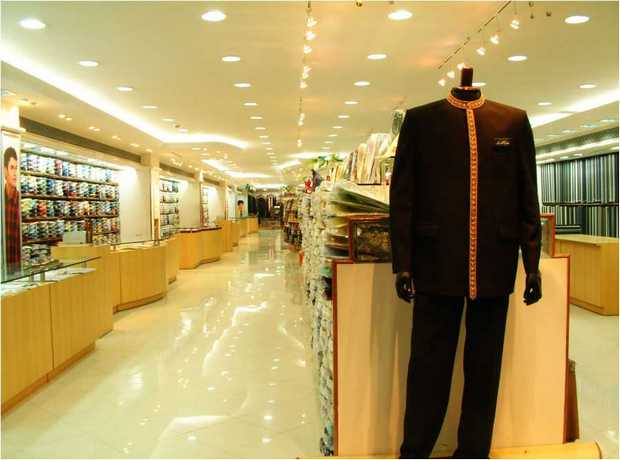
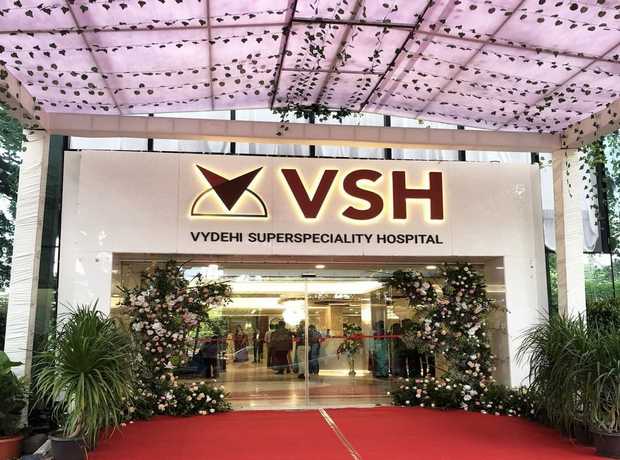
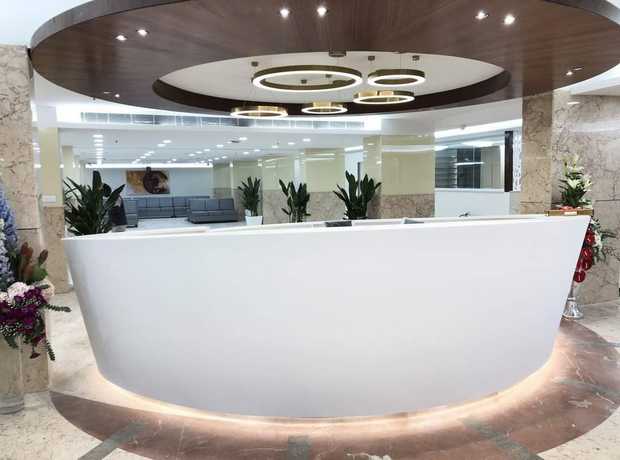
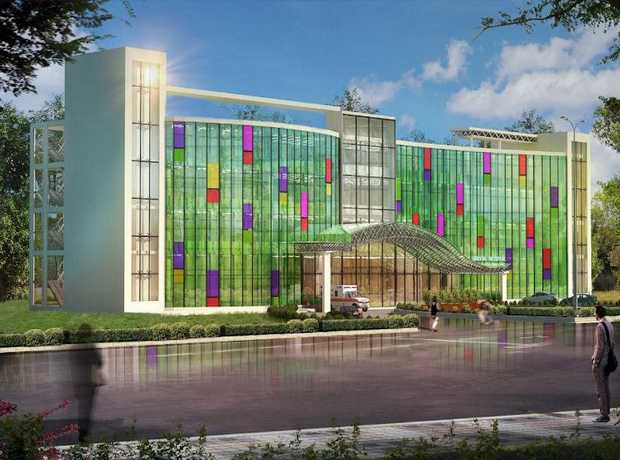
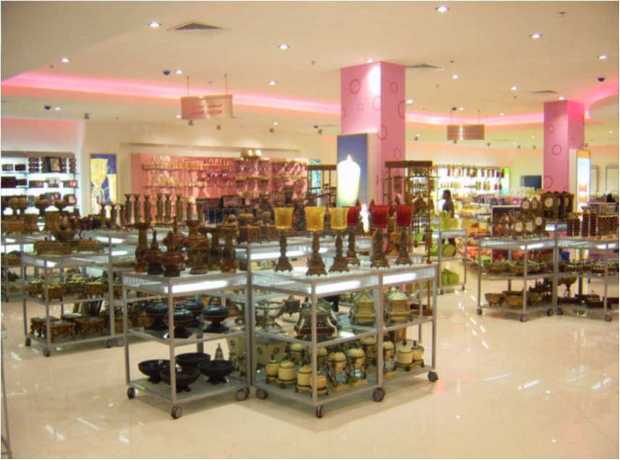
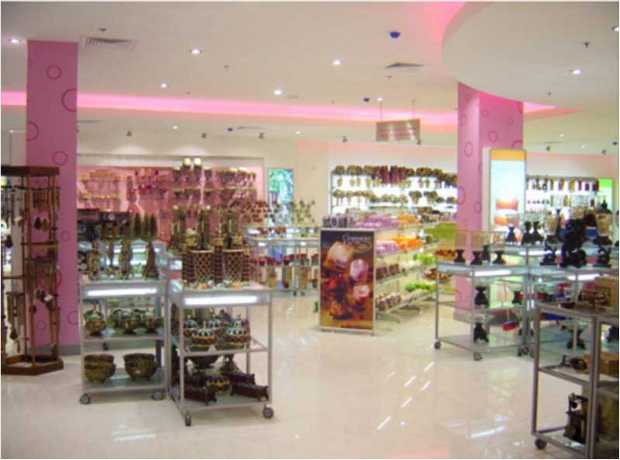
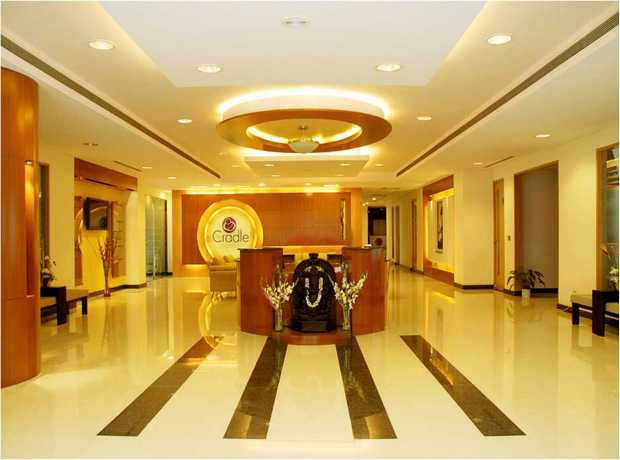
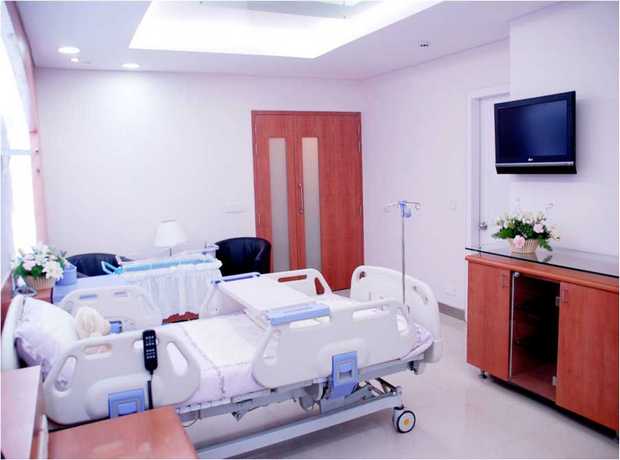
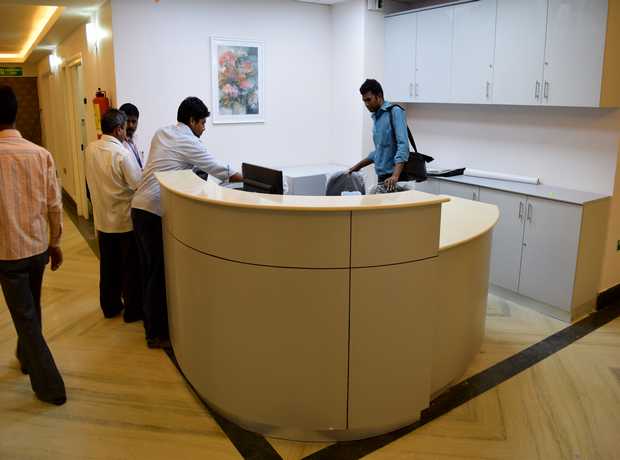
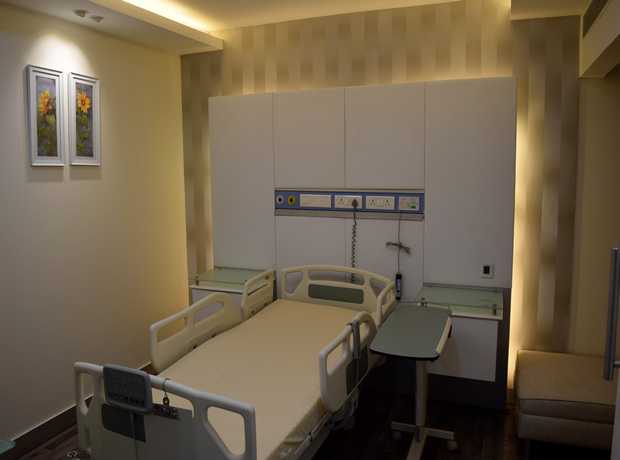
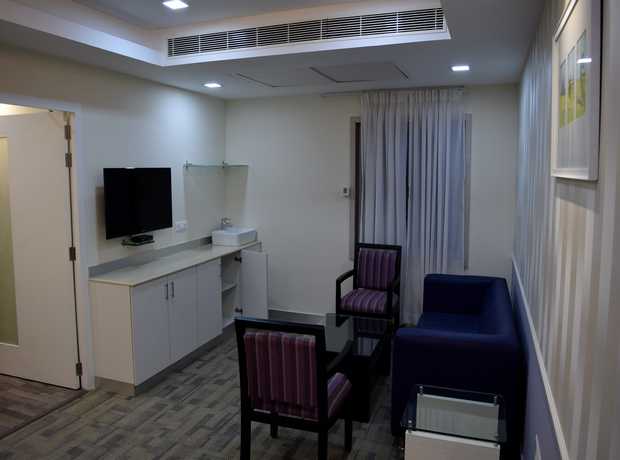
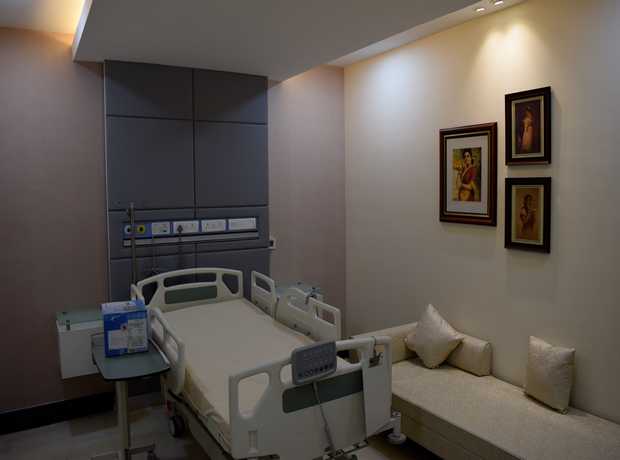
At Skydome Designs Pvt Ltd, we believe in building the future, today. As a leading architecture and interior design firm with a legacy of nearly 30 years, we are at the forefront of delivering innovative, sustainable, and functional spaces across various sectors. Our deep-seated expertise extends significantly into hospital and healthcare interiors, residential developments, and dynamic retail projects, where the principles of smart modular architecture find fertile ground for transformative application.
Our mission is to enhance experiences and operational efficiency through meticulously designed environments. We have not just adapted to the rise of modular construction; we have actively shaped its application, especially within specialized contexts. Our commitment to excellence is not just a philosophy; it’s a measurable outcome. We are proud to have successfully delivered 1909+ smart modular architecture solutions assignments across Sydney and globally, a testament to our profound expertise and operational scalability. Our impressive on‑time delivery rate of >98% is a direct result of our rigorous multi‑disciplinary reviews and our unwavering dedication to providing comprehensive post‑occupancy support, ensuring client satisfaction long after project completion.
Our Unrivalled Expertise in Sydney’s Modular Landscape:
- End‑to-End Delivery for Smart Modular Architecture Solutions: We offer a seamless, integrated process that covers every stage of your project in Sydney — from initial strategic planning and conceptual design, through detailed construction management, to the final handover of a fully functional, high-performance modular building. This holistic approach ensures continuity, reduces client burden, and guarantees a cohesive vision.
- Global Design Standards with Local Code Expertise in Sydney: Our designs reflect cutting-edge global architectural and interior trends, infused with best practices from around the world. Crucially, this global perspective is always harmonized with an in-depth understanding of local Sydney building codes, environmental regulations, and cultural nuances. This unique blend ensures your modular project is both visionary and perfectly compliant.
Specialized Interior Design Services for Modular Excellence
Beyond the structural integrity and architectural form of modular buildings, the interior environment plays a pivotal role in defining user experience, comfort, and functionality. At Skydome Designs, we offer a suite of specialized interior services meticulously tailored to optimize modular spaces:
- Acoustics: In modular construction, managing sound transfer and achieving optimal acoustic comfort is paramount, particularly in multi-unit residential buildings, healthcare facilities, and open-plan commercial spaces. Our experts engineer solutions to reduce noise pollution, enhance speech privacy, and create serene environments through strategic material selection, wall system design, and specialized acoustic treatments.
- Materials Selection: We guide clients through a curated selection of sustainable, durable, and aesthetically pleasing materials. Our focus is on materials that are lightweight for modular transportation, robust for longevity, low-maintenance for operational efficiency, and contribute to healthy indoor air quality. We prioritize materials that reflect local character while adhering to global sustainability benchmarks.
- Lighting Design: Effective lighting is transformative. Our lighting designers craft sophisticated schemes that maximize natural light penetration, integrate energy-efficient LED technologies, and create layered lighting environments that enhance mood, productivity, and visual comfort. We consider both the functional requirements and the aesthetic impact of lighting within modular geometries.
- Branding & Signage: For commercial, retail, or healthcare modular projects, integrating strong branding elements and intuitive signage is crucial for wayfinding, corporate identity, and user experience. We seamlessly weave branding into the interior design, utilizing color palettes, graphic elements, and bespoke signage solutions that reinforce identity and enhance the spatial narrative.
- Ergonomics & User Experience: Our designs prioritize the end-user. We integrate ergonomic principles into furniture selection, workstation layouts, and overall space planning to ensure comfort, health, and efficiency. Every design decision is made with the aim of creating spaces that truly enhance the experiences of those who occupy them, whether patients, residents, or employees.
Addressing Common Misconceptions About Modular Construction
Despite its growing popularity, some common misconceptions about modular construction persist. Let’s address them:
- “Modular buildings all look the same.” This is perhaps the most outdated stereotype. Modern modular architecture allows for immense customization in façade materials, rooflines, fenestration, and interior finishes. Architects leverage advanced design software to create complex, unique, and aesthetically compelling structures that are indistinguishable from, and often superior to, site-built counterparts.
- “Modular buildings are less durable or lower quality.” On the contrary, modules are built to withstand the rigors of transportation and craning, making them inherently robust. The factory-controlled environment ensures consistent quality, superior connections, and often higher-grade materials, leading to structures that meet or exceed traditional building standards for durability and longevity.
- “It’s difficult to get financing for modular projects.” As modular construction gains mainstream acceptance, financial institutions are increasingly familiar and comfortable with lending for these projects. The reduced risk, faster delivery, and predictable costs often make modular projects an attractive proposition for lenders.
- “Modular construction isn’t sustainable.” As discussed, modular methods inherently support sustainability through waste reduction, material optimization, and energy-efficient design. Many modular projects achieve high green building certifications.
FAQ: Smart Modular Architecture in Sydney
Here are some frequently asked questions about smart modular architecture and its application in Sydney:
What exactly is smart modular architecture?
Smart modular architecture involves constructing building sections (modules) or entire buildings in a factory setting, complete with interior finishes, plumbing, and electrical. These modules are then transported to the site and assembled. “Smart” refers to the integration of advanced technologies like BIM, IoT, and sustainable design principles from concept to completion.
What are the primary benefits of modular construction over traditional methods in Sydney?
The key benefits include significantly faster project delivery, substantially reduced construction risks (e.g., weather delays, on-site accidents), superior quality control due to factory conditions, inherent sustainability through reduced waste and energy efficiency, and cost predictability. These advantages are particularly potent in Sydney’s high-demand, high-cost construction market.
Is modular construction suitable for all types of buildings in Sydney?
Yes, modern modular construction is highly adaptable. It is successfully applied to a wide range of building types in Sydney, including multi-storey residential apartments, affordable housing, commercial offices, retail outlets, educational facilities, and highly specialized healthcare buildings. Its versatility allows for significant design customization.
How does modular construction contribute to sustainability in Sydney’s urban development?
Modular construction contributes to sustainability by minimizing on-site waste, optimizing material use in a factory setting, often incorporating recycled and sustainable materials, and enabling higher energy efficiency in finished buildings through precise construction and airtight envelopes. The reduced construction time also lessens site impact and local emissions.
What are the typical project timelines for smart modular construction in Sydney compared to traditional methods?
While exact timelines vary by project, smart modular construction can typically reduce overall project schedules by 30% to 50%. This is largely due to concurrent activities – site preparation happening simultaneously with off-site module fabrication – eliminating sequential delays common in traditional builds.
What challenges might arise in a smart modular project in Sydney?
Challenges can include complex logistics for transporting large modules through urban areas, securing specific planning approvals for modular designs, and ensuring seamless integration of utilities on-site. However, experienced partners like Skydome Designs specialize in navigating these complexities to ensure smooth project execution.
How do I find reputable and experienced smart modular architecture solutions in Sydney?
When seeking a partner, look for firms with extensive experience in modular projects, a robust portfolio demonstrating successful outcomes, and a proven track record of adhering to local building codes and delivering on time and within budget. Skydome Designs, with nearly 30 years of expertise and a delivery rate of >98%, consistently delivers excellent results. Contact us on +91 7299072144 to learn more about our Sydney projects.
Can modular buildings be aesthetically pleasing and customized?
Absolutely. Modern modular architecture has shattered the myth of generic “prefab” aesthetics. Advanced design tools and manufacturing capabilities allow for diverse architectural styles, high-quality finishes, unique facade treatments, and extensive interior customization, ensuring each project reflects a bespoke vision.
Conclusion: Embracing the Future of Construction in Sydney with Smart Modular Architecture
The construction landscape in Sydney is at an inflection point, poised for a transformative shift towards more intelligent, efficient, and sustainable building methodologies. Smart modular architecture solutions are not merely a trend; they represent the inevitable future of construction, offering a compelling answer to the city’s urgent demands for faster delivery, reduced risk, superior quality, and unwavering commitment to environmental stewardship. By harnessing the power of off-site fabrication and integrating advanced technologies, Sydney can build smarter, faster, and more sustainably, creating resilient and vibrant urban spaces for generations to come.
However, realizing the full potential of this innovative approach requires more than just good technology; it demands a strategic partnership with experienced professionals who understand both the intricacies of modular construction and the unique dynamics of the Sydney market. Skydome Designs stands as your ideal partner, bringing nearly three decades of unparalleled expertise, a global perspective, and a deep understanding of local compliance to every project. Our track record speaks for itself: with over 1909+ smart modular architecture solutions assignments delivered across Sydney and globally, and an exemplary on‑time delivery rate exceeding 98%, we are proven leaders in this domain. We offer comprehensive end‑to‑end delivery, from strategy and design through construction and handover, ensuring a seamless and successful journey for your modular project.
Don’t let the complexities of construction hinder your vision. Leverage the efficiency and innovation of smart modular architecture with the trusted guidance of Skydome Designs. We are ready to help you navigate this exciting future, bringing your building goals in Sydney to life with precision, speed, and sustainability, on time and within budget. Let’s build the future together, intelligently and responsibly. Reach us today for a personalized consultation at +91 7299072144 or send an email to info@skydomedesigns.com to explore how we can elevate your next project.
For more information and to view our portfolio, please visit our official website: Skydome Designs Architecture & Interior Design