As Doha continues its impressive trajectory of growth and development, particularly in its critical healthcare infrastructure, the imperative for sustainable and efficient operational models has never been more pronounced. New investments are pouring into the region, driving the construction of state-of-the-art hospitals and clinics designed to serve a burgeoning population and uphold Qatar’s vision for world-class medical services. Within this dynamic landscape, robust hospital energy efficiency solutions are not merely an option but an absolute necessity. They are essential not only to de-risk projects, ensuring faster delivery and long-term viability, but also to align with Qatar’s ambitious sustainability goals articulated in the Qatar National Vision 2030.
This comprehensive article delves into a meticulous, step-by-step approach for implementing highly effective energy efficiency solutions in Doha’s upcoming and existing hospital projects. Drawing on extensive expertise in healthcare planning and sustainable design, we will illuminate the pathways to creating facilities that are economically sound, environmentally responsible, and operationally superior.
Understanding the Critical Need for Hospital Energy Efficiency Solutions in Doha
Doha’s healthcare sector is experiencing unprecedented expansion, fueled by significant government investments and a growing population. This rapid growth, while vital for public health, inherently leads to a substantial increase in energy consumption. Hospitals are, by their very nature, energy-intensive facilities, operating 24/7 with complex heating, ventilation, and air conditioning (HVAC) systems, specialized medical equipment, extensive lighting, and stringent environmental controls. The hot, arid climate of Doha further exacerbates this energy demand, particularly for cooling.
Implementing advanced hospital energy efficiency solutions in Doha is therefore crucial on multiple fronts. It directly addresses the rising operational costs associated with energy consumption, which can represent a significant portion of a hospital’s annual budget. Beyond economic benefits, it plays a pivotal role in minimizing environmental impact, significantly reducing the carbon footprint, and contributing to Qatar’s broader sustainability objectives. Ensuring long-term sustainability and resilience in the face of fluctuating energy markets and increasing environmental scrutiny is paramount. To navigate this complex terrain effectively, partnering with a reliable and experienced Doha hospital energy efficiency solutions company, such as Skydome Designs, is the foundational first step towards achieving these multifaceted goals.
Why is Energy Efficiency Imperative for Doha Hospitals?
- Reduced Operational Costs: Energy costs are a major component of a hospital’s budget. By implementing efficiency measures, hospitals can achieve substantial savings that can be reinvested into patient care, technology upgrades, or staff development. This financial prudence is particularly vital for long-term project viability and budget stability in the face of potential energy price fluctuations.
- Lower Carbon Footprint: Qatar is committed to sustainable development and reducing greenhouse gas emissions. Energy-efficient hospitals contribute directly to these national environmental goals, showcasing corporate social responsibility and leadership in sustainable practices. This translates into tangible environmental benefits for Doha and the wider region.
- Enhanced Reputation and Sustainability: In an increasingly environmentally conscious world, hospitals that prioritize sustainability gain a significant reputational advantage. This commitment attracts top talent, enhances public perception, and positions the institution as a responsible leader in the healthcare industry. It’s a testament to a forward-thinking approach that resonates with both patients and stakeholders.
- Compliance with Local Regulations and International Standards: Doha’s building codes and environmental regulations are evolving to promote greater energy efficiency. Adhering to these, and often exceeding them, through proactive energy management, ensures compliance and positions hospitals favorably for certifications like GSAS (Global Sustainability Assessment System), which is widely adopted in Qatar for green building initiatives.
- Improved Indoor Environmental Quality (IEQ): Energy-efficient design often incorporates strategies that enhance indoor air quality, thermal comfort, and natural light. These improvements have a direct positive impact on patient recovery rates, staff productivity, and overall well-being within the hospital environment, creating a healthier and more comfortable space for all occupants.
- Increased Energy Security and Resilience: By reducing reliance on external energy sources and potentially integrating on-site renewable energy, hospitals can enhance their energy security. This resilience is crucial for critical infrastructure like hospitals, ensuring continuous operation even during grid disruptions or energy supply challenges.










Step 1: Comprehensive Energy Audit and Assessment
The journey towards an energy-efficient hospital begins with a meticulously planned and executed comprehensive energy audit. This foundational step is critical for gaining an in-depth understanding of current energy consumption patterns, identifying specific areas of energy waste, and pinpointing the most impactful opportunities for savings. A superficial assessment will yield superficial results; a thorough audit requires expert knowledge and advanced diagnostic tools.
During this phase, a specialized team analyzes various data points. This includes historical energy consumption data (utility bills, sub-metering data), detailed evaluations of existing mechanical and electrical equipment (age, efficiency ratings, operational hours), and a rigorous assessment of the building envelope’s performance (insulation levels, window U-values, air leakage). The goal is to establish a clear baseline of energy usage against which future improvements can be measured and validated.
Key Areas to Assess During an Energy Audit:
- HVAC Systems (Heating, Ventilation, and Air Conditioning): This is often the largest energy consumer in Doha hospitals due to the intense cooling demand. The audit scrutinizes chiller efficiency, boiler performance, air handling unit (AHU) operation, ductwork integrity, pump efficiency, and the efficacy of control systems. Thermal imaging can identify significant heat losses or gains.
- Lighting Systems: Evaluation covers fixture types (incandescent, fluorescent, LED), lamp efficacy, control strategies (occupancy sensors, daylight harvesting), and overall lighting levels. Identifying over-lit areas and opportunities for LED retrofits is a common outcome.
- Medical Equipment: A detailed inventory and analysis of critical and non-critical medical equipment, including imaging machines, sterilization equipment, and laboratory devices, is essential. This includes assessing standby power consumption, operational schedules, and opportunities for energy-efficient replacements.
- Building Envelope Performance: This critical assessment includes evaluating wall, roof, and floor insulation, window types (U-values, Solar Heat Gain Coefficient – SHGC), shading devices, and air tightness. Air leakage tests (e.g., blower door tests) can identify significant infiltration points that contribute to increased HVAC loads.
- Water Heating Systems: Scrutiny of boilers, water heaters, and distribution systems for efficiency, insulation, and potential for solar thermal integration. Hospitals use significant amounts of hot water for sterilization, laundry, and patient care.
- Building Automation Systems (BAS) and Controls: Assessing the sophistication and optimization of existing BAS. Are schedules properly set? Are sensors calibrated? Are there opportunities for advanced algorithms to optimize operations?
- Plug Loads and IT Infrastructure: Analyzing energy consumption from computers, office equipment, and other electrical devices not directly tied to core medical functions.
- Water Systems (Potable and Non-Potable): While not directly energy, efficient water use reduces the energy required for pumping, heating, and treating water. This includes identifying leaks and opportunities for low-flow fixtures and greywater recycling.
An investment-grade energy audit (ASHRAE Level III) provides the most detailed analysis, including engineering calculations, comprehensive cost estimates, and precise savings projections, forming a robust foundation for decision-making.
Step 2: Developing a Tailored Energy Efficiency Plan
Upon completion of the comprehensive energy audit, the findings are translated into a customized and actionable energy efficiency plan. This plan is the blueprint for transformation, meticulously outlining specific strategies, recommended technologies, clear implementation timelines, and crucial financial projections. It’s not a one-size-fits-all solution; rather, it’s tailored precisely to the hospital’s unique operational needs, existing infrastructure, budget constraints, and long-term strategic goals.
Engaging experienced Doha hospital experts is paramount at this stage. Their deep understanding of local regulations, climate challenges, and healthcare specific operational requirements ensures that the plan is not only technically sound but also practically implementable and compliant. This collaborative approach involves engineers, architects, facility managers, and even clinical staff, ensuring all perspectives are integrated for a holistic and effective strategy.
Elements of an Effective Energy Efficiency Plan:
- Prioritized List of Energy-Saving Measures: Recommendations are categorized and ranked based on factors such as energy savings potential, cost-effectiveness (payback period, ROI), impact on patient comfort and safety, and ease of implementation. High-impact, low-cost measures often take precedence.
- Detailed Cost-Benefit Analysis of Each Measure: For every proposed measure, a thorough financial analysis is conducted. This includes upfront capital costs, estimated operational savings, maintenance costs, and a calculation of key metrics such as simple payback period, Net Present Value (NPV), and Internal Rate of Return (IRR). This provides a clear business case for investment.
- Phased Implementation Timeline: A realistic timeline is developed, breaking down the implementation process into manageable phases. This accounts for procurement, installation, commissioning, and potential operational disruptions, minimizing impact on patient care. It also allows for incremental investments and continuous learning.
- Performance Monitoring and Verification (M&V) Plan: Crucial for validating the success of implemented measures, this plan outlines how energy consumption will be tracked, measured, and verified against the established baseline. It defines KPIs and reporting protocols, often adhering to international standards like the International Performance Measurement and Verification Protocol (IPMVP).
- Integration with Hospital Operations: The plan considers how new technologies and strategies will integrate seamlessly with existing hospital workflows and critical systems. Special attention is given to maintaining critical environmental conditions for patient care, surgical suites, and sensitive equipment.
- Compliance and Certification Strategy: Details how the implemented measures will contribute to compliance with local regulations (e.g., Qatar Construction Specifications) and facilitate achieving sustainability certifications like GSAS.
- Staff Training and Awareness Programs: A successful plan includes provisions for training hospital staff on new systems, best practices for energy conservation, and the importance of their role in achieving energy efficiency targets.
Skydome Designs, with its end-to-end delivery model, offers comprehensive support in developing these intricate plans, ensuring they are robust, forward-thinking, and perfectly aligned with Doha’s specific project demands.
Step 3: Implementing Energy-Efficient Technologies
With a comprehensive and tailored energy efficiency plan in hand, the next critical step is the meticulous implementation of the identified energy-saving measures and technologies. This phase represents the physical transformation of the hospital, integrating advanced systems and smart solutions that significantly reduce energy consumption without compromising patient care or operational integrity. This process demands a deep understanding of cutting-edge technologies, robust project management, and seamless coordination between various disciplines.
For a truly seamless integration, particularly in complex healthcare environments, the expertise of a specialized healthcare architect is invaluable. These professionals understand the intricate relationship between building design, technological integration, and clinical functionality. They ensure that energy-efficient solutions are not merely bolted on, but are thoughtfully incorporated into the overall hospital design, enhancing both performance and aesthetics.
Examples of Advanced Energy-Efficient Technologies for Doha Hospitals:
- High-Efficiency HVAC Systems:
- Variable Refrigerant Flow (VRF) Systems: Offer precise temperature control in different zones, minimizing energy waste compared to traditional systems.
- Dedicated Outdoor Air Systems (DOAS): Condition fresh outdoor air separately, reducing the load on primary HVAC units and improving indoor air quality.
- Energy Recovery Ventilators (ERVs) and Heat Recovery Ventilators (HRVs): Capture energy from exhaust air to pre-condition incoming fresh air, significantly reducing heating and cooling loads, especially critical in Doha’s climate.
- Geothermal Heat Pumps: Utilize the stable underground temperatures for highly efficient heating and cooling, offering substantial long-term savings.
- Advanced Chiller Plants: Incorporating magnetic bearing chillers, variable speed drives, and optimized sequencing controls to maximize efficiency.
- Thermal Energy Storage: Storing chilled water during off-peak hours (when electricity is cheaper) to be used during peak demand, reducing peak load and operating costs.
- LED Lighting with Smart Controls:
- High-Efficiency LED Fixtures: Replace traditional lighting with long-lasting, low-energy LED lights across all areas, from patient rooms to operating theaters.
- Daylight Harvesting Systems: Utilize natural light through sensors that automatically dim or switch off artificial lights when sufficient daylight is present.
- Occupancy/Vacancy Sensors: Automatically turn lights on/off or dim them based on presence in a room, ensuring energy is not wasted in unoccupied spaces.
- Tunable White Lighting: Allows adjustment of color temperature and intensity, supporting circadian rhythms for patients and staff, while also being energy efficient.
- Building Automation Systems (BAS) with AI Integration:
- Centralized Control: Comprehensive BAS integrate and manage all building services (HVAC, lighting, security, fire safety) from a single platform.
- Predictive Analytics and AI: Utilize machine learning to analyze historical data, predict energy demand, and proactively optimize system operation for peak efficiency, learning and adapting over time.
- Fault Detection and Diagnostics (FDD): Automatically identifies equipment malfunctions or inefficiencies, enabling proactive maintenance and preventing energy waste.
- Advanced Scheduling and Zoning: Fine-tune environmental conditions based on occupancy, time of day, and specific clinical requirements, avoiding over-conditioning unused areas.
- Solar Panels and Other Renewable Energy Sources:
- Rooftop Solar Photovoltaic (PV) Systems: Generate clean electricity on-site, reducing reliance on the grid and lowering operational costs.
- Solar Thermal Water Heating: Utilize solar energy to pre-heat water for domestic use, laundry, and sterilization, significantly reducing natural gas or electricity demand for water heating.
- Consideration of Waste-to-Energy: For larger campuses, exploring opportunities for integrated waste management that converts hospital waste into energy.
- Advanced Building Envelope Solutions:
- High-Performance Glazing: Use low-emissivity (low-e) glass with optimal Solar Heat Gain Coefficient (SHGC) to minimize heat gain while maximizing natural light.
- Super Insulation: Employ advanced insulation materials for walls, roofs, and floors to reduce heat transfer and minimize HVAC loads.
- External Shading Devices: Integrate fixed or dynamic shading elements (louvers, fins, brise-soleil) into the architectural design to mitigate solar heat gain, especially on east and west facades.
- Cool Roofs and Green Roofs: Reflect more sunlight and absorb less heat, reducing the urban heat island effect and cooling the building below. Green roofs offer additional insulation and stormwater management benefits.
- Water Conservation Measures:
- Low-Flow Fixtures: Install water-efficient taps, toilets, and showerheads in all areas.
- Greywater Recycling Systems: Treat and reuse water from sinks and showers for irrigation or toilet flushing, reducing potable water demand and the energy for its treatment/pumping.
- Rainwater Harvesting: Collect rainwater for non-potable uses.
- Efficient Landscaping: Use native, drought-resistant plants that require minimal irrigation.
Each of these technologies, when strategically selected and integrated, contributes significantly to overall energy savings and the sustainable operation of a Doha hospital. Skydome Designs excels in this integration, leveraging our multi-disciplinary expertise to ensure optimal performance and harmony with the hospital’s core mission.
Step 4: Optimizing Hospital Interior Design and Clinical Planning for Energy Efficiency
The energy performance of a hospital is not solely determined by its mechanical systems or insulation; it is profoundly influenced by its fundamental design, both external and internal. The physical layout, choice of materials, and even the workflow patterns within the hospital significantly impact its energy consumption. Therefore, optimizing hospital interior design is a crucial, often underestimated, strategy for maximizing natural light, improving ventilation, and ultimately reducing the reliance on artificial lighting and mechanical cooling and heating systems.
Beyond aesthetics, intelligent interior design and effective clinical planning are intrinsically linked to energy efficiency. Streamlined clinical workflows, for instance, can minimize the need for redundant equipment, reduce travel distances for staff and patients, and decrease the energy consumed by unnecessary movement or extended operational hours in certain zones. A holistic approach ensures that design choices contribute to both patient well-being and environmental performance.
Interior Design and Clinical Planning Strategies for Energy Efficiency:
- Maximizing Natural Light through Strategic Window Placement and Interior Layout:
- Daylighting: Design spaces to maximize the penetration of natural light into patient rooms, corridors, waiting areas, and staff workspaces. This reduces the need for artificial lighting during daylight hours.
- Strategic Orientation: Orient the building to minimize direct solar gain on critical facades while maximizing diffuse daylight. In Doha’s climate, this often involves careful consideration of east-west sun exposure.
- Internal Courtyards and Atria: Incorporate central courtyards or multi-story atria to draw light deeper into the building’s core, creating visually appealing and energy-efficient common areas.
- Light Shelves and Reflective Surfaces: Use interior light shelves and light-colored, reflective finishes on ceilings and walls to bounce natural light further into a room, enhancing brightness and reducing glare.
- Using Energy-Efficient and Sustainable Building Materials:
- Low Embodied Energy Materials: Select materials whose production, transport, and installation require minimal energy. Prioritize locally sourced materials to reduce transportation energy.
- High Thermal Mass Materials: Materials like concrete can absorb and store heat during the day and release it at night, helping to stabilize indoor temperatures and reduce cooling loads.
- Recycled Content and Non-Toxic Materials: Opt for materials with high recycled content and those that are free from volatile organic compounds (VOCs) to improve indoor air quality and reduce environmental impact.
- Material Durability: Choose durable, long-lasting materials that require less frequent replacement, reducing the embodied energy associated with maintenance and renovations.
- Implementing Green Roofs and Living Walls:
- Thermal Insulation: Green roofs provide excellent thermal insulation, reducing heat transfer into the building during Doha’s hot summers and offering minor insulation in cooler months.
- Reduced Urban Heat Island Effect: They mitigate the urban heat island effect, which can significantly reduce the ambient temperature around the hospital, benefiting both the building and the surrounding environment.
- Improved Air Quality: Living walls and green roofs help filter pollutants from the air, contributing to better outdoor and potentially indoor air quality.
- Aesthetic and Biophilic Benefits: These elements enhance the aesthetic appeal of the hospital, providing a connection to nature (biophilia) that has proven therapeutic benefits for patients and reduces stress for staff.
- Optimizing Ventilation to Reduce HVAC Load:
- Natural Ventilation Strategies: Where feasible and appropriate (considering Doha’s climate and air quality), design for cross-ventilation or stack effect ventilation in non-critical areas to reduce mechanical cooling needs during milder periods.
- Zoning and Pressure Regimes: Design distinct ventilation zones based on occupancy and specific clinical requirements, ensuring critical areas (like operating theaters) maintain strict pressure regimes while allowing more flexible, energy-saving approaches in administrative or waiting areas.
- Efficient Air Distribution: Optimize ductwork design and air terminal device placement to ensure efficient air delivery, minimizing pressure drops and fan energy consumption.
- Demand-Controlled Ventilation (DCV): Use CO2 sensors in densely occupied spaces to adjust ventilation rates based on actual occupancy, preventing over-ventilation and saving energy.
- Strategic Space Planning and Flexibility:
- Zone by Thermal Load: Group spaces with similar heating and cooling requirements together to allow for more efficient HVAC zoning and control.
- Minimizing Unused Spaces: Design layouts that eliminate redundant or underutilized areas, thereby reducing the volume that needs to be conditioned and lit.
- Adaptable Design: Incorporate modular design principles and flexible layouts that can easily adapt to future changes in technology or clinical practice without extensive and energy-intensive renovations.
- Clinical Planning and Workflow Optimization:
- Streamlined Patient and Staff Flow: Efficient layouts reduce travel distances, minimizing the need for extensive lighting and HVAC in long, winding corridors, and enhancing operational efficiency.
- Point-of-Care Diagnostics: Bringing diagnostic services closer to the patient can reduce patient transport, leading to less energy consumption in elevators and patient moving equipment, and potentially speeding up care delivery.
- Equipment Utilization: Centralized sterilization or laboratory services, when optimally planned, can maximize equipment utilization and reduce the number of redundant, energy-consuming devices spread across the facility.
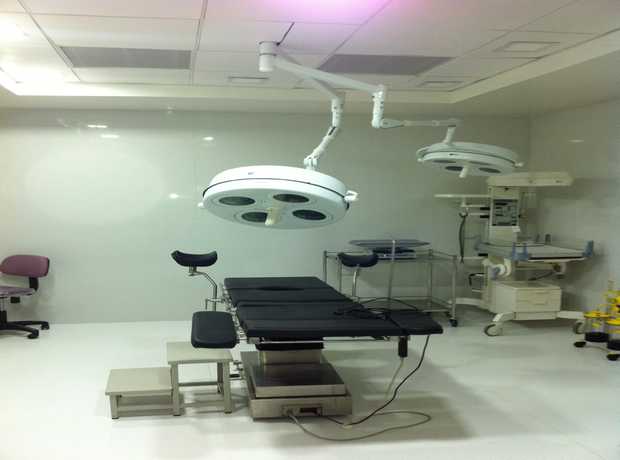
- Optimizing OT Design: Specialized areas like OT design require stringent environmental controls. However, intelligent planning can still achieve efficiency, such as optimizing air changes based on actual occupancy, heat recovery from exhaust air, and task lighting instead of over-lighting the entire space.
By integrating these interior design and clinical planning considerations from the outset, hospitals in Doha can achieve significant passive energy savings, complementing technological solutions and creating truly sustainable and patient-centric environments. Skydome Designs brings profound expertise in merging functional clinical needs with cutting-edge sustainable design principles.
Step 5: Regular Monitoring and Evaluation for Sustained Performance
Implementing energy-efficient technologies and optimizing design are significant achievements, but the journey towards sustained energy efficiency does not end there. Continuous monitoring and evaluation are absolutely essential to ensure that the implemented measures remain effective over time, identify any performance degradation, and uncover new opportunities for improvement. Without robust monitoring, even the most advanced systems can drift into inefficiency due to changing operational patterns, equipment wear, or lack of proper maintenance.
This ongoing process involves tracking energy consumption in real-time, analyzing performance data, and making necessary adjustments to the energy management plan. It transforms the hospital into a living laboratory, where data-driven insights lead to continuous optimization and long-term cost savings. This commitment extends to specialized and critical areas like OT design, where environmental stability and energy performance must be meticulously managed.
Key Performance Indicators (KPIs) for Energy Efficiency and Beyond:
- Energy Consumption per Square Meter (kWh/m² or BTU/ft²): This fundamental KPI provides a normalized measure of energy intensity, allowing for benchmarking against similar facilities and tracking performance trends over time.
- Energy Cost Savings (Absolute and Percentage): Direct financial savings achieved due to efficiency measures are a clear indicator of success and provide a return on investment (ROI) metric.
- Carbon Footprint Reduction (tCO2e): Quantifies the reduction in greenhouse gas emissions, directly contributing to environmental sustainability goals and demonstrating compliance with national targets like Qatar’s commitment to climate action.
- Water Consumption Reduction (m³): Beyond direct energy, efficient water use impacts the energy needed for pumping, heating, and treatment. Monitoring water savings provides a holistic view of resource efficiency.
- Peak Demand Reduction (kW): Reducing peak electricity demand is crucial for avoiding higher utility charges and easing strain on the electrical grid, especially significant in Doha’s hot climate.
- HVAC System Efficiency (e.g., kW/ton for chillers): Specific equipment efficiencies must be monitored to ensure optimal performance and identify early signs of degradation.
- Indoor Environmental Quality (IEQ) Metrics: While not directly energy, IEQ (temperature, humidity, CO2 levels, lux levels) impacts patient comfort and staff productivity, and efficient systems should maintain optimal IEQ with minimal energy.
Strategies and Technologies for Monitoring and Evaluation:
- Smart Metering Infrastructure: Deploying sub-meters at various levels (departments, major equipment, specific zones) provides granular data on energy consumption, allowing for precise identification of energy hotspots.
- Energy Management Software (EMS) and Dashboards: Implementing sophisticated software platforms that collect, analyze, and visualize energy data in real-time. These dashboards provide actionable insights for facility managers.
- Building Management Systems (BMS) Analytics: Leveraging the data from the BMS to continuously optimize control strategies, identify operational inefficiencies, and automate adjustments based on real-time conditions.
- Continuous Commissioning (Cx): An ongoing process of optimizing building systems to improve operational efficiency and maintain performance. It involves regular checks, adjustments, and recalibrations of equipment and controls.
- Measurement and Verification (M&V) Protocols: Adhering to international standards like IPMVP ensures that reported energy savings are credible and attributable to the implemented efficiency measures. This involves developing a robust baseline, adjusting for variables (weather, occupancy), and comparing actual consumption to predicted savings.
- Fault Detection and Diagnostics (FDD): Integrating FDD tools that automatically identify and diagnose equipment and system malfunctions (e.g., stuck dampers, faulty sensors, leaky valves) to trigger proactive maintenance and prevent energy waste.
- Post-Occupancy Evaluation (POE): Conducting systematic evaluations after the hospital is occupied to gather feedback on building performance, comfort levels, and energy use. This helps refine future designs and operations.
- Regular Energy Audits: Periodic (e.g., every 3-5 years) re-audits to identify new opportunities for savings, assess the performance of existing measures, and account for changes in technology or operational requirements.
By embedding a culture of continuous monitoring and evaluation, Doha hospitals can ensure that their energy efficiency investments yield maximum, sustained returns, adapting to changing circumstances and perpetually striving for peak performance. Skydome Designs integrates comprehensive M&V strategies into all its projects, ensuring transparency and accountability in achieving energy efficiency targets.
Why Choose Skydome Designs for Your Hospital Energy Efficiency Needs in Doha?
In the complex and critical domain of healthcare infrastructure, selecting the right partner for energy efficiency solutions is paramount. Skydome Designs Pvt Ltd stands as a beacon of excellence, a leading architecture and interior design firm with nearly three decades of unparalleled expertise. We are not just designers; we are innovators, problem-solvers, and steadfast partners committed to delivering cutting-edge, sustainable, and highly functional spaces that fundamentally enhance both user experiences and operational efficiency.
Our track record in healthcare is particularly robust and distinguished. We have successfully delivered an astounding 1944+ hospital energy efficiency solutions assignments across Doha, India, and globally over our 30+ years in the industry. This extensive portfolio is a testament to our deep understanding of the unique challenges and opportunities within the healthcare sector, especially in demanding environments like Doha. Our unwavering commitment to excellence is reflected in our performance metrics: we boast an exceptional on‑time delivery rate of 99%, demonstrating our reliability and adherence to strict project schedules. Furthermore, our approach is underpinned by rigorous multi‑disciplinary reviews, ensuring that every aspect of design and implementation is scrutinized by a team of diverse experts, guaranteeing comprehensive and integrated solutions. Our engagement extends beyond project completion, with dedicated post‑occupancy support that underpins long-term operational success and client satisfaction.
Choosing Skydome Designs means partnering with a firm that brings:
- 29+ Years of Proven Experience: Our rich history across India and abroad has equipped us with a wealth of knowledge and a diverse perspective on global best practices in healthcare design and energy efficiency.
- Dedicated In-House Expertise: We house a comprehensive team of highly skilled architects, specialized healthcare planners, expert mechanical, electrical, and plumbing (MEP) engineers, and seasoned project managers. This integrated team ensures seamless coordination, efficient communication, and holistic solutions from concept to completion.
- Award-Winning, Client-Focused, and Sustainable Designs: Our commitment to innovative, sustainable, and client-centric design has earned us numerous accolades. We prioritize designs that are not only aesthetically pleasing but also environmentally responsible and optimized for long-term operational performance, tailored precisely to your vision.
- Projects Delivered On-Time, On-Budget, and to Global Standards: Our meticulous project management methodologies and stringent quality control processes ensure that projects are completed within agreed timelines and financial parameters, consistently meeting or exceeding international benchmarks for quality and functionality.
- End-to-End Hospital Energy Efficiency Solutions: We offer a complete, holistic approach, covering every stage of your project in Doha. From initial strategy and conceptual design to meticulous construction oversight and seamless handover, we manage the entire process. We blend adherence to Global design standards with local code expertise in Doha, ensuring both international best practices and local compliance. This includes specialized areas like hospital interior design, critical clinical planning, and highly technical domains such as OT design.
When you embark on a hospital project in Doha, you need a partner who understands the intricacies of the local context, the demands of cutting-edge healthcare, and the critical importance of energy efficiency. Skydome Designs is that partner. Our proactive, data-driven approach ensures that your healthcare facility is not only future-ready but also a benchmark for sustainability and operational excellence.
Ready to transform your vision into a sustainable reality?
Contact us today at +91 7299072144 or email us at info@skydomedesigns.com to discuss your Doha hospital project. Our experts are standing by to guide you through every step of the process, from initial consultation to successful implementation. Let Skydome Designs bring unparalleled expertise to your next healthcare venture.
End-to-End Hospital Energy Efficiency Solutions in Doha: Our Comprehensive Offerings
At Skydome Designs, we pride ourselves on offering a truly comprehensive, end‑to-end delivery model for hospital energy efficiency solutions. This means we are your single point of contact and accountability, guiding your project from its nascent stages through to successful operation. Our integrated services cover every critical phase:
- Strategy: We begin with a deep dive into your project’s goals, conducting thorough feasibility studies, energy audits, and strategic planning sessions to define the most impactful and cost-effective energy efficiency pathways. We help set clear, measurable objectives aligned with your budget and sustainability targets.
- Design: Our in-house team of architects, healthcare planners, and engineers craft innovative designs that seamlessly integrate energy-efficient technologies and passive design strategies. This includes intricate hospital interior design that maximizes natural light and ventilation, highly specialized clinical planning to optimize workflows, and precise OT design that meets stringent environmental requirements while minimizing energy consumption. Our designs adhere rigorously to Global design standards with local code expertise in Doha, ensuring both international excellence and local regulatory compliance.
- Construction Oversight: We provide robust oversight during the construction phase, ensuring that all energy-efficient specifications and design intent are executed flawlessly. Our project managers work closely with contractors to maintain quality, schedule, and budget, ensuring that energy-saving features are installed correctly and perform as intended.
- Commissioning and Handover: The final phase involves thorough commissioning of all systems to verify optimal performance and efficiency. We ensure that your facility operates exactly as designed, providing comprehensive training for your facility management team. Our commitment extends to providing clear operational guidelines and post‑occupancy support to ensure long-term energy savings and operational excellence.
Whether you are planning a new hospital, renovating an existing facility, or seeking to optimize the performance of specific areas like outpatient clinics or specialized surgical units, our multi-disciplinary team is equipped to provide expert guidance and unparalleled support. We leverage our 30+ years of experience and a proven track record of delivering 1944+ assignments to ensure your project’s success.
Speak to our Experts today and discover how our end-to-end solutions can de-risk your investment and deliver a truly sustainable, high-performing healthcare facility in Doha. Call Now! +91 7299072144
Conclusion
Implementing comprehensive hospital energy efficiency solutions is an indispensable step towards creating sustainable, cost-effective, and future-ready healthcare facilities in Doha. By adopting a systematic, step-by-step approach—encompassing thorough energy audits, meticulous plan development, strategic technology implementation, intelligent design, and continuous monitoring—hospitals can achieve significant reductions in energy consumption, substantially lower operational costs, and make a profound contribution to a greener, more sustainable future for Qatar.
The imperative for energy efficiency is not merely an environmental dictate; it is a strategic business decision that enhances financial stability, improves patient outcomes through better indoor environments, and elevates the institution’s reputation. As Doha continues its rapid development, integrating these solutions from the outset, or through thoughtful retrofits, will differentiate leading healthcare providers and secure long-term operational resilience.
Skydome Designs stands as your trusted partner in this vital endeavor. With nearly 30 years of specialized experience, a stellar record of 1944+ successful assignments, and a commitment to end-to-end excellence, we possess the expertise to transform your energy efficiency goals into tangible realities. Our multi-disciplinary team understands the unique complexities of healthcare projects in Doha and is dedicated to delivering solutions that are innovative, compliant, and exceptionally effective.
Contact Skydome Designs today to learn more about how our unparalleled expertise and proven methodologies can help you implement superior energy-efficient solutions for your hospital project in Doha. Let us help you build a sustainable legacy in healthcare.
Frequently Asked Questions (FAQs) About Hospital Energy Efficiency in Doha
What are the key benefits of implementing energy efficiency measures in Doha hospitals?
Implementing energy efficiency measures in Doha hospitals yields a multitude of benefits, including substantially reduced operational costs through lower utility bills, a significant decrease in the hospital’s carbon footprint contributing to Qatar’s environmental goals, enhanced overall sustainability and corporate reputation, improved indoor environmental quality for patients and staff, increased energy security, and crucial compliance with evolving local regulations and international green building standards like GSAS.
How can I find a reliable hospital energy efficiency solutions company in Doha?
To find a reliable partner for hospital energy efficiency solutions in Doha, look for companies with a proven track record specifically in the healthcare sector, extensive experience in the region (like Skydome Designs with 30+ years and 1944+ projects), an in-house multi-disciplinary team (architects, engineers, healthcare planners), a strong understanding of local building codes and regulations (including GSAS), and demonstrated success in delivering projects on time and within budget. Customer testimonials and post-occupancy support are also key indicators of reliability.
What are some of the most effective energy-saving technologies for hospitals in Doha’s climate?
Given Doha’s hot climate, the most effective energy-saving technologies for hospitals primarily focus on reducing cooling loads and optimizing HVAC. These include high-efficiency HVAC systems with advanced chillers, VRF technology, and energy recovery ventilation; intelligent LED lighting with smart controls (daylight harvesting, occupancy sensors); sophisticated Building Automation Systems (BAS) with AI-driven analytics; high-performance building envelopes (advanced insulation, low-e glazing, external shading); and renewable energy sources like rooftop solar PV and solar thermal for water heating. Water conservation measures also contribute to energy savings.
What is the role of interior design and clinical planning in hospital energy efficiency?
Interior design and clinical planning play a pivotal role by strategically optimizing the physical layout and functionality of the hospital. This includes maximizing natural light penetration to reduce artificial lighting needs, utilizing sustainable materials with low embodied energy, incorporating green roofs and living walls for insulation and cooling, and optimizing ventilation strategies. Effective clinical planning streamlines patient and staff workflows, minimizing redundant movement and equipment usage, thereby reducing energy consumption in lighting, HVAC, and specialized medical areas like OT design. A well-designed interior can passively reduce energy demand significantly.
How often should a hospital conduct a comprehensive energy audit in Doha?
To ensure ongoing energy efficiency and identify new opportunities for improvement, hospitals in Doha should conduct a comprehensive energy audit at least every three to five years. This periodic review helps to account for changes in equipment performance, building occupancy, operational practices, technological advancements, and evolving regulatory requirements. For new constructions, an investment-grade audit is crucial at the design stage, followed by regular operational audits once the facility is commissioned.
What is the significance of GSAS (Global Sustainability Assessment System) for Doha hospital projects?
GSAS is Qatar’s national green building certification system, playing a significant role in Doha hospital projects. Adhering to GSAS criteria ensures that new hospitals are designed, constructed, and operated with environmental sustainability, energy efficiency, and indoor environmental quality in mind. Achieving GSAS certification demonstrates a commitment to national sustainability goals, enhances the building’s reputation, and often results in long-term operational savings due to integrated sustainable practices.
How can a hospital manage the upfront costs of implementing energy efficiency solutions?
Managing the upfront costs of energy efficiency solutions can be addressed through various financial strategies. This includes leveraging energy performance contracts (EPCs) where an energy services company (ESCO) guarantees savings and finances the upgrades; accessing green financing options or sustainability loans; utilizing government incentives or grants if available; and conducting thorough cost-benefit analyses to prioritize measures with the quickest payback periods and highest ROI. Skydome Designs can assist in developing detailed financial projections and identifying the most viable funding models for your project.