Delhi’s healthcare sector is experiencing an unprecedented surge in growth and investment, with numerous new facilities being planned and existing ones undergoing significant upgrades. As we look towards 2025 and beyond, the critical importance of robust, proactive, and specialized hospital maintenance and repair services in Delhi cannot be overstated. Modern hospitals are complex ecosystems, brimming with advanced medical technology, intricate MEP systems, and specialized infrastructure, all designed to deliver life-saving care. The seamless operation of these facilities is directly dependent on a meticulously planned and flawlessly executed maintenance strategy.
This comprehensive guide delves deep into the essential considerations, best practices, and innovative approaches required for maintaining and repairing healthcare facilities in Delhi. It aims to equip hospital administrators, facility managers, and project developers with the knowledge needed to ensure the longevity, efficiency, safety, and operational continuity of their projects. By partnering with experienced providers like Skydome Designs, hospitals can safeguard their investments and, most importantly, uphold the highest standards of patient care.
1. Initial Assessment and Strategic Planning for Hospital Maintenance and Repair Services Delhi
The foundation of any successful hospital maintenance program lies in a thorough, data-driven initial assessment and meticulous strategic planning. This phase is crucial for understanding the current state of the facility, identifying potential vulnerabilities, and charting a clear course for future maintenance activities.
1.1. Comprehensive Facility Audit: The Diagnostic Phase
A detailed audit of the entire hospital infrastructure is the unequivocal first step. This isn’t just a cursory walk-through; it’s a deep diagnostic dive into every facet of the building, encompassing both visible and hidden elements. The audit must systematically examine:
- Structural Elements: Foundations, load-bearing walls, roofs, basements, and external facades. This includes checking for cracks, water ingress, material fatigue, and seismic integrity, especially relevant in Delhi’s geological context.
- MEP (Mechanical, Electrical, and Plumbing) Systems: This is the lifeblood of a hospital. Auditors must scrutinize electrical panels, wiring, backup generators, UPS systems, transformers, switchgear, plumbing lines, water treatment plants, drainage systems, and medical gas pipelines. Thermal imaging can be invaluable here to detect electrical hot spots or hidden leaks.
- HVAC Systems: Given Delhi’s extreme climate and the critical need for air quality and temperature control in healthcare, HVAC systems require particular attention. This includes air handling units (AHUs), chillers, cooling towers, ductwork, filters (especially HEPA filters in critical areas), and ventilation systems.
- Medical Equipment: From high-end diagnostic machines (MRI, CT scanners) to surgical instruments, laboratory equipment, and patient monitoring devices, every piece of medical technology needs to be assessed for its current condition, calibration status, and service history.
- Interior Finishes and Architectural Elements: Floors, walls, ceilings, doors, windows, and casework should be inspected for wear and tear, damage, infection control compliance (e.g., seamless flooring), and aesthetic integrity.
- Safety and Security Systems: Fire alarm systems, sprinkler systems, emergency lighting, access control, CCTV, and nurse call systems must be tested rigorously to ensure full functionality.
- IT Infrastructure: Network connectivity, servers, data centers, and telecommunications systems are increasingly vital for modern healthcare delivery and require robust maintenance.
The goal of this comprehensive audit is to identify existing problems, potential risks (e.g., outdated wiring, corroded pipes), and areas requiring immediate attention. This data-rich assessment forms the indispensable backbone of your maintenance strategy, providing a clear baseline for all subsequent actions.
























1.2. Prioritization and Realistic Budgeting
Once the exhaustive audit is complete, the identified issues must be meticulously prioritized. This isn’t merely about fixing the most visible problems; it’s about strategic decision-making based on several critical factors:
- Patient Safety: Issues directly impacting patient safety (e.g., faulty medical equipment, fire safety hazards, compromised sterile environments) must always take precedence.
- Regulatory Compliance: Any deficiencies that lead to non-compliance with national or local regulations (e.g., NABH standards, Delhi building codes) need immediate attention to avoid penalties and accreditation issues.
- Operational Continuity: Repairs that prevent major system failures and avoid downtime (e.g., generator maintenance, critical HVAC repairs) are vital for uninterrupted healthcare delivery.
- Cost-Effectiveness and Long-Term Impact: Sometimes, addressing a minor issue proactively can prevent a much larger, more expensive problem down the line.
- Environmental Impact: Prioritizing repairs that enhance energy efficiency or reduce waste aligns with sustainability goals.
Following prioritization, developing a realistic and transparent budget is paramount. This budget must comprehensively consider:
- Material Costs: For spare parts, consumables, and replacement components.
- Labor Expenses: For skilled technicians, engineers, specialized contractors, and supervisory staff.
- Equipment Rental/Purchase: For specialized tools or machinery required for specific repairs.
- Permits and Fees: For any work requiring municipal approvals.
- Contingency Funds: A crucial buffer for unexpected problems, which are common in older facilities or complex systems.
- Administrative Costs: For project management, documentation, and coordination.
A well-defined budget, coupled with transparent cost reporting, prevents unforeseen cost overruns and ensures that critical repairs are addressed promptly and efficiently. Our team at Skydome Designs excels in providing detailed budgeting and cost estimation, ensuring transparent costs and milestone-based reporting for all hospital maintenance and repair services in Delhi. This approach offers clarity and control throughout the project lifecycle.
1.3. Navigating Regulatory Compliance: A Non-Negotiable Imperative
Healthcare facilities operate within a highly regulated environment, and strict adherence to codes and standards is not optional; it is a fundamental requirement for patient safety, operational legality, and reputation. All maintenance and repair activities must demonstrably comply with:
- Local Delhi Regulations: Including municipal building codes, fire safety norms from the Delhi Fire Service, and environmental regulations set by the Delhi Pollution Control Committee (DPCC).
- National Standards: Foremost among these is the National Accreditation Board for Hospitals & Healthcare Providers (NABH) standards, which cover everything from facility management and safety to infection control and patient rights. Other national guidelines from the Central Public Works Department (CPWD) or Indian Standards (IS) may also apply.
- International Best Practices: While not always legally binding, adopting international standards (e.g., those from the Joint Commission International – JCI, or specific equipment manufacturer guidelines) can elevate care quality and operational excellence.
- Specific Equipment Regulations: For instance, the Atomic Energy Regulatory Board (AERB) governs the maintenance of radiological equipment, ensuring radiation safety.
Compliance encompasses adherence to safety protocols for workers and patients, environmental standards (e.g., waste disposal, emissions), accessibility guidelines for persons with disabilities, and structural integrity requirements. Non-compliance can lead to severe penalties, license revocation, reputational damage, and, most critically, compromised patient safety. Choosing a maintenance partner with a deep understanding of these complex regulatory landscapes, such as Skydome Designs, is essential for peace of mind and operational legality.
2. Selecting the Right Delhi Hospital Maintenance and Repair Services Company
The success of your hospital’s maintenance and repair program hinges significantly on the expertise and reliability of your chosen service provider. This decision should be made with utmost diligence.
2.1. Unmatched Expertise and Extensive Experience in Healthcare Facilities
Do not settle for a generic facilities management company. Hospitals require specialized knowledge that only comes from extensive experience within the healthcare sector. Look for a company with a demonstrable, proven track record in hospital maintenance and repair services in Delhi and beyond. Their team should possess deep expertise in:
- Complex MEP Systems: Understanding the nuances of hospital-grade electrical grids, redundant power systems, medical gas networks, and specialized plumbing.
- Advanced Medical Equipment Maintenance: Familiarity with a wide range of diagnostic, therapeutic, and life-support equipment, including manufacturer-specific protocols.
- State-of-the-Art HVAC Systems: Expertise in maintaining critical air quality parameters, positive/negative pressure rooms, and sophisticated filtration systems.
- Building Management Systems (BMS): Proficiency in integrating and maintaining automated control systems for HVAC, lighting, power, and security.
- Infection Control Protocols: A thorough understanding of how maintenance activities must be conducted to prevent cross-contamination and maintain sterile environments.
Skydome Designs stands out with 29+ years of experience across India and abroad, boasting a dedicated in-house team of architects, healthcare planners, project managers, and specialized engineers. This multidisciplinary expertise allows us to offer comprehensive, end-to-end solutions. Our team has successfully delivered 1039+ hospital maintenance and repair services assignments across Delhi and globally over 24+ years, consistently upholding an impressive 99% on-time delivery rate. Our multi-disciplinary reviews and robust post-occupancy support further underpin the exceptional outcomes we deliver.
2.2. Verifiable Certifications, Credentials, and Client Testimonials
Beyond claims of expertise, tangible proof is essential. Verify that the company holds all relevant certifications and licenses required to operate in Delhi and handle specialized hospital systems. This may include:
- ISO Certifications: Such as ISO 9001 (Quality Management), ISO 14001 (Environmental Management), and ISO 45001 (Occupational Health and Safety).
- Trade Licenses and Permits: Specific to electrical, plumbing, HVAC, and civil works.
- Affiliations with Professional Organizations: Membership in industry bodies for architects, engineers, or healthcare facility managers can indicate a commitment to professional standards.
- Staff Qualifications: Ensure technicians are certified in their respective trades (e.g., electricians, HVAC technicians, biomedical engineers).
Crucially, request and thoroughly check client testimonials and references. Speak directly with previous hospital clients to gauge their satisfaction with the company’s performance, reliability, communication, and adherence to budgets and timelines. A certified and credentialed provider with positive client feedback offers a strong guarantee of adherence to quality standards and industry best practices.
2.3. Uncompromising Response Time and 24/7 Availability
Hospitals are unique environments that operate ceaselessly, 24 hours a day, 7 days a week, 365 days a year. There is no acceptable downtime when lives are at stake. Therefore, your chosen maintenance provider must demonstrate an unwavering commitment to:
- Round-the-Clock Support: The ability to respond to emergencies at any hour, on any day. This requires a robust call center, on-call teams, and a clear escalation matrix.
- Rapid Response Time: Clearly defined Service Level Agreements (SLAs) specifying maximum response times for various types of issues (e.g., immediate for critical failures, within a few hours for urgent repairs).
- Proactive Approach: Beyond emergency response, the provider should champion preventive and predictive maintenance strategies to minimize the occurrence of unexpected breakdowns.
- Local Presence and Logistics: For services in Delhi, a provider with a strong local presence can ensure faster deployment of teams and resources, crucial for mitigating emergencies effectively.
The ability to swiftly diagnose and rectify issues can be the difference between a minor inconvenience and a life-threatening situation. Skydome Designs understands this urgency implicitly and structures its services to provide continuous, reliable support, ensuring hospital operations in Delhi remain uninterrupted.
3. Implementing a Robust Preventive and Predictive Maintenance Program
While reactive repairs address existing problems, a forward-looking preventive and predictive maintenance program is the cornerstone of minimizing downtime, optimizing operational costs, and extending the lifespan of invaluable hospital equipment and infrastructure. This proactive approach is indispensable for modern healthcare facilities.
3.1. Scheduled Inspections, Comprehensive Servicing, and Digital Tracking
A well-structured preventive maintenance schedule involves routine, planned inspections and servicing of all critical systems and equipment. This includes, but is not limited to:
- HVAC Systems: Regular cleaning and replacement of filters (including HEPA filters), coil cleaning, fan and motor inspections, refrigerant level checks, ductwork integrity assessments, and calibration of thermostats and sensors. Optimal air quality is paramount for infection control.
- Electrical Panels and Systems: Thermographic inspections to detect overheating, tightening connections, testing circuit breakers, load balancing, and verifying grounding systems. Routine testing of generators (load bank testing) and Uninterruptible Power Supply (UPS) systems is non-negotiable for critical areas.
- Plumbing Systems: Leak detection, pipe integrity checks, flushing of hot water systems to prevent legionella, testing backflow preventers, and inspection of water treatment and softening plants.
- Medical Gas Pipelines: Regular leak testing, pressure monitoring, alarm system checks, and ensuring purity of gases in accordance with medical standards.
- Fire Safety Systems: Monthly or quarterly testing of fire alarms, smoke detectors, sprinkler systems, emergency lighting, and fire extinguishers. This also includes inspecting fire doors and emergency exits.
- Elevators and Lifts: Routine safety inspections, load testing, and maintenance of mechanical and electrical components to ensure safe and reliable vertical transportation.
- Building Envelope: Periodic inspections of roofs, facades, windows, and waterproofing systems to prevent leaks and structural damage, particularly important given Delhi’s monsoon season.
Implementing a Computerized Maintenance Management System (CMMS) is highly recommended. A CMMS allows for automated scheduling of tasks, tracking of work orders, managing spare parts inventory, and maintaining a detailed history of all maintenance activities. This digital record-keeping is invaluable for audits, performance analysis, and demonstrating compliance.
3.2. Precision Equipment Calibration and Rigorous Testing
The accuracy and reliability of medical equipment directly impact patient diagnosis, treatment, and safety. Therefore, regular calibration and testing are paramount. This applies to a vast array of devices, including:
- Diagnostic Imaging Equipment: X-ray machines, CT scanners, MRI machines, and ultrasound units require precise calibration to ensure accurate image quality and patient safety from radiation.
- Laboratory Equipment: Analyzers, centrifuges, and microscopes must be calibrated to provide reliable test results.
- Life-Support Systems: Ventilators, defibrillators, infusion pumps, and patient monitors demand frequent and meticulous testing and calibration to ensure they function flawlessly when needed most.
- Surgical Instruments: Sterilization equipment, endoscopes, and electrosurgical units require regular maintenance and function checks.
Maintaining detailed records of all calibration activities, including dates, procedures performed, readings, and any adjustments, is crucial. This documentation is vital for regulatory compliance (e.g., NABH accreditation), internal quality control, and demonstrating accountability. Skydome Designs’ commitment to precision ensures that all equipment servicing adheres to manufacturer specifications and regulatory guidelines, guaranteeing optimal equipment performance and patient safety.
3.3. Empowering Staff Through Comprehensive Training and Education
While professional maintenance teams handle complex repairs, empowering hospital staff with basic maintenance knowledge and troubleshooting techniques can significantly enhance overall facility management. This includes:
- Basic Troubleshooting: Training nurses and ward staff to identify and report common issues with beds, call systems, or minor leaks.
- Equipment Handling: Proper use and basic cleaning of non-specialized medical equipment to prevent premature wear.
- Emergency Response: Training on how to react to utility failures (e.g., power outage protocols), fire emergencies, or medical gas alarms.
- Hygiene and Infection Control: Educating staff on how their daily actions impact the hospital environment and how to maintain cleanliness, especially during minor equipment adjustments.
- Waste Segregation: Ongoing education on proper waste segregation at the source is critical for effective waste management and compliance.
Regular training programs foster a culture of vigilance, safety, and proactive maintenance within the hospital. When staff can promptly address minor issues, it prevents them from escalating into major, costly problems. Skydome Designs can also provide consultation on staff training programs, ensuring that the human element complements the technical prowess of the maintenance regimen.
4. Addressing Specialized Areas: ICU Layout, OT Design, and Wayfinding Optimization
Within a hospital, certain zones demand heightened levels of precision, environmental control, and specialized maintenance considerations due to their critical function in patient care. Skydome Designs has extensive experience in the design, construction, and subsequent maintenance needs of these sensitive areas.
4.1. Critical ICU Layout and Specialized Maintenance Protocols
The Intensive Care Unit (ICU) is a highly specialized environment where critically ill patients receive round-the-clock care. The ICU layout and design are paramount for patient monitoring, medical interventions, and infection control. Maintenance in an ICU must be extraordinarily meticulous and often requires precise coordination to avoid disrupting patient care. Key maintenance considerations include:
- Environmental Controls: Ensuring precise temperature and humidity control, positive air pressure to prevent contaminants, and a high number of air changes per hour (ACH) with HEPA filtration to maintain pristine air quality. Any maintenance work must prevent particulate contamination.
- Life-Support Equipment: Regular, scheduled inspections, calibration, and servicing of ventilators, dialysis machines, patient monitors, infusion pumps, and other critical life-support systems are non-negotiable. Redundancy in power and medical gas supply to these systems must also be verified.
- Sterile Environments: Maintenance protocols must integrate strict infection control measures. Technicians must follow stringent hygiene practices, use appropriate PPE, and ensure thorough cleaning and disinfection after any work. Surfaces, floors, and equipment in the ICU must be easily cleanable and regularly disinfected to prevent hospital-acquired infections (HAIs).
- Electrical and Medical Gas Infrastructure: Redundant power supply, uninterruptible power supplies (UPS), and dedicated circuits for critical equipment are essential. Maintenance must verify the integrity of these systems, as well as the functionality of all medical gas outlets (oxygen, vacuum, compressed air).
- Nurse Call Systems and Communication: Ensuring the constant functionality of nurse call buttons, alarm systems, and communication infrastructure is vital for rapid response to patient needs.
Skydome Designs specializes in optimizing ICU layouts, not just for initial functionality and patient outcomes, but also with future maintenance needs in mind. Our design approach considers accessibility for repairs, ease of cleaning, and segregation of clean/dirty zones, making ongoing maintenance more efficient and less disruptive.
4.2. Operating Theatre (OT) Design and Uncompromising Maintenance Demands
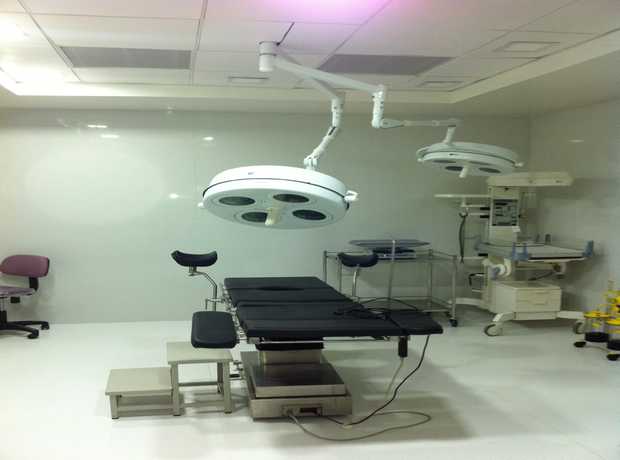
Operating Theatres (OTs) are the epicenters of surgical care, demanding the absolute highest levels of cleanliness, precision, and environmental control. Maintenance in OTs must strictly adhere to sterilization protocols and national guidelines (like those from NABH). Key aspects of OT maintenance include:
- Sterilization and Asepsis: All maintenance activities must adhere to rigorous sterilization protocols. Surfaces, specialized surgical lighting (shadowless lamps), and medical equipment within the OT must be regularly disinfected. Any invasive maintenance requires terminal cleaning and re-sterilization of the space.
- Air Filtration and Pressure Regimes: Meticulous maintenance of HVAC systems is critical to maintain positive air pressure and ensure the highest grade of air filtration (e.g., HEPA filters, laminar flow systems) to minimize airborne pathogens. Filters must be changed regularly, and ductwork cleaned to prevent contaminant build-up.
- Specialized Equipment: Regular testing and maintenance of anesthesia machines, electro-surgical units, surgical tables, microscopes, and endoscopic towers are vital. Calibration of these devices ensures their accuracy during intricate procedures.
- Medical Gas and Electrical Systems: Like ICUs, OTs require redundant, reliable power and medical gas supplies. All outlets and alarm systems must be functional, and electrical systems must be designed and maintained to minimize risks of static discharge or power fluctuations.
- Flooring and Wall Finishes: OT surfaces must be seamless, anti-static, antimicrobial, and easy to clean. Maintenance involves ensuring the integrity of these surfaces, promptly repairing any damage that could harbor pathogens.
Our expertise in OT design at Skydome Designs ensures that these critical spaces are not only optimally functional and hygienic but also designed for streamlined maintenance, minimizing disruption to surgical schedules and enhancing overall patient safety. We incorporate features that facilitate cleaning and access for service, making the ongoing upkeep more manageable and effective.
4.3. Effective Wayfinding and Universal Accessibility
Clear, intuitive, and universally accessible wayfinding is fundamental to a positive patient and visitor experience within a hospital, significantly reducing stress and improving operational efficiency. Poor wayfinding can lead to delays, missed appointments, and frustration. Maintenance in this area focuses on:
- Signage Integrity: Ensuring all directional, identification, informational, and regulatory signage is clear, legible, visible, well-lit, and up-to-date. Damaged, faded, or missing signs must be promptly repaired or replaced.
- Digital Wayfinding Systems: For hospitals employing digital kiosks or mobile apps, maintenance includes ensuring software functionality, screen clarity, and network connectivity.
- Accessibility Compliance: Regular inspection and maintenance of accessible pathways, ramps, elevators, automatic doors, tactile paving, and accessible restrooms are crucial. Ensuring braille signage is intact and strategically placed is also important.
- Lighting: Adequate lighting is essential for wayfinding, especially in corridors and public areas. Maintenance includes replacing faulty bulbs, cleaning fixtures, and ensuring emergency lighting functions.
- Interior Design Integration: Effective wayfinding is often subtly integrated into the overall hospital interior design. Maintenance ensures that color coding, artwork, and architectural features that aid navigation remain consistent and well-maintained.
Effective wayfinding not only improves patient experience and reduces anxiety but also enhances efficiency for staff and emergency services. Skydome Designs meticulously considers wayfinding elements from the initial design phase, integrating them seamlessly into the overall hospital environment to create intuitive, stress-free journeys for everyone. Our maintenance services ensure these vital elements remain functional and impactful.
5. Integrating Sustainable Practices in Hospital Maintenance and Repair Services
Adopting sustainable practices in hospital maintenance and repair is no longer just an environmental aspiration; it is a strategic imperative that yields significant long-term operational cost savings, enhances corporate social responsibility, and creates healthier environments for patients and staff. Skydome Designs is committed to delivering sustainable designs and maintenance solutions.
5.1. Driving Energy Efficiency: Reducing Consumption and Costs
Hospitals are notoriously energy-intensive facilities. Implementing energy-efficient practices in maintenance can drastically reduce operational costs and environmental impact:
- LED Lighting Upgrades: Replacing traditional fluorescent or incandescent lighting with energy-efficient LED fixtures, coupled with motion sensors and daylight harvesting controls.
- Smart HVAC Systems and BMS Integration: Optimizing HVAC schedules based on occupancy and real-time needs, using variable frequency drives (VFDs) for motors, and regularly tuning building management systems (BMS) to ensure peak efficiency.
- High-Efficiency Equipment: When replacing major equipment (e.g., chillers, boilers, pumps), opting for models with higher energy efficiency ratings.
- Building Envelope Improvements: Repairing roof insulation, sealing air leaks around windows and doors, and maintaining energy-efficient glazing to reduce heating and cooling loads.
- Renewable Energy Integration: Exploring the feasibility of rooftop solar panels or other renewable energy sources to supplement conventional power, reducing reliance on the grid and fossil fuels.
- Regular Energy Audits: Conducting periodic energy audits to identify areas of energy waste and opportunities for further optimization.
By focusing on energy efficiency, hospitals in Delhi can significantly lower their utility bills, reduce their carbon footprint, and contribute to a cleaner urban environment.
5.2. Proactive Water Conservation: A Vital Resource
Water scarcity is a growing concern globally, and Delhi is no exception. Hospitals are high water consumers, making conservation efforts critical:
- Low-Flow Fixtures: Installing water-saving toilets, urinals, faucets, and showerheads in patient rooms, restrooms, and staff facilities.
- Leak Detection and Repair: Implementing proactive leak detection systems and promptly repairing any leaks in plumbing systems, which can account for significant water waste.
- Water-Efficient Landscaping: For external areas, using drought-tolerant plants and efficient irrigation systems (e.g., drip irrigation).
- Greywater Recycling: Investigating and implementing systems to treat and reuse greywater (from sinks, showers) for non-potable purposes like flushing toilets or irrigation.
- Rainwater Harvesting: Collecting and storing rainwater for various non-potable uses within the hospital or for groundwater replenishment.
- Staff Education: Educating hospital staff and visitors on water conservation practices.
Effective water conservation measures not only reduce operational costs but also demonstrate a commitment to responsible resource management within the community.
5.3. Strategic Waste Management: Minimizing Environmental Impact
Hospitals generate diverse and often hazardous waste streams. A comprehensive and compliant waste management program is essential for environmental protection and public health:
- Biomedical Waste Segregation: Strict adherence to national guidelines for the segregation of biomedical waste into color-coded bins at the source (e.g., infectious waste, sharps, pathological waste, cytotoxic waste).
- General Waste Recycling: Establishing robust recycling programs for paper, plastics, glass, and metals generated from administrative areas, kitchens, and non-clinical zones.
- E-Waste Management: Proper disposal and recycling of electronic waste (old computers, medical devices) through authorized recyclers to prevent hazardous materials from entering landfills.
- Pharmaceutical Waste: Segregation and safe disposal of expired or unused medications, often requiring specialized incineration or neutralization.
- Hazardous Waste: Managing chemical waste from laboratories, batteries, and other hazardous materials according to stringent environmental regulations.
- Composting: Exploring composting programs for organic waste from hospital kitchens and cafeterias.
- Staff Training: Ongoing, mandatory training for all staff on proper waste segregation, handling, storage, and disposal protocols.
A well-managed waste program not only ensures regulatory compliance but also reduces environmental pollution, minimizes landfill burden, and reflects the hospital’s commitment to public health beyond its immediate care services. Skydome Designs incorporates waste management considerations into its maintenance plans, ensuring a holistic approach to sustainability.
6. The Transformative Role of Technology in Modern Hospital Maintenance
The digital revolution has profoundly impacted facility management, and hospital maintenance is no exception. Leveraging advanced technologies can move maintenance from a reactive, cost-center model to a proactive, value-generating asset management system. Skydome Designs integrates cutting-edge technology to optimize maintenance outcomes.
6.1. Computerized Maintenance Management Systems (CMMS)
A CMMS is the backbone of modern facility management. It digitizes and streamlines maintenance operations by providing:
- Automated Work Order Management: Creating, assigning, tracking, and closing work orders electronically, reducing manual paperwork and improving response times.
- Asset Management: A comprehensive database of all hospital assets, including specifications, purchase dates, warranty information, and maintenance history.
- Preventive Maintenance Scheduling: Automatically generating and scheduling routine maintenance tasks based on predefined intervals or usage.
- Inventory Management: Tracking spare parts, consumables, and tools, ensuring critical items are always in stock and reducing holding costs.
- Reporting and Analytics: Generating detailed reports on maintenance costs, equipment uptime, technician performance, and asset lifespan, enabling data-driven decision-making.
- Mobile Access: Allowing technicians to access and update work orders, log data, and communicate from anywhere within the facility using mobile devices.
The implementation of a robust CMMS significantly enhances efficiency, accountability, and cost control in hospital maintenance.
6.2. Internet of Things (IoT) and Predictive Maintenance
IoT sensors connected to various hospital systems and equipment enable real-time data collection, which is crucial for moving towards predictive maintenance:
- Remote Monitoring: Sensors can monitor temperature, humidity, vibration, pressure, energy consumption, and equipment status in real-time.
- Anomaly Detection: IoT data, when analyzed, can detect subtle deviations from normal operating parameters, indicating potential equipment failure before it occurs.
- Predictive Maintenance: Instead of fixed schedules (preventive) or waiting for failure (reactive), predictive maintenance uses data analytics and machine learning to forecast when equipment will need servicing, optimizing maintenance windows and minimizing unexpected downtime.
- HVAC Optimization: IoT sensors in AHUs, chillers, and patient rooms can fine-tune HVAC performance, ensuring optimal environmental conditions while minimizing energy waste.
- Utility Monitoring: Real-time tracking of electricity, water, and gas consumption helps identify inefficiencies and leaks instantly.
By implementing IoT-driven predictive maintenance, hospitals can achieve higher uptime for critical equipment, reduce maintenance costs, and extend asset life.
6.3. Building Information Modeling (BIM) for Facility Management
BIM, traditionally used in design and construction, is increasingly valuable for facility management (often referred to as ‘FM-BIM’):
- Digital Twin: A BIM model creates a “digital twin” of the hospital, containing rich data about every element—from structural components to individual light fixtures and HVAC units.
- Visualizing Maintenance: Technicians can access the BIM model on tablets to quickly locate equipment, view specifications, maintenance history, and even 3D schematics before opening a wall or panel.
- Space Management: BIM assists in optimizing space utilization, planning for renovations, and managing room assignments.
- Lifecycle Management: The comprehensive data in BIM supports informed decisions throughout the asset’s lifecycle, from procurement to decommissioning.
BIM significantly enhances efficiency for maintenance teams, especially in large, complex hospital environments, providing immediate access to critical building information.
6.4. AI and Machine Learning in Optimizing Maintenance
Artificial intelligence (AI) and machine learning (ML) are taking predictive maintenance to the next level:
- Pattern Recognition: AI algorithms can analyze vast datasets from CMMS, IoT sensors, and historical maintenance records to identify subtle patterns that precede equipment failure.
- Optimized Scheduling: ML can optimize maintenance schedules, considering factors like equipment criticality, usage patterns, technician availability, and spare parts inventory, leading to more efficient resource allocation.
- Root Cause Analysis: AI can assist in quickly identifying the root causes of recurring issues, allowing for more permanent solutions rather than repeated temporary fixes.
- Energy Consumption Prediction: AI can predict energy consumption based on weather patterns, occupancy, and operational schedules, helping facility managers proactively adjust systems for efficiency.
Skydome Designs harnesses these technological advancements to deliver more intelligent, efficient, and cost-effective hospital maintenance and repair services in Delhi, ensuring maximum operational reliability.
7. Emergency Preparedness and Robust Disaster Recovery Plans
In a healthcare setting, the ability to maintain critical operations during unforeseen emergencies or disasters is paramount. A comprehensive maintenance strategy must include robust emergency preparedness and disaster recovery plans, ensuring the hospital can continue to provide care even under duress.
7.1. Contingency Planning for Utility Disruptions
Hospitals must be able to function independently for extended periods in case of utility failures:
- Power Outages: Regular testing and maintenance of backup generators (diesel or gas), Automatic Transfer Switches (ATS), and Uninterruptible Power Supply (UPS) systems are critical. Fuel reserves must be regularly checked and replenished.
- Water Supply Interruptions: Hospitals should have on-site water storage (tanks) and, ideally, alternative water sources (e.g., borewells, tie-ins to multiple municipal lines). Maintenance includes checking tank integrity, pump functionality, and water purification systems.
- Medical Gas Failures: Redundancy in medical gas supply (e.g., manifold systems with backup cylinders, multiple bulk tanks) and robust alarm systems are essential. Maintenance ensures these systems are functional and reserves are adequate.
- Data and Communication Failures: Backup internet connections, redundant servers, and alternative communication methods (e.g., satellite phones) should be in place and regularly tested.
7.2. Comprehensive Disaster Protocols and Drills
Developing and regularly practicing protocols for various disaster scenarios is vital:
- Fire Safety: Beyond maintenance of fire systems, regular fire drills for staff, clear evacuation routes, and designated assembly points are essential.
- Earthquakes and Structural Damage: Procedures for immediate facility assessment, patient relocation, and structural engineering evaluation must be in place. Delhi is in a seismic zone, making this particularly important.
- Floods and Water Damage: Protocols for diverting water, protecting critical equipment, and rapid recovery from water ingress.
- Mass Casualty Incidents: Plans for surge capacity, triage areas, and coordination with external emergency services.
Regular drills and simulations help identify weaknesses in the plans and train staff to respond effectively under pressure. Maintenance teams play a critical role in these drills, ensuring emergency equipment is functional and rapid repairs can be performed if needed.
7.3. Maintenance of Emergency Equipment and Evacuation Routes
The functionality of emergency equipment and clarity of evacuation routes are directly tied to maintenance:
- Fire Extinguishers and Sprinklers: Monthly inspections and annual servicing.
- Emergency Lighting: Regular testing to ensure batteries are charged and lights illuminate evacuation paths.
- Emergency Exits: Ensuring all exit doors are unobstructed, signage is clear, and hardware is functional.
- Communication Systems: Testing emergency broadcasting systems and two-way radios.
A reliable maintenance partner like Skydome Designs is indispensable in establishing and supporting these emergency preparedness measures, offering peace of mind that the hospital is ready for any eventuality.
8. The Skydome Designs Advantage: Your Premier Partner for Hospital Maintenance in Delhi
Choosing the right partner for hospital maintenance and repair services in Delhi is a decision with far-reaching implications for patient care, operational efficiency, and financial sustainability. At Skydome Designs, we pride ourselves on delivering a comprehensive, integrated, and unparalleled service offering specifically tailored for the dynamic and demanding healthcare sector.
8.1. End-to-End Excellence: From Concept to Ongoing Care
Skydome Designs offers a truly end-to-end delivery model for hospital maintenance and repair services. This means we are not just a repair crew; we are your strategic partner from the very inception of a maintenance strategy through its ongoing execution and beyond. Our services encompass:
- Strategic Planning: Assisting with initial audits, risk assessments, and long-term maintenance roadmaps.
- Design and Optimization: Leveraging our award-winning architectural and healthcare planning expertise to optimize layouts (e.g., ICU, OT) for maintainability and operational flow.
- Construction and Renovation Support: Ensuring that any repairs or upgrades are executed with the highest quality standards, minimizing disruption to ongoing hospital operations.
- Handover and Post-Occupancy Support: Providing thorough documentation, training for hospital staff, and continuous support to ensure smooth transitions and sustained performance.
This holistic approach ensures seamless integration between initial design principles and ongoing operational realities, maximizing efficiency and preventing future issues.
8.2. A Proven Track Record of Success and Reliability
Our commitment to excellence is reflected in tangible results:
- Extensive Experience: With over 29 years of experience, Skydome Designs brings a depth of knowledge unique to the healthcare infrastructure domain.
- Global and Local Impact: We have successfully completed 1039+ hospital maintenance and repair services assignments across Delhi and globally over 24+ years, demonstrating our capability to deliver at scale and meet diverse needs.
- Unmatched On-Time Delivery: Our remarkable 99% on-time delivery rate underscores our dedication to efficiency, adherence to schedules, and minimizing downtime for critical healthcare facilities.
- Multi-Disciplinary Reviews: Every project benefits from rigorous multi-disciplinary reviews by our in-house team of architects, healthcare planners, and engineers, ensuring comprehensive solutions and adherence to global standards.
- Post-Occupancy Support: Our commitment extends beyond project completion, offering robust post-occupancy support to ensure sustained operational excellence.
8.3. Transparency, Accountability, and Award-Winning Expertise
We understand that trust is built on transparency and accountability:
- Transparent Costs: We provide detailed, itemized cost estimations, ensuring there are no hidden fees or surprises.
- Milestone-Based Reporting: Our clients receive regular, clear reports tied to project milestones, offering complete visibility into progress and expenditure in Delhi.
- Award-Winning Team: Our team comprises award-winning professionals recognized for their innovative and sustainable designs, particularly in healthcare architecture and planning. This expertise translates directly into maintenance solutions that are efficient, aesthetically pleasing, and functionally superior.
- Commitment to Sustainable Designs: We integrate sustainable practices from design through maintenance, reducing environmental impact and operational costs.
Skydome Designs is not just a service provider; we are a partner dedicated to upholding the highest standards of safety, efficiency, and quality for your hospital projects in Delhi. Our proactive approach and unwavering commitment ensure that your facility operates optimally, allowing you to focus on what matters most: delivering exceptional patient care.
9. Future Trends Shaping Hospital Maintenance in Delhi
The landscape of hospital maintenance is continuously evolving, driven by technological advancements, changing regulatory demands, and a growing emphasis on sustainability and patient experience. Staying abreast of these trends is crucial for any hospital in Delhi aiming for long-term excellence.
9.1. Mainstreaming Predictive Maintenance and AI Integration
While preventive maintenance is a current best practice, predictive maintenance (PdM) powered by IoT and AI is rapidly becoming the gold standard. Sensors will become ubiquitous, monitoring everything from equipment vibration and temperature to energy consumption and air quality. AI algorithms will analyze this vast data to accurately forecast equipment failures, allowing maintenance to be performed precisely when needed, minimizing costs and maximizing uptime. Delhi hospitals will increasingly leverage these technologies to optimize their operational efficiency and prevent unexpected disruptions.
9.2. Heightened Focus on Indoor Environmental Quality (IEQ)
The global pandemic underscored the critical importance of indoor air quality in healthcare settings. Future maintenance strategies will place an even greater emphasis on maintaining superior IEQ, including advanced filtration (e.g., multi-stage HEPA filtration), optimal ventilation rates, precise humidity control, and continuous air quality monitoring. Maintenance will involve more frequent and rigorous inspection and servicing of HVAC systems, ductwork cleaning, and monitoring of airborne pathogens.
9.3. Greater Integration of Smart Building Technologies (BMS/BAS)
Building Management Systems (BMS) or Building Automation Systems (BAS) will become more sophisticated and integrated. Future hospitals will see unified platforms controlling not just HVAC and lighting, but also security, access control, medical gas systems, waste management, and even patient-facing technologies. Maintenance will involve managing and optimizing these complex, interconnected digital ecosystems, requiring technicians with advanced IT and network administration skills alongside their traditional mechanical and electrical expertise.
9.4. Circular Economy Principles in Repairs and Renovations
Moving beyond just sustainability, circular economy principles will influence how hospitals approach repairs and renovations. This involves designing for longevity, ease of disassembly, reuse of components, and recycling of materials. Maintenance will focus on repairing rather than replacing, sourcing refurbished parts, and engaging with suppliers who prioritize sustainable manufacturing and end-of-life management for equipment. This will reduce waste, conserve resources, and lower long-term environmental impact.
9.5. Specialized Training for Technicians and Multiskilling
As hospital systems become more complex and integrated, the demand for highly specialized and multi-skilled technicians will grow. Maintenance professionals will need expertise not only in their core trades but also in IT, data analytics, cybersecurity (for connected systems), and infection control protocols. Continuous education and certification will be essential to keep pace with evolving technologies and regulatory requirements in healthcare.
By embracing these future trends, hospitals in Delhi can ensure their facilities remain at the forefront of operational excellence, patient safety, and environmental stewardship. Skydome Designs is committed to innovating and adapting its services to meet these evolving demands, providing future-ready maintenance solutions.
Conclusion: Ensuring Optimal Care Through Effective Maintenance
The journey towards achieving and sustaining excellence in healthcare delivery within Delhi’s dynamic environment is inextricably linked to robust hospital maintenance and repair services. Far from being a mere operational overhead, effective maintenance is a strategic investment that directly impacts patient safety, operational efficiency, regulatory compliance, and the long-term financial viability of a healthcare facility. By meticulously following the step-by-step guidelines outlined in this guide—from comprehensive initial assessments and strategic planning to the implementation of preventive programs, addressing specialized areas, embracing sustainable practices, and leveraging advanced technology—hospitals can significantly minimize downtime, reduce operational costs, extend asset lifespans, and ultimately, uphold the highest quality of care for their patients.
In this complex and critical endeavor, choosing the right partner makes all the difference. Skydome Designs stands as your trusted and award-winning partner for end-to-end delivery of hospital maintenance and repair services in Delhi. Our extensive expertise spans strategy, design, construction, and seamless handover. With a legacy built on 29+ years of experience, our dedicated in-house team has successfully executed 1039+ hospital maintenance and repair services assignments across Delhi and globally over 24+ years, consistently achieving a remarkable 99% on-time delivery rate. Our commitment to transparent costs, milestone-based reporting, rigorous multi-disciplinary reviews, and comprehensive post-occupancy support underpins the exceptional outcomes we consistently deliver, all to global standards.
Partner with Skydome Designs to ensure your Delhi healthcare facility operates flawlessly, safely, and sustainably, allowing you to concentrate on your core mission: providing life-changing care. We are poised to bring our award-winning expertise, proven track record, and dedication to your next project.
Contact us today at +91 7299072144 or email us at info@skydomedesigns.com to discuss your project and discover the Skydome Designs advantage.
FAQ: Frequently Asked Questions About Hospital Maintenance in Delhi
Q: What are the most common maintenance issues faced by hospitals in Delhi?
A: Hospitals in Delhi frequently encounter maintenance issues such as HVAC system failures due to high dust levels and extreme temperatures, water leaks from aging plumbing infrastructure, and electrical problems stemming from grid fluctuations and outdated wiring. Other common challenges include maintaining sterile environments, ensuring medical equipment calibration, and managing complex waste streams. Regular, proactive maintenance and upgrades are crucial to mitigate these risks effectively.
Q: How often should critical hospital equipment be serviced and calibrated?
A: The servicing and calibration frequency for hospital equipment largely depends on the specific device, its operational intensity, and manufacturer recommendations. Critical medical equipment, such as life-support systems, diagnostic imaging machines (MRI, CT scanners), and laboratory analyzers, typically requires servicing and calibration at least annually, and often quarterly or even more frequently. Other equipment might have a service interval of two to three years. Adhering to manufacturer guidelines and regulatory requirements (e.g., NABH standards) is essential for patient safety and optimal equipment performance. Detailed records must be maintained for all maintenance activities.
Q: What factors influence the cost of hospital maintenance and repair services in Delhi?
A: The cost of hospital maintenance and repair services in Delhi is highly variable and influenced by several factors. These include the size and age of the facility, the complexity and type of specialized medical equipment, the scope of work (e.g., preventive, reactive, or major renovation), the frequency of services, the need for specialized parts, and the level of emergency support required. Engaging a reputable provider like Skydome Designs for a detailed facility assessment and a transparent, milestone-based quote is the best approach to get an accurate cost estimate. Our transparent costing model ensures you understand every aspect of your investment.
Q: How do I choose the right hospital maintenance and repair company in Delhi?
A: Selecting the right company is critical. Look for a provider with extensive, proven experience specifically in healthcare facility maintenance, not just general building maintenance. Key considerations include: their expertise in specialized hospital systems (MEP, HVAC, medical gas), relevant certifications and licenses (e.g., ISO, local trade licenses), a strong track record (check references and testimonials), and their ability to provide 24/7 emergency support with rapid response times. Companies like Skydome Designs, with their 29+ years of specialized experience and a 99% on-time delivery record across over 1000 projects, offer the reliability and expertise essential for hospitals.
Q: What are the key regulatory requirements for hospital maintenance in Delhi?
A: Hospital maintenance in Delhi must adhere to a stringent framework of local and national regulations. These include compliance with Delhi’s municipal building codes, fire safety standards set by the Delhi Fire Service, environmental regulations from the Delhi Pollution Control Committee (DPCC) regarding waste and emissions, and accessibility guidelines. Crucially, hospitals seeking or holding accreditation must also comply with the comprehensive standards of the National Accreditation Board for Hospitals & Healthcare Providers (NABH), which cover facility management, safety, infection control, and medical equipment maintenance. Specialized regulations, such as those from the Atomic Energy Regulatory Board (AERB) for radiological equipment, also apply. A knowledgeable maintenance partner will ensure full compliance, protecting the hospital from penalties and ensuring patient safety.