As Abu Dhabi continues its rapid urban development, driven by the ambitious goals of Abu Dhabi Vision 2030, the demand for sophisticated and human-centered interior branding and signage design is set to skyrocket by 2025. This burgeoning metropolis, a global hub for business, tourism, and culture, presents unique opportunities and challenges for designers. Navigating stricter building codes, embracing cultural sensitivities, and meeting increasingly discerning user expectations requires a strategic, empathetic, and detail-oriented approach. This comprehensive guide outlines the essential steps to creating impactful and effective interior spaces that not only look stunning but also resonate deeply with people in Abu Dhabi.
The essence of successful design in a dynamic environment like Abu Dhabi lies in putting people first. Beyond aesthetics, the functionality, comfort, and psychological impact of an interior space are paramount. This article delves into the intricacies of integrating branding and signage into interior design, ensuring every element contributes to a cohesive, intuitive, and memorable user experience. From the initial conceptualization to the final handover, we explore how human-centered principles can transform ordinary spaces into extraordinary destinations.
Why Human-Centered Design Matters in Abu Dhabi’s Evolving Landscape
In a city as dynamic and diverse as Abu Dhabi, interior spaces must do far more than just look good; they must perform. They need to enhance user experience, promote well-being, facilitate seamless navigation, and reflect the unique cultural identity and aspirational vision of the region. Human-centered interior branding and signage design in Abu Dhabi prioritizes the needs, preferences, and cultural nuances of the people who will inhabit or interact with the space. This approach results in environments that are not only more functional and engaging but also deeply successful on multiple levels, contributing to the city’s reputation as a world-class destination.
The multi-faceted population of Abu Dhabi, comprising Emirati nationals and a vast expatriate community from across the globe, demands a design approach that is universally inclusive yet culturally sensitive. Designers must consider a broad spectrum of needs, from physical accessibility for individuals with disabilities to linguistic diversity and respect for local traditions and religious practices. A human-centered design philosophy directly addresses these considerations, ensuring spaces are welcoming, intuitive, and respectful for everyone. It moves beyond superficial aesthetics to create environments that genuinely connect with individuals, fostering a sense of belonging and ease.
Furthermore, human-centered design contributes significantly to a project’s long-term value. By optimizing functionality and user satisfaction, it enhances brand perception, boosts operational efficiency, and even contributes to employee productivity in commercial settings or patient recovery in healthcare facilities. In a competitive market, a truly human-centered space stands out, creating a lasting positive impression and encouraging repeat engagement. Skydome Designs understands these profound impacts, having delivered 402+ human-centered interior branding and signage design assignments across Abu Dhabi and globally over 29+ years, achieving 99% on‑time delivery, underpinned by multi‑disciplinary reviews, and post‑occupancy support.
Step-by-Step Guide to Human-Centered Interior Branding and Signage Design for Abu Dhabi Projects
Achieving exceptional interior branding and signage design for your Abu Dhabi project requires a meticulous, multi-stage process. Here’s a comprehensive roadmap, ensuring every decision is informed by human-centered principles and tailored for the unique context of the UAE:
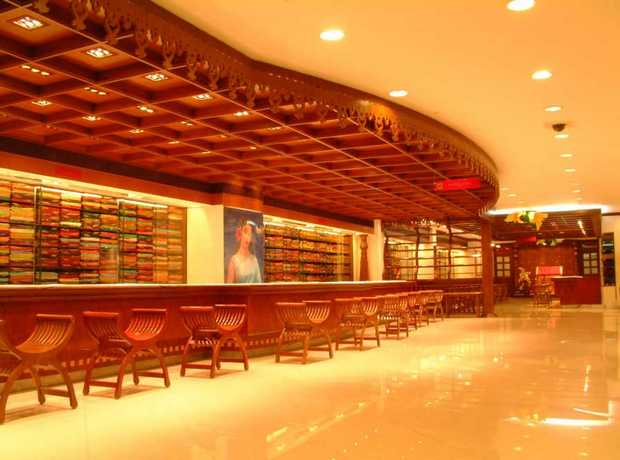
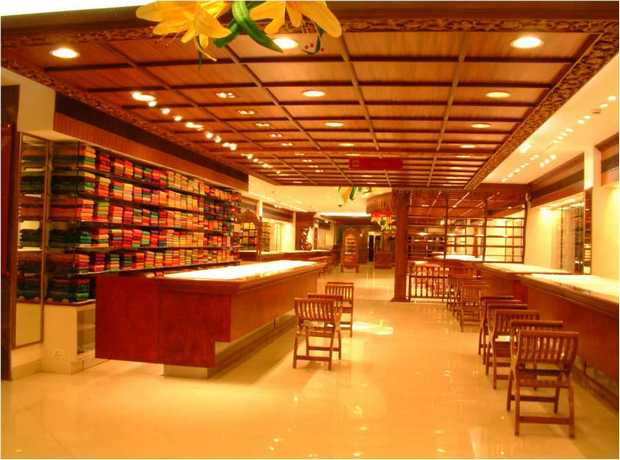

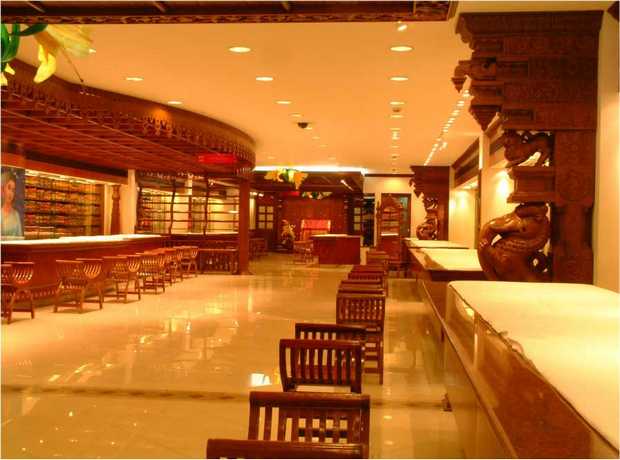
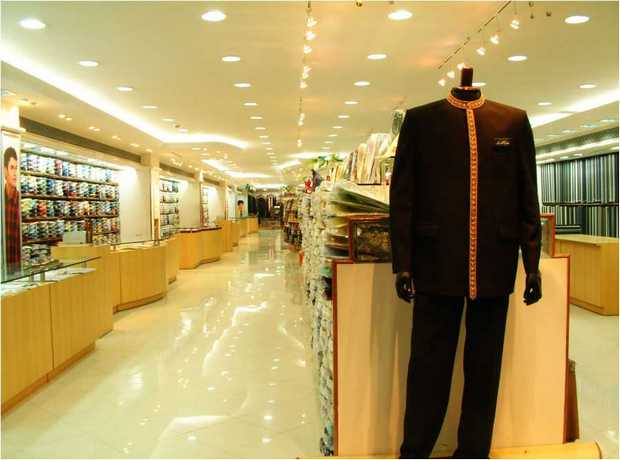
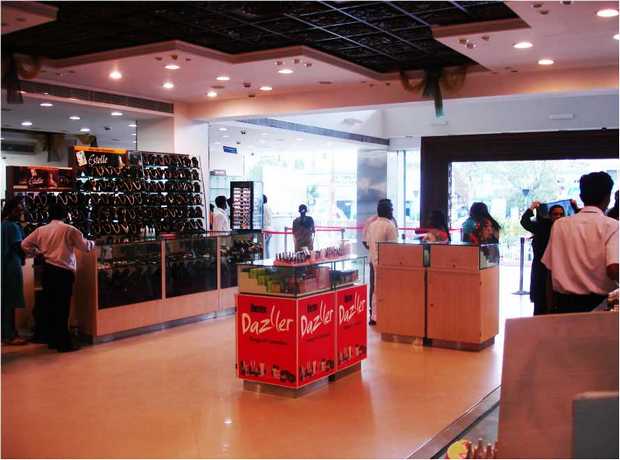
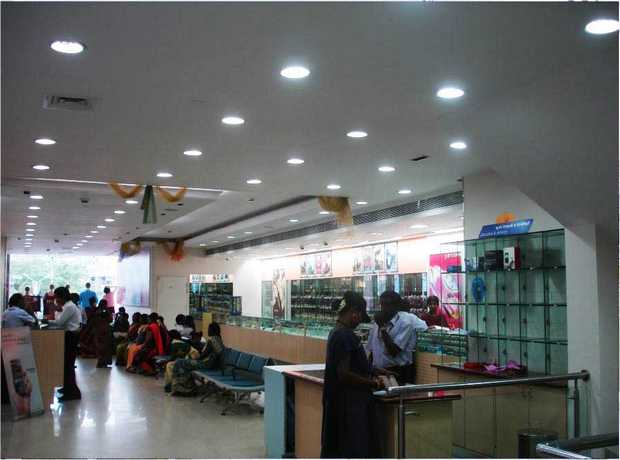
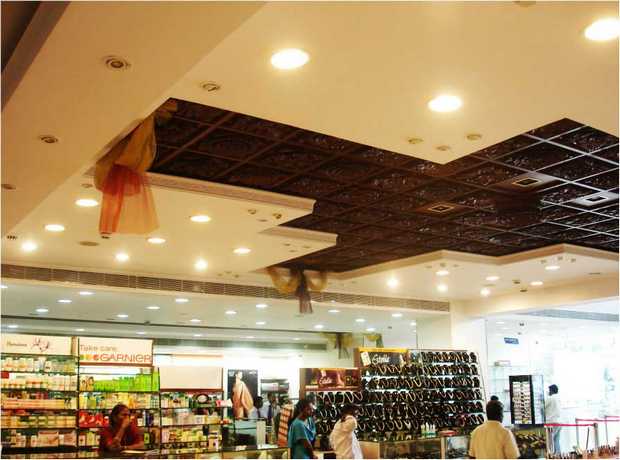
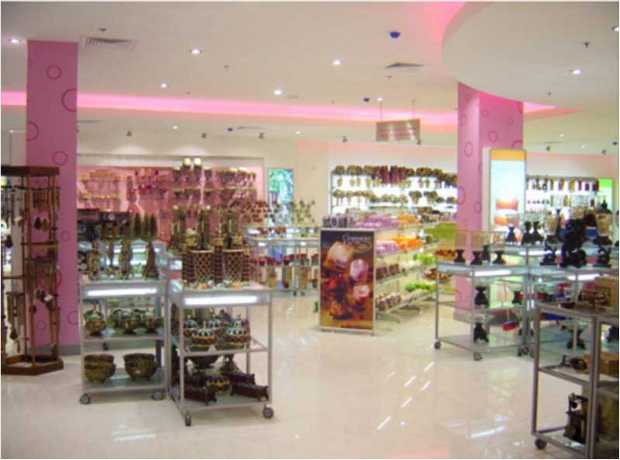
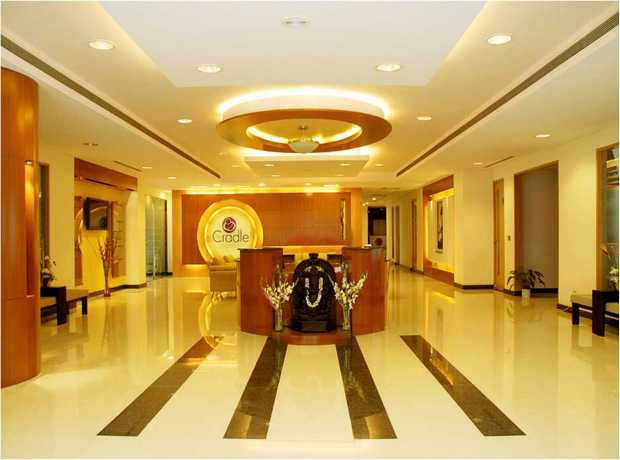
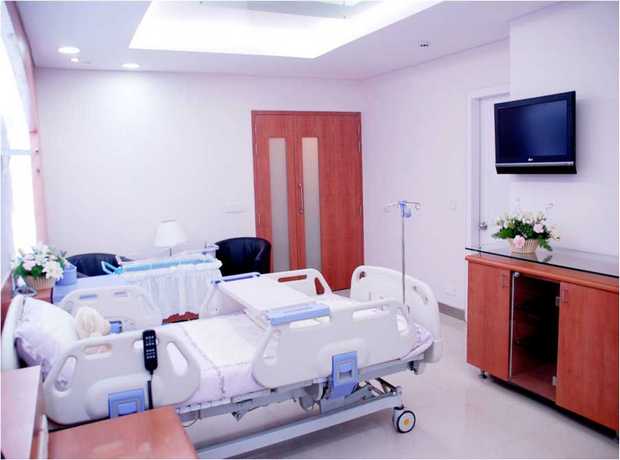
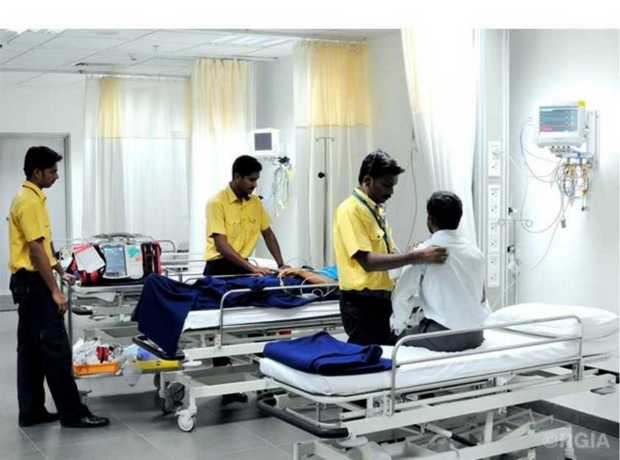
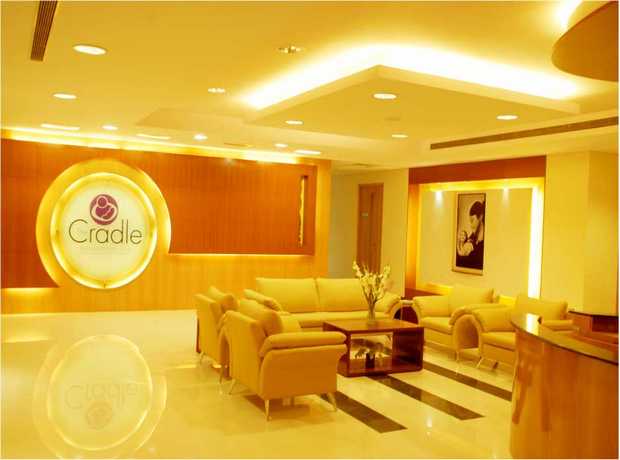
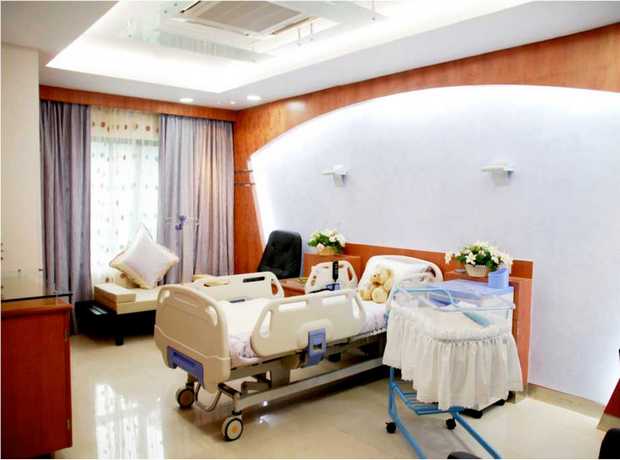
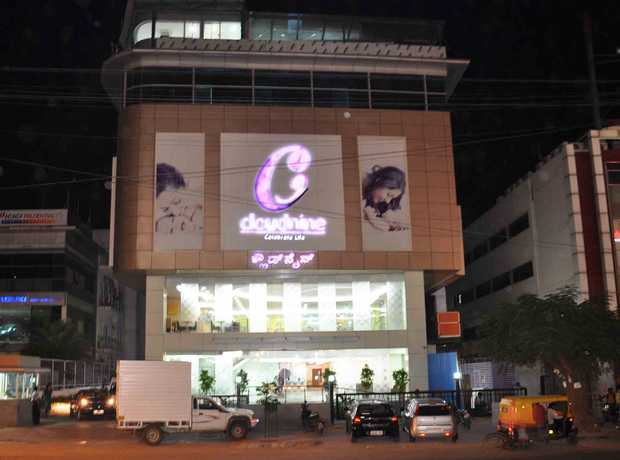
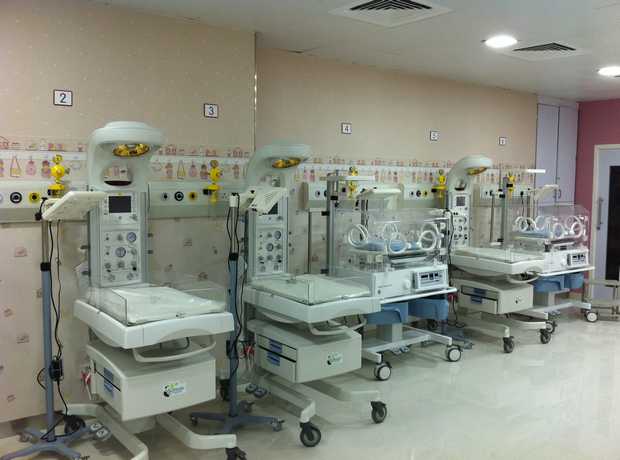

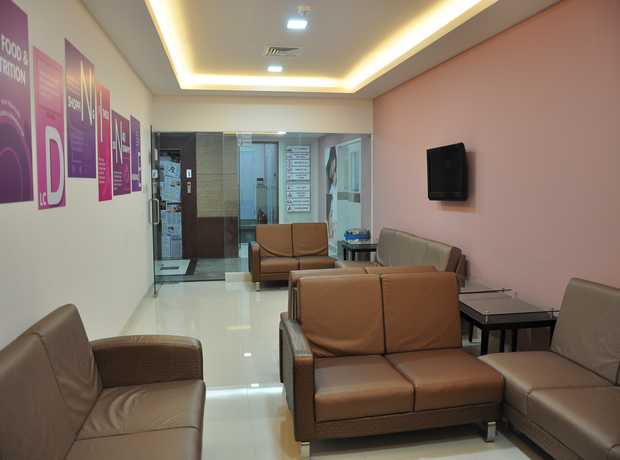
1. Understanding Your Audience & Objectives: The Foundation of Empathy
Before any design work begins, the most critical step is to deeply understand your target audience and unequivocally define your project’s objectives. This phase is about gathering intelligence, building empathy, and laying a robust foundation for all subsequent design decisions.
Begin by asking: Who will be using this space? This isn’t just about demographics; it’s about psychographics, behaviors, needs, pain points, and aspirations. Are they residents, tourists, employees, patients, students, or a mix? Consider their age groups, cultural backgrounds, languages, technical literacy, and mobility levels. For instance, designing a healthcare facility requires understanding patient anxieties and staff workflows, while a retail space needs to cater to shopper journeys and brand engagement. In Abu Dhabi, this extends to understanding common cultural practices, such as the need for prayer rooms or gender-segregated waiting areas in certain contexts, and ensuring multilingual communication. Conducting surveys, interviews, ethnographic studies, and user journey mapping can provide invaluable insights.
Simultaneously, clearly define the overarching objectives of the space. What is its primary purpose? Is it to enhance productivity in an office environment, create a welcoming and calming atmosphere in a hospital, drive sales and brand loyalty in a retail store, or facilitate learning and collaboration in an educational institution? Specific, Measurable, Achievable, Relevant, and Time-bound (SMART) objectives are crucial. For example, an objective might be “to reduce wayfinding inquiries by 30% within the first six months of operation” or “to increase customer dwell time by 15% through engaging interior branding.” The answers to these fundamental questions will inform every design decision, ensuring that the final output is not just aesthetically pleasing but also purpose-driven and deeply functional for its intended users. This initial investment in understanding is what truly makes the design human-centered and sets the stage for a successful Abu Dhabi interior branding and signage design company partnership.
2. Strategy & Concept Development: Crafting the Narrative
With a profound understanding of your audience and objectives, the next phase involves translating these insights into a cohesive branding and signage strategy. This is where the abstract ideas begin to take concrete form, creating a guiding narrative for the entire project.
This stage involves defining the overarching brand identity of the space. Beyond a logo, this encompasses the brand’s personality, values, and the emotional connection it aims to forge with its users. How should the space make people feel? What story does it tell? This brand narrative then informs the creation of a consistent visual language. This includes selecting primary and secondary color palettes, defining typography hierarchies, establishing iconography styles, and developing a library of graphic elements that will be consistently applied across all interior branding and signage. This consistency is vital for brand recognition and intuitive wayfinding.
The strategy also dictates the planning of signage elements. This isn’t merely about where to put a sign, but understanding the flow of movement, decision points, and information needs within the space. Will digital signage be integrated with static elements? How will information be layered to avoid cognitive overload? What are the key messages that need to be conveyed at each touchpoint? For a large-scale project in Abu Dhabi, this could involve a comprehensive wayfinding master plan, considering both primary and secondary routes, emergency exits, and culturally appropriate directional cues. This stage is critical to ensuring that your Abu Dhabi interior branding and signage design company aligns with your overall business goals and creates a seamless, intuitive experience for every visitor. It’s about creating a system, not just individual signs, ensuring end‑to‑end delivery for human-centered interior branding and signage design — from strategy right through to design, construction and handover in Abu Dhabi.
3. Design Development & Material Selection: Bringing Vision to Life
This is where the creative process takes center stage, translating strategic concepts into tangible designs. Detailed design concepts are developed, meticulously incorporating the principles of human-centered design to ensure a holistic and impactful environment.
Every element, from the form and placement of signage to the texture of a wall, is considered. Designers will focus on creating clear sightlines, comfortable viewing distances for signage, and logical information hierarchies. Accessibility is paramount: fonts must be legible, contrast ratios high, and tactile elements (like braille or raised text) integrated where appropriate, adhering to international standards and local regulations. Wayfinding principles are applied rigorously, ensuring intuitive navigation through the use of consistent visual cues, landmarks, and clear directional information. Visual comfort is also a key consideration, avoiding glare, ensuring appropriate lighting levels (which we will delve into next), and selecting finishes that contribute to a positive psychological state.
Material selection is equally crucial and requires careful consideration of numerous factors. Durability is essential, especially in high-traffic areas, given Abu Dhabi’s climate conditions, which include high temperatures and potential sand exposure. Sustainability is a growing concern, prompting the selection of environmentally friendly materials with low VOCs, recycled content, or local sourcing to minimize carbon footprint. The aesthetic appeal of materials must align with the brand identity and the desired mood of the space. For example, in a luxury hotel, natural stone and rich timbers might be chosen, while a healthcare facility might prioritize easy-to-clean, hygienic, and calming materials. Fire safety ratings and maintenance requirements are also non-negotiable considerations. Consulting with Abu Dhabi interior experts is invaluable at this stage to source the best, most appropriate, and compliant materials for the local climate and regulatory framework. This detailed material choice directly impacts the sensory experience, contributing significantly to the human-centered outcome.
4. Lighting Design & Implementation: Sculpting Space and Emotion
Often underestimated, lighting design plays a critical, transformative role in shaping the mood, functionality, and perception of an interior space. It’s not merely about illumination; it’s about sculpting space, guiding attention, enhancing visual clarity, and profoundly impacting human well-being and emotional response.
A well-designed lighting scheme can dramatically enhance visual clarity for signage, ensuring messages are easily read and understood at various distances and angles. It can create a distinct sense of ambiance, transforming a sterile environment into a welcoming one, or a bustling space into a calm retreat. Different types of lighting—ambient, task, accent, and decorative—are strategically layered to achieve desired effects. Ambient lighting provides general illumination, task lighting supports specific activities (e.g., reading, working), accent lighting highlights architectural features or branding elements, and decorative lighting adds character and flair.
In a human-centered approach, lighting must also consider circadian rhythms, promoting natural sleep-wake cycles and overall well-being, particularly in spaces like hospitals or offices where people spend extended periods. Warm, tunable lighting can be used to mimic natural daylight patterns, adapting throughout the day. Energy efficiency is a paramount consideration, aligning with Abu Dhabi’s sustainability goals. Employing advanced LED technologies, smart lighting control systems, and daylight harvesting strategies can significantly reduce energy consumption and operational costs. The integration of lighting with branding and signage elements is key: strategically placed spotlights can draw attention to a brand logo, backlighting can make a sign glow, and color-changing LEDs can evoke dynamic brand experiences. A qualified lighting designer, experienced in the unique environmental and cultural context of Abu Dhabi, is essential to develop a lighting plan that not only complements the interior design and branding but also optimizes the human experience within the space. Our award‑winning team offers transparent costs and milestone‑based reporting, ensuring optimal outcomes for integrated solutions in Abu Dhabi.
5. Construction & Installation: Precision and Execution
The construction and installation phase is where the meticulously planned designs come to fruition. This stage demands exceptional attention to detail, rigorous quality control, and strict adherence to project timelines and budget. It is a critical juncture where the success of the prior planning is truly tested.
For interior branding and signage, this means ensuring that all elements are manufactured to the highest standards, using the specified materials and finishes. Installation must be carried out with precision, ensuring that signs are level, properly secured, and positioned exactly as designed for maximum visibility, legibility, and accessibility. This includes considering viewing angles, ambient light conditions, and potential obstructions. Compliance with all local building codes and safety regulations in Abu Dhabi is non-negotiable. This might involve specific requirements for fire-rated materials, emergency exit signage, or accessibility standards for tactile and braille signs.
Effective project management is crucial during this phase. This includes coordinating with various contractors and trades, managing logistics for material delivery, and overseeing the skilled labor required for specialized installations. Regular site inspections are absolutely essential. These inspections allow the design team to identify and address any potential issues or discrepancies promptly, ensuring that the executed work perfectly matches the approved designs. Any deviations must be carefully reviewed and rectified to maintain the integrity of the human-centered design. Skydome Designs offers turnkey interior solutions, ensuring seamless execution from the initial design concept through to the final completion and installation. This integrated approach minimizes risks and ensures the highest quality output. Contact us today to learn how our comprehensive project management can bring your vision to life seamlessly.
6. Handover & Post-Occupancy Evaluation: Ensuring Long-Term Success
The completion of construction and installation is not the end of the project lifecycle; rather, it marks the beginning of the crucial handover and post-occupancy evaluation phase. This step is vital for ensuring the long-term success, functionality, and continuous improvement of the designed space.
Upon completion, a thorough handover to the client is conducted. This includes providing comprehensive documentation, such as operation and maintenance (O&M) manuals for all installed signage systems, lighting controls, and any integrated digital displays. Training for facility management teams and end-users on the proper operation, cleaning, and maintenance procedures for the interior branding and signage elements is also essential. This empowers the client to maintain the quality and effectiveness of the design over time, safeguarding the initial investment. Transparent costs and milestone‑based reporting throughout the project lifecycle contribute to a smooth handover process.
More importantly, a post-occupancy evaluation (POE) is a human-centered design imperative. This involves systematically assessing the effectiveness of the design in meeting its initial objectives and user needs. The POE can employ various methods, including user surveys, interviews, observational studies (e.g., tracking wayfinding success rates, dwell times), and data analysis (e.g., feedback on digital kiosks). This evaluation helps identify any areas for improvement, unexpected challenges, or opportunities to optimize the space further. For instance, if users consistently report difficulty finding a specific area, it might indicate a need for additional or clearer directional signage. This commitment to post-occupancy support and iterative feedback sets Skydome Designs apart, ensuring long-term success and adaptability for your Abu Dhabi project. Our approach, emphasizing multi‑disciplinary reviews and post‑occupancy support, directly underpins positive outcomes, guaranteeing that the spaces we create continue to serve their users effectively and evolve with their needs.
Choosing the Right Partner for Your Abu Dhabi Project
Selecting the right partner is arguably one of the most crucial decisions for the success of your interior branding and signage project in Abu Dhabi. You need a collaborator who understands the local context, possesses proven expertise, and is committed to delivering high-quality, human-centered designs that align with your vision and objectives. Skydome Designs has an unparalleled track record, having delivered 402+ human-centered interior branding and signage design assignments across Abu Dhabi and globally over 29+ years, with an impressive 99% on‑time delivery rate, backed by robust multi‑disciplinary reviews, and dedicated post‑occupancy support underpinning exceptional outcomes. Here are key factors to consider when making this vital choice:
- Extensive Experience: Look for a company with extensive experience specifically in designing and implementing interior branding and signage projects within the Abu Dhabi market. This ensures familiarity with local regulations, cultural nuances, supplier networks, and climate-specific material considerations. A long history often translates to a deeper understanding of complex project requirements and potential challenges.
- Specialized Expertise: Ensure the company has a multidisciplinary team of qualified architects, interior designers, graphic designers, lighting specialists, and project managers. Their specialized knowledge should encompass not only aesthetic design but also technical aspects like local building codes, accessibility standards (like UAE’s own accessibility guidelines which often align with international best practices such as ADA), material science, and sustainable design practices relevant to the region. The ability to offer end‑to‑end delivery for human-centered interior branding and signage design — covering strategy, design, construction, and handover — is a significant advantage.
- Compelling Portfolio: Rigorously review the company’s portfolio. Look for projects similar in scope and sector to yours. Assess the quality, innovation, and strategic thinking evident in their past work. Does their portfolio demonstrate a clear understanding and application of human-centered design principles? Do their projects resonate with the level of sophistication and cultural sensitivity required for your Abu Dhabi venture? A strong portfolio provides tangible evidence of their capabilities.
- Client Testimonials & Reputation: Beyond visuals, delve into what past clients say. Check for testimonials, case studies, and independent reviews. A company’s reputation for clear communication, transparent processes, adherence to budgets, and exceptional customer service is a strong indicator of a reliable partnership. Look for mentions of their commitment to sustainability, on-time delivery, and post-project support.
- Integrated Approach: Opt for a partner that offers a holistic approach, integrating branding, signage, and interior design seamlessly. This ensures a cohesive visual language and a harmonious user experience across all touchpoints, preventing disjointed or conflicting design elements. Skydome Designs’ award‑winning team offers transparent costs and milestone‑based reporting, ensuring a truly integrated and accountable process in Abu Dhabi.
Skydome Designs: Your Abu Dhabi Interior Experts for Human-Centered Excellence
Skydome Designs Pvt Ltd stands as a leading architecture and interior design firm with nearly 30 years of experience, a legacy built on creating innovative, functional, and deeply human-centered spaces. Our extensive portfolio spans across India and internationally, including a significant footprint in Abu Dhabi. We specialize in transforming diverse environments, from the intricate demands of hospital and healthcare interiors to the intimate comfort of residential projects, and the dynamic functionality of retail and commercial spaces. Our unwavering commitment to excellence is reflected in our in-house team of seasoned architects, expert healthcare planners, and dedicated project managers, all collaborating to deliver award-winning, client-focused, and sustainable designs, consistently on-time and on-budget.
Our commitment to Abu Dhabi projects is reinforced by our comprehensive understanding of local dynamics, regulatory frameworks, and cultural sensitivities. We pride ourselves on creating spaces that not only meet global standards but also resonate authentically with the local community.
What We Do – Crafting Experience Across Sectors:
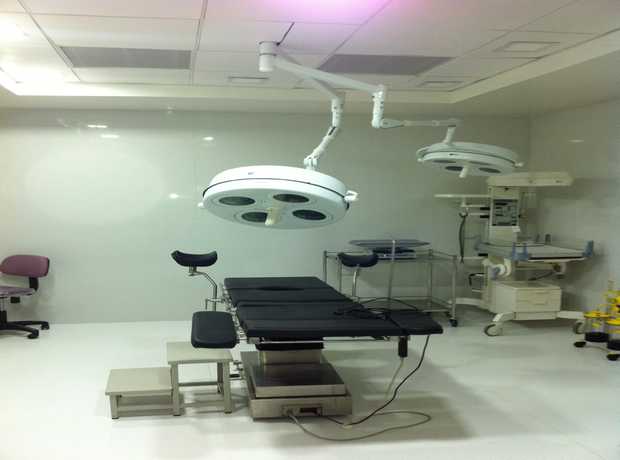
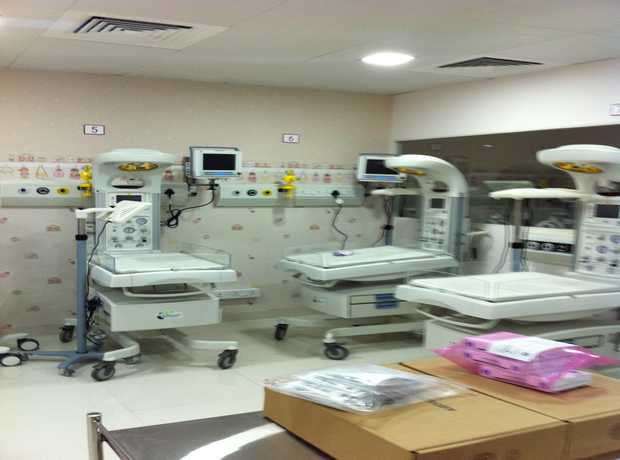
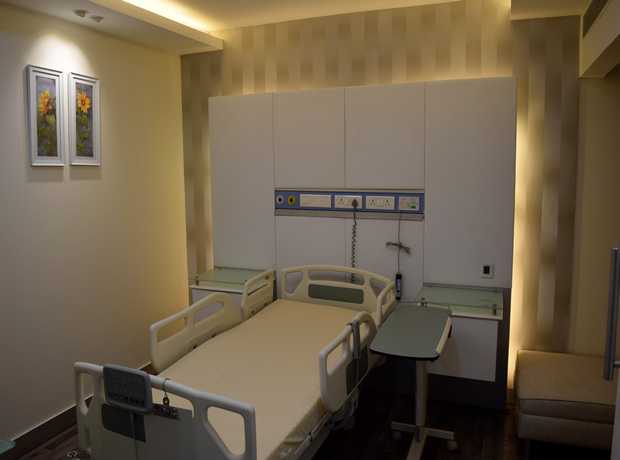
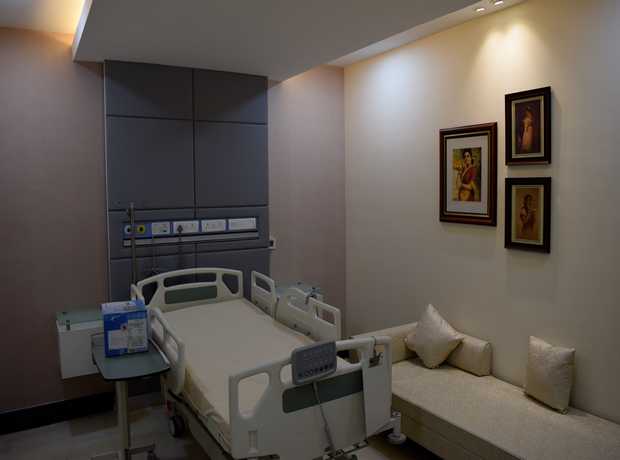
- Hospital Interior Design: We design patient rooms that promote healing, ICUs that support critical care, OTs optimized for surgical efficiency, inviting labs, and serene consultation areas. Our expertise extends to comprehensive facility planning, all aimed at delivering optimized care environments that enhance patient and staff well-being. Every element, from wayfinding signage to material choices, is made with the vulnerable user in mind, ensuring clarity, calm, and efficiency.
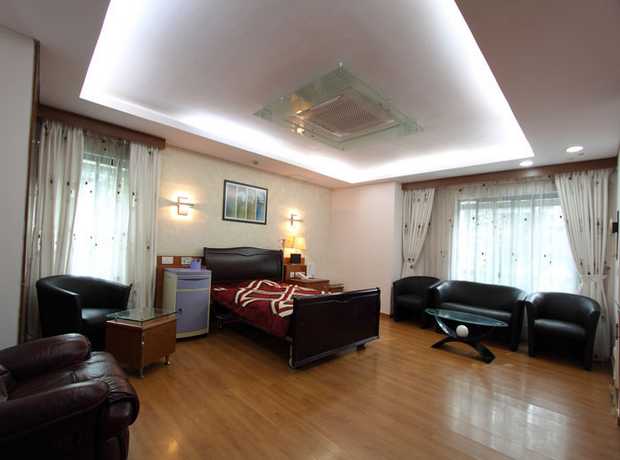
- Residential Projects: From luxurious apartments and sophisticated luxury condos to thoughtfully designed senior housing and vibrant community-focused interiors, we create homes that are not just structures but sanctuaries. Our residential designs prioritize comfort, functionality, and personal expression, reflecting the unique lifestyles of their inhabitants.
- Retail & Commercial Design: We craft engaging shopping malls, dynamic mixed-use developments, inspiring offices, and captivating entertainment centers. Our commercial designs are strategically developed to enhance brand identity, optimize customer flow, boost sales, and foster productivity and collaboration. Our approach ensures that every retail and commercial space is a powerful brand touchpoint.
- Interior Solutions: Beyond core design, we offer comprehensive interior solutions including meticulous space planning, intelligent furniture layouts, sophisticated lighting design that sculpts atmosphere and function, judicious materials selection for durability and aesthetics, and complete turnkey interior execution. This end-to-end capability means we manage your project from initial concept to final handover, ensuring a seamless and high-quality outcome. Our award‑winning team ensures transparent costs and milestone‑based reporting for every project in Abu Dhabi.
Why Choose Us – A Partnership Built on Proven Excellence:
- 29+ Years of Unmatched Experience: With almost three decades of operation across India and abroad, our experience is not just long-standing; it’s deep and diverse, equipping us with insights into a vast array of design challenges and solutions.
- Dedicated In-House Team: Our integrated team of architects, healthcare planners, and project managers ensures cohesive design, efficient execution, and consistent quality from concept to completion, providing a single point of contact and accountability.
- Award-Winning, Client-Focused, and Sustainable Designs: Our designs have received accolades for their innovation and effectiveness. More importantly, they are always tailored to client needs and committed to sustainable practices, creating spaces that are both beautiful and responsible.
- On-Time, On-Budget, Global Standards: We understand the critical importance of project delivery. Our robust processes and rigorous project management ensure that projects are delivered on-time, within budget, and adhere to the highest global standards of quality and design integrity.
Skydome Designs has proudly delivered 402+ human-centered interior branding and signage design assignments across Abu Dhabi and globally over these 29+ years. This extensive experience is a testament to our profound understanding of diverse client needs and regional specificities. Our commitment to excellence is underscored by a remarkable 99% on‑time delivery rate, complemented by exhaustive multi‑disciplinary reviews at every stage, and comprehensive post‑occupancy support that underpins truly successful and enduring outcomes for our clients in Abu Dhabi.
We provide end‑to‑end delivery for human-centered interior branding and signage design — encompassing strategy development, creative design, meticulous construction, and seamless handover in Abu Dhabi. Partner with our award‑winning team for transparent costs, detailed milestone‑based reporting, and a collaborative journey towards creating exceptional, people-centric spaces in Abu Dhabi.
Get Started Today: Transform Your Abu Dhabi Project with Human-Centered Design!
Ready to elevate your Abu Dhabi project with truly impactful, human-centered interior branding and signage design? Don’t let your space be just another building; let it be an experience, a statement, and a place that genuinely serves its people. Skydome Designs is your ideal partner to navigate the complexities and unlock the full potential of your vision.
Our team of dedicated professionals is eager to discuss your specific requirements, share our expertise, and demonstrate how our human-centered approach can deliver measurable value and create environments that inspire, engage, and enhance the lives of the people who use them every day. We are committed to crafting spaces that are not only aesthetically superior but also profoundly functional, intuitive, and culturally resonant within the vibrant context of Abu Dhabi.
Contact Skydome Designs today for a personalized consultation. Let us help you take the first definitive step towards creating a truly human-centered environment that stands apart. You can reach us directly by calling +91 7299072144 or by emailing us at info@skydomedesigns.com. We look forward to partnering with you on your next groundbreaking project in Abu Dhabi!
FAQ: Human-Centered Interior Branding and Signage Design in Abu Dhabi
Here are some frequently asked questions about human-centered interior branding and signage design, specifically tailored for projects in Abu Dhabi, addressing common concerns and providing clarity:
What exactly is human-centered design in interior branding and signage, and why is it crucial for Abu Dhabi?
Human-centered design is an approach that prioritizes understanding the needs, wants, and limitations of the end-users of a space above all else. In interior branding and signage, this means creating environments and wayfinding systems that are intuitive, accessible, aesthetically pleasing, and enhance the overall user experience. For Abu Dhabi, with its diverse population and commitment to global excellence, it’s crucial because it ensures spaces are welcoming and functional for Emiratis, expatriates, and tourists alike, considering cultural sensitivities, linguistic diversity, and accessibility needs to create truly inclusive environments. It moves beyond superficial design to create spaces that genuinely connect with and serve their occupants.
How does culture specifically influence interior branding and signage design in a city like Abu Dhabi?
Cultural sensitivity is absolutely paramount in Abu Dhabi. Design must respect local traditions, customs, and values. This includes the mindful use of appropriate imagery that avoids cultural insensitivity, language considerations (often requiring Arabic and English, sometimes more), and color palettes that align with local aesthetics and symbolism. It also means ensuring spaces accommodate cultural practices, such as providing privacy in certain areas, designing gender-segregated facilities where appropriate, or incorporating prayer spaces. Signage should use symbols and metaphors that are universally understood or culturally relevant, avoiding anything that might be misinterpreted or cause offense. Understanding and integrating these elements ensures that the design is not just beautiful but also respectful and meaningful within the local context.
What are the key considerations for accessibility in interior signage design for Abu Dhabi projects?
Accessibility in interior signage goes beyond basic compliance; it’s about universal usability. Key considerations include clear and legible fonts with appropriate sizing and letter spacing, high contrast ratios between text and background to aid visibility for individuals with low vision, and the integration of tactile signage (including braille or raised characters) for the visually impaired. Placement of signage is also critical, ensuring it’s at accessible heights and clear of obstructions. Integrating visual cues like consistent color coding or distinctive patterns, along with auditory cues in certain digital signage, further enhances accessibility. While international guidelines like ADA (Americans with Disabilities Act) serve as excellent benchmarks, adapting these to local regulations and the specific needs of Abu Dhabi’s diverse community ensures truly inclusive design.
What are the tangible benefits of investing in professional human-centered interior branding and signage design?
Investing in professional human-centered design yields numerous significant benefits. Firstly, it dramatically enhances the user experience, leading to greater satisfaction, reduced stress, and increased comfort. Secondly, it strengthens brand recognition and reinforces brand values, creating a powerful and memorable impression. Thirdly, it improves operational efficiency by facilitating intuitive wayfinding, reducing staff time spent on giving directions, and streamlining user flow. In commercial settings, it can boost sales and customer loyalty; in healthcare, it can contribute to patient well-being and staff productivity; and in offices, it can foster a more engaging and productive work environment. Finally, professional design ensures compliance with all local building codes and regulations, mitigating risks and ensuring longevity. Skydome Designs, with 402+ assignments delivered and 99% on-time delivery, consistently demonstrates these benefits.
How much does human-centered interior branding and signage design cost in Abu Dhabi, and what factors influence it?
The cost of human-centered interior branding and signage design in Abu Dhabi is highly variable and depends significantly on the scope and complexity of the project. Key factors influencing the cost include: the overall size of the space to be designed; the number and complexity of individual signage elements (e.g., static vs. digital, illuminated vs. non-illuminated, custom fabrication); the quality and type of materials used (e.g., luxury finishes, sustainable materials, interactive tech); the level of customization required for unique branding elements; and the extent of specialized services like advanced lighting design or acoustic integration. Additional factors include project timelines, installation complexities, and the depth of strategic consultation. For an accurate and personalized quote tailored to your specific needs and budget, we encourage you to contact Skydome Designs. We provide transparent costs and milestone-based reporting to ensure clarity throughout the project.
Conclusion: Crafting Abu Dhabi’s Future, One Human-Centered Space at a Time
The journey of creating exceptional interior spaces in Abu Dhabi, particularly through human-centered interior branding and signage design, is a testament to foresight, empathy, and meticulous execution. By prioritizing human needs, embracing cultural richness, and adopting a strategic, step-by-step approach, you can create interior environments that are not only visually appealing but also profoundly functional, engaging, intuitive, and deeply culturally sensitive. These are the spaces that truly enrich lives, elevate brands, and contribute to the vibrant tapestry of Abu Dhabi’s urban landscape.
The unique demands and immense opportunities of this dynamic city call for a design partner who possesses not only creative vision but also extensive experience, localized expertise, and an unwavering commitment to quality and client success. Partnering with experienced professionals like Skydome Designs will ensure the success of your project, delivering exceptional results that meet and exceed the high standards of Abu Dhabi’s evolving built environment. Our proven track record, spanning 29+ years and encompassing 402+ human-centered interior branding and signage design assignments globally and specifically in Abu Dhabi, underscores our capability to deliver outstanding outcomes with 99% on‑time delivery and comprehensive post‑occupancy support.
Take the decisive first step towards transforming your vision into a truly human-centered environment that will stand the test of time and resonate with all who experience it. Let us help you craft spaces that tell a story, guide a journey, and leave a lasting positive impression. Contact Skydome Designs today! We are ready to be your trusted partner in shaping the future of design in Abu Dhabi.