Philadelphia, a city steeped in history yet constantly looking towards the future, is experiencing a remarkable revitalization. The urban landscape is rapidly transforming, fueled by significant public and private investments in new construction, adaptive reuse, and extensive renovation projects. From the bustling commercial districts to the charming residential neighborhoods, every corner of the City of Brotherly Love presents unique opportunities for innovative interior design and construction.
However, navigating this dynamic environment successfully demands more than just creative vision. It requires rigorous, meticulous, and comprehensive interior project documentation. For projects slated for 2025 and beyond, robust documentation is not merely a formality; it is the bedrock upon which successful, compliant, and aesthetically pleasing interiors are built. This exhaustive guide provides a step-by-step approach to ensure your Philadelphia-based interior projects are conceived, designed, approved, and delivered on time, within budget, and to the highest quality standards, all while meeting the unique demands of the Philadelphia metropolitan area.
Why is Interior Project Documentation in Philadelphia Crucial? The De-risking & Delivery Imperative
The influx of new investments into Philadelphia creates both excitement and complexity. With increased activity comes heightened scrutiny and a greater need for efficiency. Robust interior project documentation becomes absolutely essential to de-risk projects and accelerate delivery. Consider these critical reasons:
- Minimizing Misunderstandings and Disputes: Detailed documentation leaves no room for ambiguity. Every decision, every specification, and every design element is clearly recorded, preventing costly errors, rework, and disputes among architects, designers, contractors, and clients.
- Facilitating Clear Communication: Documentation serves as the universal language for all project stakeholders. From initial client briefs to final punch lists, it ensures everyone—from the property owner and developer to the specialized trades and regulatory bodies like the Philadelphia Department of Licenses and Inspections (L&I)—is operating from a shared, accurate understanding.
- Ensuring Regulatory Compliance: Philadelphia has specific building codes, zoning ordinances, historical preservation guidelines, and accessibility requirements. Comprehensive documentation ensures that all designs and construction plans adhere to these local regulations from the outset, streamlining the permitting process and avoiding costly delays or penalties.
- Accurate Cost Control and Budget Management: Precise documentation provides the foundation for accurate cost estimation and procurement. It helps in predicting material quantities, labor costs, and potential contingencies, allowing for better budget allocation and fewer financial surprises.
- Quality Assurance and Control: Detailed specifications and drawings set clear benchmarks for quality. During construction, these documents are used to verify that materials, finishes, and workmanship meet the agreed-upon standards, guaranteeing a superior final product.
- Risk Mitigation: By addressing potential issues during the design and documentation phases, many construction-related risks can be identified and mitigated before they become expensive problems on site. This includes everything from structural clashes to material availability.
- Future Reference and Maintenance: Post-construction, as-built documentation provides invaluable information for facility management, future renovations, and warranty claims. It acts as a detailed historical record of the built environment.
In a thriving market like Philadelphia, where project timelines are tight and competition is fierce, the ability to deliver faster and with fewer risks directly impacts profitability and reputation. This makes superior documentation not just an advantage, but a necessity.
Step-by-Step Guide to Comprehensive Interior Project Documentation in Philadelphia
To successfully execute interior projects in Philadelphia, a systematic and thorough approach to documentation is vital. Follow these meticulously detailed steps to create comprehensive interior project documentation tailored to the specific requirements and opportunities of the Philadelphia market:


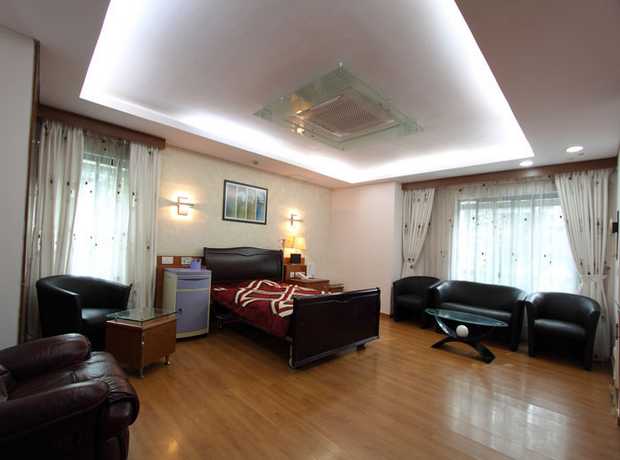
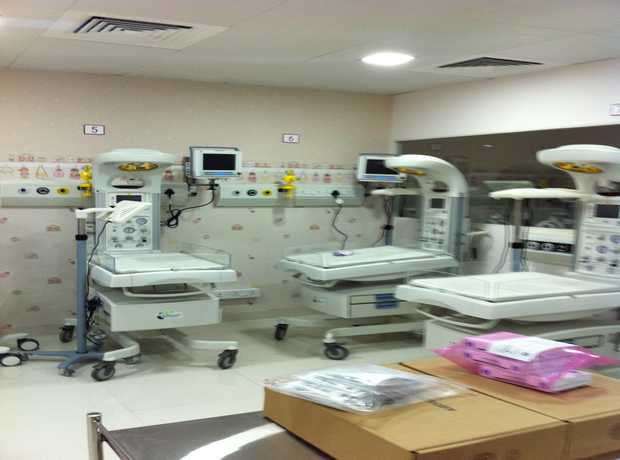
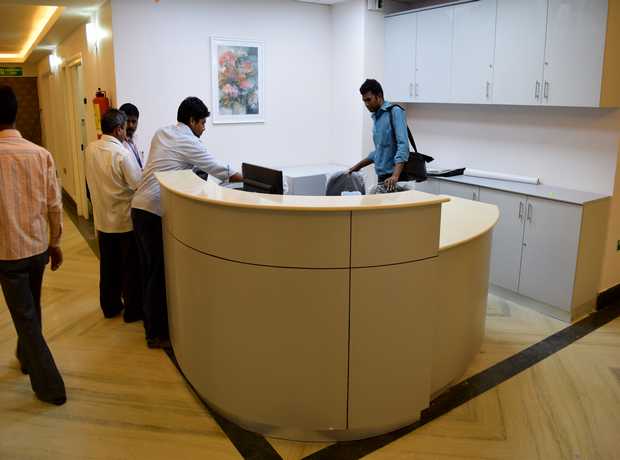
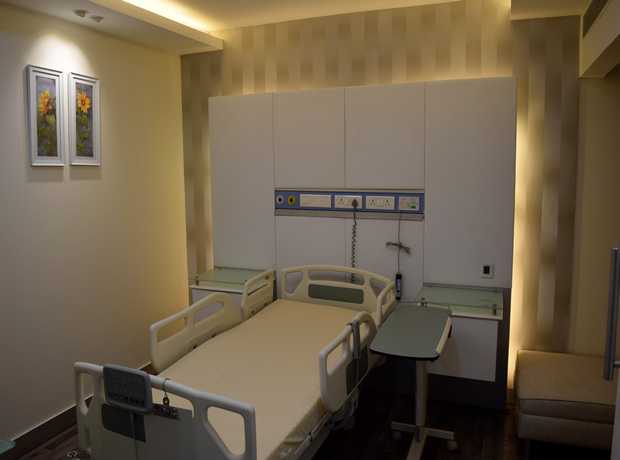


1. Project Initiation & Planning: Laying the Foundation for Philadelphia Success
This foundational phase is where the project’s entire trajectory is set. It involves understanding the client’s vision and aligning it with the realities and regulations of Philadelphia. Robust documentation here prevents missteps later on.
- Defining Project Scope, Goals, and Objectives:
- Clearly articulate what the project aims to achieve. Is it a luxury residential renovation in Rittenhouse Square, a cutting-edge office space in Center City, or a healthcare facility in University City?
- Document specific functional requirements, aesthetic preferences, and performance criteria.
- Establish key performance indicators (KPIs) for success, such as budget adherence, schedule compliance, and client satisfaction.
- Identifying Key Stakeholders and Their Roles:
- List all individuals and entities involved: client, project managers, architects, interior designers, general contractors, specialized subcontractors (e.g., HVAC, electrical, plumbing), suppliers, and importantly, local Philadelphia authorities (L&I, Historical Commission if applicable, zoning boards).
- Clearly define roles, responsibilities, and communication protocols for each stakeholder, including decision-making hierarchies.
- Establishing a Detailed Project Schedule and Budget:
- Develop a comprehensive timeline that includes all project phases, key milestones, permit application windows, construction durations, and contingency buffers specific to Philadelphia’s regulatory processes.
- Create a detailed budget breakdown, covering design fees, material costs (considering local Philadelphia sourcing where appropriate), labor, permits, contingencies, and furniture/fixture procurement.
- Conducting a Thorough Site Assessment:
- Existing Conditions Documentation: Measure and photograph existing spaces, noting structural elements, utilities, and any existing damage or unique features relevant to Philadelphia’s architectural heritage.
- Zoning and Code Review: Research Philadelphia’s specific zoning ordinances, building codes (often based on IBC with local amendments), fire safety regulations, and accessibility standards (ADA and local accessibility requirements). This is critical for early compliance.
- Environmental and Historical Considerations: For projects in historically significant areas of Philadelphia, assess potential impacts and required approvals from the Philadelphia Historical Commission. Document any environmental factors or sustainability goals.
By meticulously documenting these initial planning stages, Skydome Designs ensures that every project starts on solid ground, minimizing future surprises and streamlining the entire process in the Philadelphia context.
2. Schematic Design & Concept Development: Visualizing the Philadelphia Interior
This phase translates initial ideas into tangible design concepts, establishing the project’s aesthetic and functional direction. Documentation here is crucial for client alignment and preliminary approvals.
- Creating Preliminary Space Plans and Layouts:
- Develop initial floor plans that optimize flow, functionality, and spatial relationships, respecting existing architectural elements specific to Philadelphia properties.
- Explore different layout options for furniture placement, circulation paths, and zone definitions, ensuring they meet the client’s operational needs and local safety codes.
- Developing Initial Design Concepts and Mood Boards:
- Curate visual presentations (mood boards) that convey the overall aesthetic, color palettes, material inspirations, and desired atmosphere.
- Incorporate textures, images, and preliminary material samples that resonate with the client’s vision and potentially reflect Philadelphia’s unique character or architectural styles.
- Presenting Design Proposals to the Client for Feedback and Approval:
- Formalize presentations with clear visuals, conceptual drawings, and written descriptions of the design intent.
- Document all client feedback, revisions requested, and final approvals in writing to ensure a clear record of design evolution and agreement.
Skydome Designs excels at transforming initial concepts into compelling schematic designs, always with an eye on both global design trends and the practicalities of a Philadelphia installation.
3. Design Development: Refining the Vision with Philadelphia-Specific Detail
This stage takes the approved schematic design and adds layers of technical detail, making it ready for precise specification and coordination. This is where crucial decisions on materials, finishes, and systems are documented.
- Developing Detailed Floor Plans, Elevations, and Sections:
- Refine floor plans to include exact dimensions, door and window swings, built-in millwork, and fixed elements.
- Create detailed elevations for all walls, showcasing finishes, built-in features, and key design elements.
- Generate sections through complex areas to illustrate spatial relationships, ceiling conditions, and vertical detailing.
- Specifying Materials, Finishes, and Fixtures: This includes careful materials selection and consideration for local Philadelphia codes.
- Document precise specifications for all interior finishes, including flooring, wall coverings, paint colors, ceiling treatments, and cabinetry. Consider durability, maintenance, and sustainability relevant to the project’s use and Philadelphia’s climate.
- Select and specify all plumbing fixtures, light fixtures, hardware, and appliances, ensuring they meet performance criteria, aesthetic goals, and local code requirements for efficiency and safety.
- Where possible, explore local Philadelphia suppliers and craftsmen for materials and finishes, contributing to the local economy and potentially reducing lead times.
- Creating Detailed Lighting Design Plans:
- Develop comprehensive lighting layouts, indicating fixture types, locations, switching, and control systems.
- Specify lamp types, color temperatures, and lumen outputs to achieve desired ambiance and functional illumination levels, adhering to Philadelphia’s energy codes.
- Consider natural light integration and strategies for energy efficiency.
- Developing Branding & Signage Concepts (if applicable):
- For commercial or public spaces in Philadelphia, design and document interior signage systems (wayfinding, room identification, regulatory signs) that are integrated with the interior design.
- Develop branding elements within the interior space, ensuring consistency with corporate identity and local visibility requirements.
At Skydome Designs, our expertise in materials selection, lighting design, and space planning ensures that every detail is meticulously documented, setting the stage for flawless execution. We understand the nuances of Philadelphia’s aesthetic preferences and regulatory landscape, translating them into elegant, functional, and compliant designs.
4. Construction Documentation: The Blueprint for Philadelphia’s Built Environment
This is arguably the most critical phase for documentation, producing the technical drawings and specifications that contractors will use to build the project. Accuracy and completeness are paramount, especially when navigating Philadelphia’s regulatory environment.
- Preparing Detailed Construction Drawings:
- Demolition Plans: Clearly indicate all elements to be removed from the existing structure.
- Construction Plans: Detailed floor plans showing new walls, partitions, door/window locations, and overall dimensions.
- Reflected Ceiling Plans (RCPs): Illustrate ceiling heights, lighting layouts, sprinkler heads, diffusers, and other ceiling-mounted devices.
- Interior Elevations and Sections: Provide detailed views of walls, built-in millwork, and complex architectural features with dimensions and material call-outs.
- Detail Drawings: Specific drawings for custom millwork, unique joinery, and intricate architectural elements.
- Developing Comprehensive Specifications for All Materials and Finishes:
- Write detailed narrative specifications (e.g., using CSI MasterFormat) for every product, material, and finish, including manufacturer, model numbers, performance criteria, installation methods, and quality control requirements.
- Ensure specifications are tailored to Philadelphia’s climate, durability needs, and local material availability.
- Creating Schedules for Doors, Windows, and Finishes:
- Door Schedule: List every door with dimensions, hardware, frame type, fire rating, and finish.
- Window Schedule: Detail window types, dimensions, glazing, and frame materials.
- Finish Schedule: A comprehensive list of all interior finishes (flooring, paint, wall coverings, etc.) mapped to specific areas of the project.
- Ensuring Compliance with Philadelphia Building Codes and Regulations:
- Rigorous review of all construction documents against the current Philadelphia Building Code, Fire Code, Plumbing Code, Mechanical Code, Electrical Code, and Zoning Ordinance.
- Coordinate with structural, mechanical, electrical, and plumbing (MEP) engineers to ensure all systems are integrated correctly and comply with local requirements.
- Prepare permit drawings and applications specifically formatted for submission to the Philadelphia Department of Licenses and Inspections (L&I), anticipating their review process.
- Address specific requirements for historical preservation if the project falls within a historic district.
Our experience delivering 155+ interior project documentation assignments across Philadelphia and globally over 18+ years means we are acutely aware of the intricacies involved in this phase. Skydome Designs’ meticulous attention to detail ensures your project’s construction documentation is robust, accurate, and fully compliant with all Philadelphia regulations.
5. Bidding & Procurement: Securing the Best for Your Philadelphia Project
This stage involves finding the right partners and acquiring the necessary resources to bring the design to life. Thorough documentation ensures fair bidding and efficient procurement.
- Preparing Bid Packages and Soliciting Bids from Qualified Contractors:
- Assemble comprehensive bid documents, including construction drawings, specifications, general conditions, and specific instructions for bidders.
- Identify and pre-qualify local Philadelphia contractors with proven experience in similar projects and a strong understanding of the local construction environment.
- Distribute bid packages and conduct pre-bid meetings to answer questions and ensure all prospective bidders have a clear understanding of the project scope.
- Evaluating Bids and Selecting the Appropriate Contractors:
- Analyze submitted bids for completeness, accuracy, and adherence to specifications.
- Compare costs, schedules, contractor qualifications, references, and proposed methodologies.
- Conduct interviews with shortlisted contractors to assess their project team, safety records, and local Philadelphia market expertise.
- Document the bid evaluation process and selection rationale.
- Procuring Materials and Fixtures According to Specifications:
- Establish a detailed procurement schedule, coordinating with the selected contractors and suppliers.
- Manage orders, track deliveries, and inspect materials upon arrival to ensure they match documented specifications and quality standards.
- Document all purchase orders, invoices, and delivery receipts.
Skydome Designs assists clients in navigating the bidding landscape, leveraging our experience to secure reliable partners and cost-effective materials, ensuring your Philadelphia project benefits from optimal resource allocation.
6. Construction Administration: Oversight and Excellence in Philadelphia Construction
This phase provides ongoing oversight to ensure that the construction aligns with the documented design and specifications. Diligent documentation here is critical for managing changes and maintaining quality.
- Conducting Regular Site Visits to Monitor Progress and Quality:
- Schedule periodic site inspections to observe the work in progress, verify adherence to drawings and specifications, and assess construction quality.
- Document site visit observations with detailed notes, photographs, and records of discussions.
- Reviewing Shop Drawings and Submittals:
- Review manufacturer’s shop drawings for custom fabrication (e.g., millwork, curtain walls) to ensure they comply with the design intent and specifications.
- Evaluate material samples and product data sheets (submittals) for approval, confirming they meet documented requirements.
- Document all approvals, rejections, and comments on shop drawings and submittals.
- Addressing Any Issues or Changes That Arise During Construction:
- Promptly respond to Requests for Information (RFIs) from contractors, providing clear interpretations of the design documents or solutions to unforeseen site conditions.
- Document all RFIs and their responses, creating an auditable trail of communication and decision-making.
- Managing Change Orders:
- When changes to the scope, budget, or schedule become necessary, formally document them through change orders.
- Clearly define the scope of the change, its impact on cost and schedule, and obtain all necessary approvals before implementation.
Our commitment to multi-disciplinary reviews and rigorous construction administration minimizes errors and ensures that your Philadelphia project progresses smoothly, staying true to the documented design vision.
7. Project Closeout: Finalizing Your Interior Project in Philadelphia
The final stage ensures the project is completed, properly documented for future use, and formally handed over to the client.
- Final Inspection and Punch List:
- Conduct a comprehensive final walk-through with the contractor and client to identify any deficiencies, incomplete work, or items not meeting specifications.
- Create a detailed “punch list” of all items requiring correction or completion, documenting each item and its resolution.
- As-Built Drawings and Documentation:
- Obtain “as-built” drawings from the contractor, which reflect all changes and modifications made during construction.
- Compile a complete set of final project documentation, including all approved drawings, specifications, change orders, and submittals.
- Warranty Information and Handover to Client:
- Gather all product warranties, operation and maintenance manuals, and user guides for installed equipment and finishes.
- Organize and present all final documentation to the client, along with any necessary training for system operation.
- Post-Occupancy Support:
- Offer ongoing support and follow-up to address any issues that may arise after project completion, ensuring long-term client satisfaction. This critical step underpins outcomes and is a hallmark of Skydome Designs’ client-first approach.
Skydome Designs’ commitment extends beyond handover. Our post-occupancy support underpins exceptional project outcomes, ensuring your investment continues to perform as expected long after construction concludes.
BIM-Led Coordination, Value Engineering, and Quality Control: The Skydome Advantage for Philadelphia Projects
In the evolving landscape of interior design and construction, advanced methodologies are paramount. Skydome Designs leverages cutting-edge strategies to provide superior results for Philadelphia projects:
BIM-Led Coordination: The Future of Project Integration
Building Information Modeling (BIM) is not just a tool; it’s a transformative process. For Philadelphia projects, BIM facilitates an unprecedented level of coordination and collaboration. Instead of fragmented 2D drawings, BIM creates a digital, 3D model of the building and its interiors, integrating architectural, structural, and MEP information. This allows for:
- Early Conflict Detection: BIM automatically identifies clashes between different building systems (e.g., a duct running through a structural beam or a lighting fixture interfering with a sprinkler head). Resolving these virtual clashes before construction begins saves immense time and money on site, a crucial factor in Philadelphia’s often tight urban construction sites.
- Enhanced Visualization: Stakeholders can explore the project in a realistic 3D environment, improving understanding and decision-making, particularly beneficial when presenting complex designs to clients or regulatory bodies in Philadelphia.
- Accurate Quantity Take-offs: BIM models can generate precise material quantities, leading to more accurate cost estimations and reduced waste.
- Improved Communication: The central BIM model acts as a single source of truth, fostering better communication among all project participants.
Value Engineering: Maximizing Investment in the Philadelphia Market
Value engineering is a systematic process to improve the “value” of goods or products and services by using an examination of function. Value, as defined, is the ratio of function to cost. For Philadelphia projects, this means:
- Cost Optimization: Identifying opportunities to reduce costs without compromising quality, functionality, or the aesthetic intent of the design. This might involve exploring alternative materials, construction methods, or design solutions that are more economical in the Philadelphia market.
- Performance Enhancement: Looking for ways to improve the long-term performance, durability, and operational efficiency of the interior spaces, leading to lower lifecycle costs for building owners.
- Sustainable Solutions: Integrating environmentally friendly materials and systems that offer long-term savings and align with Philadelphia’s sustainability initiatives.
Quality Control: Adherence to Global Standards and Local Codes
Quality is non-negotiable. Skydome Designs integrates robust quality control mechanisms throughout the project lifecycle. We adhere to global design standards, ensuring that our projects meet international benchmarks for excellence in design, functionality, and durability. Concurrently, we ensure strict compliance with local codes in Philadelphia. This dual focus means that every project not only looks exceptional but is also built safely, legally, and sustainably, ready to stand the test of time in the Philadelphia climate.
Our commitment to BIM-led coordination, value engineering, and quality control tailored specifically to Philadelphia projects ensures efficiency, cost-effectiveness, and unparalleled design integrity. We adhere to global design standards while ensuring strict compliance with local codes in Philadelphia. This integrated approach is a cornerstone of the Skydome Designs difference. To learn how these advanced methodologies can benefit your next project, contact Skydome Designs today.
Why Choose Skydome Designs as Your Philadelphia Interior Experts?
When embarking on an interior project in Philadelphia, selecting the right design partner is paramount. Skydome Designs offers a unique blend of global expertise and local understanding, making us the ideal choice for your next venture.
Proven Track Record and Unmatched Experience:
Skydome Designs has a proven track record, having delivered 155+ interior project documentation assignments across Philadelphia and globally over 18+ years. This extensive experience means we understand the complexities of diverse project types—from intricate hospital interiors to sophisticated residential and dynamic retail spaces. Our consistent success in Philadelphia and beyond speaks volumes about our capability and dedication.
Commitment to On-Time Delivery:
Time is money, especially in the fast-paced Philadelphia construction market. Our commitment to on-time delivery (99%) is a testament to our meticulous planning, efficient project management, and proactive problem-solving. We understand the critical importance of meeting deadlines and strive to ensure your project progresses seamlessly, minimizing delays and maximizing efficiency.
Multi-Disciplinary Reviews for Holistic Excellence:
Our projects undergo stringent multi-disciplinary reviews. This means that every aspect of the design and documentation is scrutinized by a team of experts, including architects, interior designers, healthcare planners (for medical facilities), and project managers. This collaborative approach ensures that all design elements are integrated harmoniously, comply with all regulations, and are technically sound, delivering a cohesive and robust final product for your Philadelphia property.
Post-Occupancy Support for Lasting Satisfaction:
Our relationship with clients doesn’t end at project handover. Our dedication to post-occupancy support underpins exceptional project outcomes. We remain available to address any questions or concerns that may arise after the space is occupied, ensuring long-term satisfaction and the continued optimal performance of your interior investment.
Comprehensive Interior Solutions:
Skydome Designs offers a full spectrum of interior solutions tailored to your specific needs:
- Space Planning: Strategic organization of interior space to maximize functionality, flow, and aesthetic appeal.
- Furniture Layouts: Expert placement of furniture that complements the space planning and overall design, considering comfort, accessibility, and visual balance.
- Turnkey Interior Execution: From concept to completion, we manage all aspects of your interior project, ensuring a seamless and stress-free experience.
Choosing Skydome Designs means partnering with a firm that brings unparalleled expertise, a proven track record of success in Philadelphia, and a steadfast commitment to client satisfaction. We are more than just designers; we are your strategic partners in realizing your vision.
Contact Skydome Designs today to experience the Skydome Designs difference! Let us bring our global insights and local expertise to your next Philadelphia interior project. You can reach us at +91 7299072144 or via email at info@skydomedesigns.com.
FAQ: Interior Project Documentation in Philadelphia
Here are some frequently asked questions about interior project documentation in Philadelphia, elaborated for greater clarity and context:
What specifically is included in comprehensive interior project documentation for a Philadelphia project?
Comprehensive interior project documentation for a Philadelphia project typically includes a robust set of documents designed to guide every stage of the project. This encompasses detailed floor plans showing existing conditions, demolition, and new construction layouts; precise elevations and sections illustrating vertical dimensions and design elements; extensive specifications for all materials, finishes, fixtures, and equipment (often adhering to CSI MasterFormat for clarity); schedules for doors, windows, and finishes; detailed reflected ceiling plans for lighting and HVAC components; and critical permit drawings formatted for submission to the Philadelphia Department of Licenses and Inspections (L&I). It also includes structural, mechanical, electrical, and plumbing (MEP) coordination drawings, and any specific documentation required for historical preservation if applicable. In essence, it’s the complete technical blueprint for your interior space.
Why is detailed documentation critically important for interior projects, especially within Philadelphia’s unique market?
Detailed documentation is paramount because it serves as the ultimate reference point for everyone involved. In Philadelphia’s unique market, where historical buildings meet modern development, and regulatory oversight is strict, precise documentation:
- Mitigates Risk: Reduces the likelihood of costly errors, rework, and budget overruns by clearly defining every element.
- Ensures Compliance: Guarantees adherence to Philadelphia’s specific building codes, zoning laws, and accessibility standards, facilitating smooth permitting and inspections.
- Improves Communication: Provides a clear, unambiguous language for architects, contractors, clients, and city officials, minimizing misunderstandings.
- Facilitates Accurate Bidding: Enables contractors to provide precise bids, leading to better cost control.
- Preserves Quality: Sets clear standards for materials, finishes, and workmanship, ensuring the final product meets high-quality expectations.
- Provides Legal Protection: Serves as a contractual record of the agreed-upon design and specifications.
Without it, projects risk significant delays, budget increases, and non-compliance fines in the Philadelphia context.
How can BIM (Building Information Modeling) significantly help with interior project documentation in Philadelphia?
BIM revolutionizes interior project documentation by creating a comprehensive digital model of the building and its interior spaces. For Philadelphia projects, its benefits are substantial:
- Enhanced Collaboration: All stakeholders can access and contribute to a single, integrated model, improving coordination between trades (e.g., HVAC, electrical, plumbing, interior finishes) and reducing conflicts.
- Clash Detection: BIM software automatically identifies spatial conflicts between different building systems early in the design phase, preventing costly on-site clashes that are particularly problematic in dense urban environments like Philadelphia.
- Better Visualization: Offers realistic 3D renderings and walkthroughs, helping clients and city officials visualize the finished space more accurately and provide informed feedback.
- Accurate Quantity Take-offs: Generates precise quantities of materials and components, leading to more accurate cost estimations and procurement, which is critical for budget-conscious projects in Philadelphia.
- Compliance Checks: Can be used to run automated checks against building codes and standards, aiding in ensuring compliance with Philadelphia’s regulations.
- Faster Documentation: Changes made in the 3D model automatically update all associated 2D drawings (plans, elevations, sections), speeding up the documentation process and ensuring consistency.
Skydome Designs leverages BIM-led coordination, value engineering, and quality control tailored specifically to Philadelphia projects, ensuring global design standards meet local code expertise.
What are some common challenges encountered in interior project documentation, particularly in Philadelphia?
Even with the best intentions, challenges can arise in interior project documentation:
- Managing Changes: Design changes throughout the project lifecycle require meticulous documentation updates to maintain consistency across all drawings and specifications.
- Coordinating Between Disciplines: Ensuring seamless integration and conflict resolution between architectural, interior design, structural, and MEP documentation can be complex.
- Ensuring Compliance with Evolving Codes: Philadelphia’s building codes and accessibility standards can be updated, requiring constant vigilance to ensure all documentation remains compliant. Historical preservation guidelines also add a layer of complexity for many Philly projects.
- Data Management: Handling a vast volume of documents, drawings, and specifications efficiently, especially on large-scale projects, requires robust systems.
- Site-Specific Conditions: Unforeseen existing conditions in older Philadelphia buildings can necessitate design adjustments, requiring swift and accurate documentation revisions.
- Stakeholder Alignment: Getting all stakeholders (client, contractors, city officials) to agree on documentation specifics and approvals can be a challenge.
Skydome Designs, with its multi-disciplinary reviews and extensive experience, is adept at navigating these challenges effectively.
How do I find a qualified interior design firm for my project in Philadelphia, and what should I look for?
Finding the right firm is crucial for your Philadelphia project’s success. Look for firms with:
- A Strong Portfolio: Review their past projects, especially those similar in scale, type, and location to yours. Look for examples of their documentation quality.
- Relevant Experience: Inquire about their experience with Philadelphia-specific regulations, permitting processes, and local architectural styles.
- Proven Track Record: Seek firms with a history of successful project delivery, ideally with strong testimonials and references. Skydome Designs has delivered 155+ interior project documentation assignments across Philadelphia and globally over 18+ years, with a 99% on-time delivery rate.
- Expertise in Key Areas: If your project involves specific needs like healthcare, retail, or historical preservation, ensure the firm has specialized expertise in those areas.
- Technological Proficiency: Look for firms that utilize modern tools like BIM for enhanced coordination and efficiency.
- Communication Skills: A firm that communicates clearly, frequently, and professionally is essential.
- Comprehensive Services: Evaluate if they offer end-to-end solutions from concept to construction administration and even post-occupancy support.
To discuss your project needs and learn how Skydome Designs can bring your vision to life, contact Skydome Designs today. We’re equipped to handle the unique demands of the Philadelphia market with excellence.
Conclusion: Your Blueprint for Interior Project Success in Philadelphia
In the vibrant and rapidly developing landscape of Philadelphia, robust and comprehensive interior project documentation is not merely a bureaucratic requirement; it is the cornerstone of project success. It provides the clarity, coordination, and compliance necessary to navigate the complexities of design and construction, ensuring that your vision is translated into a tangible, functional, and aesthetically pleasing reality.
By meticulously following the step-by-step guide outlined above—from the initial planning and schematic design, through detailed design development and critical construction documentation, all the way to bidding, construction administration, and project closeout—you lay the foundation for a seamless and efficient project lifecycle. Embracing advanced methodologies like BIM-led coordination and value engineering further enhances efficiency, minimizes risks, and optimizes your investment within the unique context of the Philadelphia market.
Choosing an experienced and reliable partner is paramount. Skydome Designs stands ready to be that partner. With a proven track record of delivering 155+ interior project documentation assignments across Philadelphia and globally over 18+ years, our commitment to 99% on-time delivery, rigorous multi-disciplinary reviews, and dedicated post-occupancy support underpins exceptional project outcomes. We combine global design standards with unparalleled local code expertise in Philadelphia, ensuring your project not only meets but exceeds expectations.
Don’t leave the success of your Philadelphia interior project to chance. Leverage the expertise, precision, and dedication that Skydome Designs brings to every assignment. Contact Skydome Designs today at +91 7299072144 or info@skydomedesigns.com to discuss your Philadelphia interior project documentation needs. Let us help you bring your vision to life with confidence and unparalleled quality!
About Skydome Designs
Skydome Designs Pvt Ltd is a leading architecture and interior design firm specializing in hospital and healthcare interiors, residential, and retail projects. With nearly 30 years of expertise, we deliver innovative, sustainable, and functional spaces that respond to our clients’ unique needs and aspirations. Our deep understanding of complex projects, coupled with a commitment to design excellence and meticulous documentation, sets us apart in the global and local markets.
What We Do
- Hospital Interior Design: We create patient-centric environments, optimizing the design of patient rooms, ICUs, OTs, labs, consultation areas, and entire facility planning for enhanced patient care, staff efficiency, and operational excellence.
- Residential Projects: Our designs transform apartments, luxury condos, senior housing, and community-focused interiors into personalized sanctuaries, blending aesthetics with unparalleled functionality and comfort.
- Retail & Commercial Design: We craft engaging and commercially successful spaces for shopping malls, mixed-use developments, corporate offices, and entertainment centers, focusing on user experience and brand identity.
- Interior Solutions: Beyond core design, we offer comprehensive services including strategic space planning, sophisticated furniture layouts, innovative lighting design, and seamless turnkey interior execution, managing every detail from concept to completion.
Why Choose Us
- Decades of Expertise: Benefit from 29+ years of experience across India and abroad, delivering projects that stand the test of time.
- Integrated Team: Our in-house team of architects, healthcare planners, and project managers ensures cohesive design and streamlined execution.
- Award-Winning Design: We are renowned for client-focused, sustainable, and award-winning designs that push boundaries while respecting context.
- Guaranteed Delivery: Projects are consistently delivered on-time, on-budget, and to the highest global standards, a promise backed by our 99% on-time delivery rate.
- Philadelphia Specialists: We have successfully delivered 155+ interior project documentation assignments across Philadelphia and globally over 18+ years, demonstrating deep familiarity with local requirements.
- Comprehensive Support: Our commitment includes multi-disciplinary reviews during the project and valuable post-occupancy support, ensuring sustained satisfaction and optimal performance.
📞 Contact: +91 7299072144 | ✉️ Email: info@skydomedesigns.com | 🌐 Website: Skydome Designs
Explore More Skydome Designs Services:
Learn more about our specialized hospital interior design services.
Explore our inspiring residential interior design portfolio.
Discover our innovative approach to retail & commercial design.
Understand our commitment to meticulous interior project documentation services.
Get insights into our expertise in space planning solutions.
Key Philadelphia Resources for Your Project:
For detailed information on Philadelphia building codes and permitting, refer to the official Philadelphia Department of Licenses and Inspections.
To understand historical preservation requirements in Philadelphia, consult the Philadelphia Historical Commission.
Stay updated on sustainable building practices in Philadelphia through the Philadelphia Office of Sustainability.