As New York continues its rapid urban development, fueled by burgeoning biotech, pharmaceutical, and research sectors, the demand for sophisticated, compliant, and highly functional laboratory spaces is surging. Planning a laboratory interior in New York is not merely an exercise in aesthetics; it requires a meticulous attention to detail, a deep understanding of stringent local and national regulations, a commitment to safety, and a forward-thinking approach to technological integration and future adaptability. This comprehensive guide outlines a step-by-step approach to ensure your New York laboratory project is not only a success but also a benchmark for innovation and efficiency.
From initial concept to final commissioning, every decision impacts workflow, safety, and long-term operational costs. Skydome Designs, with nearly three decades of experience and a track record of excellence in complex interior planning, offers unparalleled expertise to navigate the unique challenges of New York’s demanding environment. We pride ourselves on delivering 1046+ laboratory interior planning assignments across New York and globally over 18+ years, achieving an impressive 97% on-time delivery rate. Our multi-disciplinary reviews and comprehensive post-occupancy support underscore our commitment to enduring outcomes for every project.
1. Initial Consultation and Comprehensive Needs Assessment for Your New York Lab
The foundational step for any successful laboratory project begins with a comprehensive consultation. This isn’t just a discussion; it’s an in-depth exploration of your organization’s vision, specific operational requirements, and long-term strategic goals. For New York projects, this phase is particularly critical given the dense urban environment and specific regulatory landscape. A thorough needs assessment includes:
- Defining the Scope of Research and Operations: What precise type of research, testing, or production will be conducted in the lab? Is it a wet lab for chemical analysis, a dry lab for computational work, a biological safety level (BSL) lab, a vivarium, a cleanroom, or a combination? Understanding the core function drives every subsequent design decision. This includes identifying specific methodologies, anticipated sample volumes, and required certifications (e.g., CLIA for clinical labs, GLP/GMP for pharmaceutical research).
- Identifying Specialized Equipment Needs: Detailed identification of all specialized equipment is paramount. This includes everything from fume hoods, biosafety cabinets, and autoclaves to sophisticated analytical instruments like NMR spectrometers, mass spectrometers, electron microscopes, or high-throughput screening systems. For each piece of equipment, we assess its spatial footprint, utility demands (power, water, specialized gases, drainage), vibration sensitivity, heat output, and ventilation requirements. This early assessment prevents costly retrofits down the line.
- Understanding Regulatory Compliance and Safety Standards: New York projects operate under a complex web of local, state, and federal regulations. This initial phase involves preliminary research into specific building codes (NYC Department of Buildings), fire codes (FDNY), health department regulations, environmental protection agency (EPA) guidelines for waste, and occupational safety and health administration (OSHA) standards for worker safety. Understanding these early helps in designing a compliant and safe environment from the outset.
- Comprehensive Stakeholder Involvement: Beyond the project lead, identifying and engaging all key stakeholders – including principal investigators, lab managers, safety officers, facilities management, and IT personnel – ensures all perspectives are considered. Their insights are invaluable in shaping a functional and user-centric design.
- Establishing a Realistic Budget and Schedule: While preliminary, establishing a realistic budget and timeline is crucial for making informed decisions throughout the planning process. This involves understanding potential cost drivers unique to New York construction, such as labor rates, material delivery logistics, and permitting timelines.
- Long-Term Goals and Future Expansion: Considering potential future growth, technological advancements, and evolving research needs is essential for designing a flexible and future-proof lab. Will the lab need to expand, reconfigure, or adapt to new research areas in 5 or 10 years?
Skydome Designs offers expert consultation services to help you define your project scope, budget, and strategic goals effectively, ensuring every detail is captured. We bring our extensive experience in New York and global projects to bear, providing insights that streamline the process and optimize outcomes. Contact us today for a free consultation and let our award-winning team guide your initial steps.
2. Space Planning: Optimizing Your New York Laboratory Footprint for Maximum Efficiency
Effective space planning is the backbone of a highly functional, safe, and efficient laboratory. In New York, where space is often at a premium, optimizing every square foot without compromising utility or safety is paramount. Our approach considers these critical elements:
- Detailed Workflow Analysis: We meticulously analyze the flow of materials, personnel, samples, and data within the lab. This involves mapping out the entire research or testing process, from sample reception and preparation to analysis, data interpretation, and waste disposal. The goal is to minimize unnecessary movement, reduce bottlenecks, and prevent cross-contamination, thereby enhancing efficiency and safety.
- Strategic Zoning and Segregation: Different lab functions often have distinct requirements for air quality, temperature, humidity, and safety. Strategic zoning involves separating these functions (e.g., wet lab, dry lab, instrumentation room, chemical storage, write-up areas, cold rooms, cleanrooms, vivariums) to prevent contamination, manage hazards, and ensure appropriate environmental conditions for each activity. This also includes dedicated areas for gowning/de-gowning, waste processing, and administrative tasks.
- Ergonomics and User Comfort: Designing workstations that promote comfort, reduce fatigue, and minimize the risk of repetitive strain injuries is crucial for staff well-being and productivity. This includes adjustable work surfaces, ergonomic seating, proper reach distances, and optimized equipment placement. Consideration of natural light and views can also significantly improve the working environment.
- Accessibility and ADA Compliance: Ensuring compliance with ADA (Americans with Disabilities Act) guidelines is not just a legal requirement but a commitment to inclusivity. This involves designing accessible doorways, clear pathways, accessible workstations, and compliant restroom facilities, ensuring universal access for all personnel and visitors.
- Modular Design and Flexibility: Given the rapid evolution of scientific research and technology, laboratories need to be adaptable. We advocate for modular furniture systems, movable partitions, and flexible utility connections that allow for easy reconfiguration of spaces without extensive demolition or costly shutdowns. This future-proofs your investment against changing research needs.
- Collaboration Zones and Break Areas: Modern research thrives on collaboration. Integrating dedicated, comfortable spaces for informal meetings, discussions, and breaks encourages interaction among scientists, fostering innovation. These spaces can range from small huddle rooms to larger communal areas.
- Vertical Integration and Mechanical Pathways: In multi-story lab buildings common in New York, careful planning of vertical shafts for utilities (HVAC ducts, plumbing, electrical conduits, specialty gases) is crucial. Coordinating these pathways early in the design process prevents conflicts and ensures efficient distribution throughout the facility.
Our team at Skydome Designs are New York interior experts in space planning. We leverage BIM-led coordination, a core strength of our process, to visualize and optimize layouts in three dimensions, ensuring your lab is not only functional and compliant but also highly efficient and inspiring. For inspiration on how thoughtful design impacts user experience, see our portfolio of residential projects, which demonstrates our versatility in creating functional and aesthetically pleasing environments across sectors. Connect with us for a detailed space planning consultation.

3. Materials Selection: Ensuring Durability, Safety, and Longevity in New York Labs
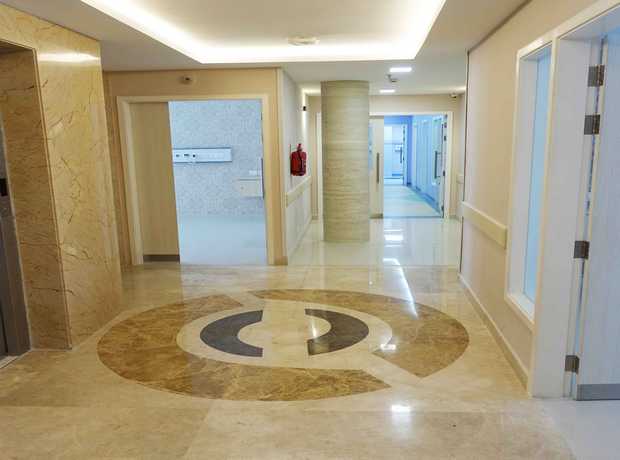
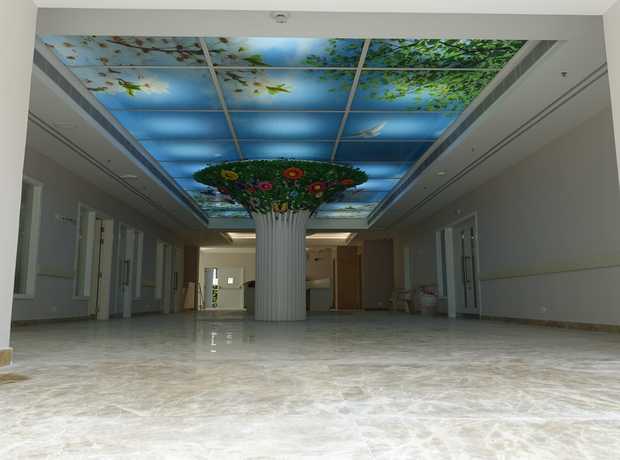
The selection of materials for a laboratory interior is a critical decision that impacts safety, durability, cleanability, and long-term operational costs. For New York labs, where stringent standards and heavy usage are common, only the highest quality and most appropriate materials will suffice. We consider the following:
- Chemical Resistance: This is paramount for work surfaces, flooring, and cabinetry. Materials must be resistant to a wide range of acids, bases, solvents, and other reagents commonly used in the lab. Epoxy resin, phenolic resin, and stainless steel are popular choices for countertops due to their superior chemical resistance. For flooring, seamless sheet vinyl or epoxy coatings are often preferred.
- Cleanability and Sterility: Maintaining a sterile or decontaminated environment is essential in many labs. Choose materials with smooth, non-porous surfaces that are easy to clean, disinfect, and resistant to microbial growth. Seamless installations, coved bases, and minimal crevices help prevent the accumulation of contaminants. Anti-microbial coatings can also be considered for high-touch surfaces.
- Durability and Longevity: Lab environments are subjected to heavy use, spills, and potential impacts. Opt for materials that can withstand the rigors of daily laboratory operations, including abrasion, scratching, and impact. High-quality laminates, solid surfacing, and powder-coated steel cabinetry offer excellent durability.
- Fire Resistance: All materials must comply with local fire codes (FDNY in New York) and national standards. Fire-rated walls, doors, and finishes are essential, especially in areas storing flammable materials.
- Static Control: For labs handling sensitive electronic equipment or flammable solvents, anti-static flooring and work surfaces may be required to prevent electrostatic discharge (ESD) which can damage equipment or ignite vapors.
- Sustainability and Environmental Impact: Considering eco-friendly and sustainable materials helps minimize environmental impact and can contribute to LEED certification. This includes using recycled content, rapidly renewable materials, low-VOC (volatile organic compound) paints and adhesives, and materials sourced from responsible manufacturers.
- Sound Attenuation: In busy labs, noise control is important for concentration and communication. Consider materials that absorb sound, such as acoustic ceiling tiles or wall panels, to create a more comfortable working environment.
Pro Tip: While epoxy resin countertops are a popular choice for their chemical resistance and durability, it’s also worth exploring phenolic resin for specific applications due to its excellent moisture resistance and lighter weight. Stainless steel is ideal for areas requiring extreme sterility and heat resistance, such as near autoclaves or incubators.
Skydome Designs meticulously evaluates material specifications against your lab’s specific needs, ensuring compliance, safety, and long-term value. We partner with leading suppliers to source the best materials for your New York project. Call us at +91 7299072144 to discuss material options that will elevate your lab’s performance and longevity.
4. Lighting Design: Illuminating Your New York Lab for Accuracy and Well-being
Proper lighting in a laboratory is far more than just illumination; it’s a critical element for ensuring accuracy in scientific work, promoting a safe environment, and enhancing the overall well-being and productivity of lab personnel. For New York labs operating long hours, intelligent lighting design is an investment. Key considerations include:
- Optimized Ambient Lighting: Provide adequate general illumination throughout the lab to create a bright, evenly lit environment. This helps reduce eye strain, minimizes shadows, and supports general tasks. Ideal lux levels vary by area but generally fall within 500-1000 lux for active workspaces. Uniformity is key to preventing visual fatigue.
- Targeted Task Lighting: While ambient lighting is important, specialized tasks require focused illumination. Use adjustable task lighting at microscope stations, titration benches, precision assembly areas, and other critical workspaces. This allows users to control the intensity and direction of light, ensuring optimal visibility for intricate work without causing glare.
- High Color Rendering Index (CRI): For accurate observation of samples, reagents, and experimental results, it is crucial to choose lights with a high color rendering index (CRI), typically 85 or above. A high CRI ensures that colors appear true to life, preventing misinterpretation of visual cues that could impact experimental outcomes.
- Energy Efficiency with LED Technology: Utilize energy-efficient LED lighting systems to significantly reduce energy consumption and operational costs. Modern LEDs offer long lifespans, minimal heat emission, and excellent dimming capabilities, making them ideal for lab environments.
- Glare Control: Minimize glare from light fixtures, windows, and reflective surfaces, as glare can cause discomfort and reduce visual acuity. Strategies include using diffusers, parabolic louvers, indirect lighting, and strategically placing workstations relative to windows.
- Integration of Natural Light: Where possible, incorporate natural light through windows or skylights. Natural light improves mood, reduces energy consumption, and provides a healthier working environment by supporting circadian rhythms. However, careful consideration must be given to controlling solar gain and glare to prevent heat build-up and interference with sensitive experiments.
- Emergency Lighting: Install robust emergency lighting systems to ensure safe egress during power outages. These systems should illuminate pathways, exits, and critical safety equipment such as emergency showers and eyewash stations.
- Lighting Controls and Smart Systems: Implement smart lighting controls, including occupancy sensors, daylight harvesting systems, and programmable timers. These systems can further optimize energy consumption by turning off lights in unoccupied areas or dimming them when sufficient natural light is present.
Good lighting design is an investment in the productivity, well-being, and accuracy of your lab personnel. It is a nuanced aspect of interior planning that requires specialized knowledge. Contact Skydome Designs for a professional lighting consultation. Our experts design bespoke lighting solutions that enhance safety, performance, and energy efficiency for your New York laboratory. Reach out to us today!
5. HVAC Systems: Maintaining Optimal Air Quality and Environmental Control in Your New York Laboratory
Heating, ventilation, and air conditioning (HVAC) systems are not merely about comfort in a laboratory; they are critical life-support systems essential for maintaining air quality, controlling temperature and humidity, and ensuring the safety of personnel and the integrity of experiments. In a bustling environment like New York, specific HVAC considerations are paramount due to building density and stringent health regulations. Consider these vital factors:
- Precise Airflow and Pressure Differentials: Maintaining proper airflow patterns is crucial to prevent the build-up of hazardous fumes, control odors, and ensure the safety of staff. Laboratories often require negative or positive pressure differentials relative to adjacent spaces to contain or protect sensitive materials. For instance, chemical labs typically maintain negative pressure to contain hazardous vapors, while cleanrooms or sterile environments require positive pressure to prevent the ingress of contaminants.
- High-Efficiency Filtration: The use of high-efficiency particulate air (HEPA) filters is standard in many labs to remove airborne particles, allergens, and microbial contaminants. Depending on the lab’s function (e.g., biosafety labs, cleanrooms), ULPA (Ultra-Low Penetration Air) filters may also be required, offering even finer filtration. Proper filter placement and regular maintenance are critical.
- Temperature and Humidity Control: Stable and precise temperature and humidity levels are often essential for the accuracy of experiments, the proper functioning of sensitive equipment, and the storage of reagents and samples. HVAC systems must be designed to maintain tight environmental tolerances, often with redundant systems for critical areas to prevent excursions.
- Dedicated Exhaust Systems and Fume Hoods: Fume hoods are frontline safety devices for handling hazardous chemicals and materials. The HVAC system must be integrated with dedicated exhaust systems for fume hoods, biosafety cabinets, and snorkels, ensuring adequate face velocity and safe expulsion of contaminated air away from occupied spaces. Energy-efficient variable air volume (VAV) fume hoods can significantly reduce energy consumption.
- Air Change Rates (ACH): Laboratories typically require higher air change rates per hour (ACH) than standard office spaces to dilute potential contaminants. The specific ACH will depend on the lab’s function and hazards, ranging from 6-10 ACH for general labs to 12-20+ ACH for high-hazard or cleanroom environments.
- Energy Efficiency and Heat Recovery: Modern lab HVAC systems incorporate energy-efficient components such as energy recovery ventilators (ERVs) and heat recovery wheels to reclaim energy from exhaust air and reduce the heating and cooling load, leading to significant operational savings, especially in New York’s variable climate.
- Redundancy and Reliability: For critical lab functions, such as those involving sensitive equipment or dangerous pathogens, redundant HVAC systems are often specified to ensure continuous operation and maintain safety in case of equipment failure.
The design and implementation of HVAC systems in a laboratory are highly specialized, requiring expert engineering. Skydome Designs collaborates with experienced HVAC engineers to deliver systems that meet the rigorous demands of your New York lab project, ensuring safety, compliance, and energy efficiency. Contact us to discuss your complex HVAC needs.
6. Safety Features: Protecting Your New York Lab Personnel Above All Else
Safety is the unequivocal top priority in laboratory design, especially in high-density areas like New York where potential risks can have far-reaching consequences. A well-designed lab integrates comprehensive safety features to protect personnel, mitigate hazards, and ensure compliance with all relevant regulations. Essential safety features include:
- Emergency Showers and Eyewash Stations: These are critical for immediate decontamination in the event of chemical splashes or exposure. They must be readily accessible within 10 seconds (or 55 feet) of potential hazards, clearly marked, and regularly tested to ensure functionality. Plumbed units are preferred over portable ones for continuous water supply.
- Fire Suppression Systems: Installation of robust fire alarm systems, smoke detectors, and appropriate fire suppression systems (e.g., automatic sprinkler systems, clean agent systems for sensitive equipment, fire extinguishers of various types) is mandatory. Compliance with FDNY codes is crucial. Fire-rated construction for walls, doors, and ceilings helps compartmentalize fires and prevent spread.
- Fume Hoods and Biosafety Cabinets: Properly functioning fume hoods are indispensable for safely handling hazardous chemicals and materials by exhausting noxious fumes away from personnel. Biosafety cabinets (BSCs) are essential for working with biological agents, providing protection for the user, product, and environment. Regular certification and maintenance of these critical devices are paramount.
- Chemical Storage and Containment: Dedicated, properly ventilated, and fire-rated storage cabinets for flammable, corrosive, and other hazardous chemicals are essential. Secondary containment measures (e.g., spill trays, raised thresholds) should be in place to prevent spills from spreading. Gas cylinder storage must also comply with safety standards.
- Safety Signage and Emergency Information: Clearly label hazardous materials, equipment, emergency exits, and safety stations with appropriate, universally recognized signage. Emergency contact information, spill response procedures, and chemical hygiene plans must be prominently displayed and easily accessible.
- Emergency Power and Backup Systems: Critical lab equipment (e.g., freezers, incubators, ventilation for fume hoods) may require backup power systems (generators, UPS) to maintain operation during power outages, protecting valuable samples and ensuring safety systems remain active.
- First Aid Stations and Medical Response: Easily accessible first aid kits should be strategically located throughout the lab. Additionally, clear protocols for medical emergencies and access to trained first responders are vital.
- Security and Access Control: While not strictly an “emergency” feature, robust security systems, including controlled access, surveillance cameras, and clear visitor protocols, are essential to protect valuable research, sensitive data, and to prevent unauthorized entry into hazardous areas.
Integrating these features seamlessly into the design requires foresight and expertise. Skydome Designs prioritizes safety in every laboratory project, adhering to the highest standards and ensuring that your New York lab is a secure and protected environment for all its occupants. Our 18+ years of global experience ensure best practices are applied to your project. Call us to learn more about our commitment to safety in design.
7. Branding & Signage: Cultivating a Professional and Cohesive New York Lab Environment
Beyond functionality and safety, a laboratory’s interior design can powerfully communicate your organization’s brand identity, values, and professionalism. In a competitive landscape like New York, creating a distinctive and cohesive environment contributes to attracting top talent, impressing stakeholders, and fostering a positive work culture. Consider these aspects:
- Strategic Color Palette Integration: Use your brand’s official colors strategically in the interior design – perhaps in accent walls, furniture upholstery, or departmental zoning. This creates a cohesive look and reinforces brand recognition without overwhelming the space. Consider calming, professional tones for primary areas and bolder accents for collaborative or breakout zones.
- Seamless Logo and Brand Mark Integration: Incorporate your company logo and other brand marks into lobby signage, departmental wayfinding, and even subtle decorative elements. This strengthens brand presence and creates a sense of identity for employees and visitors alike.
- Intuitive Wayfinding Signage: In complex laboratory facilities, clear and concise wayfinding signage is essential. This includes directional signs, room labels, floor plans, and emergency egress maps. Good wayfinding reduces confusion, saves time, and enhances safety. Consider digital signage for dynamic information displays.
- Motivational Graphics and Brand Storytelling: Beyond practical information, consider adding motivational graphics, artwork, or displays that showcase your company’s mission, achievements, scientific breakthroughs, or core values. These can inspire your team, create a sense of pride, and provide educational content for visitors. High-quality imagery of scientific concepts or historical figures in science can also be impactful.
- Materiality and Finishes Reflecting Brand Values: The choice of materials and finishes can also subtly communicate brand values. A company focused on sustainability might choose eco-friendly materials; a cutting-edge biotech firm might opt for sleek, modern, and technologically advanced finishes.
- Consistency Across the Facility: Ensure a consistent branding approach across all areas of the laboratory – from the reception and administrative offices to the lab benches and break rooms. This creates a unified and professional impression.
Skydome Designs understands the power of design to elevate a brand. We integrate branding elements thoughtfully into every New York laboratory project, creating environments that are not only highly functional but also visually impactful and reflective of your organization’s unique identity. Let’s discuss how we can bring your brand to life in your lab space.
8. Regulatory Compliance: Navigating New York’s Complex Lab Regulations with Confidence
Navigating the intricate web of local, state, and federal regulations for laboratory construction and operation in New York can be one of the most challenging aspects of a project. Non-compliance can lead to significant delays, costly fines, and even project shutdowns. Skydome Designs provides expert guidance to ensure comprehensive adherence to all applicable codes and standards. Ensure compliance with these key agencies and standards:
- NYC Department of Buildings (DOB): The DOB is the primary authority for building construction and renovation in New York City. Adherence to all applicable building codes, zoning regulations, and specific amendments for laboratory occupancies is non-negotiable. This includes structural integrity, fire suppression systems, egress requirements, and mechanical system installations.
- OSHA (Occupational Safety and Health Administration): Compliance with OSHA standards is critical for laboratory safety and worker protection. This encompasses regulations related to chemical hygiene plans, hazardous waste management, personal protective equipment (PPE), emergency response procedures, lockout/tagout procedures, and exposure limits to hazardous substances.
- EPA (Environmental Protection Agency): Laboratories generate various types of waste, including hazardous and biohazardous materials. Compliance with EPA regulations for waste characterization, storage, treatment, and disposal is paramount to prevent environmental contamination and avoid hefty penalties. Specific permits may be required for certain emissions or waste streams.
- FDNY (Fire Department of New York): The FDNY enforces strict fire codes and regulations, especially concerning the storage of flammable liquids, compressed gases, and other hazardous materials. This includes requirements for fire-rated construction, sprinkler systems, fire alarm systems, and emergency evacuation plans.
- CDC (Centers for Disease Control and Prevention) / NIH (National Institutes of Health): For laboratories handling infectious agents, adherence to CDC and NIH guidelines for biosafety levels (BSL-1, BSL-2, BSL-3, BSL-4) is mandatory. These guidelines dictate specific design features, ventilation requirements, containment strategies, and operational protocols.
- NYSDOH (New York State Department of Health): Clinical laboratories may need to comply with specific NYSDOH regulations for licensing, quality assurance, and operational standards.
- ANSI (American National Standards Institute) / ASHRAE (American Society of Heating, Refrigerating and Air-Conditioning Engineers) / NFPA (National Fire Protection Association): These organizations publish widely accepted industry standards for aspects like ventilation, lighting, electrical systems, and fire safety that often form the basis of local codes.
- Specialized Certifications: Depending on the lab’s function, additional certifications may be required, such as CLIA (Clinical Laboratory Improvement Amendments) for clinical testing, CAP (College of American Pathologists) accreditation, or GLP/GMP (Good Laboratory/Manufacturing Practices) for pharmaceutical research and production.
Our experienced team at Skydome Designs stays abreast of the latest regulatory updates and has a proven track record of successfully navigating complex compliance landscapes in New York. We integrate regulatory requirements into every phase of design and construction, ensuring your lab is fully compliant from day one. Our expertise extends to securing necessary permits and approvals, mitigating potential delays. Partner with us for peace of mind in regulatory compliance.
9. Budget Management and Value Engineering for Your New York Project: Maximizing Investment
In New York’s competitive construction market, effective budget management and smart value engineering are crucial for delivering a high-quality laboratory without compromising financial viability. Skydome Designs employs a strategic approach to ensure your investment is maximized, combining cost efficiency with uncompromised quality and safety.
- Transparent Costing and Detailed Estimates: We provide transparent, itemized cost breakdowns from the outset, covering design fees, construction, equipment procurement, permits, commissioning, and contingency. Our goal is to eliminate surprises and ensure you have a clear understanding of all financial aspects.
- BIM-led Coordination for Cost Control: Our utilization of Building Information Modeling (BIM) is a cornerstone of our value engineering approach. BIM-led coordination allows us to identify and resolve potential conflicts (e.g., clashes between HVAC ducts, plumbing, and electrical systems) virtually before construction begins. This proactive approach significantly reduces expensive on-site rework, material waste, and schedule delays, leading to substantial cost savings.
- Proactive Value Engineering: Value engineering is not about cutting costs indiscriminately; it’s about optimizing value by analyzing materials, systems, and methods to achieve the required performance at the lowest possible lifecycle cost. We propose alternative solutions, materials, or construction techniques that maintain or enhance functionality and quality while reducing overall expenditure. This might involve recommending energy-efficient systems that have a higher upfront cost but deliver significant long-term operational savings.
- Quality Control Tailored to New York Projects: Our robust quality control processes are specifically adapted to the unique demands of New York’s construction environment. This includes rigorous material sourcing, adherence to local building codes, and meticulous supervision of all construction phases to prevent defects and ensure the longevity and performance of your lab.
- Contingency Planning: We work with you to establish realistic contingency budgets to account for unforeseen challenges, which are common in complex laboratory projects, especially in an urban setting like New York.
- Milestone-based Reporting in New York: Throughout the project, we provide regular, detailed milestone-based reporting, keeping you informed of financial progress against the budget. This transparent communication allows for timely adjustments and informed decision-making.
Our award-winning team is committed to delivering exceptional value. We balance innovative design with fiscal responsibility, ensuring your New York laboratory project is completed on budget without compromising the quality, safety, or functionality critical to scientific endeavors. Contact us today to receive a detailed, transparent quote for your laboratory interior planning project in New York.
10. Project Management & Execution in New York: Delivering Excellence, On Time, On Budget
Efficient project management and flawless execution are the linchpins of successful laboratory interior planning, particularly in the dynamic and challenging environment of New York City. Skydome Designs provides end-to-end project management services, meticulously overseeing every detail from groundbreaking to commissioning, ensuring a seamless and superior outcome.
- Experienced, Dedicated Project Managers: Our projects are led by experienced project managers who specialize in complex laboratory and healthcare facility construction. They serve as your single point of contact, orchestrating all aspects of the project, from design coordination and procurement to construction oversight and final handover.
- On-Time, On-Budget Delivery: We have a proven track record of delivering projects on time and within budget. Our methodology involves detailed scheduling, critical path analysis, and continuous monitoring, allowing us to proactively identify and mitigate potential delays or cost overruns. Our commitment is reflected in our 97% on-time delivery rate across all projects.
- Multi-Disciplinary Reviews and Coordination: Our in-house team comprises architects, healthcare planners, and project managers. We conduct rigorous multi-disciplinary reviews at every stage of design and construction, ensuring seamless integration of architectural, structural, mechanical, electrical, plumbing, and IT systems. This holistic approach minimizes conflicts and optimizes system performance.
- Vendor and Contractor Management: We manage all third-party vendors, suppliers, and contractors, ensuring they adhere to project specifications, quality standards, and timelines. Our strong relationships with a network of trusted New York-based professionals streamline the procurement and construction process.
- Quality Assurance and Control: Implementing stringent quality assurance and control protocols throughout the project lifecycle is paramount. This includes regular site inspections, material quality checks, and adherence to all building codes and safety regulations. We are committed to global standards of excellence.
- Commissioning and Validation Support: For laboratories, proper commissioning and validation of critical systems (HVAC, fume hoods, biosafety cabinets, utility services) are essential to ensure they operate as designed and meet regulatory requirements. We provide comprehensive support during this crucial phase.
- Post-Occupancy Support and Training: Our commitment extends beyond project completion. We provide post-occupancy support, addressing any operational queries, coordinating warranty services, and offering training to your staff on new systems and equipment. This ensures a smooth transition and optimal long-term performance of your laboratory.
- Transparent Communication and Reporting: We maintain open and transparent communication channels with clients through regular meetings, detailed reports, and milestone-based updates, ensuring you are always informed about project status and progress.
We have delivered 1046+ laboratory interior planning assignments across New York and globally over 18+ years, with 97% on-time delivery. Our multi-disciplinary reviews and comprehensive post-occupancy support underpin the exceptional outcomes we achieve. When you choose Skydome Designs, you’re partnering with a team that brings unparalleled expertise, precision, and dedication to your project. Contact us to discuss your New York laboratory project and experience the Skydome Designs difference in project management and execution.
11. Data Infrastructure & IT Integration: The Brain of Your Modern New York Lab
In the age of digital science, a robust and future-proof data infrastructure is as critical as physical lab space. Modern laboratories in New York rely heavily on sophisticated IT systems for data acquisition, analysis, storage, and collaboration. Planning for this integration from the outset is non-negotiable.
- High-Speed Connectivity: Ensure ample provisions for high-speed wired and wireless network connectivity throughout the lab. This includes strategic placement of data ports at every workstation and equipment location, as well as robust Wi-Fi coverage for mobile devices and IoT sensors.
- Server Rooms and Data Centers: Design dedicated, climate-controlled server rooms or data closets with adequate power, cooling, and security for essential servers, network switches, and data storage devices. Consider redundancy for critical systems.
- Cybersecurity Measures: Implement robust cybersecurity protocols to protect sensitive research data, patient information (if applicable), and intellectual property. This involves network segmentation, firewalls, intrusion detection systems, and regular security audits.
- Integration of Lab Information Management Systems (LIMS): Plan for seamless integration of LIMS, Electronic Lab Notebooks (ELN), and other laboratory-specific software platforms. This requires careful consideration of hardware compatibility, networking requirements, and user access points.
- Power Redundancy and UPS Systems: Critical IT equipment requires uninterruptible power supplies (UPS) and, in many cases, connection to emergency generators to prevent data loss or system downtime during power fluctuations or outages.
- Audiovisual (AV) and Collaboration Technology: Incorporate AV systems in meeting rooms, collaboration spaces, and even some lab areas for presentations, video conferencing, and remote collaboration. This can include large displays, projectors, and integrated audio systems.
- Scalability and Future-Proofing: Design the IT infrastructure with scalability in mind, anticipating future growth in data volume, equipment connectivity, and analytical demands. Use modular cabling systems and easily expandable network architectures.
Skydome Designs collaborates closely with IT specialists to engineer a seamless and secure digital backbone for your New York lab, ensuring it’s ready for the demands of 21st-century science. Reach out to us to integrate cutting-edge IT solutions into your lab design.
12. Flexibility and Future-Proofing: Designing for Tomorrow’s Discoveries in New York
The pace of scientific discovery is accelerating, and what is standard today may be obsolete tomorrow. Designing a laboratory in New York that can adapt to evolving research methodologies, new technologies, and changing personnel needs is a strategic imperative. Flexibility and future-proofing are central to our design philosophy.
- Modular Lab Furniture Systems: Opt for modular casework, benches, and shelving that can be easily reconfigured, added, or removed. This allows for quick adaptation to new equipment layouts or changes in workflow without requiring major renovations.
- Accessible Utility Grids: Design utility distribution systems (electrical, plumbing, data, specialty gases) with accessible overhead grids or movable service panels. This allows new connections to be made or existing ones to be modified without extensive wall demolition.
- Unassigned Benches and Equipment Zones: Where appropriate, incorporate ‘swing space’ or unassigned benches that can be quickly equipped for various experiments or house new equipment. Design flexible zones that can accommodate different types of instruments.
- Adaptable HVAC and Exhaust Systems: Plan HVAC systems with spare capacity and zoned control to allow for future changes in heat loads or ventilation requirements. Consider easily modifiable exhaust systems for new fume hoods or biosafety cabinets.
- Scalable IT Infrastructure: As mentioned in the previous section, design an IT network that can easily expand to accommodate more devices, higher data volumes, and new software applications.
- Generic Lab Planning: Where specific research direction is uncertain, employ a ‘generic’ lab planning approach that provides a robust but adaptable framework of utilities and space, allowing future occupants to tailor the space to their specific needs with minimal intervention.
- Shell Space for Expansion: If budget and space allow, consider leaving dedicated ‘shell space’ within the facility that can be fitted out as additional lab space in the future, avoiding the complexities and costs of off-site expansion.
Skydome Designs prioritizes long-term value in every New York lab project. Our future-focused designs protect your investment by ensuring your laboratory can evolve with scientific progress. Let’s build a lab that’s ready for tomorrow’s breakthroughs.
13. Sustainability and Green Lab Practices: Eco-Conscious Design for New York
Incorporating sustainable design principles into laboratory planning is not just environmentally responsible; it also offers significant operational cost savings and enhances a facility’s public image. For New York projects, embracing green lab practices aligns with the city’s commitment to sustainability.
- Energy-Efficient Systems: Implement high-efficiency HVAC systems with energy recovery, LED lighting with smart controls, and energy-star rated equipment. Consider renewable energy sources like solar panels where feasible.
- Water Conservation: Specify low-flow fixtures, water-efficient equipment (e.g., autoclaves, glassware washers), and explore rainwater harvesting or greywater recycling systems for non-potable uses.
- Sustainable Material Selection: Choose materials with recycled content, low VOC emissions, rapidly renewable resources, and those manufactured through environmentally responsible processes. Prioritize local sourcing to reduce transportation impacts.
- Waste Management and Recycling: Design dedicated spaces for waste segregation, including hazardous, biohazardous, general, and recyclable waste streams. Facilitate easy access for collection and disposal.
- Indoor Air Quality (IAQ): Beyond basic ventilation, focus on enhanced IAQ through careful material selection (low-VOCs), continuous monitoring, and effective filtration, ensuring a healthy environment for occupants.
- Natural Light and Views: Maximize the use of natural daylight to reduce reliance on artificial lighting and provide occupants with views of the outdoors, improving well-being and productivity.
- Certifications: Pursue green building certifications like LEED (Leadership in Energy and Environmental Design) which provide a framework for creating sustainable, high-performance laboratories.
Skydome Designs is committed to integrating sustainable practices into our laboratory interior planning, creating eco-friendly and energy-efficient labs for our New York clients. Contact us to design a sustainable lab that benefits both your research and the planet.
14. Acoustics and Noise Control: Fostering Focus in Your New York Lab
Noise can be a significant disruptor in a laboratory, affecting concentration, communication, and even the performance of sensitive equipment. In New York’s often bustling urban environment, thoughtful acoustic design is crucial for creating a productive and comfortable lab space.
- Sound Absorbing Materials: Incorporate acoustic ceiling tiles, wall panels, and flooring materials that absorb sound rather than reflecting it. This reduces reverberation and overall noise levels.
- Vibration Isolation: Isolate sensitive equipment (e.g., microscopes, analytical balances) from building vibrations using specialized tables or mounts. Similarly, mechanical equipment rooms should be isolated to prevent noise and vibration transfer to lab areas.
- Noise-Generating Equipment Enclosures: Design dedicated enclosures or rooms for particularly noisy equipment (e.g., centrifuges, vacuum pumps, chillers) to contain sound.
- HVAC Noise Attenuation: Ensure HVAC systems are designed with sound attenuators in ductwork, quiet fan motors, and proper sizing to minimize noise from air movement.
- Speech Privacy: In administrative or consultation areas within the lab, consider sound-masking systems or appropriate wall construction to ensure speech privacy.
- Proper Door and Window Selection: Use solid core doors with proper seals and, where necessary, acoustic-rated windows to minimize sound transfer from adjacent spaces or the exterior.
Skydome Designs incorporates advanced acoustic solutions into our lab designs, ensuring a quiet, focused environment conducive to precise scientific work. Inquire about our acoustic design expertise for your New York lab.
15. Specialized Lab Environments: Beyond the Standard Bench in New York
Many New York projects require environments far more specialized than a standard wet lab. Skydome Designs has extensive experience in designing and executing these complex facilities:
- Cleanrooms: These controlled environments maintain extremely low levels of particulates, ensuring product integrity for manufacturing, microelectronics, or pharmaceutical compounding. We design cleanrooms according to ISO classifications (e.g., ISO 5, ISO 7), with specific requirements for air filtration (HEPA/ULPA), positive pressure, and specialized materials.
- Vivariums (Animal Research Facilities): Designing vivariums involves stringent regulations for animal welfare, biosecurity, and waste management. This includes specialized HVAC (precise temperature, humidity, pressure control, and high air changes), cage wash areas, procedure rooms, and negative/positive pressure rooms for housing various species.
- Biosafety Level (BSL) Laboratories: For work with biological agents, BSL-2, BSL-3, and BSL-4 labs require increasingly stringent containment measures. This includes specific ventilation (single-pass air), airlocks, sealed surfaces, specialized waste disposal systems, and dedicated safety equipment.
- Instrumentation Rooms: Rooms for highly sensitive analytical equipment require precise environmental controls (temperature, humidity, vibration), specialized power (uninterrupted, clean power), and often enhanced security.
- Cold Rooms and Freezers: Dedicated walk-in cold rooms and ultra-low temperature freezer farms require robust refrigeration systems, emergency power, and temperature monitoring to protect valuable samples.
Our multi-disciplinary team has the expertise to design and implement these highly specialized environments, ensuring compliance with all relevant standards and optimal functionality for your specific research needs in New York. Contact us for specialized lab interior planning.
16. The Design-Build Approach: Streamlining Your New York Lab Project
For many clients, particularly in the fast-paced New York market, a design-build approach can offer significant advantages in terms of speed, cost control, and accountability. Skydome Designs can offer a comprehensive design-build model for your laboratory project.
- Single Point of Responsibility: With design-build, you have one primary contract for both design and construction, simplifying communication and responsibility. This reduces finger-pointing and streamlines decision-making.
- Faster Project Delivery: Overlapping design and construction phases (fast-tracking) can significantly reduce overall project duration compared to traditional design-bid-build models, crucial for time-sensitive research.
- Cost Certainty: Early cost involvement from the construction team provides more accurate budget projections from the outset, allowing for better cost control and value engineering throughout the process.
- Enhanced Collaboration: The integrated design and construction team fosters greater collaboration, leading to innovative solutions and more efficient project execution.
- Reduced Risk: Shifting the risk of design errors and omissions from the owner to the design-build team.
Skydome Designs’ integrated team, including architects, healthcare planners, and project managers, makes us ideally suited for a design-build approach, offering efficiency and peace of mind for your New York laboratory. Discuss the benefits of design-build for your lab project with our experts.
17. Post-Occupancy Evaluation and Maintenance: Sustaining Your Lab’s Performance
The completion of construction is not the end of our involvement. Skydome Designs believes in supporting our clients through the entire lifecycle of their laboratory. Post-occupancy evaluation and ongoing maintenance planning are vital for ensuring long-term success.
- Post-Occupancy Evaluation (POE): We conduct POEs to assess how the completed lab functions in practice, gathering feedback from users on ergonomics, workflow, comfort, and the performance of systems. This data provides valuable insights for future projects and minor adjustments.
- Commissioning Verification: We ensure that all critical systems (HVAC, fume hoods, safety equipment) are not only correctly installed but also calibrated and operating at optimal performance levels.
- Maintenance Protocols and Training: We provide comprehensive documentation and training to your facilities and lab staff on the proper operation, maintenance, and troubleshooting of all new systems and equipment. This includes schedules for preventative maintenance.
- Warranty Management: Our team assists with managing warranties for all installed components and systems, ensuring timely resolution of any issues that may arise post-handover.
- Ongoing Support: Skydome Designs offers continued support and consultation for future modifications, upgrades, or expansions, acting as a trusted partner for the evolving needs of your laboratory.
Our comprehensive post-occupancy support ensures that your New York laboratory continues to perform at its peak for years to come, maximizing your investment and supporting your scientific endeavors. Learn more about our full-spectrum support for laboratory facilities.
Conclusion: Partnering for Success in Your New York Laboratory Project
Planning and executing a laboratory interior in New York is an endeavor that demands a strategic approach, meticulous attention to detail, a profound understanding of regulatory requirements, and an unwavering commitment to safety and innovation. By systematically following these comprehensive steps and partnering with experienced professionals like Skydome Designs, you can create a functional, safe, compliant, and inspiring laboratory that not only meets your specific needs today but is also poised for future growth and discovery.
Skydome Designs stands as your trusted partner, bringing nearly 30 years of expertise, a proven track record of 1046+ successful laboratory projects globally and in New York, and an unparalleled 97% on-time delivery rate. Our in-house team of architects, healthcare planners, and project managers utilizes BIM-led coordination, values transparent costs, and implements rigorous quality control tailored specifically to the New York context. We are dedicated to delivering award-winning, client-focused, and sustainable designs that enhance experiences and operational efficiency.
Ready to transform your laboratory space into a hub of innovation and productivity? Contact us today at +91 7299072144 for a detailed consultation, and let’s discuss your New York laboratory project requirements. Experience the difference of partnering with true specialists. Learn more about our comprehensive services.
FAQ: Laboratory Interior Planning in New York
Here are some frequently asked questions about laboratory interior planning, optimized for Google’s “People Also Ask” feature, providing concise and informative answers:
What are the key considerations for laboratory interior planning in New York?
Key considerations for laboratory interior planning in New York include stringent regulatory compliance with NYC building codes, FDNY fire codes, OSHA safety standards, and EPA waste disposal guidelines; selecting durable, chemical-resistant, and easily cleanable materials; optimizing space for efficient workflow and future flexibility; designing advanced HVAC systems for precise air quality and environmental control; prioritizing comprehensive safety features like emergency showers, fume hoods, and fire suppression; integrating robust IT infrastructure; and managing budgets through value engineering and transparent costing. Skydome Designs excels in integrating all these aspects for successful New York lab projects.
How much does laboratory interior planning in New York cost?
The cost of laboratory interior planning in New York varies significantly based on factors such as the size and complexity of the project, the specific type of lab (e.g., BSL-3 vs. dry lab), the quality and type of materials used, the sophistication of equipment and utility demands, the extent of customization, and specific regulatory compliance requirements. Costs typically include design fees, construction, equipment procurement, permits, commissioning, and contingency. For a detailed and transparent quote tailored to your specific needs and project scope, it is best to contact Skydome Designs for a free consultation. Our BIM-led coordination helps optimize value and control costs effectively.
What permits are required for laboratory construction in New York?
For laboratory construction in New York, a comprehensive set of permits is typically required from various city agencies. These commonly include building permits from the NYC Department of Buildings (DOB), electrical permits, plumbing permits, and fire safety permits from the Fire Department of New York (FDNY). Depending on the nature of the research, additional permits related to environmental protection (EPA), hazardous materials handling, or specific health department approvals may also be necessary. Skydome Designs has extensive experience navigating the complex permitting process in New York and can assist you in identifying and securing all required approvals.
How long does laboratory interior planning take in New York?
The timeline for laboratory interior planning and construction in New York is highly dependent on the project’s scope, size, complexity, and the specific regulatory approvals needed. A typical project can range from several weeks to a few months for the initial planning and design phase, followed by several months to over a year for the construction, installation, and commissioning phases. Factors like site availability, material lead times, and the efficiency of the permitting process also play a role. Skydome Designs provides detailed, milestone-based reporting to keep you informed of progress throughout the project, with a proven track record of 97% on-time delivery.
Where can I find experienced laboratory interior planning companies in New York?
Skydome Designs has over 18 years of experience in laboratory interior planning, with 1046+ assignments completed globally, including numerous successful projects in New York. Our in-house team of highly specialized architects, healthcare planners, and project managers ensures high-quality, compliant, and innovative designs. We are an award-winning firm known for our client-focused and sustainable approaches, delivering projects on-time and on-budget to global standards. For unparalleled expertise and a trusted partnership for your next New York laboratory project, contact us today to discuss your project.
What other services does Skydome Designs offer?
Skydome Designs specializes in a broad range of architectural and interior design services, leveraging our extensive experience and multi-disciplinary team:
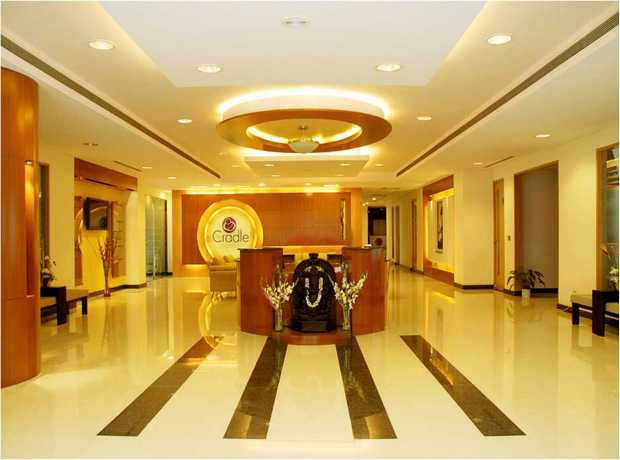
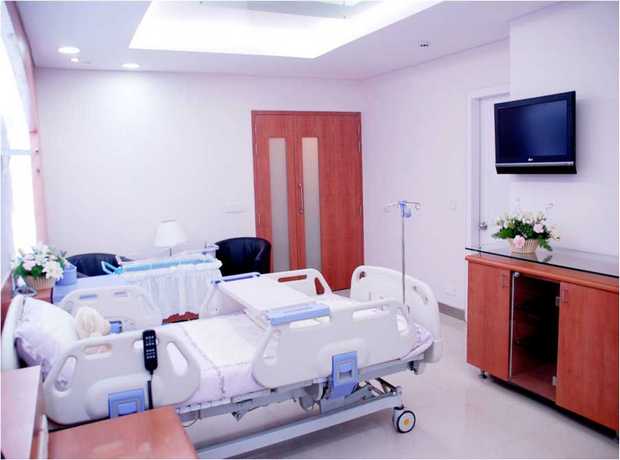
- Hospital Interior Design: We create patient-centric and operationally efficient healthcare spaces, including patient rooms, intensive care units (ICUs), operating theatres (OTs), medical laboratories, consultation areas, and comprehensive facility planning for optimized care delivery.
- Residential Projects: Our expertise extends to crafting inspiring and functional living spaces, encompassing luxury apartments, high-end condos, senior housing facilities, and community-focused interior designs that enhance quality of life.
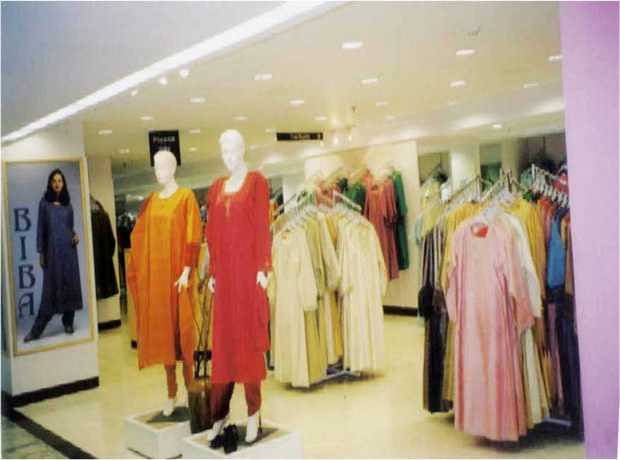
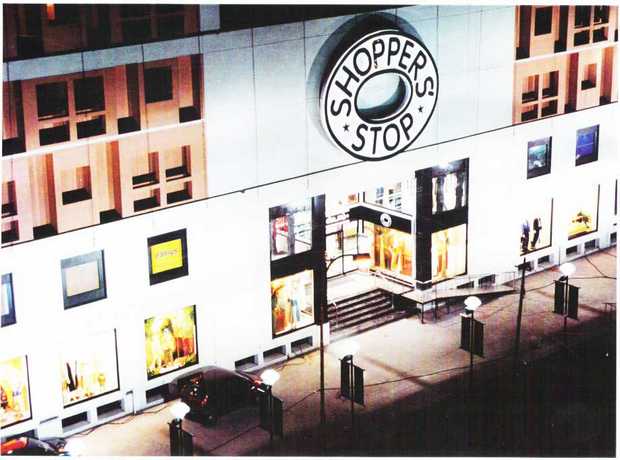
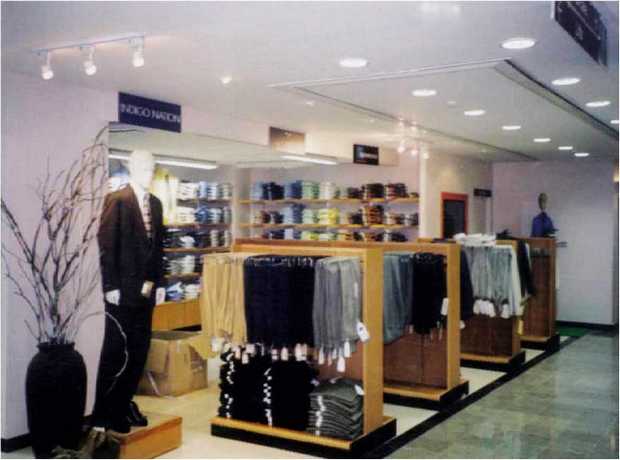
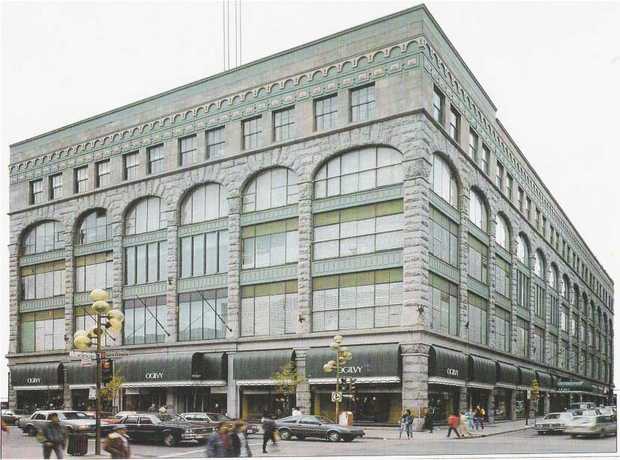
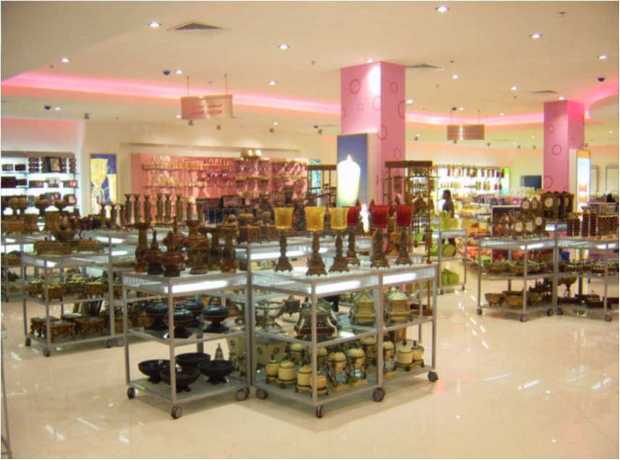
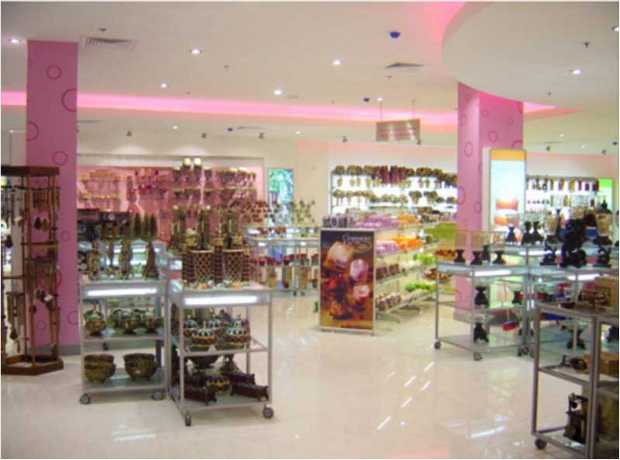
- Retail & Commercial Design: We design dynamic and engaging retail environments such as shopping malls, mixed-use developments, corporate offices, and entertainment centers, focusing on user experience and brand identity.
- Comprehensive Interior Solutions: Our services include expert space planning, optimized furniture layouts, sophisticated lighting design, and full turnkey interior execution, ensuring a seamless project from concept to completion.
About Skydome Designs Pvt Ltd
Skydome Designs Pvt Ltd is a leading architecture and interior design firm, with nearly 30 years of expertise across India and abroad. We specialize in complex, high-stakes environments such as hospital and healthcare interiors, alongside distinctive residential and dynamic retail projects. Our mission is to deliver innovative, sustainable, and functional spaces that not only meet but exceed client expectations, enhancing experiences and operational efficiency.
Why Choose Us for Your New York Project?
- 29+ Years of Experience: A legacy of excellence and innovation across diverse projects in India and internationally, including over 18 years focused on global laboratory interior planning assignments.
- Integrated In-house Expertise: Our multi-disciplinary team comprises highly skilled architects, dedicated healthcare planners, and meticulous project managers, ensuring seamless coordination and holistic design solutions.
- Award-Winning Designs: Recognition for our client-focused, sustainable, and aesthetically compelling designs that marry form with function.
- Proven Delivery Track Record: Projects consistently delivered on-time, on-budget, and to the highest global standards, evidenced by our 97% on-time delivery rate across 1046+ laboratory projects.
- New York Specific Expertise: Deep understanding of NYC regulations, construction complexities, and market demands, tailored to ensure compliance and efficiency for your project.
- BIM-led Coordination & Value Engineering: Leveraging advanced technology to optimize designs, control costs, and provide transparent, milestone-based reporting.
- Comprehensive Support: From initial consultation to post-occupancy assistance, we offer full-spectrum support, ensuring long-term success and satisfaction.
Ready to embark on your next laboratory project in New York? Choose a partner with a proven track record of excellence, precision, and dedication.
📞 Contact: +91 7299072144 | ✉️ Email: info@skydomedesigns.com | 🌐 Website: skydomedesigns.com