As London continues its dynamic urban evolution, the demand for cutting-edge, efficient, and meticulously designed healthcare infrastructure is escalating. At the heart of every thriving healthcare facility lies the nurse station – a vital hub of activity, communication, and critical care coordination. For projects launching in 2025 and beyond, designing these central nervous systems of hospitals and clinics requires far more than just aesthetic appeal; it demands a deep understanding of evolving medical practices, stringent building codes, sophisticated technological integration, and, crucially, the specific urban fabric and patient demographics of London.
The imperative to create functional, resilient, and human-centric spaces has never been greater. Post-pandemic insights have underscored the importance of infection control, staff well-being, and adaptable layouts. Simultaneously, London’s unique blend of historic architecture, constrained urban footprints, and diverse population presents distinct challenges and opportunities. This comprehensive guide, meticulously crafted by Skydome Designs, outlines an essential, eight-step approach to successful nurse station design in London for the coming years, ensuring your facility is not just compliant but truly exceptional.
Our nearly three decades of experience, encompassing over 1431 successful assignments globally, positions us uniquely to navigate these complexities. We are committed to delivering designs that are not only award-winning and sustainable but also deeply rooted in the operational realities of healthcare, tailored precisely for the London environment.
Step 1: Initial Consultation and In-Depth Needs Assessment – Laying the Foundation for Excellence
The cornerstone of any impactful design project is a profound understanding of its purpose, its users, and its context. For a nurse station, this means embarking on a detailed and often multi-faceted consultation process. This initial phase goes far beyond superficial discussions, diving deep into the operational rhythm and strategic vision of your healthcare facility.
Understanding the Core Stakeholders and Their Perspectives
- Nurses and Frontline Staff: Their daily experiences are invaluable. We conduct detailed interviews, workflow observations, and even shadow shifts to understand their challenges, pinch points, and ideal scenarios. This includes identifying specific tasks performed at the station (e.g., charting, medication preparation, communication, monitoring, administrative duties), the frequency of these tasks, and the physical demands involved.
- Hospital Administrators and Managers: They provide insights into overall facility goals, budget constraints, staffing models, patient volume projections, regulatory requirements, and future strategic plans. Their perspective ensures the design aligns with broader organizational objectives and long-term sustainability.
- Medical Doctors and Specialists: Their input on interdisciplinary collaboration, patient handovers, emergency protocols, and specialized equipment needs is crucial, particularly for highly specialized units.
- Support Staff (e.g., IT, Facilities Management, Infection Control): Essential for understanding technical infrastructure requirements, maintenance considerations, and adherence to hygiene protocols.
- Patients and Families: While not direct users of the nurse station, their experience is indirectly affected. Understanding their perspective on wait times, privacy, and accessibility can inform design decisions that enhance overall patient satisfaction.




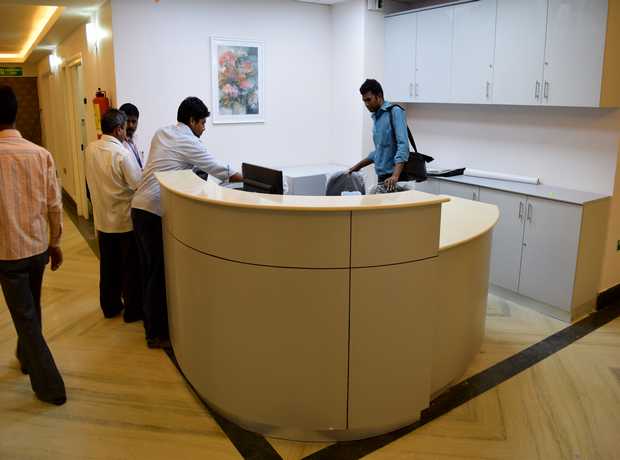
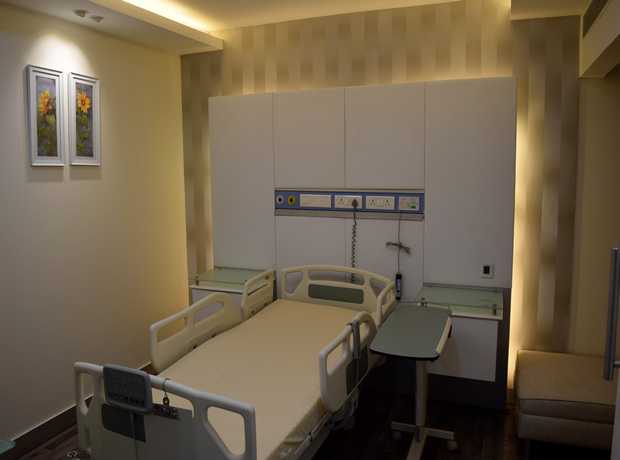
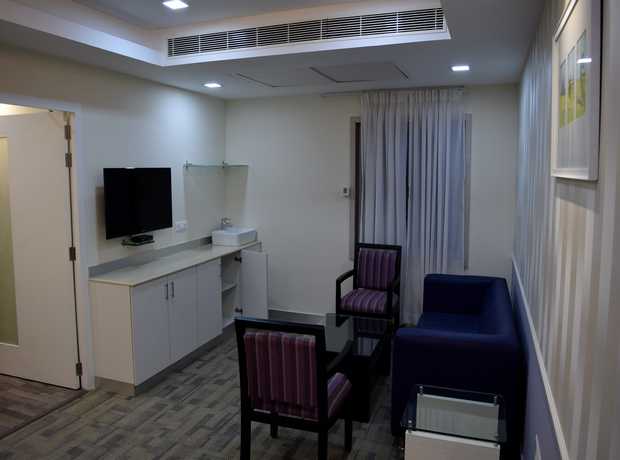

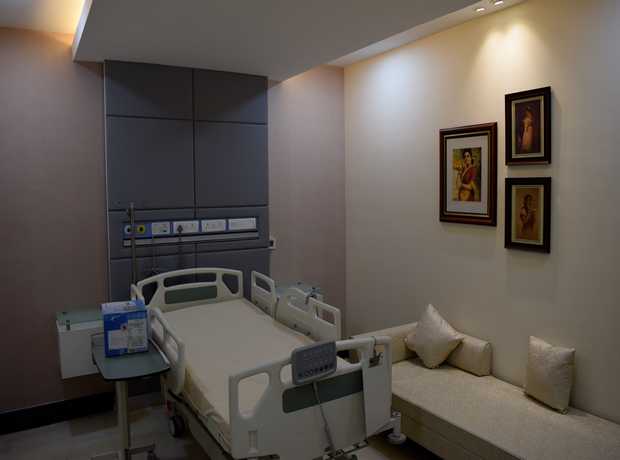
Key Areas of Inquiry During Needs Assessment:
- Patient Volume and Demographics: How many patients does the unit typically serve? What are their acuity levels? Are there specific age groups or conditions that require particular attention? This dictates the scale and specialized features of the station.
- Required Equipment and Technology: From vital signs monitors and medication dispensing systems to computer workstations and communication devices, an exhaustive inventory is essential. Understanding power, data, and cooling requirements for each piece of equipment is paramount.
- Current Workflow Patterns and Pain Points: Analyzing existing inefficiencies helps in designing a layout that streamlines processes. Are nurses traveling long distances? Are there bottlenecks during medication rounds? Is communication hindered by noise or lack of dedicated space?
- Storage Requirements: Medication storage (controlled substances), medical supplies, patient charts (physical and digital), personal belongings – each has specific security, access, and environmental needs.
- Future Expansion and Adaptability: How might the unit evolve in the next 5-10 years? Designing with flexibility in mind can save significant costs and disruption down the line.
- Budget and Timeline: Establishing clear financial parameters and project deadlines from the outset is critical for realistic planning.
Skydome Designs specializes in understanding these complex needs, leveraging nearly three decades of dedicated experience in healthcare interiors. We facilitate immersive discovery workshops and conduct detailed ethnographic studies to capture the nuanced requirements of your team. This meticulous approach ensures that every design decision is evidence-based and aligned with operational excellence.
Contact us for a consultation on your nurse station design in London and discover how our multi-disciplinary review process can bring clarity to your project.
Step 2: Space Planning and Layout Optimization – Crafting the Heart of Clinical Operations
Once the needs are thoroughly understood, the next critical step is to translate them into a highly functional and intuitive physical layout. Effective space planning is not just about fitting components into an area; it’s about choreographing movement, optimizing interaction, and maximizing efficiency within the often-constrained urban environment of London healthcare facilities.
Strategic Considerations for Optimal Layouts:
- Workflow Analysis and Minimizing Travel Distances:
- Radial vs. Linear Layouts: Determine the best configuration based on unit size and patient acuity. Radial designs often place the nurse station centrally, providing clear sightlines to patient rooms, ideal for critical care units. Linear layouts may be more suitable for longer corridors in general wards.
- Adjacency Principles: Grouping related functions together reduces unnecessary movement. Medication preparation areas should be close to charting stations and supply rooms. Communication zones should allow for both private conversations and quick team huddles.
- “Hot Zones” and “Quiet Zones”: Clearly define areas for high-activity tasks and separate them from quieter zones for focused work or staff breaks. This minimizes disruption and enhances concentration.
- Ergonomics – Prioritizing Staff Well-being and Safety:
- Adjustable Workstations: Provide sit-stand desks to allow nurses to vary their posture, reducing static load and preventing musculoskeletal disorders.
- Proper Seating: Invest in ergonomic chairs that offer lumbar support and adjustability.
- Anti-Fatigue Flooring: Implement anti-fatigue mats or resilient flooring materials in areas where nurses stand for extended periods, such as medication prep or charting zones.
- Optimal Sightlines: Design monitors and equipment placement to minimize neck and eye strain.
- Storage Accessibility: Ensure frequently used items are within easy reach, minimizing bending and stretching.
- Accessibility – Designing for Inclusivity and Compliance:
- DDA Compliance (Disability Discrimination Act) / Building Regulations Part M: Ensure all design elements comply with London’s accessibility standards. This includes wider doorways and corridors, appropriate counter heights for wheelchair users, clear circulation paths, and accessible restrooms within or adjacent to the nurse station.
- Sensory Considerations: Beyond physical access, consider lighting, acoustics, and visual cues for staff and visitors with sensory impairments.
- Future-Proofing and Flexibility:
- Modular Design: Utilize furniture and casework systems that can be reconfigured or expanded as needs change, without requiring major demolition.
- Adaptable Infrastructure: Plan for abundant, flexible data ports and power outlets (e.g., floor boxes, power poles) to accommodate evolving technology.
- Universal Room Design: Where possible, design spaces that can adapt to different specialties or acuity levels with minimal modifications.
London’s dense urban environment often means working with constrained spaces or within the fabric of historic buildings. Skydome Designs brings 29+ years of expertise in optimizing healthcare spaces under these unique conditions, balancing efficiency with heritage preservation where necessary. Our award-winning team has delivered 1431+ assignments, consistently achieving 99% on-time delivery by meticulously planning every square inch.
Let us help you design the perfect nurse station design in London. Call us at +91 7299072144 or email us for transparent costs and milestone-based reporting.
Step 3: Acoustic Design and Noise Reduction – Cultivating a Healing and Focused Environment
The traditional image of a bustling, noisy hospital ward is rapidly becoming a relic of the past. In modern healthcare design, particularly for nurse stations, effective acoustics are no longer a luxury but a critical component of patient recovery, staff concentration, and overall well-being. Excessive noise contributes to patient stress, sleep deprivation, and can even increase the risk of medical errors by impairing staff focus.
Understanding Noise Sources and Their Impact:
- Equipment Alarms: Continuous beeping from monitors and IV pumps.
- Conversations: Staff discussions, phone calls, patient interactions.
- Foot Traffic and Movement: Carts rolling, doors opening and closing, footsteps.
- Mechanical Noise: HVAC systems, elevators.
- External Noise: Urban sounds, especially challenging in a busy city like London.
Strategies for Superior Acoustic Design:
- Sound Absorption: This involves minimizing sound reverberation within a space, making speech clearer and reducing overall noise levels.
- Acoustic Panels: Strategically placed wall and ceiling panels, often aesthetically integrated, absorb sound waves. Materials can range from felt to specialized composite boards.
- Acoustic Ceilings: Suspended ceiling tiles with high Noise Reduction Coefficient (NRC) ratings are highly effective in absorbing sound from above.
- Carpets and Resilient Flooring: While often avoided in clinical areas for hygiene, advancements in antimicrobial carpets and specialized resilient flooring can offer sound absorption benefits in specific, low-risk zones.
- Soft Furnishings: Curtains, upholstered furniture (where appropriate and cleanable) can also contribute to sound absorption.
- Sound Isolation (Sound Blocking): This focuses on preventing noise from transmitting between different areas.
- Soundproof Walls and Doors: Using materials with high Sound Transmission Class (STC) ratings for walls and solid core doors with proper seals can significantly reduce noise bleed. Double-glazed windows can mitigate external noise.
- Strategic Layout: Placing noisier functions (e.g., supply rooms, equipment charging areas) away from quieter zones (e.g., charting stations, patient corridors).
- Enclosed Spaces: Dedicated enclosed rooms for staff calls or sensitive patient consultations.
- Speech Privacy – Protecting Confidentiality:
- White Noise/Sound Masking Systems: These systems emit ambient background sound that masks human speech, making conversations unintelligible to unintended listeners. This is crucial for HIPAA/GDPR compliance in areas where sensitive patient information is discussed.
- Privacy Screens and Booths: Within the nurse station, small alcoves or privacy screens can create micro-environments for focused work or private calls.
The importance of a calming environment cannot be overstated for both patient recovery and staff productivity. Research consistently shows that reduced noise levels lead to better sleep for patients, lower stress levels for staff, and fewer communication errors. Our in-house team at Skydome Designs understands these critical interdependencies. We deliver award-winning designs that meticulously integrate acoustic solutions, putting people first. Explore our London nurse station design projects to see how we tackle these challenges.
Enhance your healthcare environment with expert acoustic design. Email Skydome Designs or call +91 7299072144 to discuss your project in London.
Step 4: Interior Design and Materials Selection – Blending Aesthetics, Functionality, and Hygiene
The visual and tactile environment of a nurse station plays a profound role in staff morale, patient perception, and overall operational efficiency. Beyond mere aesthetics, the selected interior design elements and materials selection must meet rigorous healthcare standards for hygiene, durability, and safety, especially in a dynamic urban setting like London.
Key Principles for Interior Design and Materials:
- Durable and Easy-to-Clean Materials:
- Antimicrobial Surfaces: Opt for materials infused with antimicrobial properties for countertops, wall panels, and door handles to inhibit bacterial growth. Solid surfaces (e.g., Corian, Staron) are ideal due to their seamless, non-porous nature, which prevents accumulation of dirt and pathogens.
- Seamless Flooring: Epoxy, vinyl, or linoleum flooring with heat-welded seams are preferred over tile with grout lines, as they are easier to disinfect and reduce infection risks. These materials also offer resilience and impact absorption.
- Stainless Steel: Excellent for high-contact areas, utility rooms, and sinks due to its durability, ease of cleaning, and resistance to corrosion.
- Washable Wall Coverings: Select paints or wall coverings that can withstand frequent cleaning and disinfection without degrading.
- Ergonomic Furniture and Fixtures:
- Adjustable Seating and Workstations: As discussed in Step 2, these are paramount for staff comfort and injury prevention. Task chairs should be easily cleanable and robust.
- Smart Storage Solutions: Modular cabinetry, pull-out drawers, and vertical storage systems enhance organization and reduce clutter, which also contributes to easier cleaning.
- Intuitive Layout of Fixtures: Sinks, hand sanitizers, and waste receptacles should be strategically placed for optimal workflow and infection control. Touchless fixtures are highly recommended.
- Appropriate Lighting – Illuminating Performance and Well-being:
- Natural Light Maximization: Maximize access to natural light wherever possible, which has proven benefits for staff mood, circadian rhythm, and patient recovery. This includes strategic window placement and avoiding obstructions. However, manage glare effectively with blinds or glazing.
- Circadian Lighting Systems: Implement tunable LED lighting that mimics natural daylight cycles, supporting staff alertness during the day and promoting better sleep at night.
- Task Lighting: Provide adjustable task lighting at charting stations and medication preparation areas to reduce eye strain and improve accuracy.
- Ambience: Combine general, diffused lighting with accent lighting to create a bright, welcoming, yet calm environment, avoiding harsh overhead fluorescents.
- Branding, Color Palette, and Biophilic Design:
- Branding Integration: Subtly incorporate the healthcare facility’s branding elements (logo, specific colors) to reinforce identity and professionalism.
- Calming Color Palette: Choose colors that promote a sense of calm, reduce stress, and aid wayfinding. Blues, greens, and neutral tones are often favored in healthcare for their soothing qualities. Avoid overly stimulating or stark environments.
- Biophilic Design: Integrate natural elements or patterns (e.g., potted plants, natural textures, nature-inspired artwork, views to greenery) to connect occupants with nature, which has been shown to reduce stress and improve healing outcomes.
- Sustainability in Material Choices:
- Recycled Content: Prioritize materials made from recycled or rapidly renewable resources.
- Low VOC Emissions: Select paints, adhesives, and finishes with low volatile organic compound (VOC) emissions to ensure good indoor air quality, critical for vulnerable patients and staff.
- Local Sourcing: Where possible, choose materials from local London or UK suppliers to reduce transportation impacts.
- Durability and Longevity: Investing in high-quality, durable materials reduces the frequency of replacement and minimizes waste over the facility’s lifecycle.
Materials selection is key to both initial impression and long-term performance. At Skydome Designs, we meticulously focus on sustainable, durable, and safe options, balancing cutting-edge aesthetics with stringent clinical requirements. Our commitment to sustainable design practices ensures your facility not only looks good but also contributes to a healthier planet. We have delivered 1431+ assignments globally, showcasing our ability to merge innovation with practicality.
Learn more about our sustainable design practices and how they can benefit your London nurse station design by contacting us today at +91 7299072144 or via email.
Step 5: Compliance with London Building Regulations and Healthcare Standards – Navigating the Regulatory Landscape
Designing a nurse station in London is not merely an exercise in aesthetics and functionality; it’s a rigorous journey through a complex web of local and national regulations. Ensuring absolute compliance is paramount, not only for legal reasons but also for guaranteeing the safety, accessibility, and operational integrity of your healthcare facility. London, with its unique blend of historic buildings and modern developments, often presents additional layers of regulatory considerations.
Crucial Regulatory Frameworks for London Healthcare Projects:
- Fire Safety Regulations (Building Regulations Part B and Regulatory Reform (Fire Safety) Order 2005):
- Means of Escape: Designing clear, unobstructed escape routes, sufficient in number and width, leading to a place of ultimate safety.
- Fire Compartmentation: Ensuring the nurse station area is effectively separated from other zones to contain fire spread, using fire-rated walls, doors, and ceiling systems.
- Materials Flammability: Specifying materials with appropriate fire ratings for surfaces, finishes, and furnishings to minimize ignition and smoke production.
- Fire Detection and Alarm Systems: Integration of state-of-the-art fire detection systems (smoke detectors, heat detectors) and clear alarm protocols directly linked to emergency services.
- Emergency Lighting: Providing adequate emergency lighting along escape routes.
- Accessibility Standards (Building Regulations Part M and Disability Discrimination Act):
- Inclusive Design: Ensuring the nurse station is accessible to all users, including staff and visitors with disabilities. This encompasses wheelchair accessibility (clear circulation spaces, appropriate counter heights), visual contrast for the visually impaired, and accessible communication methods.
- Doorways and Corridors: Specifying minimum widths for doors and corridors to accommodate wheelchairs, stretchers, and mobility aids.
- Accessible WC Facilities: Ensuring accessible restrooms are conveniently located.
- Infection Control Guidelines (NHS Health Technical Memoranda (HTMs) and Health Building Notes (HBNs)):
- HTM 01-05 Decontamination: Requirements for instrument cleaning and sterilization, impacting utility room design.
- HTM 04-01 Water Safety: Guidelines for safe water systems, including sink design and tap specifications to prevent legionella and other waterborne pathogens.
- HBN 00-01 General Principles of Healthcare Design: Overarching guidance on planning, design, and construction of healthcare buildings.
- Seamless Surfaces and Finishes: As discussed in Step 4, selecting non-porous, easily cleanable materials with minimal crevices to prevent microbial growth.
- Hand Hygiene Stations: Strategic placement of handwashing sinks with appropriate taps and dispensers, and alcohol-based hand rub stations.
- Ventilation Requirements: Ensuring adequate ventilation rates and air changes per hour to maintain air quality and minimize pathogen transmission, especially in critical areas.
- Waste Management: Designing dedicated, accessible, and compliant areas for clinical and general waste segregation and disposal.
- Data Protection and Privacy Laws (General Data Protection Regulation (GDPR) and Data Protection Act 2018):
- Physical Security of Patient Records: Designing secure storage solutions for physical patient charts (if applicable) and access-controlled areas for computer workstations.
- Visual Privacy: Using privacy screens on monitors, strategic placement of workstations, and ensuring confidential conversations cannot be overheard (acoustic design, speech privacy).
- Secure Communication Zones: Dedicated spaces for sensitive patient information discussions away from public view and hearing.
- Local Planning Authority Requirements:
- Conservation Areas and Listed Buildings: Many London projects are in or near conservation areas or involve listed buildings, requiring special planning permissions and design considerations to preserve heritage.
- Materiality and Aesthetics: Local planning can dictate external appearances and sometimes influence internal layouts if they impact the building’s character.
Navigating these regulations requires specialized knowledge and experience. Skydome Designs combines global design standards with unparalleled local code expertise in London. Our in-house team of architects and healthcare planners are continuously updated on the latest amendments and best practices, ensuring every design is fully compliant and safe. This meticulous approach gives you peace of mind that your project will meet all necessary approvals without costly delays.
Trust us to deliver compliant and safe designs in London. Our multi-disciplinary reviews and transparent processes ensure every detail adheres to the highest standards. Call +91 7299072144 or email us for expert guidance.
Step 6: Technology Integration and Infrastructure – Powering the Modern Healthcare Hub
The nurse station of 2025 is fundamentally a technology-driven environment. Seamless and robust integration of advanced medical technology and communication systems is no longer an aspiration but a core requirement for efficient patient care, accurate data management, and swift communication. Planning for this infrastructure upfront is critical, particularly given the rapid pace of technological advancements.
Key Areas of Technology Integration:
- Computer Workstations and Monitors:
- Clinical Desktops/Laptops: Ensuring ample space, ergonomic placement, and dedicated power/data connections for multiple workstations.
- Large Format Displays: For patient monitoring dashboards, digital whiteboards for team communication, or educational content. These require specific mounting, power, and data feeds.
- Mobile Devices: Charging stations and secure storage for tablets, smartphones, and mobile workstations on wheels (WOWs/COWs).
- Privacy Screens: To protect patient information displayed on screens from casual viewing, aligning with GDPR/DPA requirements.
- Medical Equipment and Devices:
- Integrated Systems: Planning for connectivity with patient monitoring systems, medication dispensing cabinets (e.g., Pyxis, Omnicell), and lab result terminals.
- Diagnostic Devices: Secure storage and charging for portable diagnostic equipment (e.g., point-of-care ultrasound, vital signs monitors).
- Specialized Equipment: Depending on the unit (e.g., ICU, ED), planning for specific equipment like ventilators, defibrillators, or dialysis machines, including their power, data, and oxygen/suction requirements.
- Communication Systems – Enhancing Connectivity:
- Nurse Call Systems: Integration of advanced nurse call systems (often IP-based) that connect directly to mobile devices, display patient requests, and track response times.
- Intercoms and Paging Systems: Clear and effective systems for facility-wide announcements and internal communication.
- Telehealth/Telemedicine Integration: Equipping dedicated spaces or workstations for virtual consultations, remote monitoring, and tele-ICU capabilities, requiring high-bandwidth internet and video conferencing hardware.
- Real-time Locating Systems (RTLS): Infrastructure for tracking staff, patients, and equipment to improve workflow, asset management, and safety.
- Data and Power Infrastructure – The Backbone of Modern Healthcare:
- Robust Network Cabling: High-capacity Cat6A or fiber optic cabling to support numerous devices and high-speed data transfer.
- Wireless Connectivity (Wi-Fi 6/7): Comprehensive and secure Wi-Fi coverage across the entire nurse station and surrounding areas, capable of supporting a high density of devices.
- Redundant Power Supplies: Uninterruptible Power Supplies (UPS) and backup generator connections for critical equipment and workstations to ensure continuous operation during power outages.
- Flexible Power Outlets: Abundant and strategically placed power outlets, including floor boxes, ceiling drops, and modular power strips, to accommodate current and future equipment.
- Cable Management: Designing concealed pathways for cables to maintain a clean, organized, and safe environment, reducing trip hazards and enhancing aesthetics.
- Cybersecurity: Working closely with IT departments to ensure physical and network security measures are built into the design from the ground up, protecting sensitive patient data.
- Future Trends in Healthcare Technology:
- Artificial Intelligence (AI) and Machine Learning (ML): Infrastructure capable of supporting AI-driven analytics for predictive care, workload management, and smart alerts.
- Internet of Medical Things (IoMT): Integration points for connected medical devices that automatically transmit data to electronic health records (EHRs).
- Augmented Reality (AR)/Virtual Reality (VR): Potential for staff training or even remote assistance.
In London’s often older buildings, integrating this sophisticated technology can present unique challenges, requiring creative solutions for cable routing, power upgrades, and cooling. Skydome Designs brings extensive experience in planning for this complex technological ecosystem. Our in-house experts ensure that your nurse station is not only technologically advanced today but also future-proofed for the innovations of tomorrow. We specialize in designing robust, flexible, and secure infrastructure that supports seamless workflow and efficient patient care.
Let our 29+ years of expertise guide your technology integration. Contact Skydome Designs for an infrastructure review for your London healthcare project.
Step 7: Project Management and Execution – Bringing Vision to Reality, On Time and On Budget
Even the most brilliant design concept can falter without meticulous project management and flawless execution. This stage transforms blueprints into tangible spaces, requiring stringent oversight, effective coordination, and proactive problem-solving to ensure the project is completed on time, within budget, and to the highest quality standards. This is particularly crucial in the fast-paced and complex construction landscape of London.
Key Elements of Expert Project Management:
- Develop a Detailed Project Plan:
- Clear Milestones and Timelines: Creating a comprehensive Gantt chart outlining every task, its duration, dependencies, and critical path. This includes design approvals, procurement, demolition, construction, fit-out, and commissioning.
- Budget Allocation: A detailed breakdown of costs for every phase, material, and labor component, with contingencies for unforeseen issues.
- Risk Assessment and Mitigation: Identifying potential risks (e.g., material delays, unforeseen site conditions, regulatory hurdles) and developing proactive strategies to mitigate them.
- Coordinate with Contractors and Suppliers:
- Tender Process and Contractor Selection: Managing the selection of qualified and experienced contractors who specialize in healthcare fit-outs in London.
- Sub-contractor Management: Coordinating multiple specialist trades (e.g., electrical, plumbing, HVAC, data, medical gas installations) to ensure seamless integration and scheduling.
- Supplier Logistics: Managing the timely procurement and delivery of all materials and equipment, particularly challenging with global supply chain complexities.
- Regular Site Meetings: Conducting frequent meetings with all stakeholders, including the design team, contractors, and client representatives, to review progress, address issues, and maintain open communication.
- Monitor Progress and Address Issues Promptly:
- Performance Tracking: Regularly comparing actual progress against the project plan, identifying any deviations.
- Change Order Management: Systematically managing any changes to the scope, design, or budget, ensuring proper documentation and client approval.
- Problem-Solving: Proactively identifying and resolving issues that arise during construction, from site conditions to material substitutions, minimizing their impact on the timeline and budget.
- Quality Control: Regular site inspections to ensure workmanship, materials, and installations comply with design specifications, industry standards, and building codes.
- Ensure Quality Control Throughout the Construction Process:
- Snagging and Punch Lists: Detailed inspections to identify any defects or incomplete work, followed by rigorous tracking until all issues are resolved.
- Commissioning: Overseeing the testing and verification of all building systems (HVAC, electrical, plumbing, IT, medical gases) to ensure they operate as designed and meet performance specifications.
- Health and Safety: Ensuring strict adherence to all health and safety regulations on site, paramount for both construction workers and any existing hospital staff/patients.
At Skydome Designs, our project management philosophy is rooted in transparency, accountability, and proactive communication. We have delivered 1431+ assignments across London and globally, with an impeccable 99% on-time delivery rate. Our multi-disciplinary review process, coupled with robust milestone-based reporting, ensures that you are always informed and that your project progresses smoothly from concept to completion. Our award-winning team is adept at navigating the unique challenges of London’s construction environment, from logistics in busy urban areas to working within operational healthcare facilities with minimal disruption.
Benefit from our proven reliability and expertise for your next London nurse station design project. Email us or call +91 7299072144 for transparent costs and milestone-based reporting tailored for London.
Step 8: Post-Occupancy Evaluation and Support – Ensuring Long-Term Success and Adaptation
The completion of construction and the official handover of the nurse station is not the end of the journey; rather, it marks the beginning of its operational life. The final, yet often overlooked, step is the post-occupancy evaluation (POE) and ongoing support. This crucial phase ensures that the design truly meets its intended purpose, provides valuable insights for future projects, and guarantees the long-term success and adaptability of your investment.
Components of a Comprehensive Post-Occupancy Evaluation:
- Data Collection Methods:
- Staff Surveys and Interviews: Gathering direct feedback from nurses, doctors, and support staff about their experience with the new space. Questions cover functionality, comfort, efficiency, acoustics, lighting, and overall satisfaction.
- Patient Feedback: Collecting insights on how the environment indirectly impacts their experience, privacy, and well-being.
- Observation Studies: Directly observing workflow patterns, movement, and interactions within the nurse station to identify any unforeseen bottlenecks or areas of inefficiency that may not be apparent through surveys alone.
- Performance Metrics: Analyzing quantitative data such as response times, medication error rates (if design-related), staff injury rates (ergonomics), energy consumption, and maintenance requests.
- Environmental Monitoring: Measuring actual indoor air quality, temperature, humidity, and noise levels to compare against design specifications.
- Assessment and Analysis:
- Identifying Successes: Pinpointing design elements that are performing exceptionally well and contributing positively to staff and patient experience.
- Uncovering Challenges and Areas for Improvement: Identifying any unexpected issues, design flaws, or areas where the space isn’t performing as intended. This might range from minor adjustments to furniture placement to larger systemic issues.
- Validating Design Decisions: Confirming whether initial design hypotheses and stakeholder needs were successfully addressed.
- Informing Future Projects: The lessons learned from a POE are invaluable for refining design processes and applying best practices to subsequent projects within the facility or across other sites.
- Ongoing Support and Adaptability:
- Maintenance Plans: Providing detailed maintenance schedules and guidelines for all materials and equipment to ensure longevity and hygiene.
- Staff Training: Offering training on how to best utilize new equipment, technology systems, and the ergonomic features of the new space.
- Addressing Concerns: Establishing a clear channel for staff to report issues or suggest improvements post-occupancy, ensuring prompt resolution.
- Small-Scale Adjustments: Being prepared to make minor modifications (e.g., repositioning furniture, adding privacy screens) based on initial feedback to fine-tune the operational efficiency.
- Long-Term Adaptability Strategy: For a 2025 project, designing with long-term adaptability in mind means revisiting the space periodically to assess its continued relevance in the face of evolving healthcare practices and technologies.
A well-executed POE closes the loop on the design process, ensuring continuous improvement and maximum return on investment. At Skydome Designs, our commitment extends beyond project completion. We provide comprehensive post-occupancy support to ensure your London nurse station design not only meets your immediate needs but continues to perform optimally and evolve with your facility long-term. This dedication to lasting value is a cornerstone of our nearly 30 years of client-focused service.
Ensure the enduring success of your healthcare space with Skydome Designs’ post-occupancy support. Contact us today to discuss long-term partnership for your London healthcare facility.
Why Choose Skydome Designs for Your London Nurse Station Project?
Embarking on a healthcare interior design project in London, especially for a critical hub like a nurse station, demands a partner with unparalleled experience, specialized expertise, and a proven track record of delivering excellence. Skydome Designs Pvt Ltd is precisely that partner. As a leading architecture and interior design firm, we have dedicated nearly 30 years to specializing in healthcare interiors, creating innovative, sustainable, and highly functional spaces that profoundly enhance both patient experiences and operational efficiency.
Our commitment to your success is underpinned by several key differentiators:
- Unrivaled Experience: With 29+ years of experience, we have navigated the complexities of healthcare design across India and abroad, including numerous challenging projects within urban environments like London. We understand the specific nuances that London projects entail, from space constraints to regulatory intricacies. We have delivered an astonishing 1431+ nurse station design assignments globally, making us specialists in this critical area.
- Specialized Expertise: Our strength lies in our formidable in-house team. We comprise dedicated architects, highly specialized healthcare planners, meticulous interior designers, and seasoned project managers. This multi-disciplinary approach ensures that every aspect of your nurse station design – from clinical workflow to material specifications and technology integration – is handled by an expert. Our multi-disciplinary reviews are a cornerstone of our success, ensuring comprehensive and integrated solutions.
- Award-Winning and Client-Focused Design: We don’t just design; we create award-winning spaces that put people first. Our designs are not merely aesthetically pleasing but are deeply rooted in understanding the unique needs of your staff and patients. This client-centric approach ensures solutions are bespoke, highly efficient, and foster environments of well-being and productivity.
- Reliability and Proven Outcomes: We pride ourselves on our consistent ability to deliver projects on-time, on-budget, and to global standards. Our track record boasts a remarkable 99% on-time delivery rate. This unwavering reliability is supported by transparent costs and detailed, milestone-based reporting in London, providing you with complete peace of mind and control throughout the project lifecycle. Furthermore, our commitment extends to post-occupancy support, ensuring your investment continues to perform optimally long after completion.
- Global Standards with Local Acumen: We integrate the highest global design standards and best practices with an acute understanding of local London code expertise. This unique blend ensures that your nurse station is not only world-class but also fully compliant with all UK and London-specific building regulations and healthcare standards.
- Sustainable and Innovative Solutions: We are deeply committed to sustainable design practices, incorporating eco-friendly materials, energy-efficient systems, and biophilic elements to create healthier, more environmentally responsible healthcare environments. Our innovative solutions address current challenges while anticipating future needs.
Choosing Skydome Designs means partnering with a firm that brings together visionary design, practical expertise, and a steadfast commitment to your project’s success. We understand the high stakes involved in healthcare design and are dedicated to creating nurse stations that empower your staff, enhance patient care, and stand as models of efficiency and comfort.
Ready to elevate your healthcare facility? Contact us today to discuss your nurse station design in London. Call us at +91 7299072144 to schedule a consultation with our award-winning team.
FAQ: Nurse Station Design in London
What are the key considerations for nurse station design in London for projects in 2025?
For 2025 projects in London, key considerations include advanced space planning for optimal workflow, cutting-edge acoustic design for noise reduction, rigorous infection control measures, ergonomic principles for staff well-being, seamless technology integration, and strict compliance with all London-specific building regulations and NHS healthcare standards. We also emphasize future-proofing designs to adapt to evolving medical practices and sustainable material choices. Skydome Designs incorporates global design standards, tailored for the unique London context.
How can I improve the acoustics in a nurse station to enhance staff focus and patient comfort?
To significantly improve acoustics, incorporate high-NRC (Noise Reduction Coefficient) sound-absorbing materials such as acoustic wall panels, ceiling tiles, and specialized flooring. Implement sound isolation strategies like soundproof walls and doors with proper seals to minimize noise transmission. Crucially, integrate sound masking systems to enhance speech privacy, which is vital for confidential conversations and a calmer environment. Our award-winning designs prioritize acoustic excellence to create a truly calming environment.
What materials are best for a durable and hygienic nurse station, especially in a high-traffic London facility?
Opt for durable, easy-to-clean, and antimicrobial materials. These include seamless solid surfaces for countertops, epoxy or heat-welded vinyl/linoleum flooring (avoiding grout lines), stainless steel for utility areas, and washable, antimicrobial wall finishes. These materials withstand heavy use, facilitate effective disinfection, and minimize pathogen growth, aligning with stringent infection control guidelines. Skydome Designs focuses on sustainable, durable, and safe options for long-term performance.
What specific building regulations should I be aware of for nurse station design in London, and how does Skydome Designs ensure compliance?
In London, you must comply with fire safety regulations (Building Regulations Part B), accessibility standards (Part M / DDA), stringent infection control guidelines (NHS HTMs/HBNs), and data protection and privacy laws (GDPR/DPA 2018). Additionally, local planning authority requirements, especially in conservation areas or for listed buildings, may apply. Skydome Designs combines global design standards with unparalleled local code expertise in London, ensuring full compliance through our in-house team of architects and healthcare planners and multi-disciplinary reviews.
How can technology be integrated effectively into a nurse station to future-proof it for 2025 and beyond?
Effective technology integration involves planning for seamless connectivity of computer workstations, medical equipment, advanced nurse call systems, and robust data and power infrastructure, including redundant power supplies. For 2025, consider telehealth capabilities, IoT in healthcare, AI-driven analytics, and secure wireless networks. The design must accommodate modular upgrades and flexible power/data access points to adapt to future innovations. Skydome Designs ensures robust, flexible, and secure technology integration, drawing on 29+ years of experience.
How does Skydome Designs ensure project delivery on time and within budget for complex London healthcare projects?
Skydome Designs employs meticulous project management methodologies, including detailed project plans with clear milestones and timelines, rigorous budget allocation, and proactive risk assessment. We manage a transparent tender process, coordinate all contractors and suppliers, and provide milestone-based reporting to our clients. Our 29+ years of experience across 1431+ assignments globally have resulted in a 99% on-time delivery rate, underpinned by multi-disciplinary reviews and proactive problem-solving to ensure projects are delivered efficiently and to the highest standards in London.
Ready to transform your London healthcare facility with a modern, efficient, and patient-centered nurse station that meets the demands of 2025 and beyond? Contact Skydome Designs today! Let us bring our 29+ years of expertise, award-winning designs, and proven reliability to your project, ensuring compliance, innovation, and unparalleled quality.
Email Us or Call +91 7299072144.
Skydome Designs Pvt Ltd – Your Trusted Partner for Healthcare Interior Design in London.
Skydome Designs Pvt Ltd
📞 Contact: +91 7299072144
✉️ Email: info@skydomedesigns.com