Abu Dhabi, a vibrant hub of innovation and development, continues its impressive trajectory of growth, attracting significant investments in diverse sectors from residential and commercial to healthcare and infrastructure. As the emirate strides confidently towards 2025 and beyond, the successful delivery of projects extends far beyond construction completion. It fundamentally relies on robust and forward-thinking post-construction facility management and support. This crucial phase ensures that new developments are not only delivered on time and within budget but also operate with peak efficiency, sustain their value over their lifecycle, and contribute positively to the emirate’s ambitious sustainability goals.
Navigating the complexities of post-construction operations in a dynamic market like Abu Dhabi demands a strategic, step-by-step approach. This comprehensive guide is meticulously crafted to empower project stakeholders, developers, and facility managers with the insights and actionable strategies needed to de-risk their investments, optimize operational costs, and accelerate project timelines through superior facility management. From the intricate details of MEP systems to the overarching principles of sustainable operations, we delve into every essential component, offering a clear roadmap for success in Abu Dhabi’s burgeoning construction landscape.
Why Post-Construction Facility Management and Support is Crucial in Abu Dhabi’s Evolving Landscape
The skyline of Abu Dhabi is a testament to continuous innovation, with new architectural marvels and expansive urban developments constantly emerging. In this fast-paced environment, post-construction facility management and support has transcended its traditional role as a mere operational afterthought to become an indispensable pillar of successful project delivery and long-term asset value preservation. Its importance in Abu Dhabi is amplified by several unique factors:
- Preserving Asset Value: New constructions represent substantial capital investments. Effective facility management safeguards these investments by ensuring the longevity of infrastructure, preventing premature deterioration, and maintaining the aesthetic and functional integrity of buildings. Without diligent upkeep, facilities can quickly degrade, leading to significant depreciation and costly repairs.
- Optimizing Operational Efficiency and Cost Reduction: The transition from construction to operation often brings unforeseen challenges and costs. Proactive facility management implements strategies to optimize energy consumption, streamline maintenance processes, and manage resources efficiently. This translates directly into reduced operational expenditure (OpEx) over the building’s lifecycle, improving profitability and return on investment.
- Enhancing User Experience and Occupant Satisfaction: Modern facilities are designed to serve their occupants. Whether it’s a residential complex, a commercial office, a retail center, or a healthcare institution, the comfort, safety, and functionality of the environment directly impact user satisfaction. Responsive facility management addresses occupant needs promptly, ensures a pleasant living or working environment, and thereby enhances the overall reputation of the property.
- Ensuring Regulatory Compliance and Safety: Abu Dhabi has stringent building codes, health and safety regulations, and environmental standards. Post-construction facility management is critical in ensuring continuous compliance with these local laws and regulations, avoiding legal penalties, and most importantly, guaranteeing the safety and well-being of all occupants and visitors. This includes regular inspections, certification renewals, and adherence to emergency protocols.
- Driving Sustainability Goals: The UAE, including Abu Dhabi, is deeply committed to sustainability, epitomized by initiatives like Estidama and the UAE Net Zero by 2050 strategic initiative. Facility management plays a pivotal role in achieving these goals through implementing energy-efficient systems, water conservation strategies, effective waste management, and the use of eco-friendly practices. This not only aligns with national vision but also reduces environmental impact and often yields significant cost savings.
- Integrating Smart Technologies: Abu Dhabi is a leader in smart city development. Post-construction facility management is responsible for integrating and managing smart building technologies – from IoT sensors and AI-powered systems to advanced Building Management Systems (BMS) – ensuring they function seamlessly to deliver enhanced control, data-driven insights, and predictive maintenance capabilities.
In essence, a proactive and strategic approach to post-construction facility management is not just a best practice in Abu Dhabi; it is a fundamental requirement for de-risking investments, ensuring operational excellence, and contributing to the emirate’s vision of a sustainable and thriving future. It transforms a newly built structure into a high-performing, long-lasting asset.
Step-by-Step Guide to Post-Construction Facility Management & Support in Abu Dhabi
Here’s a detailed, step-by-step guide designed to assist project stakeholders in navigating the multifaceted landscape of post-construction facility management and support in Abu Dhabi, ensuring optimal performance and longevity for their valuable assets:









1. Initial Assessment, Strategic Planning, and Documentation Review
The foundation of effective facility management begins even before construction fully concludes. A meticulous initial assessment, coupled with comprehensive strategic planning and an exhaustive review of all project documentation, is paramount. This phase sets the stage for efficient operations and proactive problem-solving.
- Thorough Documentation Review: This is the bedrock of future operations. It involves gathering and scrutinizing all critical documents, including:
- As-Built Drawings: Essential for understanding the exact configuration of the facility.
- Operation and Maintenance (O&M) Manuals: Detailed guides for all installed systems and equipment.
- Equipment Warranties and Guarantees: Crucial for understanding coverage and timelines for potential repairs or replacements.
- Permits, Licenses, and Approvals: Verification that all regulatory requirements have been met.
- Testing and Commissioning Reports: Documentation of system performance validation.
- Material Specifications and Supplier Information: Important for procurement and maintenance.
Organize these documents into a centralized, easily accessible digital library.
- Identify Key Stakeholders and Establish Governance: Determine all parties involved in the facility’s operation and use. This includes the asset owner, facility management team, tenants/occupants, regulatory bodies, and service providers. Establish clear lines of communication, roles, and responsibilities. Define a robust governance structure that outlines decision-making processes and accountability.
- Establish Clear Objectives and Performance Indicators: Define specific, measurable, achievable, relevant, and time-bound (SMART) goals for the facility. These objectives should encompass:
- Operational Performance: e.g., uptime targets for critical systems, response times for maintenance requests.
- Sustainability Targets: e.g., energy consumption reduction, water usage efficiency, waste diversion rates, alignment with Estidama Pearl ratings.
- Cost-Effectiveness: e.g., annual maintenance budget adherence, lifecycle cost optimization.
- Occupant Satisfaction: e.g., tenant feedback scores, comfort levels.
- Safety and Compliance: e.g., incident rates, adherence to ADDC, ADSSC, and Civil Defense regulations.
These KPIs will serve as benchmarks for continuous evaluation.
- Develop a Master Maintenance Schedule: Based on equipment manuals and warranty requirements, create a comprehensive preventive maintenance schedule for all systems and assets. This schedule should outline routine inspections, servicing, and component replacements, ensuring proactive upkeep rather than reactive repairs.
2. MEP (Mechanical, Electrical, and Plumbing) Systems Inspection, Testing, and Optimization
MEP systems are the complex arteries and nerves of any modern building, dictating its comfort, safety, and operational efficiency. A rigorous inspection, thorough testing, and ongoing optimization of these systems are absolutely vital for sustainable long-term performance and to prevent costly downtimes. Given the environmental conditions in Abu Dhabi, the performance of HVAC and cooling systems is particularly critical.
- Comprehensive System Evaluation and Functional Testing: Beyond a basic visual check, conduct detailed functional performance testing of all MEP components. This includes:
- HVAC Systems: Verify airflow, temperature control, refrigerant levels, filtration efficiency, and energy consumption under various load conditions. Ensure proper balancing across zones.
- Electrical Systems: Inspect wiring, switchgear, distribution panels, lighting systems (including emergency lighting), uninterruptible power supplies (UPS), and generators. Conduct load testing and thermal imaging to identify hot spots or potential failures.
- Plumbing and Drainage Systems: Check for leaks, proper water pressure, functionality of pumps, water heaters, and drainage systems. Verify water quality parameters.
- Fire Protection Systems: Test fire alarms, sprinklers, smoke detectors, emergency exits, and suppression systems to ensure full compliance with Abu Dhabi Civil Defense regulations.
- Building Management Systems (BMS): Ensure the BMS is correctly configured, integrated with all MEP components, and accurately reporting data for monitoring and control.
Any deviations from design specifications or operational anomalies must be promptly identified and rectified.
- Implementing Preventative and Predictive Maintenance Regimes: Schedule initial preventative maintenance tasks immediately after commissioning to establish a baseline for performance. This includes cleaning filters, lubricating moving parts, checking fluid levels, and recalibrating sensors. Introduce predictive maintenance technologies such as:
- Vibration Analysis: For rotating machinery like pumps and fans, to detect early signs of wear.
- Thermography: To identify electrical hotspots or insulation issues in HVAC ducts.
- Fluid Analysis: For HVAC chillers and generators, to monitor oil quality and identify contaminants.
These techniques allow for maintenance interventions before critical failures occur, significantly reducing downtime and repair costs.
- Engaging Specialist MEP Services in Abu Dhabi: Due to the intricate nature and high dependence on MEP systems in Abu Dhabi’s climate, it is highly advisable to partner with a specialist provider for ongoing maintenance and support. These experts possess the local knowledge of regulations, access to specialized equipment, and skilled technicians to ensure optimal performance, energy efficiency, and compliance. Their expertise can uncover hidden efficiencies and extend the lifespan of critical infrastructure.
- Energy Audit and Optimization: Conduct an initial energy audit focused specifically on MEP systems, as they are typically the largest energy consumers. Identify opportunities for optimization, such as scheduling adjustments, fine-tuning controls, upgrading to more efficient components, or integrating renewable energy sources. This contributes directly to sustainability goals and reduces operational expenses.
3. Commissioning, Comprehensive Training, and Formal Handover Protocol
The transition from construction to operation is a critical juncture. Proper commissioning ensures all systems function as an integrated whole, while comprehensive training empowers facility staff, and a well-documented handover guarantees continuity and accountability.
- Rigorous Commissioning Process: Commissioning goes beyond mere testing; it is a systematic process of verifying and documenting that all building systems and components are installed, tested, and performing according to the owner’s operational requirements. This involves:
- Pre-Functional Checklists: Ensuring all installations are complete and ready for operation.
- Functional Performance Tests (FPTs): Testing individual systems (e.g., HVAC units, lighting controls) under various real-world scenarios.
- Integrated Systems Testing: Verifying how different systems interact (e.g., fire alarm triggering HVAC shutdown, BMS reacting to energy fluctuations).
- Seasonal Commissioning: For systems like HVAC, ensuring optimal performance across different climatic conditions experienced in Abu Dhabi.
The commissioning agent acts as an independent verifier, often coordinating between contractors and the future facility management team.
- Comprehensive Training for Facility Staff and Occupants: Investing in thorough training is crucial for operational success.
- Facility Management Team Training: Provide in-depth training on the operation, maintenance, and troubleshooting of all installed systems, with a particular focus on specialized equipment. This should cover O&M manual review, safety protocols, emergency procedures, and FMS usage.
- Occupant/Tenant Training: For commercial or residential projects, educate occupants on how to use building features effectively, including thermostats, smart home devices, waste segregation systems, and emergency procedures. Clear guidelines can prevent misuse and improve overall satisfaction.
Training materials should be comprehensive, readily available, and include contact information for ongoing support.
- Structured Handover Documentation and Sign-off: The handover process must be meticulously documented to ensure accountability and a smooth transition. Key elements include:
- Handover Certificates: Formal documentation of the transfer of responsibility.
- Defect Liability Period (DLP) Management: Clearly outline the contractor’s responsibilities for rectifying defects that emerge post-handover during the agreed warranty period.
- Warranty Registration: Ensure all equipment warranties are properly registered and documented.
- Final Documentation Package: Compile all as-built drawings, O&M manuals, permits, certificates, and training records into a final, organized package, both physically and digitally.
- Stakeholder Sign-offs: Obtain formal sign-offs from all relevant parties, acknowledging receipt of documentation and understanding of responsibilities.
This transparent process minimizes disputes and ensures a clear understanding of ongoing obligations.
4. Implementing a Comprehensive Facility Management System (FMS/CAFM)
In the digital age, managing complex facilities without a robust, integrated Facility Management System (FMS), often referred to as Computer-Aided Facility Management (CAFM) or Integrated Workplace Management System (IWMS), is inefficient and prone to errors. An FMS is the central nervous system for operational control and strategic decision-making.
- Selecting the Right FMS/CAFM Platform: The choice of system must align with the facility’s specific needs, scale, and complexity. Key considerations include:
- Core Modules: Asset management (tracking all equipment), work order management (for planned and reactive maintenance), preventive maintenance scheduling, inventory management (spare parts), space management, and lease management.
- Scalability: Can the system grow with the facility or organization?
- Integration Capabilities: Can it seamlessly integrate with existing Building Management Systems (BMS), energy management systems, security systems, and financial software?
- User Interface and Accessibility: Is it intuitive for facility staff, accessible via mobile devices, and cloud-based for remote management?
- Reporting and Analytics: Does it provide robust reporting features to track KPIs, identify trends, and inform strategic decisions?
- Compliance Features: Can it help track compliance with local regulations and permit renewals?
Thorough vendor evaluation and demonstration are essential.
- Strategic Implementation and Data Migration: A successful FMS implementation involves several critical steps:
- Data Collection and Asset Tagging: All physical assets must be cataloged, tagged (with QR codes or RFID), and their details (make, model, serial number, warranty, maintenance history) entered into the system. This is a significant undertaking but crucial for accurate asset tracking.
- Configuration: Customize the FMS to reflect the facility’s layout, organizational structure, maintenance workflows, and reporting requirements.
- Workflow Automation: Automate routine tasks such as preventive maintenance scheduling, work order generation, and approval processes to enhance efficiency.
- Training and Adoption: Provide extensive training to all facility staff on how to use the system effectively, ensuring high adoption rates and data accuracy.
- Phased Rollout: Consider a phased implementation for large or complex facilities to minimize disruption and allow for adjustments.
- Integration with Smart Building Technologies: Maximizing the value of an FMS involves integrating it with IoT sensors, smart meters, and AI-powered predictive analytics tools. This allows for:
- Real-time Monitoring: Sensors can feed data on temperature, humidity, energy consumption, and equipment status directly into the FMS.
- Predictive Maintenance: AI algorithms can analyze this data to predict potential equipment failures, triggering work orders proactively.
- Optimized Resource Allocation: Data-driven insights can inform staffing levels, energy usage patterns, and inventory management, leading to significant cost savings.
The synergy between an FMS and smart building technologies creates an intelligent, responsive, and highly efficient facility.
5. Embracing Sustainable & Smart Facility Management Practices for Abu Dhabi’s Future
Sustainability is not merely a buzzword in Abu Dhabi; it’s a foundational principle driving urban development, enshrined in initiatives like Estidama and the UAE Net Zero by 2050 strategic initiative. Integrating sustainable practices into facility management is crucial for environmental responsibility, cost reduction, and enhancing brand reputation. Furthermore, leveraging smart technologies amplifies these efforts, transforming buildings into intelligent ecosystems.
- Optimized Energy Efficiency Strategies: Energy consumption is a significant operational cost and environmental impact factor.
- Advanced HVAC Optimization: Implement demand-controlled ventilation, optimized chiller plant management, variable frequency drives (VFDs) for motors, and precise temperature set points. Regularly clean and inspect ducts and coils.
- Smart Lighting Systems: Install LED lighting with occupancy sensors, daylight harvesting controls, and automated dimming to drastically reduce electricity use.
- Renewable Energy Integration: Explore opportunities for rooftop solar panels or connection to district cooling systems where available, significantly reducing reliance on conventional energy sources.
- Building Envelope Performance: Ensure insulation, windows, and roofing are well-maintained to minimize heat gain/loss, reducing the load on HVAC systems.
- Energy Audits and Monitoring: Conduct regular energy audits and use smart metering to identify consumption patterns, pinpoint inefficiencies, and track progress against reduction targets.
- Proactive Water Conservation Measures: Water scarcity is a critical concern in the region, making conservation paramount.
- Low-Flow Fixtures and Smart Irrigation: Install low-flow toilets, faucets, and showerheads. Implement smart irrigation systems for landscaping that use weather data and soil moisture sensors to minimize water waste.
- Greywater and Rainwater Harvesting: Explore systems to treat and reuse greywater (from sinks, showers) for irrigation or toilet flushing, and collect rainwater for non-potable uses.
- Leak Detection Systems: Install smart leak detection sensors to quickly identify and address leaks, preventing significant water loss and potential damage.
- Water Efficiency Audits: Regularly audit water usage across the facility to identify opportunities for reduction.
- Effective Waste Management and Circular Economy Principles: Moving beyond simple waste collection to reducing, reusing, and recycling.
- Comprehensive Recycling Programs: Establish clear and accessible recycling stations for paper, plastics, glass, and metals. Educate occupants on proper segregation.
- Organic Waste Composting: Implement composting programs for food waste where feasible, reducing landfill burden.
- Construction and Demolition Waste Management: For any future renovations, plan for proper sorting and recycling of C&D waste.
- Responsible Procurement: Prioritize purchasing materials and products with recycled content, low environmental impact, and extended lifespans (e.g., durable furniture, eco-friendly cleaning supplies).
- Indoor Environmental Quality (IEQ) Enhancements: A sustainable building also prioritizes occupant health and well-being.
- Optimized Ventilation: Ensure adequate fresh air circulation and filtration to maintain excellent indoor air quality, monitoring CO2 levels.
- Use of Low-VOC Materials: Select cleaning products, paints, and furnishings that emit minimal volatile organic compounds.
- Thermal and Acoustic Comfort: Maintain comfortable temperature, humidity, and noise levels.
- Leveraging Smart Technology and IoT for Sustainability:
- IoT Sensors: Deploy sensors to monitor energy, water, waste, air quality, and occupancy in real-time.
- AI and Predictive Analytics: Use AI to analyze sensor data, identify patterns, predict maintenance needs, and optimize system performance for peak energy efficiency.
- Integrated Building Management Systems (BMS): Centralize control and monitoring of all building systems, enabling intelligent automation and coordinated responses to environmental conditions.
By integrating these sustainable and smart practices, facilities in Abu Dhabi can significantly reduce their ecological footprint, achieve compliance with Estidama and other local mandates, and secure long-term operational cost savings.
6. Robust Risk Management, Security, and Emergency Preparedness
In a rapidly developing global city like Abu Dhabi, ensuring the safety, security, and resilience of any facility against unforeseen events is paramount. A comprehensive risk management strategy, coupled with stringent security protocols and well-rehearsed emergency preparedness plans, forms a critical layer of post-construction facility support.
- Thorough Risk Identification and Assessment: Proactively identify potential risks across various categories:
- Operational Risks: Equipment failure, utility outages, supply chain disruptions for critical spare parts.
- Financial Risks: Unexpected repair costs, budget overruns, fluctuating energy prices.
- Environmental Risks: Natural disasters (e.g., dust storms, extreme heat), climate change impacts.
- Safety and Health Risks: Accidents, occupational hazards, public health emergencies.
- Security Risks: Vandalism, theft, unauthorized access, cyber threats to integrated systems.
- Reputational Risks: Negative publicity due to facility failures or safety incidents.
Quantify the likelihood and potential impact of each risk, prioritizing those that pose the greatest threat to the facility’s operation and occupants.
- Developing Comprehensive Emergency Response Procedures: For each identified risk, develop detailed, actionable emergency protocols. These should cover:
- Fire Safety: Evacuation routes, assembly points, fire alarm response, roles of fire wardens, coordination with Abu Dhabi Civil Defense.
- Medical Emergencies: First aid protocols, contact information for emergency services, designated first aid points.
- Power Outages: Activation of backup generators, emergency lighting procedures, communication with occupants.
- Water Supply Interruptions: Contingency plans for potable water, temporary solutions for sanitation.
- Security Incidents: Lock-down procedures, intruder alerts, coordination with local police.
- Natural Disasters: Protocols for extreme weather events specific to the region.
Procedures must be clearly communicated to all staff and occupants, displayed prominently, and regularly updated.
- Implementing Advanced Security Systems: A multi-layered approach to security is essential.
- Access Control Systems: Implement smart card readers, biometric scanners, or mobile-based access for restricted areas. Manage visitor access diligently.
- CCTV Surveillance: Deploy high-resolution cameras strategically across the facility, with continuous monitoring and recording capabilities. Integrate with an AI-powered analytics system for anomaly detection.
- Intrusion Detection Systems: Install perimeter alarms, motion sensors, and glass break detectors.
- Cybersecurity for BMS/FMS: Protect integrated building management systems from cyber threats, ensuring data integrity and preventing unauthorized control. Regular security audits and software updates are crucial.
- Security Personnel: Employ trained security staff for patrols, monitoring, and rapid response, ensuring they are familiar with the facility’s layout and emergency procedures.
- Regular Drills, Training, and Business Continuity Planning (BCP):
- Emergency Drills: Conduct regular, realistic drills (e.g., fire drills, security incident simulations) to test the effectiveness of procedures and train staff and occupants. Evaluate performance and refine plans based on lessons learned.
- Staff Training: Provide ongoing training for security personnel and facility staff on new threats, technologies, and updated procedures.
- Business Continuity Plan (BCP): Develop a BCP that outlines how critical facility operations will continue or resume quickly after a major disruption. This includes data backup, alternative communication methods, and essential service provisioning.
A proactive approach to risk and security ensures that the facility remains safe, compliant, and operational, even in the face of unexpected challenges.
7. Continuous Monitoring, Performance Evaluation, and Optimization
Effective facility management is not a static endeavor but an ongoing, iterative process of monitoring, evaluating, and optimizing. This continuous feedback loop ensures that the facility consistently performs at its best, adapting to changing needs and achieving its strategic objectives.
- Tracking Key Performance Indicators (KPIs) and Service Level Agreements (SLAs): Establish and rigorously track a comprehensive set of KPIs that align with the initial objectives. These may include:
- Operational Costs: Energy consumption (kWh/sqm), water usage (liters/occupant), maintenance expenditure (planned vs. reactive).
- Asset Performance: Equipment uptime, Mean Time Between Failure (MTBF), Mean Time To Repair (MTTR).
- Service Delivery: Response times to work orders, resolution rates, backlog of maintenance tasks.
- Occupant Satisfaction: Feedback scores from surveys, complaint resolution rates.
- Environmental Performance: Waste diversion rates, carbon footprint.
- Safety: Incident rates, compliance audit scores.
For outsourced services, closely monitor SLAs to ensure contractors meet agreed-upon performance standards.
- Conducting Regular Audits and Benchmarking: Periodically conduct various types of audits to assess performance and compliance:
- Energy Audits: Detailed analysis of energy consumption to identify new savings opportunities.
- Safety Audits: Ensure adherence to health and safety regulations, identify potential hazards.
- Environmental Audits: Verify compliance with sustainability goals and regulations (e.g., Estidama).
- Accessibility Audits: Ensure the facility remains accessible to all users.
Benchmark performance against industry best practices and similar facilities in Abu Dhabi to identify areas for improvement and maintain a competitive edge.
- Implementing Feedback Mechanisms and Occupant Engagement: Actively solicit feedback from occupants, tenants, and visitors through surveys, suggestion boxes, and direct communication channels. Their insights are invaluable for identifying issues and opportunities for improvement in comfort, amenities, and service delivery. A responsive feedback system demonstrates a commitment to user satisfaction.
- Continuous Improvement and Optimization Cycles: Based on the data gathered from KPIs, audits, and feedback, initiate corrective actions and optimization projects. This iterative process should involve:
- Data Analysis: Use FMS analytics to identify trends, root causes of issues, and areas of inefficiency.
- Action Planning: Develop specific strategies to address identified shortcomings or capitalize on new opportunities.
- Implementation: Execute changes, which could range from process adjustments, technology upgrades, staff retraining, or minor renovations.
- Review: Monitor the impact of implemented changes on KPIs and evaluate their effectiveness.
This cycle of Plan-Do-Check-Act (PDCA) ensures that the facility management strategy remains dynamic, effective, and aligned with evolving organizational and occupant needs. Utilizing real-time data from integrated smart building systems can accelerate these optimization cycles, allowing for agile responses to changing conditions and continuous enhancement of facility performance.
8. Lifecycle Costing and Strategic Capital Planning
While day-to-day operational costs are often the immediate focus, a truly effective post-construction facility management strategy in Abu Dhabi must adopt a long-term perspective, incorporating lifecycle costing and strategic capital planning. This ensures the sustainable financial health and operational viability of the asset over its entire lifespan.
- Implementing Lifecycle Costing Analysis: This approach evaluates the total cost of ownership of an asset or system over its entire useful life, not just its initial purchase price. For facility components, this includes:
- Initial Acquisition/Installation Costs: The capital expenditure for the item.
- Operating Costs: Energy, water, and consumables associated with its daily use.
- Maintenance Costs: Both preventive and corrective maintenance expenses.
- Repair and Replacement Costs: Anticipated major repairs or end-of-life replacement.
- Disposal Costs: Expenses associated with decommissioning and removal.
By considering these factors, decisions can be made that optimize for the lowest long-term cost, rather than just the cheapest upfront option. For example, investing in a slightly more expensive, energy-efficient HVAC system might yield significant savings over 15-20 years through reduced energy bills and maintenance.
- Developing a Comprehensive Capital Plan: A capital plan is a multi-year financial strategy that outlines anticipated major expenditures for asset replacements, significant upgrades, and improvements. This plan is crucial for avoiding unexpected large expenses and ensuring the facility remains modern and functional. Key aspects include:
- Asset Register and Condition Assessment: Maintain a detailed inventory of all major assets (HVAC chillers, elevators, roofing, facades) with their age, expected lifespan, and current condition. Regular condition assessments predict when replacements or major overhauls will be needed.
- Forecasting Future Needs: Based on asset lifespans, technological advancements, and regulatory changes, forecast future capital expenditure requirements for 5, 10, or even 20 years out.
- Budget Allocation: Allocate funds proactively in annual budgets to accumulate capital for these future projects. This prevents the need for large, sudden investments that can strain finances.
- Prioritization of Projects: Rank capital projects based on criticality (e.g., safety, regulatory compliance, operational necessity), return on investment (e.g., energy savings), and strategic alignment.
- Value Engineering and Modernization: When planning for replacements, consider opportunities for value engineering and technology upgrades (e.g., replacing old systems with smart, energy-efficient alternatives) to enhance performance and reduce future operating costs.
- Integrating Capital Planning with Sustainability Goals: Capital planning offers a prime opportunity to embed sustainability. When replacing assets, prioritize options that offer improved energy efficiency, lower water consumption, use sustainable materials, and have longer lifespans, aligning with Abu Dhabi’s Estidama framework and broader environmental commitments.
- Financial Transparency and Reporting: Maintain transparent records of capital expenditures and their impact on operational costs and asset value. Regular reporting to stakeholders provides confidence in financial management and long-term planning.
9. Optimizing Occupant Experience and Tenant Relationship Management
Beyond the technical aspects of building operations, the success of a facility in Abu Dhabi is heavily influenced by the experience of its occupants. Focusing on occupant well-being, responsiveness, and clear communication is a strategic imperative that enhances satisfaction, retention, and the overall reputation of the property.
- Prioritizing Comfort and Well-being: Create an environment that is conducive to productivity, health, and happiness. This involves:
- Maintaining Optimal Environmental Conditions: Consistent temperature control, good indoor air quality (IAQ) with proper ventilation and filtration, and appropriate humidity levels are fundamental.
- Effective Lighting: Ensure adequate natural light where possible, complemented by well-designed artificial lighting that supports various activities and minimizes glare.
- Noise Control: Implement strategies to mitigate noise pollution, both from within the building systems and from external sources, ensuring quiet zones for focus and relaxation.
- Ergonomics and Aesthetics: Consider the layout and design of common areas, workspaces, and amenities to promote comfort, functionality, and visual appeal.
- Streamlined Service Request and Feedback Mechanisms: Make it easy for occupants to communicate their needs and provide feedback.
- User-Friendly Portals/Apps: Implement an intuitive online portal or mobile application where occupants can submit maintenance requests, book amenities, or ask questions.
- Rapid Response and Resolution: Ensure that service requests are acknowledged promptly and resolved efficiently. Communicate estimated resolution times and provide updates.
- Feedback Channels: Offer various ways for occupants to provide feedback, such as surveys, comment boxes, and direct communication with facility managers. Actively listen and demonstrate that feedback is valued and acted upon.
- Proactive Communication and Information Sharing: Keep occupants informed about building operations, planned maintenance, and emergency procedures.
- Regular Updates: Use email newsletters, digital display boards, or the occupant portal to share information about upcoming events, building changes, and energy-saving tips.
- Emergency Communication: Establish clear protocols for communicating critical information during emergencies, ensuring timely and accurate alerts.
- Welcome Packs: For new tenants or residents, provide comprehensive welcome packs detailing building rules, amenity usage, emergency contacts, and how to access facility services.
- Fostering Community and Engagement: For residential and mixed-use developments, building a sense of community can significantly enhance the occupant experience.
- Amenity Management: Ensure shared amenities (gyms, pools, common lounges) are well-maintained, clean, and accessible.
- Event Planning: Organize community events or social gatherings that encourage interaction among residents/tenants.
- Responsive Concierge Services: Where applicable, provide concierge services that go beyond basic security to assist with various occupant needs.
- Data-Driven Occupant Insights: Utilize data from service requests, surveys, and smart building sensors (anonymously and with privacy considerations) to gain insights into occupant behavior and preferences. This data can inform future improvements and personalized services, further optimizing the occupant experience.
10. Ensuring Regulatory Compliance and Adherence to Local Standards
Operating a facility in Abu Dhabi demands meticulous adherence to a wide array of local regulations, building codes, and environmental standards. Navigating this regulatory landscape effectively is a non-negotiable aspect of post-construction facility management, critical for avoiding penalties, ensuring safety, and upholding the facility’s legal standing.
- Comprehensive Understanding of Local Regulations: Facility managers must possess an in-depth understanding of all relevant Abu Dhabi authorities and their specific requirements, including:
- Abu Dhabi Department of Energy (DoE) & Abu Dhabi Distribution Company (ADDC) / Al Ain Distribution Company (AADC): For electricity and water supply, consumption tariffs, and energy efficiency standards.
- Abu Dhabi Sewerage Services Company (ADSSC): For wastewater management and drainage regulations.
- Department of Municipalities and Transport (DMT): For building codes, urban planning, and development regulations.
- Abu Dhabi Civil Defense: For fire safety, emergency preparedness, and evacuation plan approvals.
- Abu Dhabi Quality and Conformity Council (ADQCC): For product safety and quality standards.
- Estidama: Abu Dhabi’s sustainable building design framework, with ongoing operational requirements to maintain Pearl ratings.
- Environmental Agency – Abu Dhabi (EAD): For environmental protection, waste management, and air quality standards.
- Health Authority – Abu Dhabi (HAAD) / Department of Health (DoH): Particularly for healthcare facilities, ensuring hygiene and patient safety standards.
- Labor Law and Occupational Health & Safety (OHS) Standards: To ensure a safe working environment for all facility staff and contractors.
Staying updated on any amendments or new regulations is an ongoing responsibility.
- Proactive Permitting, Licensing, and Certification Management: Establish a robust system for tracking and managing all necessary permits, licenses, and certifications.
- Permit Renewals: Implement reminders and processes for timely renewal of operational permits (e.g., elevator licenses, fire safety certificates, trade licenses, environmental permits).
- Inspections and Audits: Schedule and prepare for regular inspections by regulatory bodies. Ensure all documentation is readily available and the facility meets inspection criteria.
- Compliance Documentation: Maintain meticulous records of all compliance-related activities, including test reports, maintenance logs, training records, and inspection outcomes.
- Hazardous Materials Management: If the facility handles any hazardous materials (e.g., certain cleaning chemicals, lab reagents in healthcare facilities), ensure strict compliance with storage, handling, disposal, and reporting regulations as mandated by relevant authorities like EAD.
- Training and Awareness: Ensure all facility staff, especially those directly involved in operations and maintenance, are thoroughly trained on relevant regulatory requirements and safety protocols. Regular refresher training is essential.
- Environmental Reporting: Comply with any mandated environmental reporting requirements, especially for facilities that fall under specific categories regarding emissions, waste generation, or water discharge.
- Legal and Expert Consultation: For complex regulatory issues or significant facility changes, engage legal counsel or specialized compliance consultants with expertise in Abu Dhabi’s regulatory framework. Their guidance can be invaluable in navigating intricate requirements and ensuring full adherence.
Choosing the Right Partner for Post-Construction Facility Management in Abu Dhabi
The decision of selecting a partner for post-construction facility management is one of the most critical choices project stakeholders will make. It directly impacts the operational efficiency, longevity, and overall success of their investment in Abu Dhabi. Look for a company that offers more than just services; seek a strategic partner committed to your long-term vision. Key criteria for selection include:
- Proven Experience in the Abu Dhabi Market: The chosen partner must possess an intimate understanding of Abu Dhabi’s unique regulatory environment, climatic challenges, cultural nuances, and specific industry demands (e.g., healthcare, residential, commercial). Local expertise ensures compliance and tailored solutions.
- Extensive Track Record and Industry Reputation: Evaluate their portfolio of completed projects, client testimonials, and case studies. A long history of successful project deliveries and satisfied clients is a strong indicator of reliability and capability.
- Commitment to Quality and Global Standards: The partner should demonstrate adherence to international best practices in facility management (e.g., ISO certifications) while also seamlessly integrating local standards and requirements.
- Focus on Sustainability and Innovation: With Abu Dhabi’s strong emphasis on green initiatives, prioritize partners who can demonstrate expertise in sustainable facility operations, energy optimization, waste reduction, and the integration of smart building technologies.
- Comprehensive Service Offering: The ideal partner should offer a holistic suite of services, covering everything from MEP maintenance and energy management to security, cleaning, and lifecycle planning, ensuring a single point of accountability.
- Skilled Workforce and Advanced Technology: Assess the quality and training of their technical teams. Inquire about their use of modern FMS/CAFM systems, predictive maintenance tools, and other technologies that enhance efficiency.
- Financial Stability and Transparency: Choose a partner with a sound financial standing. Look for transparency in pricing, contract terms, and reporting mechanisms.
Skydome Designs: Your Trusted Abu Dhabi Construction Experts and Facility Management Partner
For nearly three decades, Skydome Designs Pvt Ltd has stood as a beacon of excellence in architecture, interior design, and critical post-construction support. Our profound experience and unwavering commitment to client success make us an ideal partner for projects in Abu Dhabi. We understand that a building’s true value is realized through its operational lifespan, and our dedicated post-construction facility management and support services are designed to ensure just that.
Skydome Designs has proudly delivered 1550+ post-construction facility management and support assignments across Abu Dhabi and globally over 29+ years. This extensive experience translates into unparalleled local insights and a deep understanding of diverse project requirements. Our consistent 99% on-time delivery record, coupled with meticulous multi-disciplinary reviews and proactive post-occupancy support, underpins the successful outcomes our clients achieve. We bridge the gap between architectural vision and operational reality, ensuring your assets in Abu Dhabi perform optimally.
What We Do
Our comprehensive capabilities extend across various project types, ensuring seamless integration of design and operational excellence:
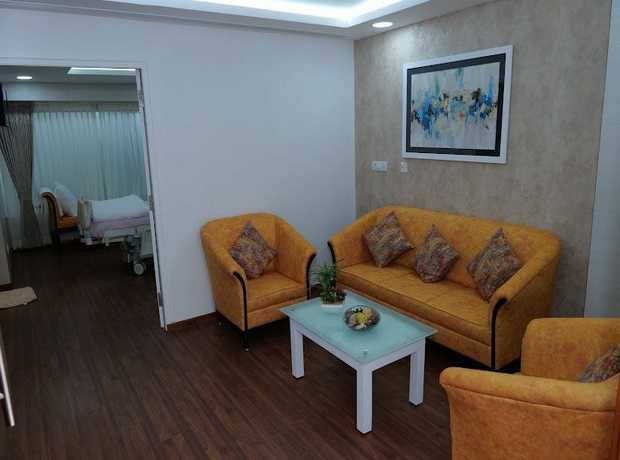
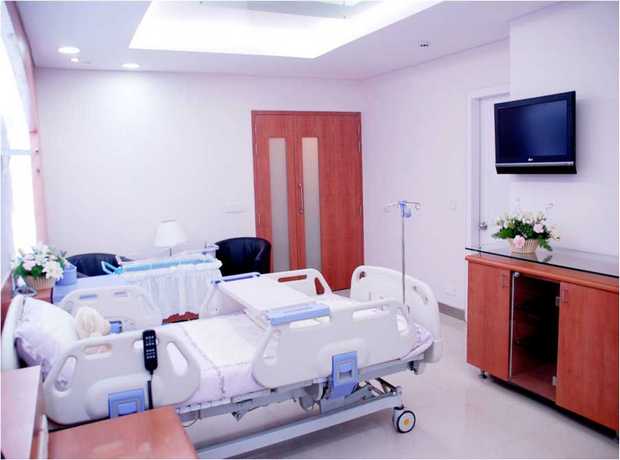
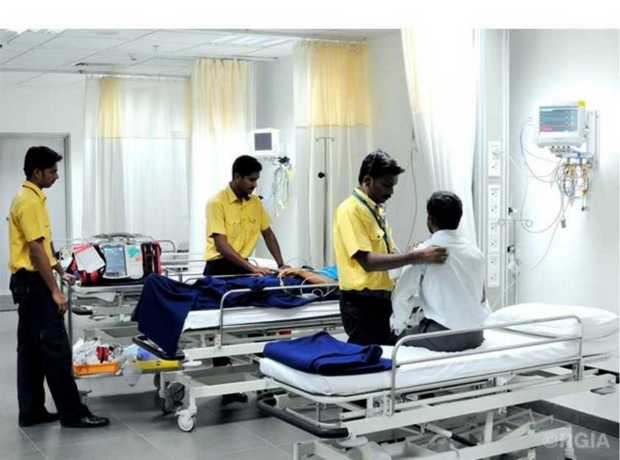
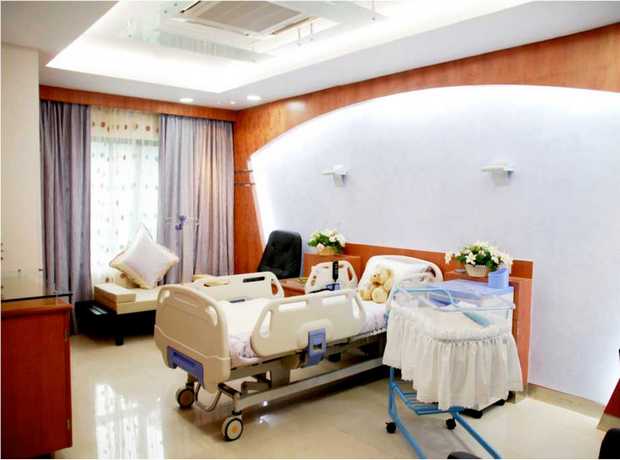
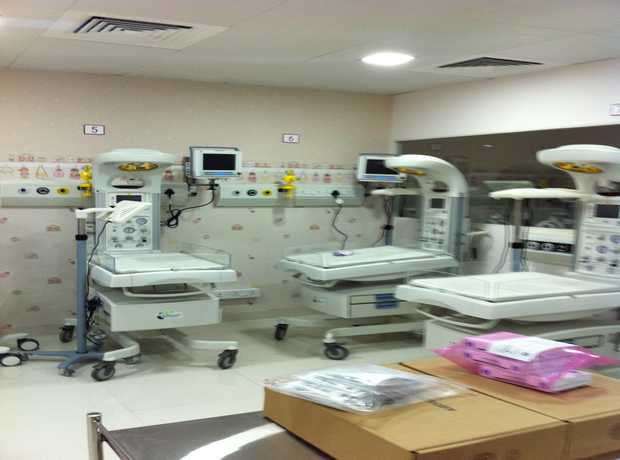
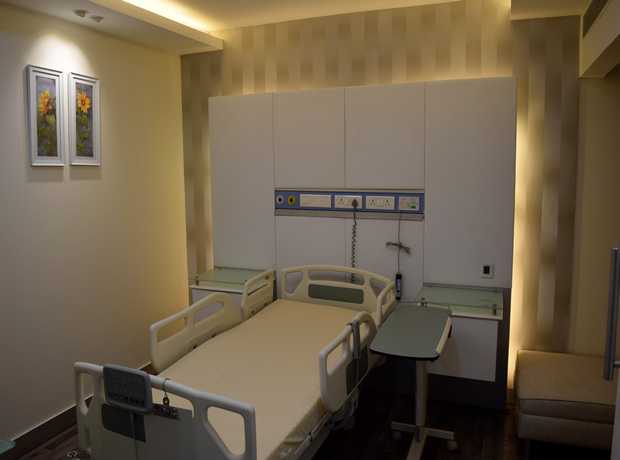
- Hospital Interior Design: We specialize in creating optimized care environments, from patient rooms, ICUs, and OTs to advanced diagnostic labs. Our designs focus on functionality, patient comfort, infection control, and staff efficiency, considering the intricate needs of healthcare facilities post-construction.
- Residential Projects: Delivering bespoke interior solutions for luxury apartments, premium condominiums, and senior housing, we ensure that design elegance meets everyday functionality and long-term livability. Our post-construction support ensures continued comfort and system performance for residents.
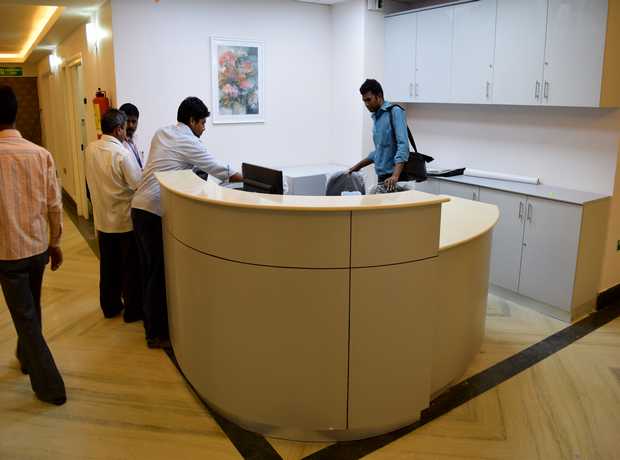
- Retail & Commercial Design: From dynamic shopping malls and corporate offices to engaging entertainment centers, our designs attract, inspire, and optimize operational flow. Our post-construction facility management support safeguards the seamless operation of critical retail and commercial infrastructure.
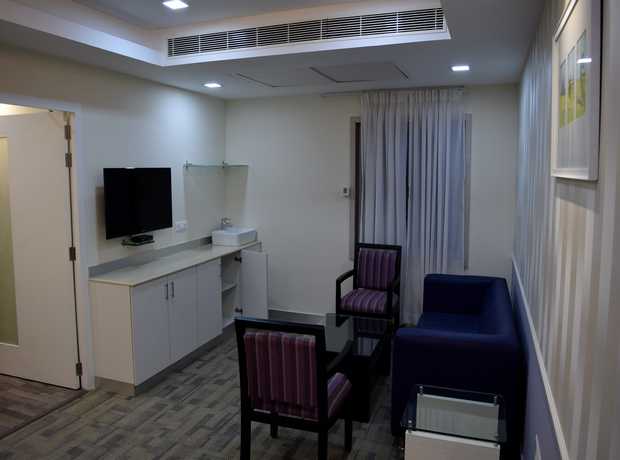
- Interior Solutions: We provide comprehensive space planning, sophisticated furniture layouts, and expert turnkey interior execution, managing every detail from concept to completion. Our holistic approach includes post-handover support to maintain the integrity and functionality of these meticulously crafted spaces.
Why Choose Skydome Designs for Your Abu Dhabi Projects
Choosing Skydome Designs means partnering with a firm that brings an exceptional blend of global vision and local precision:
- 29+ Years of Experience: Our deep-rooted expertise spans across India and international markets, including a significant footprint in Abu Dhabi, ensuring we bring a wealth of knowledge to every project.
- In-house Multidisciplinary Team: We boast a cohesive team of highly skilled architects, specialist healthcare planners, and experienced project managers, ensuring seamless coordination and expertise from design to post-construction.
- Award-Winning, Client-Focused, and Sustainable Designs: Our commitment to innovation, sustainability, and exceeding client expectations has earned us numerous accolades, reflecting our dedication to delivering spaces that are both beautiful and responsible.
- Projects Delivered On-Time, On-Budget, and to Global Standards: We pride ourselves on meticulous project management, ensuring that every project is completed efficiently, economically, and to the highest international quality benchmarks.
- Global Design Standards with Local Code Expertise in Abu Dhabi: We expertly merge world-class design principles with an intimate understanding of Abu Dhabi’s specific building codes, regulations, and environmental mandates (like Estidama), ensuring designs are compliant and culturally appropriate.
- Award‑winning Team, Transparent Costs, Milestone‑based Reporting in Abu Dhabi: Our award-winning professionals bring innovative solutions. We ensure complete financial clarity with transparent cost structures and keep you informed every step of the way through detailed, milestone-based reporting, giving you complete peace of mind throughout your project lifecycle in Abu Dhabi.
- Comprehensive Post-Occupancy Support: Beyond design and construction, our enduring commitment includes robust post-occupancy services, ensuring your facility operates flawlessly, its value is maintained, and its occupants are continually satisfied. This includes continuous monitoring, predictive maintenance, and operational optimization.
Ready to elevate your project’s longevity and efficiency in Abu Dhabi? Contact Skydome Designs today to discuss your post-construction facility management and support needs: Call us at +91 7299072144 or Email: info@skydomedesigns.com. Let our 29+ years of experience and 1550+ successful assignments safeguard your investment and optimize your facility’s performance.
With Skydome Designs, you gain a partner that delivers 1550+ post-construction facility management and support assignments across Abu Dhabi and globally over 29+ years. Our on‑time delivery of 99%, multi‑disciplinary reviews, and dedicated post-occupancy support consistently underpin successful outcomes for our clients. Choose Skydome Designs for unparalleled expertise in Abu Dhabi.
FAQ: Post-Construction Facility Management in Abu Dhabi
Here are some frequently asked questions about post-construction facility management and support in Abu Dhabi, offering quick insights into crucial aspects of operating and maintaining facilities in the emirate:
What is post-construction facility management?
Post-construction facility management encompasses all the activities necessary to operate, maintain, and improve a building or facility after it has been constructed and handed over. This comprehensive process includes a wide range of services such as ongoing maintenance (preventive, corrective, predictive), repairs, security, cleaning, waste management, energy management, space management, and ensuring regulatory compliance. It’s an ongoing, strategic discipline designed to ensure the facility operates efficiently, effectively, safely, and sustainably throughout its entire lifecycle, preserving its asset value and enhancing occupant experience.
Why is post-construction facility management important in Abu Dhabi?
Abu Dhabi’s rapidly expanding infrastructure, coupled with its ambitious economic and sustainability visions, makes effective facility management critically important. It ensures the longevity and preservation of significant capital investments, optimizes operational efficiency to reduce running costs, and guarantees compliance with local regulations and international standards (e.g., Estidama). Robust facility management practices also contribute significantly to the emirate’s sustainability goals, enhance the overall quality of life for building occupants, and support the integration of smart city technologies, all of which are vital for Abu Dhabi’s progressive landscape. (Outbound Authority Reference – Abu Dhabi’s Energy & Infrastructure Strategy)
What are the key considerations for sustainable construction and facility management in Abu Dhabi?
Key considerations for sustainable construction and facility management in Abu Dhabi revolve around environmental stewardship and resource efficiency, primarily guided by the Estidama Pearl Rating System. These include stringent measures for energy efficiency (e.g., high-performance building envelopes, smart HVAC systems, LED lighting, renewable energy integration), significant water conservation (e.g., low-flow fixtures, greywater recycling, smart irrigation), efficient waste reduction and recycling programs, and the responsible use of sustainable and locally sourced materials. Additionally, focusing on indoor environmental quality, promoting health and well-being, and integrating smart technologies for real-time monitoring and optimization are crucial for achieving and maintaining sustainability targets in the emirate.
How do I choose the right facility management company in Abu Dhabi?
Choosing the right facility management company in Abu Dhabi requires careful due diligence. Consider the company’s extensive experience and proven track record specifically within the Abu Dhabi market, their comprehensive understanding of local regulations (ADDC, Civil Defense, Estidama), and their commitment to quality and sustainability. Look for a partner with a strong in-house multidisciplinary team, transparent cost structures, robust reporting capabilities, and the ability to integrate advanced technology (FMS, IoT). Client testimonials, case studies, and a demonstration of their post-occupancy support and proactive maintenance strategies are also key indicators of their capability to deliver results and safeguard your investment. (Internal Link to Skydome Designs Section)
What is the role of technology in modern facility management in Abu Dhabi?
Technology plays a transformative role in modern facility management in Abu Dhabi, moving beyond traditional manual processes to intelligent, data-driven operations. This includes the implementation of advanced Building Management Systems (BMS) for centralized control of MEP, lighting, and security. Computer-Aided Facility Management (CAFM) or Integrated Workplace Management Systems (IWMS) are essential for asset tracking, work order management, and predictive maintenance. Furthermore, the integration of Internet of Things (IoT) sensors provides real-time data on environmental conditions, energy consumption, and equipment performance, which, when coupled with Artificial Intelligence (AI) and predictive analytics, enables proactive issue resolution, optimizes resource allocation, enhances security, and significantly improves energy efficiency, aligning with Abu Dhabi’s smart city vision.
How does Skydome Designs support facility management after construction in Abu Dhabi?
Skydome Designs provides unparalleled post-construction facility management and support in Abu Dhabi, drawing on 29+ years of global and local expertise and over 1550 successful assignments. Our support ensures your newly built assets operate at peak efficiency and retain their value. We offer comprehensive services including meticulous MEP systems inspection and optimization, implementation of robust Facility Management Systems, and adherence to sustainable practices and local regulations (Estidama). Our commitment extends to providing multi-disciplinary reviews, proactive post-occupancy support, transparent costs, and milestone-based reporting, all geared towards achieving a remarkable 99% on-time delivery. We ensure your facility seamlessly transitions from construction to sustainable, high-performance operation, securing your long-term investment. Contact us today to discuss how we can tailor our expert support for your next Abu Dhabi project: +91 7299072144 | info@skydomedesigns.com.
Conclusion
In the dynamic and forward-looking environment of Abu Dhabi, effective post-construction facility management and support is not merely an operational necessity but a strategic imperative. It forms the bedrock upon which the long-term success, value preservation, and sustainable performance of any project are built. By diligently following this comprehensive step-by-step guide – from initial planning and meticulous MEP system optimization to embracing smart sustainable practices, robust risk management, continuous performance evaluation, and strategic capital planning – stakeholders can ensure their investments thrive for decades to come.
The complexity of modern facilities, coupled with Abu Dhabi’s specific regulatory landscape and sustainability ambitions, underscores the critical importance of partnering with experienced and reliable professionals. Skydome Designs stands as your trusted expert, bringing nearly three decades of unparalleled experience and a sterling track record to your projects. With 1550+ successful post-construction facility management and support assignments delivered across Abu Dhabi and globally, boasting an exceptional 99% on-time delivery record, multi-disciplinary reviews, and dedicated post-occupancy support, we are uniquely positioned to underpin successful outcomes for your valuable assets.
Let Skydome Designs be your strategic partner in transforming your vision into an enduring, high-performing reality. Our award-winning team, commitment to transparent costs, and milestone-based reporting in Abu Dhabi provide you with confidence and control. Don’t leave the longevity and efficiency of your asset to chance. Contact us today at +91 7299072144 or info@skydomedesigns.com to discuss your project requirements and discover how our expertise guarantees results. Let’s build a better, more sustainable future, together, one impeccably managed facility at a time. Consider Skydome Designs for your next Abu Dhabi construction endeavor and experience the difference that true expertise makes.