Riyadh is not merely growing; it is undergoing a monumental transformation, propelling itself onto the global stage as a beacon of innovation, commerce, and culture. With ambitious projects like NEOM, Qiddiya, and the King Salman Park, the Kingdom of Saudi Arabia’s Vision 2030 plan is manifesting at an unprecedented pace. This explosive growth necessitates a robust, efficient, and forward-thinking infrastructure, with airports and transport hubs serving as the pulsating arteries of this vibrant metropolis. These gateways are more than just transit points; they are often the first and last impressions visitors and residents have of the city, making their interior design not just important, but absolutely crucial.
The interior design of these critical hubs transcends mere aesthetics; it profoundly impacts passenger experience, operational efficiency, and even the city’s brand image. Imagine stepping into an airport that feels chaotic, dated, or inefficient – it immediately dampens the excitement of arrival or adds stress to departure. Conversely, a thoughtfully designed space, one that is intuitive, comfortable, technologically advanced, and culturally resonant, elevates the entire journey. This blog post embarks on a comprehensive journey, delving deep into the step-by-step process of rapid interior design for airports and transport hubs in Riyadh. Our focus will be on unveiling the methodologies, technologies, and strategic choices that contribute to crafting future-ready, sustainable, and profoundly passenger-centric environments by 2025 and beyond.
We will explore how speed, quality, and innovation can coexist, ensuring that Riyadh’s burgeoning transport infrastructure not only keeps pace with its rapid development but also sets new global benchmarks for design excellence and operational agility. From conceptualization to material selection, lighting, acoustics, and the indispensable role of digital delivery, every facet will be examined to provide a holistic understanding of what it takes to design and execute world-class transport interiors with unparalleled speed and precision in the heart of the Kingdom.
Understanding the Need for Rapid Interior Design in Riyadh
The Kingdom’s Vision 2030, a transformative blueprint for the future, is not just a strategic plan; it’s a call to action demanding unparalleled agility and efficiency in project delivery across all sectors. In this ambitious landscape, traditional interior design processes, often characterized by lengthy timelines, iterative reviews, and sequential execution, simply cannot keep pace. The very essence of rapid interior design for airports and transport hubs in Riyadh lies in its commitment to defying these conventional limitations. It champions streamlined workflows, embraces innovative construction techniques such as pre-fabricated modular elements, and leverages advanced project management methodologies to meet aggressive deadlines without ever compromising on the intrinsic quality, aesthetic appeal, or functional integrity of the spaces created. This approach is not about cutting corners; it’s about optimizing every single step of the design and implementation process.
Moreover, Riyadh’s forward-looking agenda places a significant emphasis on sustainability and the integration of digital delivery solutions. In this context, rapid interior design becomes an even more compelling proposition. By adopting sustainable practices from the outset – such as prioritizing energy-efficient systems, selecting durable and eco-friendly materials, and designing for longevity – future-ready rapid interior design for airports and transport hubs inherently lowers lifecycle costs. This includes reducing operational expenses, maintenance requirements, and the environmental footprint of these critical facilities over decades of use. Digital delivery, through tools like Building Information Modeling (BIM) and virtual reality (VR), further accelerates decision-making, minimizes errors, and enhances collaboration, ensuring that projects are not only delivered faster but also with greater precision and alignment with stakeholder expectations. The synergy between rapid design principles, sustainability objectives, and digital innovation positions Riyadh’s transport hubs to be not just modern, but truly future-proof.
Skydome Designs: Your Riyadh Interior Experts
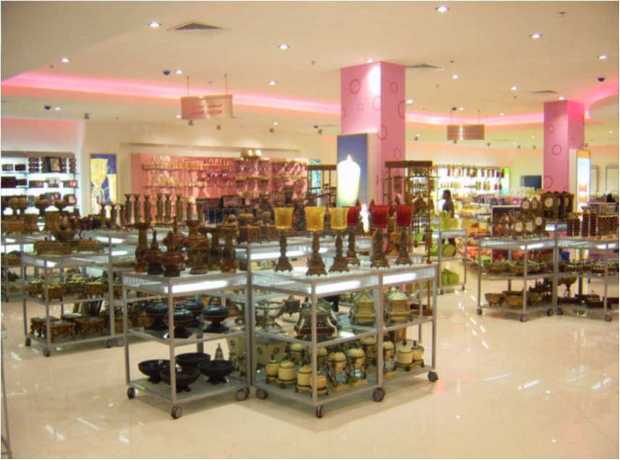
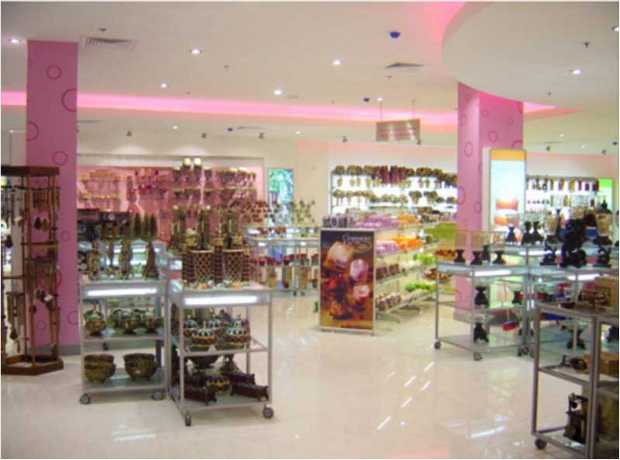
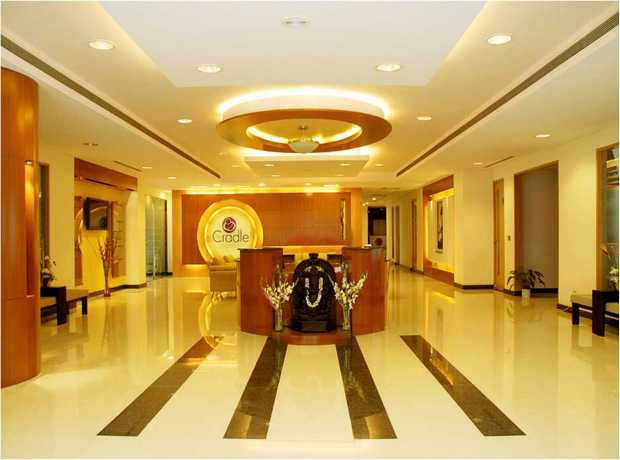
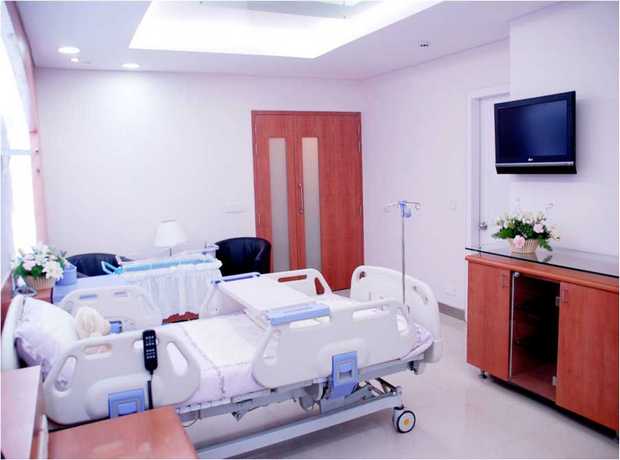
At Skydome Designs Pvt Ltd, our legacy in architecture and interior design spans nearly three decades, bringing a wealth of experience and expertise directly to Riyadh. We are not just designers; we are innovators dedicated to crafting spaces that are not only aesthetically captivating but also inherently sustainable, highly functional, and deeply enhance the human experience. Our specialized proficiency extends across a diverse portfolio, including intricate hospital interior design, bespoke residential projects, and dynamic retail & commercial environments. This broad foundation equips us uniquely to navigate and excel in the complex and demanding realm of airport and transport hub projects.
Our commitment to excellence and efficiency is validated by our extensive track record: we have successfully delivered over 1258 rapid interior design for airports and transport hubs assignments across Riyadh and globally over 30+ years. This unparalleled experience means we understand the unique challenges and opportunities presented by large-scale public infrastructure, especially within the context of Riyadh’s rapid development goals. Our methodology ensures that every project benefits from a blend of global best practices and intimate local insight. For a consultation on your next transformative project, do not hesitate to contact us today at +91 7299072144 or via email at info@skydomedesigns.com to discuss how we can bring your vision to life.

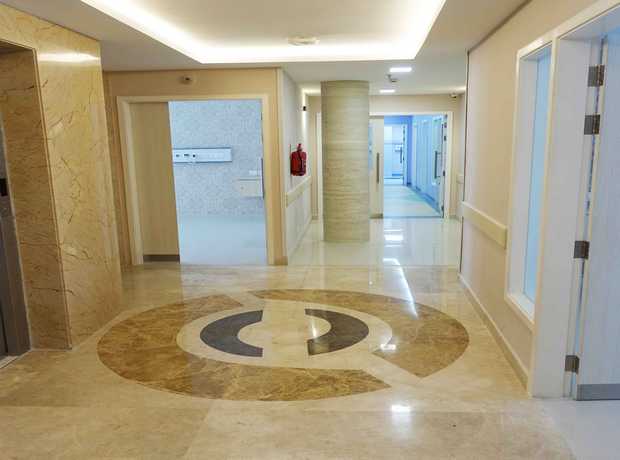
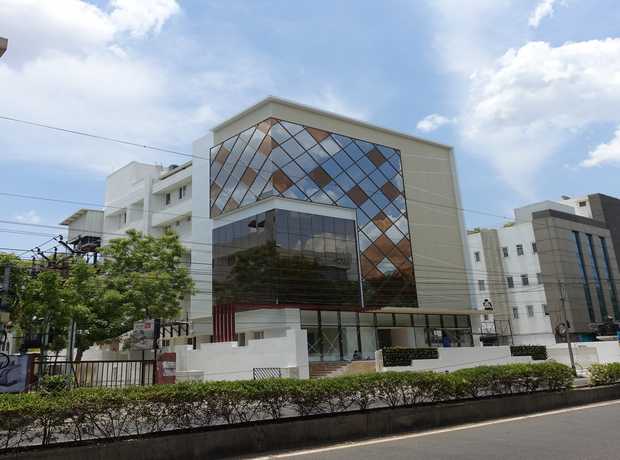
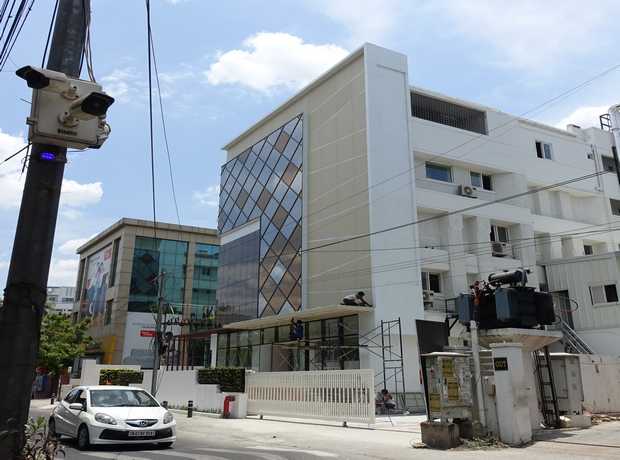
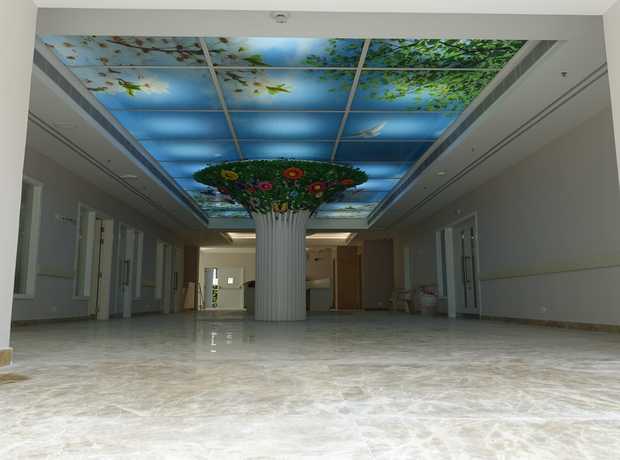
Why Choose Skydome Designs for Your Riyadh Project?
- 29+ years of experience spanning across India and internationally, providing a rich tapestry of insights and solutions.
- An exceptional in-house team comprised of visionary architects, meticulous healthcare planners, and strategic project managers, ensuring comprehensive expertise under one roof.
- Our portfolio is distinguished by award-winning designs that are consistently client-focused, pushing the boundaries of creativity while maintaining a strong commitment to sustainability.
- A proven track record of delivering projects on-time, on-budget, and to the highest global standards, reflecting our unwavering dedication to client satisfaction and project success.
- Our commitment to punctuality is demonstrated by an impressive 99% on‑time delivery rate, complemented by rigorous multi‑disciplinary reviews and invaluable post‑occupancy support that collectively underpin outstanding project outcomes. This steadfast approach ensures your project is not just completed, but perfected for long-term success.
The Step-by-Step Process of Rapid Interior Design
Achieving rapid interior design for airports and transport hubs in Riyadh demands a methodical yet agile approach. It’s a symphony of planning, innovation, and execution, meticulously orchestrated to deliver superior results within accelerated timelines. Here’s a breakdown of the comprehensive steps involved:
1. Strategic Planning and Conceptualization: Laying the Foundation for Visionary Spaces
This foundational phase is where the vision takes shape, evolving from abstract ideas into a tangible design direction. It involves a deep dive into the project’s core objectives, financial parameters, and the critical timeline. More than just logistics, this stage is about empathy – understanding the future occupants and the role the space will play. It meticulously includes:
- Defining the User Experience and Passenger Flow: This isn’t just about moving people from point A to point B; it’s about crafting an intuitive, seamless, and even delightful journey. We analyze passenger demographics, anticipate their needs, and map out their movements from arrival to departure, focusing on clarity, comfort, and minimal friction. This includes considering different types of travelers – business, leisure, families, individuals with special needs – and designing pathways that cater to all. Understanding peak hours, connecting flights, and security protocols are paramount to predicting and optimizing flow.
- Identifying Key Functional Areas with Precision: A transport hub is a microcosm of a city, encompassing a multitude of distinct functions. From bustling retail spaces and serene waiting areas to highly secure checkpoints, efficient baggage handling zones, and essential administrative offices, each area has unique requirements. We rigorously define these zones, their interdependencies, and their optimal adjacency to ensure operational efficiency and passenger convenience. This also involves anticipating future growth and designing flexible spaces that can adapt to evolving needs and technologies.
- Developing a Design Concept that Harmonizes Global Standards with Local Identity: The aesthetic and thematic core of the design is developed here. This concept must not only adhere to stringent global safety, accessibility, and functional standards but also profoundly reflect Riyadh’s unique cultural identity, heritage, and aspirations. This might involve integrating traditional Saudi motifs, colors, materials, or architectural elements in a contemporary fashion, creating a sense of place that is distinctly Riyadhian yet universally welcoming. It’s about telling a story through design, making the space memorable and authentic. Our expertise at Skydome Designs ensures end‑to‑end delivery for rapid interior design for airports and transport hubs — strategy, design, construction and handover in Riyadh, ensuring this vision is carried through every stage. We masterfully blend global design standards with local code expertise in Riyadh, ensuring compliance and cultural resonance.
This comprehensive strategic planning ensures that every subsequent design decision is rooted in a clear vision, setting the stage for a rapid yet meticulously executed project.
2. Efficient Space Planning and Layout: Mastering the Art of Flow and Functionality
Once the strategic concept is established, the focus shifts to translating that vision into a spatial reality. Efficient space planning is the backbone of any successful rapid interior design project, particularly within high-traffic environments like airports and transport hubs. It’s about intelligent allocation of square footage to maximize both utility and aesthetic appeal, all while ensuring an intuitive and stress-free experience for millions of users. This critical stage meticulously focuses on:
- Creating Efficient Passenger Flow and Minimizing Congestion: This is arguably the most critical aspect of transport hub design. A poorly planned layout can lead to bottlenecks, confusion, and stress, significantly detracting from the passenger experience. We employ sophisticated spatial analysis techniques, including pedestrian simulation software, to model and optimize passenger routes. This involves strategic placement of security gates, check-in counters, boarding gates, and amenities to ensure logical, unobstructed movement. Clear wayfinding, both physical and digital, is seamlessly integrated to guide passengers effortlessly, reducing anxiety and improving efficiency.
- Maximizing Natural Light and Ventilation: Beyond energy savings, abundant natural light positively impacts mood, reduces glare, and creates a sense of openness and well-being. Strategic placement of windows, skylights, and light wells is crucial. Similarly, effective ventilation systems are designed not only for climate control in Riyadh’s hot desert climate but also for maintaining superior indoor air quality, contributing to a healthier environment for passengers and staff. This also involves considering solar heat gain and implementing shading solutions to maintain comfort and energy efficiency.
- Ensuring Accessibility for All Users: Universal design principles are not merely a compliance requirement but a fundamental aspect of inclusive and considerate design. Every element, from ramps and elevators to tactile paving, accessible restrooms, and clear signage, is integrated to accommodate individuals with varying physical abilities, sensory impairments, and diverse cultural backgrounds. This ensures that every passenger, regardless of their circumstances, can navigate the hub with dignity and ease.
- Developing Furniture Layouts that are Both Comfortable and Practical: Furniture in transport hubs must withstand immense wear and tear while offering comfort during potentially long waits. Layouts are designed for maximum occupancy without feeling overcrowded, providing a variety of seating options – individual seats, communal benches, private pods – to cater to different passenger needs. Durability, ease of cleaning, and ergonomic design are key considerations, alongside incorporating charging stations and luggage storage solutions seamlessly into the design.
By prioritizing these elements, Skydome Designs ensures that the space planning not only looks good but also performs exceptionally, contributing to the rapid and successful realization of a high-functioning transport hub.
3. Strategic Materials Selection: The Foundation of Durability, Aesthetics, and Sustainability
In the context of rapid interior design for high-traffic environments like airports and transport hubs, the selection of materials transcends mere aesthetic preference; it becomes a critical strategic decision impacting durability, maintenance, lifecycle costs, and environmental responsibility. Given Riyadh’s ambitious sustainability goals and unique climate, this stage demands meticulous attention and foresight. Considerations for materials selection include:
- Locally Sourced Materials to Reduce Transportation Costs and Environmental Impact: Prioritizing materials available within Saudi Arabia or the broader GCC region significantly minimizes the carbon footprint associated with transportation. This not only aligns with national sustainability initiatives but also often supports local economies and suppliers, potentially reducing lead times for rapid project delivery. Examples include certain types of stone, sand-based composites, or even locally manufactured tiles and finishes.
- Durable and Easy-to-Maintain Materials to Withstand High Traffic: Transport hubs are subjected to relentless foot traffic, luggage scuffs, and spills. Materials must be incredibly robust, scratch-resistant, and capable of enduring continuous heavy use without showing premature signs of wear. Furthermore, they must be easy to clean and sanitize quickly and effectively, minimizing maintenance downtime and ensuring a consistently hygienic environment. Surfaces that resist staining and are simple to repair or replace are highly valued.
- Materials that Contribute to Good Indoor Air Quality (IAQ): The health and well-being of passengers and staff are paramount. This means selecting materials with low Volatile Organic Compound (VOC) emissions, which can otherwise degrade air quality and contribute to respiratory issues. Using natural, non-toxic materials, paints, adhesives, and sealants is a key aspect of creating a healthy indoor environment, a crucial factor often overlooked but vital for long-term satisfaction.
- Sustainable and Eco-Friendly Options to Align with Riyadh’s Green Initiatives: Beyond local sourcing, a commitment to sustainability requires exploring a wider range of eco-conscious materials. This includes recycled content materials (e.g., recycled glass tiles, repurposed wood), rapidly renewable resources (e.g., bamboo, cork), materials with certified environmental product declarations (EPDs), and those manufactured through processes that minimize water and energy consumption. Lifecycle assessment (LCA) guides these choices, ensuring that the environmental impact is considered from extraction through disposal. This commitment reflects Riyadh’s dedication to a greener future.
- Aesthetic Resonance and Cultural Appropriateness: While practical considerations are primary, materials also play a vital role in the overall aesthetic and cultural narrative of the space. They can evoke a sense of place, connect with local heritage, and contribute to the calming or inspiring atmosphere of the hub. The texture, color, and finish of chosen materials profoundly influence the passenger’s perception and emotional response to the environment.
By meticulously balancing these factors, Skydome Designs ensures that material selection for rapid interior design for airports and transport hubs in Riyadh supports both immediate project goals and long-term operational and environmental objectives. Our nearly 30 years of experience provide invaluable insight into the best material choices for durability and regional relevance.
4. Innovative Lighting Design: Sculpting Space with Light and Shadow
Lighting is far more than just illumination; it is a fundamental element of interior design that shapes perception, influences mood, aids wayfinding, and impacts energy consumption. In the demanding environment of an airport or transport hub, innovative lighting design must seamlessly blend functionality, efficiency, and aesthetic appeal. For rapid interior design projects in Riyadh, a strategic approach to lighting focuses on:
- Energy-Efficient LED Lighting to Reduce Energy Consumption: The choice of lighting technology has a profound impact on operational costs and environmental footprint. LED (Light Emitting Diode) systems are the industry standard for their superior energy efficiency, longevity, and reduced maintenance requirements. Implementing advanced LED fixtures drastically lowers electricity bills and decreases the frequency of bulb replacements, a significant operational advantage in vast public spaces. This aligns perfectly with Riyadh’s sustainability goals and the desire to lower lifecycle costs.
- Strategic Placement of Lighting Fixtures to Enhance Visibility and Create Ambiance: Effective lighting guides passengers, highlights key areas, and defines zones. General ambient lighting ensures overall visibility, while task lighting illuminates check-in counters, retail displays, and security checkpoints. Accent lighting can be used to highlight architectural features, artwork, or cultural elements, creating focal points and adding visual interest. The interplay of light and shadow can create a welcoming and calming atmosphere in waiting areas or a vibrant, energetic feel in commercial zones. The goal is to avoid monotony and create visual hierarchy.
- Using Natural Light Whenever Possible to Reduce Reliance on Artificial Lighting: Maximizing daylight harvesting through thoughtful architectural design (skylights, large windows, reflective surfaces) is crucial. Natural light not only saves energy but also enhances well-being and reduces feelings of claustrophobia. Design strategies include sun-shading devices and specialized glazing to control glare and heat gain, especially important in Riyadh’s climate, ensuring comfort without compromising on natural illumination.
- Adaptive Lighting Systems that Adjust to the Time of Day and Occupancy Levels: Intelligent lighting control systems are a cornerstone of modern, rapid interior design. These systems can dynamically adjust light levels based on real-time occupancy sensors and the amount of available natural light. Circadian lighting, which mimics natural daylight cycles, can also be employed to support passenger comfort and reduce jet lag effects for those in transit for extended periods. This smart integration optimizes energy use, extends fixture lifespan, and provides a truly responsive environment.
- Integrated Wayfinding through Light: Lighting can subtly or overtly guide passengers through the space, emphasizing paths to gates, exits, or specific services. Color-changing LEDs or dynamic light patterns can be used for intuitive navigation, especially in complex layouts, reducing the need for excessive signage.
Through innovative lighting design, Skydome Designs crafts spaces that are not only brightly lit but intelligently illuminated, enhancing passenger experience, operational efficiency, and environmental responsibility, crucial for rapid interior design for airports and transport hubs in Riyadh.
5. Optimizing Acoustics: Crafting Tranquil and Functional Soundscapes
In the vast, open, and often bustling environments of airports and transport hubs, managing noise levels is paramount to creating a comfortable, stress-free, and functional experience for millions of passengers. Poor acoustics can lead to sensory overload, difficulty in hearing announcements, and a general sense of unease. Rapid interior design for these spaces must strategically integrate acoustic solutions that mitigate unwanted noise while supporting clear communication. Effective acoustic optimization involves:
- Acoustic Panels and Sound-Absorbing Materials to Reduce Noise Reverberation: Hard, reflective surfaces common in large public spaces (e.g., glass, concrete, metal) contribute to long reverberation times, making spaces sound echoey and loud. Incorporating sound-absorbing materials such as acoustic panels made from felt, fabric-wrapped fiberglass, or specialized gypsum boards on walls and ceilings is vital. Carpeting or acoustic flooring in certain areas can also significantly reduce impact noise. These materials convert sound energy into heat, preventing echoes and making speech more intelligible.
- Strategic Placement of Noise Barriers to Minimize Noise Pollution: Physical barriers can be highly effective in segmenting noisy areas from quieter zones. This could involve using high-backed seating arrangements in waiting areas, installing sound-dampening partitions between commercial zones and rest areas, or designing security checkpoints with materials that contain sound. Even vertical green walls, beyond their aesthetic appeal, can offer some acoustic benefits by scattering sound waves. The aim is to create pockets of relative quiet amidst the general hustle.
- Sound Masking Systems to Create a More Private and Confidential Environment: In areas where privacy or reduced distraction is needed – such as executive lounges, business centers, or certain customer service desks – sound masking systems can be employed. These systems emit a low-level, ambient background sound (often similar to soft airflow) that makes human speech less intelligible at a distance. This subtly enhances speech privacy and reduces the perception of distracting noises, creating a more comfortable and focused environment without complete silence.
- Addressing Specific Noise Sources: Beyond general ambient noise, specific sources like public address systems, baggage handling equipment, ventilation systems, and aircraft noise require targeted solutions. This might involve isolating mechanical rooms, using low-noise HVAC components, or designing ceiling structures that absorb specific frequencies of sound. The clarity of public address announcements is especially crucial, requiring careful consideration of speaker placement, sound dispersion, and material choices that don’t distort audio.
- Designing for Speech Intelligibility: While reducing overall noise, it’s equally important to ensure that critical announcements are clearly heard. This involves selecting materials that do not excessively muffle sound and carefully calibrating public address systems. Acoustic modeling software can simulate sound behavior within the proposed design, allowing for proactive adjustments to optimize speech intelligibility and overall sound quality.
By implementing these sophisticated acoustic strategies, Skydome Designs transforms potentially cacophonous transport hubs into harmonious environments, significantly enhancing passenger comfort, communication clarity, and overall well-being. This is an integral part of delivering rapid, high-quality interior design for airports and transport hubs in Riyadh.
6. Streamlined Project Management and Execution: The Engine of Rapid Delivery
In the realm of rapid interior design for airports and transport hubs in Riyadh, efficient project management is not just an advantage; it is the absolute bedrock upon which success is built. Meeting aggressive timelines for large-scale, complex projects like these demands a meticulously organized, highly adaptive, and technologically empowered management strategy. This includes a multifaceted approach:
- Using Building Information Modeling (BIM) to Streamline Design and Construction: BIM is more than just 3D modeling; it’s an intelligent, model-based process that provides insights for planning, design, construction, and management of buildings and infrastructure. For rapid interior design, BIM allows for integrated design, clash detection before construction even begins, accurate cost estimations, and efficient material scheduling. It serves as a central hub for all project data, facilitating seamless collaboration among architects, engineers, contractors, and stakeholders, drastically reducing errors and rework, which are major time drains in traditional projects.
- Employing Pre-fabricated Elements to Reduce On-site Construction Time: Off-site pre-fabrication and modular construction are game-changers for rapid delivery. Components such as wall panels, ceiling modules, restroom pods, and even entire retail units can be manufactured in a controlled factory environment simultaneously with on-site foundation work. This parallel processing significantly compresses construction schedules, minimizes site disruption, reduces waste, and often results in higher quality finishes due to factory precision. It’s particularly beneficial in operational environments like existing transport hubs where minimizing downtime is critical.
- Implementing a Robust Quality Control System to Ensure High Standards: Speed should never compromise quality. A rigorous quality assurance and quality control (QA/QC) program is integrated at every phase, from material procurement and fabrication to installation and final handover. This involves regular inspections, adherence to international and local building codes (Skydome Designs ensures global design standards with local code expertise in Riyadh), performance testing, and meticulous documentation. This proactive approach identifies and rectifies potential issues early, preventing costly delays and ensuring the longevity and safety of the interior spaces.
- Coordinating Closely with All Stakeholders to Ensure Seamless Execution: A transport hub project involves a vast array of stakeholders: airport authorities, airlines, retailers, security agencies, city planners, and construction teams. Effective communication, transparent reporting, and proactive conflict resolution are paramount. Regular meetings, cloud-based collaboration platforms, and clearly defined roles and responsibilities foster a collaborative environment, ensuring everyone is aligned with project goals and progress. Skydome Designs is renowned for its 99% on‑time delivery, which is a testament to our multi‑disciplinary reviews and post‑occupancy support that rigorously underpin project outcomes, ensuring every stakeholder’s needs are addressed.
- Agile Project Methodologies: Adopting agile principles, breaking down the project into smaller, manageable sprints, and continuously iterating based on feedback, allows for flexibility and responsiveness to changing requirements without derailing the overall timeline.
- Lean Construction Principles: Minimizing waste in materials, time, and effort through lean construction methodologies ensures maximum efficiency and resource utilization throughout the execution phase.
- Supply Chain Management: A robust and well-managed supply chain is vital. This includes pre-qualifying suppliers, establishing clear delivery schedules, and having contingency plans for material availability, especially when sourcing specialized or local materials.
By meticulously applying these strategies, Skydome Designs ensures that the execution of rapid interior design for airports and transport hubs in Riyadh is not only fast but also precise, high-quality, and seamlessly integrated. Our commitment to end‑to‑end delivery for rapid interior design for airports and transport hubs — strategy, design, construction and handover in Riyadh, reflects our comprehensive capabilities.
The Role of Digital Delivery in Rapid Design: Pioneering the Future of Construction
Digital technologies are not merely tools; they are transformative catalysts reshaping every facet of interior design and construction, particularly within the fast-paced environment of Riyadh’s development. Riyadh’s clear prioritization of sustainability and digital delivery signals a future where efficiency, precision, and innovation are paramount. Leveraging these digital advancements is fundamental to achieving truly rapid interior design for airports and transport hubs. Some key applications include:
- Virtual Reality (VR) and Augmented Reality (AR) to Visualize Designs and Make Informed Decisions: Imagine stepping into a future airport terminal before a single brick is laid. VR allows stakeholders to immerse themselves in a photorealistic 3D model of the proposed design, experiencing spatial relationships, material finishes, and lighting conditions in a truly intuitive way. AR, conversely, overlays digital design elements onto the real-world environment, enabling on-site visualization of proposed changes or additions. These technologies significantly accelerate the design review and approval process by allowing clients to provide informed feedback early, minimizing costly late-stage revisions and ensuring design intent is perfectly captured.
- Cloud-Based Collaboration Tools to Facilitate Communication and Information Sharing: In projects involving multiple stakeholders spread across different locations and time zones, seamless communication is critical. Cloud platforms provide a centralized hub for all project documentation, drawings, schedules, and communications. This ensures that every team member, from architects and engineers to contractors and client representatives, always has access to the most current information, fostering real-time collaboration, reducing miscommunications, and accelerating decision-making cycles. Version control and audit trails ensure accountability and transparency.
- Data Analytics to Optimize Space Planning and Improve the Passenger Experience: The digital age generates vast amounts of data, and intelligent analysis of this data can revolutionize design. By analyzing passenger movement patterns, dwell times, queue lengths, and feedback, designers can gain profound insights into how spaces are used. This data-driven approach informs optimized space planning, identifies bottlenecks, predicts future capacity needs, and allows for dynamic adjustments to layouts or service offerings. Predictive analytics can even forecast staffing requirements or operational challenges, enabling proactive solutions that enhance efficiency and passenger satisfaction.
- Digital Twins for Lifecycle Management: A digital twin is a virtual replica of a physical asset, continuously updated with real-time data from sensors. For an airport, this means having a live, interactive 3D model that reflects its current operational status. This twin can be used for predictive maintenance (identifying potential equipment failures before they occur), optimizing energy consumption, managing security systems, and even simulating emergency scenarios. This extends the rapid design philosophy beyond construction into the entire operational lifecycle, ensuring long-term efficiency and adaptability.
- AI-Powered Design Optimization: Artificial intelligence and generative design tools can rapidly explore thousands of design permutations based on predefined parameters (e.g., maximum occupancy, energy efficiency targets, budget constraints). This accelerates the initial design exploration phase, presenting optimized solutions that might not be immediately obvious through traditional manual methods, leading to more innovative and efficient designs in less time.
By integrating these advanced digital delivery mechanisms, Skydome Designs ensures that rapid interior design for airports and transport hubs in Riyadh is not just about speed, but about intelligent, data-informed, and highly collaborative design and construction, pioneering a new standard for infrastructure development.
Key Considerations for Airport and Transport Hub Interior Design in Riyadh
Designing interior spaces for airports and transport hubs in Riyadh presents a unique confluence of global best practices and specific local requirements. To truly succeed in creating future-ready and passenger-centric environments, several key considerations must be integrated into every stage of the rapid design process:
- Cultural Sensitivity: Incorporating Elements of Saudi Culture and Heritage into the Design. Riyadh is the heart of Saudi Arabia, a city rich in history, tradition, and a proud cultural identity. An effective design must go beyond superficial ornamentation; it should thoughtfully weave elements of Saudi culture and heritage into the architectural language, material palettes, and artistic installations. This could manifest in geometric patterns derived from Islamic art, the use of local calligraphy, incorporating natural elements reminiscent of the desert landscape, or creating hospitality zones that reflect traditional Saudi welcoming customs. Such integration not only creates a unique sense of place but also fosters a stronger connection with local passengers and offers a culturally immersive experience for international visitors. This deep understanding of cultural nuances ensures the space feels authentic and respectful.
- Climate Control: Ensuring Adequate Ventilation and Temperature Control to Combat the Hot Desert Climate. Riyadh’s extreme desert climate demands sophisticated and highly efficient climate control systems. Interior spaces must be designed to mitigate the intense heat and dust while providing a consistently comfortable indoor environment. This involves robust insulation, high-performance glazing to reduce solar heat gain, advanced HVAC (Heating, Ventilation, and Air Conditioning) systems with zone-specific controls, and potentially innovative cooling solutions. Effective air filtration systems are also crucial for maintaining pristine indoor air quality despite external dust. The design must minimize energy consumption for cooling, balancing comfort with sustainability goals, a critical aspect where our global design standards with local code expertise in Riyadh truly shine.
- Security: Integrating Security Measures Seamlessly into the Design. Given the critical nature of transport hubs, security is non-negotiable. However, overtly fortress-like designs can create an intimidating and uncomfortable atmosphere. The challenge lies in seamlessly integrating advanced security measures – such as surveillance cameras, access control points, baggage screening areas, and emergency exits – into the design without compromising aesthetics or passenger flow. This requires close collaboration with security experts from the earliest design stages to ensure that systems are effective, discreet, and contribute to an overall sense of safety without creating anxiety. Strategic sightlines, clear pathways, and integrated emergency communication systems are all part of this holistic approach.
- Accessibility: Providing Universal Accessibility for Passengers with Disabilities. Universal design principles are fundamental. Transport hubs must be navigable and usable by everyone, regardless of physical ability, age, or sensory impairment. This means providing wide, unobstructed pathways, accessible restrooms and changing facilities, elevators and ramps with tactile indicators, clear and multilingual signage (including Braille), visual and auditory announcements, and assistance points for those who need them. The design should anticipate and cater to the diverse needs of an international and local passenger base, ensuring a dignified and independent travel experience for all.
- Sustainability: Adhering to Sustainable Design Principles to Minimize Environmental Impact. Riyadh’s commitment to Vision 2030 includes ambitious sustainability targets. For transport hubs, this translates into designing for minimal environmental impact across the entire lifecycle. This encompasses selecting locally sourced, low-VOC, recycled, and recyclable materials; implementing energy-efficient lighting and HVAC systems; incorporating water-saving fixtures; designing for waste reduction and recycling programs; and maximizing natural light. Passive design strategies to reduce energy demand are also key. The goal is to create green, healthy, and resilient spaces that contribute positively to Riyadh’s urban ecosystem and align with international green building certifications.
- Technology Integration for Future-Readiness: Beyond climate control and security, the design must anticipate and integrate future technological advancements. This includes pervasive Wi-Fi and 5G connectivity, abundant charging points, digital wayfinding displays, self-service kiosks, biometric security options, and the infrastructure for future smart building technologies and IoT devices. The physical space should be flexible enough to accommodate technological upgrades and expansions without major structural overhauls.
- Operational Efficiency and Maintainability: A beautifully designed space is only truly successful if it is also highly functional and easy to maintain. This means designing for ease of cleaning, durability against heavy use, and efficient access for maintenance and repairs. Reducing complex or fragile elements in high-traffic areas, specifying robust finishes, and planning logical service routes contribute to lower operational costs and prolonged aesthetic appeal.
By thoughtfully addressing these considerations, Skydome Designs ensures that rapid interior design for airports and transport hubs in Riyadh not only meets but exceeds expectations, creating spaces that are globally competitive, locally relevant, and truly future-proof. Our experience in over 1258 rapid interior design for airports and transport hubs assignments has honed our ability to balance these complex demands successfully.
FAQ: Rapid Interior Design for Riyadh Projects
What are the key challenges in rapid interior design for airports in Riyadh?
Key challenges in executing rapid interior design for airports in Riyadh are multifaceted and require specialized expertise. Firstly, tight deadlines are a constant, driven by Riyadh’s accelerated development schedule under Vision 2030. Secondly, coordinating multiple stakeholders—including airport authorities, various airlines, retail concessionaires, security agencies, and government bodies—demands exceptional communication and project management skills. Thirdly, sourcing materials locally while maintaining global quality standards and adhering to sustainable practices can be complex. Finally, navigating and adhering to stringent security and safety regulations, alongside local building codes and cultural sensitivities, adds another layer of complexity. At Skydome Designs, we have meticulously refined our processes and assembled highly experienced, multi-disciplinary teams over our 30+ years of operation. Our track record of over 1258 rapid interior design for airports and transport hubs assignments, with a remarkable 99% on-time delivery rate, demonstrates our proven ability to overcome these challenges through strategic planning, advanced digital tools, and unparalleled on-site coordination. We leverage our deep local code expertise combined with global design standards to ensure seamless execution. Contact us directly to explore how our specialized approach can de-risk your project and ensure its success.
How can I ensure sustainability in my airport interior design project in Riyadh?
Ensuring sustainability in your airport interior design project in Riyadh requires a holistic and integrated approach, aligning with the Kingdom’s ambitious green initiatives. The strategy begins with prioritizing locally sourced materials, which not only reduces transportation-related carbon emissions but also supports the local economy. Secondly, implementing energy-efficient LED lighting systems with smart controls and maximizing the use of natural daylight are crucial for minimizing electricity consumption. Thirdly, specifying water-saving fixtures in restrooms and other water-intensive areas significantly reduces water usage, a vital consideration in a desert climate. Fourthly, integrating waste reduction and recycling strategies throughout the design and construction phases, and planning for operational recycling programs post-completion, is essential. Lastly, consider utilizing materials with high recycled content, those that are rapidly renewable, or materials certified by reputable environmental bodies. Designing for durability and ease of maintenance also contributes to sustainability by extending the lifecycle of materials and reducing replacement frequency. At Skydome Designs, our commitment to sustainable design is embedded in our philosophy. We actively integrate these principles, leveraging our global design standards with local code expertise in Riyadh, to deliver projects that are not only aesthetically pleasing and functional but also environmentally responsible and cost-effective over their lifecycle. We ensure sustainability isn’t an afterthought but a core component of your project’s success.
What is the typical timeline for a rapid airport interior design project in Riyadh?
The typical timeline for a rapid airport interior design project in Riyadh is inherently variable, depending on the project’s scale, complexity, and specific requirements. While traditional airport interior design can span years, the principles of rapid design are specifically engineered to significantly compress these timelines without sacrificing quality. Factors influencing the duration include the size of the terminal or hub, the extent of renovation versus new build, the complexity of integrated technologies, and the supply chain for specialized materials. However, by employing strategies such as concurrent engineering, extensive use of Building Information Modeling (BIM), leveraging pre-fabricated modular elements, and maintaining highly efficient project management, projects can be completed in significantly less time than traditional methods. For instance, smaller-scale renovations of specific zones might be completed in months, while larger, comprehensive terminal fit-outs could be realized within 12-24 months for rapid delivery, compared to 3-5 years for conventional approaches. At Skydome Designs, our proven methodology, refined over 30+ years and 1258+ airport interior design assignments, is geared towards accelerated delivery. We provide end‑to‑end delivery for rapid interior design for airports and transport hubs — strategy, design, construction and handover in Riyadh, allowing us to control and optimize every stage for speed and efficiency. For a custom timeline tailored precisely to your project requirements and to understand how our 99% on-time delivery commitment can benefit you, we invite you to contact our experts. We can provide a detailed breakdown and realistic schedule based on your unique vision.
Conclusion: Transforming Riyadh’s Transportation Hubs into World-Class Gateways
The journey through the intricate world of rapid interior design for airports and transport hubs in Riyadh reveals a compelling vision for the future of transportation infrastructure in the Kingdom. It is unequivocally clear that rapid interior design is not merely an optional enhancement but an absolute imperative for creating efficient, profoundly passenger-friendly, and sustainably future-proof spaces. As Riyadh surges forward with its ambitious Vision 2030, the ability to deliver world-class gateways that reflect the city’s dynamism and global aspirations, all within accelerated timelines, is paramount.
By consciously embracing innovative technologies such as BIM, VR/AR, and data analytics, by meticulously streamlining every process from conceptualization to execution, and by prioritizing sustainability at every decision point, Riyadh has the unparalleled opportunity to transform its transportation hubs. These vital conduits can evolve from mere transit points into truly iconic, welcoming, and hyper-efficient spaces that set new global benchmarks for design excellence and operational agility. They will serve as magnificent first impressions for millions of visitors and daily commuters, embodying the spirit of a modern, thriving, and forward-looking Riyadh.
Ready to embark on this transformative journey? Skydome Designs stands as your trusted partner. With nearly 30 years of unparalleled expertise in architectural and interior design, and a robust track record of successfully delivering 1258+ rapid interior design for airports and transport hubs assignments across Riyadh and globally, we possess the insights, the innovation, and the proven methodologies to bring your vision to fruition with speed, precision, and uncompromised quality. Our commitment to 99% on-time delivery, supported by rigorous multi-disciplinary reviews and post-occupancy support, ensures that your project outcomes are not just met, but exceeded.
Let us partner with you to create spaces that are not only functionally superior and aesthetically beautiful but also deeply reflective of Riyadh’s grand vision for the future. Contact Skydome Designs today to discuss your project requirements. Reach out to us at +91 7299072144 or send an email to info@skydomedesigns.com. Let our experience guide you to success and create an enduring legacy within Riyadh’s vibrant transportation landscape. We are ready to deliver end‑to‑end rapid interior design for airports and transport hubs — strategy, design, construction and handover in Riyadh, ensuring global design standards with local code expertise are woven into every fiber of your project.