As Chennai, a vibrant metropolis, continues its remarkable urban expansion, the call for sustainable interior solutions is not just growing; it’s becoming an indispensable imperative. The year 2025 marks a crucial turning point, with evolving building codes, heightened environmental awareness among residents and businesses, and a global shift towards responsible resource management driving this significant change. This comprehensive guide offers a meticulous, step-by-step approach to seamlessly implementing sustainable interior solutions for a diverse range of projects across Chennai, ensuring spaces are not only aesthetically captivating but also environmentally benign, energy-efficient, and conducive to well-being. From residential havens to bustling commercial hubs and critical healthcare facilities, the principles outlined here provide a robust framework for creating interiors that stand the test of time, both in design and ecological footprint.
The Imperative for Sustainable Interiors in Chennai’s Evolving Landscape
Chennai’s unique tropical climate, coupled with its rapid urbanization and infrastructural development, presents a distinctive set of challenges and, equally, unparalleled opportunities for pioneering sustainable design. The city grapples with issues ranging from water scarcity and increased energy demands to the urban heat island effect and waste management. In this context, embracing eco-friendly practices in interior design transcends mere trend; it transforms into a fundamental necessity for forging a healthier, more resilient, and resource-efficient future for all Chennaiites. A deep understanding of Chennai’s specific environmental, social, and economic context is absolutely crucial for the successful implementation of any sustainable interior project. It’s about designing with the local environment in mind, harnessing natural advantages, and mitigating potential drawbacks.
Why Sustainability is No Longer Optional for Chennai Projects
- Reduced Environmental Impact: Sustainable interior design actively works to minimize the carbon footprint associated with construction and ongoing operations. This involves reducing energy consumption, conserving water, specifying materials with lower embodied energy, and diverting construction waste from landfills. By making conscious choices, we contribute directly to mitigating climate change and preserving Chennai’s natural ecosystems, including its coastal areas and green spaces.
- Improved Indoor Air Quality (IAQ): Conventional building materials and finishes often release volatile organic compounds (VOCs) and other harmful chemicals, significantly compromising indoor air quality. Sustainable design prioritizes non-toxic, low-VOC materials, natural ventilation, and filtration systems, creating healthier, more breathable living and working environments. This is particularly vital in a densely populated city like Chennai, where external air quality can sometimes be a concern.
- Significant Cost Savings: While initial investments in sustainable materials or technologies might sometimes be marginally higher, the long-term operational cost savings are substantial. Lower energy consumption through efficient lighting and HVAC systems, reduced water bills from low-flow fixtures and greywater recycling, and extended material lifespans translate into tangible financial benefits over the project’s lifecycle. These savings enhance the return on investment for property owners and occupiers in Chennai.
- Enhanced Property Value and Market Appeal: As environmental consciousness grows, so does the demand for eco-conscious spaces. Properties designed with sustainability in mind command higher market values, attract discerning tenants and buyers, and differentiate themselves in a competitive real estate market. Sustainable certifications (like LEED or GRIHA) further amplify this appeal, positioning properties in Chennai as modern, responsible, and future-ready investments.
- Compliance with Evolving Regulations: Chennai, like other major Indian cities, is seeing a gradual tightening of building codes and environmental regulations. Designing sustainably from the outset ensures compliance, avoids costly retrofits, and positions projects favorably for future policy changes.
- Enhanced Occupant Well-being and Productivity: Beyond the tangible benefits, sustainable spaces often incorporate elements like natural light, biophilic design, and superior acoustics, which have proven positive impacts on human health, mood, productivity, and overall well-being. This is a critical factor for offices, healthcare facilities, and residential projects alike.

Step 1: Visionary Planning and Holistic Design Integration
The bedrock of any successful sustainable interior design project lies in meticulous, forward-thinking planning and a holistic approach to design. It’s about envisioning the entire lifecycle of materials, understanding the long-term environmental and social impact of every design choice, and integrating sustainability goals from the very first sketch. This crucial initial phase is where the expertise of seasoned Chennai interior experts becomes not just valuable, but absolutely invaluable. Engaging with professionals who understand both the nuances of sustainable design and the specificities of the Chennai context can set your project on a path to unparalleled success.
Core Principles Guiding Sustainable Planning for Chennai Projects:
- Optimized Space Planning for Climate Resilience: This goes beyond mere functional layouts. It involves strategically orienting spaces to maximize natural light penetration, reducing the need for artificial lighting during daylight hours. Crucially for Chennai, it also means designing for natural cross-ventilation, mitigating the need for excessive air conditioning. Considerations include window placement, size, and shading devices to manage solar heat gain, especially during warmer months. Zoning interiors effectively to separate frequently used, naturally lit areas from those requiring more artificial lighting or cooling is key.
- Early Material Selection & Sourcing Strategies: Sustainability is not an afterthought; it must be ingrained in material choices from the outset. During planning, identify categories of materials that align with your environmental goals – whether it’s locally sourced stone, recycled content flooring, or rapidly renewable bamboo. This early identification allows for proper budgeting, vendor selection within Chennai and its surrounding regions, and ensures availability, preventing costly changes down the line. It also allows time to investigate certifications and ethical sourcing.
- Lifecycle Assessment (LCA) Integration: A comprehensive understanding of the environmental impact of materials and design choices from ‘cradle to grave’ is essential. This includes evaluating the energy consumed during extraction and manufacturing (embodied energy), transportation emissions (especially relevant for imported materials), durability, maintenance requirements, and eventual end-of-life disposal or recyclability. Integrating LCA into the planning phase enables informed decisions that minimize overall environmental burden.
- Embracing Biophilic Design Principles: From the very beginning, consider how to integrate nature into the interior. This includes planning for views of greenery, incorporating natural patterns and textures, and even designing spaces for indoor plants or vertical gardens. For Chennai, biophilic design can help temper indoor temperatures and provide a calming aesthetic.
- Passive Design Strategies Tailored for Chennai: Planning should incorporate elements that naturally regulate indoor climate. This could mean designing for optimal shade, considering high thermal mass materials for walls or flooring to absorb heat during the day and release it at night, or utilizing courtyards and skylights to promote stack effect ventilation.
- Regulatory Compliance and Green Building Certifications: Early planning includes understanding local building codes and aspirations for green building certifications like LEED, GRIHA, or IGBC. This influences everything from material specifications to water management systems and energy performance targets.
At Skydome Designs, with our nearly three decades of experience and a track record of Delivered 931+ sustainable interior solutions assignments across Chennai and globally, we offer comprehensive space planning services that embed sustainability from the conceptual stage. Our expert team ensures your project aligns with the highest environmental standards and local contextual needs, ensuring not just compliance but pioneering green design. Our on‑time delivery rate of 99%, multi‑disciplinary reviews, and post‑occupancy support underpin the exceptional outcomes we achieve. We are an award‑winning team, ensuring transparent costs and milestone‑based reporting, especially critical for projects in Chennai. We utilize BIM‑led coordination, value engineering, and stringent quality control tailored to the specific requirements of Chennai projects. Explore our interior solutions and discover how our expertise can elevate your project.
Step 2: Conscientious Material Selection – The Heart of Green Interiors
The selection of materials is arguably the single most impactful decision in sustainable interior design. Every material has an environmental story, from its origins and manufacturing process to its journey to your site and its eventual disposal. Opting for eco-friendly alternatives is not merely a choice; it’s a profound commitment that significantly reduces the environmental footprint of your project, enhances indoor air quality, and often supports local economies. This step requires careful consideration of various factors, moving beyond conventional choices to innovative, responsible solutions.
Navigating Eco-Friendly Material Categories for Chennai Projects:
- Recycled and Reclaimed Materials: These materials divert waste from landfills and reduce the demand for virgin resources.
- Recycled Glass: Excellent for countertops, tiles, and decorative accents. It offers unique aesthetic appeal and reduces energy consumption compared to manufacturing new glass.
- Recycled Metal: Steel, aluminum, and copper, often sourced from demolition projects, can be repurposed for structural elements, cladding, furniture, and fixtures.
- Recycled Plastic: Innovative applications include flooring tiles, acoustic panels, and even some furniture components, transforming waste into durable products.
- Reclaimed Wood: Salvaged from old buildings, factories, or even shipyards, reclaimed wood (like teak, rosewood, or mango wood, often found in Chennai) boasts character, durability, and a significantly lower environmental impact than newly harvested timber. It’s perfect for flooring, furniture, and accent walls.
- Recycled Aggregates: Used in concrete and other building materials, reducing the need for new quarrying.
- Renewable Resources: Materials derived from rapidly growing plants that can be harvested without depleting natural resources.
- Bamboo: A grass that grows incredibly fast, making it a highly sustainable alternative to traditional hardwoods. It’s durable, versatile, and can be used for flooring, paneling, furniture, and even textiles.
- Cork: Harvested from the bark of cork oak trees without harming the tree, cork is excellent for flooring, wall coverings, and insulation due to its natural acoustic and thermal properties. It’s also soft underfoot and naturally anti-microbial.
- Linoleum: Made from natural, renewable ingredients like linseed oil, wood flour, cork dust, and resins, linoleum is biodegradable, durable, and naturally anti-bacterial. It’s a superb sustainable flooring option.
- Natural Fibers: Cotton, jute, hemp, and coir (derived from coconuts, abundantly available in Chennai’s region) can be used for textiles, rugs, insulation, and even some composite boards. They are biodegradable and have a lower environmental impact than synthetic fibers.
- Locally Sourced Materials: Prioritizing materials from within Chennai or its surrounding regions significantly reduces transportation emissions, supports local businesses, and often means better understanding of the material’s origin and production process. This includes local stones (like granite or slate), traditional pottery, sustainably harvested local woods, and locally manufactured tiles or bricks. Engaging local artisans also preserves traditional craftsmanship and boosts the regional economy.
- Low-VOC Paints and Finishes: Volatile Organic Compounds (VOCs) are gases emitted from certain solids or liquids, contributing to poor indoor air quality and health issues. Opting for paints, adhesives, sealants, and finishes with low or zero VOCs is fundamental for creating healthier indoor environments, particularly crucial in enclosed, air-conditioned spaces common in Chennai. Look for certifications like Green Seal or local equivalents.
- Natural Stone and Clay: Sourced responsibly, natural stone and clay-based products (like terracotta tiles common in South India) offer exceptional durability, thermal mass properties, and timeless aesthetics. Ensure quarrying practices are environmentally sound.
Certifications and Standards for Sustainable Materials
To navigate the vast array of eco-friendly claims, look for materials that have recognized certifications. These provide independent verification of a product’s environmental performance:
- FSC (Forest Stewardship Council): Certifies wood products from responsibly managed forests.
- Cradle to Cradle Certified™: Assesses products for material health, material reutilization, renewable energy, water stewardship, and social fairness.
- Green Seal: Certifies a wide range of products for environmental attributes, including paints, cleaning products, and building materials.
- GRIHA (Green Rating for Integrated Habitat Assessment): An Indian rating system that includes criteria for material selection.
- LEED (Leadership in Energy and Environmental Design): A global certification where material choices contribute significantly to overall project points.
Selecting the right materials is crucial for sustainable interior design, impacting both the immediate environment and the long-term ecological footprint of your project. At Skydome Designs, our deep expertise across 931+ sustainable interior solutions assignments globally and in Chennai equips us to advise you on the most appropriate, certified, and locally viable materials that align with your sustainability goals and budget. We leverage our extensive network and knowledge of local suppliers to ensure optimal choices. Learn more about eco-friendly building materials. (Outbound Authority Reference)
Step 3: Illuminating Spaces Responsibly – Advanced Lighting Design
Efficient lighting design extends far beyond simply installing energy-saving bulbs; it’s a sophisticated strategy aimed at drastically reducing energy consumption while simultaneously enhancing the aesthetic appeal and functionality of an indoor environment. By intelligently integrating smart lighting solutions with a keen understanding of natural light dynamics, you can significantly diminish your carbon footprint, lower operational costs, and create truly comfortable, vibrant spaces. For Chennai’s climate, managing heat from lighting is also a consideration.
Comprehensive Strategies for Sustainable Lighting Design in Chennai:
- Next-Generation LED Lighting Systems: While commonly known, the nuances of LED application are critical. Modern LED bulbs and fixtures are incredibly energy-efficient, consuming up to 80% less power than traditional incandescent or fluorescent options.
- Tunable White LEDs: Allow adjustment of color temperature from warm to cool, mimicking natural daylight cycles and supporting circadian rhythms.
- High CRI (Color Rendering Index) LEDs: Ensure colors appear vibrant and true, crucial for retail, art spaces, and residential interiors.
- Task-Specific Lighting: Instead of brightly illuminating an entire room, focus light precisely where it’s needed for tasks, reducing overall energy use.
- Heat Management: LEDs produce less heat than older technologies, which is a significant advantage in Chennai’s warm climate, reducing the burden on air conditioning.
- Maximized Daylight Harvesting & Strategic Architecture: The most sustainable light source is the sun. Effective daylight harvesting involves more than just large windows; it requires thoughtful architectural integration.
- Strategic Window Placement: Optimizing window size, orientation, and glazing type to allow ample natural light without excessive heat gain.
- Light Shelves & Louvers: Interior or exterior horizontal surfaces that bounce daylight deep into a room while shading direct sunlight, reducing glare.
- Skylights & Light Tubes (Sun Tunnels): Bring natural light into internal spaces and multi-story buildings, particularly effective for areas far from external walls.
- Reflective Surfaces: Utilizing light-colored paints, polished finishes, and mirrors to bounce and distribute natural light throughout a space, minimizing the need for artificial illumination.
- Sophisticated Smart Lighting Controls & Automation: These systems take efficiency to the next level by ensuring light is only used when and where it’s necessary.
- Occupancy Sensors: Automatically turn lights on when a space is occupied and off when it’s vacant, preventing unnecessary energy consumption in offices, corridors, and restrooms.
- Daylight Sensors/Photocells: Continuously monitor ambient natural light levels and automatically dim or switch off artificial lights when sufficient daylight is available, providing seamless transitions.
- Time-Based Controls & Scheduling: Program lighting systems to adjust based on time of day, sunrise/sunset, or specific operational schedules.
- Zonal Control & Dimming Systems: Allow for individual control over different lighting zones, enabling occupants to customize light levels to their preference and further conserve energy.
- Integration with Building Management Systems (BMS): Allows for centralized control and monitoring of all lighting, HVAC, and security systems, optimizing overall building performance and energy use.
Implementing these advanced lighting strategies not only contributes to significant energy savings but also creates dynamic, comfortable, and visually appealing environments. At Skydome Designs, our expertise in sustainable lighting solutions for over 29 years, applied to 931+ projects in Chennai and globally, ensures optimal illumination tailored to your project’s specific needs and local climate, always with an eye on energy efficiency and occupant well-being. Contact us to shed new light on your project!
Step 4: Crafting Serene Environments with Sustainable Acoustics
In our increasingly bustling world, the importance of good acoustics in creating comfortable, productive, and functional spaces cannot be overstated. From open-plan offices to residential living areas and critical healthcare environments, managing sound effectively is vital for concentration, privacy, and overall well-being. Sustainable acoustic solutions go a step further; they not only enhance sound quality and mitigate noise pollution but also contribute to a healthier environment by utilizing eco-friendly materials and thoughtful design. This is particularly relevant in Chennai’s dense urban fabric.
Eco-Conscious Acoustic Strategies for Chennai Projects:
- Recycled and Upcycled Acoustic Panels: A cornerstone of sustainable acoustics, these panels repurpose materials that would otherwise end up in landfills, turning them into highly effective sound absorbers.
- Recycled PET Felt Panels: Made from recycled plastic bottles, these panels are lightweight, durable, and come in various colors and shapes. They are excellent for office spaces, educational institutions, and public areas.
- Recycled Denim (Cotton Fiber) Insulation: Post-consumer denim scraps are treated to create high-performance acoustic insulation that is non-toxic and excellent at absorbing sound.
- Wood Fiber Panels: Made from wood wool, cement, and water, these panels are natural, porous, and provide excellent acoustic absorption and thermal insulation. They offer a rustic, natural aesthetic.
- Rubber Crumb Panels: Recycled rubber tires can be used to create dense, sound-insulating mats and tiles, particularly effective for floor impact noise.
- Natural Sound Absorbers & Biophilic Integration: Harnessing nature’s inherent ability to dampen sound, these solutions integrate seamlessly with biophilic design principles.
- Plants and Vertical Gardens: Living walls and strategically placed large potted plants can absorb sound, especially high frequencies, while also improving indoor air quality and aesthetics.
- Natural Textures and Fabrics: Heavy curtains, wool rugs, upholstered furniture, and fabric wall coverings (made from natural fibers like hemp, linen, or organic cotton) naturally absorb sound.
- Cork: As mentioned in materials, cork flooring and wall panels offer excellent natural acoustic insulation.
- Wood: While reflective in solid form, slatted or perforated wood panels can be designed to diffuse or absorb sound, particularly when backed with an absorbent material.
- Strategic Placement and Design Optimization: The effectiveness of acoustic materials heavily depends on their placement and the overall spatial design.
- Ceiling Treatments: Acoustic ceiling tiles, baffles, or clouds are highly effective in open-plan areas, absorbing sound before it can reflect throughout the space.
- Wall Panels: Placing acoustic panels on opposing walls can significantly reduce flutter echoes and reverberation. Strategic placement can also create sound breaks in larger rooms.
- Floor Coverings: Carpets and rugs (especially those made from sustainable materials like wool or recycled PET) absorb impact noise and ambient sound.
- Room Geometry and Diffusion: Irregular wall surfaces, angled ceilings, or custom-designed diffusers can scatter sound waves, preventing harsh echoes and creating a more balanced soundscape.
- Zoning and Layout: In open-plan offices or multi-functional residential spaces, careful zoning and furniture placement can create natural acoustic barriers and define quieter areas.
By thoughtfully incorporating sustainable acoustic solutions, Skydome Designs creates interiors that are not only visually appealing but also provide optimal auditory comfort, enhancing productivity in workspaces and serenity in residential and healthcare settings. Our 29+ years of expertise in delivering sustainable interior solutions across Chennai and globally, with a 99% on-time delivery rate, means you can trust us to integrate these complex elements seamlessly into your project. We ensure multi-disciplinary reviews and post-occupancy support, always underpinned by our award-winning team’s transparent costs and milestone-based reporting tailored to Chennai’s unique needs.
Step 5: Conserving Chennai’s Precious Water Resources
Water conservation is an absolutely vital component of sustainable design, particularly in a city like Chennai, which frequently faces challenges related to water scarcity and relies heavily on monsoon rains and managed resources. Implementing water-efficient fixtures and advanced systems in interior projects can dramatically reduce overall water consumption, easing pressure on municipal supplies and lowering operational costs. This commitment to water stewardship extends beyond mere compliance; it’s about responsible living and building in a water-stressed region.
Innovative Water-Saving Strategies for Interior Spaces in Chennai:
- High-Efficiency Low-Flow Fixtures: This is the most straightforward yet highly effective strategy, impacting daily water use in every project type.
- Low-Flow Faucets: Modern faucets use aerators that mix air with water, maintaining pressure while significantly reducing flow rates to 1.5 gallons per minute (GPM) or less, compared to traditional 2.2 GPM.
- Water-Efficient Showerheads: Designed to deliver a satisfying shower experience with flow rates as low as 1.5-2.0 GPM, considerably less than conventional 2.5+ GPM heads.
- Dual-Flush Toilets: Offer two flush options – a full flush for solids and a half flush for liquids – saving a substantial amount of water compared to single-flush models. Look for models certified by WaterSense or similar efficiency programs.
- Water-Saving Appliances: Specify Energy Star certified dishwashers and washing machines, which are designed to use significantly less water and energy per cycle.
- Advanced Greywater Recycling Systems: Greywater refers to wastewater from sinks, showers, and laundry, which can be safely reused for non-potable purposes after minimal treatment.
- Residential Systems: Smaller, localized systems can treat and store greywater for flushing toilets, irrigating gardens (especially drought-tolerant interior landscaping), or even car washing.
- Commercial/Institutional Systems: Larger-scale systems can provide treated greywater for toilet flushing, landscape irrigation, and cooling tower make-up water, significantly reducing reliance on fresh potable water supplies.
- Careful Planning: Requires dedicated plumbing lines for greywater collection and distribution, best integrated during the initial design phase of new projects or major renovations.
- Rainwater Harvesting (RWH) for Interior Use: While often associated with exterior landscaping, rainwater can also be collected, filtered, and treated for various interior non-potable uses.
- Flushing Toilets: Rainwater can be channeled from rooftops into storage tanks, filtered, and then pumped to supply toilets.
- Utility Use: Ideal for cleaning, laundry (with appropriate filtration), and other non-drinking water needs within a building.
- Benefits: Reduces reliance on municipal water supply, especially during monsoon season, and helps recharge groundwater tables in Chennai.
- Water-Wise Interior Landscaping: For projects incorporating indoor plants or vertical gardens, smart choices can save water.
- Drought-Tolerant Plants: Selecting native or climate-appropriate plants that require less frequent watering.
- Automated Drip Irrigation Systems: Deliver water directly to the plant roots, minimizing evaporation and waste compared to conventional watering methods.
- Hydroponics/Aeroponics: For vertical gardens, these advanced systems recirculate water, using significantly less than traditional soil-based planting.
- Water Monitoring and Leak Detection: Integrating smart meters and leak detection sensors can alert occupants or building managers to unusual water usage patterns or leaks, allowing for prompt intervention and preventing wastage.
By implementing these robust water conservation measures, projects in Chennai can become models of responsible resource management, contributing to the city’s water security. Skydome Designs brings nearly three decades of experience in designing and implementing these sophisticated water-saving strategies, ensuring that every project is optimized for efficiency. With 931+ sustainable interior solutions delivered across Chennai and globally, and a 99% on-time delivery record, our award-winning team ensures transparent costs, milestone-based reporting, and BIM-led coordination for all our projects in Chennai. Let us help you create a water-smart interior. Contact Skydome Designs today to explore sustainable water solutions.
Step 6: Maximizing Energy Efficiency Beyond Lighting
While efficient lighting is a crucial component of sustainable design, a truly comprehensive approach to energy conservation extends much further, encompassing the entire energy envelope of an interior space. In Chennai’s warm and humid climate, minimizing heat gain and optimizing cooling systems are paramount. This involves meticulous planning of the HVAC (Heating, Ventilation, and Air Conditioning) system, integrating superior insulation, and leveraging smart technologies to ensure minimal energy waste and maximum thermal comfort.
Comprehensive Strategies for Energy Efficiency in Chennai’s Interiors:
- High-Efficiency HVAC Systems: The HVAC system is often the largest energy consumer in a building. Investing in high-efficiency units is critical.
- Variable Refrigerant Flow (VRF) Systems: Offer precise temperature control for different zones within a building, allowing individual areas to be cooled or heated as needed, leading to significant energy savings compared to conventional systems.
- Inverter Air Conditioners: Adjust compressor speed to match cooling demand, avoiding energy-intensive on-off cycles, which are especially beneficial in Chennai’s consistently warm conditions.
- Geothermal Heat Pumps: While requiring a higher upfront investment, these systems use the stable temperature of the earth to provide highly efficient heating and cooling, offering substantial long-term energy savings.
- Energy Recovery Ventilators (ERVs): Exchange heat and moisture between incoming fresh air and outgoing stale air, pre-cooling or pre-heating the incoming air and reducing the load on the HVAC system, particularly useful in humid climates like Chennai.
- Superior Thermal Envelope and Insulation: A well-insulated interior minimizes heat transfer between the inside and outside, reducing the workload on cooling systems.
- High-Performance Glazing: Double or triple-paned windows with low-emissivity (low-e) coatings significantly reduce heat transfer while allowing light in. For Chennai, prioritize glazing that blocks solar heat gain.
- Wall and Roof Insulation: Using materials like rock wool, expanded polystyrene (EPS), extruded polystyrene (XPS), or even natural alternatives like coir or recycled denim in walls and roofs creates a thermal barrier. This prevents heat from penetrating the building envelope, keeping interiors cooler.
- Shading Devices: Exterior architectural elements like overhangs, louvers, and vertical fins can prevent direct solar radiation from hitting windows and walls, drastically reducing heat gain. These are often more effective than interior blinds.
- Smart Thermostats and Zonal Control: Intelligent controls allow for precise climate management, preventing energy waste.
- Programmable and Smart Thermostats: Learn occupant preferences, adjust temperatures based on schedules, and can be controlled remotely via apps, ensuring cooling is only provided when needed.
- Zonal HVAC Control: Divide a building into different temperature zones, allowing occupants to set optimal temperatures for their specific area without over-cooling or over-heating unoccupied spaces.
- Integration with Occupancy Sensors: Link HVAC systems with occupancy sensors so that cooling or ventilation automatically reduces or shuts off in unoccupied rooms.
- Integration of Renewable Energy Sources: While sometimes external to interior design, considering how interiors can support or integrate with renewable energy is forward-thinking.
- Solar Water Heaters: Can provide hot water for internal use, significantly reducing reliance on grid electricity for heating.
- Small-Scale Photovoltaic (PV) Systems: For larger projects, integrating small solar panels on rooftops or building facades can offset a portion of the building’s electricity demand, contributing to a net-zero energy goal.
By adopting these advanced strategies, Skydome Designs ensures that interior spaces in Chennai are not just aesthetically pleasing but also exceptionally energy-efficient, providing comfort while significantly lowering environmental impact and operational costs. Our team’s nearly 30 years of experience across 931+ sustainable interior solutions assignments, with a 99% on-time delivery record and award-winning designs, ensures your project benefits from industry-leading expertise in energy optimization tailored specifically for Chennai’s climate. We ensure transparent costs and milestone-based reporting throughout the project lifecycle.
Step 7: Embracing Biophilic Design for Enhanced Well-being
In our increasingly urbanized and technologically driven world, the innate human connection to nature, known as biophilia, is more important than ever. Biophilic design in interiors is about integrating natural elements and processes into the built environment, not just for aesthetic appeal, but to foster human well-being, productivity, and health. For Chennai, where concrete and glass often dominate the urban landscape, re-establishing this connection can provide a crucial sense of calm, freshness, and vitality within interior spaces.
Integrating Nature into Interior Spaces for Chennai Projects:
- Maximized Natural Light and Views: This fundamental principle ensures occupants have access to daylight and, wherever possible, views of natural elements.
- Unobstructed Window Access: Design layouts that allow maximum access to windows, ensuring workstations or living areas benefit from direct sunlight and views.
- Strategic Landscaping: Exterior landscaping around windows should be designed to offer visually appealing natural views, rather than obstructing them.
- Borrowed Light: Use internal glazing or semi-transparent partitions to allow natural light to penetrate deeper into floor plans.
- Incorporation of Vegetation: Bringing living plants directly into the interior environment.
- Indoor Plants: Strategically placed potted plants not only enhance aesthetics but also improve indoor air quality by filtering pollutants and adding humidity. Choose plants suitable for Chennai’s indoor conditions and requiring minimal maintenance.
- Vertical Gardens (Living Walls): Create stunning green features that can cover entire walls, offering significant aesthetic impact, improving air quality, and providing natural sound absorption.
- Terrariums and Moss Walls: For spaces with less light or maintenance capacity, these can provide a low-maintenance connection to nature.
- Natural Materials and Textures: Using materials that evoke a sense of the natural world.
- Wood, Stone, and Clay: Incorporate sustainably sourced natural materials in their raw or minimally processed forms for flooring, wall cladding, and furniture. Their inherent textures and variations add organic richness.
- Natural Textiles: Utilize fabrics like linen, cotton, wool, jute, and bamboo for upholstery, curtains, and rugs.
- Water Features: Small indoor fountains or water walls can introduce the soothing sound of flowing water, adding sensory appeal.
- Biomorphic Forms and Patterns: Incorporating designs that mimic patterns, shapes, and forms found in nature.
- Organic Shapes: Furniture, lighting fixtures, and architectural elements with curvilinear or organic forms rather than rigid straight lines.
- Fractal Patterns: Subtle incorporation of complex, repeating patterns found in leaves, snowflakes, or coastlines, which are known to be visually engaging and stress-reducing.
- Natural Rhythms and Processes: Designing spaces that allow for dynamic and diffuse light (like dappled sunlight), varied air flow, or seasonal changes in plants.
- Connection to Natural Systems: Design that hints at natural processes or systems.
- Ventilation: Designing spaces that allow for natural airflow and a feeling of connection to the outside environment without direct exposure to noise or pollution.
- Material Evolution: Using materials that naturally age or patina over time, showcasing the natural process of change.
Biophilic design transcends mere aesthetics; it’s a powerful tool for creating restorative and inspiring environments. Skydome Designs integrates these principles into our projects, ensuring spaces that not only look beautiful but actively contribute to the health and happiness of their occupants. Our award-winning team has a proven track record, with 931+ sustainable interior solutions delivered across Chennai and globally over 29+ years, showcasing our mastery in harmonizing design with nature. We provide transparent costs, milestone-based reporting, and BIM-led coordination tailored to Chennai’s unique project demands.
Step 8: Implementing Circular Economy Principles & Waste Management
The traditional linear ‘take-make-dispose’ model of construction and consumption is unsustainable. The circular economy offers a transformative alternative, focusing on designing out waste, keeping products and materials in use, and regenerating natural systems. For interior projects in Chennai, this means moving beyond simple recycling to a holistic approach to waste management, minimizing resource depletion, and fostering a truly sustainable lifecycle for materials and products.
Strategies for a Waste-Free Interior Project in Chennai:
- Design for Longevity and Adaptability (DfLA): The most effective way to reduce waste is to design interiors that last longer and can adapt to changing needs, minimizing the need for frequent renovations or complete overhauls.
- Durable Materials: Specify high-quality, long-lasting materials that can withstand wear and tear.
- Flexible Layouts: Design partitions, furniture systems, and infrastructure (e.g., modular wiring) that can be easily reconfigured or disassembled without damage.
- Timeless Design: Opt for classic designs and neutral palettes that don’t quickly go out of fashion, reducing the desire for aesthetic-driven replacements.
- Deconstruction over Demolition: When existing interiors need to be updated, prioritize deconstruction – carefully dismantling structures to salvage components – rather than indiscriminate demolition.
- Material Recovery: This allows for the recovery of valuable materials like wood, metal, glass, and fixtures that can be reused in new projects or recycled more effectively.
- Waste Reduction: Significantly reduces the volume of construction and demolition (C&D) waste sent to Chennai’s landfills.
- Material Upcycling and Creative Reuse: Look for opportunities to transform discarded materials into new products or integrate them creatively into the design.
- Upcycled Furniture: Old furniture can be refinished, reupholstered, or repurposed for new functions.
- Architectural Salvage: Doors, windows, light fixtures, or decorative elements from old buildings can add character and history to new interiors.
- Repurposed Industrial Materials: Shipping pallets can become furniture, barrels can become planters, or discarded textiles can be woven into new art pieces.
- Waste Segregation and Recycling Programs on Site: Implementing robust waste management protocols during the construction phase is crucial.
- Dedicated Bins: Provide clearly labeled bins for different waste streams (e.g., wood, metal, plasterboard, plastics, organic waste) at the construction site.
- Local Recycling Facilities: Partner with local recycling facilities in Chennai that can process sorted construction waste.
- Education: Educate all site workers on proper waste segregation procedures.
- Sustainable Procurement and Supply Chain Management: Ensure materials are sourced from manufacturers committed to sustainable practices.
- Take-Back Programs: Prioritize manufacturers who offer take-back programs for their products at the end of their lifecycle.
- Minimized Packaging: Request suppliers to use minimal, recyclable, or reusable packaging for delivered materials.
- Local Sourcing: As previously discussed, reduces transportation waste and emissions.
- Post-Occupancy Waste Management Systems: Design interiors that facilitate sustainable waste practices for occupants.
- Integrated Recycling Stations: Provide dedicated, clearly marked bins for waste segregation (e.g., wet, dry, plastics, paper, e-waste) within kitchens, utility rooms, or common areas.
- Composting Solutions: For residential or office projects with food waste, consider integrating small-scale composting units.
By embedding circular economy principles into every stage of an interior project, from conceptual design to post-occupancy, Skydome Designs helps clients in Chennai achieve remarkable reductions in waste and resource consumption. Our 29+ years of experience across 931+ sustainable interior solutions assignments in Chennai and globally, combined with our 99% on-time delivery and multi-disciplinary reviews, ensure that waste management strategies are expertly integrated. Our award-winning team provides transparent costs and milestone-based reporting, utilizing BIM-led coordination and value engineering tailored to meet Chennai’s specific requirements.
The Role of Smart Technology in Sustainable Interiors
In the digital age, smart technology is no longer a luxury but a powerful ally in the pursuit of sustainable interior design. By integrating intelligent systems and automation, we can significantly enhance energy efficiency, optimize resource usage, and provide occupants with unparalleled control over their environment. For projects in Chennai, where climate control and resource management are critical, smart technology offers innovative solutions to achieve ambitious sustainability goals and future-proof spaces.
Integrating Smart Solutions for a Greener Future in Chennai:
- Comprehensive Building Management Systems (BMS) and Home Automation: A BMS acts as the central nervous system of a building, integrating and controlling various systems for optimal performance.
- Centralized Control: Manages lighting, HVAC, security, access control, fire safety, and increasingly, water management systems from a single interface.
- Data Analytics: Collects data on energy consumption, environmental conditions, and occupant behavior, providing insights for continuous optimization and identifying areas for further savings.
- Automated Optimization: Allows for pre-programmed scenarios based on occupancy schedules, weather forecasts, or energy tariffs, ensuring systems run only when and how they are needed.
- Advanced Smart Sensors for Environmental Monitoring: Sensors provide the critical data needed for intelligent automation.
- Occupancy Sensors: As discussed in lighting and HVAC, these detect presence and absence, automatically adjusting light and temperature settings to avoid waste in unoccupied areas.
- Daylight Sensors: Measure ambient light levels, dimming or turning off artificial lights when sufficient natural light is available.
- Temperature and Humidity Sensors: Provide precise data for HVAC systems to maintain optimal thermal comfort while minimizing energy use, particularly important in Chennai’s humid climate.
- Indoor Air Quality (IAQ) Sensors: Monitor levels of CO2, VOCs, particulate matter, and other pollutants. They can trigger ventilation systems to bring in fresh air only when necessary, improving IAQ without continuous energy expenditure.
- Water Leak Detection Sensors: Early detection of leaks in plumbing systems prevents water damage and significant water wastage.
- Energy Monitoring & Analytics Platforms: Making energy consumption visible is the first step towards managing it effectively.
- Real-Time Monitoring: Displays current energy usage across different systems (lighting, HVAC, appliances) on dashboards accessible to building managers or occupants.
- Consumption Trends & Benchmarking: Analyzes historical data to identify consumption patterns, compare performance against benchmarks, and pinpoint energy hogs.
- Behavioral Nudging: By making energy consumption transparent, occupants are empowered to make more informed choices, fostering a culture of conservation.
- Integration with Renewable Energy Sources: Smart technology can optimize the use of on-site renewable energy.
- Smart Inverters: Manage power flow from solar panels, ensuring maximum self-consumption and efficient grid interaction.
- Battery Storage Optimization: Intelligent systems can charge batteries when renewable energy is abundant or electricity prices are low, and discharge during peak demand.
- Smart Appliances and Devices: Modern appliances are increasingly designed with energy efficiency and connectivity in mind.
- Smart Lighting Systems: Dimmable, color-tunable, and remotely controllable LED systems.
- Connected HVAC Units: Allow for remote control and integration with smart home ecosystems.
- Smart Meters: Provide detailed information on energy usage to both consumers and utility providers.
By thoughtfully integrating these smart technologies, Skydome Designs crafts interiors that are not only high-performing and comfortable but also dynamically responsive to environmental conditions and occupant needs, leading to unparalleled sustainability. Our almost 30 years of experience in designing cutting-edge, sustainable solutions, including 931+ successful projects across Chennai and globally, positions us as leaders in leveraging technology for green interiors. Our award-winning team ensures transparent costs, milestone-based reporting, and BIM-led coordination, integrating these advanced systems seamlessly into your Chennai project.
Navigating Certifications and Standards for Green Buildings in Chennai
In the burgeoning field of sustainable design, certifications and ratings play a pivotal role. They provide a standardized framework, external validation, and a clear benchmark for evaluating a project’s environmental performance. For interior projects in Chennai, achieving a green building certification not only demonstrates a commitment to sustainability but also offers tangible benefits, from market differentiation to potential incentives. Understanding these standards is key to setting ambitious yet achievable sustainability goals.
Key Certifications and Their Impact for Chennai Projects:
- LEED (Leadership in Energy and Environmental Design): A globally recognized green building certification program developed by the U.S. Green Building Council (USGBC). LEED offers various rating systems, including specific ones for Interior Design and Construction (ID+C), which are highly relevant for Chennai’s interior projects.
- Focus Areas: Covers sustainable site development, water efficiency, energy and atmosphere, materials and resources, indoor environmental quality, innovation in design, and regional priority.
- Benefits: Enhances marketability, reduces operating costs, improves occupant health and productivity, and demonstrates environmental leadership on a global scale.
- Relevance for Chennai: Widely recognized by international businesses and high-end residential developers, offering a universal standard for green interiors.
- GRIHA (Green Rating for Integrated Habitat Assessment): India’s own national rating system for green buildings, developed by TERI (The Energy and Resources Institute) and endorsed by the Ministry of New and Renewable Energy. GRIHA is specifically tailored to Indian climatic conditions and building practices, making it highly relevant for Chennai projects.
- Focus Areas: Emphasizes energy consumption, renewable energy utilization, waste management, water conservation, material selection, and site impacts within the Indian context.
- Benefits: Promotes indigenous materials and technologies, offers a holistic assessment aligned with Indian realities, and provides a framework for sustainable development suited to local conditions.
- Relevance for Chennai: Offers a more localized and culturally relevant approach to green building, often aligning better with local regulations and available resources.
- IGBC (Indian Green Building Council) Ratings: A part of the Confederation of Indian Industry (CII), IGBC offers various green building rating systems specific to different building types and phases, including interiors.
- Focus Areas: Similar to LEED but with an Indian context, IGBC ratings cover energy efficiency, water conservation, waste management, material usage, and indoor environmental quality.
- Benefits: Facilitates the adoption of green building practices in India, provides a network for green building professionals, and helps projects achieve measurable environmental performance.
- Relevance for Chennai: Widely accepted and promoted across India, providing a strong local benchmark and access to a broad network of green building expertise within the country.
- WELL Building Standard: While not exclusively a ‘green’ building standard, WELL focuses explicitly on how buildings can enhance human health and well-being. It often complements green building certifications.
- Focus Areas: Air, water, nourishment, light, fitness, comfort, and mind.
- Benefits: Creates spaces that actively promote the physical and mental health of occupants, leading to improved productivity, reduced absenteeism, and higher satisfaction.
Pursuing these certifications demonstrates a clear commitment to sustainability, enhances a project’s credibility, and often leads to long-term operational savings. Skydome Designs possesses extensive experience in guiding clients through the certification process, ensuring that interior projects in Chennai meet the rigorous standards of leading green building programs. Our nearly three decades of expertise and 931+ sustainable interior solutions assignments globally and in Chennai mean we are adept at integrating design strategies that achieve desired certifications. We ensure that our award‑winning team provides transparent costs and milestone‑based reporting, utilizing BIM‑led coordination, value engineering, and quality control tailored to Chennai to meet these exacting standards.
Why Skydome Designs is Your Unrivaled Partner for Sustainable Interior Solutions in Chennai
In the dynamic and increasingly conscious market of Chennai, selecting the right partner for your sustainable interior project is paramount. Skydome Designs stands apart as a beacon of excellence, innovation, and unwavering commitment to sustainability. We are not just designers; we are visionary architects and interior specialists dedicated to crafting spaces that are not only aesthetically profound but also environmentally responsible, highly functional, and built for the future. Our legacy, expertise, and client-centric approach make us the definitive choice for your next project in Chennai.
A Legacy of Excellence, Innovation, and Proven Results in Sustainable Design:
- 29+ Years of Unmatched Experience: Our journey spans nearly three decades, with a rich portfolio of successful projects delivered across India and abroad. This extensive experience translates into deep insights, refined processes, and an unparalleled understanding of diverse project requirements, from intricate residential designs to large-scale commercial and healthcare facilities.
- In-House Multi-Disciplinary Team: Unlike many firms, Skydome Designs boasts a fully integrated, in-house team of highly skilled architects, specialized healthcare planners, expert interior designers, and meticulous project managers. This synergy ensures seamless coordination, comprehensive oversight, and a cohesive vision from concept to completion, all under one roof.
- Award-Winning, Client-Focused, and Sustainable Designs: Our commitment to design excellence has been recognized through numerous industry awards. Every project we undertake is rooted in a deep understanding of our client’s vision and needs, ensuring that our innovative and sustainable solutions are perfectly tailored to enhance their experiences and operational efficiency.
- Unwavering Commitment to On-Time, On-Budget Delivery: We understand the critical importance of timelines and financial parameters. Our robust project management methodologies, coupled with rigorous quality control, ensure that projects are not only delivered to global standards but also consistently within the agreed schedule and budget. This commitment to efficiency and reliability is a hallmark of Skydome Designs.
- Proven Track Record in Sustainable Interiors: We have successfully delivered 931+ sustainable interior solutions assignments across Chennai and globally over 29+ years. This unparalleled track record is a testament to our expertise, innovative spirit, and consistent ability to integrate cutting-edge green practices into diverse projects. Our on‑time delivery rate of 99%, supported by multi‑disciplinary reviews and post‑occupancy support, consistently underpins the exceptional outcomes we achieve for our clients.
- Transparency and Precision for Chennai Projects: We pride ourselves on being an Award‑winning team that offers transparent costs and milestone‑based reporting in Chennai. This ensures complete clarity and accountability at every stage of your project. We leverage BIM‑led coordination for enhanced collaboration and accuracy, employ strategic value engineering to optimize costs without compromising quality or sustainability, and maintain stringent quality control tailored to Chennai’s specific project dynamics and local conditions.
We specialize in a diverse range of interior solutions, bringing our sustainable design philosophy to every sector:
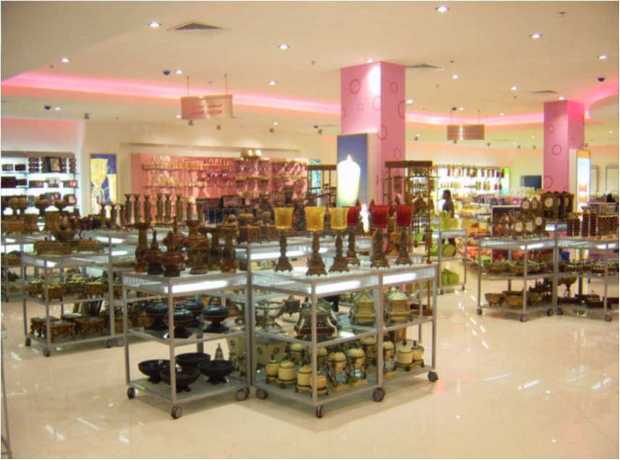
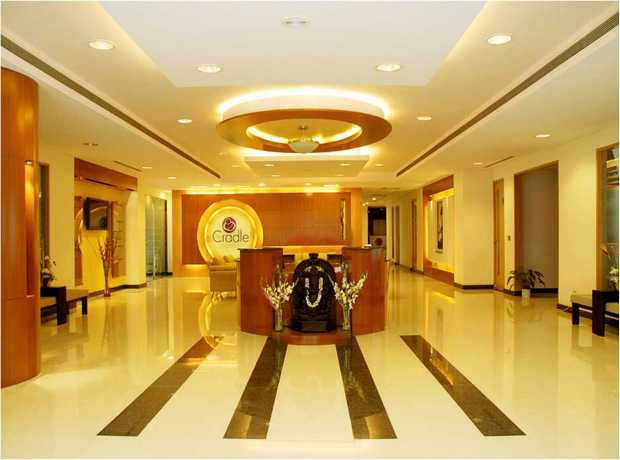
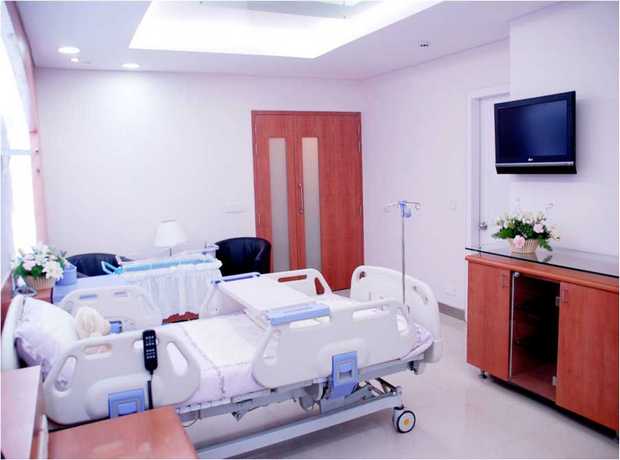
- Hospital Interior Design: Creating healing environments, from patient rooms, ICUs, and OTs to state-of-the-art labs, consultation areas, and comprehensive facility planning that prioritizes patient comfort, staff efficiency, and infection control within a sustainable framework.
- Residential Projects: Designing luxurious yet eco-conscious apartments, opulent luxury condos, comfortable senior housing, and vibrant community-focused interiors that blend aesthetic appeal with environmental responsibility and enhanced quality of life for residents.
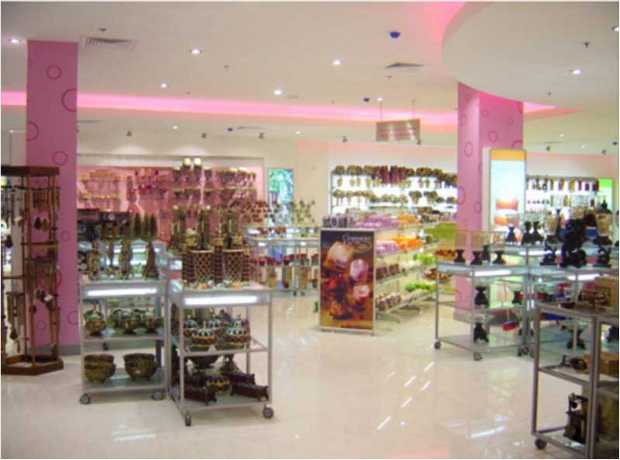
- Retail & Commercial Design: Crafting innovative and sustainable spaces for shopping malls, dynamic mixed-use developments, productive offices, and engaging entertainment centers that attract customers, boost efficiency, and reflect corporate environmental values.
- Interior Solutions: Offering comprehensive services including meticulous space planning, ergonomic furniture layouts, and seamless turnkey interior execution, ensuring every detail aligns with sustainable principles and client aspirations.
Ready to transform your space into a sustainable masterpiece with Chennai’s leading experts? Don’t just build; build better, greener, and smarter. Contact us today to schedule a consultation and discover how Skydome Designs can bring your vision to life with our unparalleled expertise in sustainable interior solutions. Call us directly at +91 7299072144 or send an email to info@skydomedesigns.com. Your sustainable future starts here!
The Future of Sustainable Interior Design in Chennai
As we look beyond 2025, the trajectory of sustainable interior design in Chennai is one of continuous innovation, deeper integration, and a more profound impact on urban living. The initial steps outlined in this guide will evolve, incorporating cutting-edge technologies, advanced materials, and an even stronger emphasis on human-centric design. Chennai, with its growing environmental consciousness and rapid development, is poised to be a leader in this evolution, setting new benchmarks for green interiors in India and beyond.
Looking Beyond 2025: Emerging Trends in Sustainable Interiors for Chennai:
- Regenerative Design: Moving beyond merely “less bad” to design that actively restores and regenerates ecosystems. This includes interiors that purify air and water, produce energy, and foster biodiversity, creating a net-positive impact.
- AI and Generative Design in Sustainability: Artificial intelligence will play an increasingly significant role in optimizing sustainable designs. AI can analyze vast datasets to suggest optimal material choices, energy-efficient layouts, and climate-responsive designs that were previously unimaginable, tailored specifically for Chennai’s conditions.
- Hyper-Focused Health & Well-being: The WELL Building Standard and similar frameworks will become mainstream, prioritizing materials and design elements that actively enhance occupant physical and mental health. This includes advanced air and water filtration, circadian lighting, and enhanced biophilic integration.
- Advanced Adaptive Reuse and Circularity: As Chennai continues to grow, adapting existing structures will be crucial. Interiors will be designed for maximum flexibility, easy deconstruction, and material recovery, fully embracing the circular economy. Expect more modular systems and materials with defined end-of-life pathways.
- Digitally-Integrated Smart Materials: Materials with embedded sensors that can monitor their own performance, self-heal, or change properties (e.g., smart glass that adjusts opacity) will become more common, offering dynamic responses to environmental conditions.
- Local and Hyper-Local Sourcing: A renewed emphasis on supporting local artisans, traditional crafts, and regionally available sustainable materials will not only reduce carbon footprint but also preserve cultural heritage and strengthen local economies in and around Chennai.
- Energy Positive Buildings: Interiors will contribute to buildings that generate more energy than they consume, perhaps through integrated solar films, kinetic flooring, or advanced thermal energy storage.
Chennai’s unique blend of traditional culture and burgeoning modernity provides a fertile ground for these innovations. By embracing these future trends, interior projects in Chennai can become exemplars of sustainable living, contributing to a healthier planet and a more vibrant future for its residents. Skydome Designs is at the forefront of this evolution, continuously researching and integrating the latest sustainable practices and technologies into our projects, ensuring our clients benefit from forward-thinking and resilient designs. Our award-winning team, with almost three decades of experience and 931+ sustainable interior solutions assignments delivered across Chennai and globally, is uniquely positioned to guide you into this sustainable future.
Conclusion: Build a Sustainable Legacy in Chennai with Skydome Designs
Implementing sustainable interior solutions for projects in Chennai in 2025 and beyond is unequivocally more than just a passing trend; it is an absolute necessity for fostering a healthy, resilient, and economically vibrant future. By meticulously following the step-by-step approach outlined in this comprehensive guide – from visionary planning and conscientious material selection to advanced energy management, biophilic integration, and robust waste management strategies – you are not merely constructing spaces; you are building a legacy. A legacy of environmental stewardship, enhanced human well-being, and astute resource management that will benefit generations to come.
However, the journey towards truly sustainable interiors is complex, requiring deep expertise, innovative thinking, and a profound understanding of both global best practices and local Chennai-specific contexts. This is precisely where Skydome Designs excels. As a pioneering architecture and interior design firm with nearly three decades of experience, we bring an unparalleled blend of technical proficiency, award-winning creativity, and an unwavering commitment to sustainability to every project. Our track record of Delivered 931+ sustainable interior solutions assignments across Chennai and globally over 29+ years, with an exceptional 99% on‑time delivery rate, stands as a testament to our reliability and excellence. We pride ourselves on our multi‑disciplinary reviews, comprehensive post‑occupancy support, transparent costs, and milestone‑based reporting, all underpinned by our award‑winning team. Utilizing advanced BIM‑led coordination, strategic value engineering, and stringent quality control precisely tailored to Chennai’s unique project environment, we ensure that your sustainable vision is not just realized, but surpassed.
Embrace sustainability today and partner with Skydome Designs to create spaces that are not only environmentally responsible and highly efficient but also aesthetically inspiring and profoundly enriching for those who inhabit them. Make a meaningful contribution to a healthier and more resilient future for Chennai. Learn more about Skydome Designs’ award-winning approach and diverse portfolio.
Don’t wait to build the future you envision. Start your sustainable interior project in Chennai today! Call us directly at +91 7299072144 or email us at info@skydomedesigns.com for a personalized consultation.
FAQ: Sustainable Interior Solutions in Chennai
Here are some frequently asked questions about sustainable interior design, answered to match Google’s “People Also Ask” format, providing comprehensive and helpful information:
What are the tangible benefits of investing in sustainable interior design for my project in Chennai?
Investing in sustainable interior design offers a multitude of tangible benefits. Beyond reducing your project’s environmental footprint, you can expect significant operational cost savings through lower energy bills (from efficient lighting and HVAC) and reduced water consumption (from low-flow fixtures and recycling systems). Sustainable designs also significantly improve indoor air quality by minimizing harmful VOCs, leading to healthier and more productive environments for occupants. Furthermore, green certifications enhance property value, increase market appeal, and ensure long-term regulatory compliance. With Skydome Designs, these benefits are maximized through our nearly 30 years of expertise and a proven track record of 931+ sustainable interior solutions delivered in Chennai and globally.
How can I effectively make my Chennai home or commercial space more sustainable without compromising on design or functionality?
Making your Chennai space more sustainable involves a holistic approach that seamlessly integrates design and functionality. Start by optimizing natural light and ventilation through strategic window placement and smart space planning. Choose eco-friendly materials such as recycled glass, bamboo, cork, locally sourced wood, and low-VOC paints for all surfaces and furniture. Install energy-efficient LED lighting and smart controls. Implement water conservation measures like low-flow fixtures and consider greywater recycling. Embrace biophilic design by incorporating indoor plants and natural textures. Partnering with experienced professionals like Skydome Designs ensures these elements are integrated seamlessly, delivering both aesthetic appeal and high-performance sustainability. Our award-winning team provides transparent costs and BIM-led coordination tailored for Chennai projects.
What are some leading examples of sustainable and eco-friendly materials I should consider for interiors in Chennai?
For interior projects in Chennai, consider a diverse range of sustainable materials. This includes recycled materials such as recycled glass for countertops and tiles, reclaimed wood for flooring and furniture, and recycled plastics for acoustic panels. Opt for rapidly renewable resources like bamboo and cork for flooring, or linoleum made from natural components. Prioritize locally sourced materials like granite, traditional terracotta tiles, or sustainably harvested regional woods to reduce transportation emissions. Always choose low-VOC (Volatile Organic Compound) paints and finishes to ensure superior indoor air quality. Materials certified by FSC, Cradle to Cradle, or part of GRIHA/IGBC frameworks are excellent choices. Skydome Designs leverages its 29+ years of experience and extensive supplier network to procure the best sustainable materials for your Chennai project.
How much does sustainable interior design typically cost in Chennai, and what are the long-term financial implications?
The initial cost of sustainable interior design in Chennai can vary, depending on the project’s scale, the specific materials chosen, and the complexity of integrated sustainable technologies. While some eco-friendly materials or systems might have a slightly higher upfront investment, the long-term financial implications are overwhelmingly positive. Projects typically see substantial savings in operational costs through significantly reduced energy consumption (lighting, HVAC) and lower water bills. These savings often offset the initial investment within a few years. Additionally, sustainable properties command higher market values and attract environmentally conscious buyers/tenants. Skydome Designs prides itself on transparent costs, value engineering, and milestone-based reporting for all Chennai projects, ensuring you understand the financial roadmap and maximize your return on investment. Contact us for a detailed, transparent cost estimate tailored to your project: +91 7299072144.
What is biophilic design, and why is it particularly relevant for contemporary interior projects in Chennai?
Biophilic design is an innovative approach to interior design that aims to connect occupants with nature within the built environment. It involves incorporating natural elements like plants, natural light, water features, and materials (wood, stone), as well as patterns and forms found in nature. For contemporary interior projects in Chennai, biophilic design is highly relevant because it counteracts the stress and disconnect often associated with dense urban living. It enhances well-being, improves mood, reduces stress, boosts productivity, and can even contribute to better indoor air quality and thermal comfort. Skydome Designs skillfully integrates biophilic principles, leveraging Chennai’s natural context to create serene, inspiring, and health-promoting spaces, a core part of our 931+ sustainable solutions delivered.
How does Skydome Designs ensure project sustainability, timely delivery, and quality control for interior solutions in Chennai?
Skydome Designs ensures unparalleled sustainability, timely delivery, and stringent quality control through a comprehensive and proven methodology honed over nearly three decades. We start with integrated, holistic planning, embedding sustainability from the very first concept. Our in-house team of architects, designers, and project managers facilitates BIM-led coordination, allowing for precise planning and clash detection. We implement rigorous multi-disciplinary reviews at every stage and provide constant, transparent, milestone-based reporting to clients in Chennai. Our deep expertise in value engineering optimizes costs without compromising sustainable goals or quality. With a track record of 931+ sustainable interior solutions assignments globally and in Chennai, and an exceptional 99% on-time delivery rate, our award-winning team is committed to delivering projects that meet global standards, are tailored to Chennai’s unique requirements, and include post-occupancy support, cementing our reputation for excellence.