New York City, a global hub for entertainment, culture, and relentless innovation, stands at the precipice of a new era in design. As we hurtle towards 2025, the conversation around sustainability has transcended mere trend status; it has become an indispensable pillar for any forward-thinking development, particularly within the vibrant and competitive sectors of cinema and theater. This isn’t just about ‘going green’; it’s about crafting resilient, efficient, and deeply engaging spaces that resonate with an increasingly environmentally conscious populace. With significant new investments continually flowing into the Big Apple’s cultural landscape, the implementation of robust sustainable cinema and theater interior design strategies is not merely advantageous but absolutely essential to de-risk projects, accelerate delivery, and ensure long-term viability and appeal.
This comprehensive guide delves into the transformative trends and critical considerations for creating eco-friendly, energy-efficient, and aesthetically captivating entertainment venues in New York. We will explore everything from cutting-edge material science and intelligent space planning to the subtle art of branding with a green conscience. Furthermore, we’ll highlight how seasoned experts like Skydome Designs Pvt Ltd, with their nearly three decades of global and local expertise, are uniquely positioned to translate these visions into tangible, high-performing realities that meet both global design standards and stringent local code requirements in New York. If you are looking to future-proof your entertainment venue and make a profound statement about environmental stewardship, you’ve come to the right place.
The Rise of Sustainable Cinema and Theater Interior Design in New York
The escalating demand for sustainable cinema and theater interior design in New York is multifaceted, stemming from a powerful confluence of environmental, economic, and social imperatives. At its core is a rapidly growing global environmental awareness, which has profoundly influenced consumer expectations. Today’s audiences, especially those in a progressive city like New York, are actively seeking out businesses that demonstrate a genuine commitment to sustainability. They are often willing to pay a premium or choose venues that align with their values, making eco-conscious design a powerful differentiator in a crowded market.
Beyond consumer sentiment, stricter building codes and increasingly ambitious city-wide sustainability targets are compelling developers and venue owners to adopt greener practices. New York City has been at the forefront of implementing regulations aimed at reducing carbon emissions from buildings, necessitating a fundamental shift in how spaces are designed, constructed, and operated. These mandates are not optional; they are the new standard. Forward-thinking owners and developers recognize that investing in sustainable design early in the project lifecycle not only ensures regulatory compliance but also unlocks significant long-term operational cost savings through reduced energy and water consumption. Moreover, sustainable venues often command higher property values and boast enhanced brand reputation, attracting not only eco-conscious patrons but also potential partners and investors who prioritize corporate social responsibility.
Key Trends Shaping Sustainable Design in Entertainment Venues
The evolution of sustainable design in cinema and theater is dynamic, embracing a holistic approach that considers every facet of a venue’s lifecycle. Here are some of the pivotal trends that are shaping this landscape in New York, transforming entertainment spaces into models of environmental responsibility and innovation:
- Eco-Friendly Materials: The revolution in materials science is perhaps one of the most visible aspects of sustainable design. The focus is intensely on utilizing recycled, renewable, rapidly regenerating, and locally sourced materials that minimize environmental impact throughout their entire lifecycle, from extraction to disposal. This includes not only well-known options like recycled content carpeting and reclaimed wood but also innovative solutions such as bamboo flooring (a fast-growing grass), cork (harvested without harming the tree), linoleum (made from natural ingredients like linseed oil and wood flour), and low-VOC (Volatile Organic Compound) paints, adhesives, and finishes. We’re also seeing an increase in the use of bioplastics derived from renewable biomass sources, upcycled architectural elements (e.g., old theater seats refurbished), and fabrics made from recycled PET bottles or natural fibers like organic cotton and hemp. The emphasis is on materials with low embodied carbon – the total greenhouse gas emissions generated by their production, transportation, installation, and eventual disposal. Certifications like Cradle-to-Cradle and Declare Labels are becoming crucial for transparency regarding material ingredients and their environmental impact.
- Energy Efficiency: At the heart of sustainable design is the relentless pursuit of energy efficiency. This trend manifests through the meticulous implementation of advanced LED lighting systems, which consume significantly less power and have a much longer lifespan than traditional bulbs, often integrated with smart controls that allow for dynamic dimming and scheduling based on occupancy and natural light availability. HVAC (Heating, Ventilation, and Air Conditioning) systems are undergoing a radical transformation, moving towards high-efficiency variable refrigerant flow (VRF) systems, geothermal heating and cooling, and energy recovery ventilation (ERV) units that recapture heat or coolness from exhaust air. Sophisticated building management systems (BMS) are employed to integrate and optimize all building functions, from lighting and climate control to security, ensuring minimal energy waste. Passive design strategies, such as optimizing building orientation and envelope insulation, also play a crucial role in reducing heating and cooling loads.
- Water Conservation: Water is a precious resource, and sustainable entertainment venues are designed to minimize its consumption. This involves the installation of low-flow toilets, urinals, and faucets in restrooms, as well as water-efficient dishwashers and ice machines in concession areas. Rainwater harvesting systems are increasingly being implemented to collect and store precipitation for non-potable uses like toilet flushing, irrigation of green roofs, or exterior landscaping. Greywater recycling systems, which treat and reuse water from sinks and showers, further reduce reliance on municipal water supplies. For outdoor spaces, xeriscaping – landscaping designed to reduce or eliminate the need for irrigation – utilizes drought-tolerant native plants, contributing to both water savings and biodiversity.
- Improved Indoor Air Quality (IAQ): Recognizing that people spend a significant portion of their lives indoors, sustainable design places a premium on creating healthy and comfortable interior environments. This trend is driven by a commitment to using low-VOC (Volatile Organic Compound) paints, adhesives, sealants, and flooring materials, which emit fewer harmful chemicals into the air. Enhanced ventilation strategies, often incorporating demand-controlled ventilation (DCV) that adjusts airflow based on occupancy, are vital for circulating fresh air and removing pollutants. High-efficiency particulate air (HEPA) filters or MERV 13+ rated filters are integrated into HVAC systems to capture airborne particles and allergens. Furthermore, biophilic design elements, such as living walls and indoor plants, are incorporated not only for their aesthetic appeal but also for their natural air-purifying capabilities and their positive impact on occupant well-being.
- Flexible and Adaptable Spaces: The modern entertainment venue must be versatile. This trend focuses on creating spaces that can be easily reconfigured for a multitude of events and purposes – from film screenings and live theater performances to corporate presentations, educational workshops, or even private events. This adaptability is achieved through modular seating arrangements, movable walls, versatile stage platforms, and sophisticated lighting and sound systems that can be quickly reprogrammed. By designing spaces that can serve multiple functions, venues can maximize their utility, extend their lifespan, and significantly reduce the need for costly and resource-intensive future renovations, thereby embodying a truly sustainable approach to long-term investment.
- Waste Reduction and Circular Economy Principles: Beyond simply recycling, this trend emphasizes a ‘circular economy’ approach where waste is minimized at every stage. During construction, this means rigorous construction waste management plans to divert debris from landfills, often targeting over 75% waste diversion. Post-occupancy, venues are implementing comprehensive recycling and composting programs for patrons and staff. Designers are specifying materials that are durable and designed for disassembly, meaning components can be easily removed, reused, or recycled at the end of their life rather than sent to a landfill. Upcycling existing architectural elements or furnishings is also a powerful way to retain character while reducing new material consumption.
- Biophilic Design Integration: Connecting occupants with nature is a fundamental aspect of biophilic design, which is increasingly being incorporated into sustainable entertainment venues. This trend involves integrating natural light, natural materials (wood, stone), natural patterns, and even actual living elements (indoor plants, living walls, water features) into the interior. Beyond aesthetics, biophilic design has been shown to reduce stress, improve mood, and enhance cognitive function, creating a more pleasant and healthy environment for both staff and patrons. This connection to nature subtly reinforces the venue’s commitment to environmental values.

Expert Solutions for Sustainable Entertainment Venues
Creating a truly sustainable cinema or theater in New York demands more than just a superficial application of green principles; it requires a deep, holistic approach that considers every aspect of the design and construction process. This is where the expertise of firms like Skydome Designs becomes invaluable. Here’s how New York interior experts are leading the way in integrating sustainability seamlessly into high-performance entertainment spaces:
Space Planning for Optimal Efficiency
Effective space planning is the foundational layer for maximizing energy efficiency and minimizing waste. Designers are meticulously optimizing layouts to leverage natural light, thereby reducing reliance on artificial lighting during daytime hours. Strategic placement of screens, stages, seating, and circulation paths can significantly reduce heating and cooling loads by minimizing wasted space and optimizing air distribution. Thoughtful zoning helps differentiate temperature and lighting needs for various areas (e.g., lobbies, auditoriums, restrooms, offices), allowing for more precise and efficient climate control. This foresight in planning also improves traffic flow, enhances visitor experience, and optimizes back-of-house operations, contributing to overall operational efficiency.
Lighting Design that Conserves Energy and Enhances Experience
Lighting design in an entertainment venue is a delicate balance between creating atmosphere and conserving energy. While LED technology is a standard, expert designers go further. They implement sophisticated smart controls and daylight harvesting strategies, allowing automated adjustments based on ambient light levels and occupancy. For auditoriums, theatrical lighting systems are optimized for energy efficiency without compromising artistic integrity, utilizing LED fixtures with advanced dimming capabilities and precise beam control. Dynamic lighting scenarios can be pre-programmed for different events, reducing manual adjustments and potential energy waste. The goal is to create visually stunning environments that are not only energy-efficient but also adaptable to various moods and performances, enhancing the overall sensory experience for patrons.
Branding & Signage with a Green Focus
Even elements as seemingly simple as branding & signage can contribute significantly to a venue’s sustainability profile and communicate its values. New York interior experts are moving beyond traditional materials, opting for signage crafted from recycled acrylic, reclaimed wood, bamboo, or even bioplastics. The production process itself is scrutinized to minimize waste, utilizing digital printing with eco-friendly, low-VOC inks. For illuminated signs, energy-efficient LED lighting is standard, often integrated with motion sensors or timers to ensure they are only active when needed. Furthermore, digital signage, which can be updated remotely, reduces the need for printed materials, cutting down on paper waste and the environmental impact of physical production and transportation. Consistent messaging about the venue’s sustainable practices can also be integrated into signage, reinforcing the brand’s commitment to the environment.
Materials Selection: Choosing Wisely and Responsibly
The choice of materials selection is paramount in sustainable design, directly impacting a project’s environmental footprint. Designers are increasingly specifying materials not just for aesthetics and durability, but for their comprehensive environmental credentials. This includes certifications like FSC (Forest Stewardship Council) for wood products, ensuring responsible forestry; GREENGUARD for low chemical emissions; and recycled content verification. Materials with low embodied carbon, such as locally sourced stone or wood, are prioritized to reduce transportation emissions. Reclaimed wood from old barns or industrial buildings, bamboo flooring, recycled content carpeting (often made from fishing nets or industrial waste), and eco-friendly acoustic panels (made from recycled PET felt or wood fiber) are becoming staples. These choices not only reduce the carbon footprint of the project but also often introduce unique textures and stories, adding a distinct aesthetic appeal and character to the venue.
Acoustics and Soundproofing: A Sustainable Approach
In cinemas and theaters, acoustics are non-negotiable. Achieving optimal sound quality and preventing sound bleed can now be done with sustainable materials and methods. Modern sustainable design integrates acoustic panels made from recycled PET plastic, compressed wood fiber, or natural wool. Recycled denim insulation provides excellent soundproofing while diverting textile waste from landfills. Designers are also employing natural sound diffusion techniques, using the geometry of a room and strategically placed sustainable wood panels to scatter sound waves effectively, reducing the need for excessive synthetic materials. Prioritizing sustainable acoustic solutions enhances the sensory experience for patrons while upholding environmental responsibility.
Technology Integration for Smart and Sustainable Operations
The confluence of sustainability and technology is reshaping venue management. Smart building systems and the Internet of Things (IoT) sensors are key to optimizing energy consumption, monitoring air quality, and managing waste. These technologies provide real-time data on everything from occupancy levels to HVAC performance, allowing for immediate adjustments and predictive maintenance. Digital ticketing and concession ordering reduce paper waste and streamline operations. Furthermore, sophisticated projection and sound systems are becoming increasingly energy-efficient, often requiring less power while delivering superior performance. This intelligent integration of technology not only enhances sustainability but also improves operational efficiency and the overall patron experience.
The Investment in Sustainability: Beyond the Initial Cost
While sustainable design often carries an initial capital investment that might appear higher than conventional approaches, it is crucial to understand that this investment yields substantial returns over the project’s lifecycle. These benefits extend far beyond mere environmental stewardship:
- Significant Operational Savings: The most immediate and tangible benefit is the drastic reduction in energy and water utility bills. High-efficiency HVAC systems, LED lighting, smart controls, and water-saving fixtures translate into lower monthly operational costs for decades.
- Enhanced Brand Image and Market Appeal: In an era where corporate social responsibility is paramount, a demonstrably sustainable venue significantly boosts its brand image. It appeals to environmentally conscious patrons, fosters positive public relations, and can differentiate the venue in a competitive market, attracting a broader and more discerning audience.
- Increased Occupant Comfort and Health: Improved indoor air quality, access to natural light, and biophilic elements contribute to a healthier and more comfortable environment for both staff and patrons. This can lead to increased productivity for employees and a more enjoyable, memorable experience for visitors, encouraging repeat business.
- Regulatory Compliance and Future-Proofing: Adhering to and often exceeding New York’s increasingly stringent green building codes helps avoid potential fines and ensures the venue remains compliant with evolving regulations. Investing in sustainable design effectively future-proofs the asset against future environmental legislation and increasing energy costs.
- Higher Asset Value: Sustainable buildings often command higher market values and achieve better lease rates. Investors and buyers are increasingly recognizing the long-term economic advantages and reduced risks associated with green properties.
- Access to Incentives and Rebates: Governments and utility companies frequently offer financial incentives, grants, and tax rebates for projects that incorporate sustainable design elements, helping to offset initial costs.
Ultimately, investing in sustainable cinema and theater design is not just an ethical choice; it’s a shrewd business decision that provides a compelling return on investment, fosters long-term resilience, and contributes positively to the community and the planet.
Navigating New York’s Regulatory Landscape for Green Buildings
New York City has some of the most progressive and stringent building codes in the nation, particularly concerning energy efficiency and environmental performance. For any sustainable cinema or theater project, a thorough understanding and seamless navigation of this regulatory landscape are critical. Key regulations and standards to consider include:
- Local Law 97 (LL97): A cornerstone of NYC’s climate action plan, LL97 sets carbon emission caps for most buildings over 25,000 square feet, with escalating targets through 2050. Sustainable design strategies are essential for compliance to avoid significant penalties.
- NYC Energy Conservation Code (NYCECC): This code mandates energy efficiency standards for new construction and major renovations, often requiring higher performance than national codes.
- LEED Certification: While not mandatory, achieving LEED (Leadership in Energy and Environmental Design) certification is a globally recognized benchmark for sustainable buildings. It demonstrates a commitment to environmental stewardship and can unlock various incentives and market advantages.
- WELL Building Standard: Focusing on occupant health and well-being, the WELL standard complements LEED by prioritizing indoor air quality, light, comfort, and other human-centric aspects, which are particularly relevant for public entertainment venues.
- Other Local Incentives: NYC and New York State offer various incentives, tax credits, and grant programs for energy-efficient upgrades, renewable energy installations, and green building projects. Expert guidance is often needed to identify and apply for these opportunities.
Navigating these complex regulations requires a partner with specific local expertise, capable of ensuring not only compliance but also optimal performance within these guidelines. This local knowledge, combined with global best practices, is a hallmark of firms like Skydome Designs.
Why Choose Skydome Designs for Your Sustainable Cinema and Theater Project in New York?
When embarking on a significant project like a sustainable cinema or theater in the dynamic environment of New York, partnering with an experienced and reputable firm is paramount. Skydome Designs Pvt Ltd stands as a beacon of excellence in architecture and interior design, bringing nearly 30 years of unparalleled expertise to the table. Our extensive track record, spanning across India and internationally, positions us uniquely to deliver visionary and sustainable entertainment spaces in the Big Apple.
We understand that the success of your project hinges on a blend of innovative design, rigorous sustainability practices, and flawless execution. That’s precisely what Skydome Designs offers: a powerful combination of global design standards with local code expertise in New York. This means your venue will not only embody cutting-edge sustainable principles recognized worldwide but will also be meticulously designed to comply with every intricate local regulation and building code specific to NYC.
Our commitment to excellence is not just a promise; it’s a demonstrated reality. We offer comprehensive, end-to-end delivery for sustainable cinema and theater interior design – from initial strategic conceptualization and detailed design development to meticulous construction management and seamless handover in New York. This holistic approach ensures every phase of your project is managed with precision, efficiency, and an unwavering focus on sustainability outcomes. We also provide invaluable post-occupancy support, guaranteeing the long-term performance and satisfaction of your venue. With Skydome Designs, you gain a partner dedicated to your project’s entire journey, ensuring every detail aligns with your vision for a greener, more efficient, and captivating entertainment space.
What truly sets Skydome Designs apart is our proven ability to deliver exceptional results. We are proud to have Delivered 2252+ sustainable cinema and theater interior design assignments across New York and globally over 24+ years. This extensive portfolio underscores our deep understanding of the unique challenges and opportunities within this specialized sector. Our commitment to client satisfaction and project efficiency is reflected in our remarkable statistic of on‑time delivery >98%. This track record is supported by our rigorous processes, including multi‑disciplinary reviews at every stage and robust post‑occupancy support, all designed to underpin optimal outcomes and ensure your investment is sound and successful.
Our strength lies in our in-house team of seasoned architects, dedicated healthcare planners (whose expertise in complex, high-performance environments translates exceptionally well to the intricate demands of entertainment venues), and meticulous project managers. This integrated team ensures that your project is not only delivered on-time and on-budget but also adheres to the highest global standards of quality and sustainability. We bring a diverse wealth of knowledge and experience to every challenge, guaranteeing innovative and practical solutions for your unique needs.
We Specialize In:
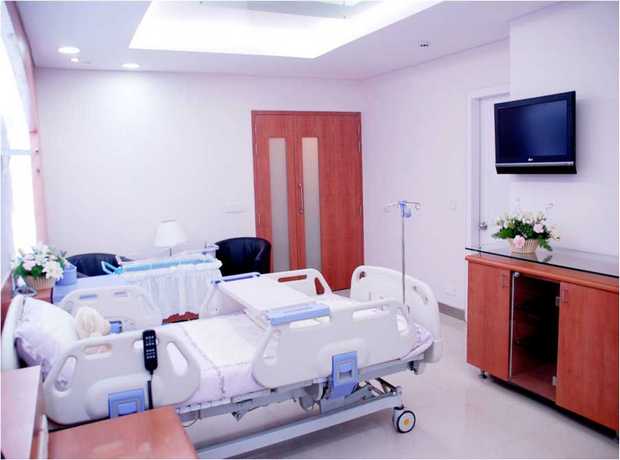
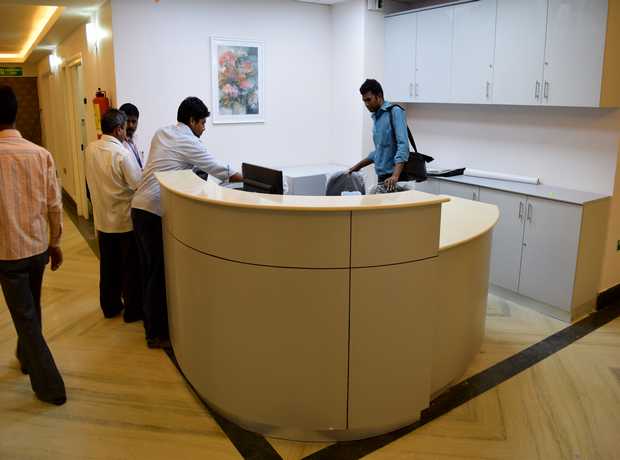
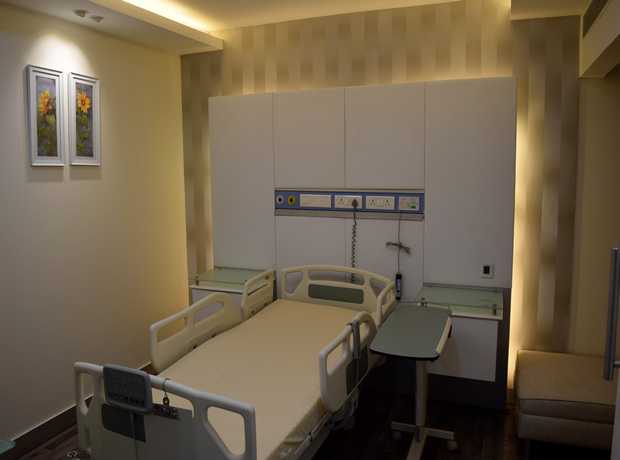
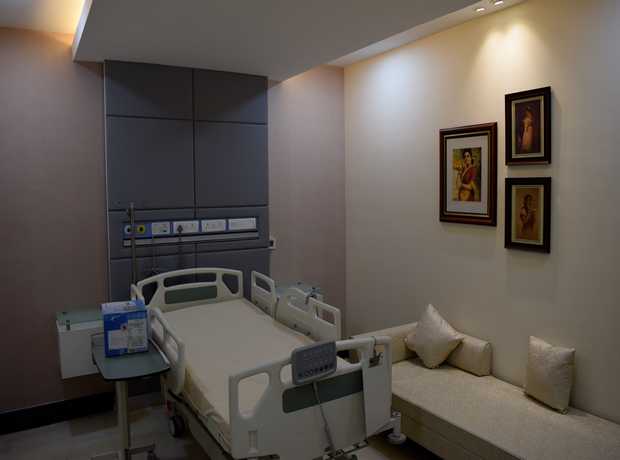
- Hospital Interior Design: Our profound experience in patient rooms, ICUs, OTs, labs, consultation areas, and facility planning for optimized care has instilled in us an unparalleled understanding of complex functional requirements, stringent health and safety standards, and the critical importance of creating environments that enhance well-being and operational efficiency. This rigorous background directly informs our approach to creating healthy, safe, and high-performing public spaces like cinemas and theaters.
- Residential Projects: From luxurious apartments and high-end luxury condos to thoughtful senior housing and community-focused interiors, our residential expertise ensures we understand the nuances of creating comfortable, aesthetically pleasing, and highly functional spaces that resonate with occupants. We bring this human-centric design philosophy to entertainment venues, ensuring optimal patron comfort and experience.
- Retail & Commercial Design: Our work across shopping malls, mixed-use developments, corporate offices, and various entertainment centers has equipped us with acute insights into commercial viability, consumer behavior, brand representation, and the critical elements that drive foot traffic and customer engagement – all directly applicable to cinema and theater design.
- Interior Solutions: Beyond full-scale architectural projects, we excel in comprehensive interior solutions, including sophisticated space planning, ergonomic furniture layouts, innovative lighting design, and complete turnkey interior execution. Our holistic approach means every element, from a single fixture to an entire floor plan, is integrated to achieve your sustainable and aesthetic goals.
Ready to create a sustainable, captivating, and future-proof cinema or theater in New York? Choose the proven expertise and holistic approach of Skydome Designs. Contact us today at +91 7299072144 or email us at info@skydomedesigns.com to discuss your project and discover how we can transform your vision into an iconic, sustainable reality!
FAQ: Sustainable Cinema and Theater Design in New York
Here are some frequently asked questions about sustainable cinema and theater design in New York, offering deeper insights into key considerations:
What are the key elements of sustainable cinema design?
The key elements of sustainable cinema design are multifaceted and integrated. They include the strategic use of eco-friendly and low-VOC (Volatile Organic Compound) materials throughout the interior, from flooring to wall finishes and seating. Crucial is the implementation of highly energy-efficient lighting systems (primarily LED) with smart controls and efficient HVAC (Heating, Ventilation, and Air Conditioning) systems, often incorporating energy recovery or geothermal technology. Water conservation is achieved through low-flow fixtures and potentially rainwater harvesting. Beyond these, a focus on excellent indoor air quality, waste reduction through circular economy principles, and biophilic design (integrating natural elements) are all vital for a truly sustainable venue. Furthermore, flexible and adaptable spaces that can serve multiple functions contribute significantly to long-term sustainability by reducing the need for frequent, resource-intensive renovations.
How can I make my theater more energy efficient?
To significantly enhance your theater’s energy efficiency, several strategies can be employed. Begin by upgrading to 100% LED lighting, including stage and architectural lighting, and integrate these with smart controls, dimmers, and occupancy sensors. Optimize your HVAC system by installing high-efficiency units (like VRF systems), ensuring proper insulation of the building envelope, and implementing smart thermostats that learn usage patterns. Consider renewable energy sources, such as rooftop solar panels, if feasible. Improving window performance with energy-efficient glazing, utilizing daylight harvesting strategies in public areas, and investing in a robust building management system (BMS) to monitor and control all energy-consuming systems are also crucial steps. Regular maintenance of all equipment is also key to ensuring peak efficiency.
What are some eco-friendly materials for theater interiors?
A wide array of eco-friendly materials is available for theater interiors. For flooring, consider rapidly renewable bamboo, natural linoleum (made from linseed oil), cork, or recycled content carpeting (often made from post-consumer plastic bottles or recycled fishing nets). Wall finishes can include low-VOC paints, recycled content acoustic panels (from PET plastic or wood fiber), or reclaimed wood panels. Seating can be refurbished or chosen with upholstery made from recycled fabrics or natural fibers like organic cotton or hemp. Additionally, specify materials with certifications like FSC (Forest Stewardship Council) for wood products, GREENGUARD for low chemical emissions, and Declare Labels for ingredient transparency. Prioritize locally sourced materials to reduce transportation impacts.
How much does sustainable theater design cost?
The initial cost of sustainable theater design can sometimes be marginally higher than conventional design due to the premium placed on high-performance materials and advanced technologies. However, this initial investment is consistently offset by significant long-term cost savings. These savings primarily come from drastically reduced energy and water utility bills, lower maintenance costs for durable materials, and potential access to government incentives, grants, and tax credits for green building projects. Additionally, sustainable venues often enjoy higher property values, enhanced brand reputation, and increased patronage from environmentally conscious audiences, leading to a strong return on investment over the venue’s lifespan. It’s an investment in future operational efficiency and market relevance.
Where can I find experienced sustainable interior designers in New York?
For experienced sustainable interior designers in New York, Skydome Designs Pvt Ltd offers a proven track record and comprehensive expertise. With nearly 30 years in the industry and over 2252 sustainable design assignments completed globally and in New York, Skydome Designs has the unique blend of global standards and local code expertise necessary for successful project delivery in the city. Their end-to-end service, covering strategy, design, construction, and handover, coupled with their multidisciplinary in-house team, ensures a holistic and high-quality approach to sustainable cinema and theater projects. Contact us today to discuss your vision and benefit from our unparalleled experience.
What certifications are relevant for sustainable venues in NYC?
In New York City, several certifications and standards are highly relevant for sustainable venues. The most prominent is LEED (Leadership in Energy and Environmental Design), a globally recognized green building rating system that addresses various aspects of sustainability. Others include the WELL Building Standard, which focuses on human health and well-being within buildings; Green Globes, another comprehensive green building certification; and Passive House standards, known for their rigorous energy efficiency requirements. Compliance with New York City’s Local Law 97 (LL97), which sets carbon emission limits for large buildings, is also a critical consideration. Pursuing these certifications demonstrates a strong commitment to environmental responsibility and often provides access to incentives and market advantages.
How does sustainable design benefit the audience experience?
Sustainable design profoundly enhances the audience experience in multiple ways. Improved indoor air quality, achieved through low-VOC materials and advanced ventilation, creates a healthier and more comfortable environment, reducing potential irritants. Optimal lighting design, leveraging natural light and sophisticated LED systems, contributes to better visibility, reduced eye strain, and a more pleasant ambiance. Biophilic elements, such as natural materials and indoor plants, can reduce stress and enhance a sense of well-being, fostering a more engaging and immersive experience. Moreover, knowing that they are supporting an environmentally responsible venue often increases audience satisfaction and loyalty, making their visit more meaningful.
What is the role of technology in sustainable venue design?
Technology plays a transformative role in sustainable venue design, acting as an enabler for efficiency and smart management. Smart building management systems (BMS) integrate and automate lighting, HVAC, and energy monitoring, optimizing performance and reducing waste. IoT sensors provide real-time data on occupancy, temperature, and air quality, allowing for demand-controlled ventilation and personalized comfort. Advanced projection and sound systems are increasingly energy-efficient, delivering high performance with reduced power consumption. Digital signage reduces the need for printed materials, while online ticketing and concession apps streamline operations and minimize paper waste. These technological integrations create a highly efficient, responsive, and resource-conscious environment.
Conclusion
As New York continues to lead the way in innovation, culture, and sustainability, the imperative for eco-friendly cinema and theater designs will only continue to intensify. Embracing sustainable practices is no longer a luxury but a strategic necessity – a pathway to not only reducing environmental impact but also creating more engaging, healthier, and financially viable spaces for audiences and operators alike. The trends towards eco-friendly materials, cutting-edge energy and water conservation, superior indoor air quality, and flexible, future-proof designs are defining the next generation of entertainment venues in the Big Apple.
Whether you are envisioning the renovation of an iconic theater or the construction of a groundbreaking new cinema, the journey towards sustainability requires a partner with deep expertise, a proven track record, and a holistic approach. Skydome Designs, with their nearly three decades of experience, 2252+ successful sustainable design assignments globally and in New York, and an impressive >98% on-time delivery rate, stands ready as your ideal collaborator. Our commitment to global design standards infused with local code expertise ensures your project will be a benchmark of environmental responsibility and design excellence. We offer comprehensive, end-to-end delivery—from initial strategy to design, construction, and handover, backed by continuous multi-disciplinary reviews and crucial post-occupancy support.
Don’t just build a venue; build a legacy. Partner with the New York interior experts who are shaping the future of entertainment design. Contact Skydome Designs today to learn more about how we can help you create a sustainable, unforgettable entertainment experience that captivates audiences and respects our planet. Let’s collaborate to build a greener, more vibrant future for entertainment, one cinema and theater at a time!
Ready to get started? Call us today at +91 7299072144 or email us at info@skydomedesigns.com!
About Skydome Designs
Skydome Designs Pvt Ltd is a leading architecture and interior design firm in India, specializing in hospital and healthcare interiors, residential, and retail projects. With nearly 30 years of expertise, we deliver innovative, sustainable, and functional spaces that enhance experiences and operational efficiency. Our extensive global portfolio and local expertise make us a trusted partner for complex and forward-thinking projects worldwide, including the dynamic New York market.