Mumbai, a city known for its relentless pace, vibrant economy, and dynamic growth, faces increasing demands on its infrastructure. As the financial capital of India, it is a magnet for investment, particularly within the burgeoning healthcare sector. With a rapidly growing population and an evolving medical landscape, the need for robust, efficient, and critically, sustainable structural engineering for healthcare buildings is now more pressing than ever. This comprehensive 2025 guide delves into how advanced engineering principles, combined with a steadfast commitment to environmental stewardship, can help de-risk complex healthcare projects in Mumbai and deliver them faster, focusing squarely on sustainability, resilience, and operational excellence.
The architectural and engineering landscape in Mumbai is unique, characterized by space constraints, diverse climatic conditions, and a blend of traditional and modern construction techniques. Integrating sustainability into the very fabric of healthcare infrastructure means addressing these challenges head-on while creating facilities that not only meet current medical needs but also anticipate future demands. This isn’t merely about aesthetics; it’s about engineering healthcare environments that promote healing, minimize ecological impact, and offer long-term financial viability.
The Growing Need for Sustainable Healthcare Infrastructure in Mumbai
Mumbai’s healthcare infrastructure is undergoing rapid expansion, driven by both public and private sector investments aiming to enhance medical services and accessibility. This growth, while essential, carries a significant environmental footprint if not managed sustainably. Consequently, sustainable structural engineering for healthcare buildings in Mumbai is becoming increasingly important for the long-term viability of these critical facilities and the health of the city itself. Building green is no longer a luxury; it’s a fundamental necessity for responsible urban development.
Why is this so crucial for Mumbai? The reasons are multifaceted. Firstly, sustainable practices inherently minimize environmental impact. Traditional construction can be resource-intensive, generating substantial waste and contributing to carbon emissions. Sustainable engineering seeks to mitigate this by optimizing resource use, reducing energy consumption, and incorporating eco-friendly materials. Secondly, adopting sustainable design significantly reduces operational costs over the lifetime of a building. Healthcare facilities are notorious for their high energy and water demands. By designing for efficiency, hospitals can achieve substantial savings, freeing up resources for patient care and medical innovation.
Beyond the financial and environmental benefits, sustainable healthcare buildings create healthier environments for patients and staff. Enhanced indoor air quality, ample natural light, thermal comfort, and reduced exposure to harmful chemicals contribute directly to better patient outcomes, faster recovery times, and improved staff well-being and productivity. These benefits collectively translate to a more resilient, adaptive, and patient-centric healthcare system, capable of withstanding future environmental and economic pressures.
Furthermore, Mumbai’s vulnerability to climate change, including extreme weather events and rising sea levels, makes resilient infrastructure paramount. Sustainable structural engineering incorporates design principles that enhance a building’s ability to withstand environmental stressors, ensuring continuity of critical healthcare services even in challenging conditions. This holistic approach ensures that Mumbai’s healthcare growth is not only robust but also responsible and future-proof.
Key Elements of Sustainable Structural Engineering for Healthcare Buildings in Mumbai
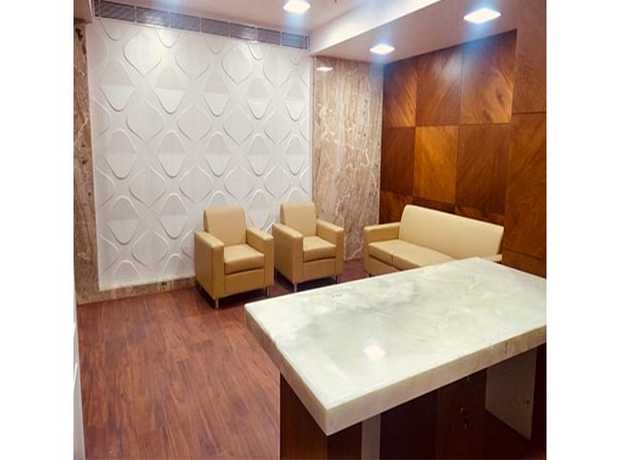
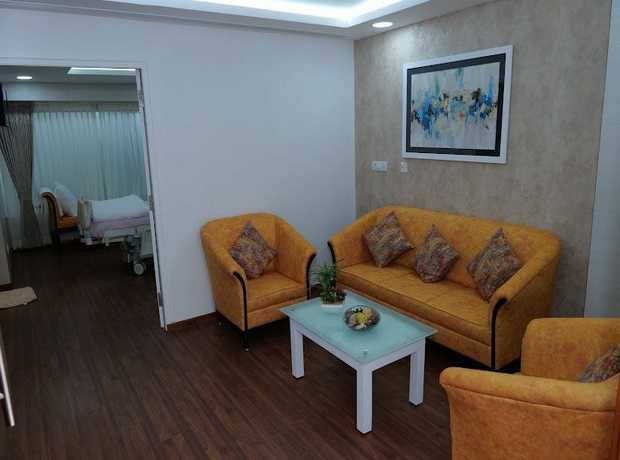
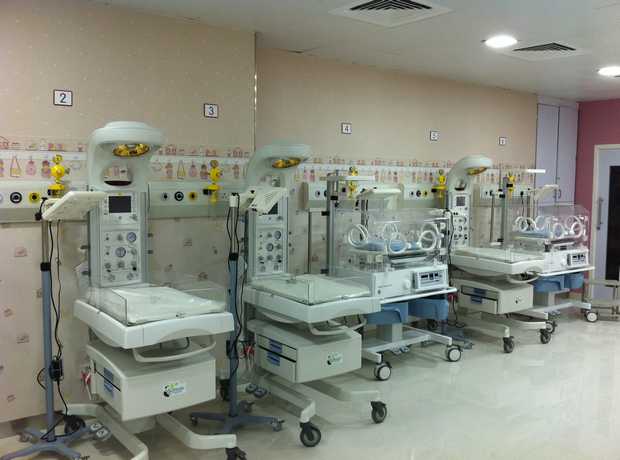
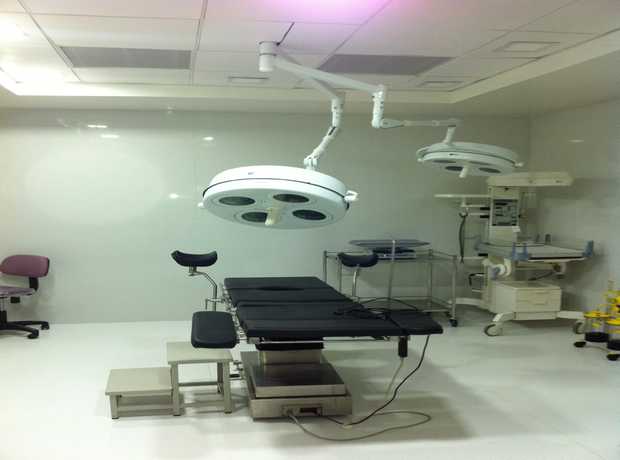
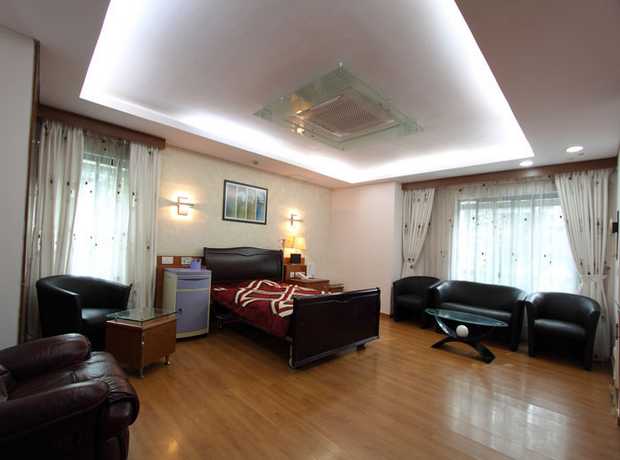
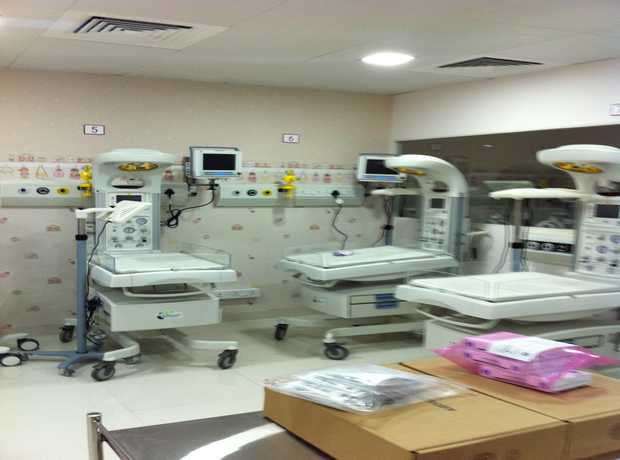

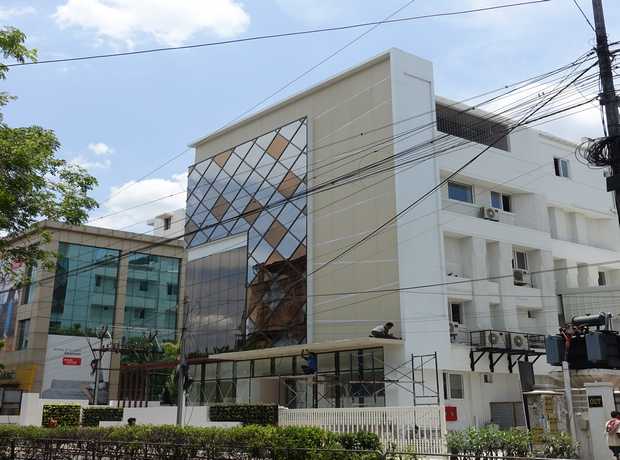
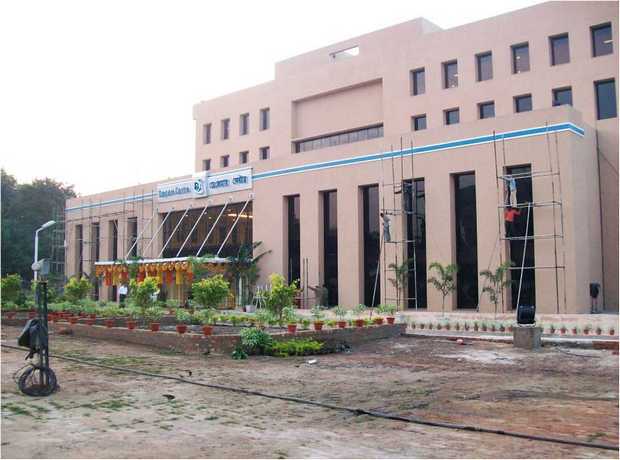
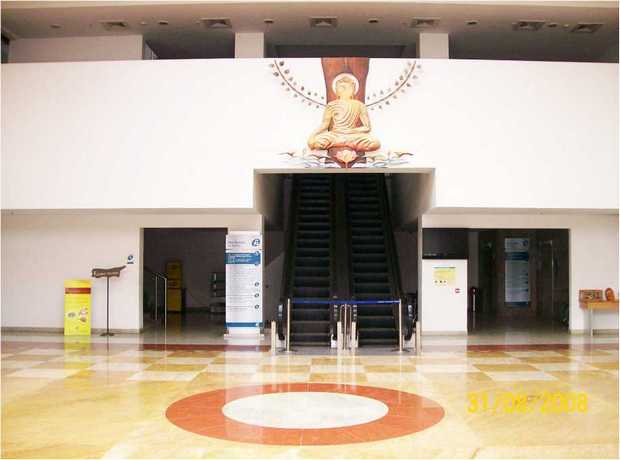
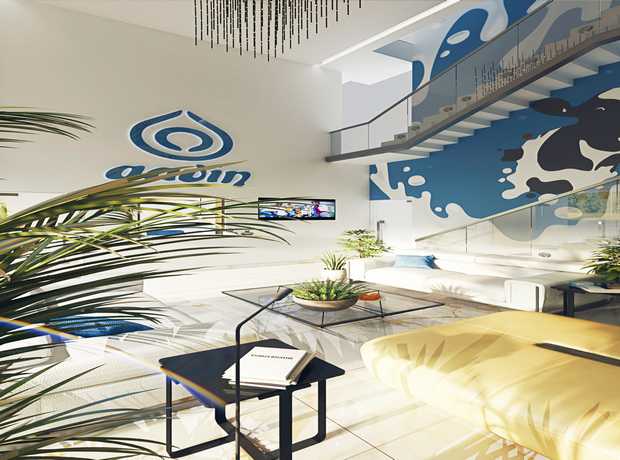
Material Selection and Sourcing: Building Smarter, Not Just Bigger
Choosing the right materials is paramount in sustainable structural engineering. This goes beyond mere strength and durability to encompass the entire lifecycle of a material, from extraction and manufacturing to transportation, installation, and end-of-life disposal. For healthcare buildings in Mumbai, opting for locally sourced materials significantly reduces the carbon footprint associated with transportation, stimulating the local economy in the process. Examples include locally manufactured concrete, steel, and timber, provided they meet stringent quality standards.
The integration of recycled content materials, such as recycled steel, aggregates, or even recycled plastics in non-critical applications, further minimizes demand for virgin resources and diverts waste from landfills. Attention must also be paid to the embodied carbon of materials – the sum of all greenhouse gas emissions released across a material’s lifecycle. Selecting materials with lower embodied carbon, like fly ash-based concrete or engineered wood products, can dramatically reduce a project’s overall environmental impact.
Crucially for healthcare environments, materials must also be low-VOC (Volatile Organic Compounds) to ensure superior indoor air quality. VOCs found in paints, adhesives, and sealants can off-gas into the interior environment, posing health risks to vulnerable patients and staff. Durable materials that require minimal maintenance over their lifespan not only reduce lifecycle costs but also conserve resources that would otherwise be used for frequent repairs or replacements. Considerations like resistance to moisture, pests, and fire, while adhering to Mumbai’s specific climatic challenges (e.g., monsoon season), are integral to creating truly resilient and healthy healthcare spaces.
Energy Efficiency: Powering Health with Less Impact
Energy consumption in healthcare facilities is notoriously significant, primarily due to the continuous operation of critical medical equipment, HVAC systems, and lighting. Implementing energy-efficient designs is therefore a cornerstone of sustainable structural engineering. This begins with passive design strategies that harness Mumbai’s climate to reduce the need for active heating or cooling. Strategic building orientation can maximize natural daylight and ventilation while minimizing direct solar heat gain. Shading devices, high-performance glazing, and well-insulated building envelopes are essential for maintaining stable indoor temperatures.
Beyond passive measures, the integration of renewable energy sources is vital. Solar photovoltaic (PV) panels can generate a substantial portion of a hospital’s electricity needs, especially given Mumbai’s abundant sunshine. Solar water heating systems can provide hot water efficiently. Advanced HVAC (Heating, Ventilation, and Air Conditioning) systems, including variable refrigerant flow (VRF) or geothermal heat pumps, offer significantly higher efficiency than conventional systems. Energy-efficient LED lighting, coupled with occupancy sensors and daylight harvesting controls, further slashes electricity consumption.
Moreover, smart building technologies play a transformative role in optimizing energy usage in real-time. Building Management Systems (BMS) can monitor and control all energy-consuming systems, adjusting settings based on occupancy, time of day, and external weather conditions. Data analytics can identify inefficiencies and predict maintenance needs, ensuring systems operate at peak performance. The goal is to move towards net-zero or even net-positive energy healthcare buildings, dramatically reducing their carbon footprint and operational expenses.
Water Conservation: A Precious Resource for Healing
Water scarcity is a growing concern globally, and Mumbai, like many large urban centers, faces challenges in managing its water resources. Healthcare facilities are substantial water consumers, making water conservation a critical element of sustainable design. Implementing water-efficient fixtures, such as low-flow toilets, faucets, and showerheads, can significantly reduce potable water consumption without compromising hygiene or functionality.
Beyond fixtures, integrating advanced water management systems is key. Rainwater harvesting systems, which collect and store rainwater for non-potable uses like irrigation, toilet flushing, and cooling towers, can provide a substantial supplementary water source, especially during Mumbai’s heavy monsoon season. Greywater recycling systems, which treat wastewater from sinks and showers for reuse in non-potable applications, further reduce demand on the municipal supply. In more advanced scenarios, blackwater treatment systems can process all wastewater on-site, contributing to a truly circular water economy within the facility.
Efficient landscape irrigation, using native drought-tolerant plants and smart irrigation controls, also plays a role in reducing outdoor water use. These measures not only conserve a vital natural resource but also translate into significant savings on utility costs, enhancing the financial sustainability of the healthcare building.
Waste Management: Towards a Circular Economy in Healthcare
Effective waste management strategies are essential for minimizing the environmental impact of healthcare buildings, both during construction and throughout their operational life. Construction waste can be substantial, and sustainable practices demand a focus on reduction, reuse, and recycling. This involves careful planning, material optimization, and collaboration with suppliers to take back packaging or excess materials.
During operation, healthcare facilities generate a diverse waste stream, including general waste, hazardous medical waste, and recyclable materials. Implementing robust recycling programs for paper, plastics, glass, and metals is a foundational step. Composting initiatives for organic waste from kitchens and staff canteens can further divert waste from landfills. However, the unique challenge lies in the proper segregation, treatment, and disposal of medical waste, which requires adherence to strict regulatory guidelines to prevent public health risks. Sustainable approaches here involve minimizing the volume of medical waste generated, exploring sterilization technologies for certain waste streams, and partnering with certified disposal services that prioritize environmentally sound practices.
A forward-thinking approach also considers modular design principles. By designing components and sections of the building that can be prefabricated off-site and assembled on-site, construction waste can be drastically reduced. Moreover, modularity enhances future adaptability, allowing for easier expansion, renovation, or reconfiguration of spaces with minimal disruption and waste generation, aligning with circular economy principles.
Best Practices for Implementing Sustainable Structural Engineering in Mumbai
Implementing truly sustainable structural engineering in Mumbai’s dynamic healthcare sector requires a systematic approach guided by several best practices:
- Early Planning and Integrated Design: Sustainability considerations must be integrated from the initial design phase, not as an afterthought. This involves multi-disciplinary workshops (charrettes) where architects, structural engineers, MEP engineers, landscape architects, and healthcare professionals collaborate to set ambitious sustainability goals and integrate them into every design decision, from site selection to material specification and system design. This upfront investment prevents costly redesigns and ensures optimal performance.
- Collaboration Across Stakeholders: Successful sustainable projects are built on strong collaboration. Engaging all stakeholders – including developers, architects, engineers, contractors, facility managers, medical staff, and even patient representatives – fosters a shared vision and ensures that sustainability goals are met while addressing the complex operational needs of a healthcare facility. Transparent communication and shared responsibility are paramount.
- Advanced Technology Adoption: Leveraging cutting-edge technology is critical. BIM (Building Information Modeling) is indispensable for efficient design, visualization, and coordination, enabling clash detection, quantity take-offs, and performance simulations. Beyond BIM, the adoption of digital twins, IoT sensors, and artificial intelligence for predictive maintenance and operational optimization is transforming how buildings are managed for sustainability.
- Pursuing Green Building Certifications: Committing to internationally recognized green building certifications like LEED (Leadership in Energy and Environmental Design) or India-specific ratings like GRIHA (Green Rating for Integrated Habitat Assessment) provides a structured framework for sustainable design and construction. These certifications offer verifiable standards, guiding principles, and benchmarks for environmental performance, energy efficiency, and occupant well-being. They also provide market recognition and often qualify for financial incentives. Other relevant certifications include EDGE (Excellence in Design for Greater Efficiencies) and WELL Building Standard, which focuses specifically on human health and wellness within the built environment.
At Skydome Designs, we understand the intricacies of Mumbai’s construction landscape. We utilize a BIM-led coordination, value engineering, and quality control process meticulously tailored to Mumbai’s unique requirements and regulations. This ensures seamless project execution and optimal sustainable outcomes. Contact us to learn more about our comprehensive and sustainable design approach, engineered to deliver excellence for your healthcare projects.
The Role of Technology in Sustainable Healthcare Construction
Technology is not merely an enabler but a driving force behind achieving sustainable structural engineering goals in healthcare construction. Its application spans from initial concept and design through construction, operation, and even end-of-life considerations, offering unprecedented levels of precision, efficiency, and insight.
Leveraging BIM for Sustainable Design and Construction
Building Information Modeling (BIM) has revolutionized the construction industry, and its impact on sustainable design is profound. BIM creates a comprehensive digital representation of a building, allowing for precise design and simulation long before any physical construction begins. For sustainable healthcare buildings, BIM facilitates:
- Integrated Design Collaboration: BIM enables architects, structural engineers, MEP engineers, and other specialists to work on a single, shared model. This promotes seamless coordination, reduces design clashes, and allows for early identification of potential inefficiencies, such as suboptimal insulation or energy performance issues.
- Energy Performance Analysis: With BIM, engineers can conduct detailed energy simulations to predict a building’s energy consumption under various scenarios. This includes analyzing daylighting strategies to optimize window placement and size, assessing thermal performance of different materials, and simulating the effectiveness of passive cooling and ventilation systems to minimize energy consumption for lighting and HVAC.
- Material Optimization and Waste Reduction: BIM provides accurate quantity take-offs for all materials, minimizing over-ordering and construction waste. It can also help identify opportunities for using prefabricated components, reducing on-site waste and construction time.
- Lifecycle Assessment Integration: Advanced BIM platforms can integrate lifecycle assessment (LCA) tools, allowing designers to evaluate the environmental impact of material choices and construction processes from “cradle to grave.”
- Facility Management and Operations: Post-construction, the BIM model transforms into a valuable asset for facility management, providing detailed information on building systems, maintenance schedules, and energy performance, facilitating continuous optimization for sustainability.
By leveraging BIM effectively, Skydome Designs ensures that sustainability is embedded into the very core of your healthcare project, leading to more resilient, efficient, and cost-effective outcomes.
Smart Building Technologies and IoT
The advent of smart building technologies, often powered by the Internet of Things (IoT), has dramatically enhanced the operational sustainability of healthcare facilities. These technologies use a network of sensors, actuators, and connected devices to collect vast amounts of data, which is then analyzed to optimize building performance in real-time:
- Automated Lighting Controls: Sensors detect occupancy and ambient light levels, automatically adjusting artificial lighting to minimize energy waste. This ensures adequate illumination only when and where it’s needed, reducing electricity consumption significantly.
- Smart HVAC Systems: IoT-enabled HVAC systems monitor temperature, humidity, and CO2 levels in different zones, adjusting airflow and conditioning dynamically to maintain optimal comfort and air quality while minimizing energy use. Predictive maintenance algorithms can identify potential equipment failures before they occur, reducing downtime and prolonging equipment life.
- Energy and Water Monitoring: Real-time energy and water metering provides granular data on consumption patterns, allowing facility managers to identify areas of inefficiency, pinpoint leaks, and implement targeted conservation strategies.
- Waste Management Optimization: Smart bins and waste sensors can monitor fill levels, optimizing collection routes and schedules, thereby reducing fuel consumption for waste disposal and improving overall efficiency.
- Occupant Well-being: Beyond energy, smart building technologies can monitor indoor environmental quality (IEQ) metrics like particulate matter, VOCs, and humidity, ensuring a healthy and comfortable environment that directly benefits patient recovery and staff productivity.
These technologies provide invaluable insights into building operations, allowing for continuous improvement, adaptive management, and the achievement of truly sustainable performance throughout the entire lifecycle of a healthcare building.
Navigating Challenges in Mumbai’s Construction Landscape
Implementing sustainable structural engineering in Mumbai presents a unique set of challenges, given the city’s dense urban environment and regulatory complexities. Successfully navigating these hurdles requires innovative thinking, meticulous planning, and profound local expertise:
- Land Scarcity and High Land Costs: Mumbai is one of the densest cities globally, with exorbitant land costs. This necessitates optimizing every square foot of space. Innovative design solutions, such as vertical expansion, multi-level integration of functions, and efficient floor plate designs, are crucial. Sustainable strategies here include designing compact footprints to minimize land use, incorporating green roofs or vertical gardens to reclaim lost green space, and exploring mixed-use developments that integrate healthcare with other community functions.
- Regulatory Hurdles and Evolving Green Building Codes: The regulatory landscape in India, and specifically in Mumbai, is constantly evolving, with new green building codes, environmental impact assessments (EIAs), and urban planning regulations. Staying updated with these evolving codes, obtaining necessary permits, and ensuring compliance can be a complex and time-consuming process. Expertise in local regulations is vital to avoid delays and ensure legal adherence, particularly concerning waste management, water discharge, and environmental clearances.
- Cost Considerations and Financial Viability: While sustainable buildings offer significant long-term operational savings, their upfront costs can sometimes be higher due to specialized materials, advanced technologies, or certification requirements. Balancing these initial investment costs with the projected long-term savings (energy, water, maintenance) and non-monetary benefits (patient outcomes, staff retention, brand reputation) requires sophisticated financial modeling and value engineering. Demonstrating the return on investment (ROI) for sustainable features is critical for securing stakeholder buy-in.
- Supply Chain and Skilled Workforce Limitations: Sourcing locally and sustainably can sometimes be challenging if the supply chain for specific green materials or technologies is not fully developed within the region. Similarly, there may be a need for upskilling the workforce to implement advanced sustainable construction techniques and operate smart building systems effectively.
Skydome Designs brings unparalleled experience to these challenges. We offer transparent costs and milestone-based reporting in Mumbai, ensuring clarity and predictability in project budgets. With a track record of having delivered 2316+ sustainable structural engineering for healthcare buildings assignments across Mumbai and globally over 29+ years, we pride ourselves on an on-time delivery rate of 97%. Our rigorous multi-disciplinary reviews and dedicated post-occupancy support underpin the exceptional outcomes we achieve. Let’s discuss your project and navigate these complexities together.
Case Studies: Sustainable Healthcare Buildings in Mumbai
Examining successful examples of sustainable healthcare buildings in Mumbai provides invaluable insights and inspiration, demonstrating the practical application of sustainable principles and the tangible benefits of investing in green infrastructure. These hypothetical yet realistic case studies illustrate how thoughtful design and engineering can overcome local challenges to deliver exemplary facilities.
Case Study 1: The ‘Aarogya Bhavan’ Smart Hospital, BKC, Mumbai
Project Overview: The Aarogya Bhavan (House of Health) is a 250-bed multi-specialty hospital located in the bustling Bandra-Kurla Complex (BKC) of Mumbai, completed in 2023. The project aimed to set a new benchmark for sustainable healthcare infrastructure in a high-density urban environment, targeting LEED Platinum certification.
Key Challenges:
- Limited site area in a prime commercial district, necessitating a compact, high-rise structure.
- Minimizing urban heat island effect and maximizing natural light in a congested setting.
- Managing high energy and water demands typical of a tertiary care hospital.
- Ensuring superior indoor air quality despite high ambient pollution levels.
Sustainable Strategies Employed:
- Architectural Design & Orientation: The building was meticulously oriented to minimize western sun exposure, reducing heat gain. High-performance, low-emissivity (low-E) glazing was used on all facades to control solar radiation while maximizing daylight penetration.
- Green Envelope: A multi-layered facade incorporated vertical gardens and shaded balconies on patient floors, providing biophilic elements, reducing heat absorption, and improving air quality immediately around the building. A substantial green roof covering 70% of the usable roof area was installed, mitigating the urban heat island effect and contributing to rainwater harvesting.
- Advanced HVAC & Energy Systems: The hospital utilizes a highly efficient Variable Refrigerant Flow (VRF) system coupled with energy recovery ventilators (ERVs) to maintain optimal indoor air quality with minimal energy expenditure. Over 800 sq.m of rooftop solar PV panels provide 25% of the hospital’s annual electricity needs. All lighting is LED, controlled by occupancy and daylight sensors.
- Water Management: A comprehensive rainwater harvesting system captures and treats 100% of rooftop runoff, storing it in underground tanks for non-potable uses. A greywater recycling plant treats wastewater from sinks and showers, providing an additional 30,000 liters of recycled water daily for irrigation and toilet flushing. Low-flow fixtures are installed throughout the facility, reducing potable water consumption by 45%.
- Material Selection: Over 40% of construction materials were sourced within a 500-mile radius of Mumbai. Recycled content materials (e.g., steel, concrete aggregates) constituted 20% of the total material cost. All interior finishes were specified to be low-VOC, ensuring a healthy indoor environment.
Resulting Benefits: The Aarogya Bhavan achieved LEED Platinum certification, demonstrating a 35% reduction in energy consumption and a 48% reduction in potable water use compared to a conventional hospital of similar size. Patient feedback indicated higher satisfaction due to enhanced natural light and biophilic design. The operational cost savings significantly contributed to the hospital’s financial sustainability, allowing for greater investment in medical technology and staff training.
Case Study 2: ‘Prana Clinic & Wellness Centre,’ Worli, Mumbai
Project Overview: Prana Clinic is a specialized outpatient clinic and wellness center in Worli, a dense residential-commercial hub, completed in 2024. This project focused on creating a highly adaptive and healthy environment for primary care, outpatient services, and preventative wellness programs, with a strong emphasis on future flexibility and the WELL Building Standard.
Key Challenges:
- Adaptive reuse of an existing commercial building, requiring significant structural modifications while minimizing demolition waste.
- Creating a serene, healing environment within a high-traffic urban setting.
- Designing for modularity to accommodate future changes in medical technology and service delivery.
- Ensuring cost-effectiveness within a smaller, specialized facility.
Sustainable Strategies Employed:
- Adaptive Reuse & Waste Reduction: The project prioritized the adaptive reuse of the existing building structure, minimizing new construction and demolition waste. Over 75% of the original structural elements were retained. A detailed waste management plan during renovation ensured that 80% of non-hazardous construction and demolition waste was diverted from landfills through recycling and repurposing.
- Biophilic Design & Indoor Environmental Quality (IEQ): Extensive use of natural materials (bamboo, reclaimed wood), living walls, and indoor plants were integrated throughout the clinic. Advanced filtration systems, including MERV-13 filters and UV-C germicidal irradiation, were installed in the HVAC system to ensure superior indoor air quality. Continuous monitoring of CO2, VOCs, and particulate matter levels provides real-time data on IEQ.
- Modular Construction for Flexibility: Interior partitions and consultation rooms were designed using modular, demountable systems, allowing for easy reconfiguration of spaces with minimal waste and disruption as clinical needs evolve. This future-proofed the clinic against changes in service lines or technology.
- Water & Energy Efficiency: The clinic implemented a comprehensive strategy of high-efficiency plumbing fixtures, reducing water consumption by 35%. Energy-efficient VRF HVAC systems and intelligent lighting controls, integrated with a central BMS, achieved a 28% reduction in energy usage compared to typical commercial spaces in Mumbai.
- Acoustic Design: Special attention was paid to acoustic planning, utilizing sound-absorbing materials and strategic layouts to create quiet zones and ensure patient privacy, which is crucial for a healing environment.
Resulting Benefits: Prana Clinic achieved WELL Gold certification, demonstrating its commitment to human health and wellness. The adaptive reuse approach resulted in significant cost savings compared to new construction and a dramatically reduced environmental footprint. The modular design has already proven its value, allowing for the quick addition of a new diagnostic imaging suite with minimal downtime. Staff reported higher satisfaction and reduced stress, attributing it to the pleasant and healthy work environment.
The Future of Sustainable Healthcare Buildings in Mumbai
The trajectory for healthcare infrastructure in Mumbai is inextricably linked to sustainability. As global awareness of climate change intensifies and regulatory frameworks become more stringent, we can expect to see an accelerated adoption of green building practices across the sector. Several key trends will drive further advancements, creating healthier, more resilient, and truly future-proof healthcare facilities:
- Net-Zero and Regenerative Design: The ambition will shift from merely minimizing harm to actively regenerating the environment. Future healthcare buildings in Mumbai will increasingly aim for net-zero energy (producing as much energy as they consume) and net-zero water (reusing and treating all water on-site). Regenerative design principles will go further, seeking to improve the local ecosystem, enhance biodiversity, and actively purify air and water.
- Digital Twins and AI-Powered Optimization: The integration of digital twins – virtual replicas of physical buildings – will become standard. These twins, powered by AI and machine learning, will continuously analyze real-time data from IoT sensors, optimizing building performance, predicting maintenance needs, and making autonomous adjustments to HVAC, lighting, and other systems for peak efficiency and sustainability.
- Advanced Materials and Circular Economy Principles: Expect breakthroughs in materials science, with new generation materials that are self-healing, carbon-sequestering, or possess exceptional insulation properties. The circular economy model will become more entrenched, with materials designed for disassembly, reuse, and recycling at the end of a building’s life, significantly reducing waste and resource depletion.
- Health-Centric and Biophilic Design: While sustainability benefits human health, future designs will put an even greater emphasis on health-centric design principles. This includes intensified biophilic design (integrating nature into the built environment), advanced indoor air quality systems that actively filter pollutants and pathogens, and designs that promote physical activity and mental well-being for patients and staff.
- Resilience and Climate Adaptation: Given Mumbai’s climate vulnerabilities, future healthcare buildings will be engineered with even greater resilience. This includes designs capable of withstanding extreme weather events, ensuring operational continuity during power outages through robust microgrids, and incorporating flood-resistant strategies. Adaptive reuse of existing structures will also become more prevalent, reducing the carbon footprint of new construction.
- Modular Construction and Prefabrication at Scale: To address speed of delivery and waste reduction, modular construction and prefabrication will be adopted on a much larger scale. Entire sections of hospitals, including patient rooms and operating theaters, will be manufactured off-site in controlled environments, ensuring quality, reducing on-site waste, and accelerating project timelines.
These innovations, coupled with a growing commitment from stakeholders, will redefine healthcare infrastructure in Mumbai, creating facilities that are not just medical centers but beacons of environmental responsibility and human well-being.
Mumbai Hospital Experts: Skydome Designs
Skydome Designs Pvt Ltd is a leading architecture and interior design firm in India, renowned for its specialization in hospital and healthcare interiors, alongside successful ventures in residential and retail projects. With nearly 30 years of extensive expertise, we consistently deliver innovative, sustainable, and highly functional spaces that profoundly enhance user experiences and optimize operational efficiency. Our team’s deep understanding of the unique demands of healthcare environments positions us as a trusted partner for complex medical infrastructure projects in Mumbai and beyond.
What We Do
- Hospital Interior Design: Our expertise covers every facet of hospital interiors, from optimizing patient room layouts for comfort and clinical efficiency to designing state-of-the-art ICUs (Intensive Care Units), OTs (Operating Theaters), advanced diagnostic labs, and serene consultation areas. We excel in comprehensive facility planning, ensuring seamless patient flow, staff efficiency, and a healing environment. This includes specialized design for ICU layout and effective wayfinding systems that guide patients and visitors intuitively through complex hospital environments.
- Residential Projects: We craft bespoke living spaces, including luxurious apartments, premium condominiums, specialized senior housing, and community-focused residential interiors that prioritize comfort, aesthetics, and functionality.
- Retail & Commercial Design: Our portfolio extends to designing dynamic shopping malls, innovative mixed-use developments, corporate offices, and engaging entertainment centers that are designed to attract, retain, and inspire.
- Interior Solutions: We provide end-to-end interior solutions, encompassing meticulous space planning, ergonomic furniture layouts, cutting-edge lighting design, and full turnkey interior execution, ensuring every detail aligns with the client’s vision and functional requirements.
Why Choose Us
- Nearly Three Decades of Experience: With 29+ years of experience across India and abroad, Skydome Designs brings unparalleled institutional knowledge and expertise to every project, navigating complexities with proven strategies.
- Dedicated In-House Team: We boast a robust in-house team of highly skilled architects, specialized healthcare planners, and experienced project managers, ensuring seamless coordination, quality control, and integrated design from concept to completion.
- Award-Winning & Client-Focused Designs: Our commitment to design excellence has earned us numerous awards. We pride ourselves on creating client-focused solutions that are not only aesthetically pleasing and functional but also deeply sustainable, reflecting our dedication to innovation and impact.
- Proven Delivery Excellence: We have successfully delivered 2316+ sustainable structural engineering for healthcare buildings assignments across Mumbai and globally. Our impressive 97% on-time delivery rate is a testament to our efficient project management. We offer transparent costs and milestone-based reporting in Mumbai, ensuring complete financial clarity. Our unique BIM-led coordination, value engineering, and quality control processes are meticulously tailored to Mumbai’s specific requirements, guaranteeing optimal outcomes. Furthermore, our comprehensive multi-disciplinary reviews and dedicated post-occupancy support ensure long-term performance and client satisfaction.
Contact us today to discuss your project and discover how Skydome Designs can transform your vision into a sustainable reality: 📞 +91 7299072144 | ✉️ info@skydomedesigns.com
Conclusion
Sustainable structural engineering for healthcare buildings in Mumbai is not merely an option; it is an absolute necessity for building a resilient, healthy, and economically viable future for the city. By consciously embracing innovative technologies, fostering effective collaboration among all stakeholders, and prioritizing sustainability at every stage of a project – from initial conception to long-term operation – we can create healthcare facilities that are not only environmentally responsible but also inherently conducive to patient well-being, staff efficiency, and community health.
The demands of Mumbai’s growth, combined with environmental imperatives, call for a forward-thinking approach that integrates efficiency, resource conservation, and human-centric design. The benefits of this approach are far-reaching: reduced operational costs, a smaller carbon footprint, enhanced patient outcomes, and robust infrastructure capable of weathering future challenges. Investing in sustainable healthcare infrastructure is an investment in the health of Mumbai’s people and its environment.
Are you ready to build a sustainable healthcare future in Mumbai that stands the test of time, delivers operational excellence, and fosters a healing environment? Contact Skydome Designs today for expert guidance, award-winning design solutions, and a proven track record in delivering sustainable structural engineering for healthcare buildings. Let us partner with you to create healthcare facilities that are truly built for tomorrow.
FAQ: Sustainable Healthcare Buildings in Mumbai
What is sustainable structural engineering?
Sustainable structural engineering focuses on designing and constructing buildings that minimize environmental impact throughout their entire lifecycle, reduce resource consumption (energy, water, materials), and promote long-term durability, adaptability, and resilience. For healthcare, it also emphasizes creating healthy indoor environments for patients and staff.
Why is sustainability important in healthcare building design, especially in Mumbai?
Sustainability in healthcare building design is critical because it significantly reduces operational costs (energy, water bills), creates healthier and more conducive environments for patients and staff (leading to better patient outcomes and staff retention), and minimizes the environmental footprint of healthcare facilities. In Mumbai, with its dense population, resource constraints, and vulnerability to climate change, sustainable design also enhances resilience and ensures long-term viability of essential services.
How can I make my healthcare building more energy-efficient in Mumbai’s climate?
You can improve energy efficiency by implementing passive design strategies (optimal building orientation, shading, high-performance glazing), using renewable energy sources (solar PV), optimizing advanced HVAC systems (VRF, ERVs), specifying energy-efficient LED lighting with smart controls, and employing smart building technologies to monitor and control energy usage in real-time.
What are some examples of sustainable materials for healthcare construction in Mumbai?
Sustainable materials include locally sourced materials (reducing transportation emissions), recycled content materials (e.g., recycled steel, aggregates), low-VOC (Volatile Organic Compounds) materials for all interior finishes (improving indoor air quality), and materials with high durability and low maintenance requirements. Materials with lower embodied carbon, like fly ash-based concrete, are also preferred.
What green building certifications are relevant for healthcare buildings in Mumbai?
For healthcare buildings in Mumbai, relevant green building certifications include LEED (Leadership in Energy and Environmental Design) from the USGBC, GRIHA (Green Rating for Integrated Habitat Assessment) from TERI (The Energy and Resources Institute), and EDGE (Excellence in Design for Greater Efficiencies). The WELL Building Standard is also highly relevant as it focuses specifically on human health and well-being within the built environment.
How does Skydome Designs approach sustainable structural engineering for healthcare projects in Mumbai?
Skydome Designs integrates sustainability from the earliest design phases using a BIM-led coordination, value engineering, and quality control process tailored to Mumbai’s unique context. We focus on material selection, energy and water efficiency, waste management, and creating healthy indoor environments. Our 29+ years of experience and proven track record of 2316+ sustainable projects globally, including Mumbai, ensure on-time delivery, transparent costs, and post-occupancy support for optimal outcomes.