As Cape Town continues its rapid urban development, a vibrant hub of culture, tourism, and economic activity, the demand for accessible and inclusive spaces is growing exponentially. This isn’t merely a trend; it’s a fundamental shift, fueled by stricter building codes, an increasing awareness of diverse user needs, and heightened user expectations across all demographics. Navigating these complexities and ensuring that new constructions and refurbishments genuinely serve everyone requires expert guidance. That’s precisely where a specialized universal design consultancy in Cape Town becomes an indispensable partner. This comprehensive blog post will delve into the critical aspects of universal design, outlining key checklists for ensuring both rigorous compliance and exceptional quality in universal design projects throughout Cape Town in 2025 and well into the future. We will explore how thoughtful, inclusive design enhances functionality, improves user experience, and ultimately adds lasting value to any property or development in this iconic city.
Why Universal Design Consultancy is Crucial in Cape Town’s Evolving Landscape
Universal design, at its core, is about creating environments that are inherently usable by all people, to the greatest extent possible, without the need for adaptation, segregation, or specialized design. This principle transcends mere compliance with disability access laws; it’s about crafting spaces that are intuitive, safe, and comfortable for everyone. In the dynamic context of Cape Town, with its rich tapestry of cultures, a growing population, an influx of international tourists, and a demographic shift towards an aging populace, embracing universal design principles is not just paramount – it’s an ethical imperative and a strategic advantage.
Cape Town’s status as a global tourism magnet means it welcomes visitors of all ages and abilities. From families with young children and strollers, to seniors with mobility aids, individuals with temporary injuries, or those with permanent disabilities, every person deserves to experience the city without encountering unnecessary barriers. Beyond tourism, the city’s residents represent a diverse spectrum of needs. A comprehensive universal design approach ensures that public infrastructure, commercial buildings, residential complexes, and recreational areas are truly welcoming and functional for every member of the community.
Moreover, the legal landscape is continually evolving. Building regulations are becoming more stringent, and public awareness regarding accessibility rights is at an all-time high. Non-compliance can lead to significant legal ramifications, costly retrofits, and severe reputational damage. A dedicated universal design consultancy offers foresight, helping developers and architects not only meet current standards but also anticipate future requirements, thereby future-proofing their investments and contributing positively to Cape Town’s image as a truly inclusive global city.
Understanding the Increasing Demand for Universal Design in Cape Town
The increasing demand for universal design consultancy services in Cape Town is multifaceted, driven by several key factors that reflect the city’s progressive trajectory:
- Demographic Shifts: Cape Town, like many global cities, is experiencing an aging population. As people live longer, their mobility and sensory needs may change. Universal design proactively addresses these changes, ensuring that homes, public spaces, and workplaces remain accessible and comfortable for seniors. Furthermore, there’s a growing recognition of neurodiversity and sensory sensitivities, leading to a demand for environments that are less overwhelming and more calming for a wider range of individuals.
- Enhanced Awareness & Advocacy: There is a heightened societal awareness and vigorous advocacy for the rights of people with disabilities. Community groups, non-profit organizations, and informed citizens are actively campaigning for inclusive environments, pushing for greater adherence to accessibility standards and demanding truly universal spaces. This public pressure naturally translates into a greater need for expert guidance in design and construction.
- Tourism and Global Standards: As a world-renowned tourist destination, Cape Town attracts millions of visitors annually. Many of these visitors expect, and increasingly demand, high standards of accessibility, reflecting global best practices in inclusive tourism. Hotels, cultural sites, retail establishments, and transport hubs must meet these international expectations to remain competitive and welcoming to a broad international audience.
- Economic Benefits: Inclusive design opens up properties and services to a larger market segment. Businesses that prioritize universal design can tap into the “purple pound” (the spending power of disabled people and their families), which is a significant economic force. Properties designed universally often command higher long-term value and desirability, reducing vacancies and increasing rental yields or sale prices.
- Regulatory Evolution: South Africa’s National Building Regulations and Standards, particularly SANS 10400-T, are regularly reviewed and updated. The 2025 context implies an ongoing commitment to refining these standards, potentially introducing new requirements or stricter interpretations. Staying ahead of these regulatory changes requires specialized knowledge that a universal design consultancy can provide, mitigating risks and ensuring seamless project execution.
Meeting this growing demand effectively involves not just understanding the relevant regulations, but implementing best practices, integrating innovative solutions, and prioritizing an empathetic user experience from conception to completion. This holistic approach is what defines exceptional universal design in Cape Town.
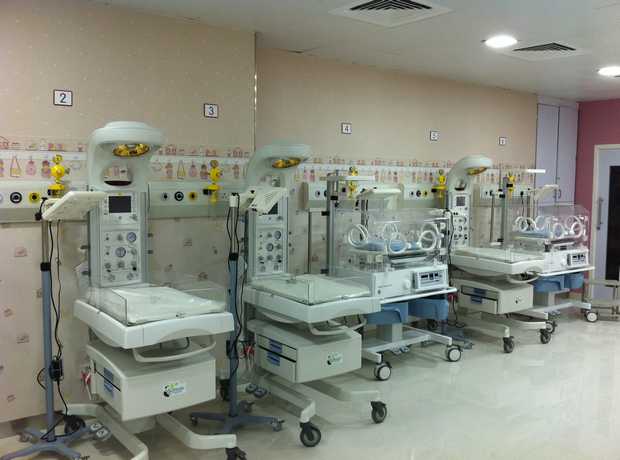
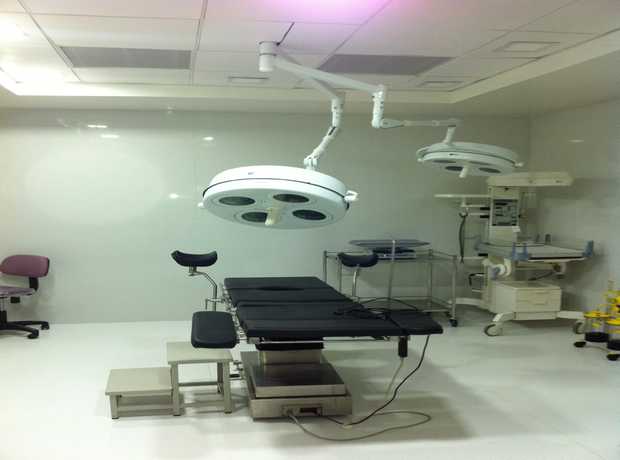
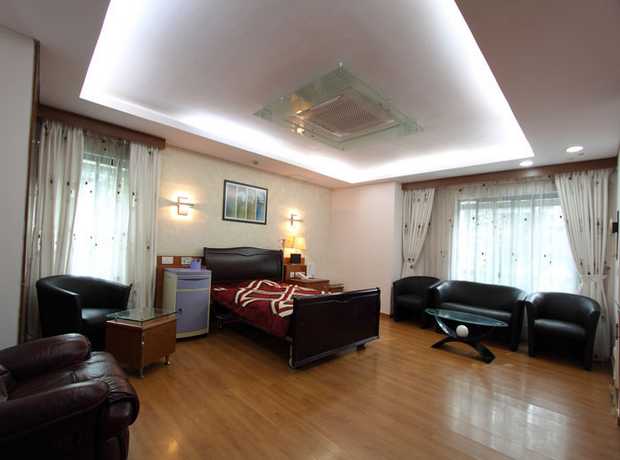
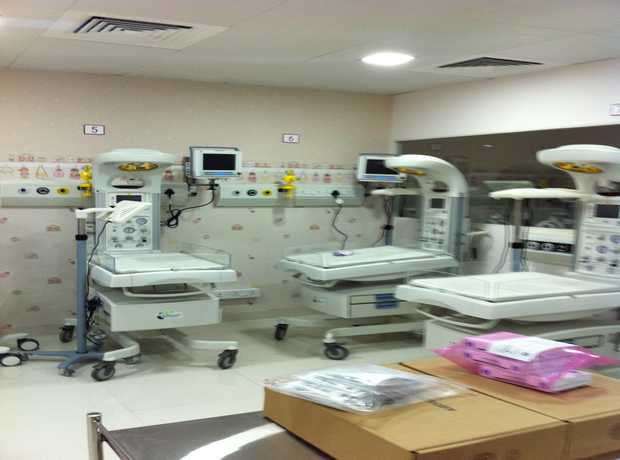

Essential Universal Design Checklists for Cape Town Projects (2025)
To guarantee that your project aligns with both current and upcoming regulations while genuinely prioritizing inclusivity, functionality, and user experience, consider these comprehensive checklists. These are not merely tick-box exercises but frameworks for thoughtful, strategic design.
1. Regulatory Compliance Checklist: Navigating the Legal Landscape in Cape Town
Adhering to legal and national standards is the bedrock of any successful universal design project. In Cape Town, this means a thorough understanding and application of specific South African building regulations. As universal design experts, we ensure your project is compliant, mitigating risks and ensuring smooth approvals.
- National Building Regulations (NBR) & Part S: This is the primary legislative instrument governing building works in South Africa.
- Ensure adherence to Part S (Facilities for Persons with Disabilities) of the NBR. This section mandates specific provisions for accessibility in new buildings and alterations to existing ones. It covers everything from accessible routes, parking spaces, and entrance requirements to specific dimensions for sanitary facilities, lifts, and ramps. Our consultancy thoroughly reviews designs against these requirements, identifying any potential non-compliance early in the project lifecycle.
- Stay Updated on Amendments: Regulations can be amended. Our experts continuously monitor any changes or new interpretations of Part S, ensuring that your project remains compliant with the most current version, especially looking towards 2025 and beyond.
- Interpretative Guidance: NBR can sometimes be open to interpretation. We provide clear guidance and apply best practices informed by years of experience, ensuring not just technical compliance but also practical usability.
- SANS 10400: The South African National Standard (SANS) provides the technical details and acceptable solutions for applying the National Building Regulations.
- Familiarize yourself with SANS 10400-T: This specific part, “The application of the National Building Regulations Part T: Facilities for Persons with Disabilities,” provides granular detail on dimensions, slopes, clearances, surface finishes, and specific requirements for various building elements. This includes precise specifications for ramp gradients, doorway widths, turning circles in restrooms, height of light switches, and tactile ground surface indicators.
- Integrate SANS into Design Drawings: We work closely with architects and engineers to ensure that every detail on the design drawings reflects the precise measurements and specifications outlined in SANS 10400-T, ensuring constructability and verifiable compliance.
- Beyond Minimums: While SANS specifies minimum standards, a true universal design approach often goes beyond these minimums to achieve a higher degree of usability and comfort for all users. We advise on best practices that exceed baseline compliance where appropriate.
- Local Municipal By-laws: The City of Cape Town, like other local authorities, may have specific by-laws or planning guidelines that supplement or elaborate on national regulations.
- Check for Specific City of Cape Town Requirements: These could include unique heritage overlay zones, specific aesthetic guidelines that must also incorporate accessibility, or additional requirements for public open spaces, street furniture, or public transport interfaces.
- Engage with Local Authorities: Our consultancy facilitates communication with the City of Cape Town’s planning and building control departments to preemptively address any local nuances, ensuring a smooth approval process and avoiding costly delays due to unforeseen municipal requirements.
- Contextual Application: Understanding Cape Town’s unique urban fabric, including its diverse neighborhoods, historical buildings, and natural environment, is key to applying these by-laws effectively and inclusively.
2. User Experience Checklist: Designing for Empathy and Empowerment
Compliance is essential, but true universal design elevates usability to an art form, focusing intensely on the experience of every individual. This checklist helps create spaces that are intuitive, comfortable, and empowering for everyone.
- Accessibility Audit:
- Conduct a thorough audit of the existing or proposed space: This involves a systematic review by trained accessibility experts, often using simulated experiences (e.g., wheelchair users, visually impaired individuals) to identify potential physical, sensory, and cognitive barriers. For existing structures, this audit highlights areas for immediate improvement and identifies non-compliant elements. For proposed designs, it’s a proactive measure to catch and correct issues before construction begins.
- Identify Barriers: Look beyond obvious physical barriers to subtle ones like poor color contrast, confusing signage, or highly reflective surfaces that can cause glare or disorientation.
- User-Centric Feedback: Incorporate feedback from diverse user groups, including people with disabilities, seniors, and parents with young children, to gather real-world perspectives.
- Wayfinding:
- Implement clear and intuitive signage: This includes using universal symbols that are internationally recognized, high-contrast colors, appropriate font sizes, and consistent placement. Think about the entire journey from arrival to destination.
- Tactile Elements: Integrate tactile ground surface indicators (TGSI) for directional guidance and warning at hazards (e.g., stairs, platforms). Braille and raised print on signs, elevator buttons, and door numbers are also critical.
- Auditory Cues: Consider audio announcements in lifts or public transport, and integrated voice guidance systems in complex buildings.
- Digital Wayfinding: Explore mobile apps or interactive kiosks that provide accessible navigation information.
- Assistive Listening Systems:
- Consider installing assistive listening systems (ALS) in public spaces: These are vital in venues where clear audio is essential, such as auditoriums, lecture halls, theatres, reception desks, and meeting rooms.
- Types of ALS: This can include induction loop systems (telecoils), FM systems, or infrared systems, each suitable for different environments and user needs. Ensure clear signage indicating the availability and type of ALS.
- Integration and Testing: Ensure ALS are seamlessly integrated into the building’s audio infrastructure and regularly tested for functionality and clarity.
- Sensory Considerations:
- Address potential sensory overload issues: This involves minimizing excessive noise (through acoustic design), controlling glare (through lighting design and window treatments), and managing olfactory inputs (through ventilation and material choices).
- Create Calming Zones: In large, busy environments, designating quiet zones or sensory rooms can provide refuge for individuals who are easily overwhelmed.
- Thermal Comfort: Design for consistent and controllable temperature zones to accommodate varying physiological needs.
- Tactile Diversity: Use a variety of textures in materials to provide sensory interest and aid orientation, without creating hazards.
We’ve delivered 1108+ universal design consultancy assignments across Cape Town and globally over 12+ years. Our commitment to on‑time delivery (99%), multi‑disciplinary reviews, and comprehensive post‑occupancy support underpins the successful outcomes of our projects. Contact us today to leverage our unparalleled experience and ensure your Cape Town project not only complies but truly excels in universal design.
3. Detailed Design Elements Checklist: Building Inclusive Spaces from the Ground Up
The devil is in the details. This checklist focuses on specific architectural and interior design elements that, when universally designed, transform a building from merely compliant to truly welcoming and functional for all.
- Entrances & Exits:
- Provide accessible primary entrances: Ensure at least one primary entrance is accessible, offering a clear, level path from the public way. This includes automatic doors or easily operable manual doors.
- Ramps or Lifts: Where level changes are unavoidable, incorporate ramps with appropriate gradients (e.g., 1:12 maximum slope), sufficient landings, and sturdy handrails on both sides. Lifts or platform lifts should be adequately sized for wheelchairs and mobility scooters, with clear controls and auditory signals.
- Adequate Maneuvering Space: Ensure clear floor space on both sides of doors, at the top and bottom of ramps, and within vestibules for wheelchair users to approach, open, and pass through comfortably.
- Canopies and Shelters: Provide protection from the elements at entrances, especially important for those who may take longer to enter or exit.
- Restrooms:
- Incorporate accessible toilet facilities: Designate gender-neutral accessible restrooms where possible, or ensure accessible stalls within multi-stall restrooms. These must comply with specific dimensions for clear floor space (e.g., minimum 1500mm turning circle) to allow for wheelchair maneuverability.
- Appropriate Grab Bars: Install horizontal and vertical grab bars next to toilets and within shower areas, securely mounted at specified heights and lengths.
- Accessible Fixtures: Ensure sinks, soap dispensers, hand dryers, and mirrors are at accessible heights. Lever handles or automatic faucets are preferred.
- Emergency Call Systems: Install easily reachable emergency call cords or buttons, especially within accessible toilet stalls and changing rooms.
- Family & Assisted Care Restrooms: Consider providing larger, private restrooms equipped with adult changing tables and space for caregivers.
- Circulation:
- Design pathways with adequate width and clear of obstructions: Corridors should be wide enough for two wheelchairs to pass comfortably (e.g., minimum 1800mm, with 1200mm absolute minimum). Eliminate protruding objects or ensure they are detectable by cane.
- Clear of Obstructions: Ensure permanent fixtures, furniture, and temporary elements like display stands do not impede clear pathways.
- Floor Surfaces: Use non-slip, level, and firm floor surfaces that provide good traction and minimal rolling resistance. Avoid abrupt changes in material or level.
- Stairs and Ramps: Ensure all stairs have consistent riser heights and tread depths, handrails on both sides, and tactile warnings at top and bottom.
- Lift Access: Clearly signpost and provide accessible routes to all lifts, ensuring they are regularly maintained and adequately sized.
- Lighting Design:
- Use appropriate lighting levels: Ensure uniform illumination without dark spots or excessive shadows. Different tasks and areas require varying lux levels.
- Avoid Glare: Minimize direct and reflected glare from light sources or highly reflective surfaces, which can be disorienting and cause discomfort, especially for those with visual sensitivities.
- Color Rendering: Select lighting that provides good color rendering to help with visual identification and contrast.
- Natural Light: Maximize controlled natural daylight, but provide effective shading solutions to prevent glare and overheating. Learn more about the importance of effective lighting design.
- Furniture & Fixtures:
- Select furniture and fixtures that are ergonomically designed and accessible: This includes seating with armrests and appropriate heights, tables with clear knee and toe space for wheelchair users, and easily operable controls on appliances or systems.
- Material Selection: Choose materials that are durable, easy to maintain, and contribute to the sensory comfort of the space (e.g., avoiding overly shiny or excessively textured surfaces that can be disorienting).
- Clearance and Spacing: Ensure adequate clear space around furniture for movement and transfer.
- High Contrast: Utilize color contrast between furniture and flooring or walls to aid people with visual impairments in identifying objects and spatial relationships.
Finding the Right Universal Design Consultancy in Cape Town: A Strategic Decision
Choosing the right Cape Town universal design consultancy company is arguably one of the most critical decisions for the success, longevity, and ethical standing of your project. It’s about partnering with a firm that not only understands the regulations but also embodies the spirit of universal design in every aspect of their work. Here’s what to look for when selecting your universal design partner in Cape Town:
- Experience:
- Look for a firm with a proven track record: This means extensive experience specifically in universal design projects, not just general architecture. Enquire about the number and variety of projects they have successfully completed, particularly those with complex accessibility challenges. Skydome Designs has nearly 30 years of experience in architecture and interior design, with a dedicated focus and over 12 years of specialized expertise in delivering universal design consultancy assignments across diverse sectors in Cape Town and globally.
- Diverse Project Portfolio: A consultancy that has worked across different typologies (residential, commercial, healthcare, public spaces) demonstrates a breadth of understanding and problem-solving skills applicable to various contexts.
- Local Knowledge: Experience in Cape Town itself is invaluable, as it indicates familiarity with local planning regulations, municipal processes, and specific environmental or cultural considerations unique to the region.
- Expertise:
- Ensure the team has the necessary multi-disciplinary expertise: A truly effective universal design consultancy should boast a team comprising not only architects and interior designers but also accessibility specialists, ergonomic experts, and potentially even occupational therapists or human factors engineers. This multi-faceted approach ensures comprehensive consideration of all user needs.
- Deep Understanding of Regulations: The team should demonstrate an in-depth, up-to-date knowledge of the National Building Regulations (NBR), SANS 10400, and any relevant local by-laws specific to Cape Town. Their expertise should go beyond superficial compliance to insightful application.
- Innovative Solutions: Look for a firm that can offer creative and innovative solutions to accessibility challenges, integrating technology and smart design to enhance usability without compromising aesthetics or functionality.
- Authoritativeness:
- Check for certifications, awards, and recognition in the field: Industry accolades, professional accreditations (e.g., from accessibility organizations), and positive media coverage are strong indicators of a firm’s authority and leadership in universal design.
- Thought Leadership: Does the firm publish articles, present at conferences, or contribute to industry standards? This demonstrates their commitment to advancing the field and their depth of knowledge.
- Professional Affiliations: Membership in relevant professional bodies or associations indicates adherence to high professional standards and ongoing commitment to best practices.
- Trustworthiness:
- Read client testimonials and case studies: These provide invaluable insights into a firm’s reliability, project management capabilities, and client satisfaction. Look for specific feedback on their approach to universal design, communication, and problem-solving.
- Transparency in Processes and Costs: A trustworthy firm will be upfront about their methodologies, project timelines, and fee structures.
- Post-Occupancy Support: A commitment to evaluating and refining designs after completion speaks volumes about their dedication to genuine universal design outcomes.
Skydome Designs stands out as an exceptional partner in this regard. Our award‑winning team operates with transparent costs and milestone‑based reporting, ensuring clarity and accountability throughout every project in Cape Town. We leverage BIM‑led coordination, value engineering, and stringent quality control, all meticulously tailored to the unique requirements of the Cape Town context. At Skydome Designs, we pride ourselves on delivering projects that are not only on-time and on-budget but also meet global universal design standards, ensuring unparalleled quality and inclusivity. Partner with us to transform your vision into a truly accessible and outstanding reality.
Skydome Designs: Your Strategic Partner for Universal Design Excellence in Cape Town
Skydome Designs Pvt Ltd is not just an architecture and interior design firm; we are innovators dedicated to creating spaces that are not only aesthetically captivating and functionally efficient but also universally accessible and profoundly inclusive. With a rich history spanning nearly 30 years in the design industry, and over 12 years specifically dedicated to advanced universal design consultancy, we offer comprehensive, cutting-edge services to clients across Cape Town, South Africa, and internationally. We are recognized as leading Cape Town interior experts, committed to elevating every project through thoughtful and empathetic design.
Our philosophy is rooted in the belief that great design should serve everyone, seamlessly integrating accessibility from the initial concept phase. We understand that universal design is an investment that yields significant returns – enhancing user experience, broadening market appeal, ensuring regulatory compliance, and future-proofing your assets. Our multi-disciplinary team brings together a wealth of expertise, ensuring that every project benefits from a holistic and integrated approach to universal design.
What We Offer: Tailored Universal Design Solutions for Cape Town’s Diverse Needs
Skydome Designs provides specialized universal design consultancy integrated across various project typologies:
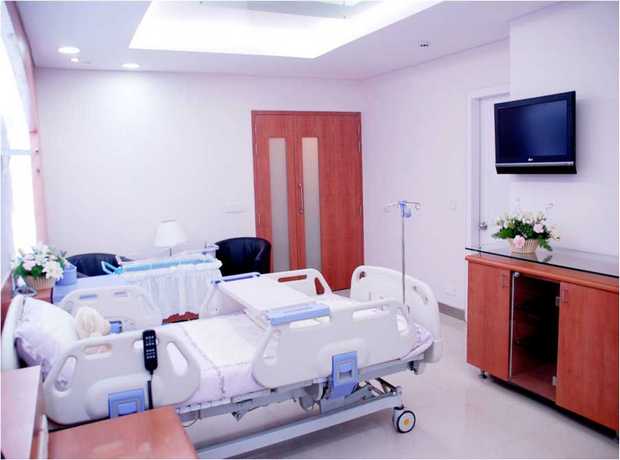
- Hospital Interior Design:
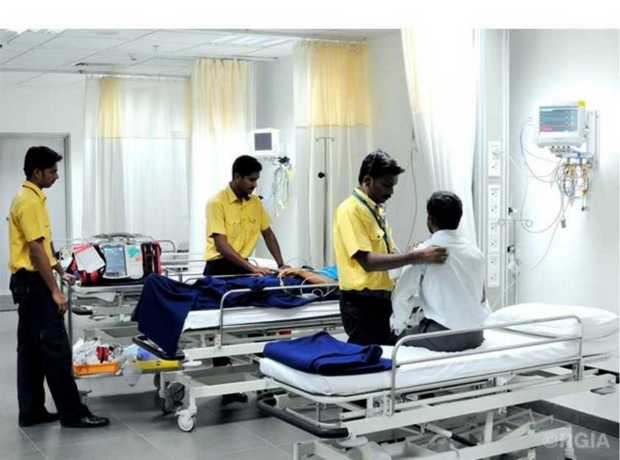
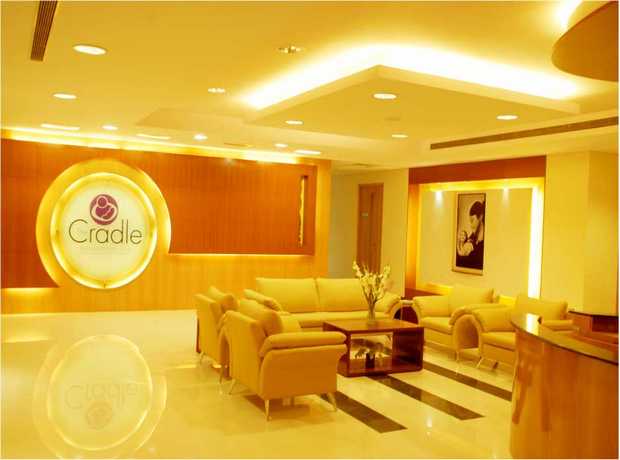
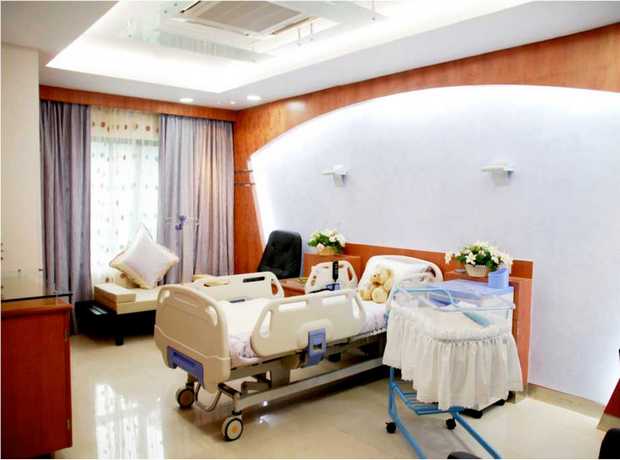
- Creating Patient-Centered Spaces: We design healthcare environments that prioritize patient safety, ease of navigation, and emotional well-being. This includes accessible patient rooms, clear wayfinding within complex hospital layouts, comfortable waiting areas, and specialized facilities like accessible ICUs, OTs, and diagnostic labs.
- Functionality for All: Our designs optimize workflow for healthcare staff while ensuring that all facilities, from reception desks to examination rooms, are accessible to patients with varying mobility, sensory, and cognitive needs. This includes considerations for adjustable examination tables, accessible toilet facilities within patient rooms, and quiet zones to reduce sensory overload.
- Healing Environments: We integrate universal design principles to create calming, intuitive, and supportive environments that promote healing and reduce stress for patients, visitors, and staff.
- Residential Projects:
- Designing Inclusive and Comfortable Living Environments: Whether it’s individual apartments, luxury condos, multi-generational homes, or senior housing facilities, we focus on creating spaces that are adaptable, safe, and comfortable for all residents throughout their lifespan.
- Adaptable Housing: Our designs often incorporate adaptable features, allowing homes to be easily modified as residents’ needs change, without major structural alterations. This includes adaptable kitchens, bathrooms, and flexible living spaces.
- Multi-Generational Living: We specialize in creating homes that seamlessly cater to diverse age groups, fostering independence for seniors and individuals with disabilities while supporting families with young children.
- Smart Home Integration: We advise on and integrate smart home technologies that enhance accessibility and autonomy, such as voice-activated controls, automated lighting, and accessible security systems.
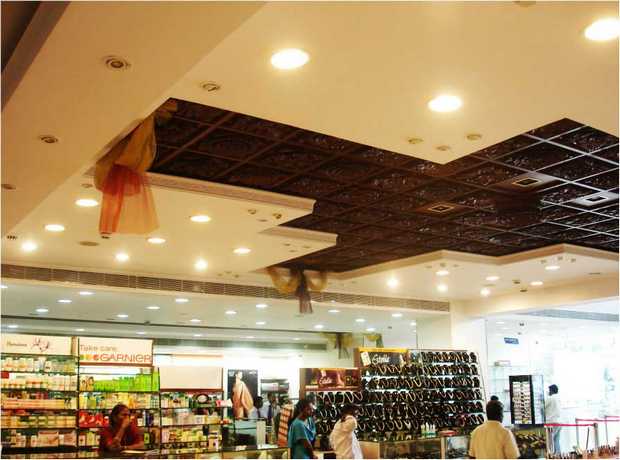
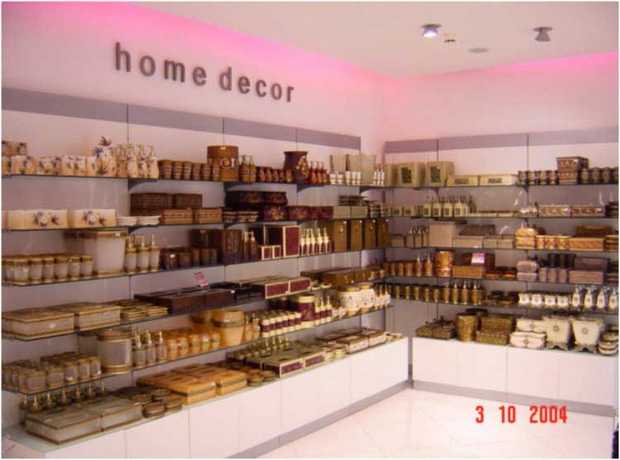
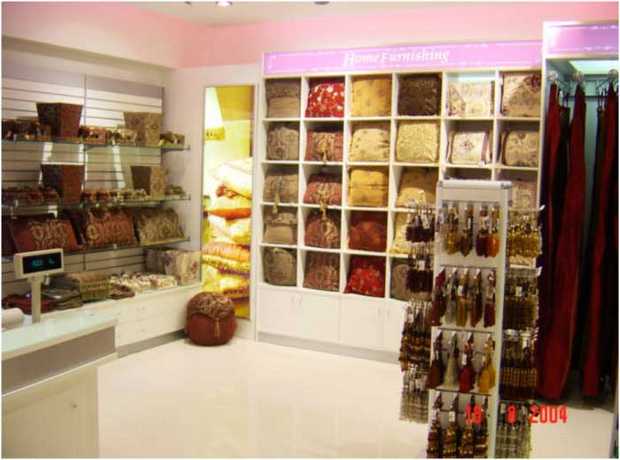
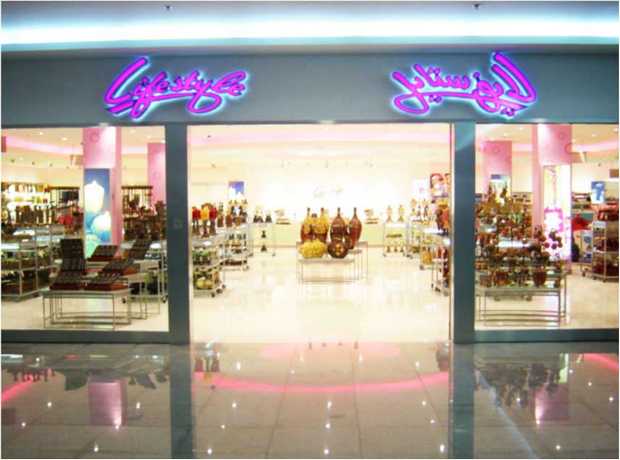
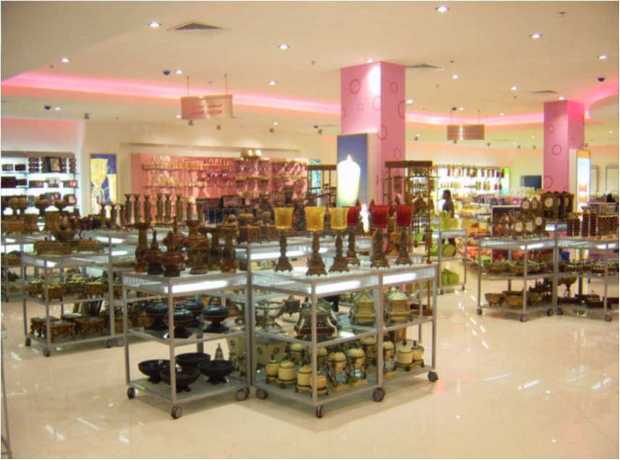
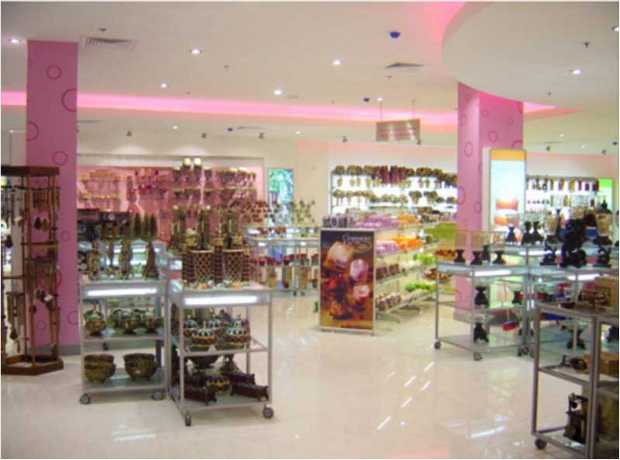
- Retail & Commercial Design:
- Developing Accessible and Welcoming Spaces: From bustling shopping malls and high-street retail outlets to modern office buildings and vibrant entertainment centers, our designs ensure a welcoming experience for every customer and employee.
- Optimized Customer Flow: We design pathways, checkout areas, fitting rooms, and display layouts to ensure effortless navigation and access for all, including wheelchair users, parents with strollers, and individuals with visual impairments.
- Inclusive Workplaces: For offices, we focus on creating universally accessible workstations, meeting rooms, common areas, and facilities that promote productivity and well-being for a diverse workforce, fostering an inclusive company culture.
- Sensory-Conscious Retail: We consider lighting, acoustics, and material choices to create engaging yet comfortable retail environments that avoid sensory overload while enhancing product visibility.
- Interior Solutions & Space Planning:
- Comprehensive Space Planning: Our expertise extends to optimizing floor layouts to maximize functionality, flow, and accessibility, ensuring efficient use of space while adhering to universal design principles.
- Furniture Layouts: We meticulously plan furniture arrangements to ensure adequate clear maneuvering space, appropriate heights, and ergonomic comfort for all users.
- Lighting Design Services: Beyond general illumination, we provide detailed lighting schemes that minimize glare, enhance visibility, and create safe, comfortable environments. Discover more about our lighting design expertise.
- Material and Finish Selection: We advise on selecting materials and finishes that contribute to accessibility (e.g., non-slip flooring, high-contrast colors) and sensory comfort, without compromising on aesthetic appeal or durability.
- Turnkey Interior Execution: We offer complete solutions from concept to completion, managing every aspect of the interior design process to ensure universal design is integrated flawlessly.
Why Choose Skydome Designs for Your Cape Town Project?
- 29+ Years of Experience Across India and Abroad: Our extensive experience provides a deep well of knowledge and refined processes, ensuring robust and innovative design solutions that stand the test of time and meet international standards.
- In-house Team of Architects, Healthcare Planners, and Project Managers: Our integrated team offers seamless coordination, holistic design thinking, and efficient project management, ensuring that universal design considerations are woven into every stage of development.
- Award-Winning, Client-Focused, and Sustainable Designs: We are recognized for our design excellence and commitment to sustainability. Our client-centric approach means we listen, understand, and translate your vision into designs that exceed expectations while being environmentally responsible and universally accessible.
- Projects Delivered On-Time, On-Budget, and to Global Standards: Our rigorous project management methodologies, coupled with our commitment to quality control and value engineering, ensure that your project is completed efficiently, within financial parameters, and to the highest global benchmarks for design and accessibility.
- 1108+ Universal Design Assignments: Our specialized universal design consultancy track record includes over a thousand assignments, showcasing unparalleled expertise and a deep understanding of diverse accessibility needs.
Ready to elevate your project with truly inclusive and outstanding design? Contact Skydome Designs today: +91 7299072144 | Email: info@skydomedesigns.com to discuss your interior design and space planning needs in Cape Town. Let us help you create spaces that are truly for everyone.
Importance of Effective Lighting Design in Universal Design
Lighting is far more than just illumination; it is a critical component of universal design that profoundly impacts usability, safety, and comfort for all occupants. For individuals with visual impairments, older adults, or those with certain cognitive conditions, well-executed lighting can make the difference between a navigable, comfortable space and one that is disorienting or hazardous.
Effective lighting design in universal spaces means:
- Enhancing Visibility and Readability: Ensuring uniform and adequate light levels across spaces, particularly on task areas, signage, and pathways. This includes sufficient vertical illumination to read signs and see faces clearly.
- Minimizing Glare: Glare, whether direct from light sources or reflected from glossy surfaces, can be debilitating, causing discomfort, reducing visual acuity, and increasing the risk of falls. Universal design prioritizes diffuse lighting, indirect lighting, and careful material selection to control glare.
- Creating Contrast and Definition: Lighting can be used to highlight changes in level, define transition zones, and emphasize architectural features, aiding orientation and navigation. High contrast between light and dark areas, when used intentionally, can delineate pathways or important elements.
- Supporting Wayfinding: Strategically placed lighting can guide users through a space, drawing attention to entrances, exits, and key destinations. Emergency lighting is crucial to ensure safe egress during power outages.
- Promoting Safety: Well-lit stairwells, ramps, and potential obstacles reduce the risk of accidents. Shadows can obscure hazards, so even, consistent lighting is preferred.
- Adjustability and Control: Providing user-friendly controls (e.g., large, tactile switches at accessible heights) that allow individuals to adjust lighting levels to suit their personal needs and sensitivities. Integration of smart lighting systems can offer personalized and automated control.
- Maximizing Natural Light (with control): Incorporating natural daylight is beneficial for well-being, but it must be managed with effective shading systems (blinds, louvers) to prevent excessive heat gain and glare, ensuring comfort throughout the day.
At Skydome Designs, our lighting specialists integrate these principles from the outset, designing lighting schemes that are not only aesthetically pleasing but also meticulously engineered to enhance accessibility and user experience, contributing to the overall success of your Cape Town project.
The Role of Acoustics in Inclusive Design for Cape Town Environments
Acoustic considerations are a often-overlooked yet profoundly essential aspect of creating truly inclusive environments. The soundscape of a space can significantly impact comfort, intelligibility, and the overall experience for a diverse range of users, especially those with hearing impairments, cognitive disabilities, or sensory sensitivities.
Effective acoustic design in universal spaces means:
- Minimizing Noise Distractions: Uncontrolled background noise can be overwhelming, making it difficult to concentrate, understand speech, or simply feel at ease. This is particularly critical in healthcare settings, educational institutions, and public waiting areas. Good acoustic design isolates noisy areas, uses sound-absorbing materials, and manages sound transmission.
- Improving Speech Intelligibility: For individuals with hearing loss, clear speech is paramount. Reverberation (echo) can severely reduce speech intelligibility. Acoustic treatments are designed to control reverberation times, ensuring that spoken words are clear and distinct, whether in a reception area, a meeting room, or a performance space.
- Creating a More Comfortable Environment: Beyond just hearing, excessive noise can lead to stress, fatigue, and sensory overload for anyone, but particularly for individuals with autism spectrum disorder, ADHD, or those sensitive to auditory stimuli. Thoughtful acoustic planning creates zones of quiet and calm within busy environments.
- Privacy and Confidentiality: In spaces like consultation rooms, offices, or patient rooms, effective acoustic separation is vital for maintaining privacy and confidentiality, which is a key aspect of user comfort and trust.
- Clarity for Assistive Listening Systems: Acoustic design works hand-in-hand with assistive listening systems. A well-designed acoustic environment enhances the effectiveness of technologies like induction loops, ensuring that the delivered audio is clear and free from interference.
- Managing Environmental Sounds: Consider the desired soundscape. Sometimes, gentle background sounds (e.g., water features, soft music) can contribute to a calming atmosphere, while harsh or abrupt sounds should be mitigated.
Our team at Skydome Designs employs advanced acoustic modeling and material selection to create balanced soundscapes. We focus on integrating sound-absorbing surfaces, strategic spatial planning, and noise control measures to ensure that every space in your Cape Town project is acoustically optimized for comfort, communication, and inclusivity.
Conclusion: Building a Universally Accessible Cape Town for Tomorrow
Ensuring rigorous compliance with universal design principles is far more than an obligation; it is a profound commitment to creating inclusive, equitable, and welcoming spaces for everyone in Cape Town. By meticulously utilizing the detailed checklists outlined in this guide and by partnering with a reputable and experienced universal design consultancy in Cape Town like Skydome Designs, you can create projects that not only meet but exceed regulatory requirements. You’ll develop environments that are not only functional and efficient but also deeply empathetic, enhancing the quality of life for residents, attracting a wider range of visitors, and contributing to Cape Town’s reputation as a truly progressive and inclusive global city.
The journey towards universal design excellence is ongoing, evolving with new technologies, deeper understandings of human diversity, and updated legislative frameworks. Engaging with experts who possess a deep understanding of these nuances, combined with practical experience in implementing sophisticated solutions, is the key to success. Skydome Designs offers precisely this blend of foresight, expertise, and commitment, ensuring your investment in universal design yields enduring value.
Ready to make your project universally accessible, compliant, and exceptional? Don’t just meet the standards; set them. Contact Skydome Designs today to discuss how our award-winning team can transform your vision into a reality that truly serves all.
FAQ: Universal Design in Cape Town
Here are some frequently asked questions about universal design in Cape Town, offering deeper insights into this critical field:
What is universal design?
Universal design is an approach to design and composition of an environment, product, or service so that it can be accessed, understood, and used to the greatest extent possible by all people, regardless of their age, size, ability, or disability. It aims to eliminate barriers and create equitable, flexible, simple, perceptible, and tolerant environments that minimize physical effort and provide adequate space for approach and use.
Why is universal design important in Cape Town specifically?
Cape Town is a vibrant, diverse, and growing metropolitan area. Its importance lies in several factors: catering to a diverse local population (including an aging demographic and individuals with various abilities), enhancing the experience for millions of international and domestic tourists, ensuring legal compliance with national (NBR, SANS 10400) and local building regulations, and fostering economic inclusion by making businesses and public spaces accessible to a wider market. It also positions Cape Town as a leading city for inclusive urban development on the African continent.
How do I find a qualified universal design consultant in Cape Town?
When seeking a qualified universal design consultant in Cape Town, look for firms with a strong portfolio of successfully completed universal design projects, not just general architectural work. Verify their expertise in relevant South African building regulations (NBR, SANS 10400) and local Cape Town by-laws. Prioritize firms with multi-disciplinary teams, positive client testimonials, industry awards or accreditations, and transparent communication regarding their processes and costs. Skydome Designs, with its nearly 30 years of experience and specialized universal design expertise, has a proven track record in this area.
What are the key considerations for universal design in building projects?
Key considerations encompass a broad spectrum of design elements, including: Accessibility (ramps, lifts, wide doorways, clear paths), Wayfinding (clear signage, tactile elements, auditory cues), Sensory Design (optimized lighting, acoustics, thermal comfort, material choices), Spatial Planning (adequate maneuvering space, clear circulation), Fixture and Furniture Selection (ergonomics, accessible heights, ease of use), and Safety Features (non-slip surfaces, emergency systems). Our checklists detailed above provide an excellent starting point for a comprehensive approach.
What regulations should I be aware of regarding universal design in Cape Town?
The primary regulations in South Africa are the National Building Regulations (NBR), particularly Part S (Facilities for Persons with Disabilities). These are detailed and made actionable by the South African National Standard (SANS 10400-T), which provides technical specifications for accessibility. Additionally, you must be aware of any specific local municipal by-laws or planning guidelines set by the City of Cape Town, which may introduce further requirements or contextual considerations unique to the city.
What are the long-term benefits of investing in universal design for my Cape Town property?
Investing in universal design offers significant long-term benefits: it broadens your market appeal, attracting a wider range of clients, residents, and visitors; it future-proofs your property against evolving regulations and demographic shifts, reducing the need for costly retrofits; it enhances brand reputation as a socially responsible and inclusive entity; it can increase property value and tenant retention; and it creates a superior user experience, leading to higher satisfaction and loyalty. Ultimately, it builds a more resilient, adaptable, and valuable asset.
Is universal design significantly more expensive than standard design?
When universal design principles are integrated from the initial planning and conceptual stages of a project, the additional costs are often minimal, typically adding only 0.5% to 1% to the total project budget. These costs are largely offset by the long-term benefits, reduced liability, broader market appeal, and avoidance of expensive retrofits later on. It is significantly more costly to incorporate accessibility features into an existing structure than to design for them from the outset. A skilled universal design consultancy like Skydome Designs can offer value engineering to ensure cost-effectiveness without compromising on inclusivity.
How does Skydome Designs integrate universal design into its architectural and interior design projects?
At Skydome Designs, universal design is not an add-on; it’s fundamental to our design philosophy. We integrate it from the very first sketch through to the final execution. This involves: conducting thorough accessibility audits and needs assessments, applying NBR and SANS 10400 standards rigorously, incorporating user feedback, leveraging BIM-led coordination for precise execution, and employing our multi-disciplinary team to address all facets of accessibility – physical, sensory, and cognitive. Our goal is to create spaces that are intuitive, safe, and empowering for everyone, seamlessly blending aesthetics with functionality.
Related Articles:
- The Future of Sustainable Architecture in Cape Town
- Top Interior Design Trends for 2025 in South Africa
About Skydome Designs
Skydome Designs Pvt Ltd is a leading architecture and interior design firm, headquartered in India with extensive experience across diverse global markets. With nearly 30 years of expertise, we specialize in delivering innovative, sustainable, and highly functional spaces, particularly renowned for our work in hospital and healthcare interiors, luxury residential developments, and dynamic retail & commercial projects. Our commitment to universal design principles ensures that every space we create enhances experiences and optimizes operational efficiency for all users.
What We Do
- Hospital Interior Design: Specializing in patient rooms, ICUs, OTs, diagnostic labs, consultation areas, and comprehensive facility planning, all designed for optimized patient care, staff efficiency, and universal accessibility.
- Residential Projects: Crafting bespoke interiors for apartments, luxury condos, senior housing, and community-focused residential complexes, prioritizing comfort, adaptability, and inclusive living for every resident.
- Retail & Commercial Design: Developing engaging and accessible environments for shopping malls, mixed-use developments, corporate offices, and entertainment centers that enhance customer experience and operational effectiveness.
- Interior Solutions: Providing comprehensive services including strategic space planning, elegant furniture layouts, sophisticated lighting design, and end-to-end turnkey interior execution, meticulously integrating universal design principles at every stage.
Why Choose Us
- 29+ years of experience: A distinguished legacy of design excellence across India and abroad, delivering projects with profound insight and innovation.
- In-house multi-disciplinary team: Our integrated team of architects, healthcare planners, and project managers ensures seamless coordination, holistic design, and efficient execution.
- Award-winning, client-focused, and sustainable designs: Recognized for our creative brilliance, our designs are rooted in client aspirations and a steadfast commitment to environmental responsibility.
- Projects delivered on-time, on-budget, and to global standards: Our rigorous project management and quality assurance processes guarantee timely completion, financial prudence, and adherence to the highest international benchmarks.
📞 Contact: +91 7299072144 | ✉️ Email: info@skydomedesigns.com