Johannesburg, a vibrant economic hub and a rapidly expanding metropolitan area, is experiencing unprecedented urban growth. This expansion is intrinsically linked to a burgeoning demand for advanced educational infrastructure, particularly modern and highly functional university buildings. As the city evolves, so too do the expectations placed upon its academic institutions. Meeting this escalating demand, while simultaneously adhering to an increasingly complex web of stringent quality standards and regulatory compliance, requires an exceptionally meticulous and foresightful approach to planning and execution. This comprehensive article delves into the critical elements of university building architecture in Johannesburg for 2025, offering essential checklists designed to ensure that projects are not only successful and sustainable but also dynamically responsive to the ever-evolving needs of students, faculty, and the broader academic community. As Johannesburg accelerates its urban development, the imperative for robust and visionary university building architecture will undoubtedly rise, accompanied by even stricter building codes and heightened user expectations for inspiring, efficient, and future-ready learning environments.
The Indispensable Role of Comprehensive Checklists in University Building Architecture
In the intricate world of large-scale construction, particularly within the specialized domain of university building projects, effective checklists are far more than mere administrative tools; they are foundational pillars for success. They are crucial for navigating the multifaceted complexities inherent in such ventures, serving as critical instruments for mitigating risks, ensuring strict compliance with local and national regulations, optimizing functional utility, and ultimately, creating spaces that genuinely inspire learning, foster innovation, and promote holistic well-being. A meticulously structured and thoughtfully developed checklist provides a systematic framework that encompasses every conceivable phase of a project, from the initial embryonic stages of conceptual planning and detailed architectural design, through the rigorous phases of construction and the application of interior finishes, all the way to crucial post-occupancy evaluations. This holistic approach ensures consistency, accountability, and the seamless integration of various disciplines, culminating in a university facility that stands as a testament to quality, foresight, and sustainable design.
Beyond simply ticking boxes, a robust checklist system offers several profound advantages:
- Risk Mitigation: By systematically addressing potential issues upfront, checklists help identify and mitigate risks related to safety, budget overruns, timeline delays, and regulatory non-compliance before they escalate into costly problems.
- Quality Assurance: They standardize processes, ensuring that every element, from structural integrity to the finish of a door handle, meets predefined quality benchmarks and global best practices.
- Stakeholder Alignment: Checklists serve as clear communication tools, ensuring that all stakeholders – from university administration and academic departments to architects, engineers, and contractors – are aligned on project goals, standards, and expectations.
- Budget and Timeline Control: Detailed checklists help in accurate estimation, tracking progress, and identifying potential bottlenecks, thereby aiding in better budget management and adherence to project schedules.
- Knowledge Transfer: They codify best practices and lessons learned from previous projects, ensuring that institutional knowledge is preserved and applied to future endeavors, enhancing efficiency and innovation.
- Accountability: By clearly assigning responsibilities and tracking completion, checklists foster a culture of accountability among all project participants.
Key Areas Covered in University Building Architecture Checklists for Johannesburg
When developing comprehensive checklists for university building architecture in Johannesburg, several overarching and interdependent areas demand the most meticulous attention. These critical domains include regulatory compliance, the pursuit of truly functional design, the integration of robust sustainability principles, and the seamless incorporation of cutting-edge technological innovations. Each area is vital, and their synergistic integration is what ultimately defines a successful, future-proof university building.

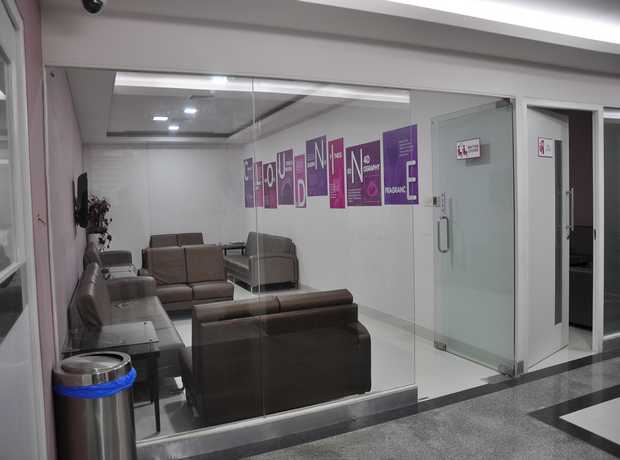
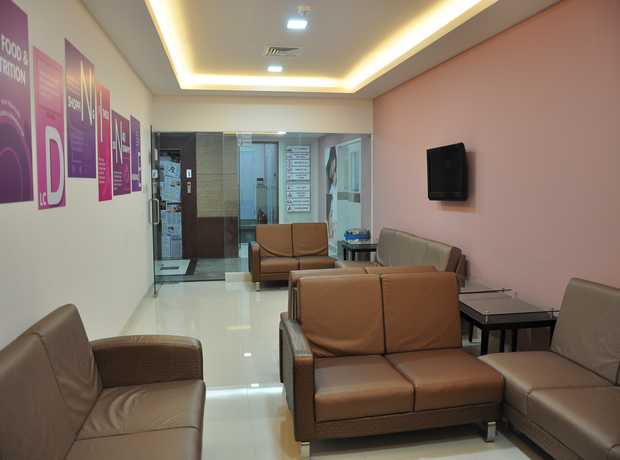
Regulatory Compliance: Expertly Navigating Johannesburg’s Complex Building Codes and Bylaws
Adhering to Johannesburg’s specific building codes and broader South African national regulations is not merely a recommendation; it is an absolute, non-negotiable imperative. Failure to comply can lead to significant delays, substantial financial penalties, and, in severe cases, the demolition of non-compliant structures. The primary regulatory framework is the National Building Regulations and Building Standards Act (Act 103 of 1977), commonly referred to as SANS 10400, which outlines comprehensive requirements for various aspects of building construction. Your university building architecture checklist must integrate these standards seamlessly, including specific provisions for:
- Fire Safety Systems (SANS 10400-T): This section is paramount for the safety of occupants. Your checklist must ensure the meticulous planning and installation of active fire protection systems like automatic sprinkler systems, smoke detection and alarm systems, and emergency lighting. Equally important are passive fire protection measures, including the use of fire-resistant materials for structural elements (walls, floors, ceilings), compartmentalization to prevent fire spread, and clearly marked, adequate emergency exits and escape routes designed for high occupancy loads. Regular testing and maintenance protocols must also be considered from the design phase.
- Accessibility (SANS 10400-A and SANS 10400-S): Creating an inclusive learning environment is a fundamental ethical and legal requirement. The checklist must rigorously address universal accessibility standards, ensuring features such as ramps with appropriate gradients, spacious elevators, accessible restrooms with grab rails and sufficient maneuvering space, tactile paving for visually impaired individuals, and clear, universally understandable signage. This extends to accessible parking, entranceways, lecture hall seating, and laboratory workstations, ensuring equitable access for all students, faculty, and visitors.
- Environmental Compliance (NEMA and Local Bylaws): Beyond national building regulations, projects must align with the National Environmental Management Act (NEMA) and specific Johannesburg municipal bylaws concerning environmental protection. This includes comprehensive waste management plans during both construction and operation, robust water conservation strategies (e.g., efficient irrigation, low-flow fixtures, rainwater harvesting), and stringent energy efficiency targets. Environmental Impact Assessments (EIAs) might be required for larger projects, necessitating early engagement with environmental consultants.
- Structural Integrity (SANS 10400-B, -C, -D, -H, -J, -K, -L, -M, -N, -P, -Q, -R): These sections cover various structural aspects from foundations and site preparation to structural load calculations, masonry, concrete, steel, and timber construction. Ensuring compliance here guarantees the long-term safety and durability of the university building.
- Health and Sanitation (SANS 10400-P, -Q): Requirements for plumbing, drainage, ventilation, and general hygiene are critical for occupant health and comfort.
- Zoning and Land Use Management Schemes: Local municipal schemes dictate allowable building heights, floor area ratios, setbacks, and permitted uses for specific land parcels. Any university development must strictly adhere to these to obtain necessary planning permissions.
- Heritage Conservation: If the proposed site or existing structures have historical significance, stringent heritage protection regulations may apply, requiring specialized assessments and conservation plans.
Working with a Johannesburg university building architecture company experienced in local regulations is vital. Skydome Designs has Delivered 1351+ university building architecture assignments across Johannesburg and globally over 29+ years, demonstrating an unparalleled understanding of diverse regulatory landscapes. Our commitment to on‑time delivery (over 98%), multi‑disciplinary reviews, and comprehensive post‑occupancy support underpins our successful outcomes. Contact Skydome Designs today for expert guidance that guarantees compliance and peace of mind.
Functional Design: Engineering Optimal and Inspiring Learning Environments for the Modern Age
A university building’s ultimate purpose is to facilitate effective learning, pioneering research, and a thriving academic community. Consequently, functional design is not merely about aesthetics; it is about creating spaces that are intuitively navigable, acoustically sound, visually stimulating, and adaptable to evolving pedagogical methods. The design must foster collaboration, individual focus, and a sense of belonging. Key functional design considerations to include in your checklist are:
- Intelligent Space Planning: This is the cornerstone of functional design. Each area within the university building must be meticulously planned to support its specific purpose while contributing to an overall cohesive and efficient layout.
- Classrooms and Lecture Halls: These require flexible layouts to accommodate various teaching styles (traditional lectures, group work, flipped classrooms). Considerations include optimal sightlines for all students, integration points for audio-visual equipment, comfortable and ergonomic seating arrangements, and varying capacities from intimate seminar rooms to large lecture theatres.
- Specialized Laboratories: Research and teaching laboratories demand highly specialized planning. This involves precise allocation for equipment (e.g., fume hoods, sensitive instruments), robust infrastructure for utilities (gas, water, electricity, specialized ventilation), stringent safety protocols, and adaptable layouts to cater to future scientific advancements.
- Libraries and Modern Learning Hubs: Beyond traditional book stacks, modern university libraries are evolving into dynamic learning commons. Design must incorporate quiet zones for individual study, collaborative group study rooms with digital display capabilities, comfortable lounge areas, access to digital resources, and flexible furniture arrangements.
- Administrative Offices: These spaces need to be designed for workflow efficiency, ensuring privacy where required (e.g., student counseling), ample natural light, and comfortable common areas for staff interaction.
- Student Life Spaces: Cafeterias and dining halls need to be welcoming and efficient, common rooms should foster social interaction, and recreation areas should promote well-being. Multi-faith spaces, student support services, and health clinics are also vital components of a holistic campus environment.
- Faculty Offices and Research Hubs: Spaces for academics should balance private work areas with opportunities for interdisciplinary collaboration. Access to specialized equipment, meeting rooms, and comfortable break-out zones are crucial.
- Circulation and Wayfinding: Intuitive pathways, clear and consistent signage (both physical and digital), and logical building layouts are essential for easy navigation, especially for new students and visitors.
- Optimized Acoustics: Noise pollution can severely impede learning and concentration. Your checklist must specify acoustic treatments to minimize noise distractions in classrooms, lecture halls, and study areas. This includes using sound-absorbing materials (e.g., acoustic panels, carpets), ensuring proper sound insulation between different functional zones, and carefully designing room geometry to control reverberation times for optimal speech intelligibility in lecture spaces.
- Strategic Lighting Design: Effective lighting impacts visual comfort, energy consumption, and occupant well-being. The checklist should prioritize optimizing natural light through large windows, skylights, and careful building orientation, while minimizing glare. Artificial lighting design must incorporate energy-efficient LED fixtures, tunable lighting systems that mimic natural daylight cycles (circadian rhythm lighting), and zoned controls to reduce energy waste. Task lighting should be considered for specific work areas.
- Inspiring Interior Design: The aesthetic and tactile qualities of interior spaces significantly influence mood, productivity, and the overall university experience. Interior design considerations should include creating inspiring and comfortable spaces that promote well-being, utilizing durable and aesthetically pleasing material palettes, incorporating biophilic design elements (connecting occupants with nature), and employing colour psychology to enhance specific functions (e.g., calm colours for study areas, vibrant colours for social hubs).
Achieving optimal learning environments requires deep insight into educational paradigms and user psychology, coupled with extensive architectural expertise. Skydome Designs brings award‑winning design principles and global experience, coupled with local code expertise in Johannesburg, to create spaces that truly inspire. For a consultation on functional and inspiring university building architecture that stands the test of time, reach out to Skydome Designs today.
Sustainability: Integrating Green Building Practices for a Resilient Future
In an era defined by climate change and resource scarcity, sustainable design is no longer a luxury but an absolute necessity for any responsible institution. University buildings, with their large footprints and long lifespans, have a significant environmental impact. Implementing green building practices not only reduces this impact but also offers long-term operational cost savings, enhances occupant comfort, and serves as a powerful educational statement. Your sustainability checklist should be comprehensive, including:
- Radical Energy Efficiency: This goes beyond basic insulation. The checklist should demand high-performance building envelopes, including advanced glazing (double or triple-pane windows with low-emissivity coatings), superior insulation in walls and roofs, and airtight construction to minimize thermal leakage. Passive solar design principles, such as optimal building orientation to maximize winter sun exposure and minimize summer heat gain, should be prioritized. High-efficiency HVAC (Heating, Ventilation, and Air Conditioning) systems with energy recovery ventilators, smart thermostats, and integration with renewable energy sources (e.g., solar photovoltaic panels, geothermal heat pumps) are essential for significant energy reduction.
- Proactive Water Conservation: Water scarcity is a critical issue in many regions, including parts of South Africa. Your checklist should mandate low-flow fixtures (toilets, urinals, faucets, showerheads), efficient irrigation systems for landscaping (e.g., drip irrigation), greywater recycling systems for non-potable uses (flushing toilets, irrigation), and comprehensive rainwater harvesting systems for stormwater management and supplementing non-potable water needs. Drought-resistant and indigenous landscaping should also be a priority.
- Conscious Material Selection: The environmental footprint of building materials is substantial. The checklist should encourage the use of sustainable and locally sourced materials to reduce transportation emissions. Prioritize materials with high recycled content, low embodied carbon, and certified sustainable origins (e.g., FSC-certified timber). Avoid materials with high levels of Volatile Organic Compounds (VOCs) to ensure superior indoor air quality. Durability and ease of recycling or reuse at the end of the building’s life cycle should also be key criteria.
- Innovative Green Roofs and Walls: Implementing green roofs and living walls offers multiple benefits. They provide excellent thermal insulation, reducing heating and cooling loads, absorb stormwater runoff, enhance urban biodiversity, improve local air quality, and offer significant aesthetic value, potentially creating outdoor learning or recreational spaces.
- Comprehensive Waste Management: Implement robust waste management plans for both the construction phase (diverting construction and demolition waste from landfills through recycling and reuse) and the operational phase (on-site segregation facilities, composting programs, and educational initiatives for occupants).
- Indoor Environmental Quality (IEQ): Beyond low VOC materials, ensure adequate natural ventilation, high-efficiency air filtration, and thermal comfort strategies to create a healthy and productive indoor environment.
- Green Building Certifications: Consider aiming for a recognized green building certification, such as Green Star SA. These certifications provide a framework for sustainable design and construction, offering independent verification of environmental performance and serving as a credible benchmark for sustainability achievements.
Sustainability is not just a trend but a critical necessity for modern university campuses, shaping not only the physical environment but also the institutional ethos. Partner with Skydome Designs, an award-winning team with transparent costs and milestone-based reporting in Johannesburg, to implement cutting-edge green building practices in your next university project. With our global design standards and deep local code expertise in Johannesburg, we ensure your building is not only compliant but also a leader in environmental responsibility. Contact us to discuss your sustainable vision and build a legacy of green innovation.
Technological Integration: Preparing University Buildings for the Future of Education and Research
The digital revolution has fundamentally reshaped education, research, and campus operations. Modern university buildings must be designed as highly connected, intelligent ecosystems capable of supporting advanced learning methodologies, sophisticated research, and efficient administrative functions. Seamless technological integration is paramount, preparing institutions for current and future demands. Your technology checklist should cover:
- Robust Wi-Fi Infrastructure and Network Connectivity: Reliable, high-speed, and ubiquitous wireless internet access is non-negotiable. This requires a robust fiber optic backbone, strategic placement of high-density Wi-Fi access points throughout the entire building (classrooms, lecture halls, labs, libraries, common areas), and provision for network redundancy to ensure uninterrupted service. Consideration must be given to capacity planning for thousands of simultaneous users and devices.
- Smart Classrooms and Interactive Learning Spaces: Classrooms and lecture halls must be equipped with advanced audiovisual (AV) systems. This includes interactive whiteboards or large format displays, high-definition projectors, sophisticated sound systems, and integrated video conferencing equipment to facilitate hybrid learning and remote participation. Centralized control systems allow faculty to manage technology effortlessly. Spaces should be adaptable for virtual reality (VR) and augmented reality (AR) applications, facilitating immersive learning experiences. Lecture capture systems are essential for recording and distributing lessons.
- Comprehensive Security Systems: The safety and security of students, faculty, staff, and valuable assets are paramount. This requires an integrated security ecosystem encompassing high-resolution surveillance cameras (CCTV) strategically placed throughout the campus, robust access control systems (card readers, biometric scanners) for restricted areas, emergency call points, and mass notification systems for critical incidents. Cybersecurity measures for building management systems and network infrastructure are also vital.
- Building Management Systems (BMS) and IoT Integration: A centralized BMS allows for the intelligent control and monitoring of various building systems, including HVAC, lighting, energy consumption, and security. Integration with the Internet of Things (IoT) enables predictive maintenance, optimized resource allocation, and real-time data analysis for continuous improvement in building performance and energy efficiency.
- Digital Signage and Wayfinding: Interactive digital displays and information kiosks can provide real-time updates on schedules, events, and campus news, enhancing the student experience. Integrated digital wayfinding systems can help users navigate complex campus layouts efficiently.
- Specialized Research Technology Infrastructure: For university buildings housing advanced research facilities, the checklist must include provisions for high-performance computing labs, specialized data centers, robust power backup systems, and bespoke infrastructure to support sensitive and high-tech research equipment.
- Audiovisual Collaboration Tools: Beyond classrooms, meeting rooms and informal study areas should be equipped with easy-to-use AV tools for presentations, screen sharing, and video conferencing, fostering collaboration.
The future of education is inextricably linked to robust digital infrastructure and intelligent building systems. Ensure your university buildings are prepared for this evolution with comprehensive and forward-thinking technological integration plans. Skydome Designs delivers 1351+ university building architecture assignments across Johannesburg and globally over 29+ years, guaranteeing an impressive on‑time delivery rate exceeding 98% and ensuring thorough multi‑disciplinary reviews. Our expertise ensures your campus is not only technologically advanced but also adaptable to future innovations. Let us integrate the future into your campus. Get in touch with our experts today to discuss how we can future-proof your university’s infrastructure.
The University Building Project Lifecycle: A Detailed Checklist Approach
A university building project is a marathon, not a sprint, involving multiple distinct phases, each requiring its own set of checks and balances. Adopting a checklist approach throughout the entire project lifecycle ensures consistency, quality, and adherence to objectives from inception to completion and beyond.
Phase 1: Pre-Design and Feasibility
- Needs Assessment:
- Define academic mission, pedagogical goals, and future growth projections.
- Identify departmental space requirements (classrooms, labs, offices, student amenities).
- Consult with faculty, students, and administration on desired features and functionalities.
- Assess existing campus infrastructure and identify gaps.
- Feasibility Studies:
- Conduct site analysis (geotechnical, environmental, historical, infrastructure access).
- Evaluate zoning and regulatory constraints for the proposed site.
- Perform preliminary cost estimations and funding analysis.
- Assess potential environmental impacts and mitigation strategies.
- Develop a project brief outlining objectives, budget, timeline, and key performance indicators.
- Stakeholder Engagement:
- Establish clear communication channels with all university stakeholders.
- Gather input and build consensus early in the process.
Phase 2: Schematic Design (SD)
- Conceptual Design:
- Develop initial architectural concepts, massing studies, and spatial relationships.
- Present preliminary floor plans, elevations, and 3D visualizations.
- Incorporate feedback from university stakeholders.
- Systems Integration (Preliminary):
- Identify preferred structural systems and basic mechanical/electrical strategies.
- Consider preliminary sustainability strategies.
- Budget Refinement:
- Update cost estimates based on schematic design.
Phase 3: Design Development (DD)
- Refinement of Design:
- Further develop floor plans, sections, and elevations with greater detail.
- Select primary building materials and finishes.
- Integrate structural, mechanical, electrical, and plumbing (MEP) systems.
- Detail interior layouts, furniture plans, and lighting schemes.
- Regulatory Review:
- Submit preliminary designs to relevant authorities for early feedback and code compliance checks.
- Sustainability Integration:
- Refine green building strategies and select certified sustainable materials.
- Develop energy modeling to optimize performance.
- Cost Control:
- Regularly review design decisions against the budget, identifying value engineering opportunities.
Phase 4: Construction Documentation (CD)
- Detailed Drawings and Specifications:
- Produce comprehensive architectural, structural, MEP, and civil drawings.
- Develop detailed specifications for all materials, equipment, and workmanship.
- Ensure all documents are coordinated across disciplines to prevent conflicts.
- Integrate all regulatory requirements and accessibility standards into the documentation.
- Tender Documents:
- Prepare all necessary documents for contractor bidding, including contracts, conditions of tender, and pricing schedules.
- Permit Applications:
- Submit complete construction documentation for all necessary building permits and approvals from Johannesburg municipal authorities.
Phase 5: Construction Administration (CA)
- Site Supervision and Quality Control:
- Regular site visits to monitor progress and ensure adherence to drawings and specifications.
- Review contractor submittals (shop drawings, material samples) for compliance.
- Address any unforeseen site conditions or design clarifications through site instructions and change orders.
- Progress Meetings:
- Conduct regular meetings with the contractor, consultants, and university representatives.
- Monitor budget, schedule, and quality against project goals.
- Testing and Commissioning:
- Oversee the testing of all building systems (MEP, fire safety, security) to ensure proper functionality.
- Commissioning of complex systems to optimize performance and energy efficiency.
- Handover and Closeout:
- Verify completion of all punch list items.
- Obtain all necessary occupancy permits from municipal authorities.
- Provide as-built drawings, operations and maintenance manuals, and warranty documentation.
- Conduct staff training on building systems.
Phase 6: Post-Occupancy Evaluation (POE)
- Performance Assessment:
- Monitor energy and water consumption, indoor air quality, and thermal comfort.
- Gather user feedback through surveys, interviews, and focus groups regarding functionality, comfort, and satisfaction.
- Identify areas for improvement or fine-tuning of building systems.
- Continuous Improvement:
- Document lessons learned to inform future university building projects.
- Ensure the building continues to meet the evolving needs of its occupants over time.
This systematic approach, driven by comprehensive checklists at each stage, is how Skydome Designs ensures predictability, quality, and success in every university building project. Our extensive experience, having Delivered 1351+ university building architecture assignments across Johannesburg and globally over 29+ years, attests to our mastery of this lifecycle. With multi‑disciplinary reviews and robust post‑occupancy support, we ensure outcomes that exceed expectations. Connect with Skydome Designs to implement this rigorous approach for your next campus development.
Skydome Designs: Your Unrivaled Partner for University Building Architecture in Johannesburg
Skydome Designs Pvt Ltd stands as a distinguished leader in the fields of architecture and interior design, boasting nearly three decades of unparalleled experience. Our specialization lies in the creation of innovative, sustainable, and highly functional spaces for universities and a diverse range of other institutional clients. Our profound understanding of both global design trends and intricate local regulatory frameworks, particularly within Johannesburg, positions us as the ideal partner for your next educational infrastructure project. Our expansive service portfolio ensures a holistic approach to design and build, encompassing:
- Hospital Interior Design: We bring expertise in designing highly specialized and sensitive environments, including patient rooms, intensive care units (ICUs), operating theaters (OTs), state-of-the-art laboratories, comfortable consultation areas, and comprehensive facility planning. This experience in optimizing complex functional workflows and prioritizing user well-being is directly transferable to the design of specialized university labs and health sciences departments.
- Residential Projects: Our work spans apartments, luxury condominiums, senior housing, and community-focused interiors. This experience informs our approach to student accommodation and creating vibrant, comfortable living-learning environments within university campuses.
- Retail & Commercial Design: From dynamic shopping malls to mixed-use developments, corporate offices, and entertainment centers, our commercial design expertise allows us to create engaging public spaces, innovative administrative complexes, and stimulating student common areas within a university context.
- Interior Solutions: We offer end-to-end interior design services, covering strategic space planning, intelligent furniture layouts, cutting-edge lighting design, and full turnkey interior execution, ensuring a cohesive and inspiring aesthetic throughout the university building.
Why Entrust Your Vision to Skydome Designs?
- 29+ Years of Proven Experience: Our extensive track record spans across India and numerous international locations, including significant projects in Johannesburg, demonstrating our adaptability and mastery across diverse cultural and regulatory landscapes.
- Integrated In-house Expertise: We pride ourselves on our multi-disciplinary in-house team, comprising highly skilled architects, specialized healthcare planners (whose precision is invaluable for university science and medical facilities), and diligent project managers. This integrated approach ensures seamless coordination and comprehensive solutions from concept to completion.
- Award-Winning and Client-Focused Design: Our commitment to innovative, sustainable, and client-centric designs has earned us numerous accolades. We prioritize understanding and translating your unique vision and institutional values into architectural reality.
- Global Standards, Local Acumen: We consistently deliver projects to the highest global design standards while possessing deep and nuanced expertise in local codes and regulations specific to Johannesburg, ensuring both world-class quality and guaranteed compliance.
- Unwavering Commitment to Timely and Budget-Conscious Delivery: We understand the critical importance of project schedules and financial prudence. Our robust project management methodologies ensure that projects are delivered on-time, within-budget, and to the highest global standards, consistently exceeding client expectations.
- Transparent Costs and Milestone-Based Reporting: We believe in complete transparency. Our clients benefit from clear, detailed cost breakdowns and regular, milestone-based reporting, providing full visibility and control throughout the project lifecycle in Johannesburg.
- Post-Occupancy Support: Our engagement doesn’t end at handover. We offer comprehensive post-occupancy support, ensuring the building performs as intended and continues to meet user needs, offering peace of mind and long-term value.
With Skydome Designs, you benefit from a partner who has Delivered 1351+ university building architecture assignments across Johannesburg and globally over 29+ years. Our commitment to on‑time delivery (>98%), multi‑disciplinary reviews, and comprehensive post‑occupancy support ensures your project’s resounding success. We offer global design standards with unparalleled local code expertise in Johannesburg. Our award‑winning team operates with transparent costs and provides detailed, milestone‑based reporting, ensuring you are always informed and in control in Johannesburg. Contact us at +91 7299072144 or info@skydomedesigns.com. Let us bring your vision to life and build a future-ready campus together.
Conclusion: Building the Future of Education in Johannesburg with Confidence
University building architecture in Johannesburg demands a truly strategic, highly detail-oriented, and forward-thinking approach. The complexities of regulatory compliance, the imperative for creating functionally superior learning environments, the ethical responsibility of integrating robust sustainability, and the critical need for seamless technological integration all coalesce to form a formidable challenge. However, by diligently utilizing comprehensive checklists throughout every phase of the project lifecycle and, crucially, by partnering with experienced, globally recognized yet locally attuned firms like Skydome Designs, you can navigate these challenges with confidence and assurance.
Such a partnership ensures that your university projects are not only fully compliant with all local and national regulations but are also exquisitely functional, inherently sustainable, and meticulously designed to inspire the next generation of scholars and innovators. We are committed to translating your institutional vision into tangible, high-performance architectural assets that will serve your academic community for decades to come.
Skydome Designs brings an unmatched legacy of 29+ years of expertise and a proven track record of over 1351 university building assignments delivered successfully across Johannesburg and globally. Our unwavering commitment to on-time delivery, multi-disciplinary excellence, and comprehensive post-occupancy support underpins every project we undertake, guaranteeing outcomes that not only meet but exceed expectations. Start planning your next transformative university building project today! Contact us for a consultation and let Skydome Designs transform your architectural vision into a vibrant, future-ready educational reality.
FAQ: University Building Architecture in Johannesburg
Here are some frequently asked questions about university building architecture in Johannesburg, offering deeper insights into common considerations and challenges:
What are the key building codes and regulatory frameworks to consider in Johannesburg?
The primary regulatory framework is the National Building Regulations and Building Standards Act (Act 103 of 1977), commonly known as SANS 10400. This comprehensive standard covers a multitude of aspects, including:
- SANS 10400-T: Fire Protection – Detailing requirements for fire safety systems, emergency exits, fire-resistant materials, and compartmentalization.
- SANS 10400-S: Facilities for Disabled Persons – Ensuring universal accessibility through ramps, elevators, accessible restrooms, tactile paving, and clear signage. This also includes provisions for accessible parking and common areas.
- SANS 10400-B: Structural Design – Guidelines for structural integrity and safety.
- SANS 10400-XA & XA1: Energy Usage in Buildings – Specific requirements for energy efficiency, building envelope performance, and HVAC systems to reduce energy consumption.
- SANS 10400-P & Q: Drainage and Sanitation – Standards for plumbing, wastewater management, and overall hygiene.
Beyond SANS 10400, local municipal bylaws issued by the City of Johannesburg play a crucial role, covering aspects like zoning (e.g., allowable building heights, floor area ratios, setbacks), environmental impact assessments (in accordance with the National Environmental Management Act – NEMA), and heritage conservation regulations if the site or existing structures have historical significance. Early engagement with experienced local architects like Skydome Designs is vital to navigate these complex layers of regulation efficiently.
How can I ensure robust sustainability in my university building project in Johannesburg?
Ensuring robust sustainability involves a multi-faceted approach, integrating green building practices from the conceptual design phase through to post-occupancy. Key strategies include:
- Passive Design Principles: Optimizing building orientation, façade design, and window placement to maximize natural light and ventilation while minimizing solar heat gain and loss.
- High-Performance Building Envelope: Utilizing advanced insulation, high-performance glazing, and airtight construction to reduce energy demand for heating and cooling.
- Renewable Energy Integration: Incorporating solar photovoltaic (PV) panels for electricity generation, solar water heaters, or even geothermal systems where feasible.
- Efficient HVAC and Lighting: Installing energy-efficient HVAC systems with smart controls and LED lighting with daylight harvesting and occupancy sensors.
- Water Conservation: Implementing low-flow fixtures, rainwater harvesting, greywater recycling systems for non-potable uses, and drought-tolerant landscaping.
- Sustainable Material Selection: Prioritizing locally sourced materials, those with high recycled content, low embodied carbon, and low Volatile Organic Compounds (VOCs) for improved indoor air quality.
- Waste Management: Developing comprehensive plans for construction waste diversion and ongoing operational waste segregation and recycling.
- Green Roofs and Living Walls: For insulation, stormwater management, and enhancing biodiversity.
- Green Building Certification: Pursuing certifications like Green Star SA provides a rigorous framework and independent verification of sustainable performance, demonstrating a public commitment to environmental responsibility.
Skydome Designs has extensive experience in integrating these practices, guided by our global design standards and local expertise, ensuring your project meets and exceeds sustainability goals.
What are the common challenges encountered in university building projects in Johannesburg?
University building projects in Johannesburg can present several complex challenges:
- Navigating Regulatory Approvals: The multi-layered regulatory environment, involving national standards (SANS), municipal bylaws, environmental regulations, and potentially heritage considerations, can be time-consuming and complex without expert guidance.
- Budget Constraints and Funding Models: University projects often operate under tight budgets, requiring innovative design solutions and rigorous cost management to deliver high-quality facilities within financial limitations. Complex funding models may also involve various public and private stakeholders.
- Coordinating Multiple Stakeholders: Universities typically have a diverse range of stakeholders – executive management, academic departments, student bodies, facilities management, alumni – each with unique requirements and priorities, necessitating robust communication and consensus-building strategies.
- Addressing Site-Specific Issues: Johannesburg’s varied topography and geological conditions can present challenges such as unstable soil, rock formations, or existing infrastructure limitations, requiring detailed geotechnical investigations and specialized engineering solutions.
- Future-Proofing for Evolving Needs: Educational pedagogy and technological advancements are constantly evolving. Designing buildings that can adapt to future changes in teaching methods, research equipment, and digital infrastructure is a significant challenge.
- Logistics and Construction Management: Constructing large-scale projects in an active urban environment like Johannesburg involves complex logistics, traffic management, and minimizing disruption to existing campus operations and surrounding communities.
- Procurement Complexities: Managing tender processes, contractor selection, and contract administration for large public or semi-public institutions can be intricate and require specialized expertise.
Skydome Designs excels in overcoming these challenges through our 29+ years of experience, robust project management methodologies, and an integrated multi-disciplinary team approach, ensuring smooth project delivery in Johannesburg.
What role does technology play in modern university architecture and campus planning?
Technology is central to modern university architecture, transforming both learning environments and operational efficiency:
- Enhanced Learning Environments: Smart classrooms with interactive displays, lecture capture systems, virtual/augmented reality (VR/AR) labs, and high-speed network connectivity facilitate flexible and immersive learning experiences.
- Smart Campus Operations: Building Management Systems (BMS) integrated with IoT sensors monitor and control HVAC, lighting, security, and energy consumption, leading to optimized operational costs and improved sustainability. Predictive maintenance is also enabled.
- Robust Connectivity: Ubiquitous, high-speed Wi-Fi, fiber optic backbones, and secure networks are essential for digital learning, research, and administrative functions, accommodating a large number of users and devices simultaneously.
- Advanced Security Systems: Integrated surveillance, access control, and emergency communication systems enhance campus safety and security for all occupants.
- Digital Wayfinding and Information: Interactive kiosks and digital signage provide real-time information, helping students and visitors navigate the campus efficiently and stay informed about events.
- Specialized Research Infrastructure: High-performance computing labs, data centers, and specialized equipment require dedicated technological infrastructure, including robust power, cooling, and network capabilities.
- Remote and Hybrid Learning Support: Architecturally, this translates to flexible spaces that can seamlessly transition between physical and virtual participation, with integrated video conferencing and collaboration tools.
Skydome Designs’ experience with over 1351 university building assignments globally ensures that your projects incorporate the latest technological innovations, creating truly future-ready academic environments.
How important is post-occupancy evaluation (POE) for university buildings?
Post-Occupancy Evaluation (POE) is critically important for university buildings for several reasons:
- Performance Validation: POE assesses how well the completed building performs against its original design objectives, particularly concerning energy efficiency, indoor environmental quality (IEQ), and functional efficacy.
- User Satisfaction: It gathers direct feedback from students, faculty, and staff on their experiences with the building – including comfort, usability, accessibility, and overall satisfaction – identifying areas that work well and those requiring improvement.
- Identifying Issues: POE can uncover unforeseen operational issues, design flaws, or systems malfunctions that may not have been apparent during commissioning, allowing for timely rectification and fine-tuning.
- Informing Future Designs: The lessons learned from a POE are invaluable for future building projects. It provides empirical data and user insights that can inform design guidelines, material selection, and technological integration for subsequent campus developments, leading to continuous improvement in facility quality.
- Optimizing Operations: Insights from POE can help facilities management optimize building systems for better energy performance and occupant comfort, potentially reducing long-term operational costs.
- Demonstrating Value: For universities, POE can demonstrate the return on investment of new facilities by showing how they contribute to student success, research output, and overall campus experience.
Skydome Designs emphasizes POE as part of our comprehensive post-occupancy support, ensuring that our designs are not only initially successful but also continuously perform and evolve to meet the dynamic needs of the university community.