As Nairobi’s vibrant skyline continues its relentless ascent, punctuated by innovative architectural marvels and sprawling commercial hubs, the imperative for intelligent, sustainable, and fiscally responsible building management intensifies. This comprehensive 2025 guide delves deep into the critical domain of value-engineered building lifecycle maintenance planning in Nairobi, presenting a meticulously crafted framework of practical strategies. Our aim is to empower property owners, developers, and facility managers to ensure their structures not only endure but thrive, remaining efficient, unequivocally safe, and supremely valuable throughout their entire operational lifespan, adapting seamlessly to Nairobi’s unique environmental and economic dynamics.
Understanding Value-Engineered Building Lifecycle Maintenance Planning in Nairobi
At its core, value-engineered building lifecycle maintenance planning transcends mere reactive repair; it embodies a sophisticated, proactive methodology designed to meticulously manage and optimize building maintenance costs while simultaneously maximizing both performance and structural longevity. This strategic approach involves an exhaustive analysis of every conceivable stage within a building’s existence, commencing from its nascent conceptualization and initial design blueprints, progressing through its construction and operational phases, and culminating in its eventual, responsible decommissioning. The overarching objective is to identify and capitalize on every potential opportunity for astute cost optimization, crucially without ever compromising the intrinsic quality, essential functionality, or aesthetic integrity of the asset. Given Nairobi’s unprecedented urban expansion, coupled with an increasingly intricate web of stringent building codes and evolving climate challenges, the systematic implementation of such foresightful strategies is not merely advantageous—it has become an indispensable cornerstone for sustainable development and long-term profitability.
Why is Value Engineering Indispensable for Nairobi Buildings?
Nairobi, a city of contrasts and dynamism, presents a distinctive confluence of climate, environmental conditions, and a rapidly oscillating economic landscape. These factors collectively forge a unique set of challenges and opportunities for building maintenance professionals. Value-engineered building lifecycle maintenance planning in Nairobi serves as a strategic compass, guiding stakeholders through these complexities to achieve a multitude of benefits, including:
- Significant Reduction in Operational Costs: By identifying and implementing cost-effective materials, energy-efficient systems, and optimized maintenance schedules from the outset, the recurring expenditures associated with heating, cooling, lighting, and repairs are substantially curtailed. This proactive stance prevents minor issues from escalating into expensive crises.
- Prolonged Building Lifespan: Strategic maintenance, informed by value engineering, focuses on preserving structural integrity and system functionality. This extends the operational life of key components and the building as a whole, deferring the need for costly replacements and ensuring a longer return on investment.
- Enhanced Building Performance and Efficiency: Value engineering ensures that all building systems—HVAC, electrical, plumbing, security—operate at their peak. This translates to optimal comfort for occupants, reliable utility services, and a reduced environmental footprint, aligning with global sustainability goals.
- Guaranteed Compliance with Local Regulations: Nairobi’s regulatory environment is dynamic, with evolving standards for safety, accessibility, and environmental impact. Value-engineered planning integrates these requirements into the maintenance strategy, ensuring continuous adherence and mitigating risks of penalties or operational disruptions.
- Elevated Tenant and Occupant Satisfaction: A well-maintained building offers a superior user experience. Consistent performance, comfortable environments, and proactive issue resolution contribute directly to higher tenant retention rates, increased productivity in commercial spaces, and enhanced quality of life in residential properties.
- Increased Property Value and Market Competitiveness: Buildings that are demonstrably well-maintained, energy-efficient, and future-proofed command higher market values. Value engineering positions properties as desirable assets, attracting premium tenants and buyers in Nairobi’s competitive real estate market.
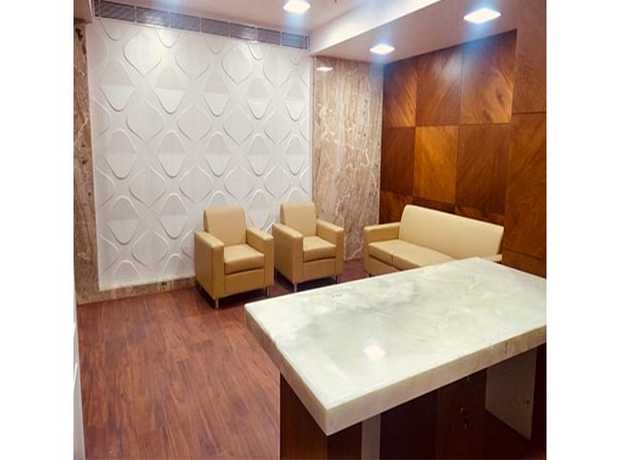
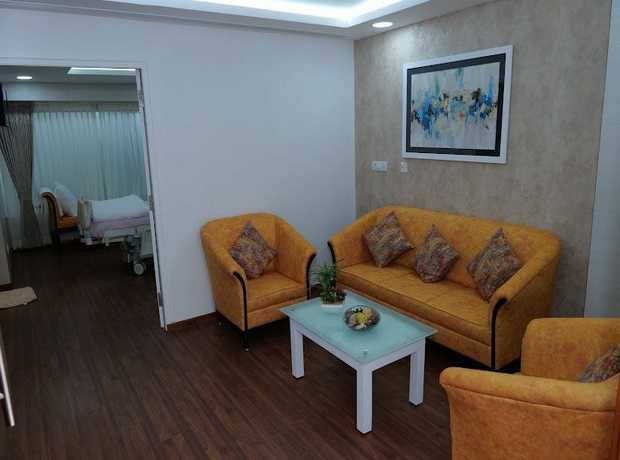

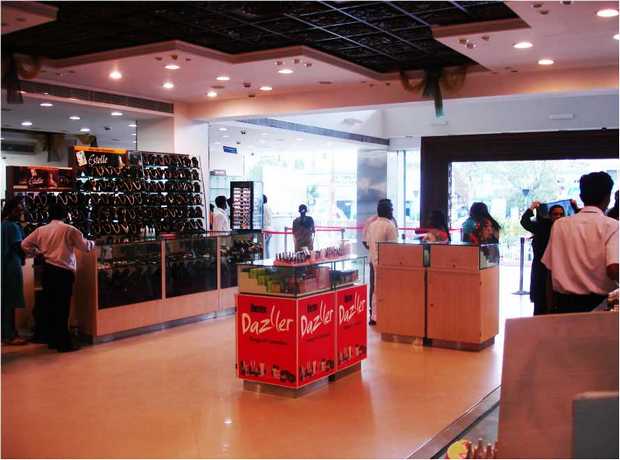
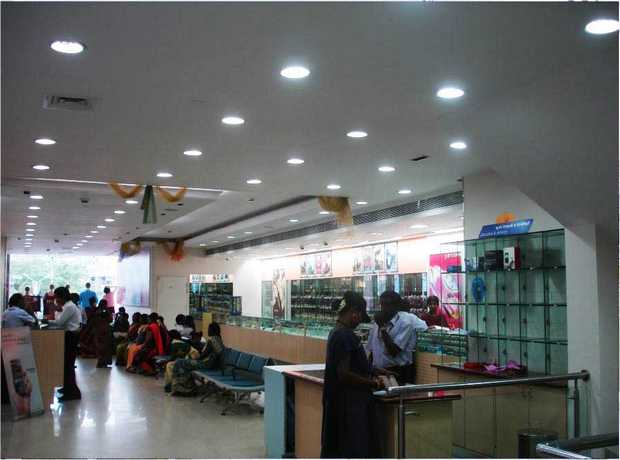
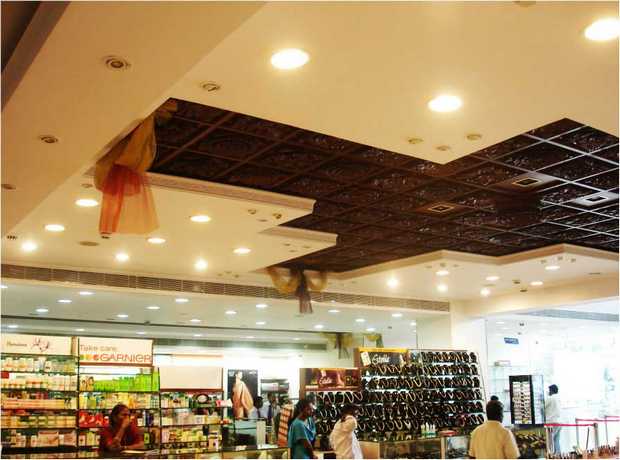
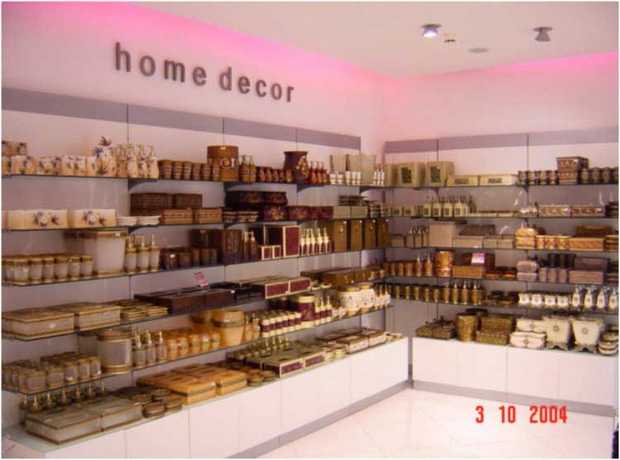
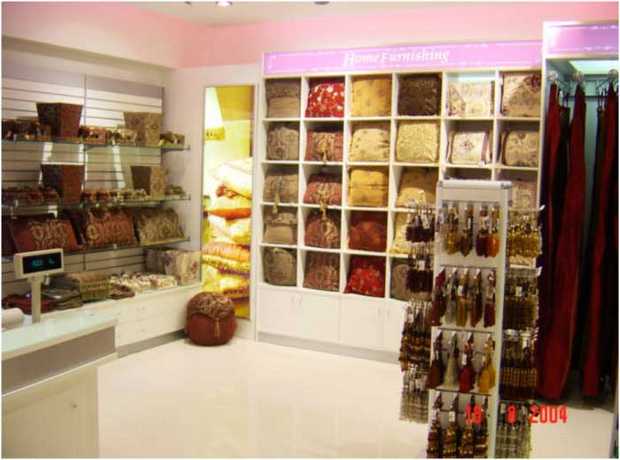
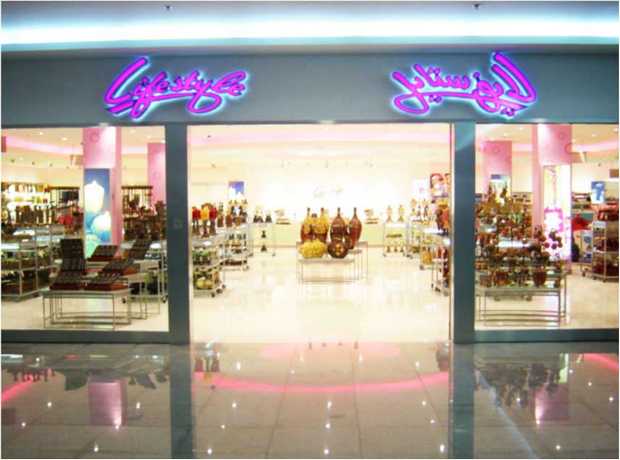
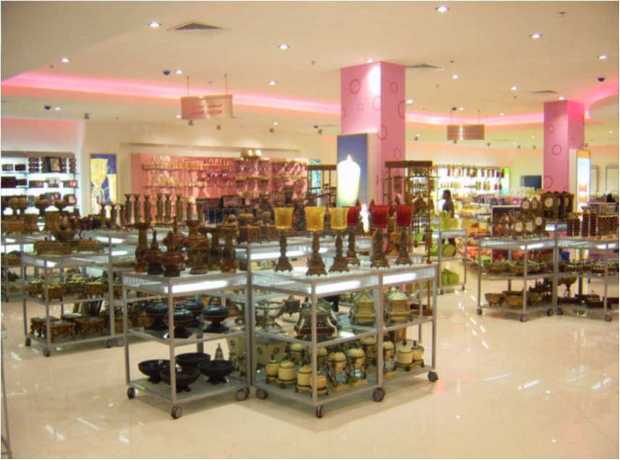
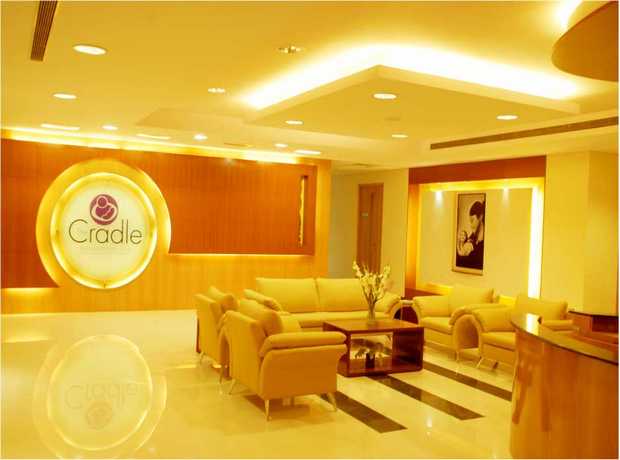
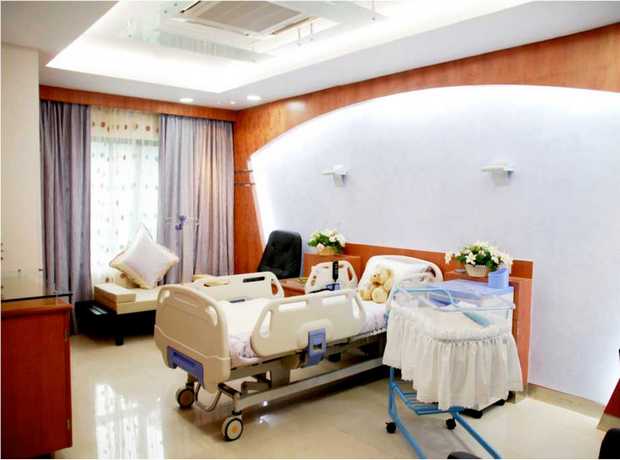
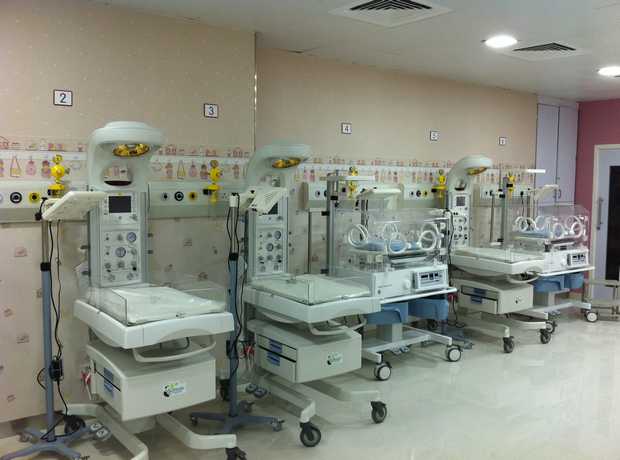
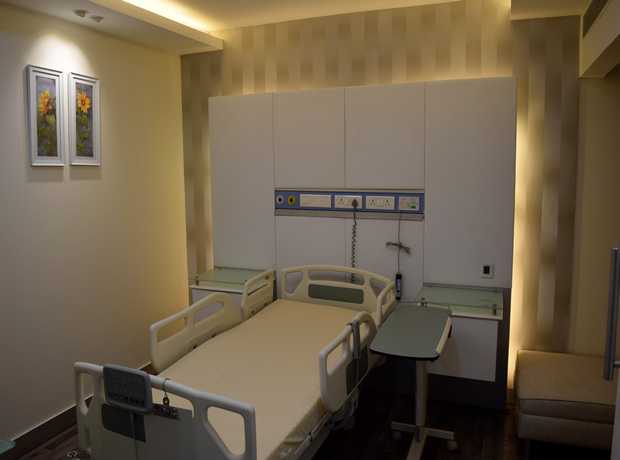
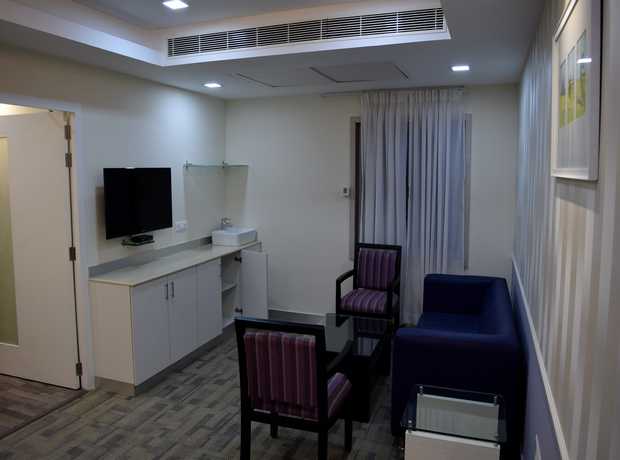

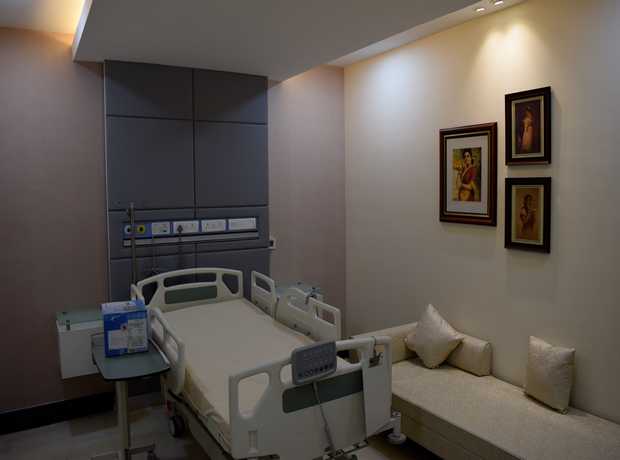
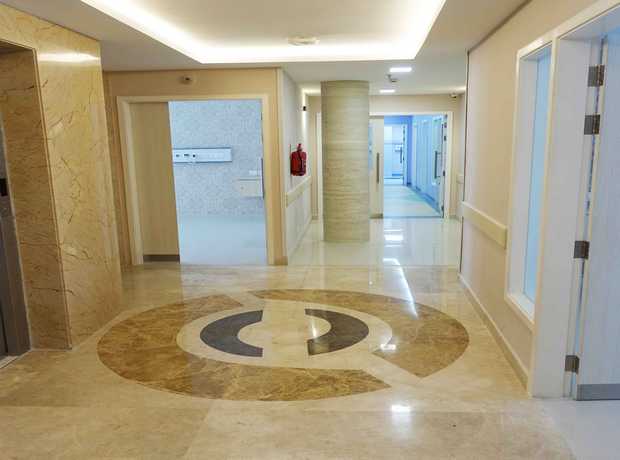
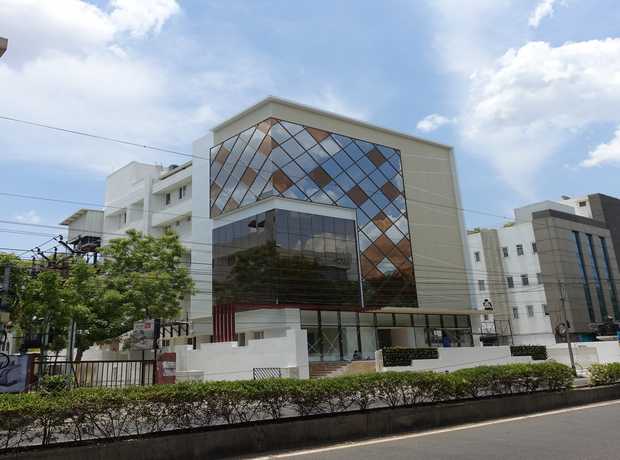
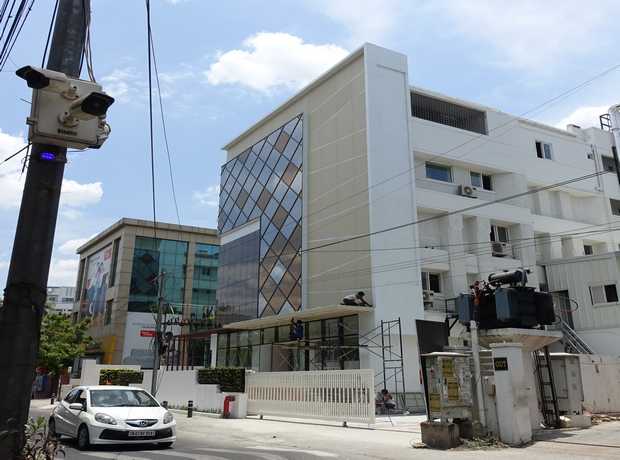
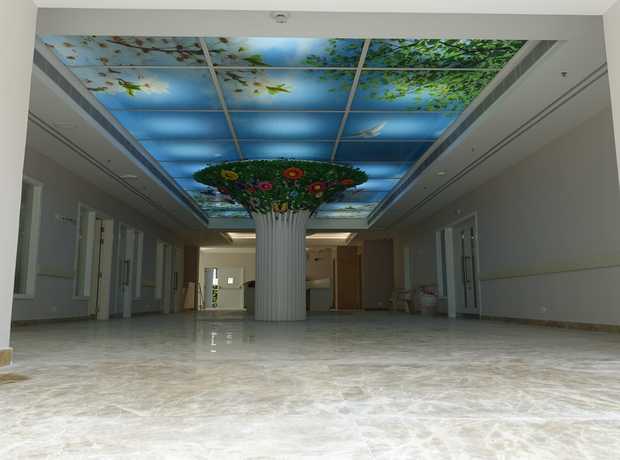
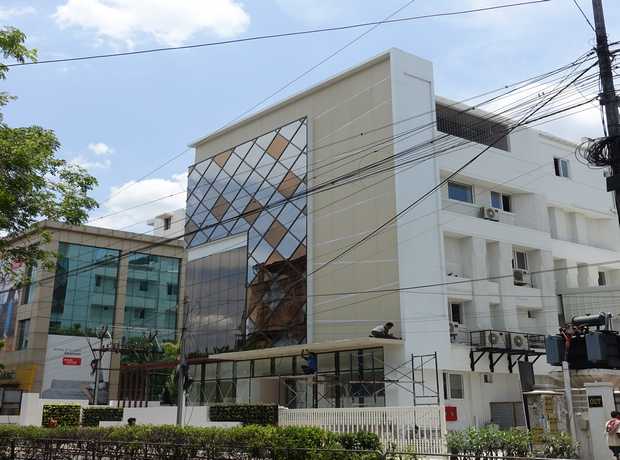
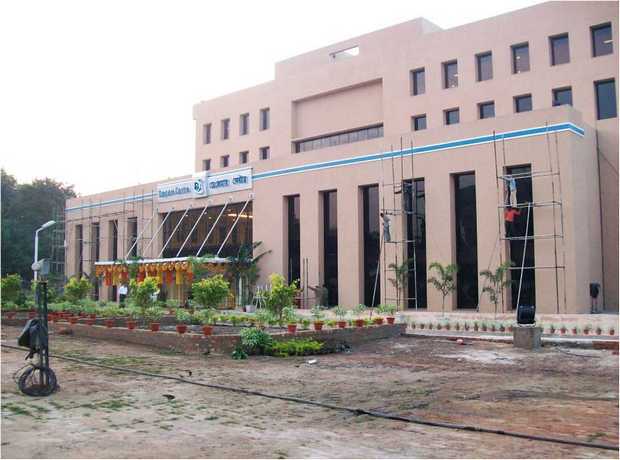
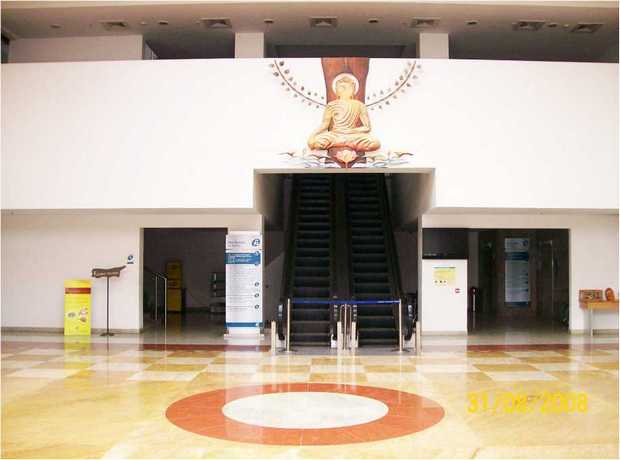
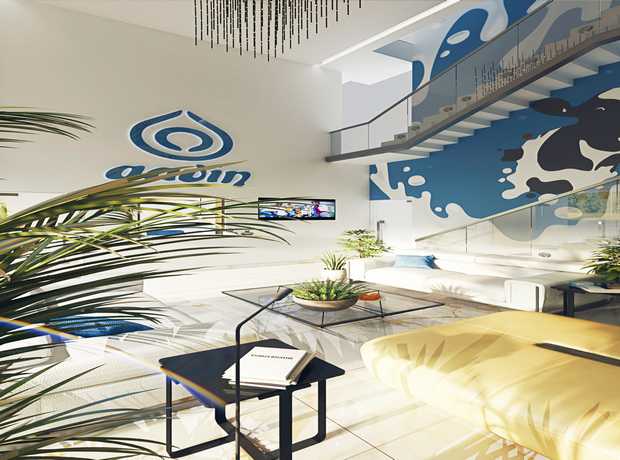
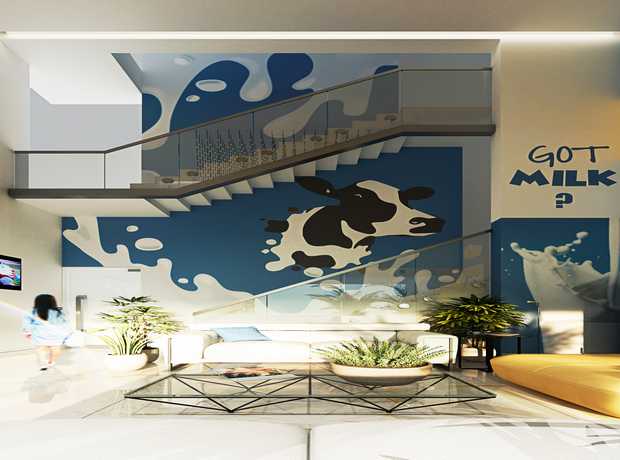
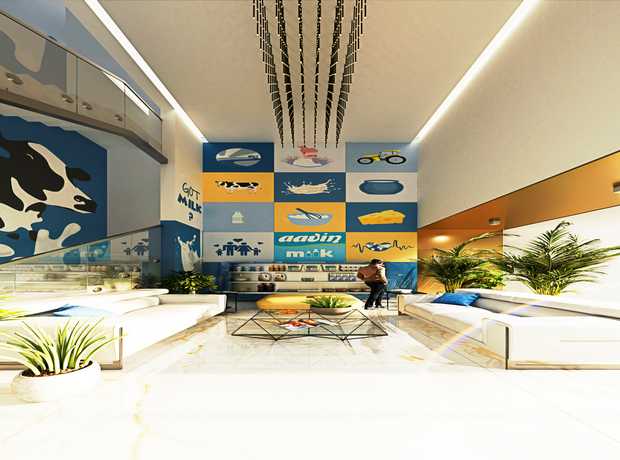
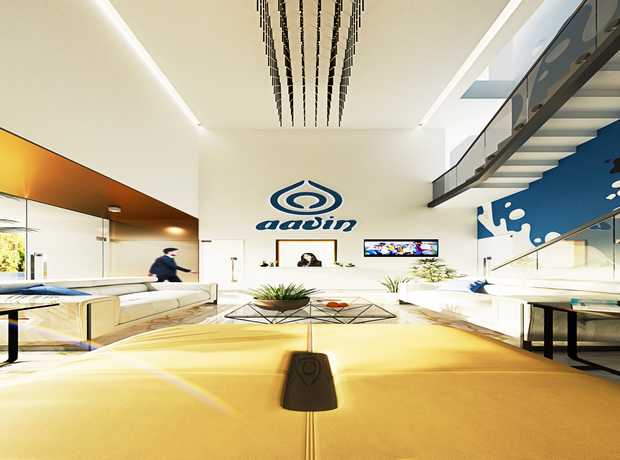
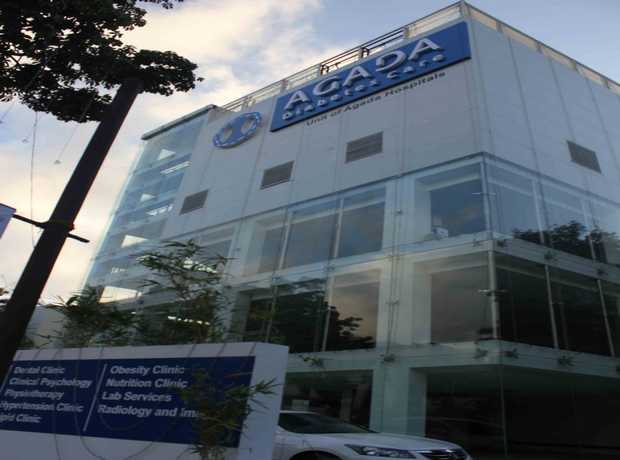
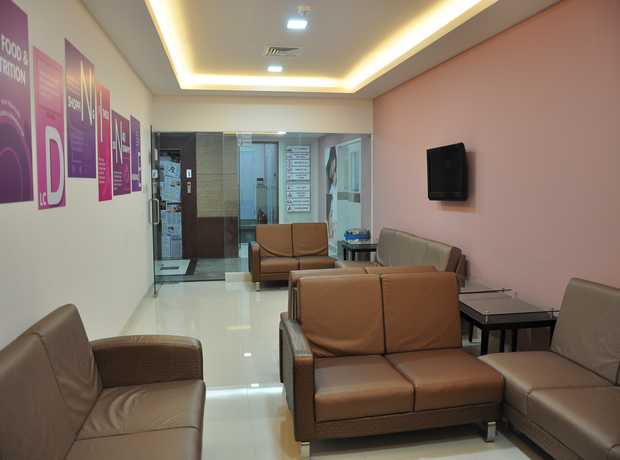
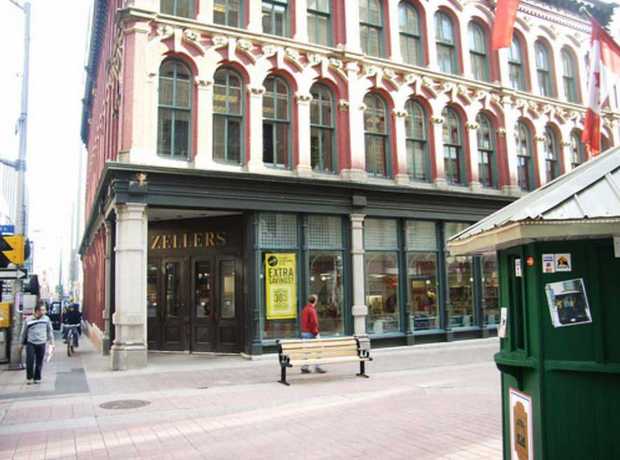
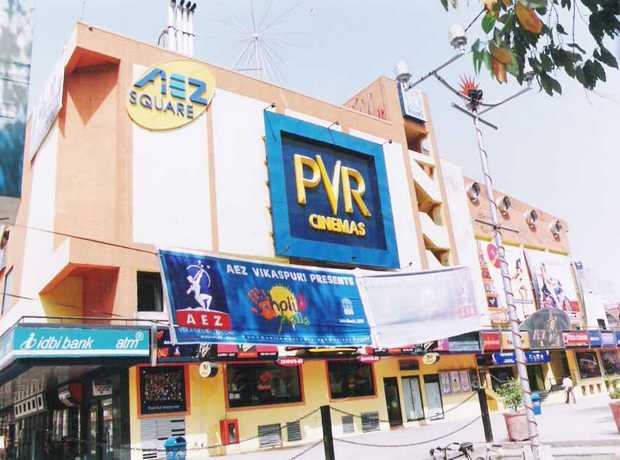
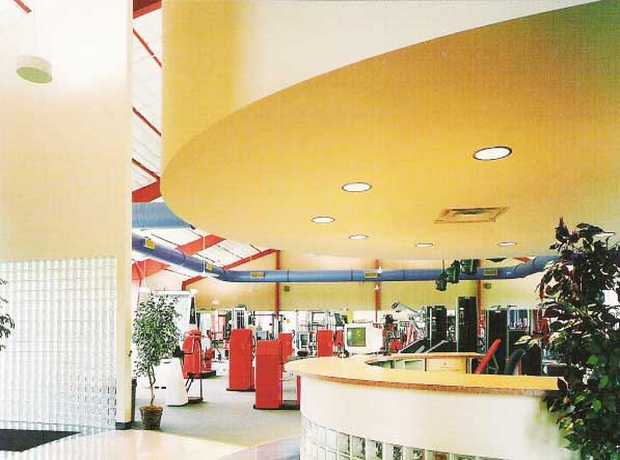
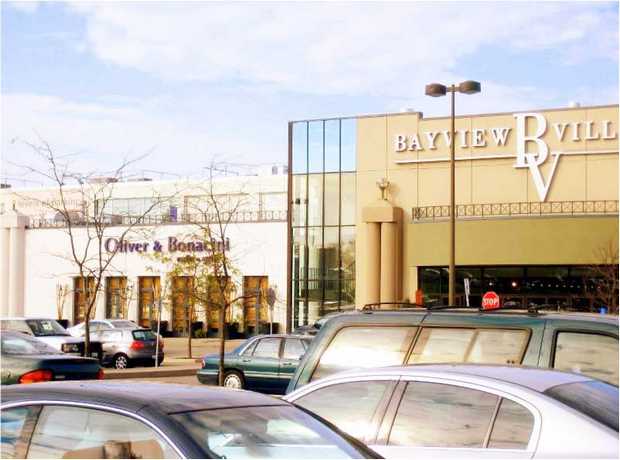
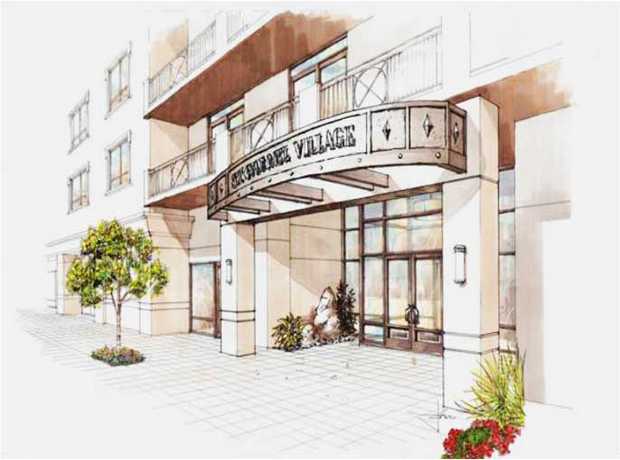
Skydome Designs: Your Nairobi Interior Experts for Optimized Building Performance
At Skydome Designs, our philosophy is anchored in the profound understanding that comprehensive, forward-thinking planning is not merely beneficial but absolutely critical in achieving enduring building success and maximizing asset value. With an exceptional legacy spanning nearly three decades of dedicated experience, and a demonstrably robust track record specifically within the bustling urban landscape of Nairobi, we stand as your premier partner. We offer a truly end-to-end delivery framework for value-engineered building lifecycle maintenance planning, meticulously encompassing every phase: from initial strategic conceptualization and innovative design development, through precise construction and flawless execution, to the final, seamless handover. Our commitment to global design standards is unwavering, yet we meticulously adapt and integrate these principles with profound local expertise, ensuring full compliance with Nairobi’s specific codes and a deep understanding of local user expectations, resulting in truly localized and optimized solutions.
Our deep-seated expertise extends to crafting not just aesthetically pleasing spaces but also inherently resilient and maintainable environments. We have delivered 489+ value-engineered building lifecycle maintenance planning assignments across Nairobi and globally over 30+ years. This extensive portfolio speaks volumes about our capacity to navigate diverse challenges and deliver superior results. Our commitment to excellence is further underscored by an unparalleled on‑time delivery rate of 97%, a testament to our rigorous project management and meticulous execution. Furthermore, our approach incorporates multi‑disciplinary reviews throughout the project lifecycle and dedicated post‑occupancy support, ensuring that the designed solutions continue to perform optimally and evolve with the building’s needs. These critical elements collectively underpin the exceptional outcomes we consistently achieve for our clients.
Our Services: Tailored to Nairobi’s Diverse Needs and Engineered for Longevity
We provide an extensive spectrum of services, each meticulously designed to optimize your building’s entire lifecycle, focusing on both initial value and long-term maintainability:
- Space Planning: Our expertise lies in efficiently designing interior and exterior spaces that not only maximize functionality and aesthetic appeal but also inherently minimize operational waste and wear-and-tear. By optimizing flow, reducing unnecessary travel distances, and designating robust material zones for high-traffic areas, we reduce long-term maintenance needs and costs. This foresight is crucial for public spaces, commercial offices, and even residential layouts in Nairobi where space efficiency is paramount.
- Lighting Design: We create sophisticated lighting solutions that are inherently energy-efficient, employing the latest LED technologies, smart controls, and daylight harvesting techniques. Beyond illuminating spaces, our designs enhance the user experience by reducing glare, improving visual comfort, and contributing to overall well-being. From a value-engineered perspective, this means lower electricity bills, extended bulb lifespans, and reduced maintenance cycles for lighting fixtures, a significant benefit in Nairobi’s energy landscape. Learn more about our specialized lighting design expertise.
- Acoustics: Effective management of sound within your building is vital for improving comfort, enhancing productivity, and ensuring privacy. Our acoustic solutions mitigate noise pollution and reverberation, utilizing materials and design strategies that are durable and easy to maintain. This prevents the need for costly retrofits due to acoustic complaints and contributes to a healthier, more pleasant indoor environment, especially critical in bustling Nairobi.
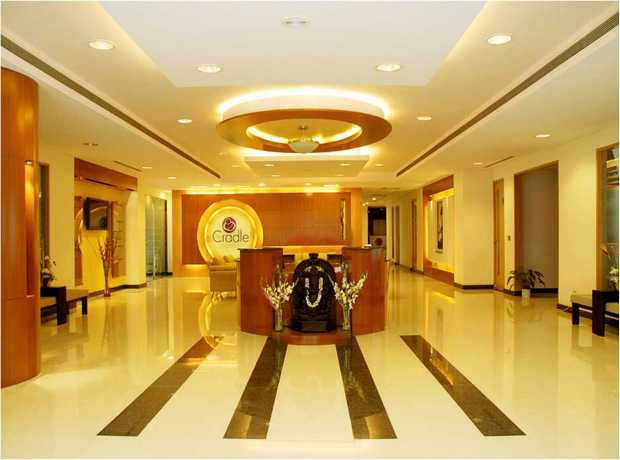
- Branding & Signage: We develop cohesive brand identities and intuitive wayfinding solutions that are not only aesthetically impactful but also built for durability and ease of maintenance. The choice of materials for signage, their installation, and their resistance to local weather conditions (e.g., UV degradation, humidity) are all considered to minimize replacement and repair costs over time.
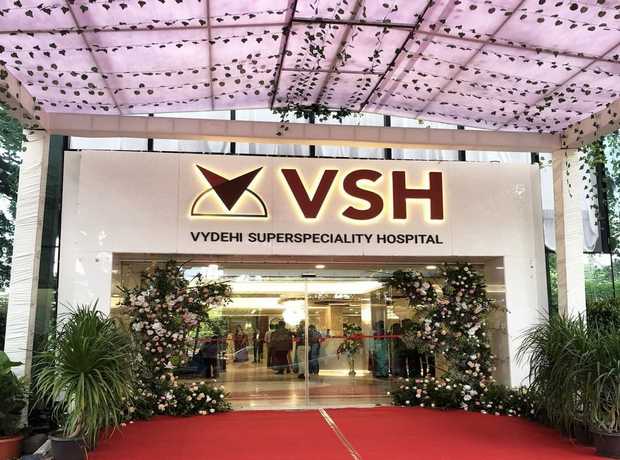
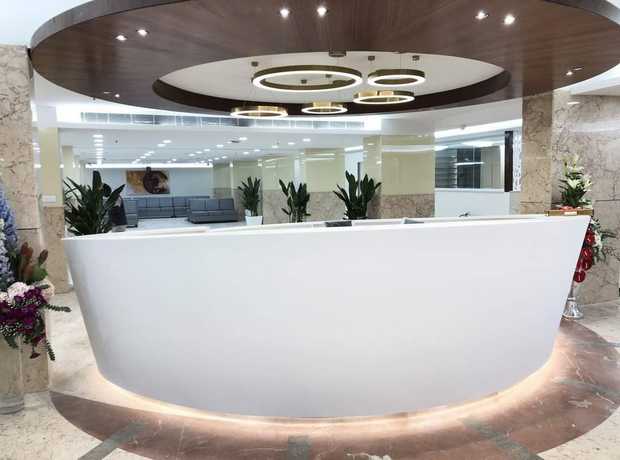
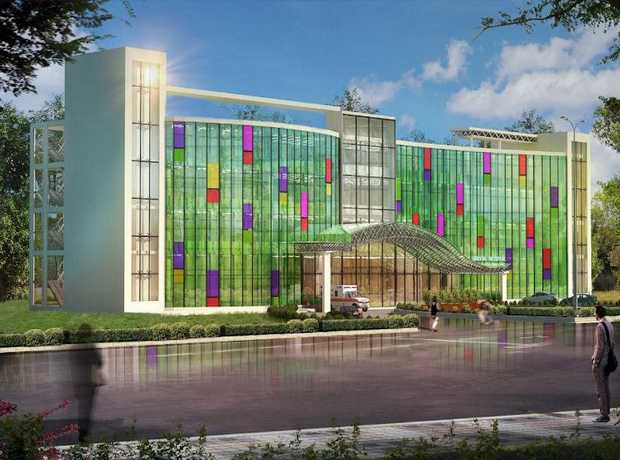
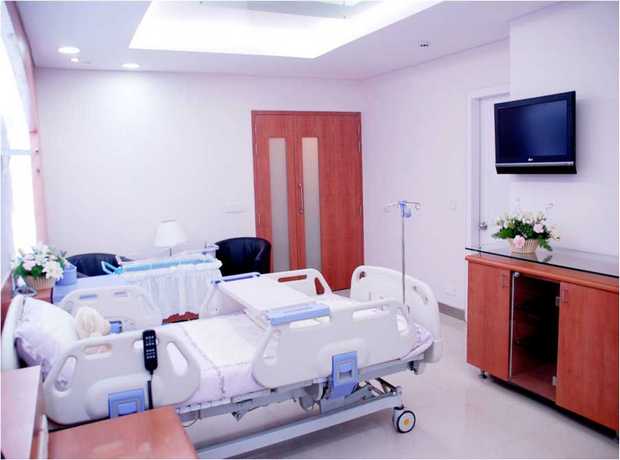
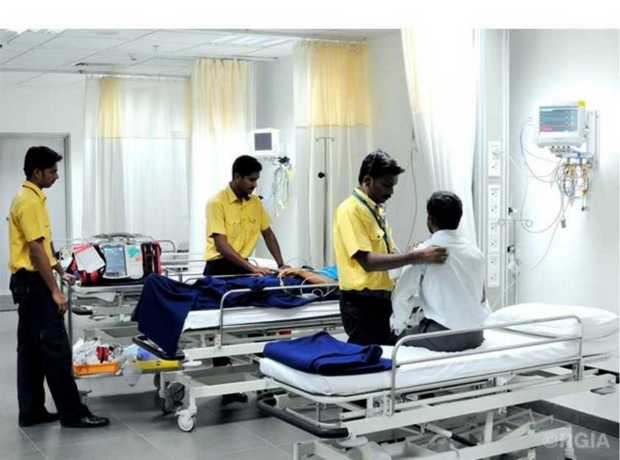
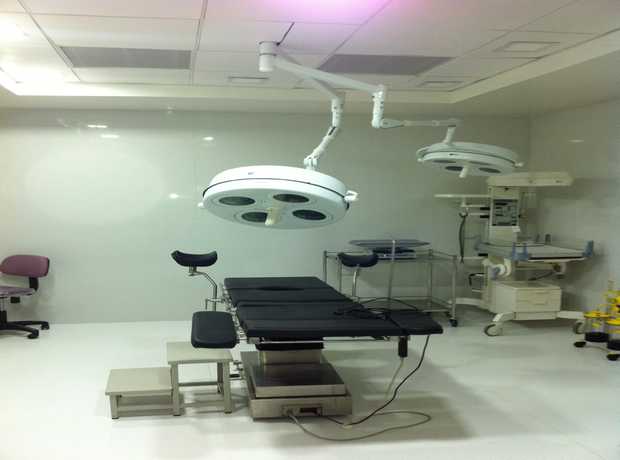
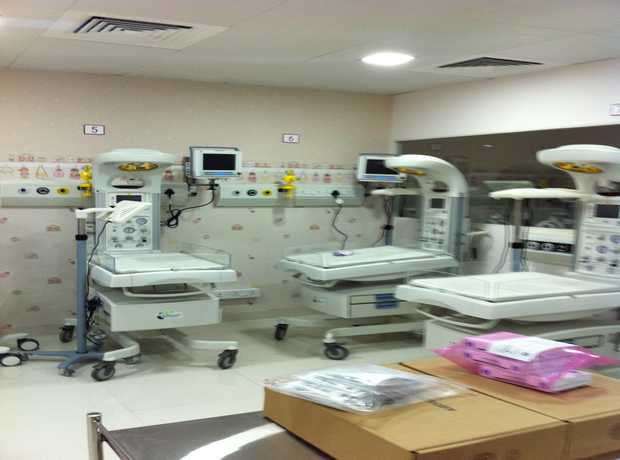
- Hospital Interior Design: In healthcare, functionality, hygiene, and durability are paramount. We specialize in creating highly functional and healing spaces for patient rooms, ICUs, OTs, labs, and consultation areas. Our designs prioritize optimized care pathways, stringent infection control, and efficient facility planning. This includes selecting robust, anti-microbial, easy-to-clean surfaces and modular systems that facilitate maintenance and future upgrades without disrupting critical operations, delivering significant long-term value in Nairobi’s growing healthcare sector.
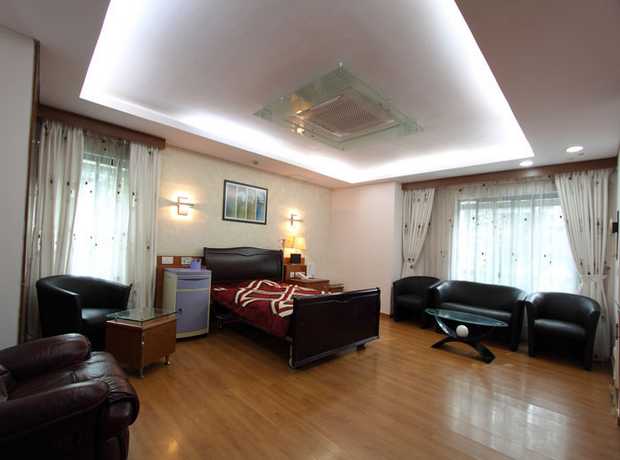
- Residential Projects: For apartments, luxury condos, senior housing, and community-focused spaces, our interior designs balance elegance with practicality. We focus on durable finishes, intelligent storage solutions, and layouts that accommodate long-term living, minimizing the need for frequent refurbishments. Incorporating smart home technologies for energy management and predictive maintenance also contributes to the value-engineered approach for Nairobi’s residential market.
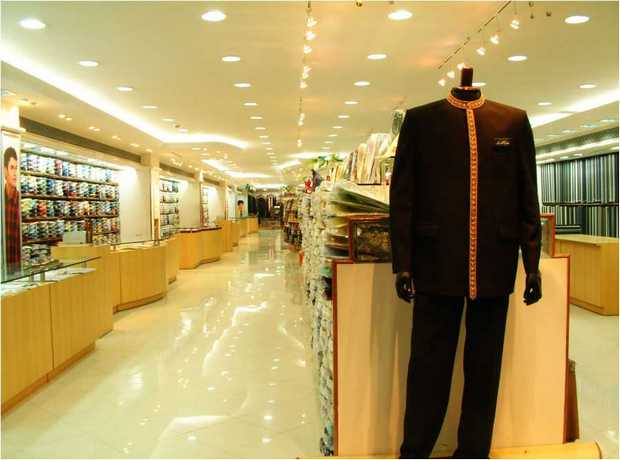
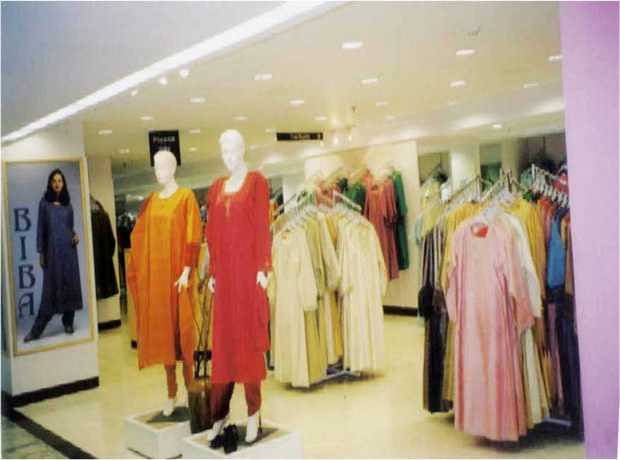
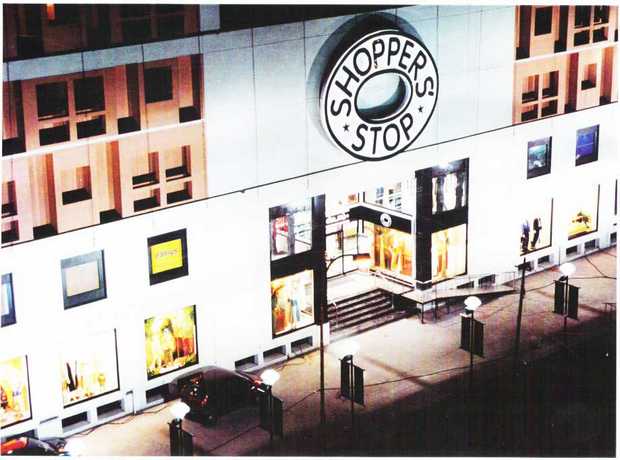
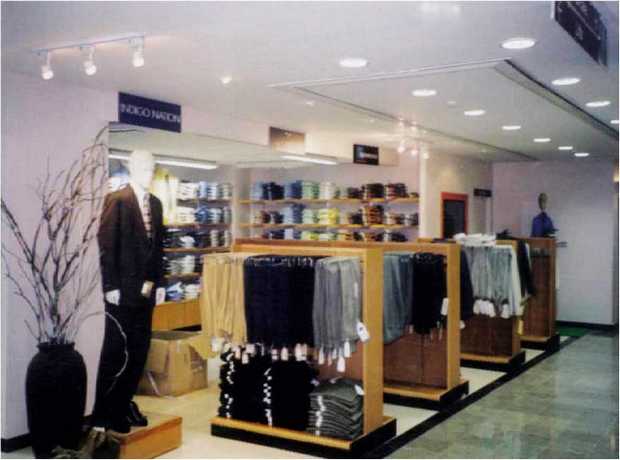
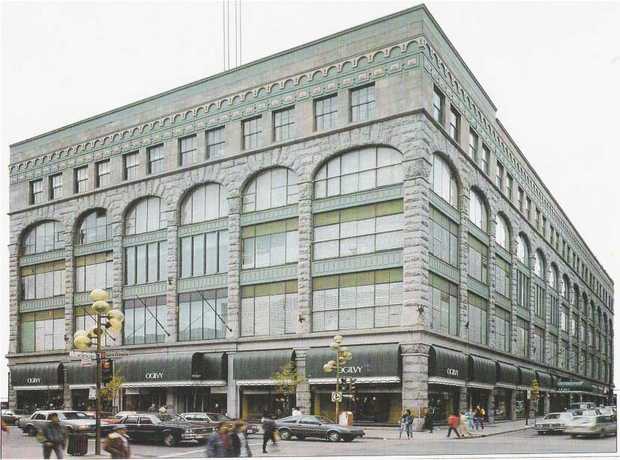
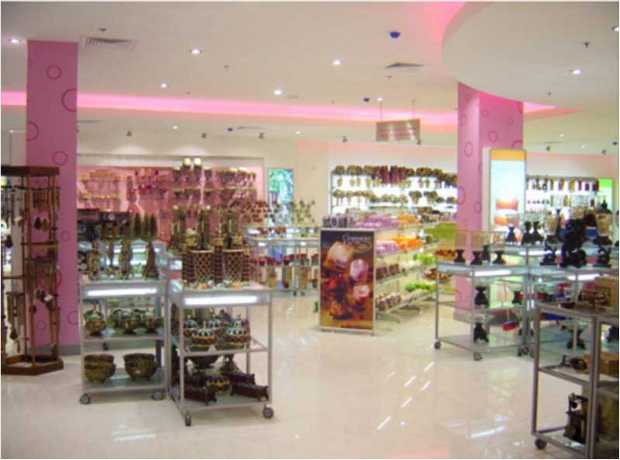
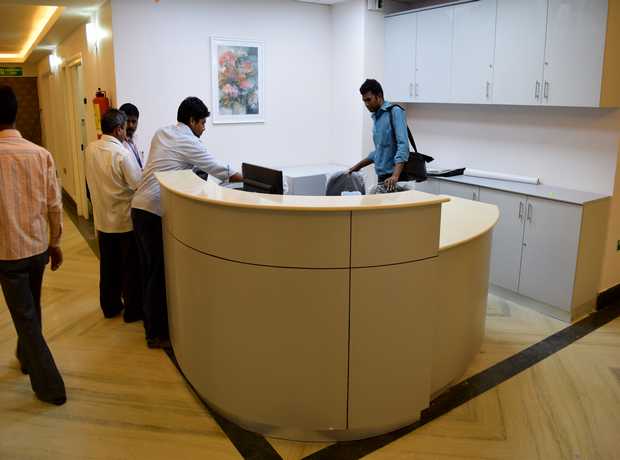
- Retail & Commercial Design: We develop dynamic and engaging interiors for shopping malls, mixed-use developments, offices, and entertainment centers. Our designs consider the heavy foot traffic and constant use these spaces endure, specifying materials and systems that offer superior durability and ease of maintenance, alongside creating compelling customer experiences. This translates to reduced operational costs and sustained visual appeal, crucial for competitiveness in Nairobi’s commercial landscape.
- Interior Solutions: Our offering extends to providing comprehensive space planning, precise furniture layouts, innovative lighting solutions, and full turnkey interior execution. This holistic approach ensures that every element, from bespoke joinery to integrated technology, is designed and installed with long-term performance and maintainability in mind, providing a seamless and value-optimized project delivery.
Our formidable in-house team, comprising award-winning architects, specialized healthcare planners, and highly experienced project managers, is the bedrock of our success. This integrated expertise ensures that every project receives award-winning, client-focused, and intrinsically sustainable designs, meticulously delivered on time and rigorously within budget. Our comprehensive approach, spanning from strategic inception to post-occupancy support, ensures that the value engineering principles are embedded at every stage.
Ready to optimize your building’s lifecycle and realize significant long-term savings in Nairobi? Don’t let reactive maintenance erode your asset value. Contact Skydome Designs today at +91 7299072144 or email us at info@skydomedesigns.com. Leverage our 30+ years of global and Nairobi-specific experience and join the ranks of clients who benefit from our 97% on-time delivery rate!
Deep Dive into Value Engineering Principles for Nairobi Buildings
To truly grasp the power of value-engineered building lifecycle maintenance planning in Nairobi, it’s essential to understand the underlying principles of Value Engineering (VE). VE is a systematic, multi-disciplinary approach that analyzes functions, rather than components, to achieve the required performance at the lowest life-cycle cost. It’s not about cutting corners; it’s about smart design and intelligent resource allocation.
The Core Phases of Value Engineering Applied to Building Maintenance:
- Information Phase: This initial phase involves gathering all relevant data about the building, its current maintenance practices, operational costs, performance issues, and future goals. For Nairobi buildings, this includes understanding local material availability, typical climate impacts (humidity, intense sun, dust), common failure points in existing infrastructure, and tenant feedback.
- Functional Analysis Phase: Here, the team identifies the primary and secondary functions of each building component and system. For instance, the function of a roof is not just to provide shelter, but to protect against water ingress, provide thermal insulation, and support solar panels. By understanding functions, alternative, more cost-effective ways to achieve them can be explored.
- Creative Phase: This is a brainstorming phase where innovative ideas are generated to achieve the identified functions at a lower life-cycle cost. This might involve exploring new materials, different system configurations, or advanced maintenance technologies suitable for Nairobi’s context.
- Evaluation Phase: All generated ideas are rigorously evaluated against specific criteria such as cost savings (both initial and lifecycle), technical feasibility, impact on quality/performance, environmental benefits, and compliance with local Nairobi regulations.
- Development Phase: The most promising ideas are further developed into detailed proposals, including technical specifications, cost estimates, and implementation plans. This phase involves extensive collaboration with engineers, architects, and facility managers.
- Presentation Phase: The developed proposals are presented to stakeholders for approval. Clear justifications for the recommended changes, supported by data, are provided, highlighting the long-term value proposition for Nairobi building owners.
- Implementation & Audit Phase: Once approved, the value-engineered solutions are implemented. Post-implementation, regular audits are conducted to ensure that the expected savings and performance improvements are realized, allowing for continuous optimization.
By systematically applying these phases, Skydome Designs ensures that every recommendation for your Nairobi building maintenance plan is not just a suggestion, but a thoroughly vetted, value-optimized strategy.
Key Considerations for Value-Engineered Maintenance in Nairobi’s Unique Environment
When implementing value-engineered building lifecycle maintenance planning in Nairobi, a nuanced understanding of the local environment is paramount. Skydome Designs integrates these specific considerations into every project:
- Nairobi’s Climate Impact: Nairobi’s equatorial highland climate, characterized by two rainy seasons and intense solar radiation, significantly impacts building materials and systems. High humidity can accelerate corrosion and mold growth, while strong UV rays degrade paints, sealants, and roofing membranes. Our VE plans specify materials and designs resistant to these conditions, such as UV-stable coatings, moisture-resistant finishes, and robust waterproofing solutions, minimizing early failures and frequent repairs.
- Leveraging Local Materials: The strategic utilization of locally sourced materials can yield substantial benefits, including reduced procurement costs, shorter supply chains, lower carbon footprint, and support for the local economy. Our experts identify high-quality local aggregates, timber, stone, and manufactured products that meet performance requirements while reducing reliance on more expensive, imported alternatives. This also ensures greater availability for future repairs.
- Embracing Energy Efficiency: With rising energy costs in Nairobi, implementing energy-efficient technologies is a cornerstone of value engineering. This includes high-performance glazing, superior insulation, energy-recovery ventilation systems, solar water heating, and smart HVAC controls. Our designs prioritize natural ventilation and daylighting, reducing dependence on artificial climate control and lighting. The long-term savings in operational expenses far outweigh initial investment costs, offering a strong return on investment. (Consider exploring Kenya Power & Lighting Company’s energy efficiency initiatives for more local insights).
- Proactive Water Management: Water scarcity and management are critical concerns in Nairobi. Value-engineered plans incorporate comprehensive water conservation strategies, such as rainwater harvesting systems, greywater recycling, low-flow fixtures, and drought-tolerant landscaping. These measures reduce utility bills, lessen reliance on municipal water supply, and contribute to environmental sustainability, making buildings more resilient and cost-effective.
- Adherence to Regulatory Compliance: Staying abreast of the latest building codes, environmental regulations, and safety standards issued by authorities like the National Construction Authority (NCA) and the National Environment Management Authority (NEMA) is non-negotiable. Our VE process inherently builds compliance into the maintenance framework, preventing costly fines, mandatory retrofits, and operational shutdowns. We ensure that our designs and maintenance protocols consistently meet or exceed local legal requirements.
Optimizing Costs Without Sacrificing Quality: The Skydome Designs Approach
The fundamental objective of value engineering, particularly as practiced by Skydome Designs, is not a crude exercise in cost-cutting. Rather, it is an intelligent and nuanced process to identify areas where resources can be deployed with greater efficacy, ultimately enhancing overall value and performance. This sophisticated approach may involve:
- Strategic Material Selection: This involves a meticulous evaluation of materials based on their initial cost, lifespan, durability under Nairobi’s specific climate conditions, ease of maintenance, and environmental impact. For example, opting for a higher-grade, more durable flooring material that requires less frequent replacement or specialized cleaning will provide superior value over its lifecycle compared to a cheaper, less resilient option that necessitates constant upkeep and early replacement. Our expertise ensures that materials are chosen not just for their aesthetic appeal, but for their long-term performance and low total cost of ownership.
- Intelligent Design Optimization: Simplifying designs does not imply compromising aesthetics or functionality; instead, it means eliminating unnecessary complexity that adds to both construction and subsequent maintenance costs. This could involve modular construction techniques, standardization of components, or thoughtful structural design that minimizes hidden access points and makes repairs more straightforward. Skydome Designs focuses on layouts and systems that are inherently easier to inspect, clean, and repair, thereby reducing labor time and material consumption over the building’s life.
- Robust Preventive Maintenance Programs: Shifting from a reactive “fix-it-when-it-breaks” mentality to a proactive, preventive approach is a cornerstone of value-engineered maintenance. Implementing regular, scheduled maintenance for critical systems (HVAC, electrical, plumbing, elevators) can detect nascent issues before they escalate into catastrophic failures. This predictive approach minimizes downtime, extends the life of equipment, and significantly reduces the frequency and cost of emergency repairs, ensuring seamless operation for Nairobi buildings.
- Strategic Technology Integration: Leveraging cutting-edge technology is vital for optimizing building performance and identifying potential issues proactively. This includes the deployment of Building Management Systems (BMS), Internet of Things (IoT) sensors for real-time monitoring of energy consumption, temperature, humidity, and equipment performance, and Computerized Maintenance Management Systems (CMMS). These tools provide actionable data, allowing facility managers to schedule maintenance precisely when needed, diagnose problems remotely, and allocate resources efficiently, leading to smarter, more cost-effective maintenance operations.
- Lifecycle Costing (LCC) Analysis: Skydome Designs utilizes rigorous LCC analysis, which evaluates the total cost of a building component or system over its entire life, rather than just its initial purchase price. This includes acquisition, installation, operation, maintenance, and disposal costs. By comparing alternatives through LCC, we ensure that decisions are made based on the most economically sound options for the long term, providing genuine value to our Nairobi clients.
The Lifecycle Stages and Application of Value Engineering for Nairobi Buildings
Value engineering’s greatest strength lies in its ability to influence decisions at every stage of a building’s lifecycle. Skydome Designs integrates VE from conception to decommissioning:
1. Design Phase: Building for Maintainability
This is where the most significant impact on lifecycle costs can be made. Skydome Designs applies VE principles to:
- Material Specifications: Selecting materials for Nairobi’s climate that are durable, require minimal maintenance, and are easy to clean. Examples include robust exterior finishes that resist UV and moisture, and interior surfaces that withstand high traffic and are easy to sanitize, particularly important for healthcare and commercial spaces.
- System Design: Designing HVAC, electrical, plumbing, and vertical transportation systems for accessibility, ease of repair, and energy efficiency. This includes clear pathways for maintenance access, modular components, and systems that can be easily monitored and controlled remotely.
- Space Planning for Maintenance: Ensuring that mechanical rooms, utility closets, and access panels are adequately sized and strategically located for safe and efficient maintenance work, reducing labor time and complexity.
- Sustainability Integration: Incorporating passive design strategies, natural ventilation, and daylighting to reduce reliance on energy-intensive systems, thereby lowering future operational and maintenance costs.
2. Construction Phase: Quality and Execution for Longevity
Even after design, VE continues to play a role:
- Quality Assurance: Ensuring that construction adheres strictly to specifications, using appropriate techniques and skilled labor to prevent premature failures that would incur costly repairs.
- Material Sourcing: Collaborating with local suppliers for quality materials, ensuring timely delivery and cost-effectiveness, while also verifying product certifications and warranties.
- Commissioning: Thorough testing and calibration of all building systems before handover to ensure they operate as designed and are optimized for efficiency and performance, setting a strong foundation for future maintenance.
Our commitment to quality construction and precise execution is a hallmark of our end-to-end delivery for value-engineered building lifecycle maintenance planning — strategy, design, construction and handover in Nairobi. Our global design standards are seamlessly integrated with local code expertise in Nairobi, ensuring every project is built to last and perform optimally.
3. Operations & Maintenance (O&M) Phase: Proactive Management
This is the longest phase and where VE strategies truly shine:
- Preventive & Predictive Maintenance: Establishing schedules for routine inspections, lubrication, cleaning, and adjustments. Implementing predictive technologies like thermal imaging, vibration analysis, and IoT sensors to monitor equipment health and predict potential failures before they occur.
- Computerized Maintenance Management Systems (CMMS): Utilizing CMMS software to track assets, schedule tasks, manage work orders, and analyze maintenance data, providing insights for continuous improvement and resource optimization.
- Staff Training: Ensuring facility staff are well-trained on proper operation and basic maintenance of building systems, empowering them to address minor issues promptly and efficiently.
- Energy Audits: Regularly conducting energy audits to identify areas for improvement and implement energy-saving measures, such as smart lighting upgrades or HVAC optimization.
- Water Conservation: Implementing smart irrigation systems, leak detection, and water-efficient fixtures to minimize water consumption and associated costs.
4. Renovation/Retrofit Phase: Value-Driven Upgrades
When buildings require upgrades, VE guides these decisions:
- Lifecycle Cost Analysis for Upgrades: Evaluating proposed renovations not just on immediate cost, but on their long-term impact on energy consumption, maintenance, and durability.
- Technology Upgrades: Implementing new, more efficient technologies (e.g., smart building controls, advanced security systems) that offer superior performance and lower operational costs.
- Material Upgrades: Replacing aging components with modern, more resilient, and energy-efficient alternatives that extend the building’s life and enhance its value.
5. Decommissioning Phase: Sustainable End-of-Life Planning
Even the end of a building’s life benefits from VE principles:
- Material Reclamation: Planning for the responsible deconstruction and recycling of building materials to minimize landfill waste and potentially recover valuable resources.
- Environmental Impact Mitigation: Ensuring that the decommissioning process minimizes environmental pollution and adheres to local waste management regulations in Nairobi.
Advanced Strategies for Value-Engineered Maintenance in Nairobi’s Dynamic Environment
To truly future-proof buildings in Nairobi, Skydome Designs integrates advanced strategies into its value-engineered maintenance plans:
Predictive Maintenance (PdM) with IoT and AI:
Moving beyond traditional preventive maintenance, PdM utilizes real-time data from IoT sensors, artificial intelligence, and machine learning to forecast equipment failures. For a Nairobi building, this could mean:
- HVAC Systems: Sensors monitoring compressor vibration, refrigerant levels, and motor temperatures can predict failures weeks in advance, allowing for scheduled, non-emergency repairs, reducing costly downtime in critical environments like hospitals or data centers.
- Electrical Systems: Thermal cameras and power quality monitors can detect overheating connections or imbalances, preventing electrical fires or major power outages.
- Plumbing Networks: Pressure sensors and flow meters can identify leaks or blockages early, preventing water damage and conserving a precious resource in Nairobi.
This proactive approach significantly reduces repair costs, extends equipment life, and ensures uninterrupted building operations.
Sustainable Practices and Green Building Certifications:
Value engineering aligns perfectly with sustainability, as sustainable practices often lead to significant lifecycle cost reductions. Skydome Designs helps clients integrate:
- Renewable Energy Integration: Implementing solar photovoltaic (PV) systems for electricity generation or solar thermal for water heating, significantly reducing utility bills and carbon footprint. Nairobi’s abundant sunshine makes this a highly viable VE strategy.
- Advanced Water Harvesting & Recycling: Designing sophisticated rainwater harvesting systems for non-potable uses and greywater recycling for irrigation, further reducing reliance on municipal water and lowering costs.
- Waste Management & Recycling Programs: Establishing efficient waste segregation, composting, and recycling programs to minimize landfill contributions and potentially generate revenue from recycled materials.
- Green Building Certifications: Guiding clients through certifications like EDGE (Excellence in Design for Greater Efficiencies) or local equivalents, which validate sustainable design and construction, enhancing market value and operational efficiency.
Building Information Modeling (BIM) for Maintenance Optimization:
BIM is not just for design and construction; it’s a powerful tool for operations and maintenance. Skydome Designs leverages BIM by:
- Creating Data-Rich Models: Developing BIM models that contain not only geometric information but also detailed data about every asset (specifications, warranty information, maintenance schedules, manufacturer contacts, energy performance).
- Facilitating Digital Handover: Providing clients with a comprehensive digital twin of their building at handover, making all asset information readily accessible for facility managers.
- Improving Work Order Management: Integrating BIM with CMMS to allow maintenance personnel to quickly locate equipment in the 3D model, access relevant documentation, and track maintenance history, streamlining repairs and reducing errors.
- Planning Renovations: Using the BIM model to simulate potential renovation impacts before implementation, ensuring efficient space utilization and minimal disruption.
Retrofitting Existing Buildings for Value Enhancement:
Nairobi has a significant stock of older buildings. Value-engineered retrofits are crucial for modernizing these assets:
- Energy Efficiency Upgrades: Replacing old windows with high-performance glazing, upgrading insulation, or installing more efficient HVAC systems to drastically reduce energy consumption.
- System Modernization: Upgrading outdated electrical wiring, plumbing, and security systems to meet current safety standards and improve reliability.
- Structural Enhancements: Performing necessary structural assessments and reinforcements to ensure longevity and compliance with modern seismic codes.
- Accessibility Improvements: Retrofitting for improved accessibility, aligning with universal design principles and local regulations, enhancing usability and market appeal.
The Myriad Benefits Beyond Cost Savings in Nairobi
While cost optimization is a primary driver, the advantages of value-engineered building lifecycle maintenance planning in Nairobi extend far beyond the balance sheet, creating a ripple effect of positive outcomes:
- Enhanced Safety and Regulatory Compliance: Proactive maintenance, guided by VE, significantly reduces the likelihood of equipment failures, structural issues, or safety hazards, creating a safer environment for occupants. Continuous monitoring and adherence to maintenance schedules ensure that fire safety systems, emergency exits, and structural integrity are always compliant with Nairobi’s stringent building codes and safety regulations. This mitigates legal risks and potential liabilities.
- Increased Asset Value and Return on Investment (ROI): A building that is meticulously maintained and operates efficiently commands a higher market value. Value engineering ensures that investments in maintenance contribute directly to the building’s long-term appreciation, attracting premium tenants and buyers. The extended lifespan of components and systems, coupled with reduced operational costs, translates into a demonstrably superior return on investment over the building’s lifecycle.
- Improved Tenant and Occupant Satisfaction: Consistent building performance, reliable utility services, comfortable indoor environments, and rapid resolution of maintenance issues directly contribute to higher tenant satisfaction. In commercial properties, this leads to better tenant retention and higher occupancy rates. In residential settings, it translates to a more desirable living experience. Satisfied occupants are less likely to seek alternative properties, thereby preserving income streams.
- Reduced Environmental Footprint and Greater Sustainability: By focusing on energy efficiency, water conservation, waste reduction, and the use of durable, locally sourced materials, value-engineered maintenance significantly lowers the building’s environmental impact. This commitment to sustainability not only aligns with global ecological goals but also enhances the building’s appeal to environmentally conscious businesses and residents, positioning it as a responsible and modern asset in Nairobi.
- Business Continuity and Minimized Disruptions: Predictive and preventive maintenance strategies drastically reduce unplanned downtime and operational disruptions. For commercial buildings, this means uninterrupted business operations, minimal loss of productivity, and sustained revenue streams. For healthcare facilities, it ensures continuous, high-quality patient care. The ability to forecast and schedule maintenance minimizes inconvenience and preserves the building’s operational integrity.
- Reputational Enhancement: Owning or managing a building renowned for its efficiency, safety, and modern upkeep significantly enhances the reputation of developers, property owners, and facility managers. This positive reputation can attract further investment, partnerships, and high-caliber tenants, fostering a virtuous cycle of success in Nairobi’s competitive market.
FAQ: Value-Engineered Building Lifecycle Maintenance Planning in Nairobi
Here are some frequently asked questions about value-engineered building lifecycle maintenance planning in Nairobi, providing further clarity on this crucial topic:
What is value-engineered building lifecycle maintenance planning?
Value-engineered building lifecycle maintenance planning is a proactive, systematic approach to managing all aspects of a building’s maintenance throughout its entire lifespan. It involves analyzing every stage, from initial design to eventual decommissioning, to identify opportunities for optimizing costs, enhancing performance, and extending longevity without compromising quality or functionality. It’s about maximizing value by making smart choices at every step.
How can value engineering significantly reduce building maintenance costs in Nairobi?
Value engineering achieves cost reduction by strategically identifying efficiencies in several key areas: optimized material selection (choosing durable, cost-effective options suitable for Nairobi’s climate), intelligent design optimization (simplifying complex elements for easier maintenance), implementing robust preventive and predictive maintenance schedules, and integrating smart technologies for monitoring and management. It moves beyond reactive repairs to a foresightful approach that minimizes major breakdowns and extends asset life.
What are the primary benefits of proactive building maintenance in Nairobi?
Proactive building maintenance offers a multitude of benefits in Nairobi, including significantly extending the building’s operational lifespan, dramatically improving overall building performance and efficiency, ensuring continuous compliance with evolving local regulations and safety standards, and significantly enhancing tenant and occupant satisfaction. These benefits collectively lead to increased property value and a stronger return on investment.
What specific factors should be carefully considered in value-engineered maintenance planning for buildings in Nairobi?
Key factors unique to Nairobi that must be considered include the city’s specific climate conditions (such as intense UV radiation and varying humidity levels), the strategic use of readily available local materials, comprehensive strategies for energy efficiency, effective water management and conservation practices, and meticulous adherence to the latest local building codes and environmental regulations. These local nuances are critical for effective planning.
Is value engineering only applicable to new building construction in Nairobi, or can it be applied to existing structures?
While value engineering offers the greatest impact when integrated from the initial design phase of new constructions, it is equally, if not more, valuable for existing buildings in Nairobi. Through retrofitting, system upgrades, and optimized maintenance strategies, VE can significantly enhance the performance, extend the lifespan, and reduce the operational costs of older buildings, bringing them up to modern standards of efficiency and sustainability.
How does Skydome Designs ensure global design standards are met while adhering to Nairobi’s local codes?
Skydome Designs achieves this by combining a deep understanding of international best practices and global design standards with extensive local expertise. Our in-house team of architects and project managers are intimately familiar with Nairobi’s specific building codes, cultural nuances, and environmental conditions. We meticulously adapt global methodologies and material specifications to ensure full compliance and optimal performance within the local context, providing solutions that are both world-class and perfectly tailored for Nairobi.
What is the typical ROI for investing in value-engineered maintenance planning?
The Return on Investment (ROI) for value-engineered maintenance planning can vary based on the building type, age, and scope of implementation, but it is generally very favorable. Clients often see significant savings in operational costs (energy, water, repairs) that far outweigh the initial investment in planning. Beyond direct cost savings, the ROI also includes increased asset value, higher tenant retention, reduced liabilities, and extended asset life, making it a highly profitable long-term strategy.
Conclusion: Investing in the Future of Nairobi’s Buildings
In a rapidly developing metropolis like Nairobi, where every new structure vies for prominence and efficiency, value-engineered building lifecycle maintenance planning is far more than just a judicious cost-saving measure; it represents a strategic, indispensable investment in the enduring future of your assets. By proactively managing maintenance expenditures, rigorously optimizing building performance, and diligently planning for every stage of a building’s life, you are not merely preserving; you are enhancing, ensuring that your buildings remain exceptionally valuable, highly competitive, and sustainable assets for decades to come, contributing positively to Nairobi’s urban fabric and your bottom line.
Are you ready to elevate your property’s performance, secure long-term savings, and implement advanced value-engineered maintenance planning in your Nairobi building? Don’t leave your investment to chance. Contact Skydome Designs today at +91 7299072144 or email us at info@skydomedesigns.com. Let our unparalleled 30+ years of extensive experience, a track record of 489+ successfully completed assignments, and an industry-leading 97% on-time delivery rate work tirelessly for you! Partner with us for end-to-end delivery of value-engineered solutions – from strategy and design to construction and handover – all adhering to global standards with precise local code expertise in Nairobi.
This guide provides general information and should not be considered professional advice. For specific recommendations and tailored solutions, it is always advisable to consult with qualified professionals and experts in value engineering and building lifecycle management specific to your unique building and operational requirements.