As Nairobi continues its remarkable journey of urban expansion and economic dynamism, the standards for public and private spaces are continuously being redefined. This rapid growth fuels an increasing demand for infrastructure that is not only functional but also aesthetically pleasing, highly efficient, and above all, compliant with evolving local and international standards. Within this vibrant landscape, waiting areas—often the first point of physical interaction for clients, patients, or guests—play a pivotal role in shaping perceptions, facilitating operations, and ensuring user comfort. They are far more than just transitory spaces; they are critical touchpoints that can significantly influence brand reputation, user satisfaction, and operational flow.
The year 2025 brings with it heightened expectations from a more informed and globally connected populace, alongside potentially stricter building codes and accessibility mandates. For businesses, healthcare providers, and public institutions in Nairobi, this translates into a pressing need to move beyond mere aesthetics and delve into the intricacies of design that encompass compliance, functionality, and a holistic user experience. A well-designed waiting area reduces anxiety, enhances comfort, improves traffic flow, and reflects a commitment to quality and professionalism. Conversely, poorly designed spaces can lead to frustration, inefficiencies, and even regulatory non-compliance, incurring significant costs and reputational damage. This comprehensive guide and checklist are meticulously crafted to navigate these complexities, offering invaluable insights for creating exceptional waiting areas tailored to Nairobi’s unique context.
Why a Detailed Waiting Area Design Checklist is Essential in Nairobi’s Dynamic Environment
Creating a functional and aesthetically pleasing waiting area requires careful planning and attention to detail, a challenge amplified by Nairobi’s diverse cultural tapestry, rapid urbanization, and specific regulatory landscape. A robust, itemized checklist serves as an indispensable tool for several critical reasons, ensuring that no vital aspect is overlooked and that the final design stands as a testament to quality and foresight.
- Ensuring Regulatory Adherence: Nairobi operates under specific building codes and accessibility guidelines. A checklist ensures that designers and developers systematically review and implement all necessary requirements, from fire safety and ventilation to accessibility for persons with disabilities, thereby avoiding costly penalties, project delays, and potential legal ramifications.
- Optimizing User Experience: Beyond compliance, the primary goal of a waiting area is to serve its occupants effectively. A detailed checklist prompts consideration of every aspect that contributes to a positive user experience, including comfort, privacy, entertainment, and convenience, catering to the diverse needs of Nairobi’s multicultural population.
- Enhancing Operational Efficiency: For many businesses, waiting areas are integral to their workflow. The checklist helps design teams consider factors like queue management, visitor registration, and staff interaction points, leading to layouts that reduce bottlenecks, improve service delivery, and enhance overall operational efficiency.
- Brand Reinforcement: A waiting area is often the first physical impression of an organization. A comprehensive checklist guides the integration of brand identity, values, and aesthetic principles into the design, ensuring consistency and leaving a lasting positive impression on visitors.
- Risk Mitigation: From structural integrity to material specifications, a checklist helps identify and address potential risks early in the design phase. This includes factors like durability, ease of maintenance, and safety features, contributing to a more resilient and sustainable space.
- Budget Control and Value Engineering: By systematically addressing design elements, a checklist aids in accurate budgeting and cost management. It allows for value engineering opportunities, where cost-effective alternatives are explored without compromising quality or functionality, particularly crucial in Nairobi’s competitive market.
- Facilitating Stakeholder Communication: A checklist provides a clear framework for communication among architects, interior designers, clients, contractors, and regulatory bodies. It ensures everyone is aligned on design objectives, requirements, and standards, fostering smoother project execution.
- Adaptability and Future-Proofing: Nairobi is a city of constant evolution. A forward-thinking checklist encourages the incorporation of flexible design elements and scalable solutions that can adapt to future changes in technology, user needs, or organizational growth, maximizing the long-term utility of the investment.
In essence, a detailed waiting area design checklist is not merely a bureaucratic tool; it is a strategic imperative that transforms the complex process of design into a structured, efficient, and highly effective endeavor, yielding spaces that truly serve their purpose in Nairobi’s bustling urban landscape.
The Ultimate Waiting Area Design Checklist for Nairobi: Ensuring Excellence & User Satisfaction
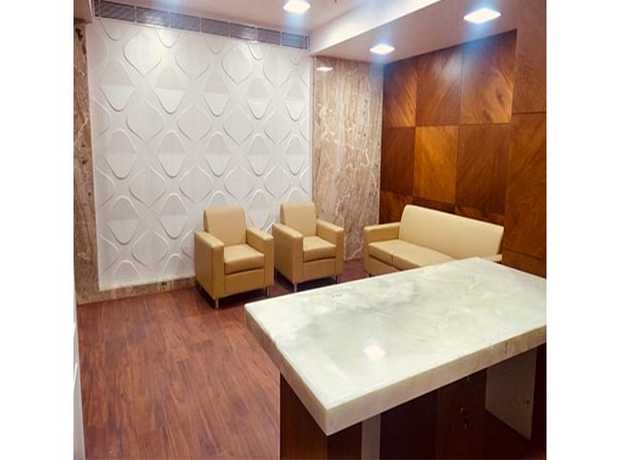
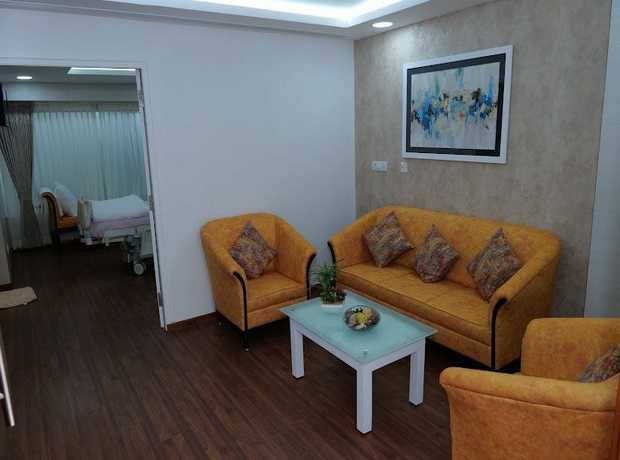

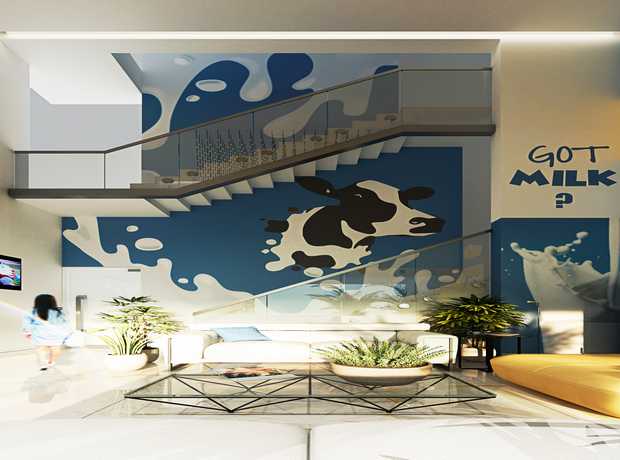
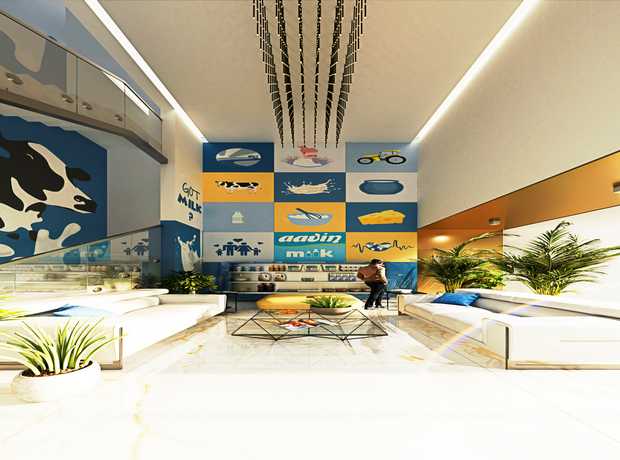
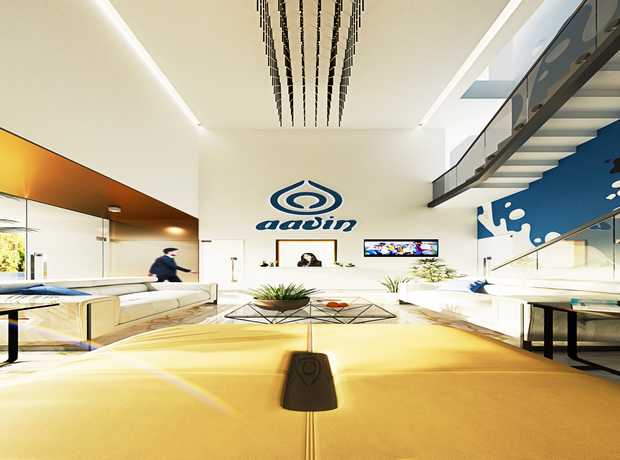
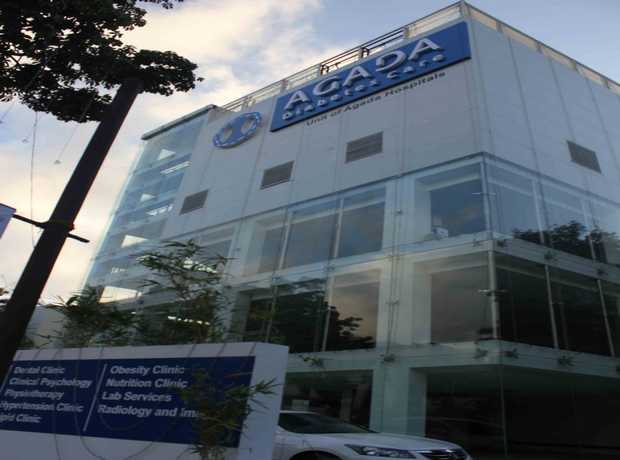
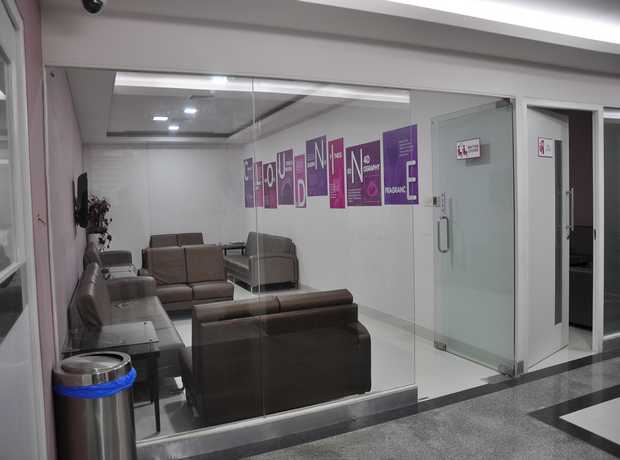
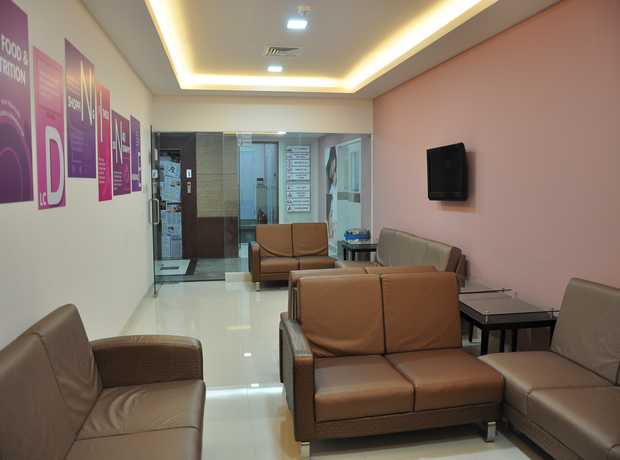
1. Regulatory Compliance and Universal Accessibility: Laying the Foundation for Safety and Inclusion
Navigating Nairobi’s intricate web of building codes and accessibility standards is the foundational and arguably most critical step in any waiting area design project. Non-compliance can lead to severe penalties, project delays, and reputational damage. Adherence to these regulations is not just about avoiding legal pitfalls; it’s about creating safe, inclusive, and equitable spaces for all members of the community.
- Kenyan Accessibility Standards (Persons with Disabilities Act, 2003 & related amendments): Ensure meticulous adherence to national guidelines for disabled access. This includes specific requirements for ramp gradients (typically 1:12), minimum door widths (usually 800-900mm), clear pathways, accessible seating options with adequate space for wheelchairs, and accessible restrooms (including grab bars, appropriate toilet heights, and turning radii). Consider sensory accessibility for visually and hearing-impaired individuals (e.g., tactile paving, visual alarms).
- Nairobi City County Building Regulations: Comprehensive compliance with local bylaws is paramount. This covers aspects such as:
- Fire Safety: Strict adherence to fire escape routes, clearly marked emergency exits, fire-rated materials, smoke detectors, sprinkler systems, and accessible fire extinguishers. Ensure pathways to exits are free from obstructions.
- Ventilation & Air Quality: Compliance with minimum air change rates, ensuring adequate natural or mechanical ventilation to maintain healthy indoor air quality, crucial in high-traffic waiting areas.
- Occupancy Limits: Design the space to safely accommodate the anticipated maximum number of occupants, preventing overcrowding and ensuring comfortable movement.
- Structural Integrity: Ensure all design elements and modifications meet structural safety standards, especially for heavier installations or alterations to load-bearing structures.
- Sanitation & Hygiene: Provision of adequate, accessible, and well-maintained restroom facilities, handwashing stations, and waste disposal systems.
- Permits and Approvals: Obtain all necessary permits and approvals from the Nairobi City County and other relevant authorities (e.g., NEMA for environmental impact, NCA for construction contractor registration) before commencing any construction or renovation work. This includes planning approvals, building permits, and occupancy certificates.
- Wayfinding & Signage: Implement clear, concise, and universally understandable signage, including tactile and Braille options where appropriate, for navigation within the waiting area and to essential facilities.
Skydome Designs specializes in ensuring all designs meet local regulatory standards and are future-proofed against evolving compliance requirements. Contact us to learn more about our rigorous compliance assurance processes.
2. Strategic Space Planning and Optimal Functionality: Crafting Efficient and Comfortable Layouts
Effective space planning is the cornerstone of a successful waiting area, ensuring not only comfort but also efficiency and safety. In Nairobi’s often compact urban environments, maximizing space while maintaining functionality is a delicate art. It requires a deep understanding of user behavior, traffic patterns, and the specific purpose of the waiting area.
- Detailed Traffic Flow Analysis: Meticulously optimize the layout to minimize congestion and ensure a smooth, intuitive movement of people from entry to reception, to various waiting zones, and ultimately to their destination. Consider peak hours and potential bottlenecks. Design clear pathways for both regular traffic and emergency access.
- Accurate Seating Capacity & Variety: Provide a diverse range of adequate seating options based on anticipated peak demand and the duration of wait times. Include individual chairs for privacy, communal benches for groups, and specialized seating for specific needs (e.g., bariatric seating, seating with armrests for the elderly, low seating for children). Ensure sufficient space around seating for personal belongings and comfortable circulation.
- Intelligent Zoning and Activity Areas: Create distinct zones within the waiting area to cater to different activities and user groups, thereby enhancing comfort and minimizing disturbances.
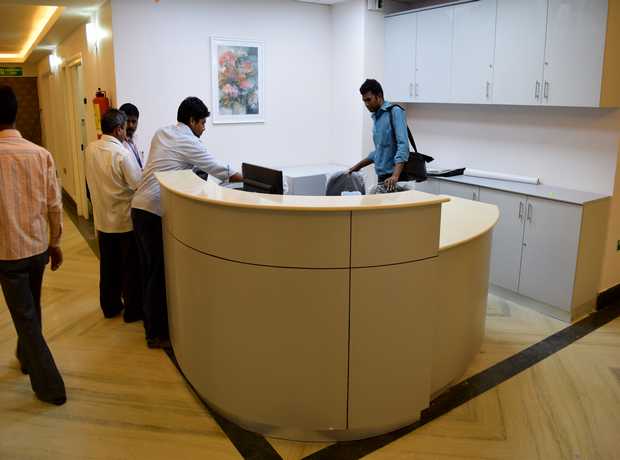
- Reception/Check-in Zone: Clearly defined and easily identifiable, with efficient counters and queues.
- Quiet/Relaxation Zone: Away from high-traffic areas, possibly with more comfortable seating, subdued lighting, and sound-absorbing elements.
- Active/Children’s Play Zone: Designed for younger visitors, incorporating durable, safe, and engaging play elements. Ensure it’s visible for parental supervision.
- Work/Productivity Zone: With access to power outlets, Wi-Fi, and surfaces for laptops or documents.
- Private/Consultation Nooks: Semi-enclosed areas for sensitive conversations or phone calls.
- Circulation Paths & Clearances: Ensure all pathways meet minimum width requirements (e.g., 1200mm for main corridors) and provide sufficient clearance around furniture for ease of movement, especially for wheelchairs and strollers. Avoid dead ends.
- Integration with Adjacent Spaces: Consider how the waiting area connects to other parts of the building (e.g., restrooms, exits, service areas) and design for seamless transitions.
- Flexibility and Adaptability: Incorporate modular furniture or flexible partitions that allow the space to be reconfigured for different needs, events, or changes in capacity requirements over time.
Need help with optimal space planning that integrates functionality with aesthetic appeal, tailored for Nairobi’s urban context? Our team at Skydome Designs excels in creating efficient and inviting layouts that elevate the user experience. Call us at +91 7299072144 for a consultation.
3. Illumination Excellence: The Art and Science of Waiting Area Lighting Design
Effective lighting transcends mere visibility; it is a powerful design element that shapes mood, enhances comfort, aids navigation, and can even influence health. In Nairobi, where natural light can be abundant, its thoughtful integration with artificial lighting is key to creating a truly exceptional waiting area.
- Layered Ambient Lighting: Provide sufficient general illumination throughout the space for safe navigation and overall visual comfort. This primary layer should be evenly distributed, avoiding harsh shadows or glares. Consider indirect lighting solutions to create a softer, more inviting glow.
- Strategic Task Lighting: Incorporate focused lighting in specific areas where visitors might engage in activities like reading, completing forms, or working on laptops. This could include adjustable floor lamps, wall sconces, or integrated lighting within furniture.
- Natural Light Optimization: Maximize the use of Nairobi’s abundant natural light through large windows, skylights, or light tubes. Position seating to benefit from natural light without causing excessive glare or heat gain. Utilize sheer curtains or blinds for light control and privacy when necessary. Natural light has proven psychological benefits, reducing stress and improving mood.
- Accent Lighting: Use accent lighting to highlight architectural features, artwork, or plants, adding visual interest and creating depth within the space. This layer contributes to the overall aesthetic and can reinforce branding.
- Color Temperature & CRI: Select appropriate color temperatures (measured in Kelvin). Warmer temperatures (2700K-3000K) create a cozy, inviting atmosphere, while cooler temperatures (4000K-5000K) are more energizing and suitable for task-oriented areas. Ensure a high Color Rendering Index (CRI) (80+) so colors appear natural and vibrant.
- Energy Efficiency & Control: Implement energy-efficient LED lighting systems with smart controls (dimmers, occupancy sensors, daylight harvesting) to reduce energy consumption and operational costs, aligning with sustainable practices relevant to Nairobi.
- Glare Control: Design to minimize direct and reflected glare from light sources, which can cause discomfort and visual fatigue for occupants.
4. Mastering Acoustics: Creating Serene and Productive Soundscapes in Waiting Areas
Noise control is paramount for creating a peaceful, private, and comfortable waiting environment, especially in busy urban settings like Nairobi. Uncontrolled noise can lead to stress, reduced productivity, and a diminished sense of privacy. Effective acoustic design focuses on both reducing unwanted noise and enhancing desirable sounds.
- Strategic Sound Absorption: Incorporate a variety of sound-absorbing materials to reduce reverberation and echo, creating a calmer soundscape. This includes:
- Acoustic Panels: Wall-mounted or ceiling-suspended panels made from porous materials.
- Carpeting/Area Rugs: Especially in high-traffic zones, to absorb footfall noise.
- Upholstered Furniture: Fabric-covered seating absorbs sound much better than hard surfaces.
- Curtains/Draperies: Heavy fabrics can significantly reduce sound reflections.
- Perforated Ceilings: Acoustic ceiling tiles or panels designed to absorb sound.
- Noise Isolation & Blocking: Implement strategies to minimize noise intrusion from external sources, such as street traffic, adjacent offices, or noisy equipment.
- High-Performance Windows: Double-glazed or laminated glass can significantly reduce external noise.
- Solid Core Doors: For private consultation rooms or administrative areas adjacent to the waiting space.
- Strategic Layout: Position quieter zones away from noisy entrances or service areas.
- Enhancing Privacy with Sound Masking: Consider incorporating sound masking systems, which emit a subtle, unstructured background sound (similar to soft airflow) to cover up distracting speech and improve speech privacy, particularly useful in medical or corporate waiting areas where sensitive information might be overheard.
- Controlling Sound Reflection: Use non-parallel walls or diffusers to scatter sound waves, preventing flutter echoes and standing waves that can make a space feel “live” and noisy.
- Vibration Control: Where applicable, isolate noisy equipment (e.g., HVAC units) with vibration dampeners to prevent structural transmission of noise.
5. Intelligent Materials Selection: Durability, Hygiene, and Aesthetic Appeal for Nairobi’s Demands
The choice of materials profoundly impacts the longevity, maintenance, hygiene, and overall aesthetic of a waiting area. In Nairobi’s climate and with diverse user traffic, selecting materials that are robust, easy to clean, and culturally appropriate is crucial for a successful design that provides value over time.
- Exceptional Durability and Longevity: Select materials that can withstand heavy, continuous use, high foot traffic, and potential spills. Prioritize surfaces that resist scratches, dents, and fading. Examples include commercial-grade porcelain tiles, luxury vinyl tile (LVT), engineered stone, solid surfaces, and contract-grade upholstery fabrics.
- Ease of Maintenance and Hygiene: Given the importance of public health, especially in healthcare settings, opt for non-porous, easily cleanable, and antimicrobial surfaces where possible. Materials should withstand frequent cleaning with standard disinfectants without degradation. Consider seamless installations to prevent dirt accumulation.
- Aesthetic Harmony and Brand Integration: Choose materials that complement the overall design concept, brand identity, and desired atmosphere. Materials should contribute to a welcoming, professional, or calming environment. Consider local materials or textures that resonate with Nairobi’s cultural context.
- Fire Safety Ratings: Ensure all materials, particularly fabrics, wall coverings, and ceiling tiles, meet relevant fire retardancy standards as per Kenyan building codes, reducing risk in the event of an emergency.
- Sustainability and Environmental Impact: Opt for eco-friendly materials with lower embodied energy, recycled content, or those sourced from sustainable forests (FSC certified). Consider materials with low VOC (Volatile Organic Compound) emissions to ensure healthy indoor air quality. Support local material suppliers where possible to reduce transport carbon footprint and boost the local economy.
- Tactile and Visual Appeal: Incorporate a variety of textures and finishes to add sensory richness and visual interest without overwhelming the space. Consider how materials feel to the touch and how they interact with light.
- Cost-Effectiveness (Life Cycle Costing): While initial cost is a factor, prioritize materials that offer a good return on investment over their lifespan due to their durability, low maintenance requirements, and resistance to wear and tear.
6. Elevating Experiences Through Interior Design and Aesthetic Appeal
The overall interior design is not merely about making a space look good; it’s about crafting an immersive experience that promotes comfort, reduces stress, and reinforces the organization’s identity. In Nairobi, where diverse aesthetics meet, a thoughtfully designed waiting area can speak volumes.
- Purposeful Color Palette: Use calming and inviting colors that promote relaxation and reduce anxiety, particularly in healthcare settings. Incorporate accent colors derived from your brand identity to add vitality and interest. Understand the psychological impact of different colors on mood and perception.
- Curated Artwork and Décor: Incorporate strategically chosen artwork, sculptures, and decorative elements to add visual interest, provide distraction, and create a welcoming atmosphere. Consider sourcing local Kenyan art to celebrate local talent and culture, adding an authentic touch. Integrate plants and natural elements (biophilic design) to improve air quality and connect occupants with nature, which is known to reduce stress.
- Seamless Branding Integration: Integrate branding elements, such as logos, corporate colors, and mission statements, subtly and elegantly within the design. This can be achieved through signage, accent walls, feature lighting, or custom furniture, ensuring a cohesive and professional appearance.
- Thoughtful Furniture Selection: Choose furniture that is not only durable and easy to maintain but also ergonomically designed for comfort. Offer a variety of seating types (as mentioned in space planning) to cater to different postures and needs. Select pieces that complement the overall aesthetic and material palette.
- Strategic Layout for Visual Interest: Arrange furniture and décor to create focal points, break up large spaces, and guide the eye through the room. Avoid monotonous, linear arrangements.
- Textiles and Fabrics: Use textiles (e.g., cushions, throws, acoustic panels) to add warmth, texture, and absorb sound. Ensure fabrics are durable, easy to clean, and fire-rated.
- Lighting as a Design Element: Beyond functionality, use lighting to highlight architectural features, create mood, and add visual drama.
- Consistency of Style: Maintain a consistent design style throughout the waiting area to create a harmonious and professional environment, reflecting the organization’s image.
7. Integrating Modern Technology for Enhanced User Experience
In today’s connected world, integrating technology into waiting areas is no longer a luxury but a necessity, particularly for a tech-savvy population like Nairobi’s. Thoughtful tech integration can significantly enhance convenience, provide entertainment, and improve communication, making wait times feel shorter and more productive.
- High-Speed Wi-Fi Access: Provide reliable, free Wi-Fi connectivity for visitors, allowing them to stay connected, work, or entertain themselves. Ensure robust network security.
- Convenient Charging Stations: Install easily accessible power outlets and USB charging ports (Type-A and Type-C) at various seating locations. Consider integrated charging options within furniture for a sleek look and safety.
- Informative Digital Signage: Utilize digital screens to display important information such as wait times, queue numbers, facility maps, relevant news, health tips, or promotional content. This can reduce staff workload and enhance communication efficiency.
- Entertainment Options: Offer passive entertainment through well-placed televisions displaying news, nature documentaries, or relevant informational content. Ensure volume is kept at a comfortable level or provide headphone jacks.
- Interactive Kiosks & Self-Service: Implement kiosks for check-ins, appointment scheduling, information retrieval, or feedback collection. This can streamline processes and empower visitors.
- Queue Management Systems: Digital queue systems with display screens showing current serving numbers can significantly reduce perceived wait times and improve flow.
- Background Music/Soundscapes: Curate a selection of calming background music or natural soundscapes to enhance relaxation and contribute to a pleasant atmosphere. Ensure compliance with public performance licenses.
- Smart Lighting & Climate Control: Integrate smart systems for automated lighting adjustments based on natural light levels or time of day, and for efficient temperature control, optimizing comfort and energy use.
8. Prioritizing Comfort and Essential Amenities
True quality in a waiting area extends beyond visual appeal and into the realm of physical and psychological comfort. Providing essential amenities can transform a mundane wait into a more pleasant and tolerable experience, reflecting a deep consideration for the visitor’s well-being.
- Optimal Temperature Control: Ensure the waiting area maintains a comfortable ambient temperature, accounting for Nairobi’s varying climate. Utilize efficient HVAC systems that provide both cooling and heating as needed, with good air distribution to avoid hot or cold spots.
- Effective Ventilation and Air Quality: Prioritize excellent indoor air quality through robust ventilation systems, potentially incorporating air purifiers, especially in healthcare settings. Fresh, clean air is crucial for health and comfort.
- Accessible and Clean Restrooms: Provide easily locatable, well-maintained, and fully accessible restrooms, equipped with essential supplies and good hygiene standards. Consider family restrooms or baby changing facilities where appropriate.
- Refreshment Stations: Offer access to clean drinking water, perhaps through a water dispenser, and consider vending machines for snacks or hot beverages, particularly for longer wait times.
- Reading Materials & Information Displays: Provide a selection of current magazines, newspapers, or brochures (relevant to your organization) to offer distraction and information. Ensure these are neatly organized and regularly updated.
- Accessibility for Special Needs: Beyond physical accessibility, consider other comfort factors for individuals with special needs, such as a quiet corner for those with sensory sensitivities or private feeding areas for nursing mothers.
- Coat Hooks/Storage: Provide simple amenities like coat hooks or umbrella stands, especially during rainy seasons in Nairobi, to enhance visitor convenience.
- Security of Personal Belongings: While not always feasible for every item, consider secure charging lockers or bag hooks beneath seating to offer a sense of security for personal items.
9. Ensuring Safety, Security, and Emergency Preparedness
The safety and security of visitors and staff within a waiting area are non-negotiable. A comprehensive design must anticipate and mitigate potential risks, ensuring a safe environment for everyone, particularly critical in bustling urban centres like Nairobi.
- Clearly Marked Emergency Exits: Ensure all emergency exits are clearly signposted, well-lit, and always unobstructed, leading to safe assembly points. Regularly check emergency lighting.
- Fire Safety Equipment: Install accessible and regularly serviced fire extinguishers, fire blankets, and ensure staff are trained in their use.
- Emergency Communication Systems: Implement public address systems for emergency announcements and consider panic buttons in reception or staff areas.
- Non-Slip Flooring: Select flooring materials that offer good traction, even when wet, to prevent slips and falls. Use anti-slip treatments in high-risk areas.
- CCTV Surveillance: Strategically place CCTV cameras to monitor the waiting area, enhancing security and deterring undesirable behavior. Ensure clear signage regarding surveillance.
- Secure Staff Areas: Design the reception counter and staff areas to be secure and protected, with appropriate barriers or panic buttons where necessary.
- Child Safety Features: In areas designated for children, ensure all furniture is child-safe, outlets are covered, and there are no sharp edges or potential choking hazards.
- First Aid Accessibility: Ensure a clearly marked first aid kit is readily accessible, and staff are trained in basic first aid.
- Minimizing Trip Hazards: Design layouts to eliminate or clearly mark changes in floor level. Ensure electrical cords are managed and out of pathways.
- Robust Furniture: Choose furniture that is stable, robust, and free from sharp edges or pinch points. Secure heavy furniture to prevent tipping.
10. Operational Efficiency and Long-Term Maintenance Considerations
A well-designed waiting area is not only beautiful and functional on day one but also remains so for years to come. Considerations for long-term operations and maintenance are crucial for ensuring sustainability, controlling costs, and preserving the quality of the space, especially important for projects in Nairobi that need to deliver lasting value.
- Ease of Cleaning: Select materials, finishes, and furniture that are easy to clean, stain-resistant, and can withstand frequent cleaning protocols without degrading. Avoid intricate designs that trap dust or dirt.
- Durability of Finishes: Prioritize finishes that are highly durable and resistant to wear and tear from heavy traffic, reducing the frequency and cost of repairs and replacements.
- Access for Maintenance: Design with easy access to utility points (e.g., HVAC filters, lighting fixtures, plumbing) for routine maintenance and repairs.
- Modular & Replaceable Components: Where possible, use modular furniture or easily replaceable components for elements prone to wear, reducing the cost and effort of repairs.
- Integrated Waste Management: Provide clearly marked and easily accessible waste and recycling bins that are regularly emptied. Ensure they are discreetly integrated into the design.
- Future-Proofing for Upgrades: Design infrastructure (e.g., electrical conduits, network cabling) with sufficient capacity and flexibility to accommodate future technological upgrades or changes in spatial use without major renovation.
- Energy Efficiency of Systems: Ensure all installed systems (lighting, HVAC, digital displays) are energy-efficient to minimize ongoing operational costs and environmental impact.
- Pest Control Measures: Design elements that minimize potential harborage for pests, and ensure materials can withstand routine pest management treatments if needed.
- Security for Operations: Consider how the waiting area facilitates secure operations, especially for staff handling sensitive information or valuables.
- Post-Occupancy Evaluation (POE): Plan for a post-occupancy evaluation to gather feedback on the waiting area’s performance, allowing for continuous improvement and informing future designs.
11. Budgeting and Demonstrating Return on Investment (ROI)
While the initial investment in a high-quality waiting area design might seem substantial, it’s crucial to approach it as a strategic asset. A well-designed waiting area delivers tangible and intangible returns. Understanding the budgeting process and being able to articulate the ROI is vital for any project in Nairobi.
- Comprehensive Cost Breakdown: Develop a detailed budget encompassing all design phases, material costs, construction, installation, technology integration, furniture, fixtures, and equipment (FF&E), contingency funds, and professional fees.
- Value Engineering: Actively seek opportunities for value engineering—optimizing costs without compromising quality, functionality, or the design intent. This involves exploring alternative materials, construction methods, or design solutions.
- Life Cycle Costing: Beyond initial purchase price, evaluate materials and systems based on their total life cycle cost, including maintenance, energy consumption, and expected lifespan. Durable, energy-efficient choices often offer better long-term value.
- Quantifiable Benefits for ROI:
- Reduced Wait Times (Perceived & Actual): Good design with entertainment/productivity options can reduce perceived wait times, improving customer satisfaction.
- Improved Client/Patient Satisfaction: Leading to better reviews, repeat business, and positive word-of-mouth.
- Enhanced Staff Productivity: Efficient layouts and organized flows free up staff for core tasks.
- Lower Maintenance Costs: Durable materials and easy-to-clean surfaces reduce ongoing expenses.
- Energy Savings: Efficient lighting and HVAC systems contribute to lower utility bills.
- Increased Brand Equity: A professional, comfortable waiting area elevates brand perception and trust.
- Reduced Anxiety/Stress: Especially in healthcare, a calming environment aids patient well-being.
- Compliance Avoidance Costs: Investing in compliance upfront avoids hefty fines and rework later.
- Phased Implementation: For larger projects or budget constraints, consider a phased approach to design and implementation, allowing for spread-out investment while still achieving key objectives.
- Transparent Reporting: Ensure clear and transparent financial reporting throughout the project, with milestone-based payments tied to verified progress.
Skydome Designs: Your Unrivaled Partner for Exceptional Waiting Area Design in Nairobi
At Skydome Designs, we understand that a waiting area is more than just a space; it’s an experience, an extension of your brand, and a critical component of your operational efficiency. We grasp the intricacies of creating effective and compliant waiting areas within Nairobi’s unique urban fabric. With nearly 30 years of extensive experience, our award-winning team of architects, interior designers, and project managers is passionately dedicated to delivering innovative, sustainable, and supremely functional spaces that not only meet but exceed expectations, enhancing user experiences and operational effectiveness.
Our Comprehensive Range of Services for Nairobi’s Dynamic Needs
We offer a holistic suite of services, meticulously tailored to address every aspect of your waiting area design requirements, ensuring a seamless and high-quality outcome:
- Strategic Space Planning: Crafting intelligent layouts that optimize traffic flow, maximize seating capacity, and create distinct functional zones for diverse user needs, perfectly adapted to Nairobi’s spatial dynamics.
- Advanced Lighting Design: Implementing sophisticated lighting schemes that blend ambient, task, and accent lighting with natural light optimization, ensuring visual comfort, energy efficiency, and a welcoming atmosphere.
- Acoustic Engineering: Designing for optimal sound environments through sound absorption, noise isolation, and privacy-enhancing solutions, creating serene and productive spaces.
- Intelligent Materials Selection: Guiding you through the selection of durable, hygienic, aesthetically pleasing, and sustainable materials that withstand heavy use and align with your brand and budget.
- Furniture, Fixtures, and Equipment (FF&E) Specification: Sourcing and specifying ergonomic, robust, and stylish furniture and fixtures that complement the design and enhance comfort.
- Branding & Aesthetic Integration: Seamlessly incorporating your brand identity and desired aesthetic into every design element, from color palettes to artwork, ensuring a cohesive and impactful impression.
- Technology Integration: Advising on and implementing modern technological solutions such as Wi-Fi, charging stations, digital signage, and queue management systems for enhanced user convenience.
- Regulatory Compliance & Accessibility Assurance: Ensuring all designs strictly adhere to Nairobi City County building codes, Kenyan accessibility standards, and all other relevant regulations, minimizing risks and delays.
- Turnkey Interior Execution: Providing end-to-end project management, from concept to completion, ensuring meticulous execution, quality control, and timely delivery.
Why Skydome Designs Stands Apart: Decades of Proven Excellence
- 29+ Years of Industry Leadership: Our extensive experience spans across India and international markets, including significant projects in Nairobi, providing us with unparalleled insights and expertise.
- Integrated In-House Expertise: Our multidisciplinary team comprises dedicated architects, specialized healthcare planners, seasoned interior designers, and meticulous project managers, fostering seamless coordination and comprehensive solutions.
- Award-Winning & Client-Focused Approach: We pride ourselves on creating designs that not only win accolades but, more importantly, are deeply aligned with our clients’ visions and operational objectives, delivering measurable value.
- Sustainable & Future-Ready Designs: Our commitment to sustainability is woven into every project, creating spaces that are environmentally responsible, energy-efficient, and adaptable for future needs.
- Global Standards, Local Expertise: We consistently deliver projects on-time, on-budget, and to the highest global quality standards, while incorporating nuanced local insights relevant to Nairobi’s unique context.
Delivered 2352+ waiting area design assignments across Nairobi and globally over 18+ years. On‑time delivery 99%, multi‑disciplinary reviews, and post‑occupancy support underpin outcomes. Let us transform your Nairobi waiting area into a space of comfort, efficiency, and lasting impression. View our extensive portfolio and success stories.
BIM‑Led Coordination and Quality Control: Precision Redefined for Nairobi Projects
At Skydome Designs, we harness the transformative power of Building Information Modeling (BIM) to bring unparalleled precision, efficiency, and quality to every project. Our BIM-led approach ensures superior coordination across all design disciplines, minimizing clashes, enabling proactive problem-solving, and optimizing workflows, all meticulously tailored to the specific construction and regulatory context of Nairobi.
This advanced methodology allows for comprehensive value engineering, where we identify opportunities to enhance functionality and reduce costs without compromising the integrity or quality of the design. Our rigorous quality control processes, embedded within the BIM framework, ensure that every detail meets the highest industry standards and client expectations from the initial concept to the final handover. Our award-winning team provides complete transparency throughout the project lifecycle, offering detailed cost breakdowns and consistent, milestone-based reporting to keep you fully informed and ensure your project stays precisely on track and within budget in Nairobi. Experience the Skydome difference – contact us for a detailed project proposal today and see how BIM can elevate your Nairobi waiting area project. Learn more about our innovative BIM services.
Conclusion: Investing in Superior Waiting Area Design for Nairobi’s Future
Designing a waiting area in Nairobi that not only meets stringent regulatory requirements but also anticipates and exceeds user expectations is a complex, multi-faceted endeavor. It demands a comprehensive approach that considers every detail, from the macro-level planning of space and flow to the micro-level selection of materials and integration of technology. By meticulously utilizing this detailed checklist, you equip yourself with the knowledge and framework necessary to navigate these complexities effectively.
However, true excellence often requires the partnership of seasoned professionals. Collaborating with an experienced and reputable firm like Skydome Designs ensures that your vision is not only realized but also optimized for compliance, functionality, aesthetics, and long-term value. Our proven track record, nearly three decades of expertise, and unwavering commitment to client success make us the ideal partner to help you create a waiting area that is not just a space to wait, but a positive, memorable extension of your organization in Nairobi. Don’t compromise on quality, comfort, or compliance. Invest in a waiting area that reflects your commitment to excellence and sets a new benchmark for design in Nairobi.
Take the first step towards an exceptional waiting area. Call us today at +91 7299072144 or email info@skydomedesigns.com to discuss your project and receive a free, no-obligation consultation. Let Skydome Designs bring your vision to life.
Frequently Asked Questions (FAQs) About Waiting Area Design in Nairobi
What are the key considerations for waiting area design in Nairobi?
Key considerations are extensive and include stringent regulatory compliance (e.g., Kenyan building codes, Persons with Disabilities Act), efficient space planning to manage diverse traffic flows, thoughtful lighting design (optimizing natural and artificial light), effective acoustic treatment for comfort and privacy, intelligent materials selection for durability and hygiene, and an interior design that aligns with brand identity and promotes user well-being. Additionally, integrating modern technology, ensuring safety, and planning for long-term maintenance are crucial for Nairobi’s dynamic environment.
How can I ensure my waiting area design complies with accessibility standards in Nairobi?
To ensure compliance, you must adhere strictly to the Kenyan Persons with Disabilities Act (2003) and related national and county regulations. This involves designing for specific requirements like ramp gradients (typically 1:12), minimum door widths (800-900mm), providing ample clear floor space for wheelchair users, accessible seating options, universally designed restrooms, and incorporating tactile paving and clear signage. Consulting with a qualified architect or interior designer who has deep expertise in Nairobi’s local regulations and universal design principles, such as Skydome Designs, is highly recommended.
What are some effective strategies for improving acoustics in a waiting area?
Effective acoustic strategies involve a multi-pronged approach. Incorporate sound-absorbing materials such as acoustic panels (wall or ceiling mounted), heavy carpeting or area rugs, and upholstered furniture to reduce reverberation and echo. Implement noise isolation techniques like double-glazed windows and solid core doors to minimize external noise intrusion. For enhanced privacy, especially in sensitive environments, consider a sound masking system that emits a low-level background sound. Strategic spatial planning can also help by creating quieter zones away from high-traffic or noisy areas.
How can I create a welcoming and comfortable waiting area for visitors?
Creating a welcoming and comfortable waiting area involves a holistic design approach. Use calming and inviting color palettes, optimize natural light, and supplement with warm ambient artificial lighting. Provide a variety of ergonomically designed seating options to cater to different needs and durations of wait. Integrate biophilic elements like plants and natural materials. Offer essential amenities such as Wi-Fi, charging stations, and refreshments. Incorporate artwork (especially local Kenyan art), soothing background music, and clear wayfinding to reduce anxiety and enhance the overall visitor experience. Prioritize good ventilation and comfortable temperature control.
What is the typical cost of waiting area design in Nairobi?
The cost of waiting area design in Nairobi can vary significantly based on several factors: the size and complexity of the space, the quality and type of materials selected, the extent of technology integration, customization requirements, and the scope of services provided by the design firm (e.g., design-only vs. turnkey execution). It’s always best to obtain detailed quotes from several reputable firms. Skydome Designs offers transparent cost breakdowns and free consultations to provide an accurate estimate tailored to your specific project needs. Contact Skydome Designs for a free estimate.
Why is sustainability important in Nairobi waiting area design?
Sustainability in Nairobi waiting area design is crucial for several reasons: it minimizes environmental impact (e.g., reducing carbon footprint through energy-efficient systems and locally sourced materials), promotes healthier indoor environments (e.g., low VOC materials), reduces long-term operational costs (e.g., lower utility bills), and enhances corporate social responsibility. Furthermore, sustainable design aligns with global best practices and can attract environmentally conscious clientele, reflecting a forward-thinking brand image in Nairobi’s evolving market.
How does Skydome Designs ensure project delivery on time and on budget?
Skydome Designs ensures timely and on-budget project delivery through a combination of robust methodologies and extensive experience. We leverage BIM (Building Information Modeling) for precise planning, coordination, and clash detection, which minimizes errors and rework. Our in-house team of experts ensures seamless communication and accountability. We provide transparent cost breakdowns and adhere to milestone-based reporting, keeping clients fully informed of progress and expenditures. Our nearly 30 years of experience, including 2352+ waiting area design assignments globally with a 99% on-time delivery rate, underscore our commitment to meticulous project management and predictable outcomes.
About Skydome Designs Pvt Ltd
Skydome Designs Pvt Ltd is a pioneering architecture and interior design firm headquartered in India, renowned for its expertise and extensive project portfolio across India and abroad, including significant ventures in Nairobi. With nearly 30 years of unparalleled experience, we specialize in transforming spaces within the hospital and healthcare sectors, residential developments, and dynamic retail and commercial environments. Our mission is to deliver innovative, sustainable, and highly functional designs that not only enhance user experiences but also significantly improve operational efficiency and long-term value for our clients.
What We Do
- Hospital & Healthcare Interior Design: From patient-centric rooms, state-of-the-art ICUs and OTs, and advanced laboratories to welcoming consultation areas and comprehensive facility planning, we optimize spaces for superior patient care, staff efficiency, and a healing environment.
- Residential Projects: Crafting bespoke and inspiring interiors for a diverse range of residential projects, including luxurious apartments, premium luxury condos, comfortable senior housing, and vibrant community-focused living spaces that prioritize comfort, functionality, and aesthetic appeal.
- Retail & Commercial Design: Designing engaging and high-performing spaces for shopping malls, innovative mixed-use developments, corporate offices, and dynamic entertainment centers that attract customers, enhance productivity, and drive business success.
- Comprehensive Interior Solutions: Providing end-to-end interior design services, encompassing strategic space planning, intelligent furniture layouts, sophisticated lighting design, meticulous materials selection, and complete turnkey interior execution, ensuring a seamless and high-quality project delivery from concept to completion.
Contact: +91 7299072144 | Email: info@skydomedesigns.com